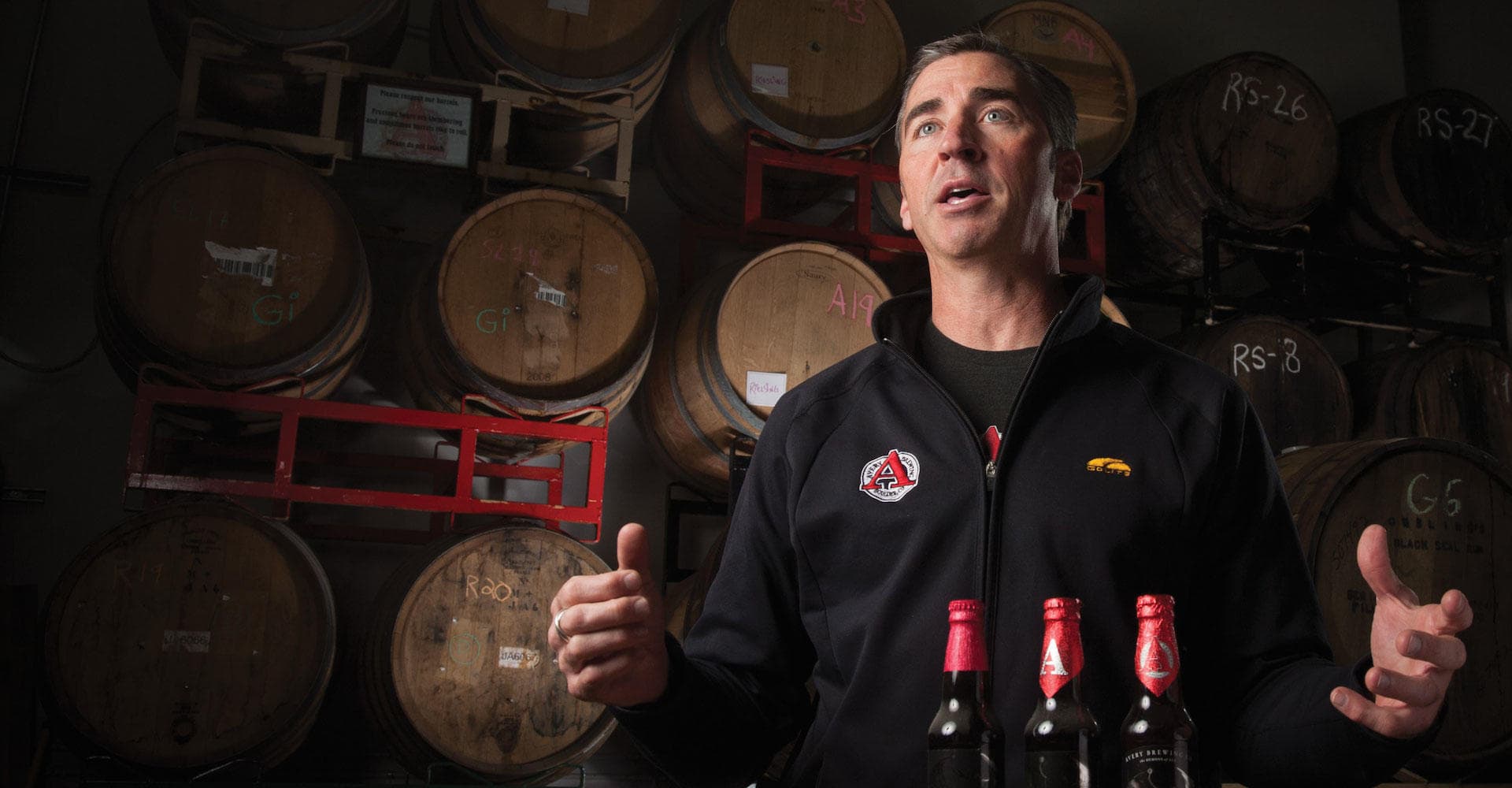
8 Tips for Successful Cellaring
We interviewed Adam Avery to gather his thoughts on how to store beer, what to expect from aged bottles, and the best ways to enjoy the experience of cellaring craft beer.

Showing 3521-3540 of 4725 articles
We interviewed Adam Avery to gather his thoughts on how to store beer, what to expect from aged bottles, and the best ways to enjoy the experience of cellaring craft beer.
Just follow the example of the monks at Mount Angel Abbey and ask yourself these nine questions before you tackle your first abbey-style beer.
Choose your twist(s) on this Westmalle Tripel-inspired beer.
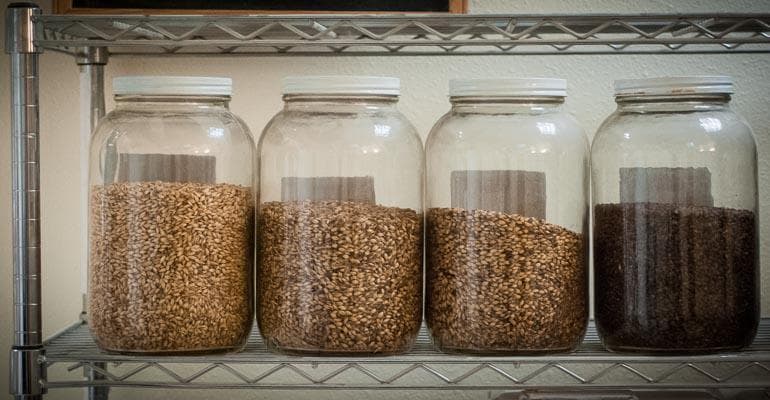
Homebrewers can take a tip from good home cooks who know the importance of a well-stocked pantry.
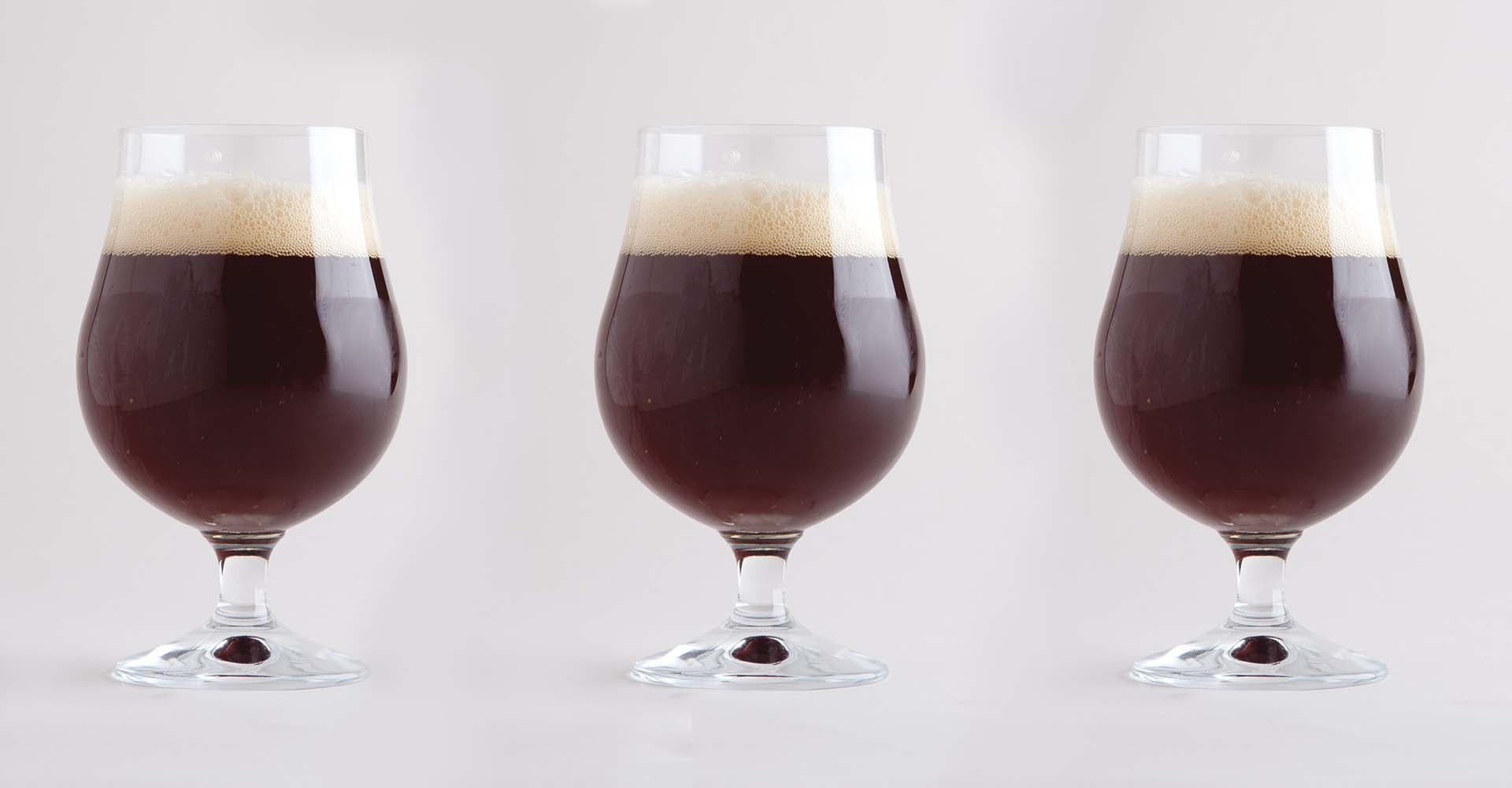
No, not a braggot. With spring in the air and the bees waiting to get to work, Josh Weikert breaks out this ESB that uses honey as an adjunct sugar.
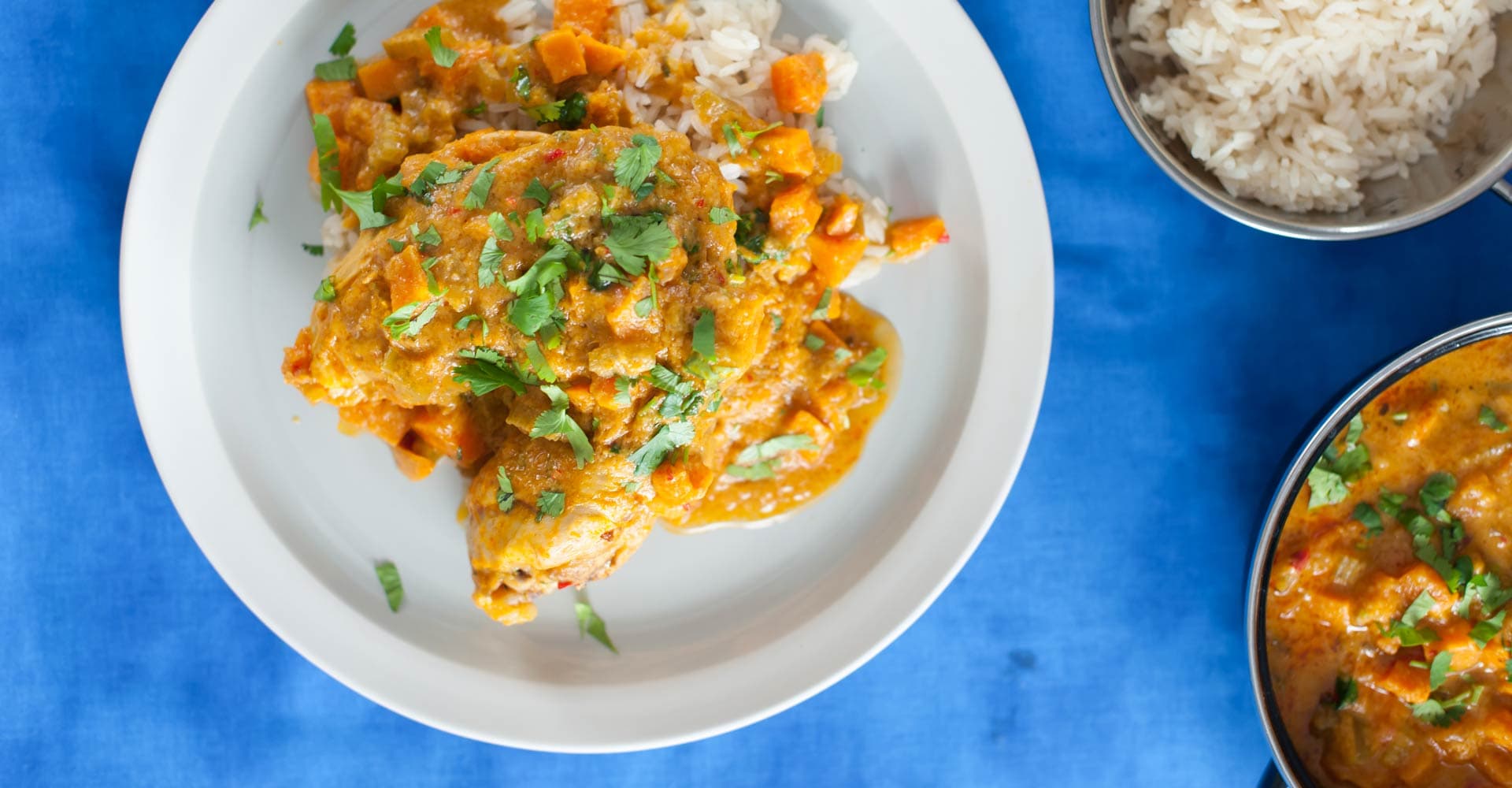
An American double (or dubbel) has the bitterness and spice to accentuate the Thai chile sauce and bring out the flavors in the coconut.
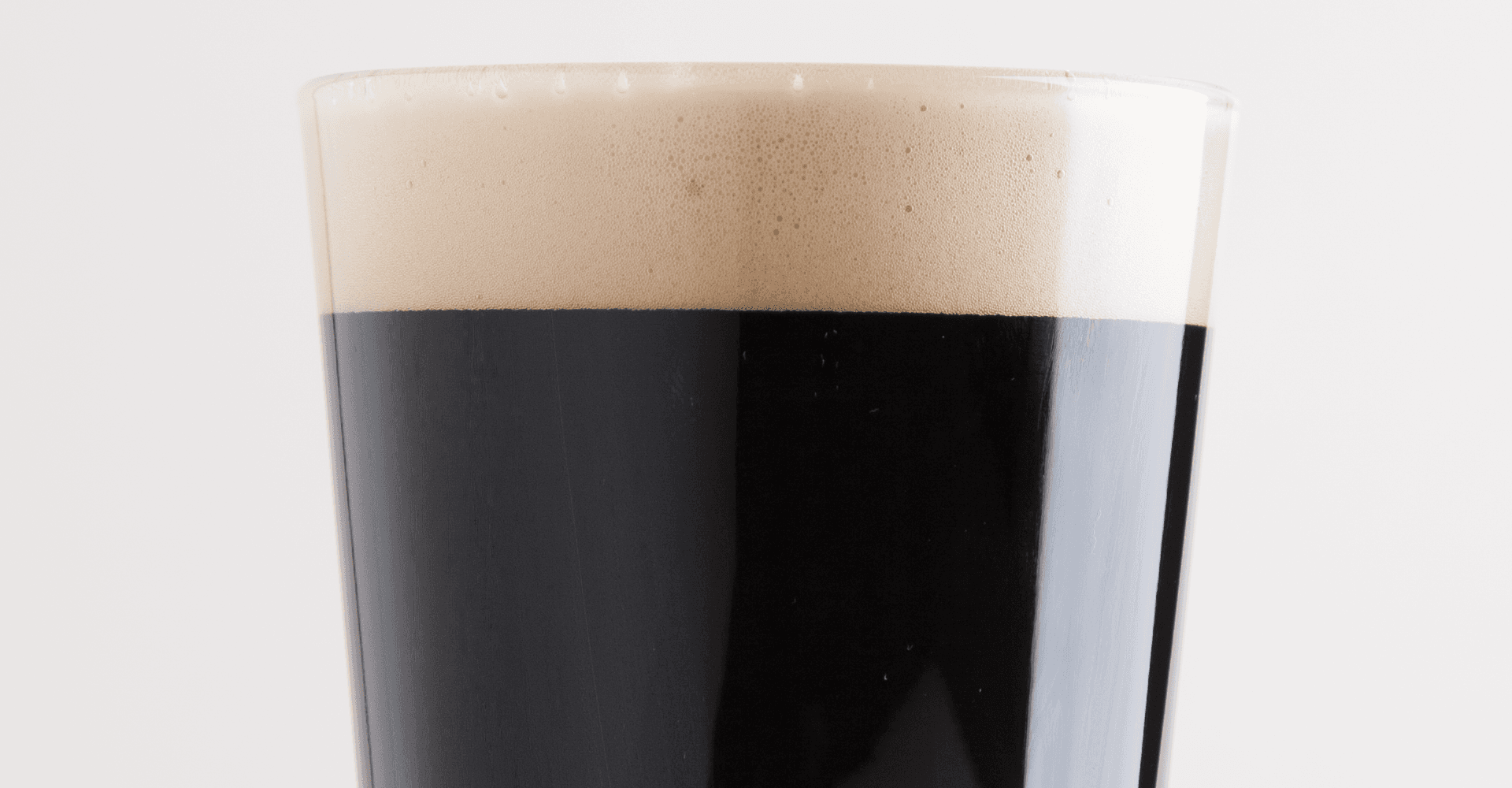
You’ll want to hoard this darker-than-dark oatmeal stout with a bit of sweet, a bit of roast, and a bit of cinnamon and gooey molasses all for yourself.
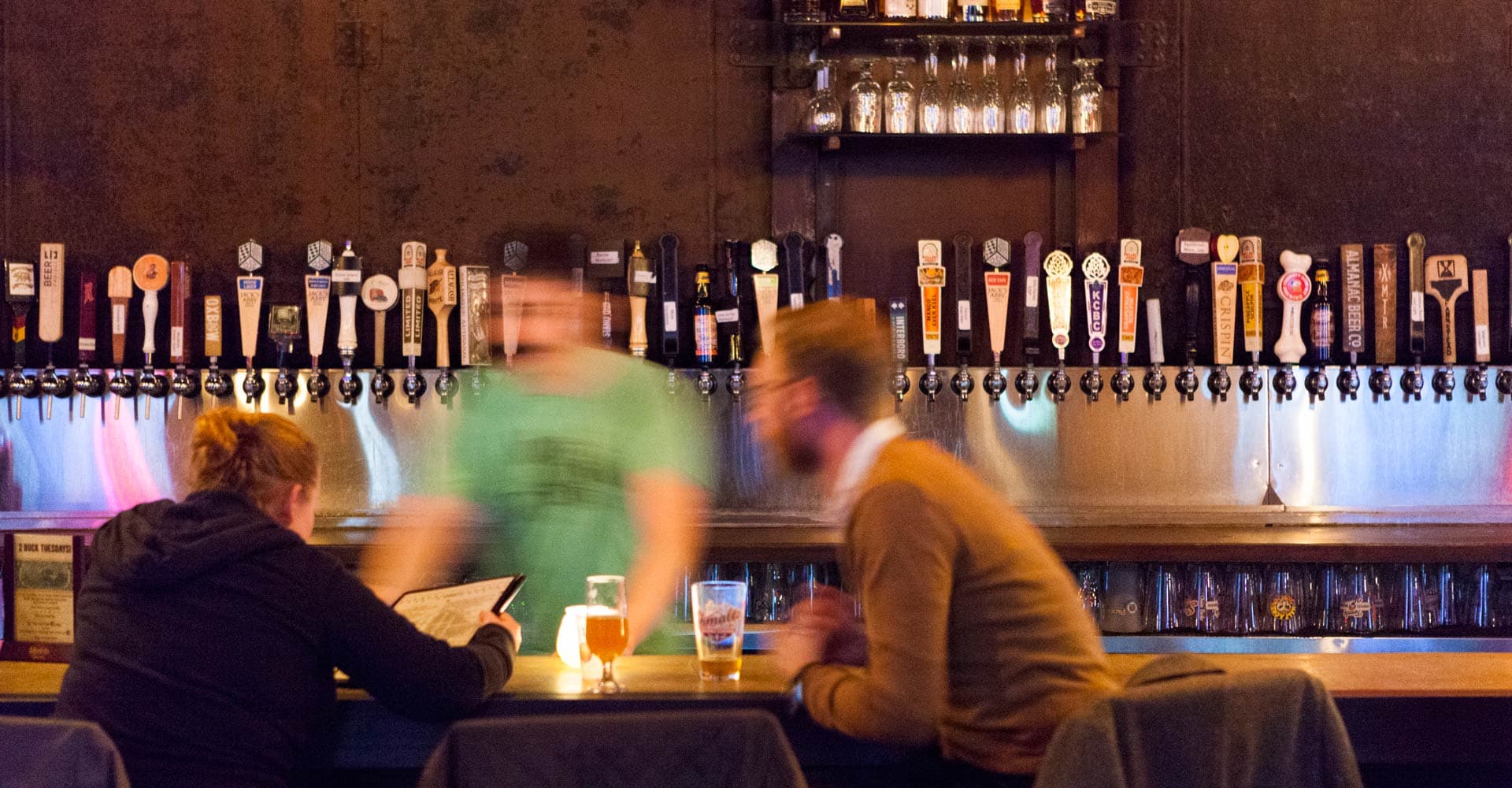
Brooklyn’s burgeoning beer scene has grown by leaps and bounds over the past four years and shows no sign of stopping.
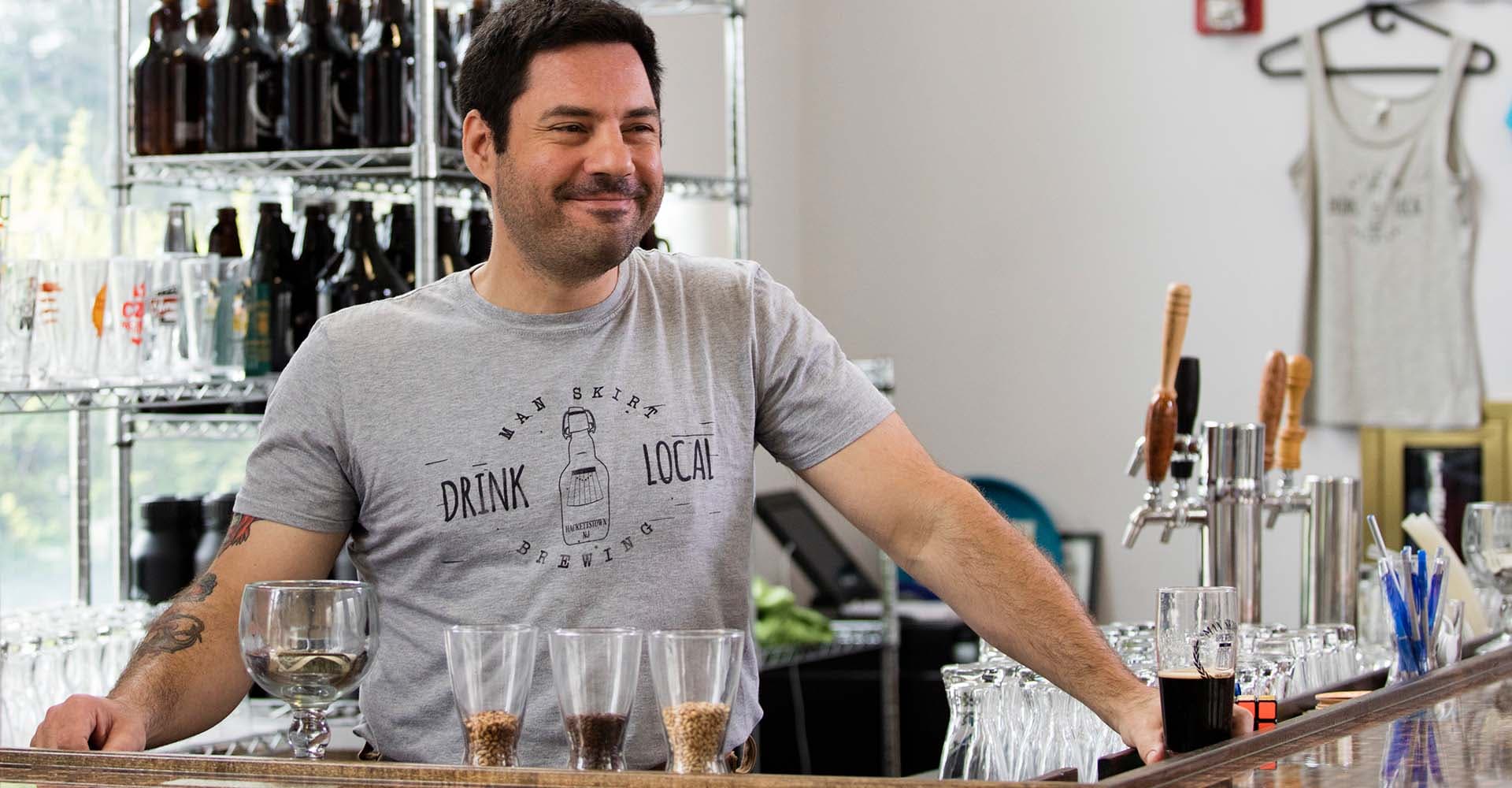
Thinking about opening a brewery? Start here to learn everything from licensing to location to profitability.
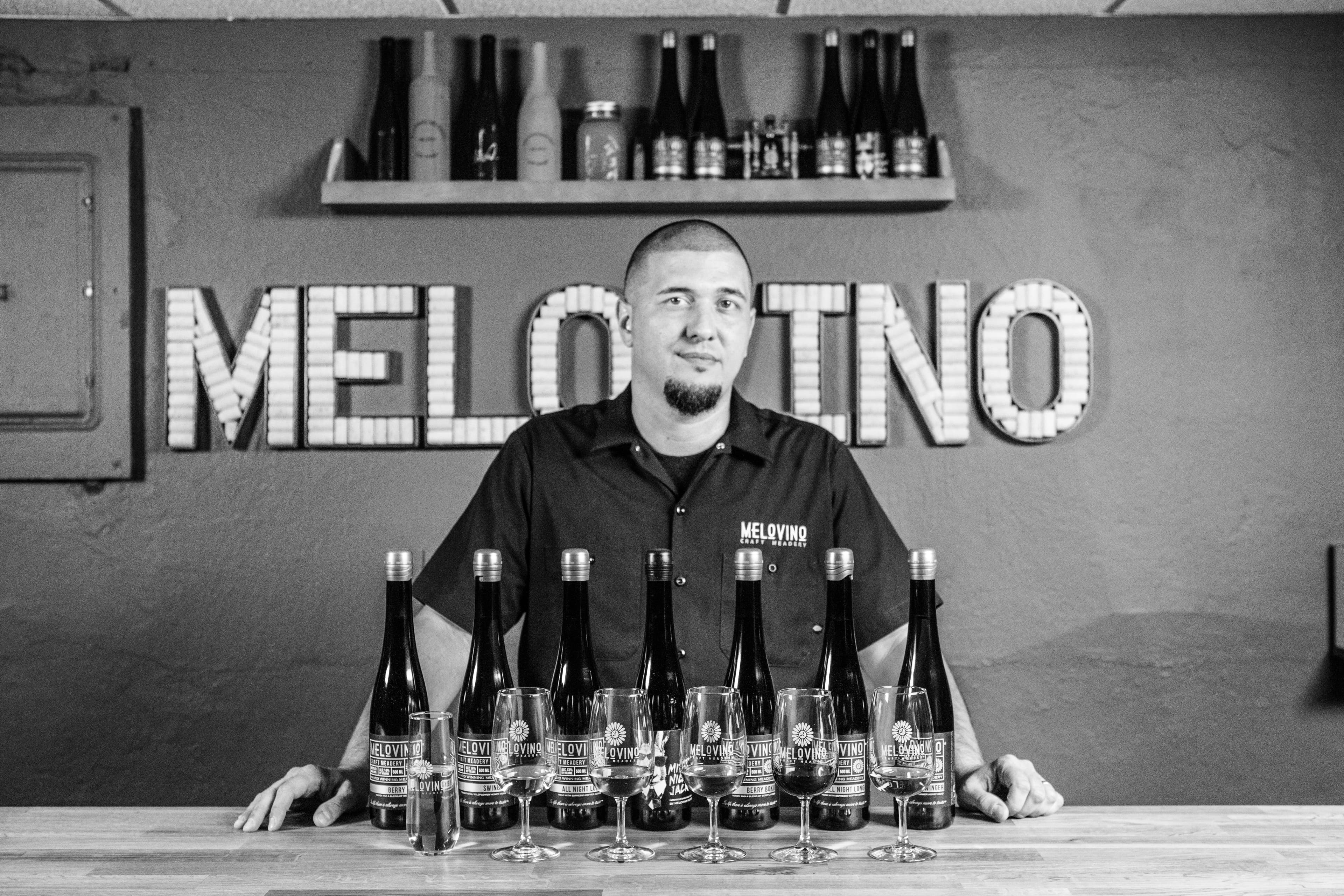
In this introductory course you'll learn how to make great mead from start-to-finish.
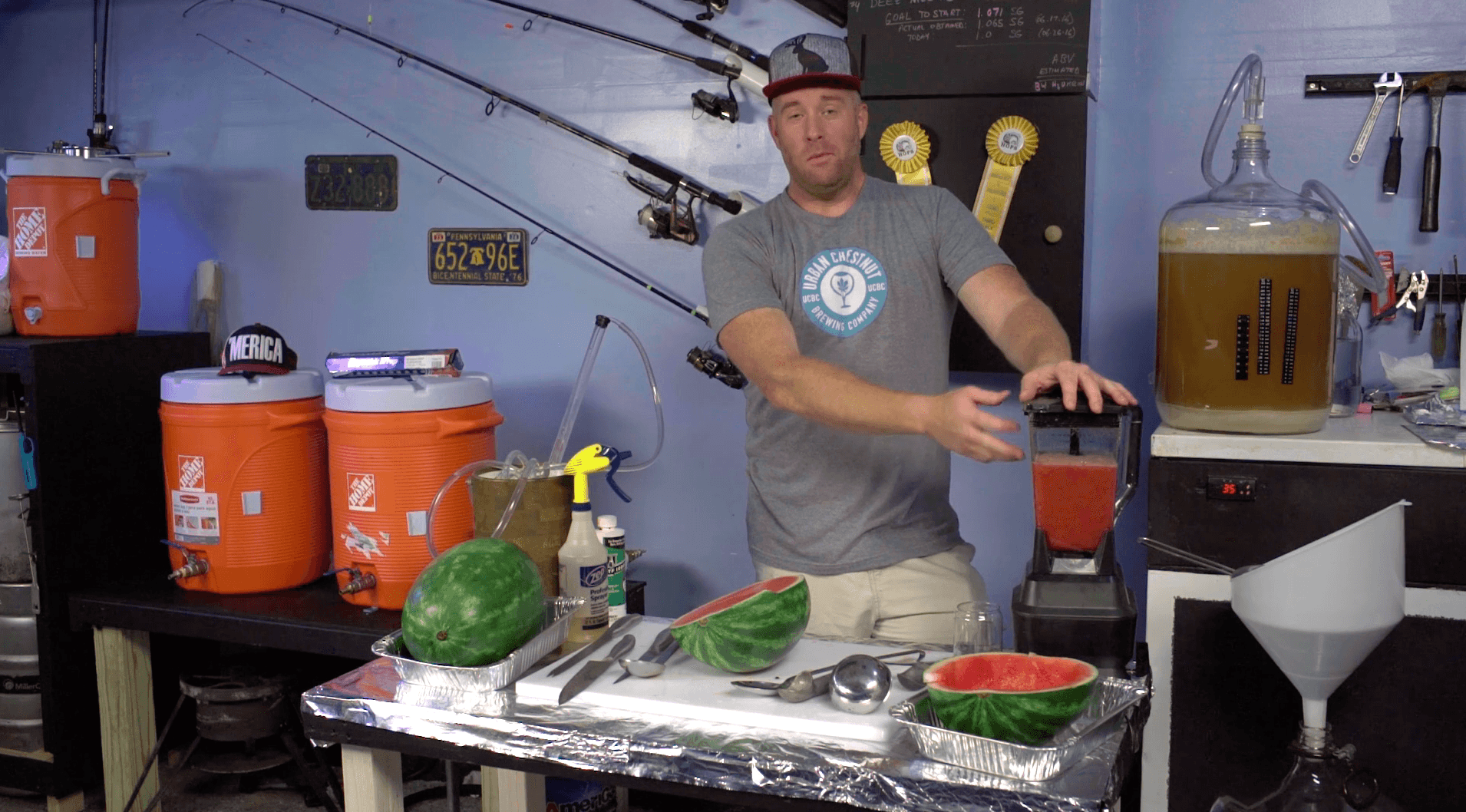
In this video you'll learn how to add watermelon to a tasty wheat base beer, select the right yeast strain, compensate for added sugars, and more!
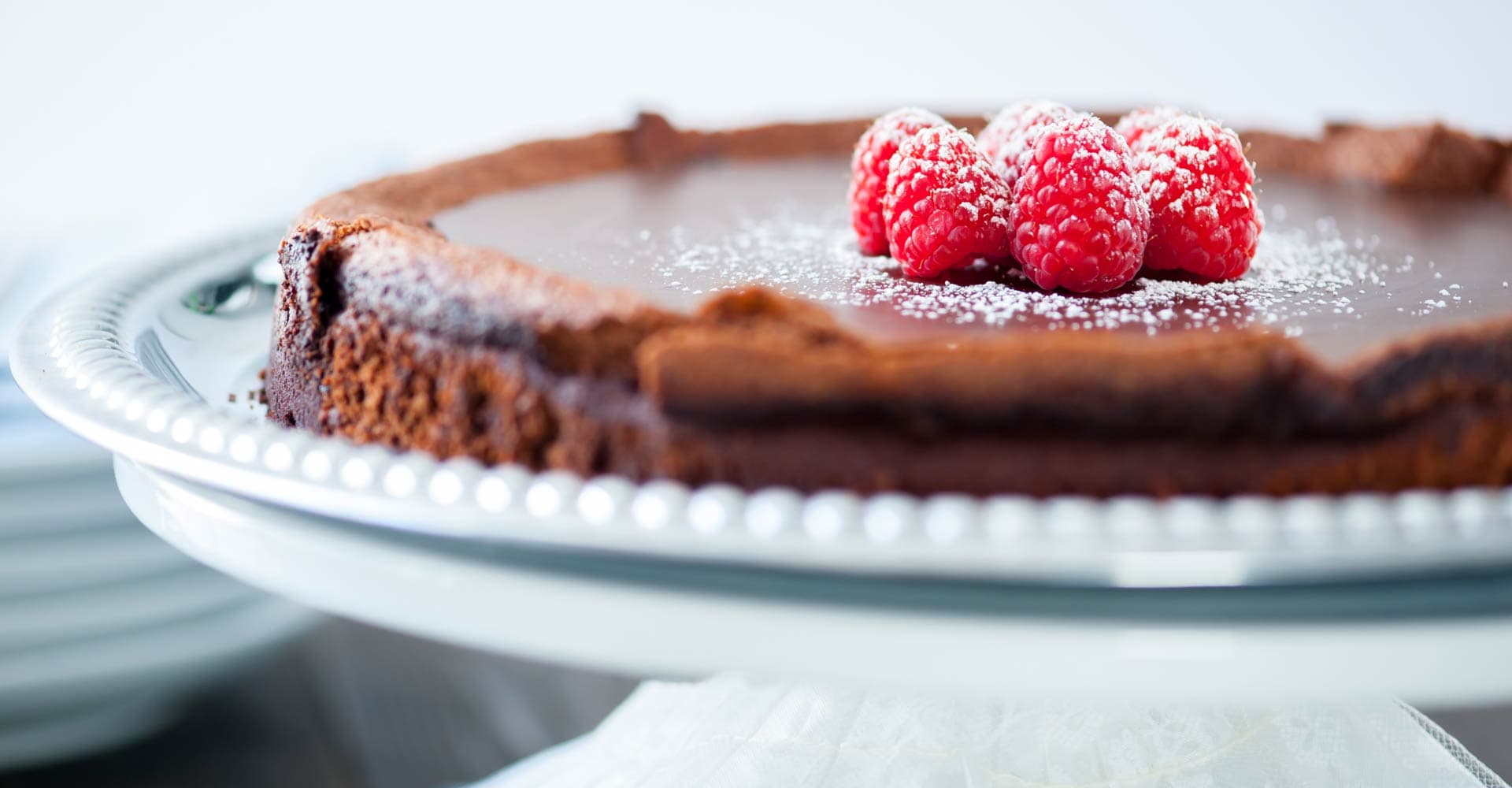
The sweet creaminess of oatmeal stout is the perfect complement to the dark chocolate, cinnamon, and vanilla in this flourless cake.
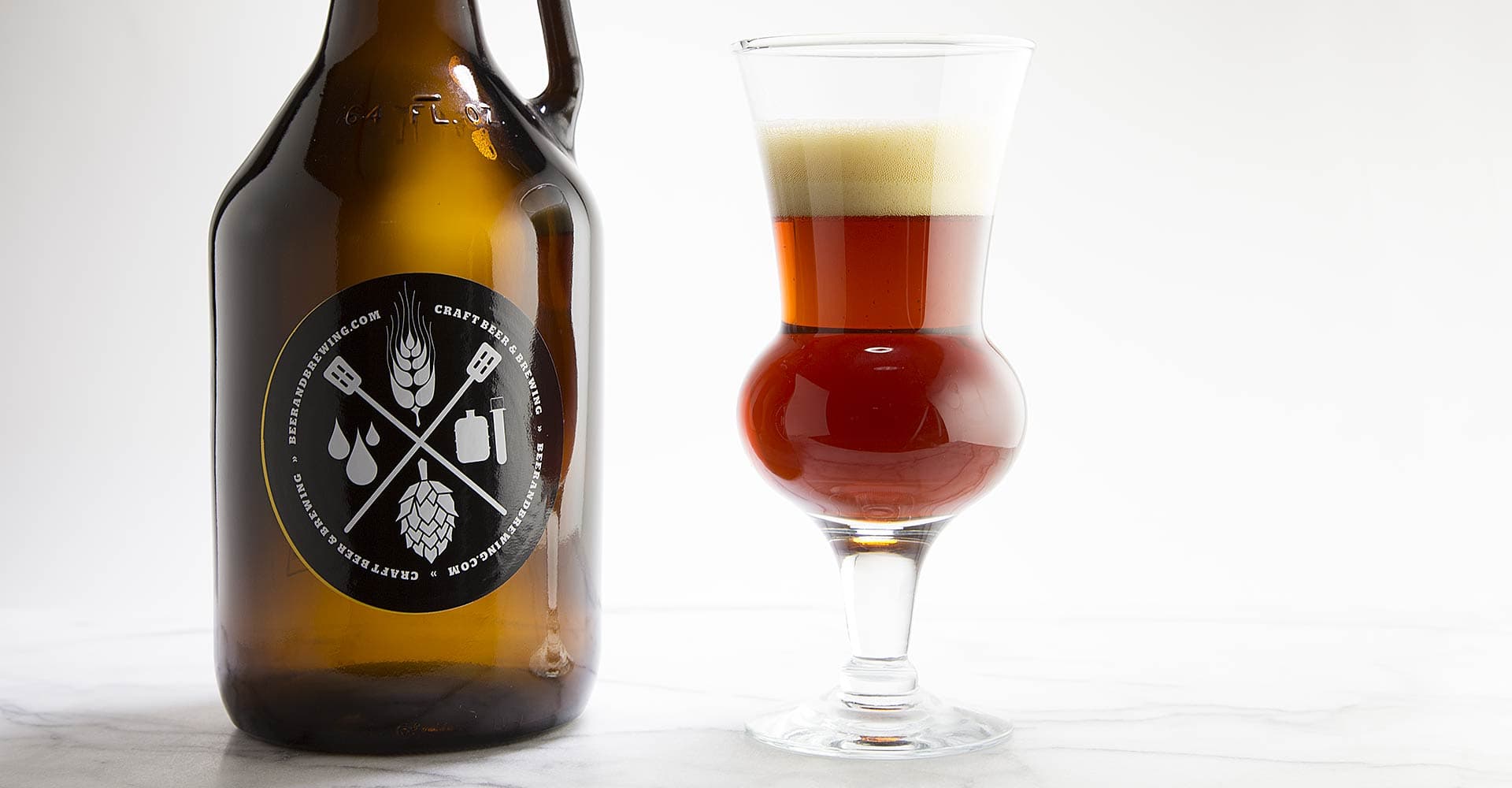
When you want malt to take center stage, turn to a Scottish wee heavy, which offers the perfect example of malt writ large.
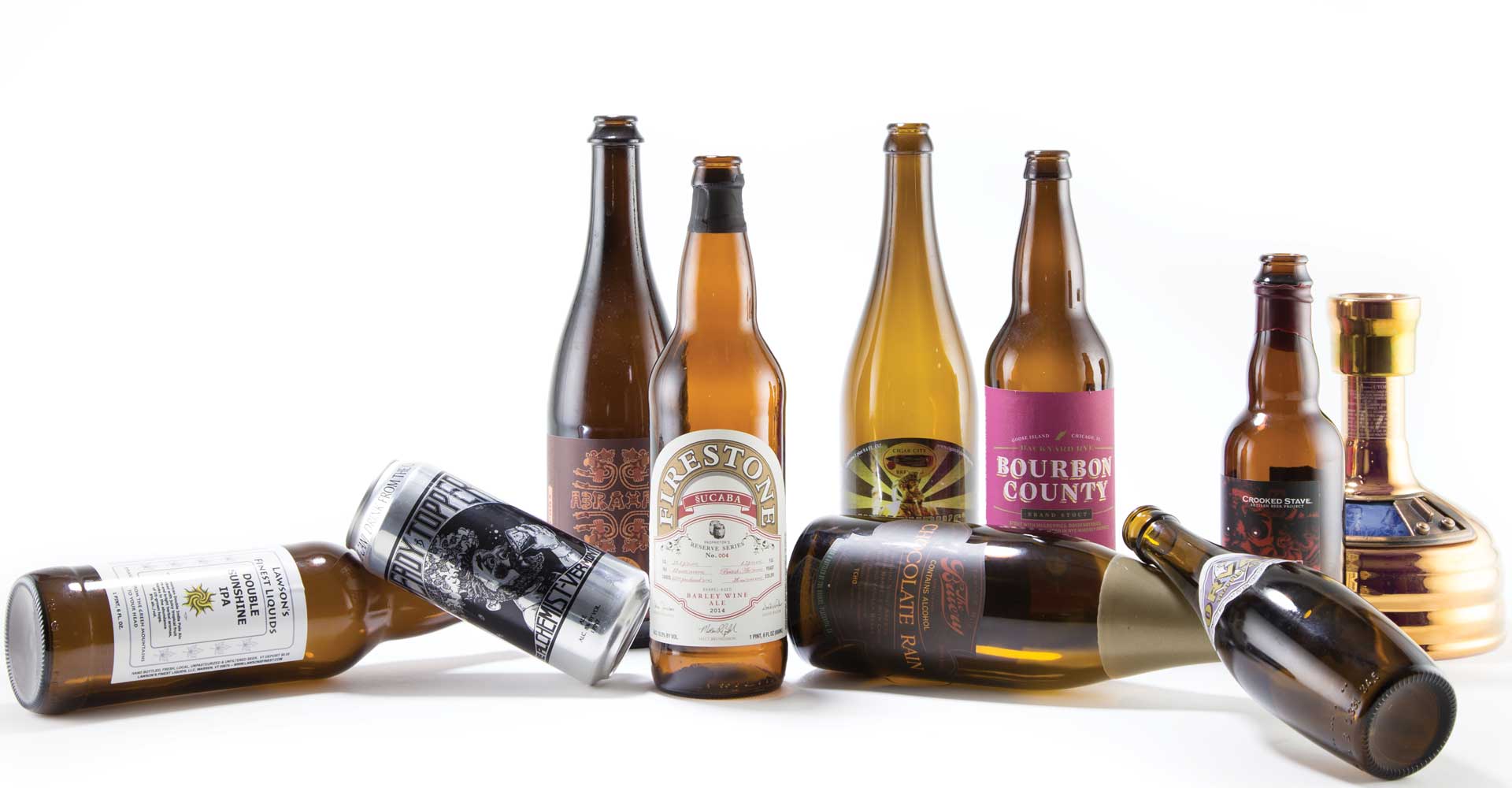
For those of you unfamiliar with bottle shares, they are gatherings of craft-beer lovers where each attendee brings a bottle of beer
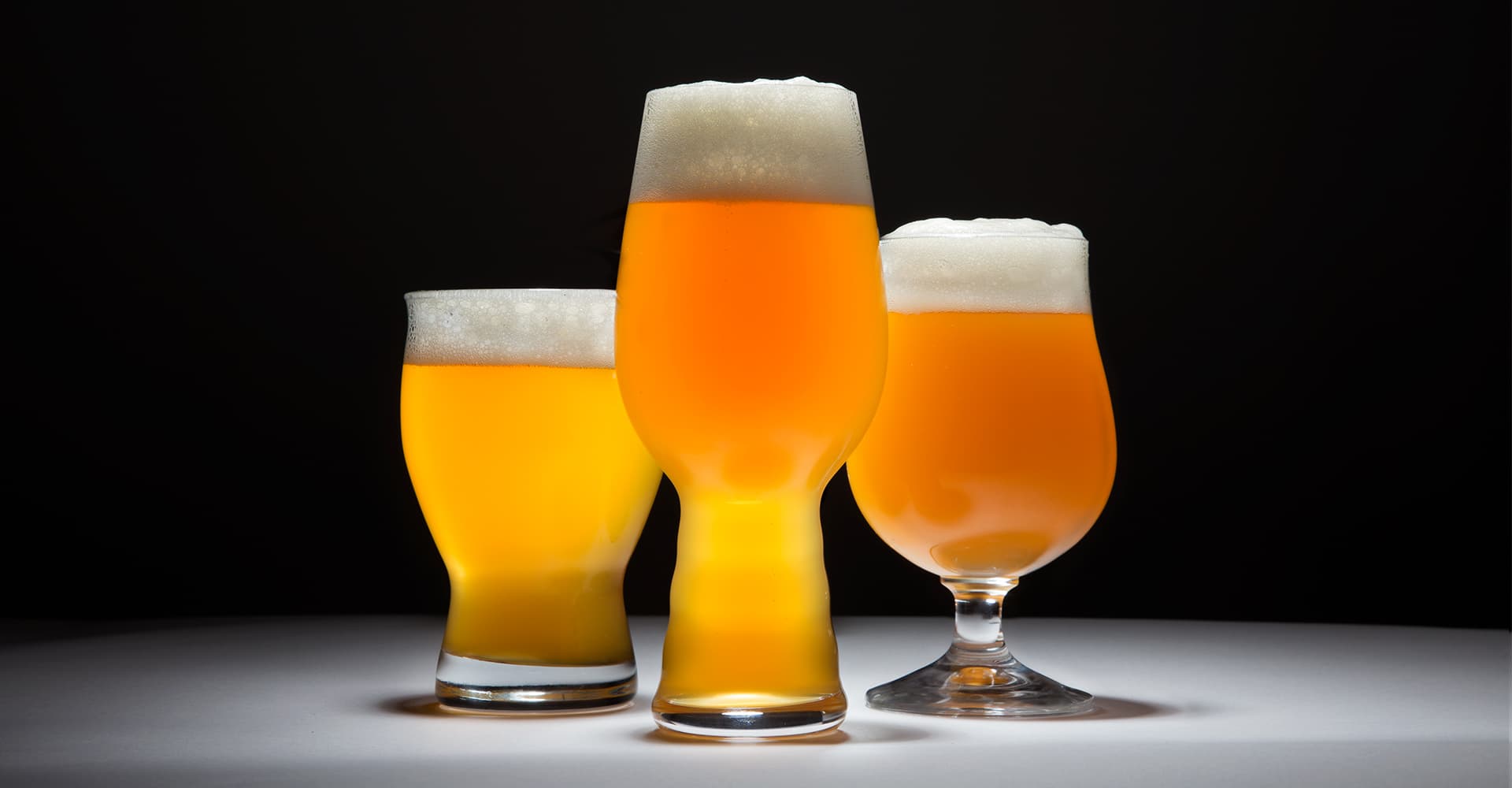
Getting great results brewing a New England–style IPA requires more focus on process than recipe alone. Ryan Brooks, formerly of Coronado Brewing in San Diego, shared their process of developing a New England–style IPA in the West Coast IPA heartland.
This recipe stays close to the historical interpretation: dark brown, sweet, smoky, with a noticeable herbal flavor—a tasty Scottish holiday beer.
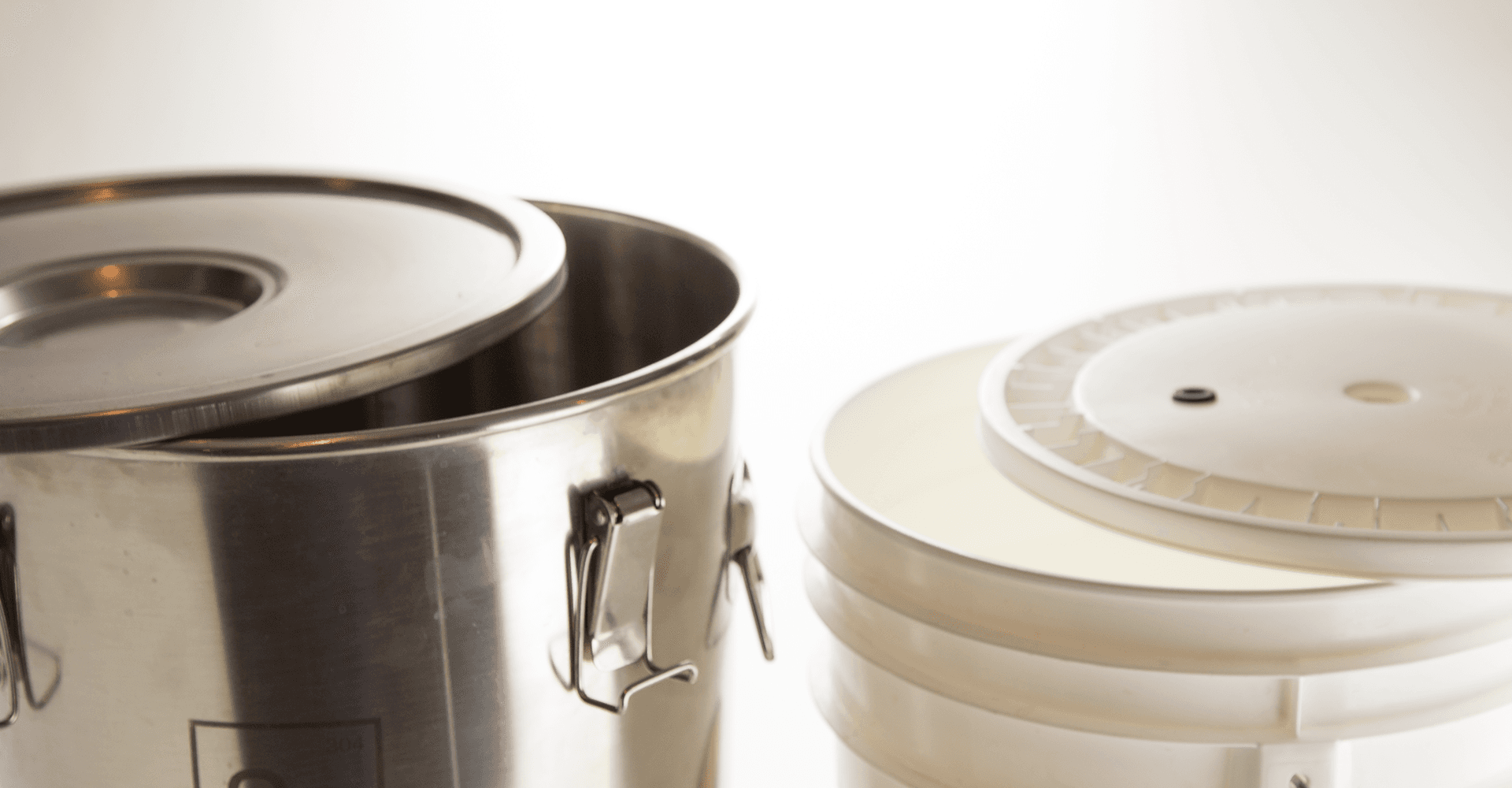
Despite the potential risks for contamination, some brewers insist on fermenting in open containers.
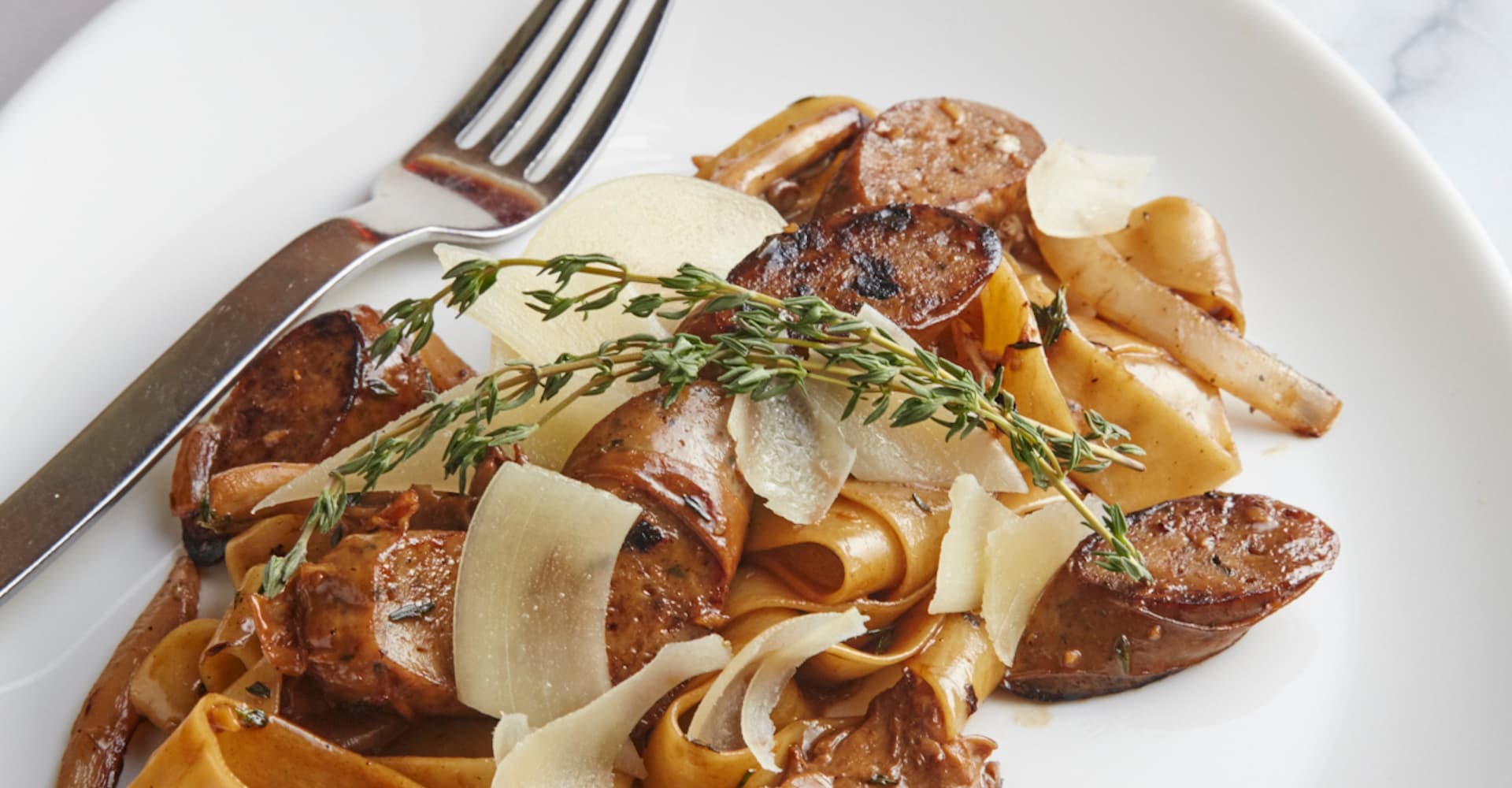
Beer adds some tang and sweetness to the salty, meaty bratwursts, and in this recipe, the hearty flavors are softened by the pasta, mushrooms, cheese, and cream. The brown ale adds just a hint of sweetness and nuttiness.
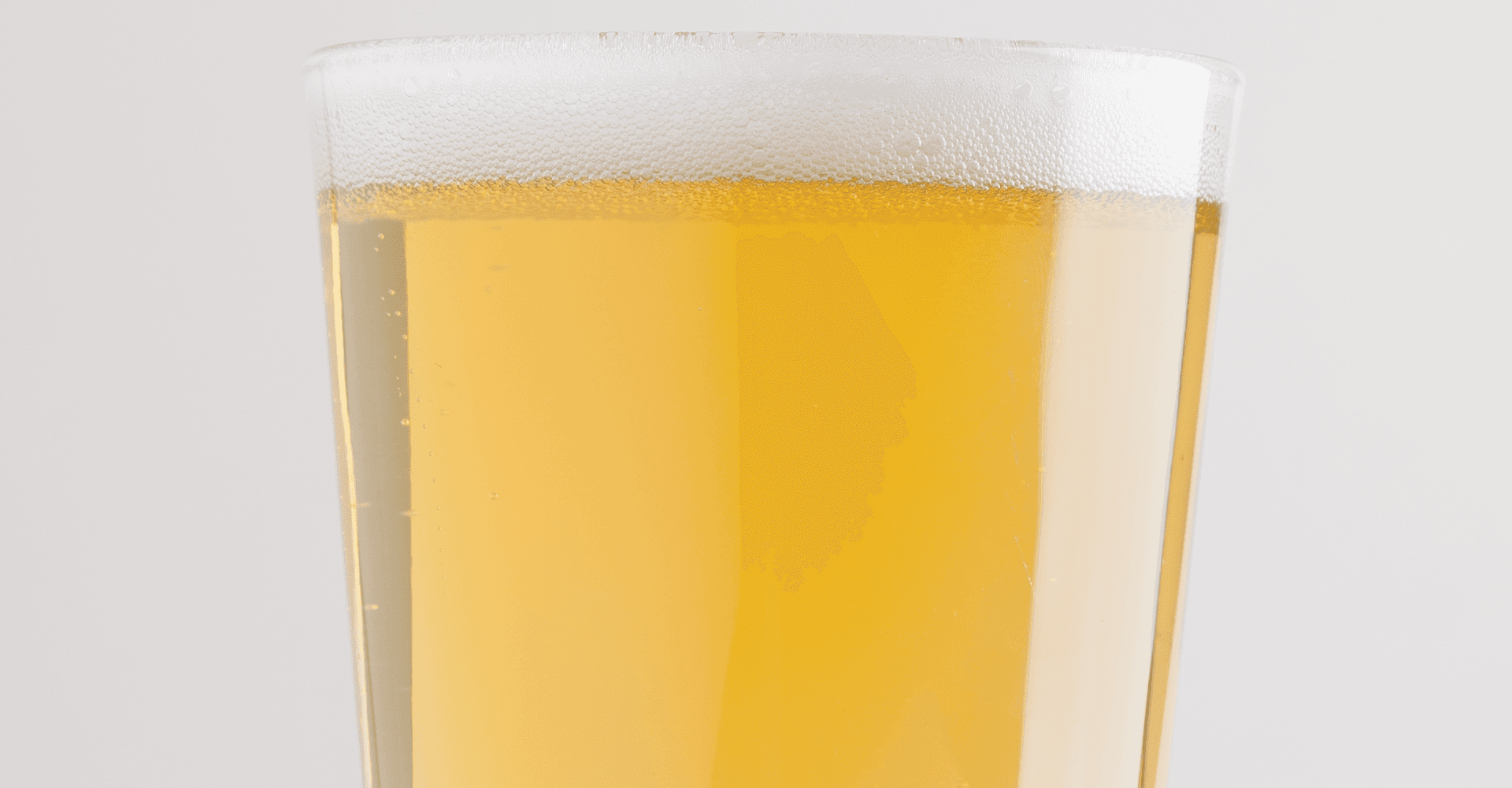
Belgian Blond is a tough style to nail down, but here Josh Weikert shows you how to create one that is wonderfully fresh and clean and uses the spice, esters, and “Belgian” character as an accent, not a headline.
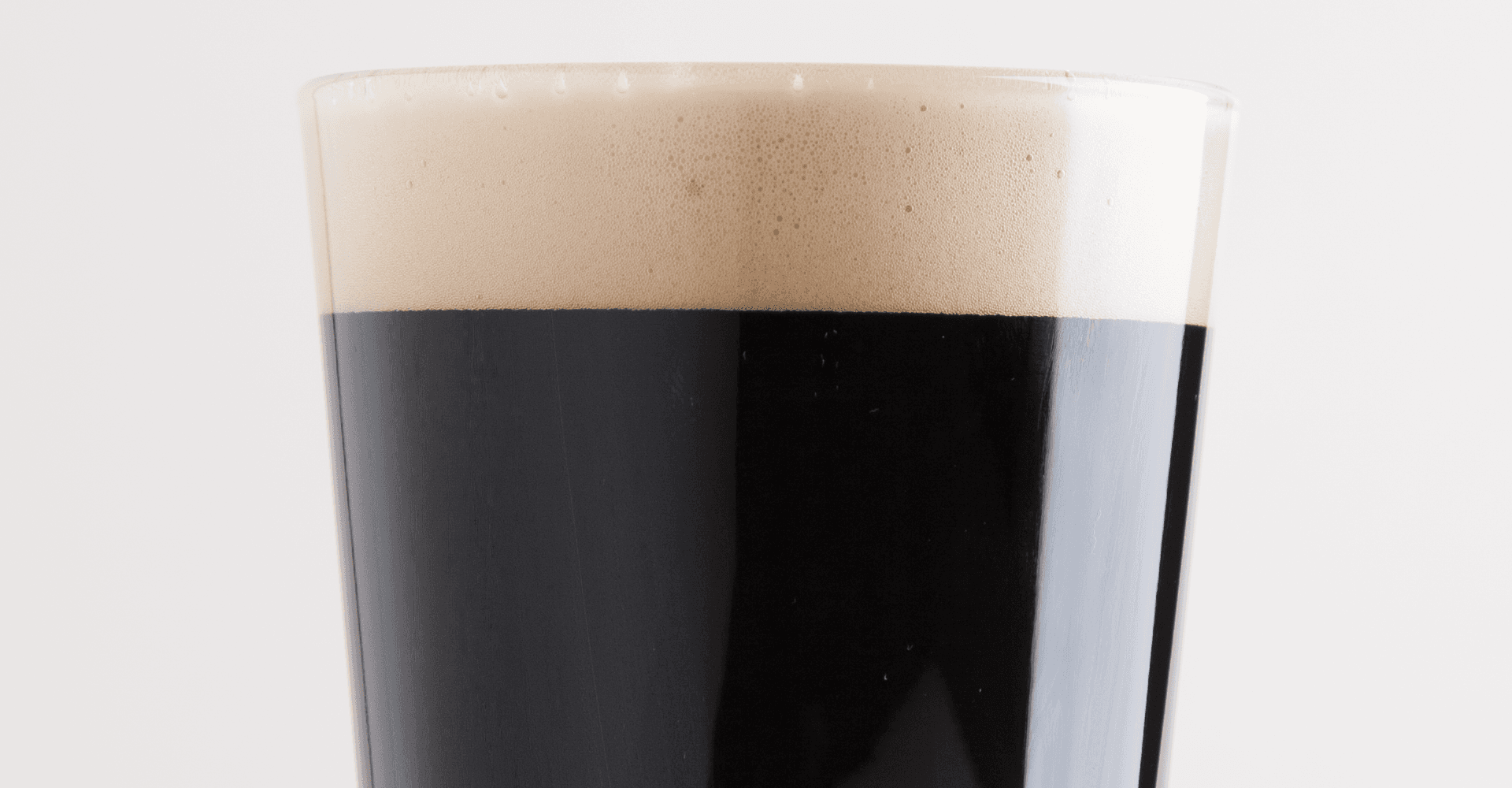
Try Taylor Caron’s recipe for an American-style stout that includes a tiny bit of preboil sour wort similar to Old School Irish stouts.