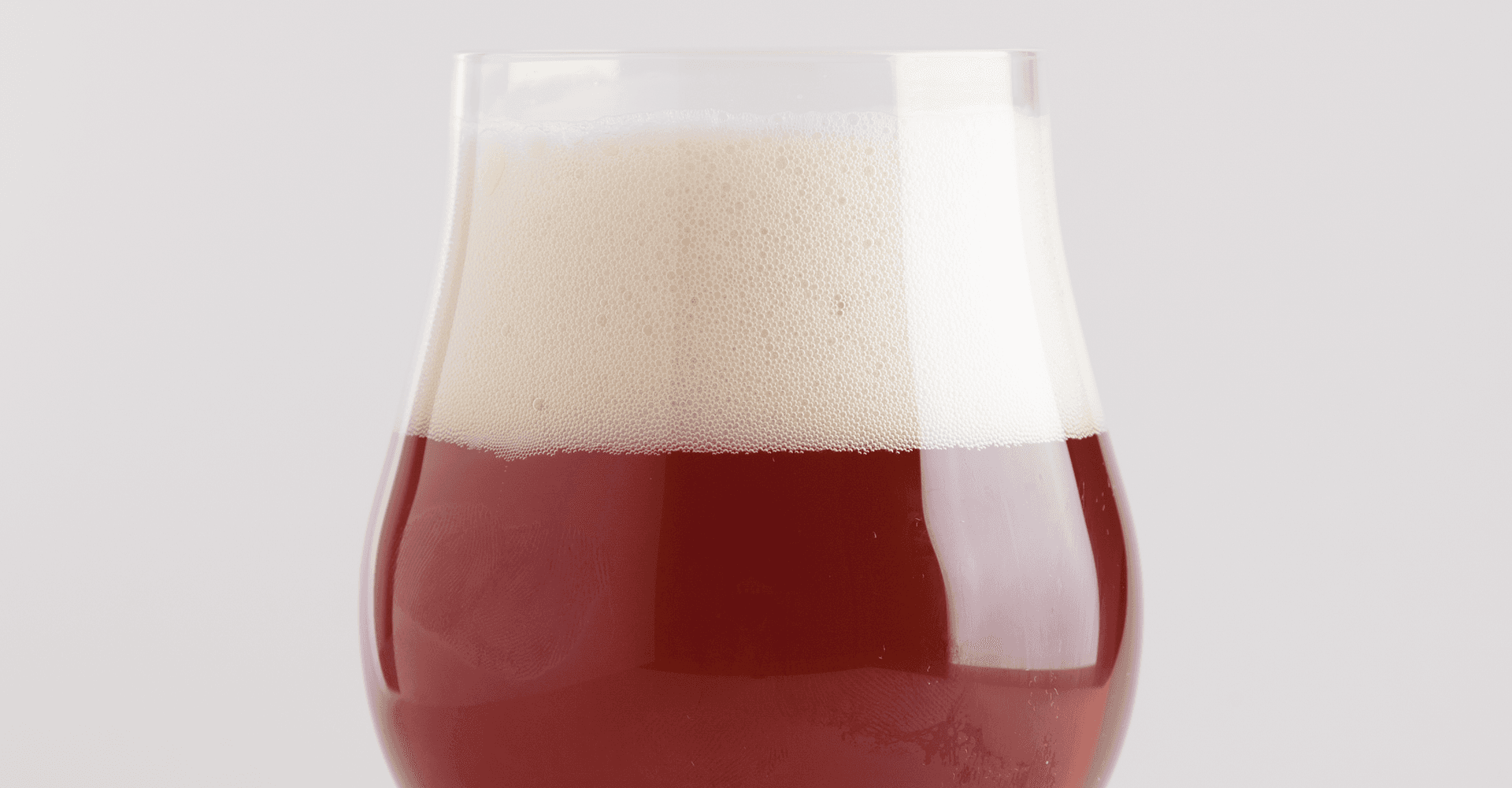
Mikerphone Check 1, 2 IPA Recipe
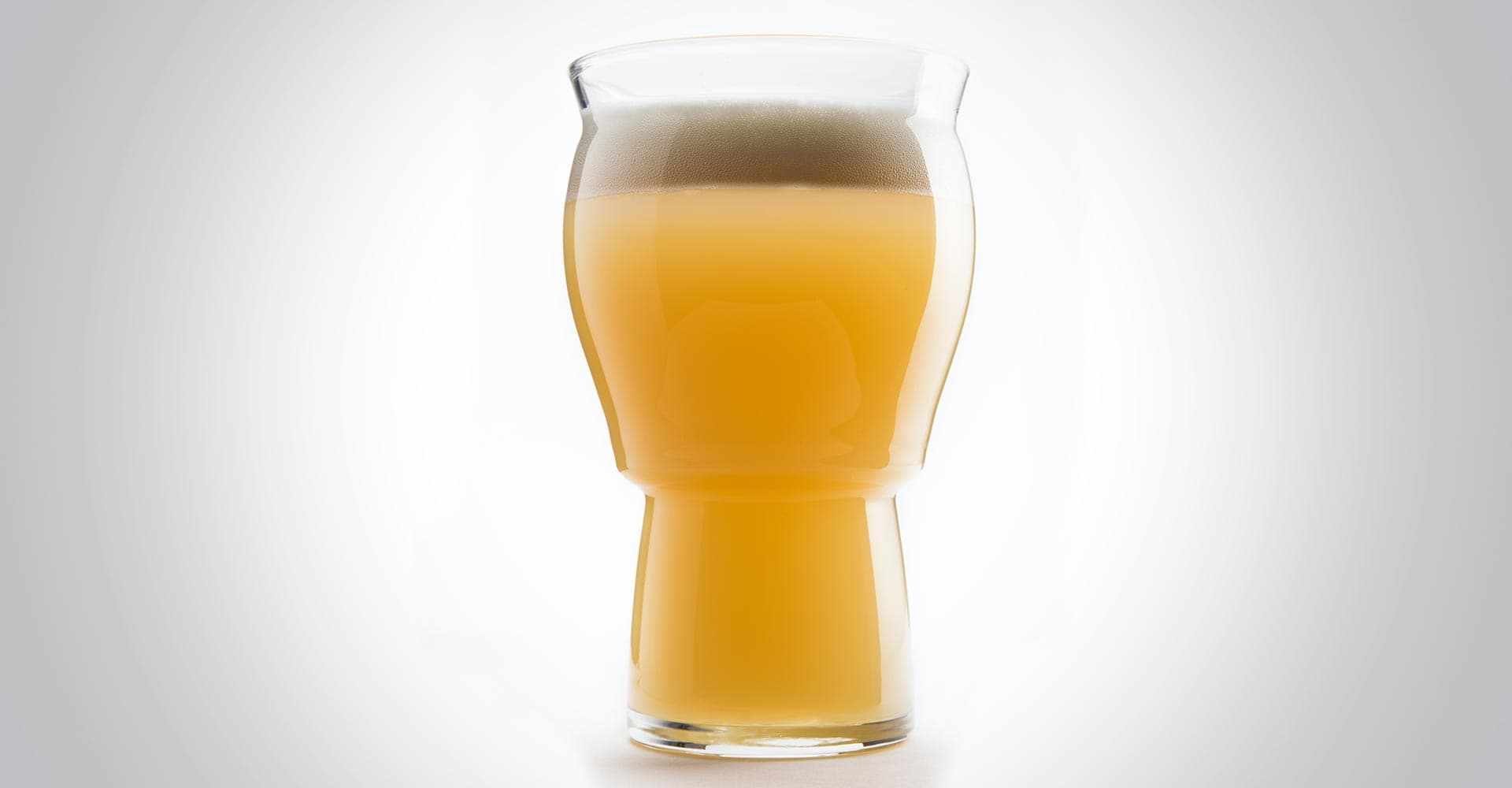
A New England–style double dry-hopped double IPA with Citra hops.
Showing 2521-2540 of 4643 articles

A New England–style double dry-hopped double IPA with Citra hops.

From diatomaceous earth to sleek new centrifuges, there’s a step that many of your favorite beers go through, and while you might not immediately taste a difference, you can sure see it.

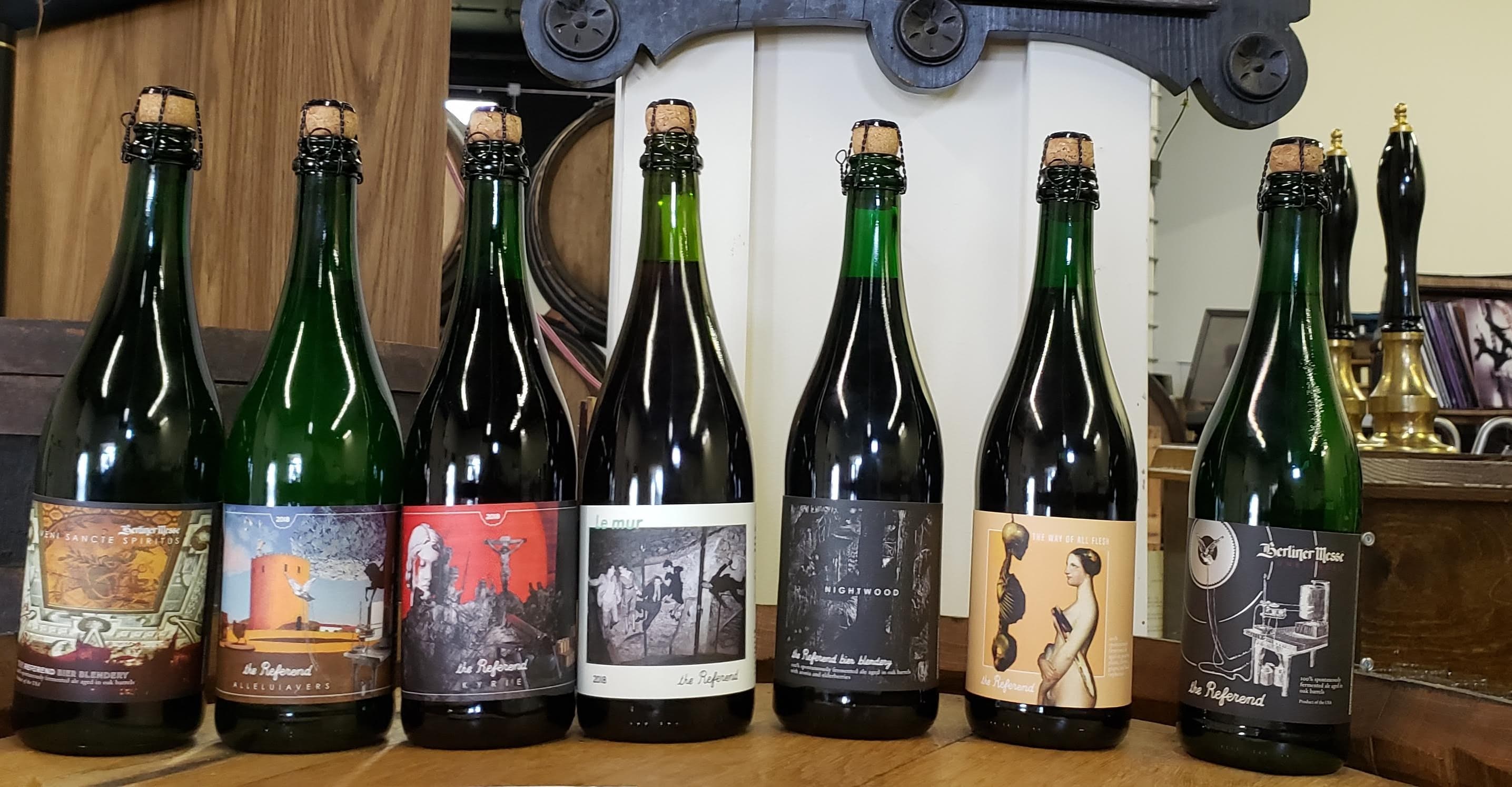
When your master brewer is one of the most respected sour and wild beer makers in the United States, it’s natural to give them room to play.

If there’s a method for adding hops to beer, they’ve tried it, learned from it, and added it to their ever-expanding repertoire.

From Belgium to England there's a lot to learn from historical brewing practices. By looking back in time to see how styles developed, we can learn a lot and apply the knowledge to our modern homebrewing. Mike Karnowski explains.

Seen as a set-in-stone style today, the Irish stout went through many iterations before landing on the beer we recognize today. Synonymous with nitrogenated pours and a country where rounds of pints are encouraged, this humble ale has quite a history.

Whether you’re using fresh oysters, oyster shells, or powdered oysters, the perfect oyster stout offers a balance between roast and brine.

Award-winning homebrewer Paul Odell shares tips and insights on how to properly fill bottles of your homebrew for competition.

Pulpit Rock’s Little Buddy is a session pale ale coming at you with a one-two punch of Citra and Sabro hops. Soft bitterness and a plush mouthfeel from lactose lend themselves to the tropical fruit, tangerine, and coconut flavors and aromas of the hops.

Homebrew expert Brad Smith, author of the Beersmith homebrewing software and the voice behind the Beersmith podcast, addresses the question of the difference between cleaning, sanitation, and sterilization

American Brown Ale is a classic of the early craft and homebrewing world, and in a perfect world, you’d have a great version of it on tap at all times.

Pulpit Rock Brewing Co. is a story of two brewers who want to work in small batches, find creative paths for new recipes, and be part of a local community rather than ride another brewery’s momentum.

Diversity in the craft beer industry still has a long way to go, but steps are being taken to make the beverage more inclusive.

Mike Karnowski is here to talk about how the World Wars played into the decline of porter and the rise of stouts.

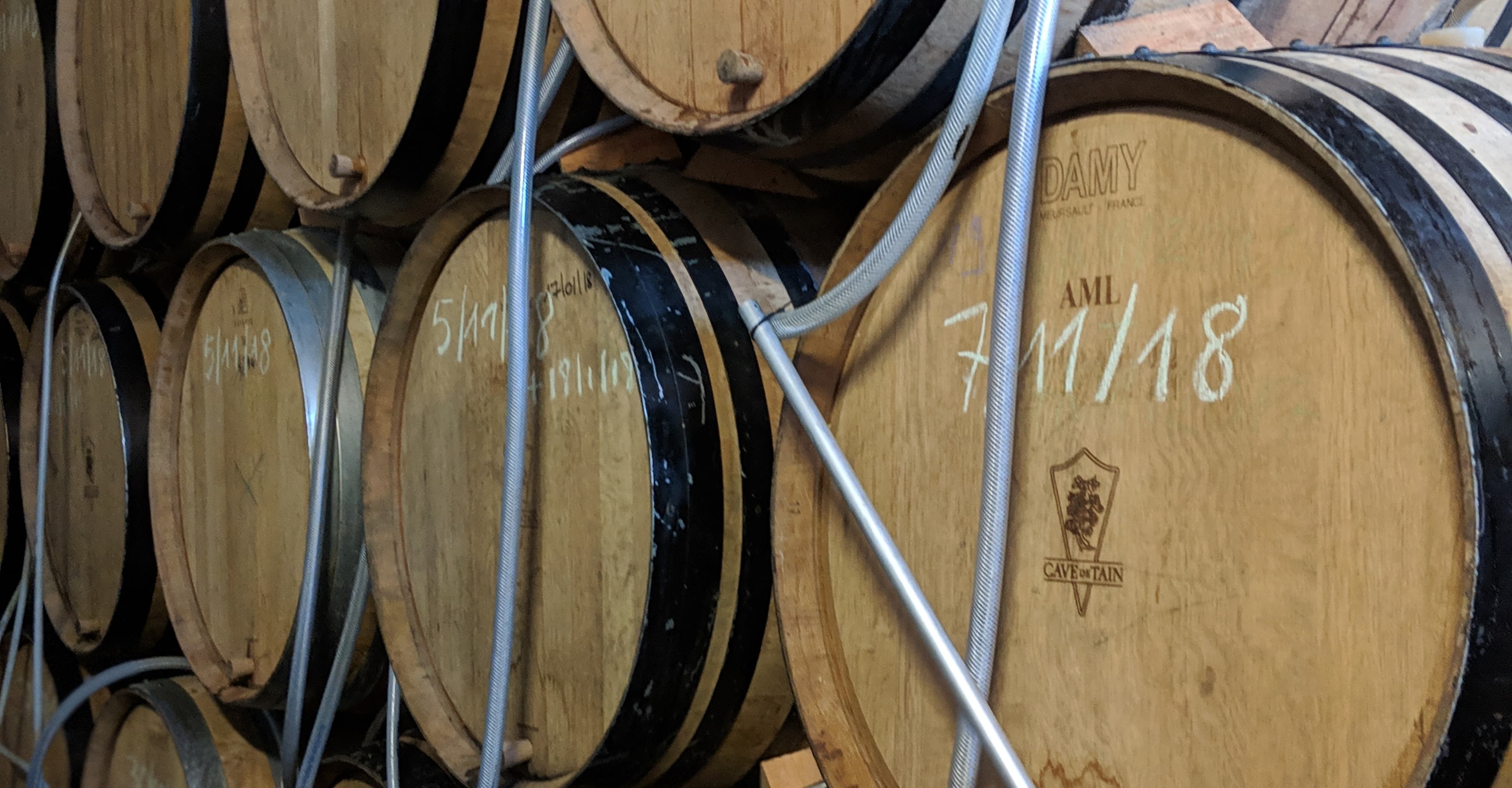
There’s a lot of beer in a lot of wood these days. How do you know what rises above the masses? Ask a brewer. We asked a few of our favorite brewers and brewing professionals to share their recommendations on wood-aged beers.

Which beers stoked James Dugan and Andy Miller passion for brewing? The mad geniuses of Great Notion Brewing in Portland, Oregon like a mix of craft classics and cutting-edge favorites for their Pick Six.

Homebrew expert Brad Smith, author of the Beersmith homebrewing software and the voice behind the Beersmith podcast, addresses the question of the corn-like off flavor in your beer.

In the strictest sense of the word, honey ales don’t have a “style.” In the 2015 BJCP Style Guidelines, they probably best fall into category 31B, Alternative Sugar Beer, assuming that honey is the only specialty ingredient used.

Brewers are forging their own paths from the long-traveled spontaneous-fermentation road. Where they will end up is anyone’s guess, but it’s shaping up to be a remarkable journey.

For Josh pFriem of pFriem Family Brewers, every beer they make—from Pilsner to wood-aged sour—expresses a brewing philosophy that prizes nuance and depth.