Building and Sustaining a Profitable Brewery
From planning to decision-making to quality and innovation to building a network, here are some useful strategies for building and sustaining a profitable brewery in the ever-changing craft-beer industry.
11 articles in this category

From planning to decision-making to quality and innovation to building a network, here are some useful strategies for building and sustaining a profitable brewery in the ever-changing craft-beer industry.

Some brewhouses are forever, even if they don’t stay put—and more than a few have traveled their way around the country and even around the world. At each location, that unique set of equipment and the brewers who use it must form a connection that inevitably affects what we drink.

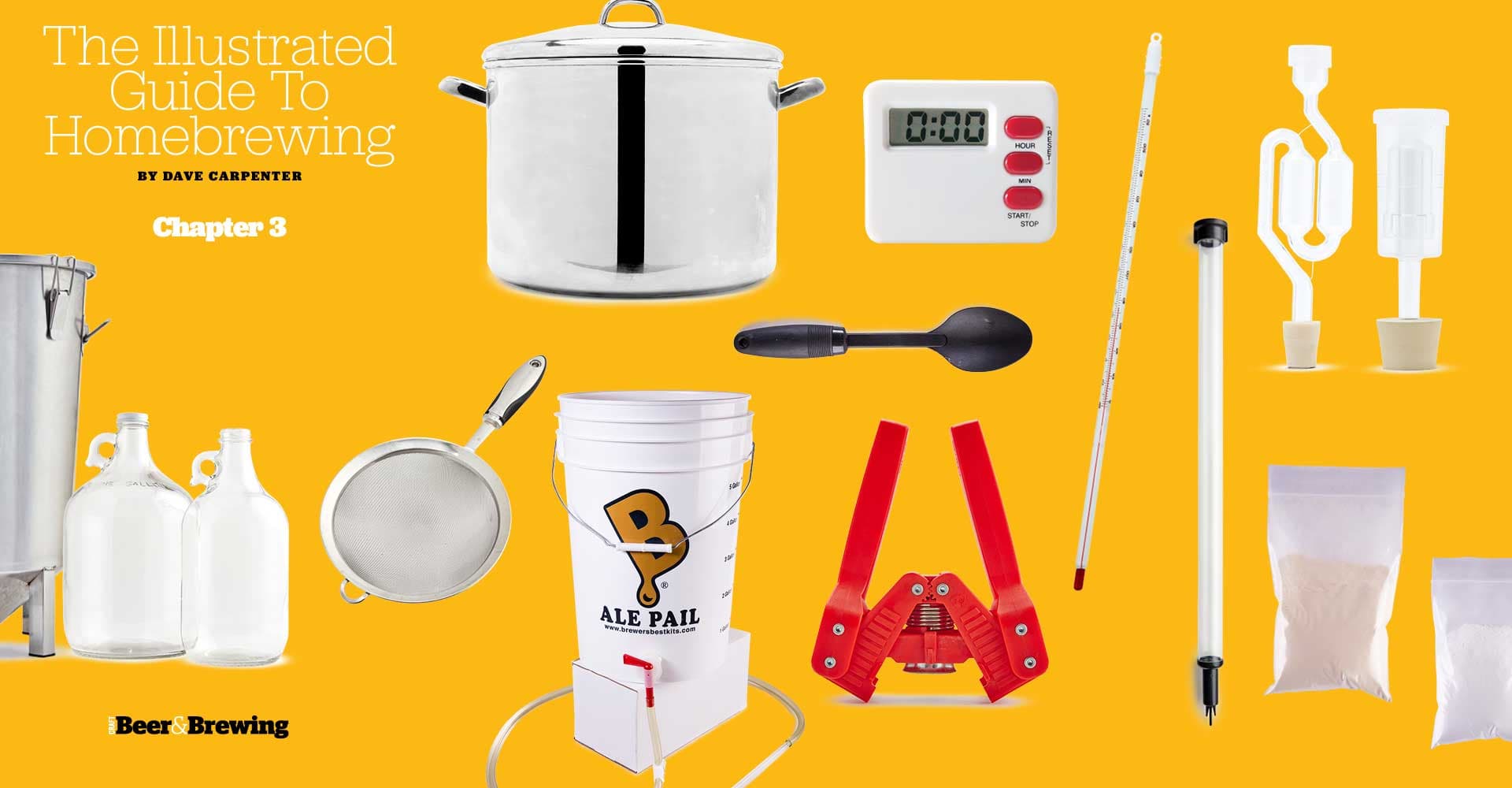
From our Illustrated Guide to Homebrewing, here’s a rundown of the basic equipment you’ll want to have on hand.

In this edition of Gearhead, John M. Verive zooms in on the arsenal of less specialized, more humdrum (and often more beloved) tools that brewers use every day.

Study the classics, and use the best ingredients and equipment you can. One secret to making great beer is knowing that others have done the hard work for us—from the brewers who came before us to the farmers who produce our raw materials.

Once again, you told us your favorite homebrew gear, manufacturers, and retailers. It was a year of small shifts and subtle moves, as your favorite brands of 2020 remained largely unchanged.

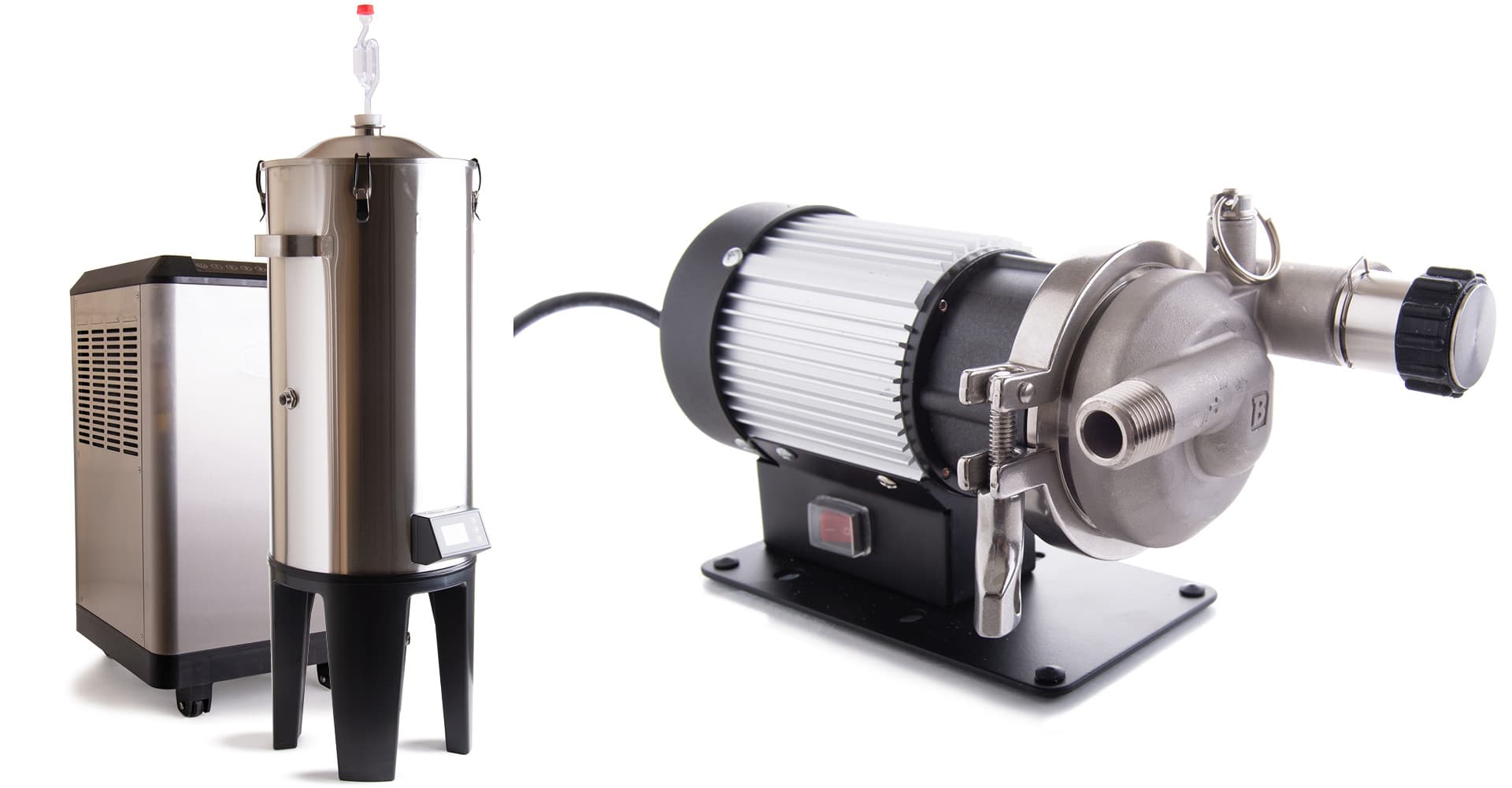
Options abound these days for homebrewers with the means to upgrade their equipment. Here, our reviewers take Grainfather's glycol chller and conical out for a spin, as well as the Blichmann RipTide pump.

For our annual Best in Beer survey, we asked you about your favorite homebrew equipment, brands, and stores. The results are in.

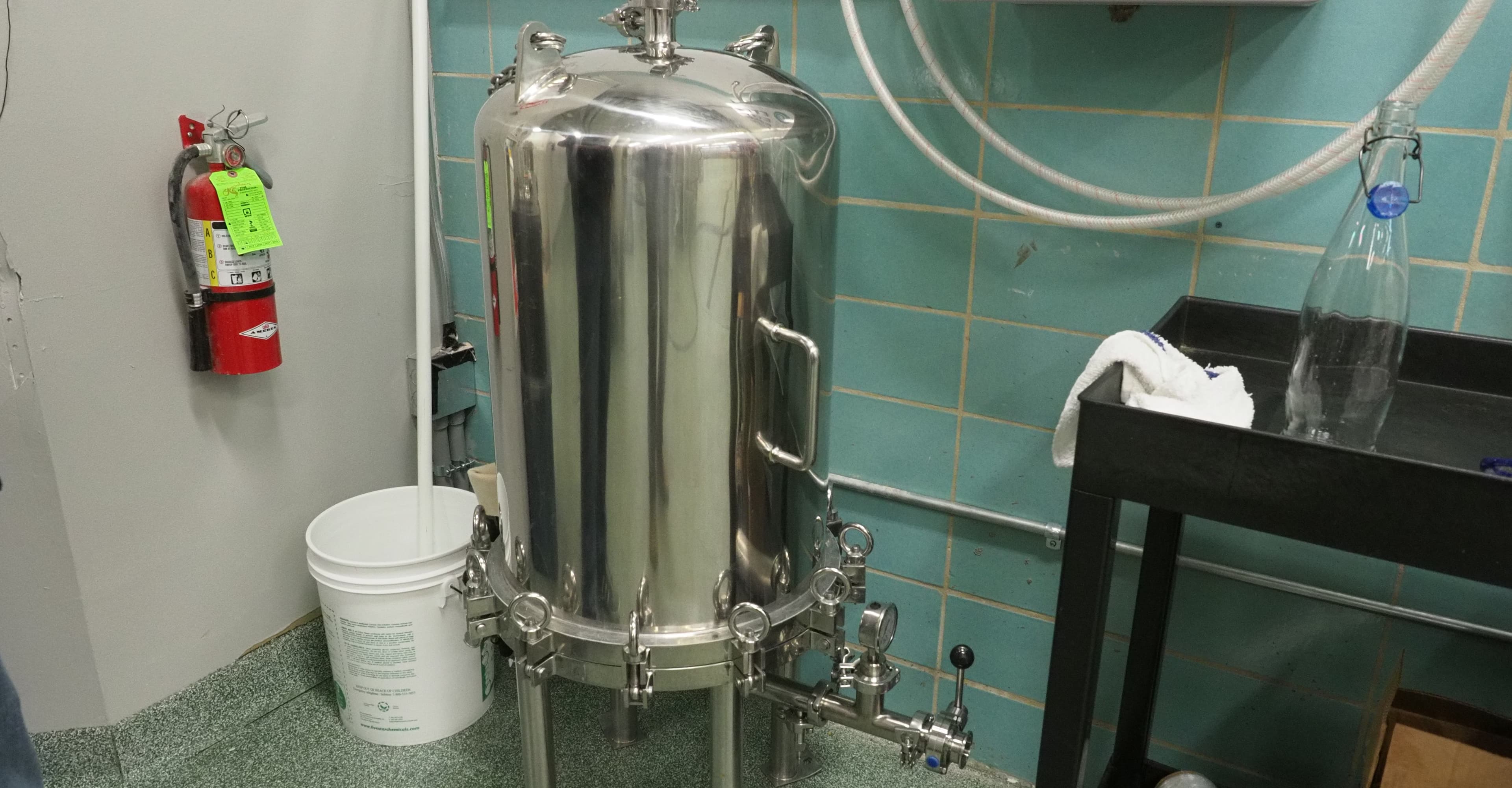
From diatomaceous earth to sleek new centrifuges, there’s a step that many of your favorite beers go through, and while you might not immediately taste a difference, you can sure see it.

Homebrew expert Brad Smith, author of the Beersmith homebrewing software and the voice behind the Beersmith podcast, is here to help you identify leaks in your CO2 equipment.

If you want to build a carboy carrier yourself, there are several different approaches that you can follow. Here, we show you how to convert a large malt bucket, and—as a bonus—how to build a carboy dolly.