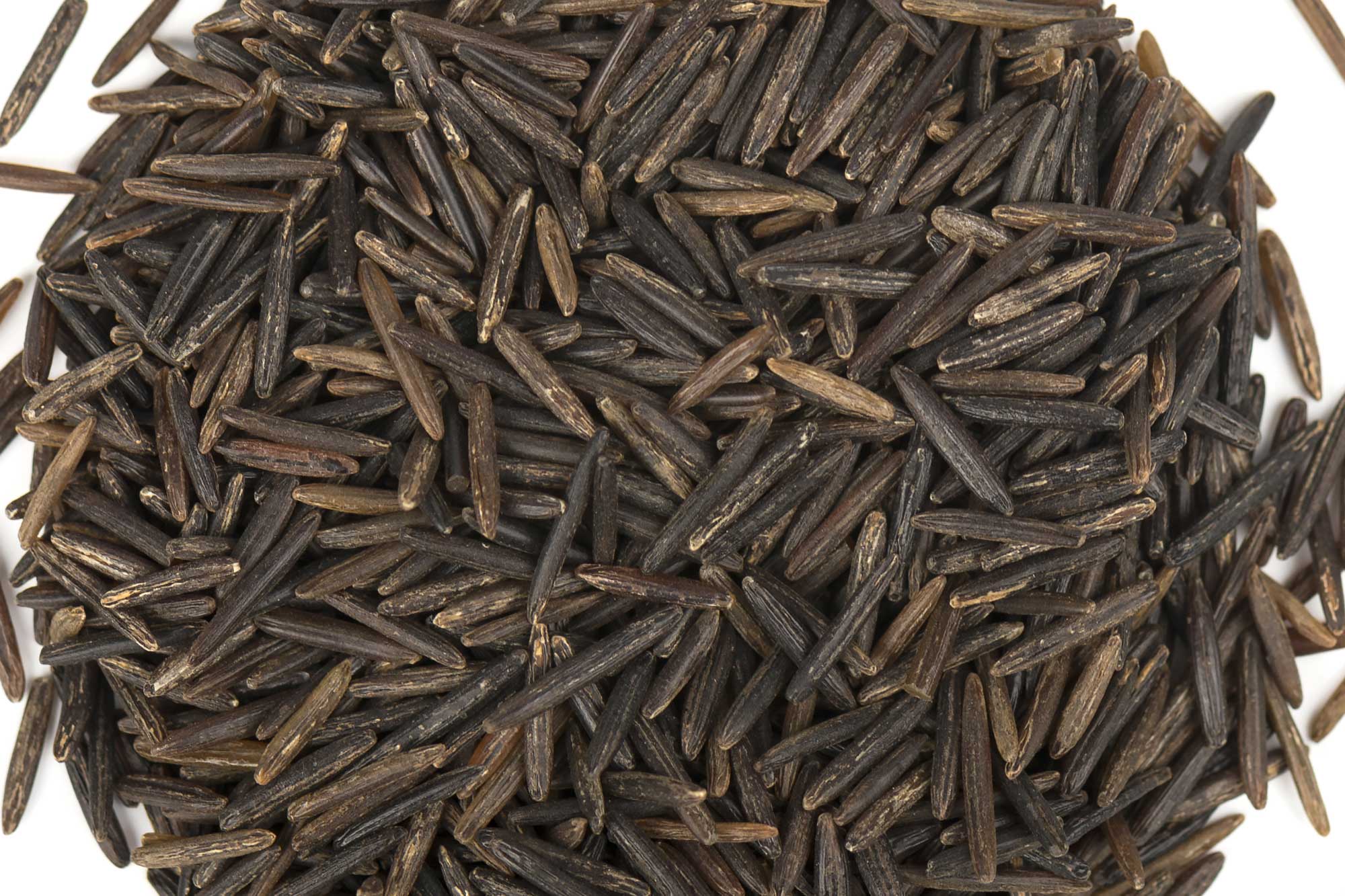
Brewing with Wild Rice, an American Grain
This truly indigenous, widely available American grain offers nutty, earthy flavors that would seem to be compatible with malt-forward beer. Yet relatively few breweries have tried it.

27 articles in this category
This truly indigenous, widely available American grain offers nutty, earthy flavors that would seem to be compatible with malt-forward beer. Yet relatively few breweries have tried it.
Want to try your hand at brewing an uncarbonated ale with enough acidity to refresh and complexity to intrigue? Here’s a recipe from Austin’s Jester King for a lambic-inspired beer that’s ready to drink in just a few months.
With local malt and a mixed fermentation culture foraged and harvested from native Australian flowers, Wildflower is focused on producing satisfying table beers with a true sense of place. Cofounder and brewer Topher Boehm explains their approach.
At the 2022 World Beer Cup, California’s Wild Fields won four gold medals—a feat no craft brewer had achieved. But those who’ve followed the career of Ryan Fields aren’t entirely surprised—his studious approach has been paying dividends for years.
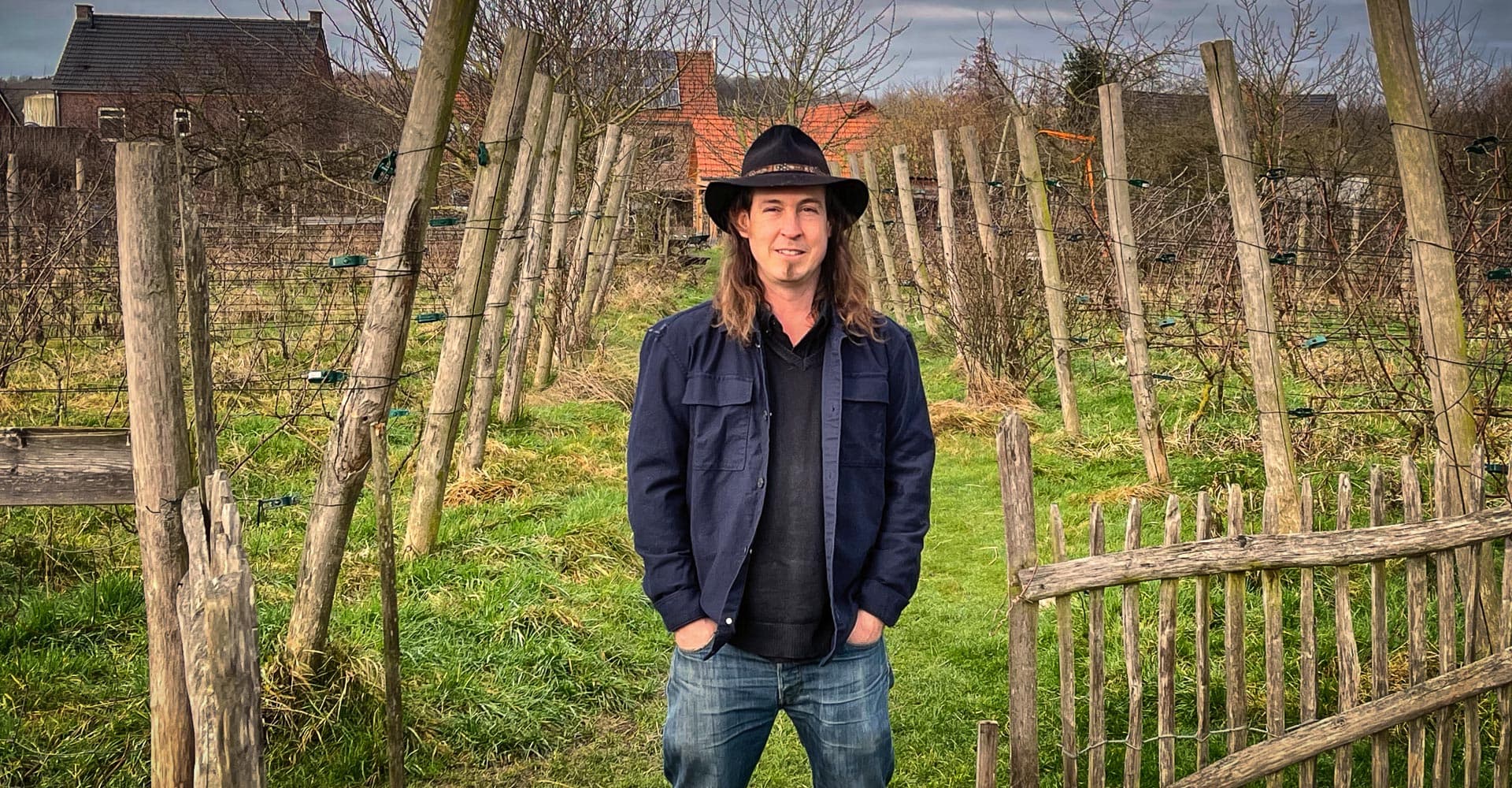
“We had the idea that what’s lacking somehow today is this stubbornness, to stick to something—and to create something distinct in that way,” says Tom Jacobs. “For us, we want to do something that lasts.”
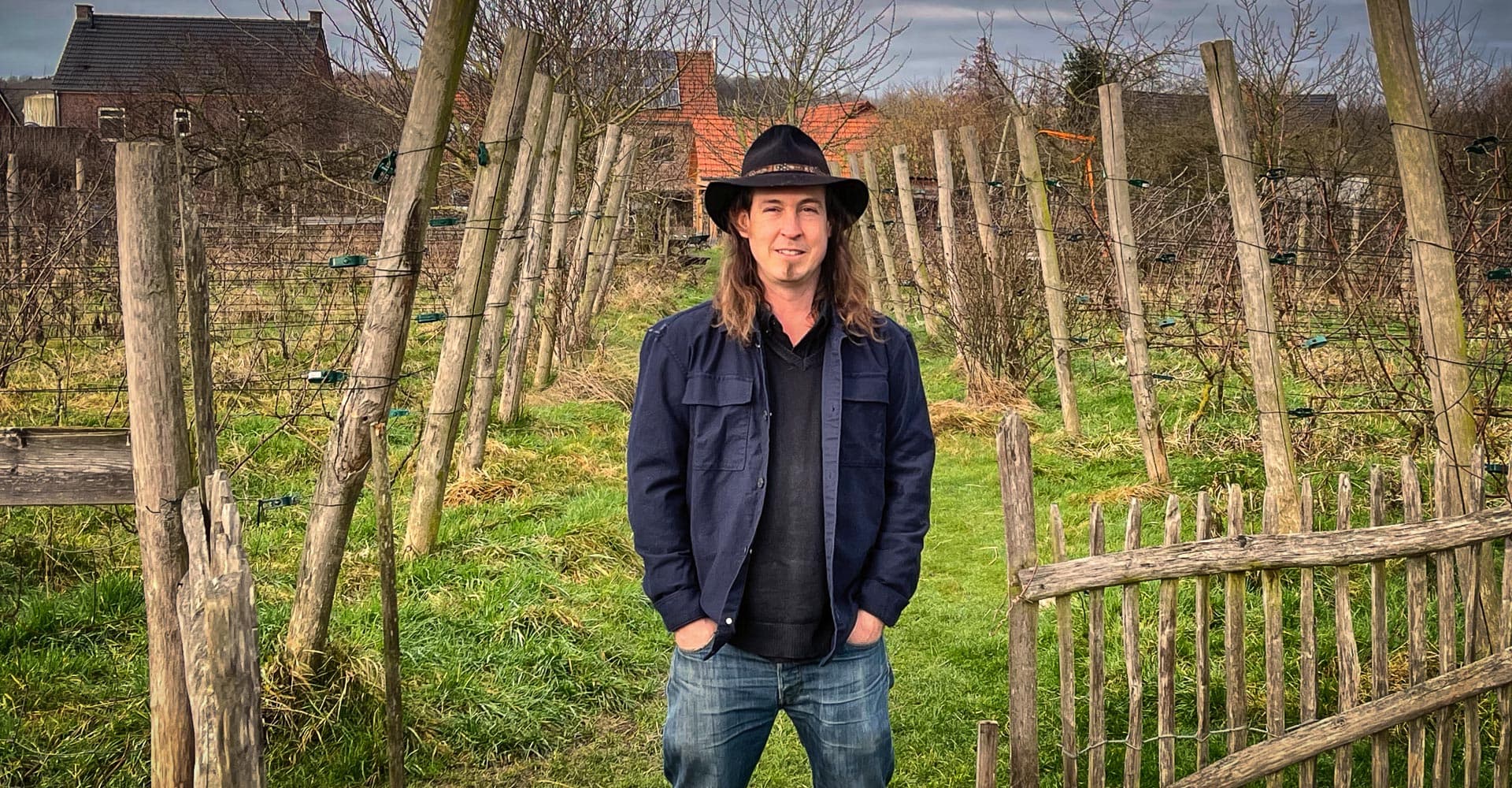
The philosopher-brewer expounds on not conforming to preconceptions of style, staying small to protect their creative vision, and using a full range of herbs, spices, fruits, and vegetables to find that signature Antidoot aroma and flavor.
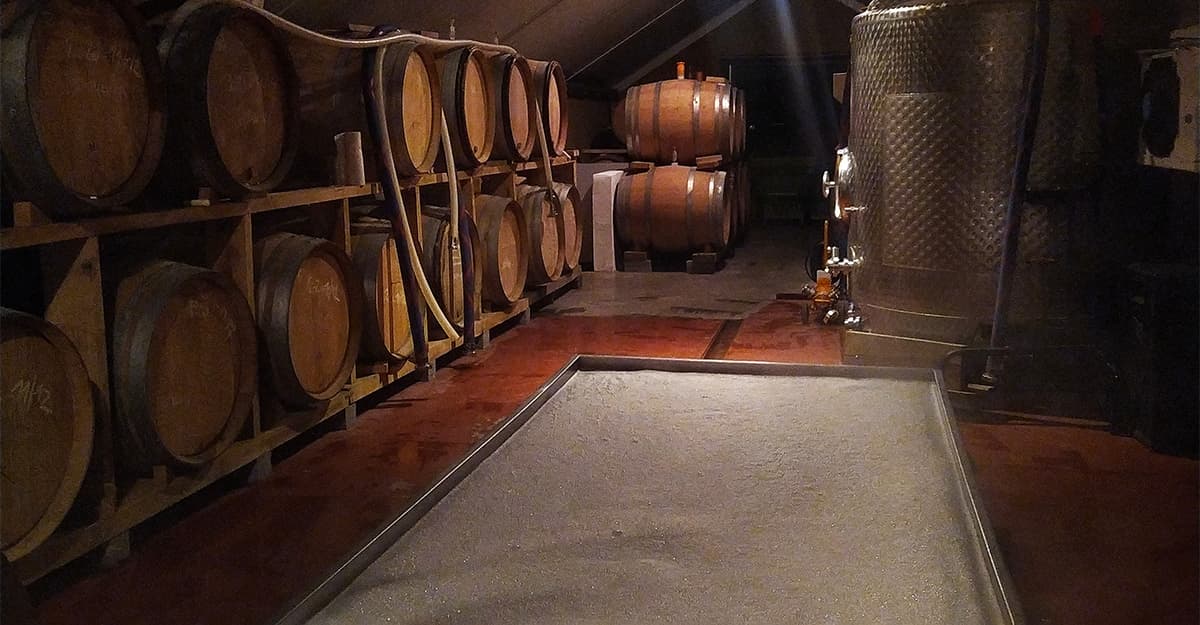
In rural Flemish Brabant, Antidoot Wilde Fermenten’s house mixed culture includes various wild yeasts they have captured over the years. Here, Tom Jacobs offers tips for success in wrangling your own local strains.
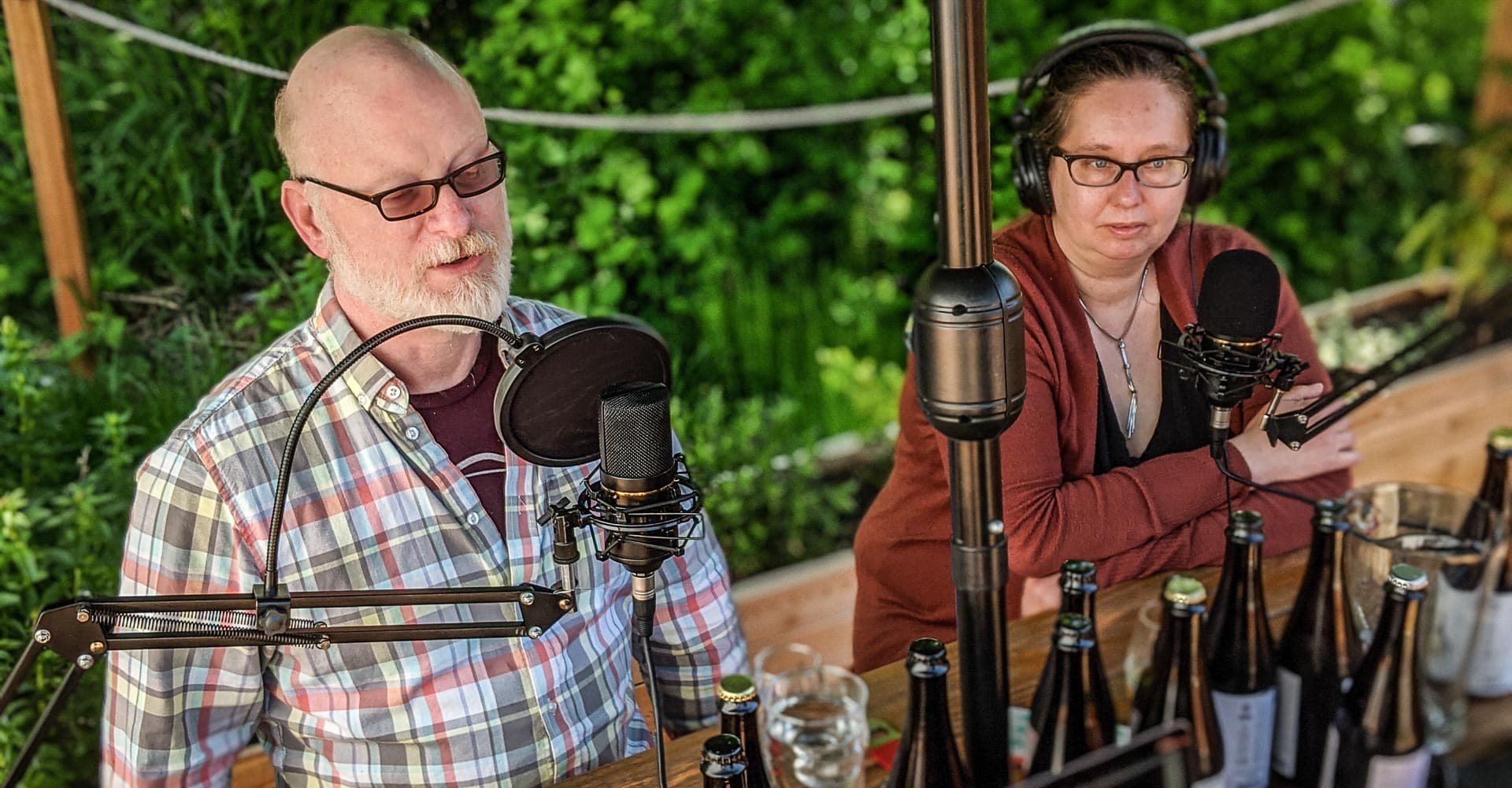
These Jester King alumni searched for the perfect place to make the beer they envisioned, with wild yeast and ingredients sourced from within a few miles. Now, they guide their fermentations to produce beers that balance flavor and character.
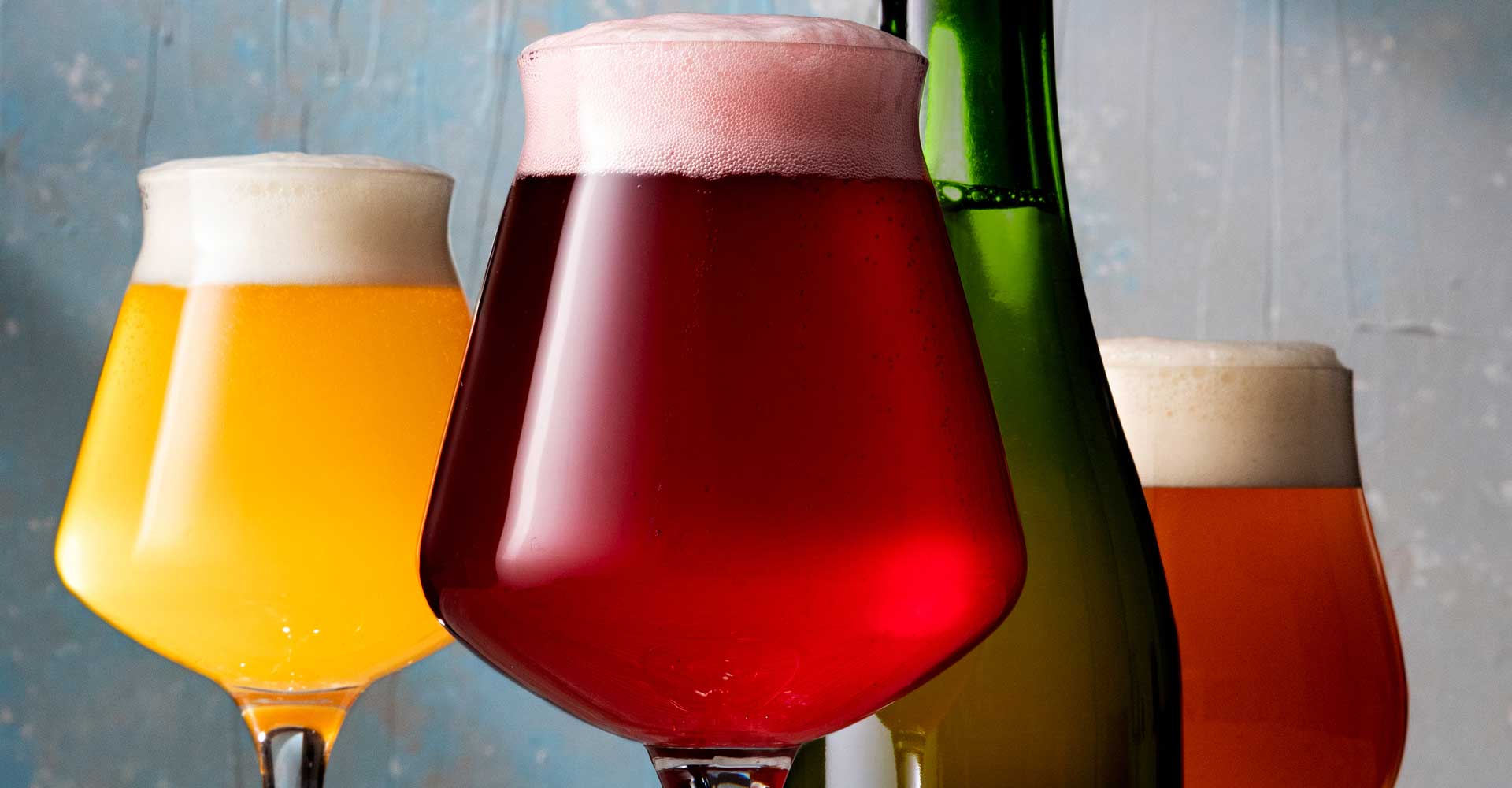
Sour and wild beers exist on a complex plane of myriad flavors and aromas produced by bacteria, yeast, ingredients, and by-products. Randy Mosher breaks down the building blocks of what we sense, to help us identify what we enjoy.
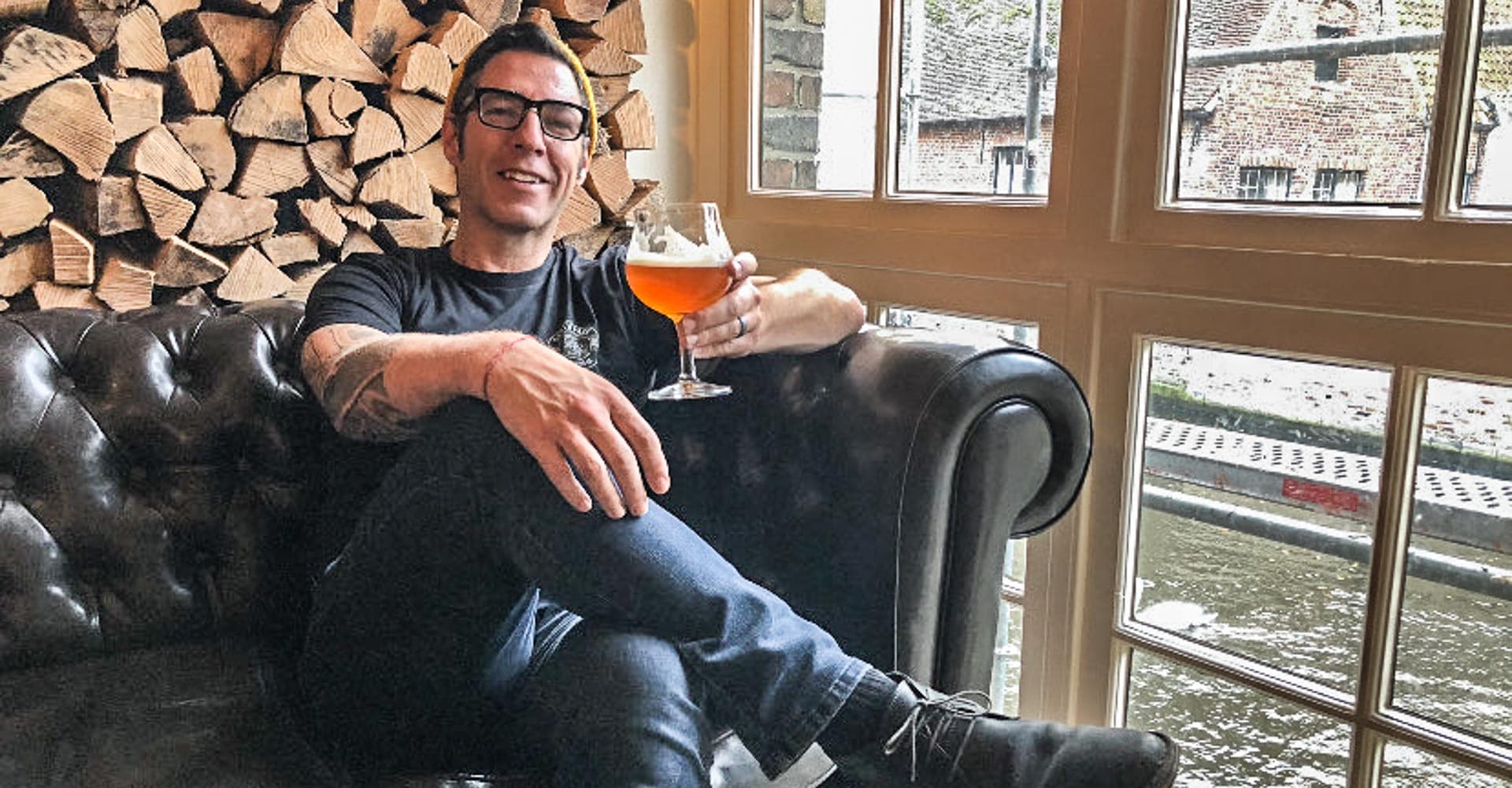
On the industrial eastern edge of San Diego County, a group of self-described delinquents have embraced a bit of SoCal outlaw culture with Burning Beard Brewing. The secret sauce? Being authentic and embracing fun, while painstakingly improving everything.
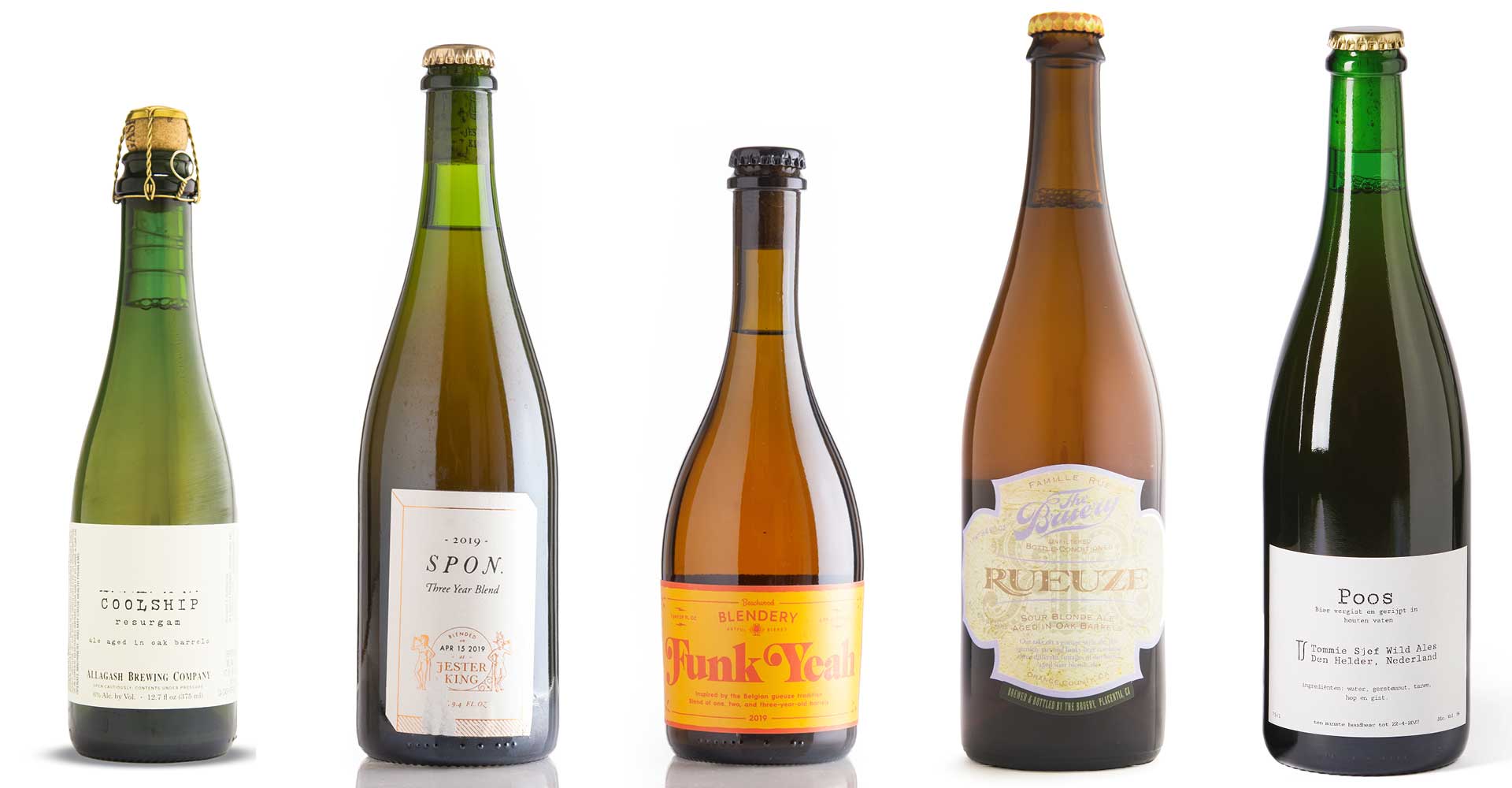
Informed by the Belgian tradition but rooted in their own places, here are five beers brewed and blended in the manner of lambic and gueuze.
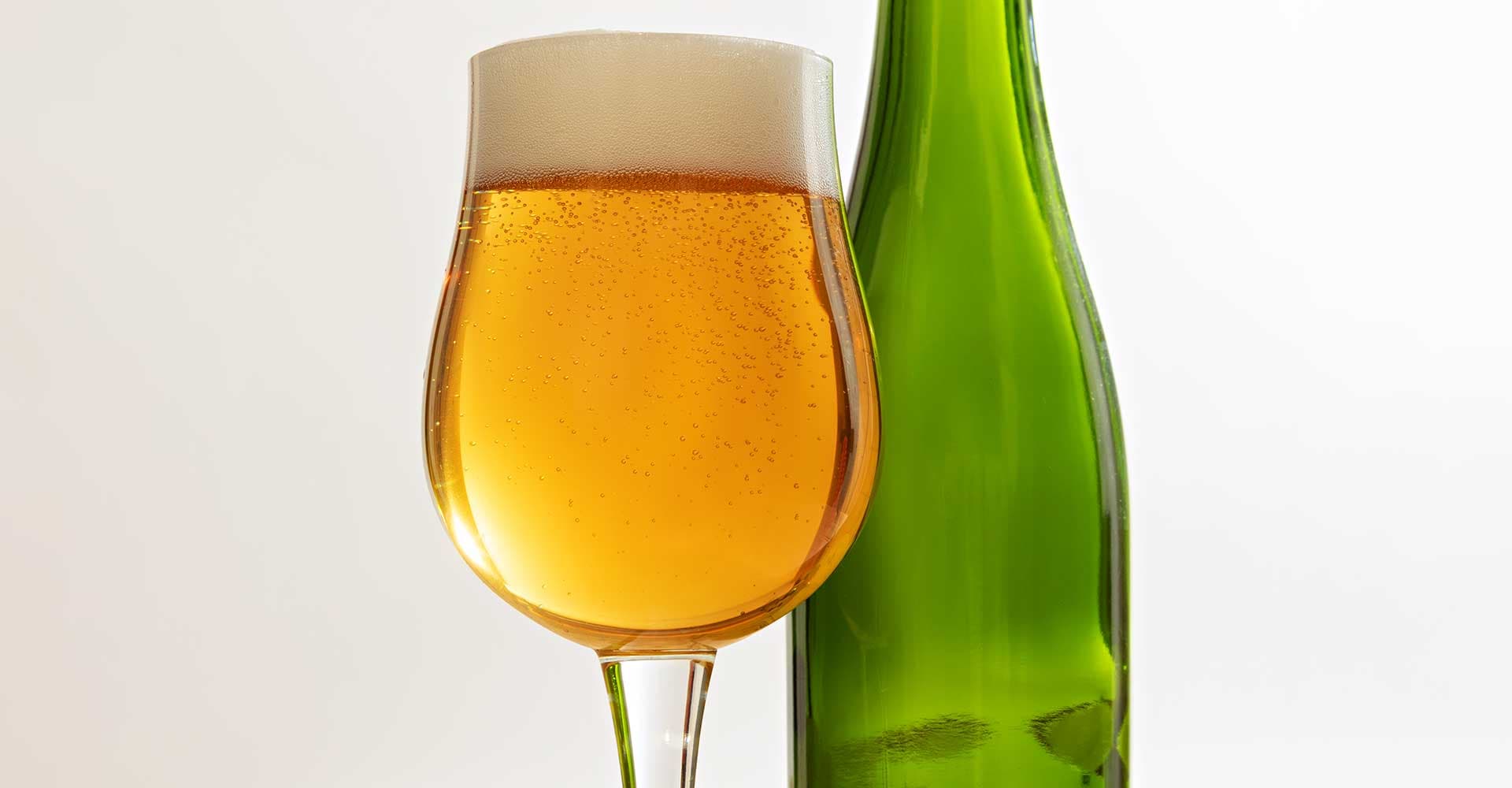
Inspired by traditional lambic brewing, here is homebrewer Kevin Foster’s recipe for his turbid-mashed base beer. Evolving variations on this recipe are key components of his award-winning annual blends.
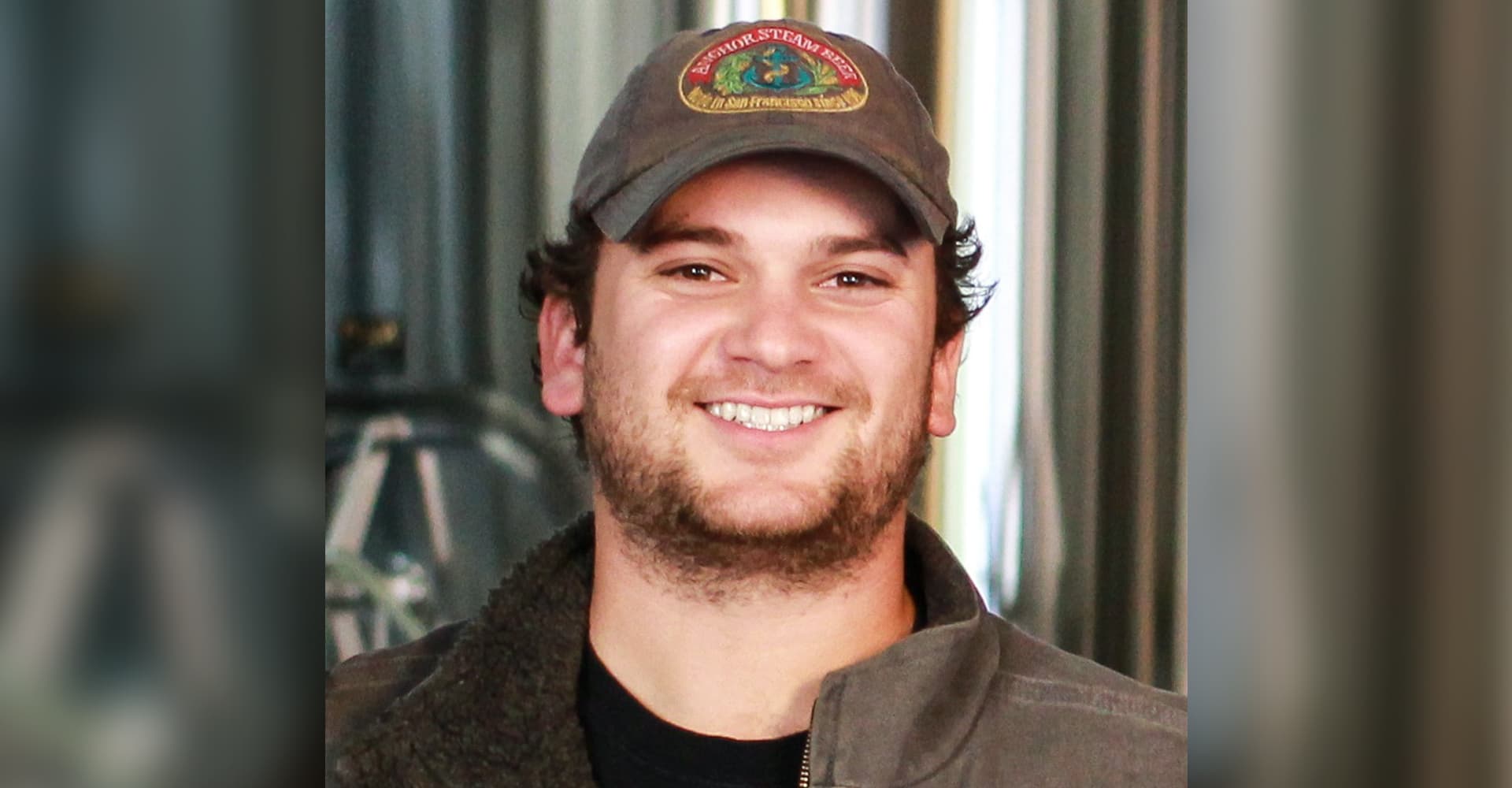
San Diego’s Societe Brewing has long had a reputation for being brewers’ brewers, with dual-core IPAs expressing different sides of the West Coast coin, and a wild beer program designed around drinkable, funk-forward, lower-acidity beers.
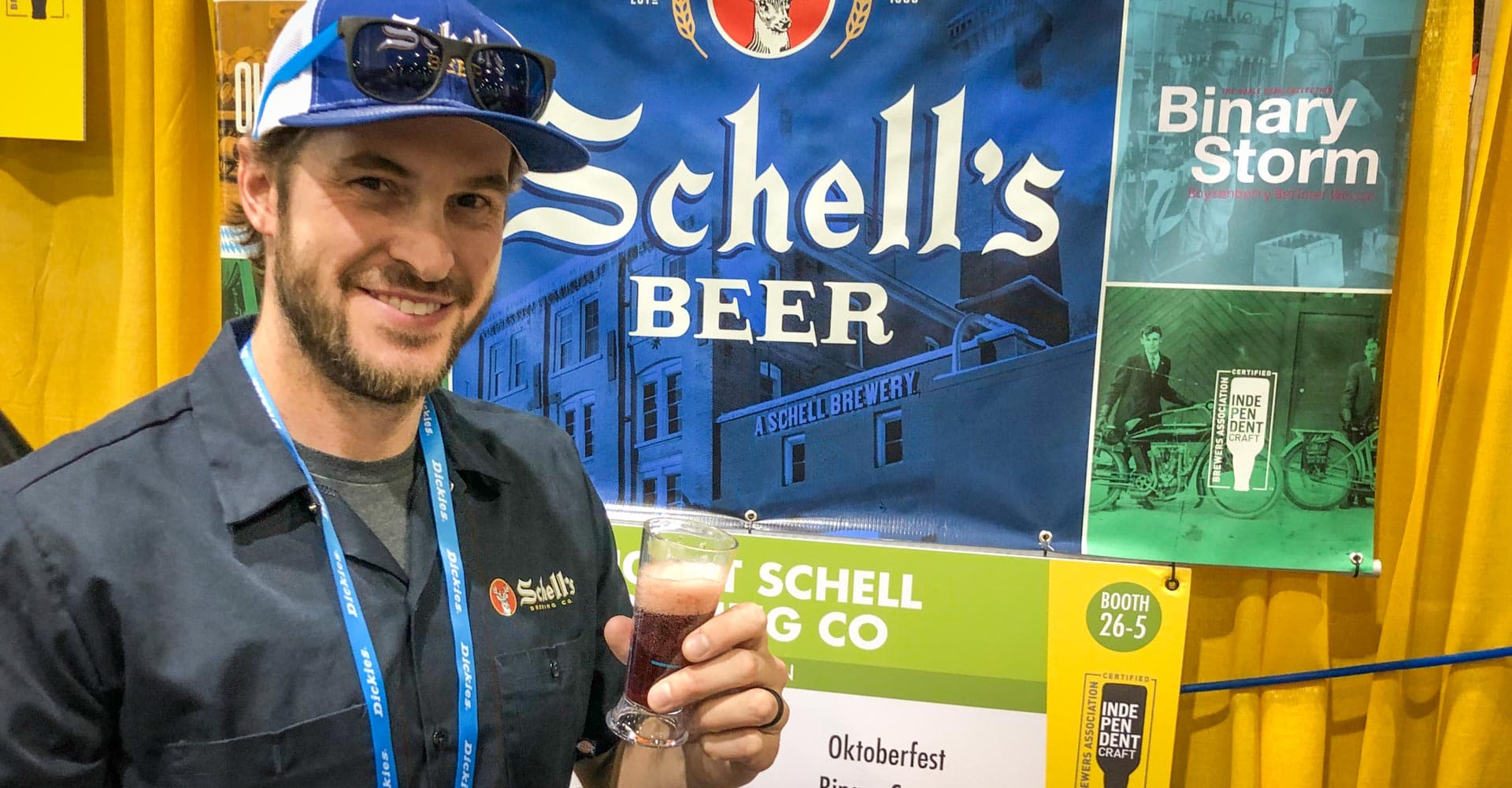
Marti discusses how their approach to craft lagers has evolved, how they've borrowed innovative processes from the IPA world for their traditional lagers, and how they've painstakingly built a sour program based on mixed-culture Berliner weisse.
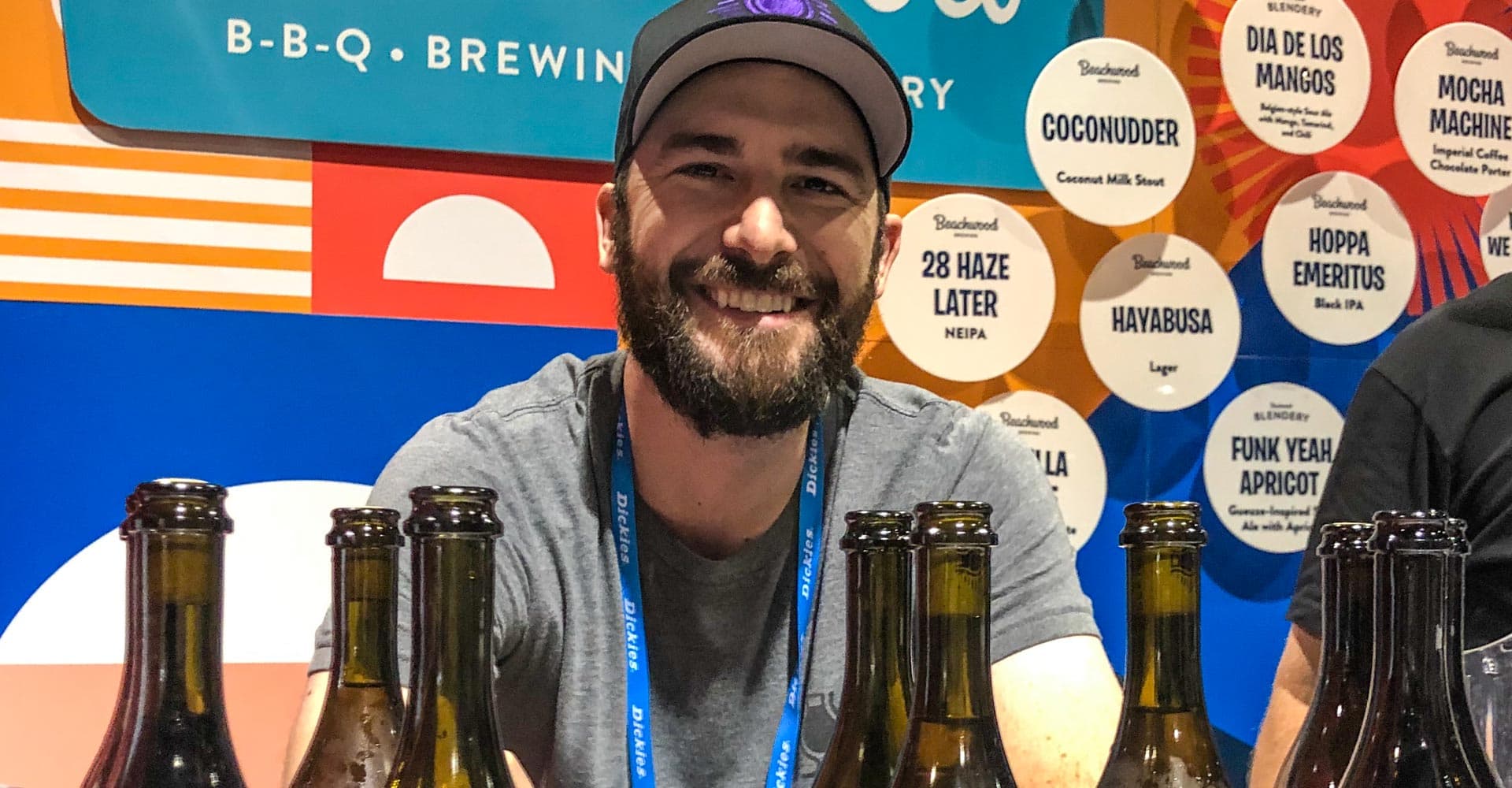
Beachwood has built a world-class sour, wild, and spontaneous beer program by controlling environmental factors and carefully selecting for desired character in their prevailing house culture.
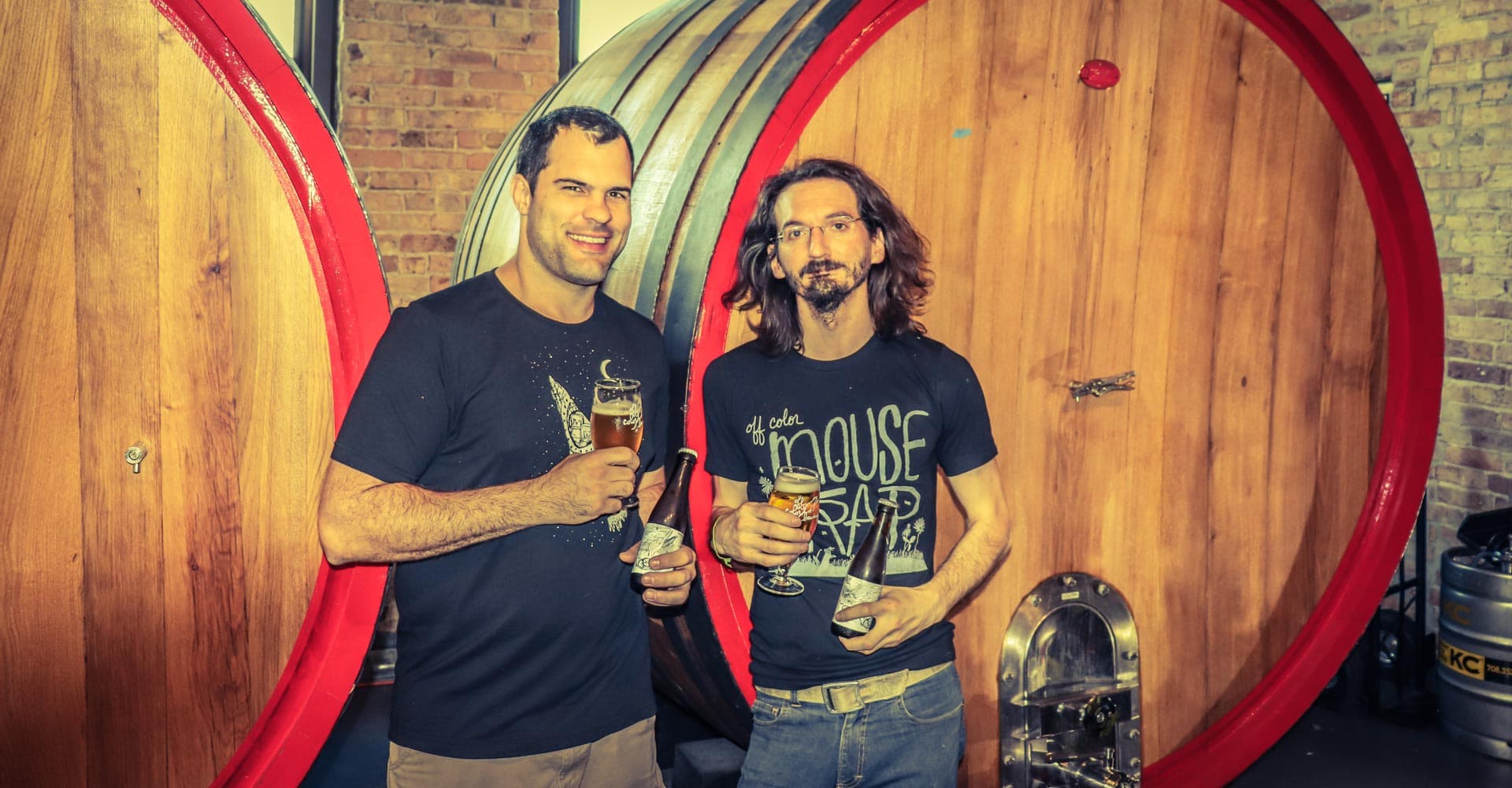
Laffler has a reputation for strong opinions, and in true form he pulls no punches in this episode with honest, bombastic takes on brewing philosophy and techniques.
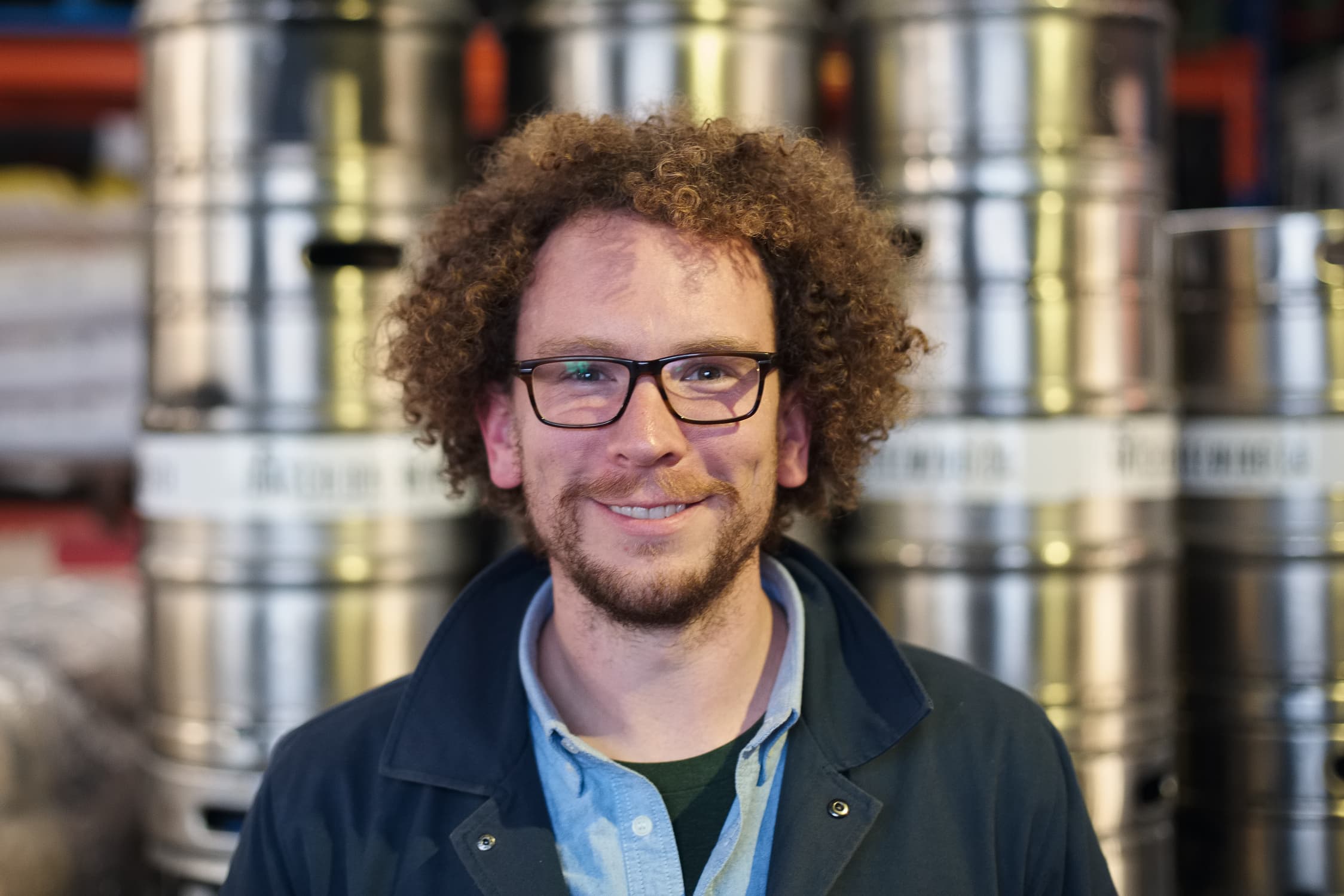
When you’re more than 2,000 miles from the nearest country there’s a tendency to rely on all things local. That’s what Batch Brewing Co., a Sydney, Australia brewery has in mind when it is creating recipes.
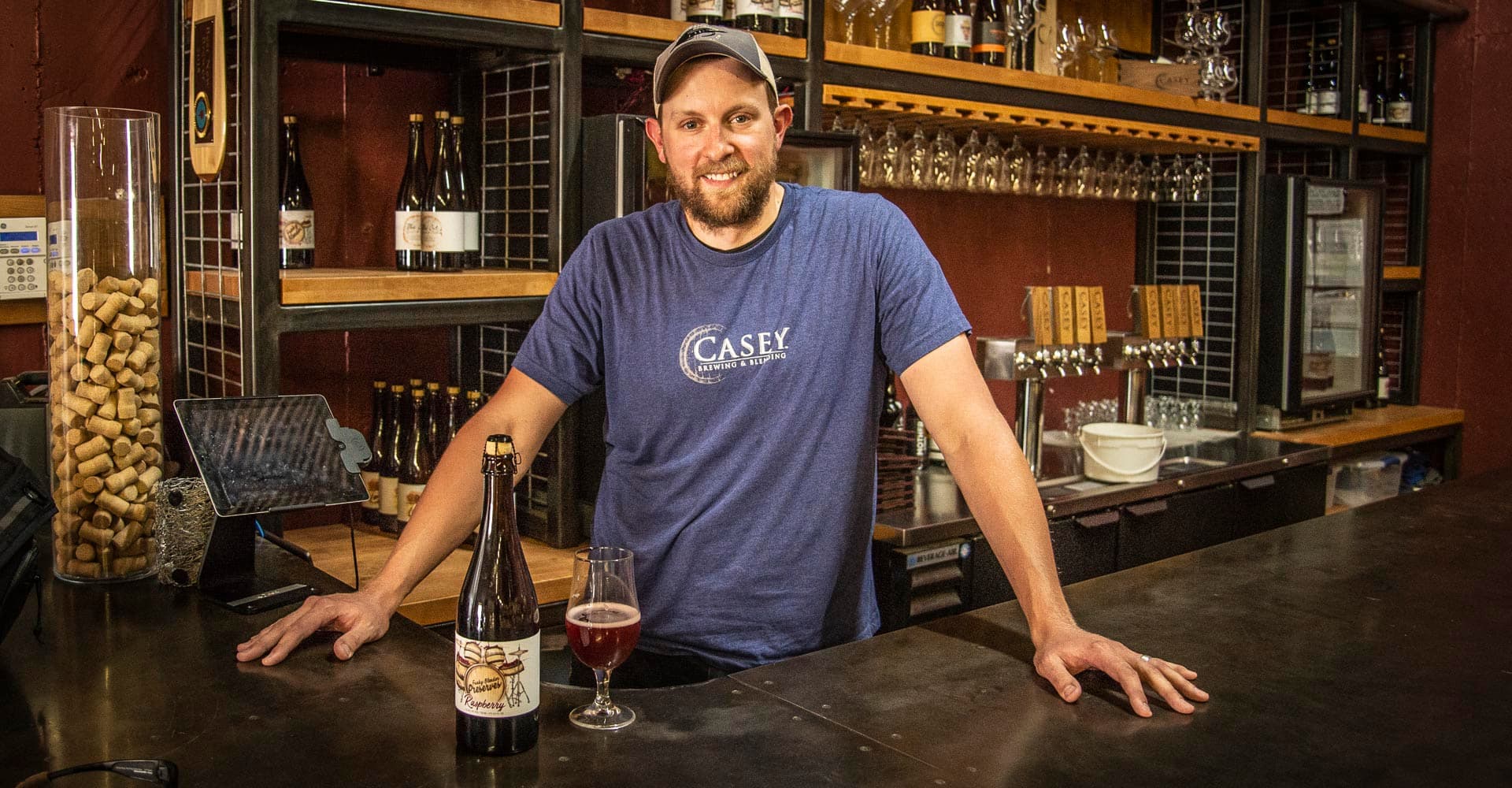
Casey Brewing & Blending's Troy Casey discusses processes and thoughts around making funky farmhouse and sour beer styles, as well as fruit sourcing and additions techniques, and his new foray into "clean" beer styles.
![The Current State of [American] Sours](/_next/image?url=https%3A%2F%2Fwww.datocms-assets.com%2F75079%2F1656631140-speciation.jpg&w=3840&q=75&dpl=dpl_FRPmGr21EoV3WBrhyLkiU8uxK4UL)
When thinking about what the modern era has brought to the wild and sour beer space, time isn’t the factor that it used to be, and there's hope the momentum that is gaining with local microflora won’t become stalled or merely a passing fad.
Brewers are forging their own paths from the long-traveled spontaneous-fermentation road. Where they will end up is anyone’s guess, but it’s shaping up to be a remarkable journey.