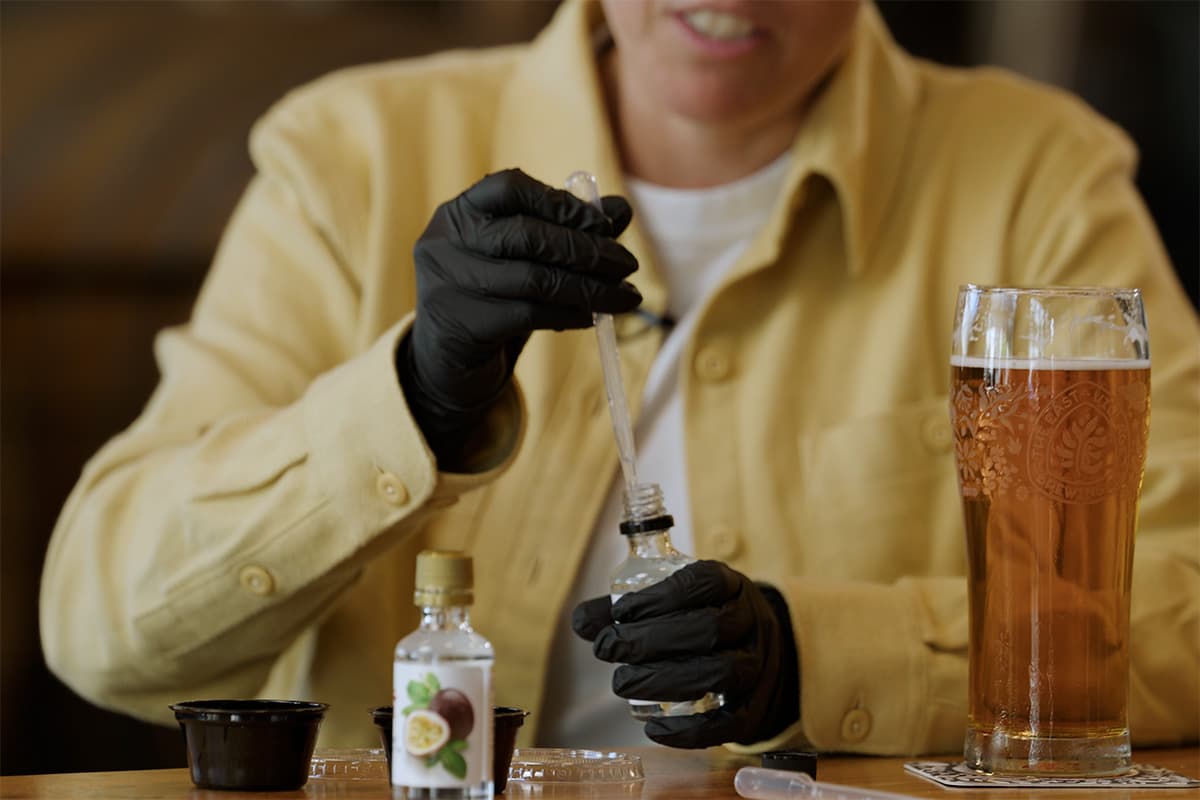
Know the Most Common Beer-Tasting Biases | Video Tip
There are certain biases that often creep into beer sensory panels and judging tables. DraughtLab cofounder Lindsay Barr describes three of the most common types—and how to avoid them.

30 articles in this category
There are certain biases that often creep into beer sensory panels and judging tables. DraughtLab cofounder Lindsay Barr describes three of the most common types—and how to avoid them.
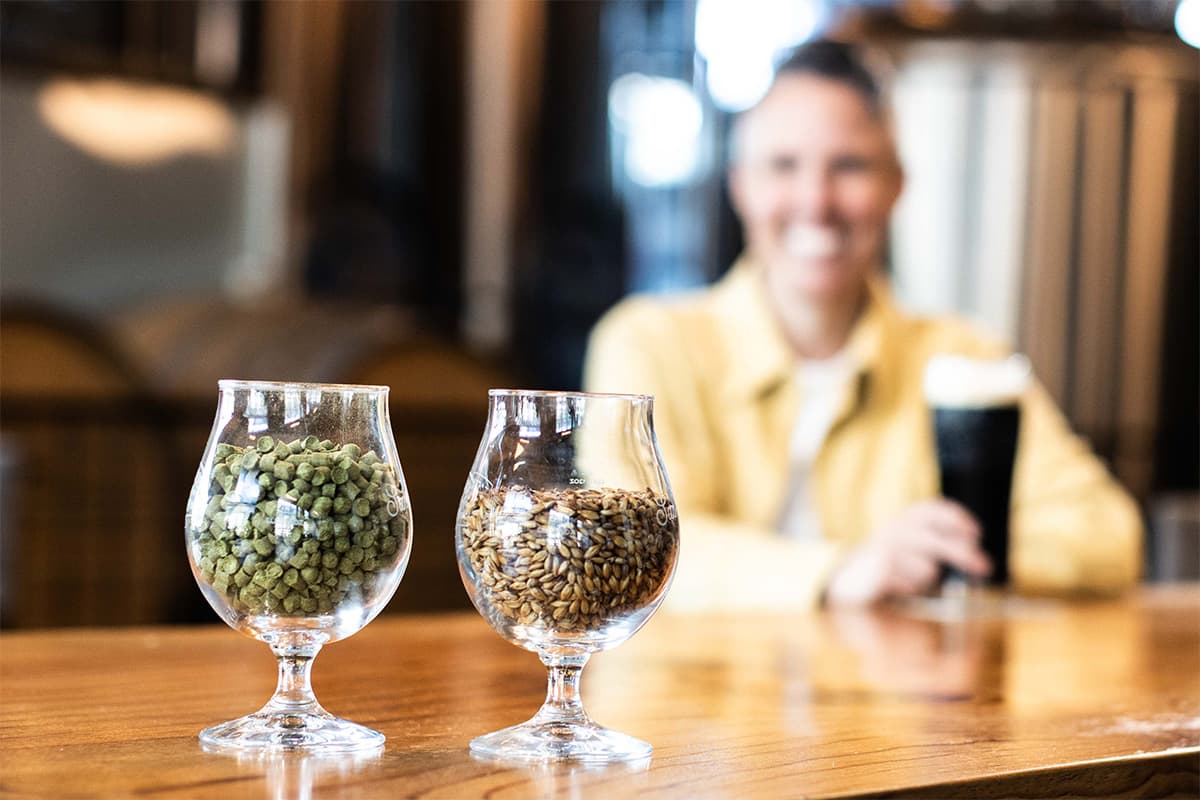
The power of sensory analysis isn’t only for finished beer—you can also apply it to raw materials, including hops and malt. In this clip from her video course, DraughtLab cofounder Lindsay Barr outlines two key methods: the hop grind and the hot steep.
Ensuring that popular beers maintain consistent flavor profiles—that they are true to brand—is important for any brewer who wants to keep customers happy. Here, DraughtLab cofounder Lindsay Barr explains how true-to-target and brand recognition testing can help you drill into your beer’s finer sensory traits.
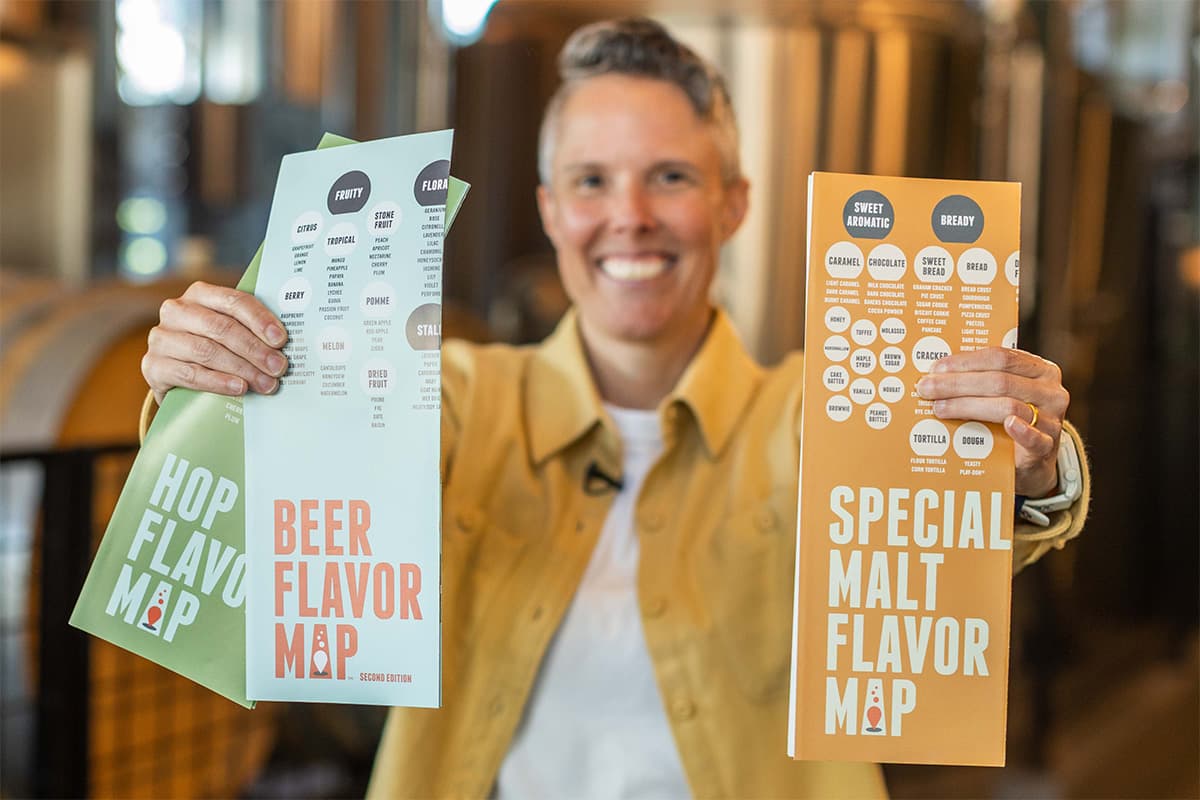
There are many methods of sensory analysis that can be used in the brewery, but one of the most useful is the descripton test. DraughtLab cofounder Lindsay Barr explains how it works.
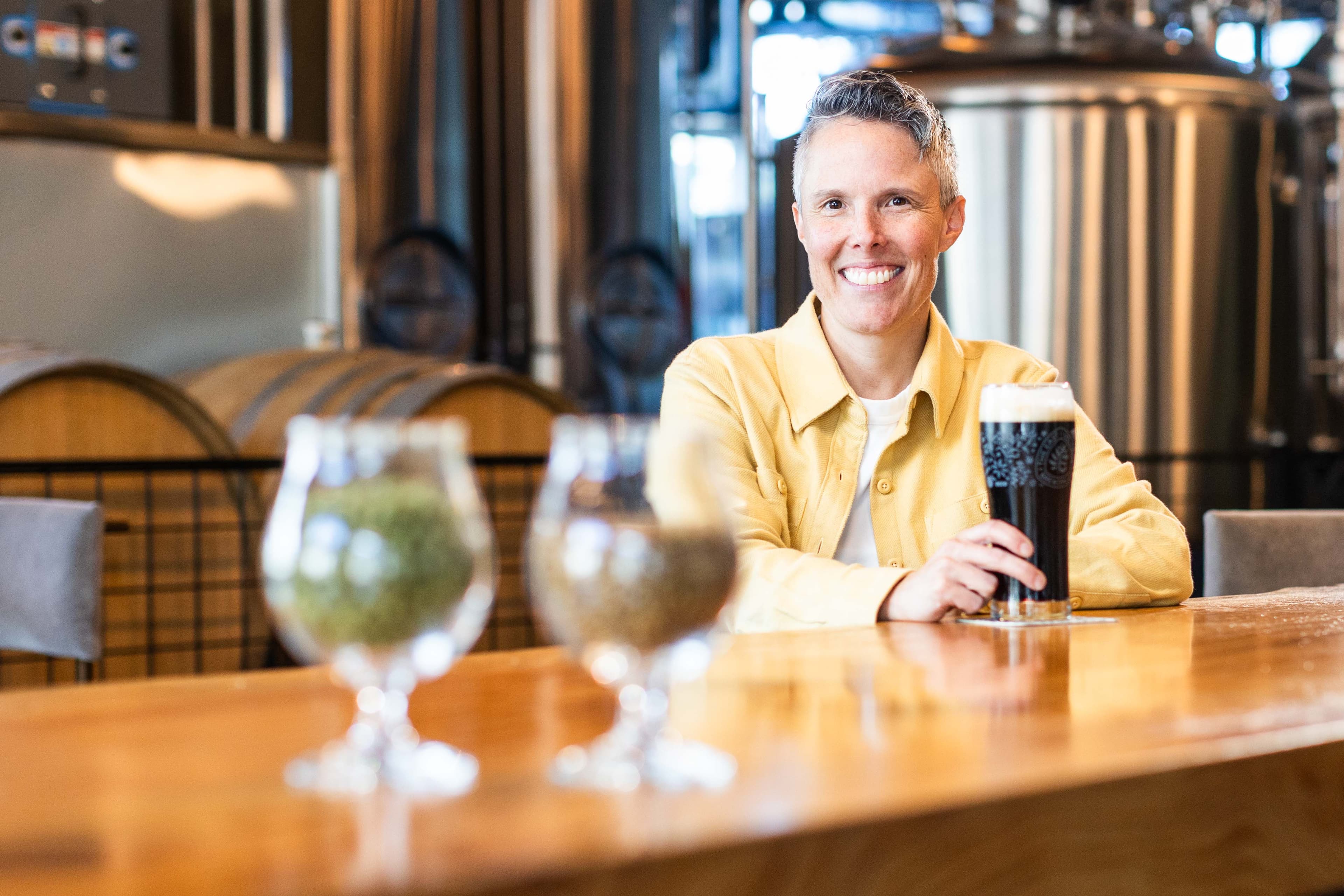
Lindsay Barr, founder and chief science officer at DraughtLab, explains specific methods and practical tips for how your brewery can collect sensory data and use that information to make better beer.
In the world of brewing, we can precisely measure and define certain things—and those things don’t have a whole lot to do with how we smell, taste, and feel about beer.
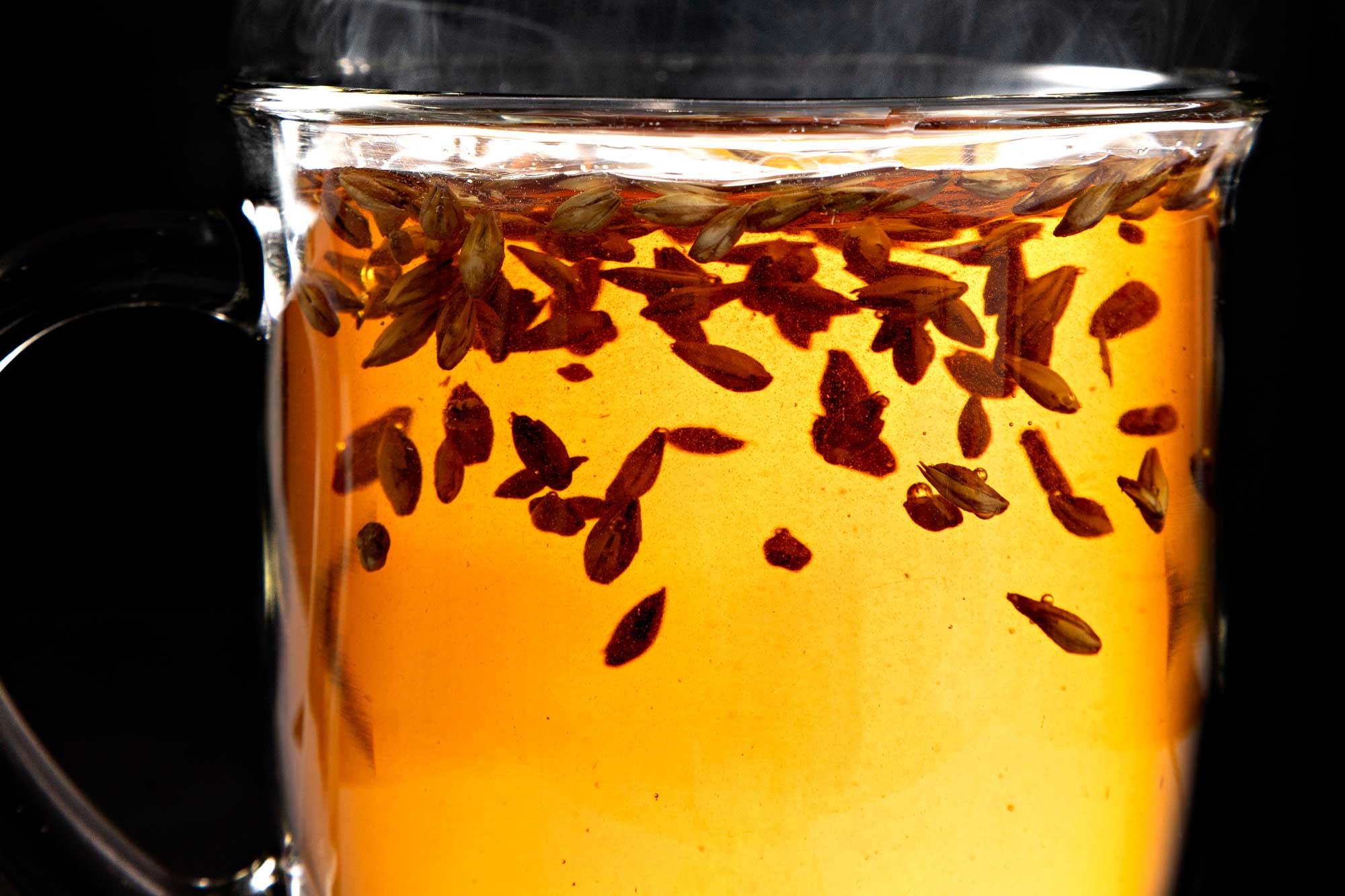
From chomping on grains to hot steeps and running the grains through an espresso machine, Randy Mosher offers some simple tips and tricks to better evaluate your malt—and to improve your flavor imagination.
From the weather at the farms that grow the ingredients to every aspect of brewing and on to the climate in which we enjoy it, temperature affects beer profoundly. So, whether you’re gulping an ice-cold one in the desert or sipping a snifter by the fireside, let’s ponder beer’s ethereal, delicate nature—whatever the season.

For many of us, hop aromas are just about the most impenetrable of all smells. Yet understanding more about how the brain works with aromas can help us to make and enjoy really delicious beers.
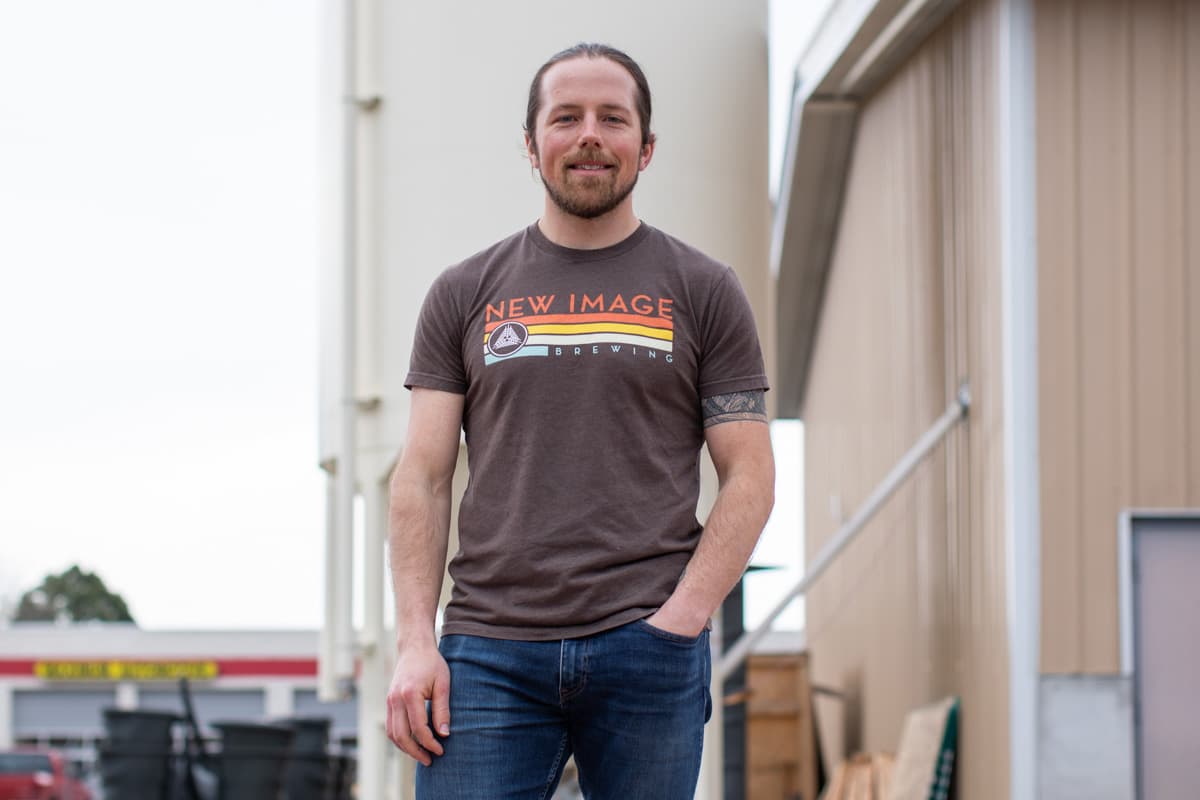
When it’s time to pull nails and evaluate components for blending, New Image’s Brandon Capps recommends including tasters who are less familiar with the style, while also ensuring that tasting happens blindly and individually.
We know that we can get better at smelling and tasting beer, but how does it work? From Tasting Beer author and sensory guru Randy Mosher, here are some insights to help us identify and better understand our own strengths and weaknesses.
Our growing awareness of thiols and other hop compounds are just scratching the surface of beer’s aromatic complexity. Inspired by some recent research into wine, Randy Mosher outlines a new model—aroma pools—that might help us think differently about how and what we smell in beer.
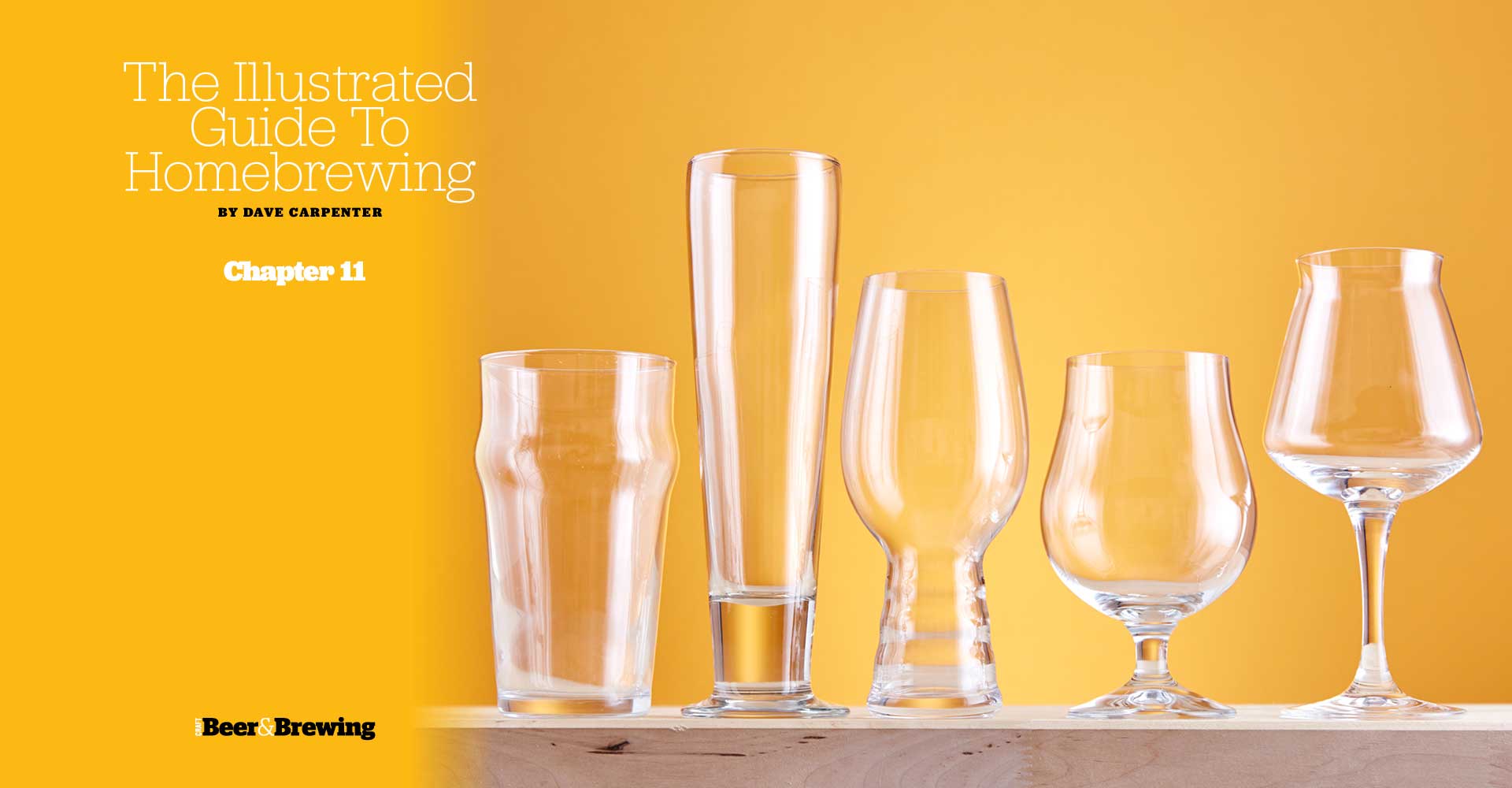
From our Illustrated Guide to Homebrewing, here are some tips on serving your own beer—and on evaluating it, so you can decide how to make it even better next time.
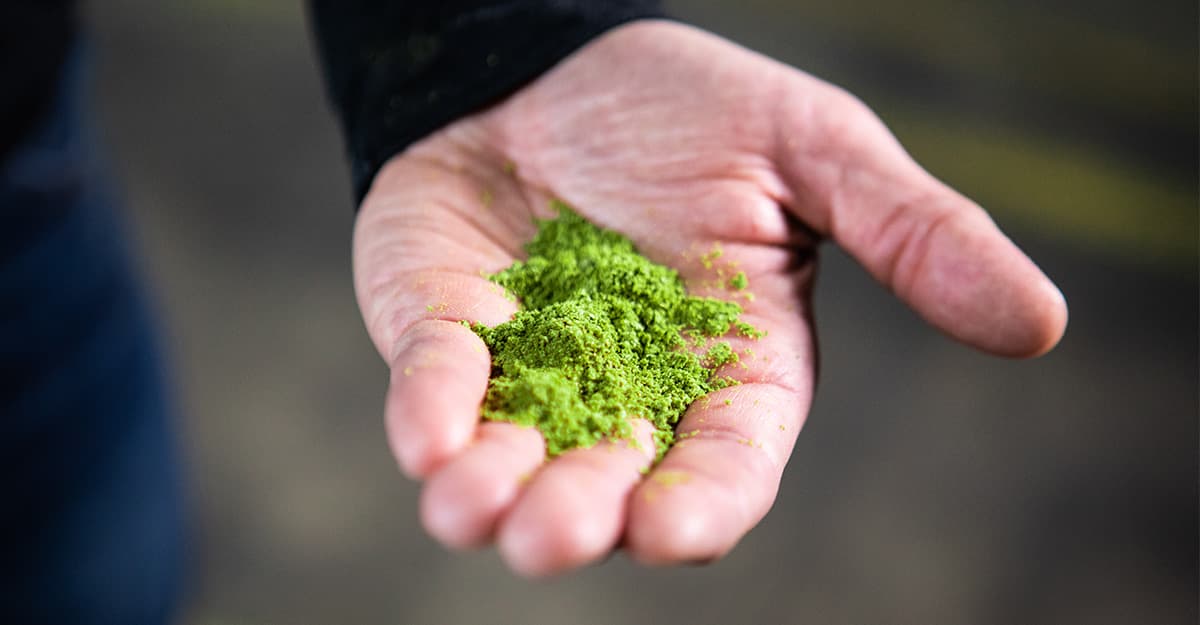
In this clip from their video course, Hop Butcher for the World cofounders and brewers Jude La Rose and Jeremiah Zimmer bust up some T-90s and explain how to “rub” and evaluate hops as found in their most popular format today.
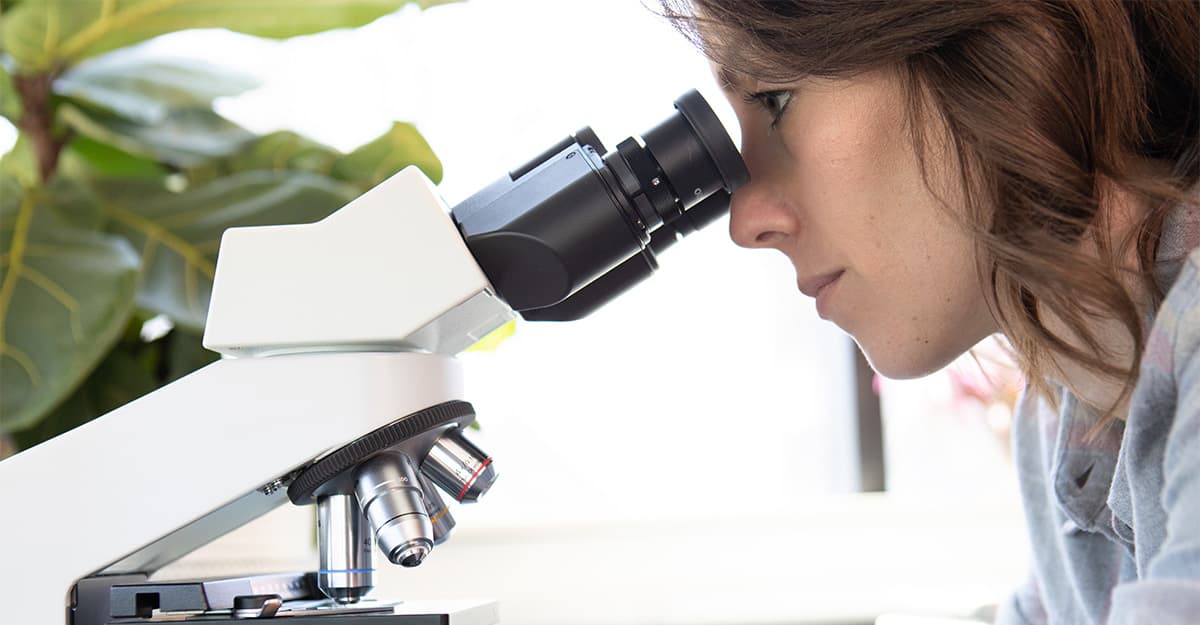
Laura Burns, director of research and development at Omega Yeast, explains the impact that thiols can have on beer aroma—and why brewers and yeast labs are increasingly interested in how to unlock their potential.
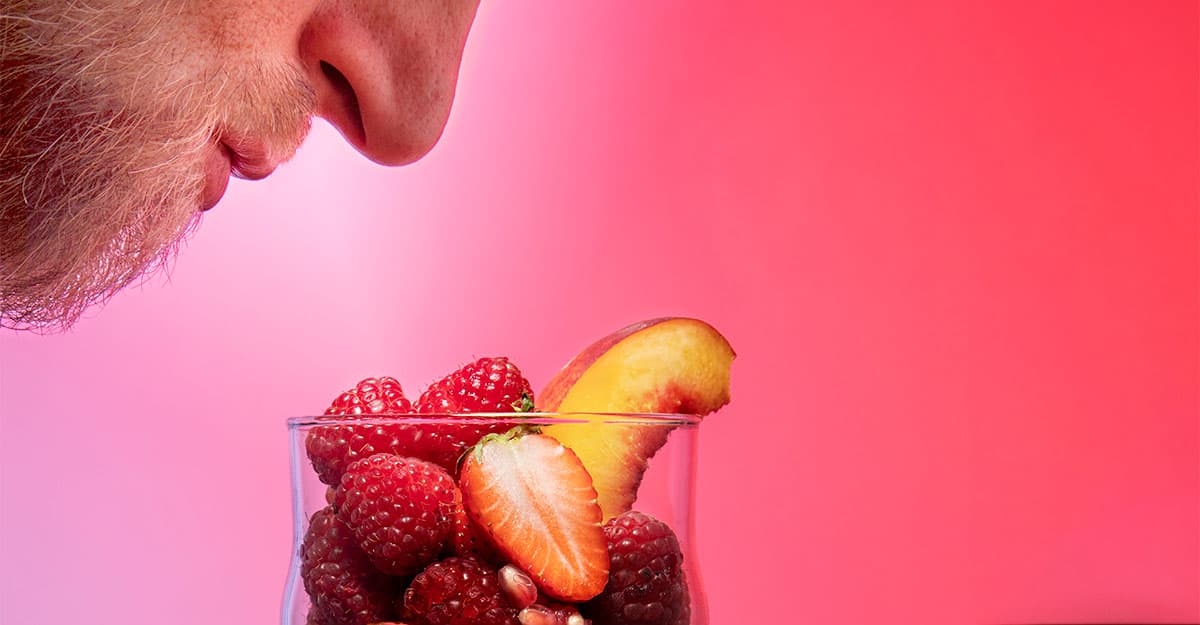
By taking a step back to think more deeply about why we love fruit—and why some fruit beers really shine—we can better plan a truly great one. Randy Mosher peels back the layers and gets to the core of it.
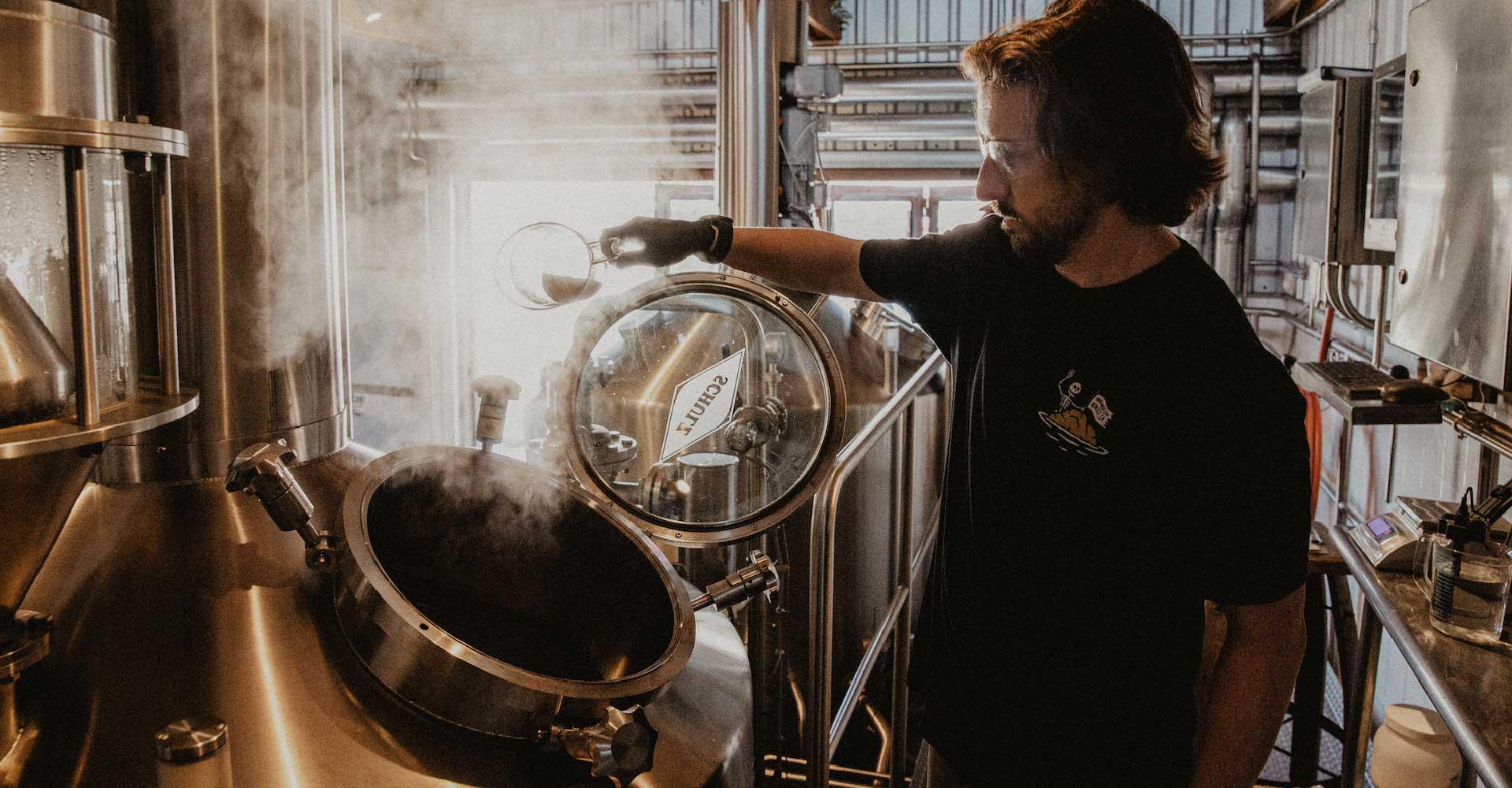
Firestone Walker beers have twice won Best in Beer nods from our editors, and they always rank high among Readers’ Choice picks. We asked Sam Tierney, innovation brewer at the Propagator in Venice Beach, to ponder what it means to strive for “the best.”
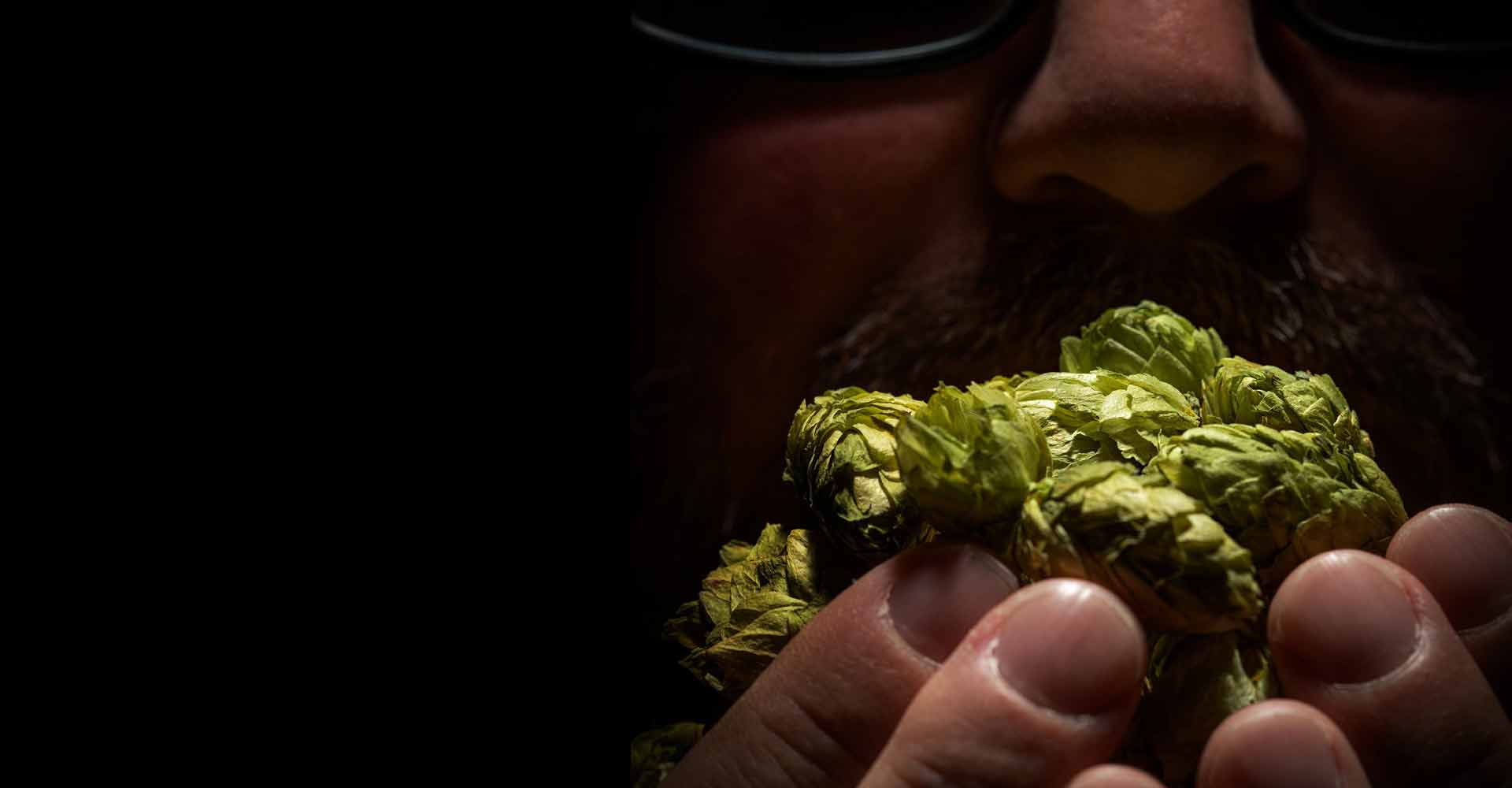
Randy Mosher dissects the intricate workings of IPAs—from the malt to the hop compounds that make them special and compelling—so we can approach our brews and our sensory vocabulary with deeper thought.
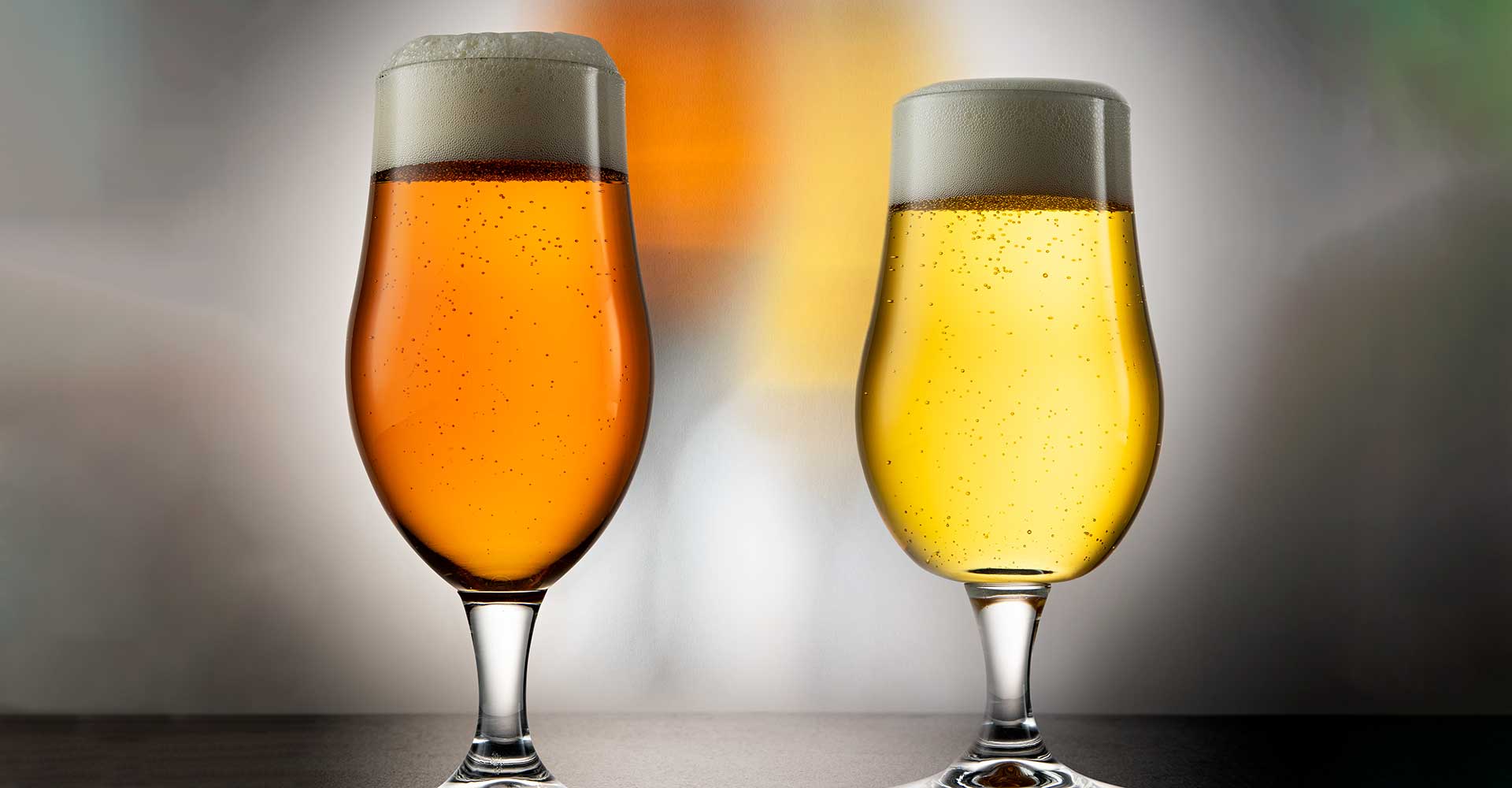
Lager is made at the cellular level—and at the cultural one. How far can you push lager—with different ingredients, fermentations, sensory profiles—until it becomes something else? Randy Mosher ponders the science, the traditions, and the pragmatism.
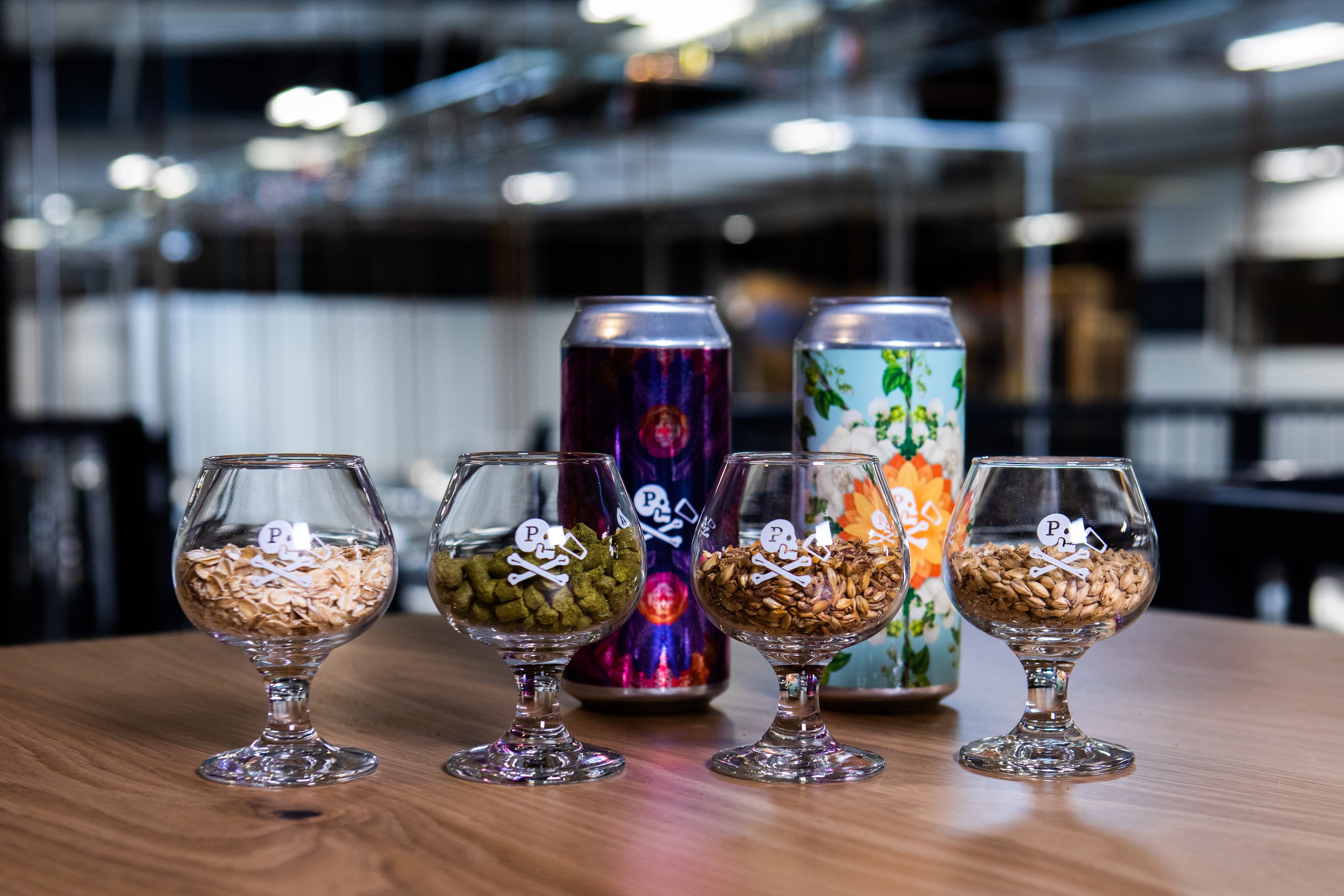
Pinthouse’s Joe Mohrfeld explains his technique for rubbing and evaluating hops to seek out the aromas and flavors you want in your IPAs—and to avoid those you don’t.