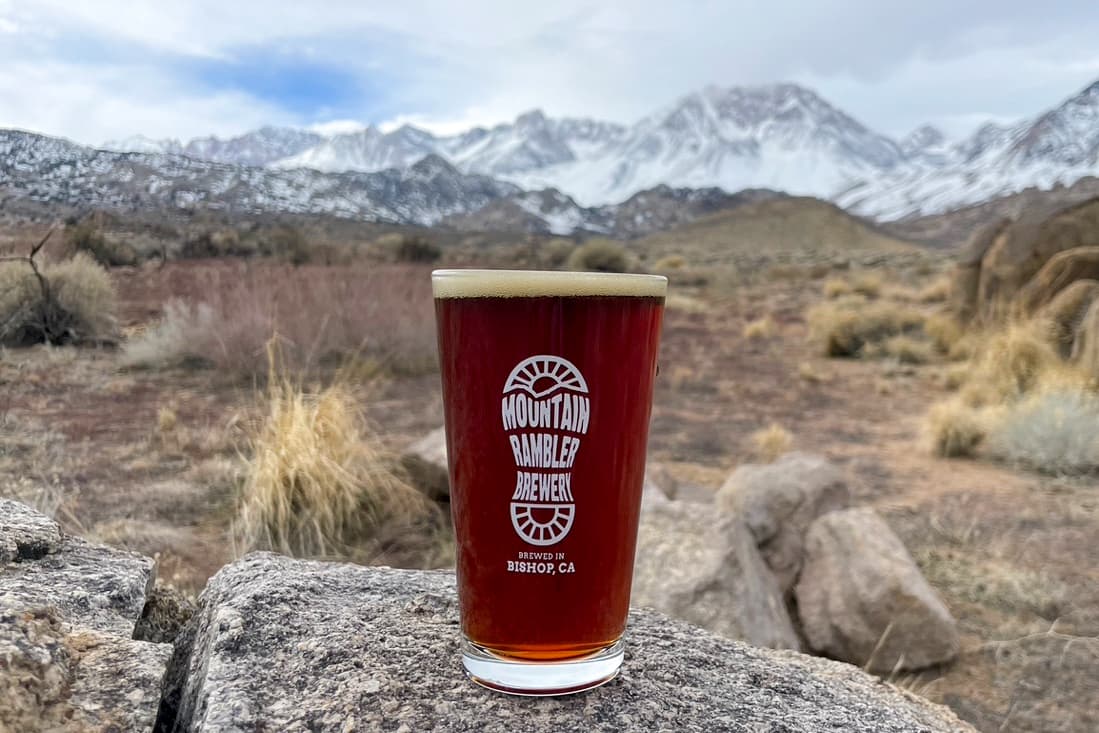
Recipe: Mountain Rambler Singing Coyote Amber Ale
Subscriber
Malt complexity leads the way in this amber ale—a gold medal–winner at the 2025 World Beer Cup—from Mountain Rambler in Bishop, California.

26 articles in this category
Malt complexity leads the way in this amber ale—a gold medal–winner at the 2025 World Beer Cup—from Mountain Rambler in Bishop, California.
In Sonoma County, California, Fogbelt Brewing is refreshing and reviving an American classic—Mendocino’s Red Tail Ale—and finding a receptive audience.
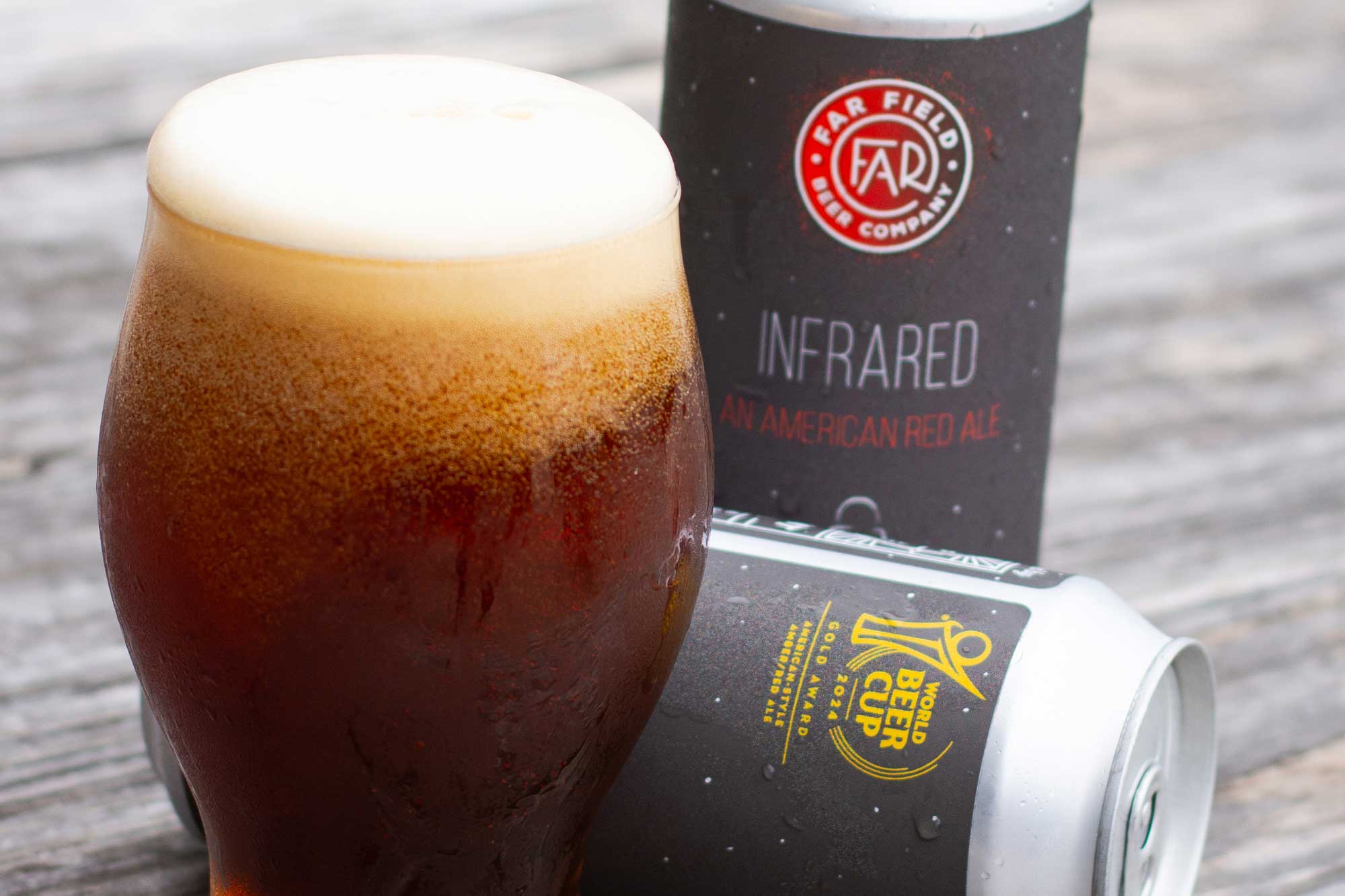
From Far Field Beer in Lawndale, California, in L.A.’s South Bay area, here’s a recipe for the American amber that won gold at the 2024 World Beer Cup.
American amber ales aren’t fossils—they’re more like liquid signals sent through time and space from an earlier generation. And today’s brewers continue to refine and polish them to an appealing ruby hue, while the opportunities for flavor and quality are greater than ever.
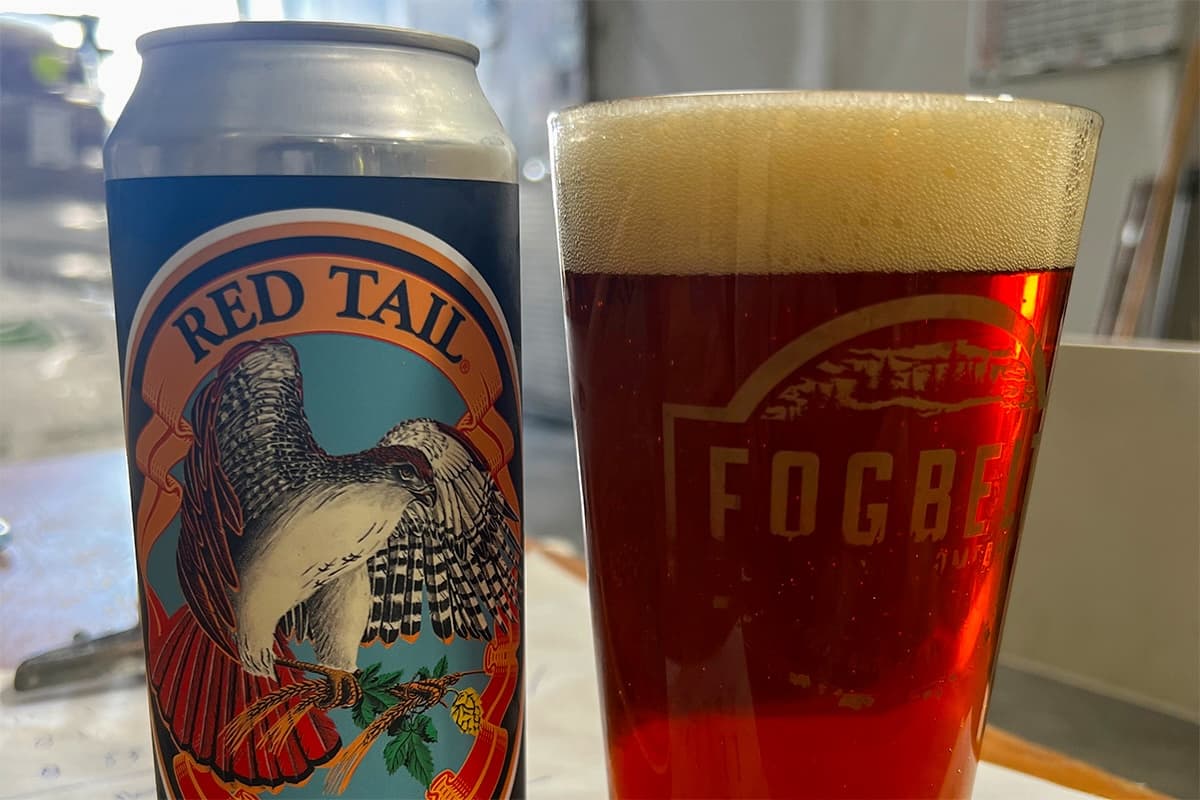
Fogbelt Brewing in Santa Rosa, California, recently revived this craft classic long brewed by Mendocino in nearby Hopland. Often cited as the first American red ale, pioneering microbrewers Don Barkley and Jack McAuliffe first brewed Red Tail Ale in 1983.
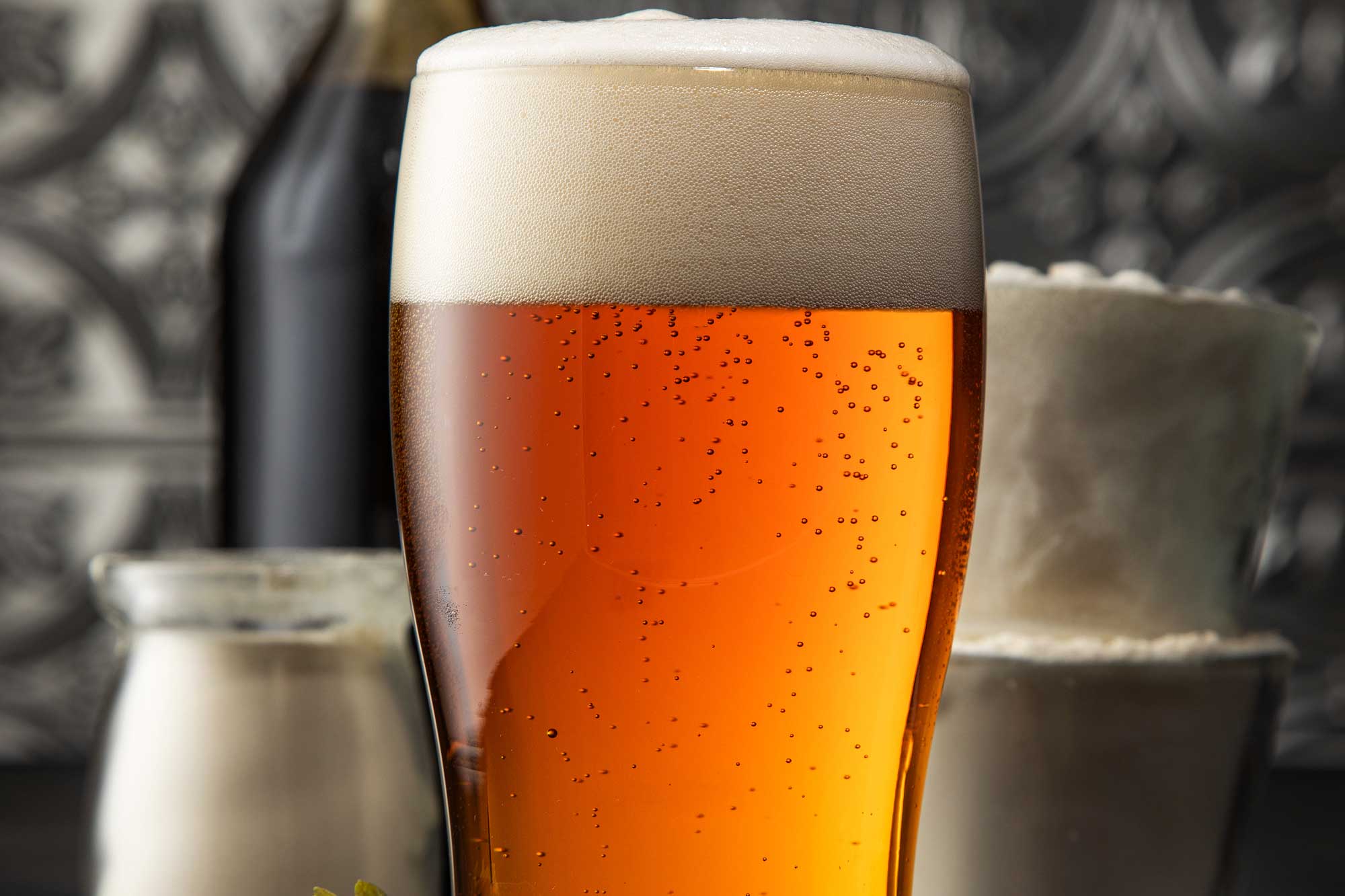
A classic style in the American craft pantheon, this amber ale is Annie Johnson’s house beer—the one she’s brewed again and again to dial in her process and ingredients. (She also drinks it.)
From Cloudburst founder-brewer Steve Luke, here’s a homebrew recipe for the West Coast double red that won gold at the 2025 World Beer Cup.
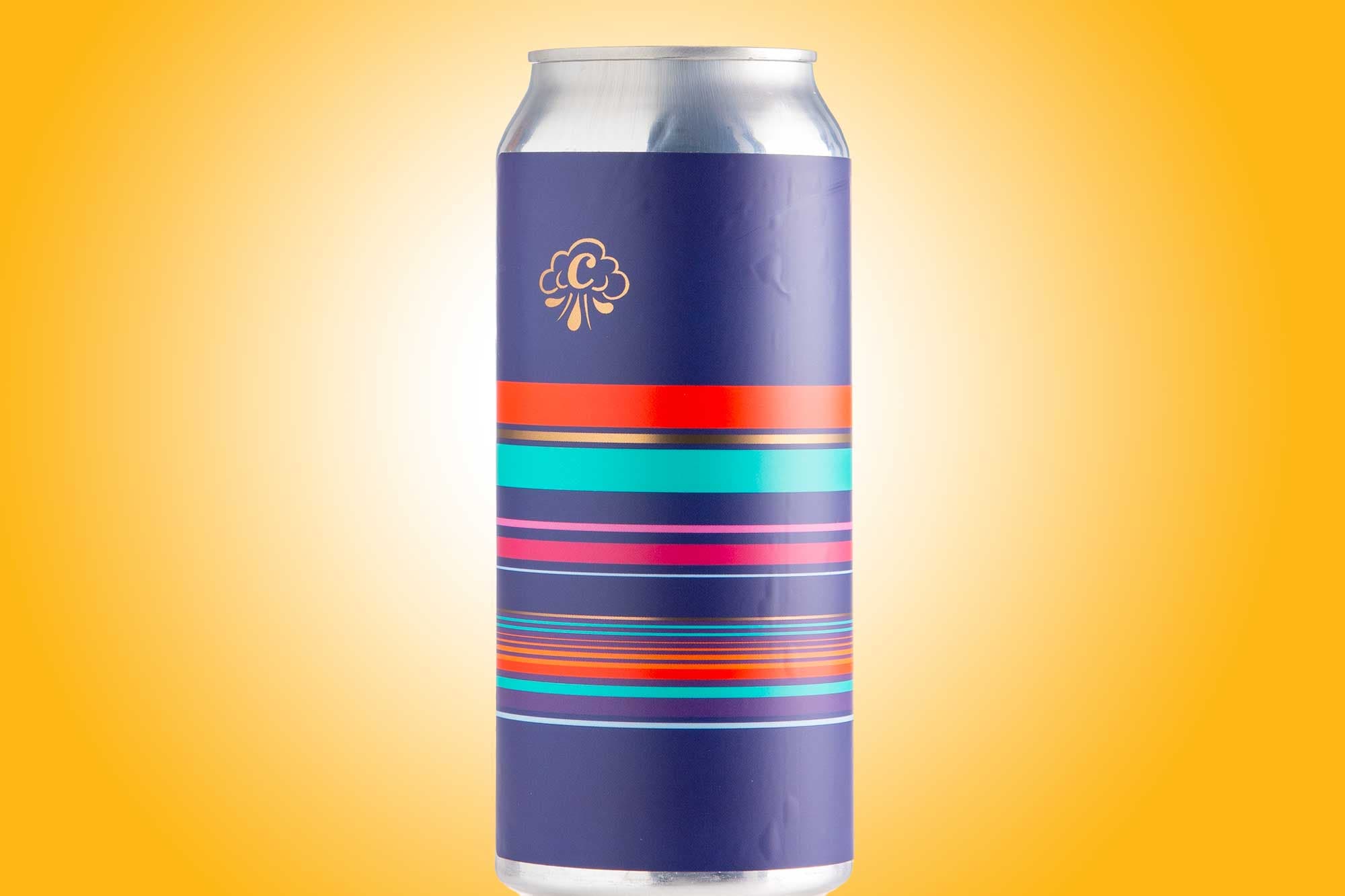
In 2025, Seattle’s Cloudburst won World Beer Cup gold in the Strong Red Ale category for its throwback West Coast double red, Peaked in High School. Here, founder-brewer Steve Luke opens his yearbook to share the details.
Besides having a nice red-amber hue and tasting great—earthy, malty, and spicy-bitter—this recipe shows how alternative base grains can make a significant difference in flavor.
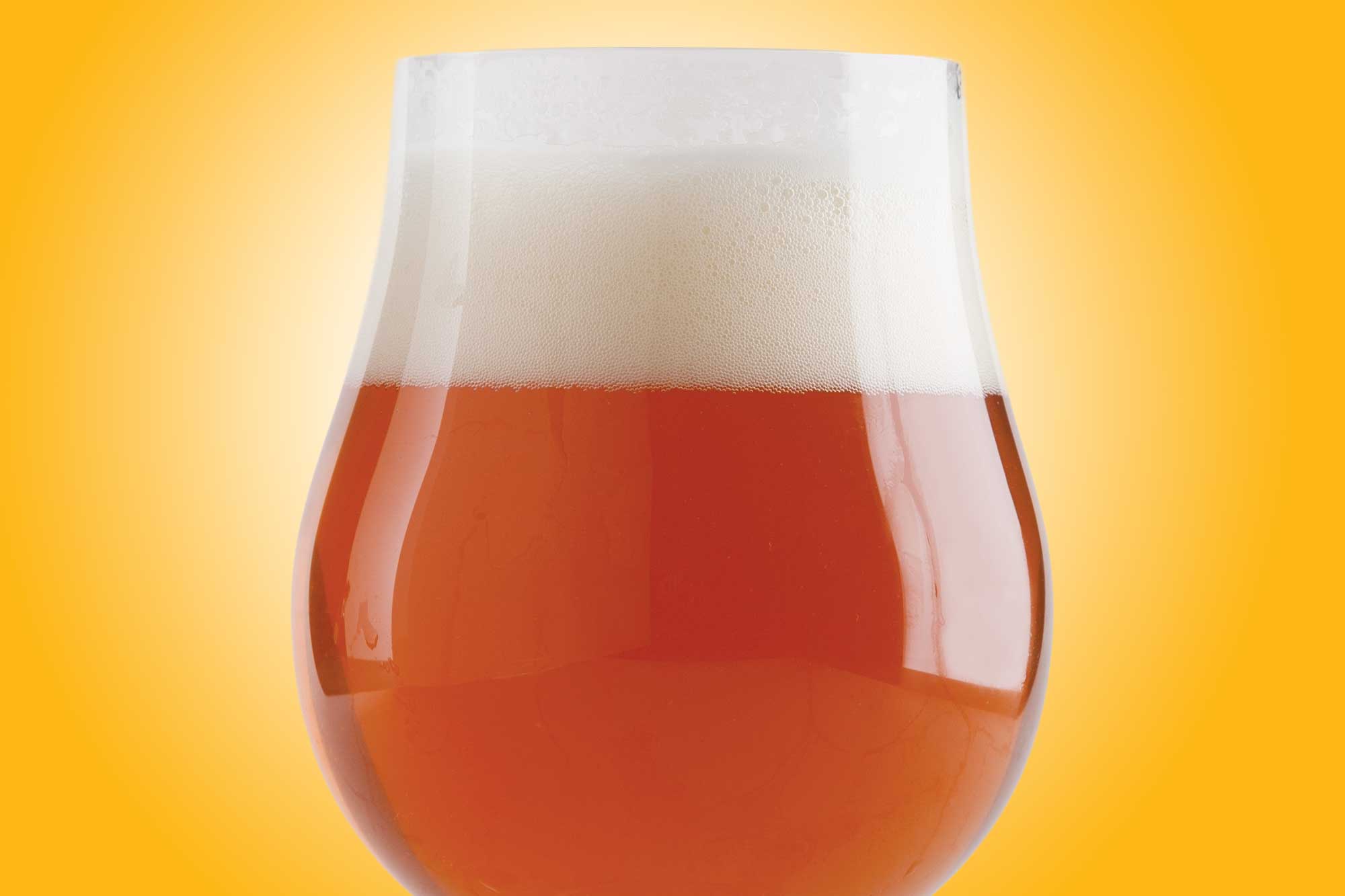
This beer began as an attempt to brew something with a properly reddish hue for the holidays—but it serves just as well as an exploration of earthy rye and malty depth with a firm, spicy bitterness.
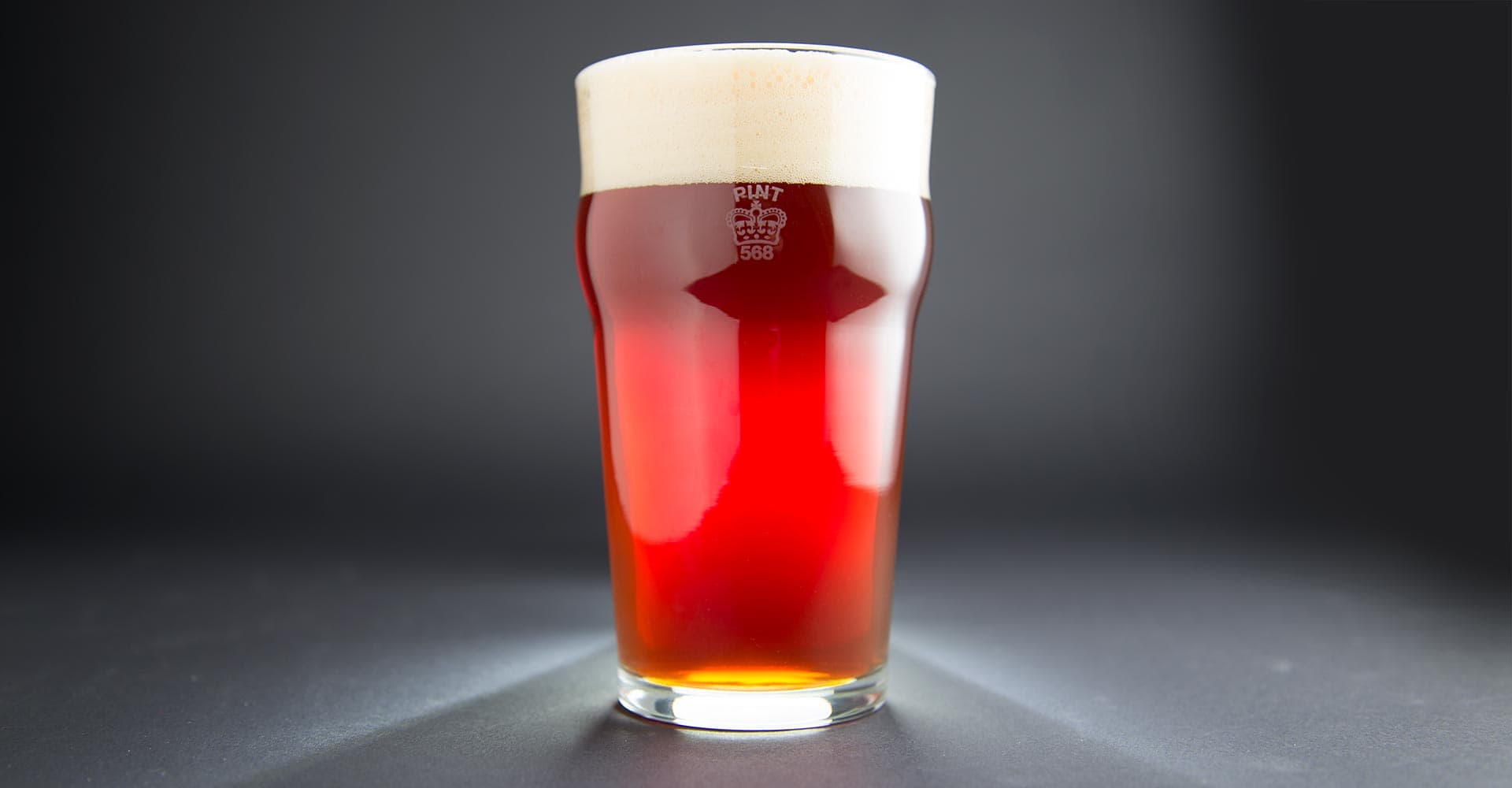
This seasonal ale is a bright enough red to match your Santa hat, and it goes well with just about anything on your holiday table.
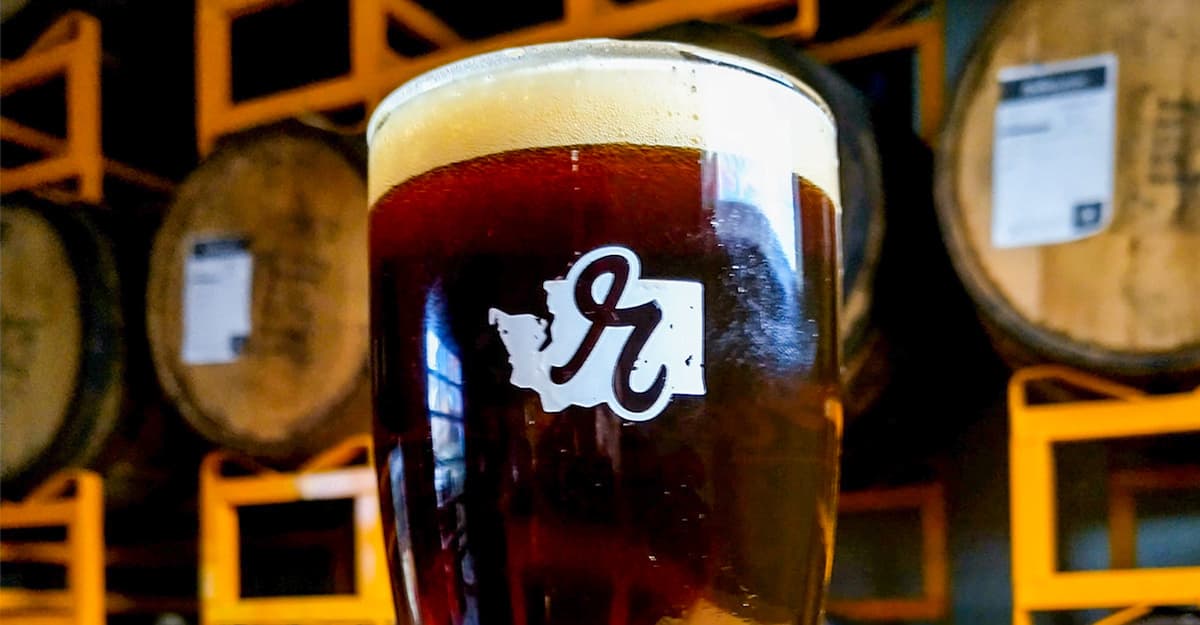
From Reuben’s Brews in Seattle, here’s a recipe for a modernized take on amber ale that features plenty of hops in the whirlpool and a broad, malty foundation.
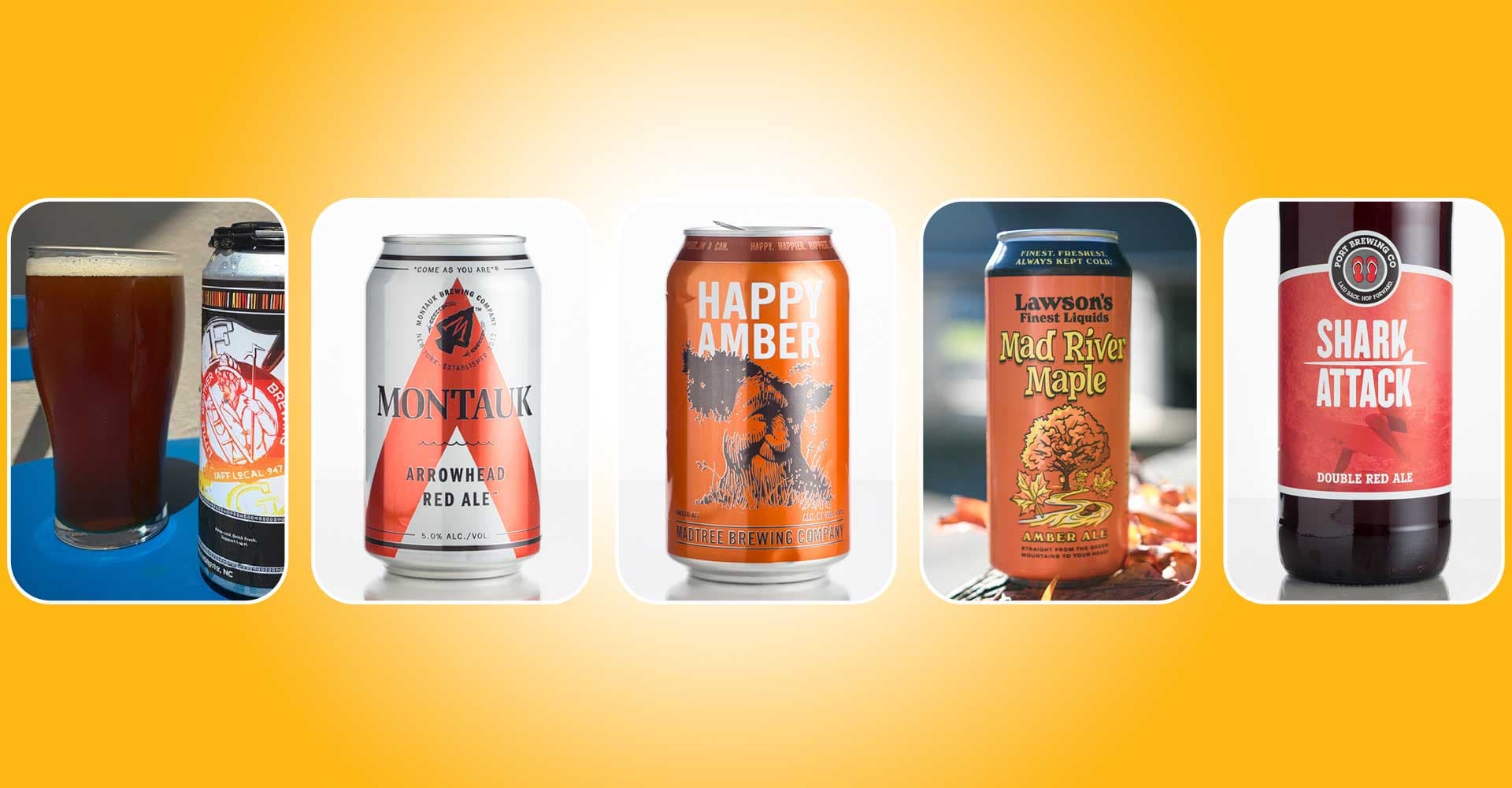
Whether they’re smooth, malty throwbacks or hop-drenched progressives in crimson tuxedos, here are some of the best American amber and red ales we know.
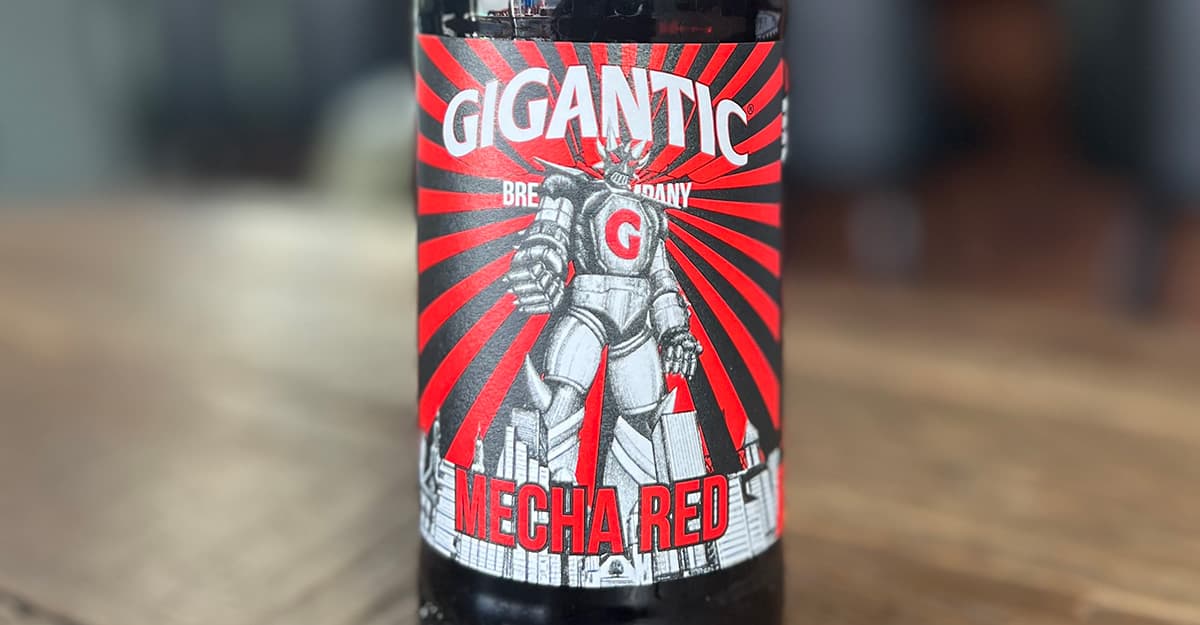
“Mecha Red is a modern amber ale intended to be malty and caramelly, but not a sticky caramel bomb,” says Van Havig, cofounder and master brewer at Gigantic in Portland, Oregon. “It’s mildly fruity from hops and esters and finishes with a hint of chocolate.”
In this throwback IPA style that recalls the beauty of malt—both visually and in the flavor—you can go with a complex, layered all-grain grist. Or, you can get there quicker (and just as beautifully red) with an intentional approach to extract brewing.
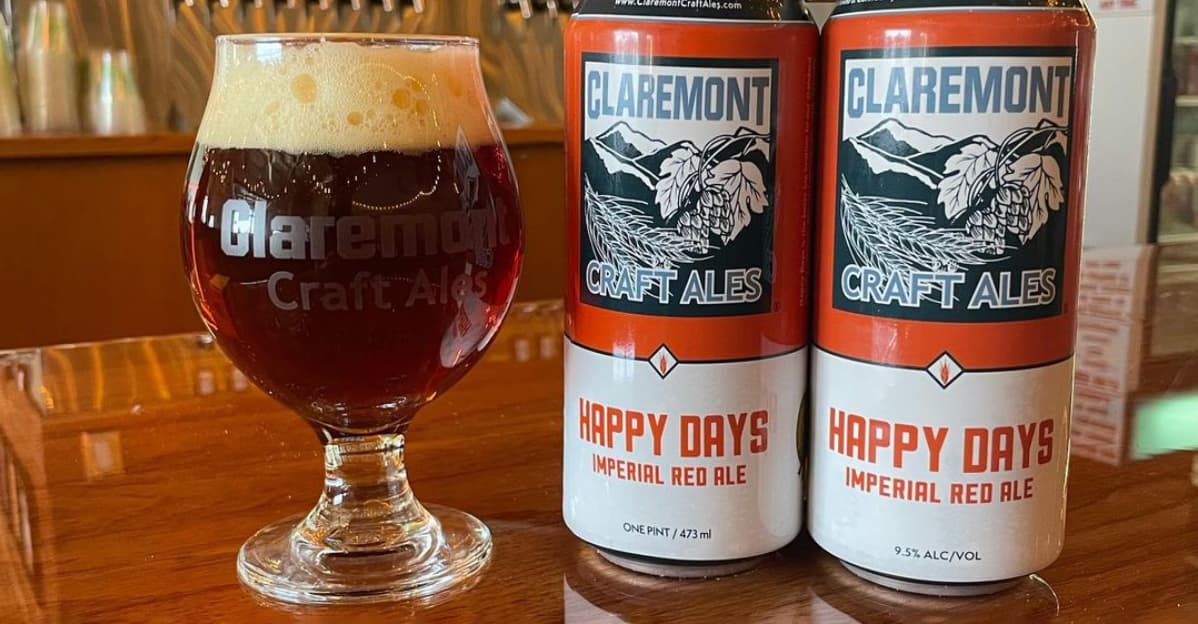
Courtesy of Claremont Craft Ales head brewer Brian Seffer, here is a homebrew-scale recipe based on the strong, hoppy red ale that won two gold medals in the past three years at the Great American Beer Festival.
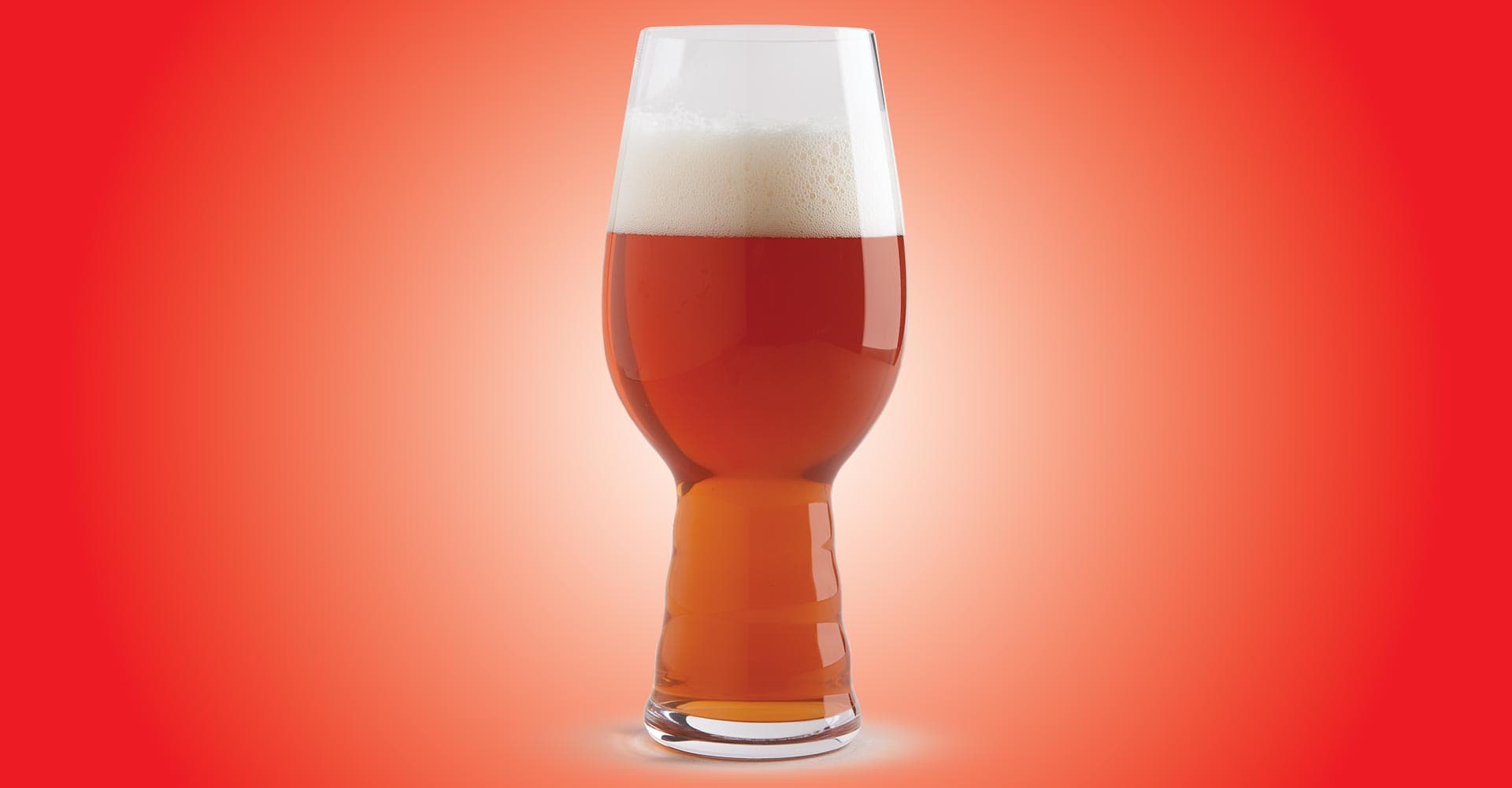
Remember malt? Imperial red ale does. Brian Seffer, head brewer at Claremont Craft Ales in Claremont, California, explains the philosophy behind Happy Days, the 9.5 percent ABV red ale that brought home GABF gold in 2018—then did it again in 2020.
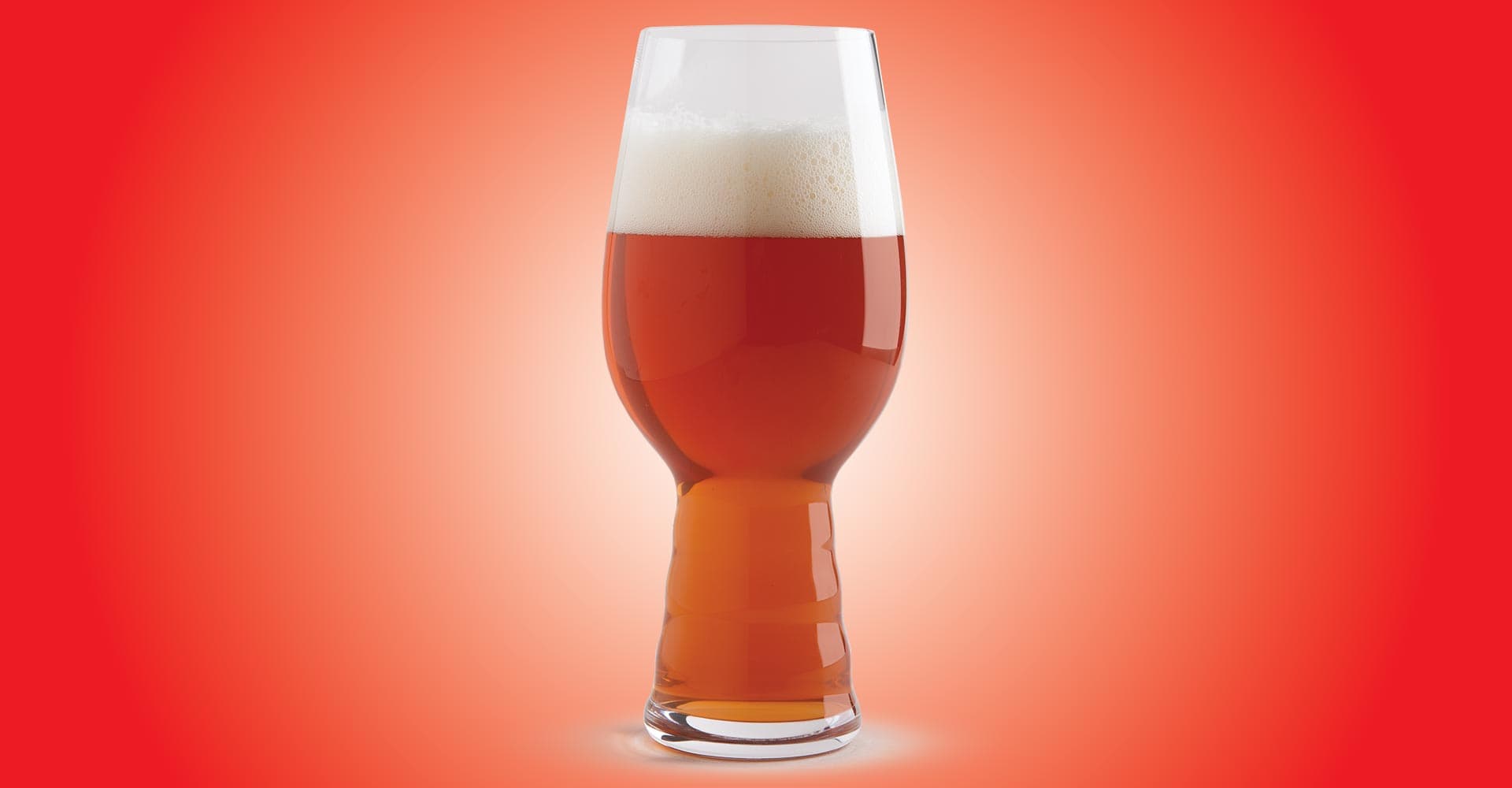
Whatever you want to call it, the West Coast–style red ale is different from other beers that try to capture it on their margins. If you’re not brewing these, you’re missing out.
You don’t have to be Irish to make a great Irish red. Here's Josh Weikert's recipe for an easy-drinking red ale.
Jonathan Moxey, head brewer of Rockwell Beer in St. Louis, explains how dehusked roast malts such as Carafa can be useful for adjusting color as well as building smoother flavor into black beers.