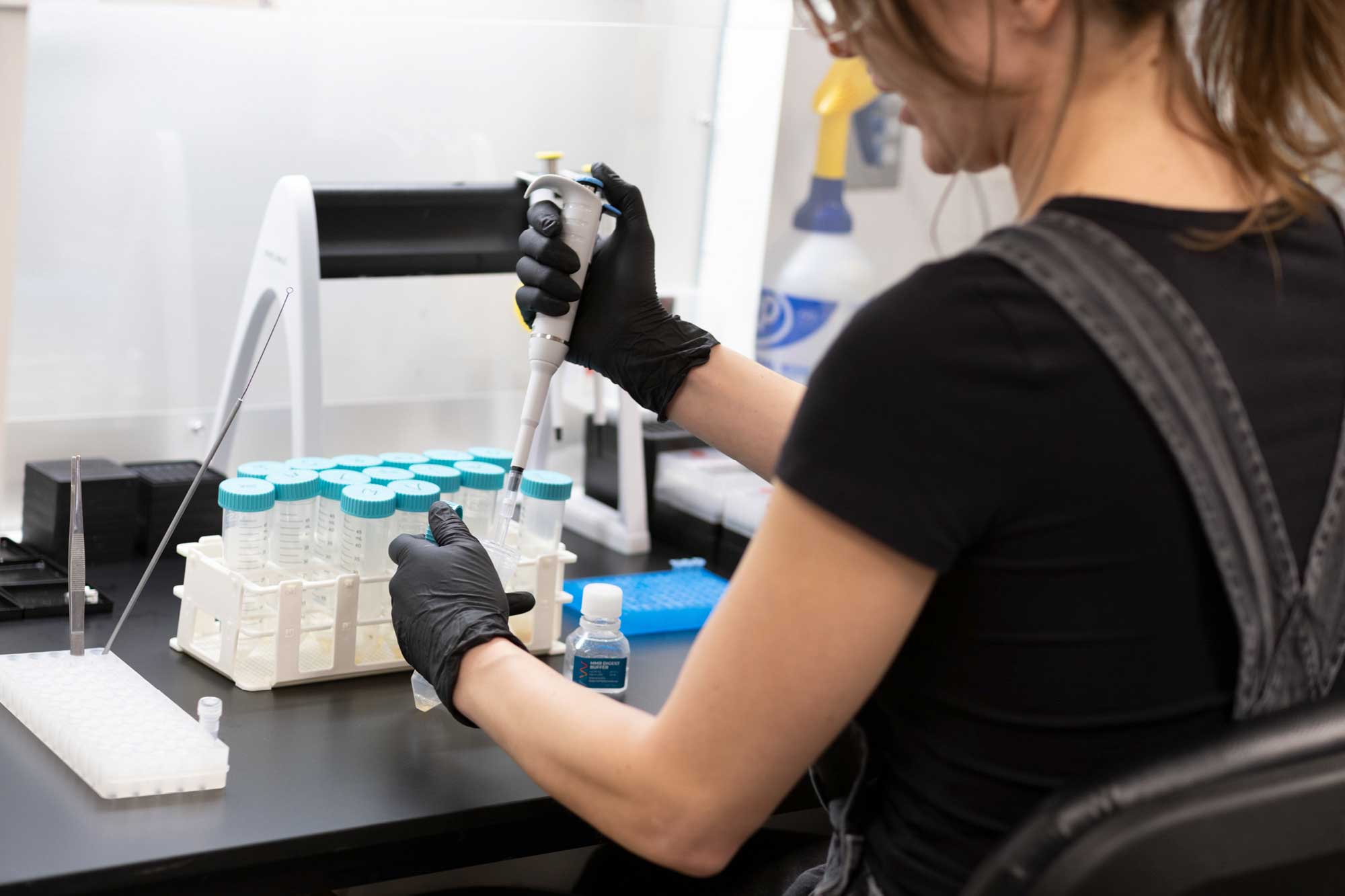
The Brewery Lab Is a Modern Shrine to the Brewing Gods
In the never-ending quest for quality, brewers turn to specialized instruments to build a better understanding of their raw materials, their processes, and their beer.

6 articles in this category
In the never-ending quest for quality, brewers turn to specialized instruments to build a better understanding of their raw materials, their processes, and their beer.
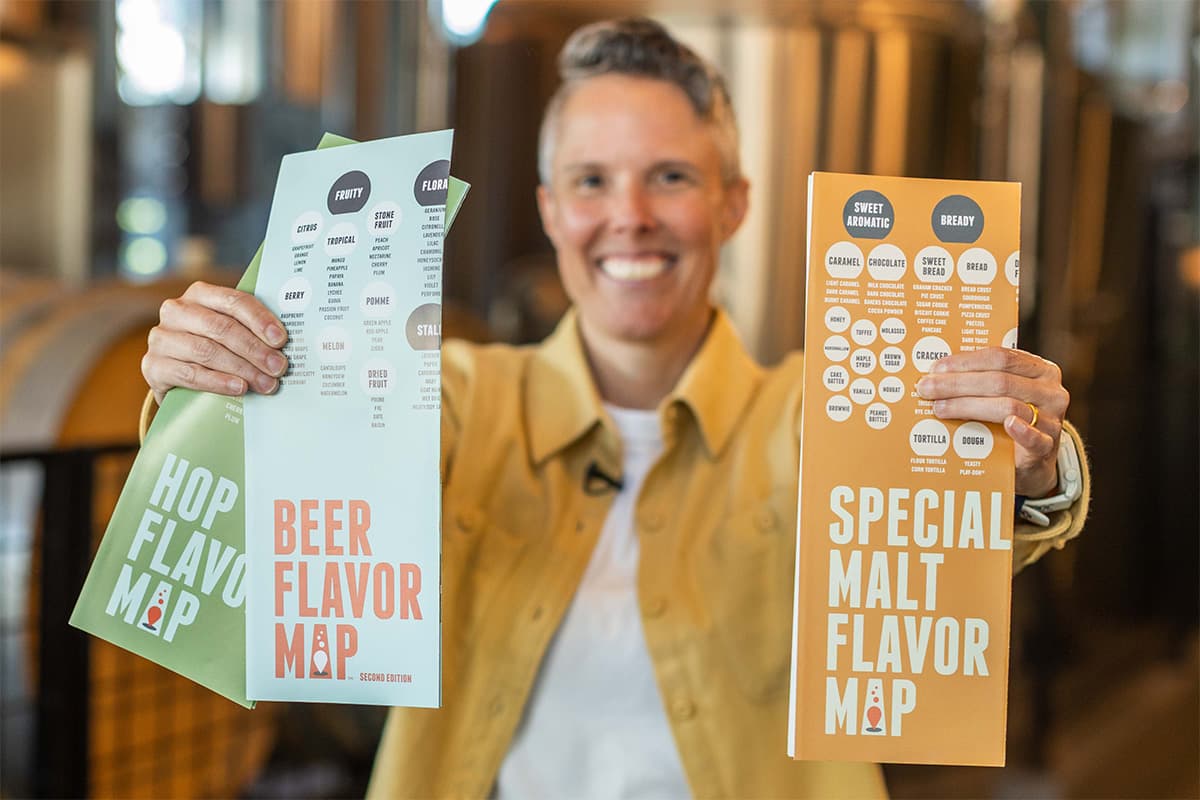
There are many methods of sensory analysis that can be used in the brewery, but one of the most useful is the descripton test. DraughtLab cofounder Lindsay Barr explains how it works.

Lindsay Barr, founder and chief science officer at DraughtLab, explains specific methods and practical tips for how your brewery can collect sensory data and use that information to make better beer.
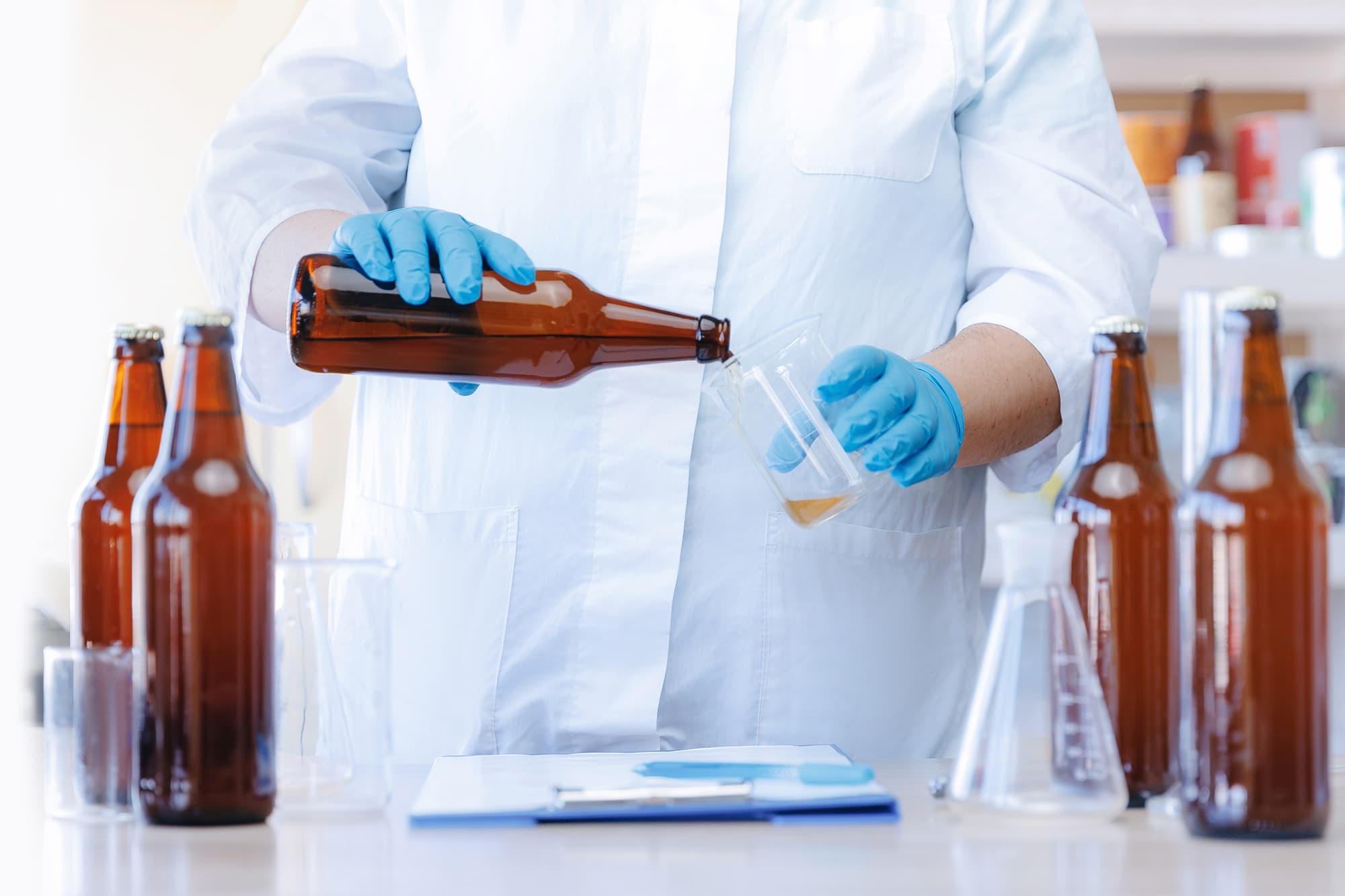
Learn how different grades of filters stack up in various American Society of Brewing Chemists (ASBC) methods to ensure the consistency and safety of your beer. Key tests include removing turbidity from wort, removing carbon dioxide from finished beer, and removing yeast cells after fermentation, as well as microbiological testing using membrane filters to detect spoilage organisms.
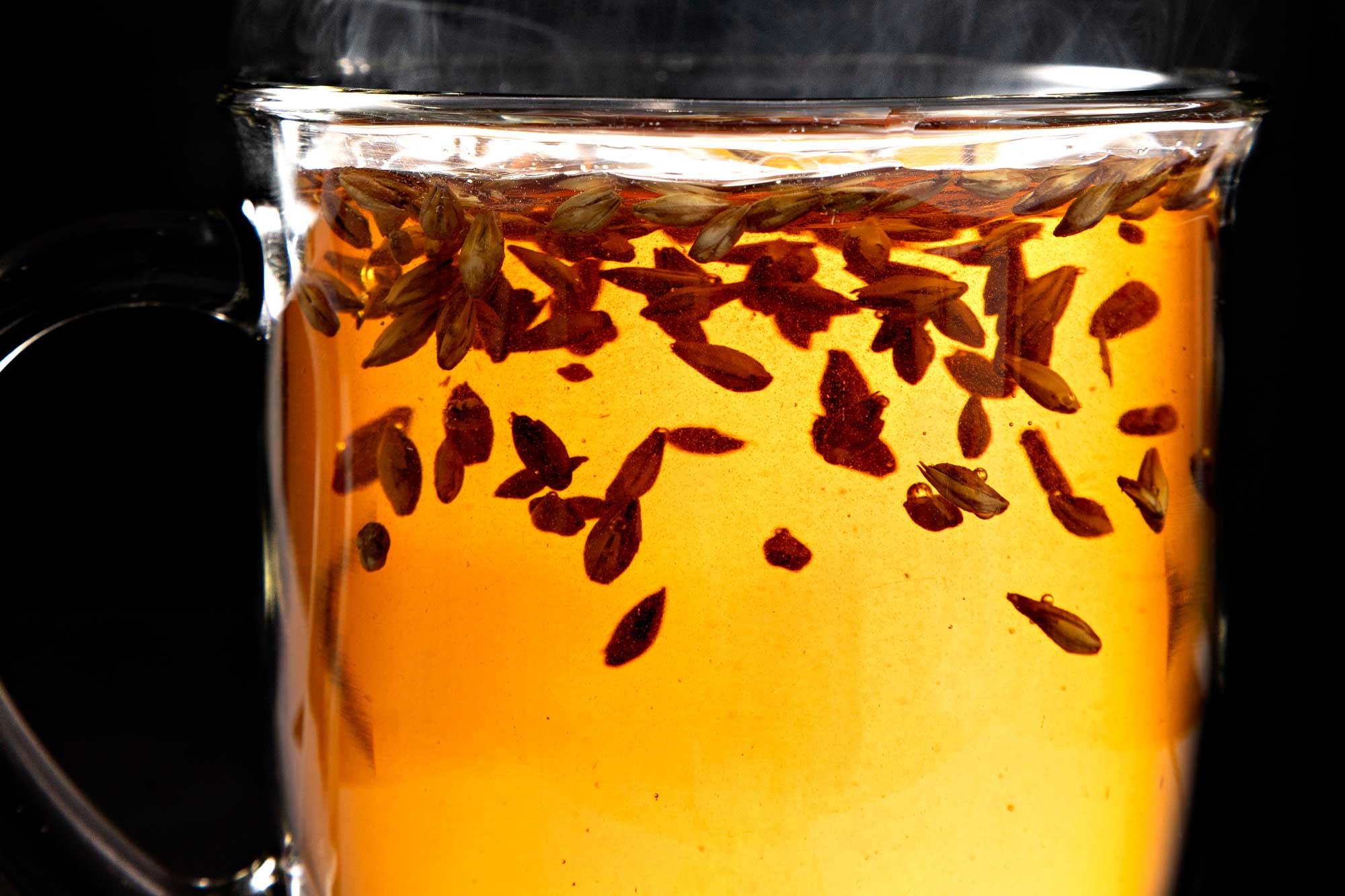
From chomping on grains to hot steeps and running the grains through an espresso machine, Randy Mosher offers some simple tips and tricks to better evaluate your malt—and to improve your flavor imagination.
Keep it simple, keep it clean, and get a microscope. Here Dirk Hillegass of All Sevens shares his advice on choosing and handling yeast for clean, consistent ales.