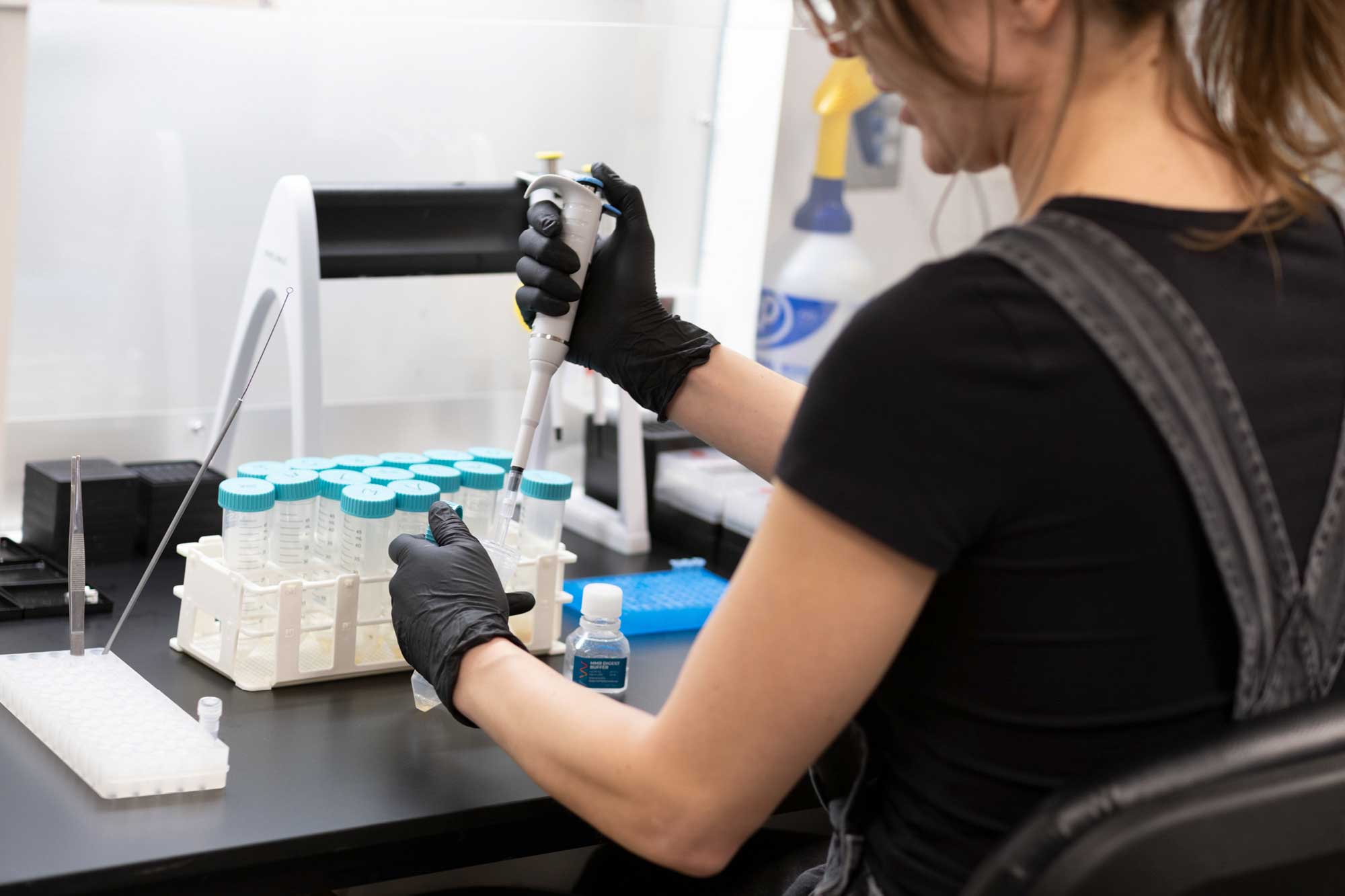
The Brewery Lab Is a Modern Shrine to the Brewing Gods
In the never-ending quest for quality, brewers turn to specialized instruments to build a better understanding of their raw materials, their processes, and their beer.

21 articles in this category
In the never-ending quest for quality, brewers turn to specialized instruments to build a better understanding of their raw materials, their processes, and their beer.
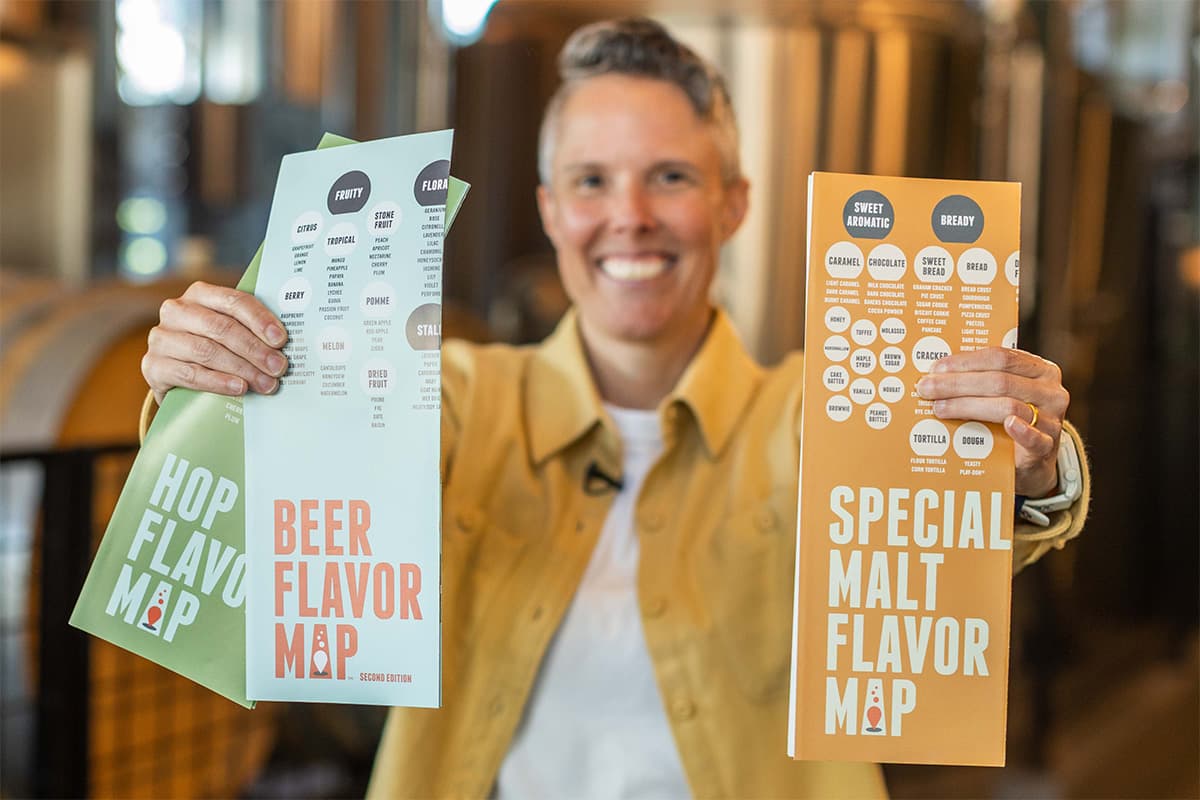
There are many methods of sensory analysis that can be used in the brewery, but one of the most useful is the descripton test. DraughtLab cofounder Lindsay Barr explains how it works.
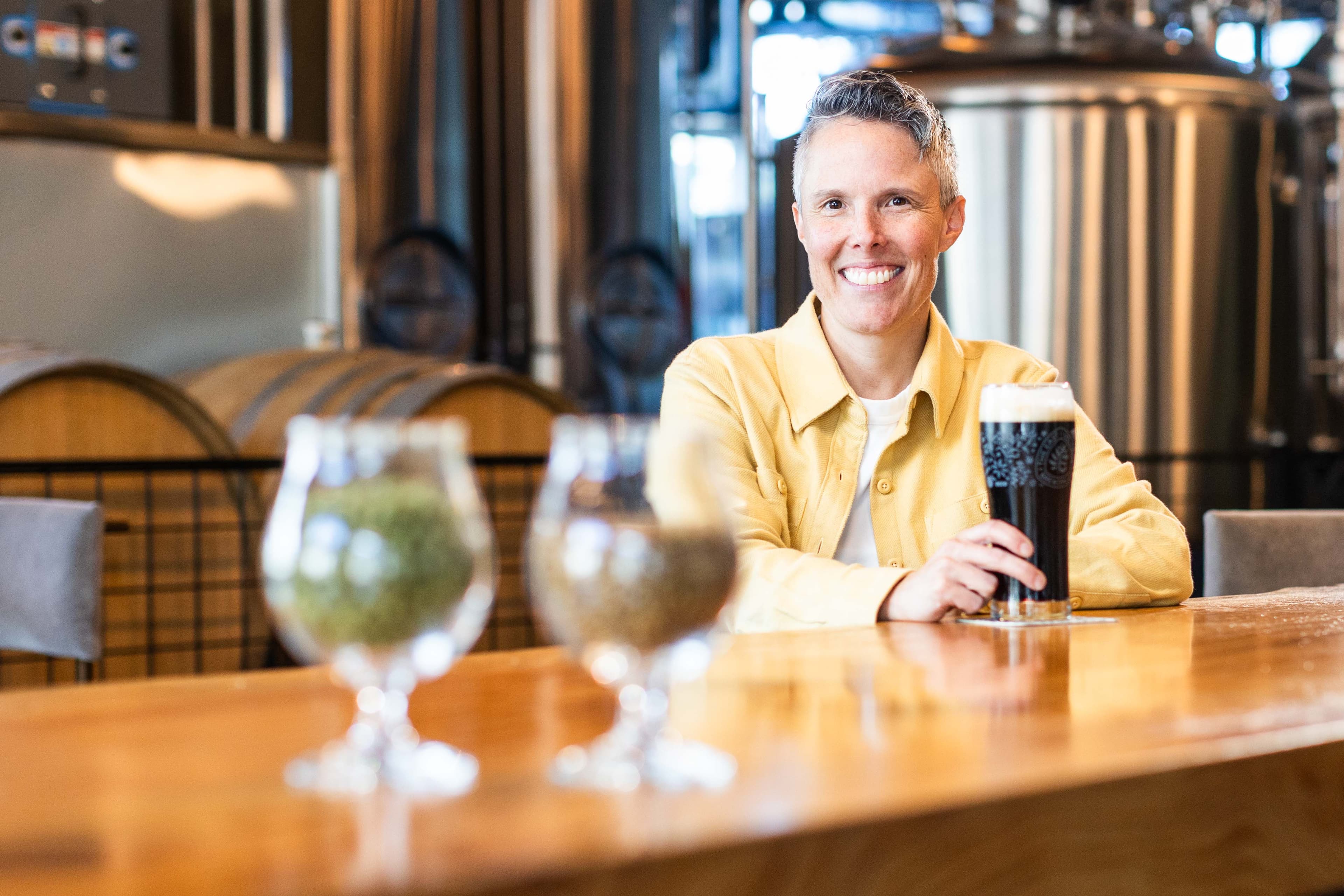
Lindsay Barr, founder and chief science officer at DraughtLab, explains specific methods and practical tips for how your brewery can collect sensory data and use that information to make better beer.
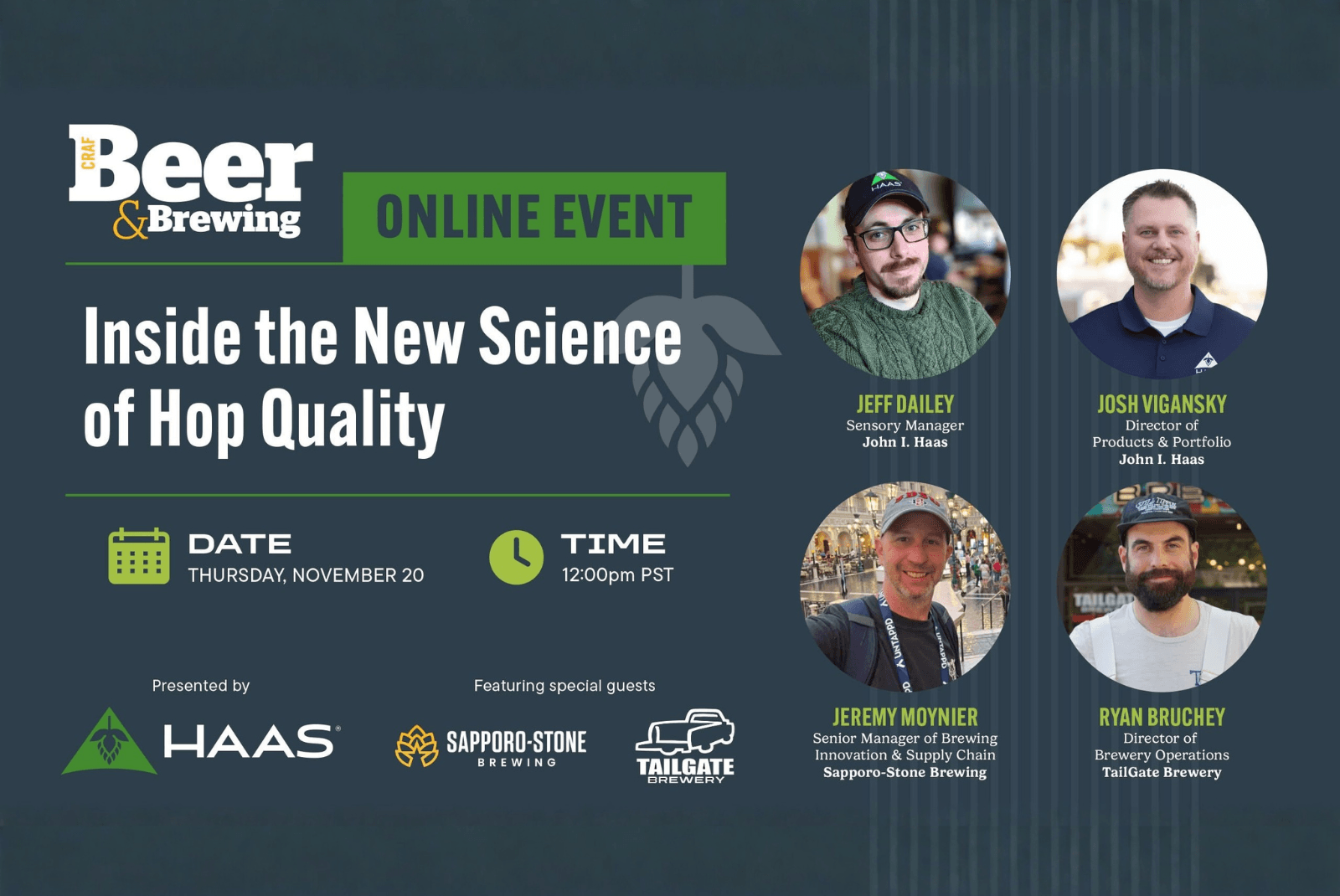
Join Craft Beer & Brewing and the experts at John I. Haas, along with Ryan Bruchey from TailGate Brewery and Jeremy Moynier from Sapporo-Stone Brewing, for a panel discussion on the evolving science of hops where sensory meets data, and innovation meets reliability.
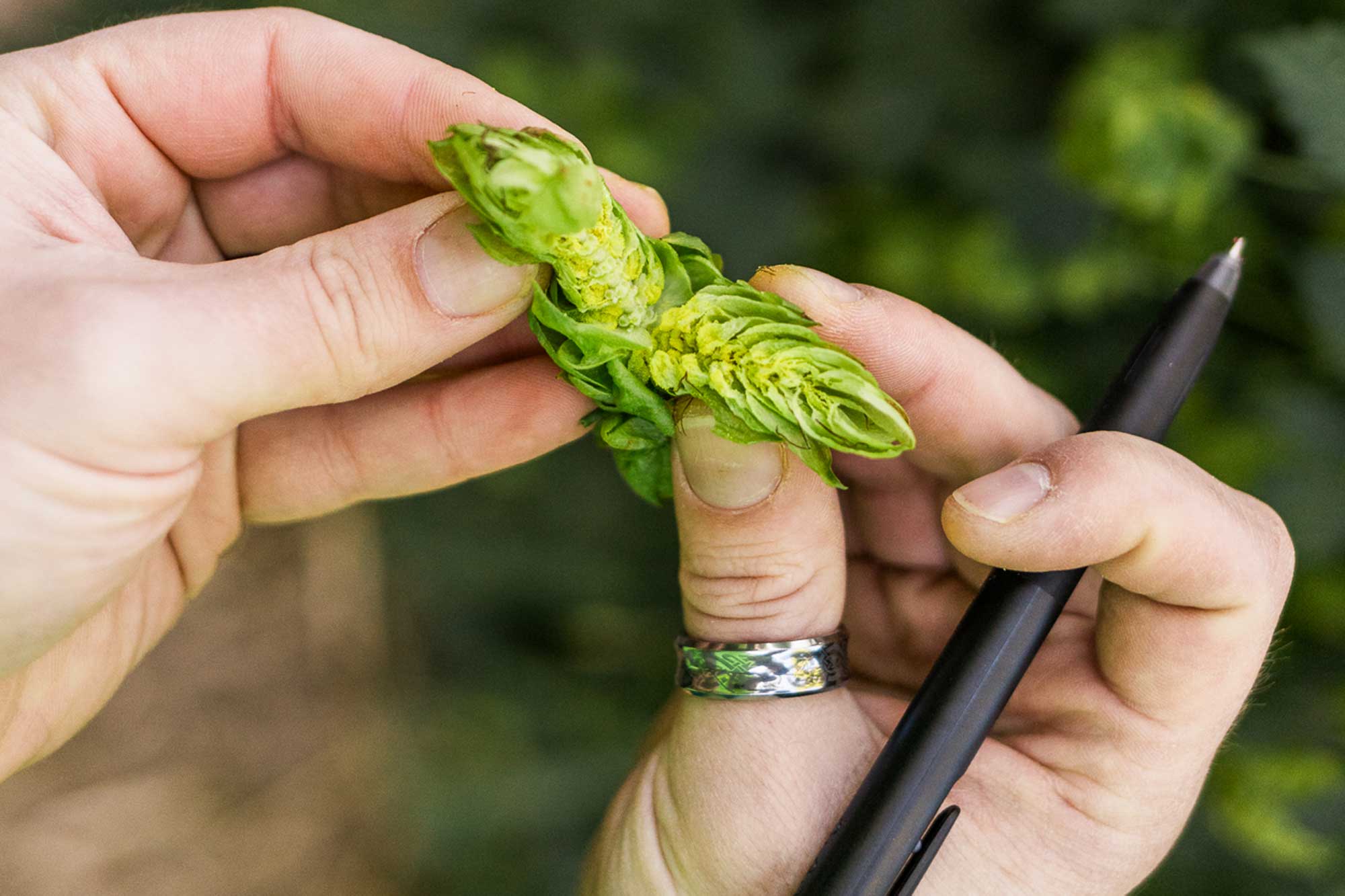
In this first part of a three-part series, experts from John I. Haas weigh in on the evolving nature of hop quality, best practices in hop selection, the challenges of year-over-year and lot-to-lot variability, and the new tools and methods available to brewers to ensure consistency from field to glass.
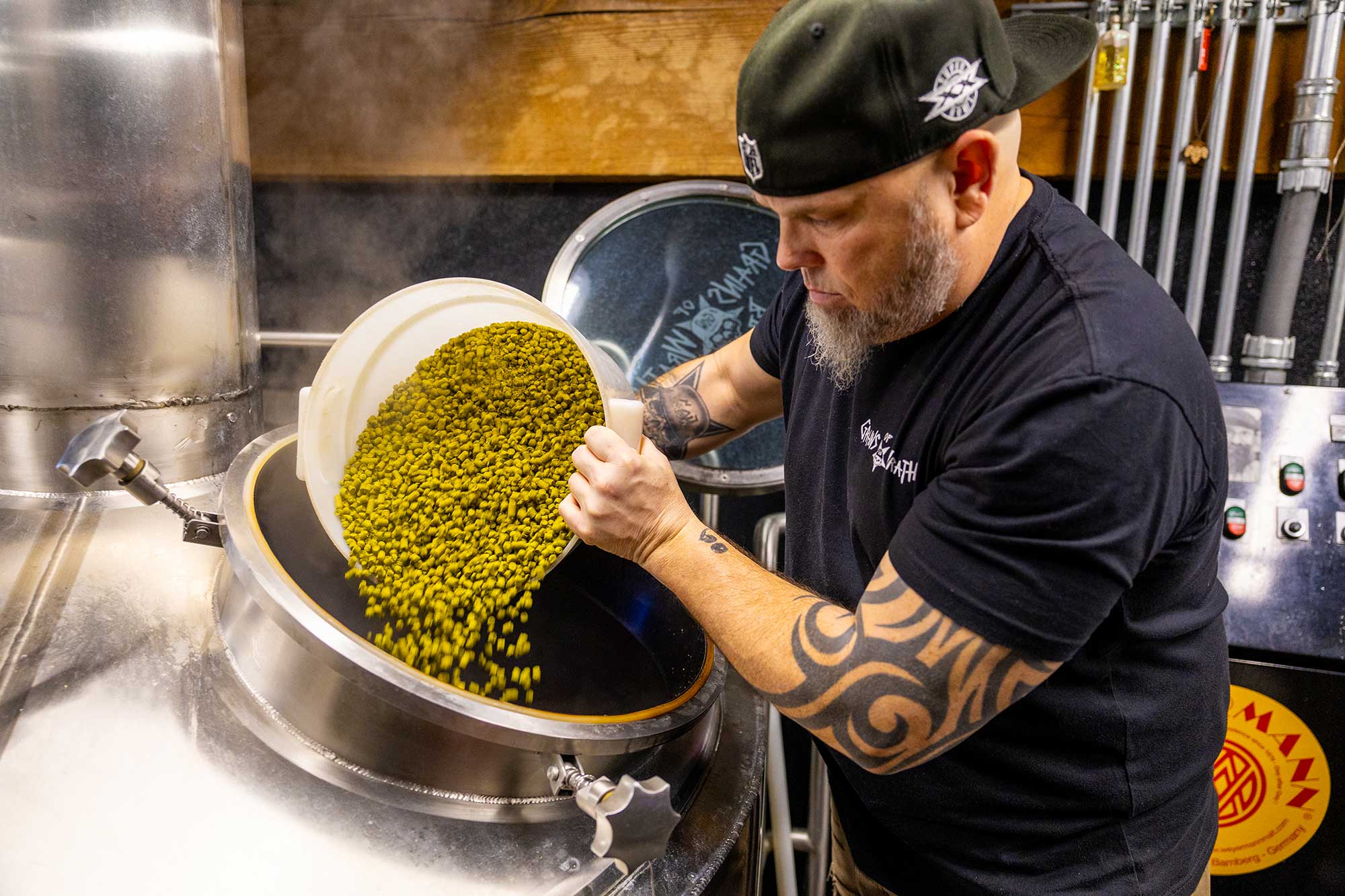
Discover how John I. Haas is transforming sensory science from instinct to engineered precision—creating shared language, repeatable flavor outcomes, and brewer-driven trust through Sensory Plus™, Next Gen Selection, and the Lupo Series™ of engineered hop pellets.
In the world of brewing, we can precisely measure and define certain things—and those things don’t have a whole lot to do with how we smell, taste, and feel about beer.
Kevin Templin, cofounder and head brewer, lays out their approach to yeast selection, spunding, managing sulfur, and preserving natural carbonation at Templin Family Brewing in Salt Lake City.
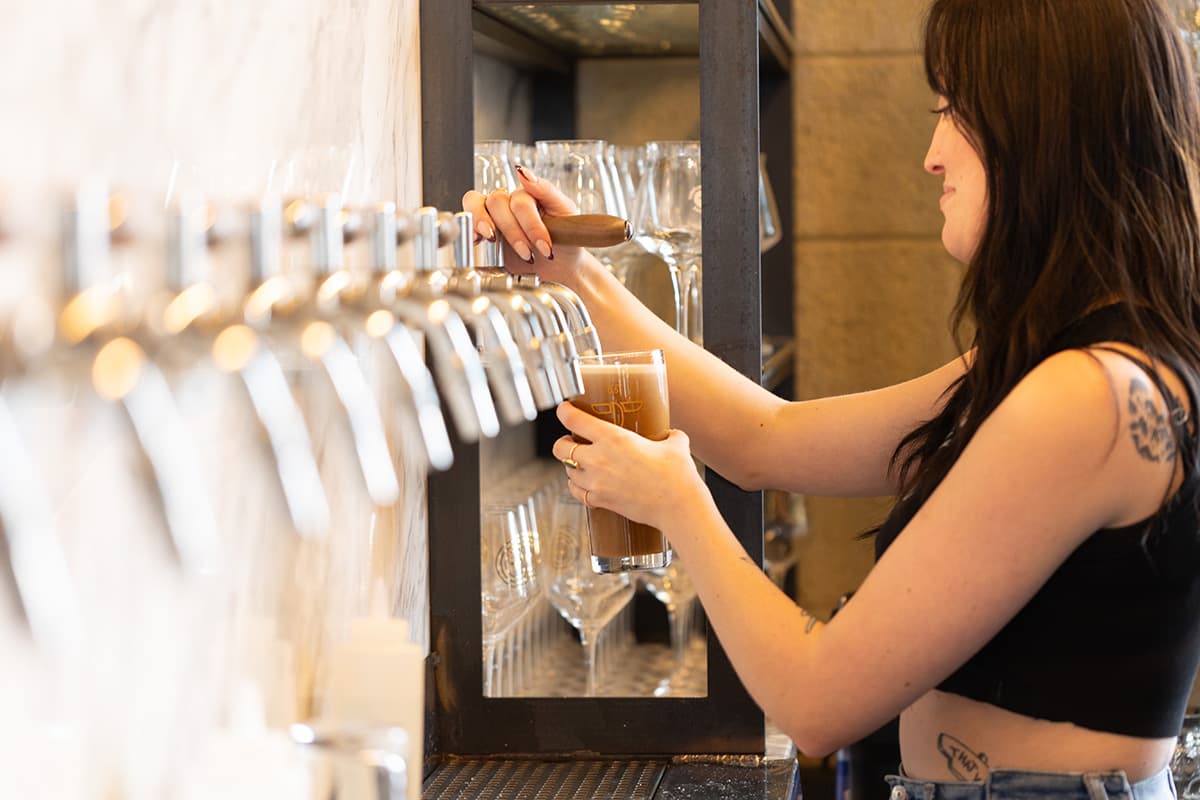
Write it down! Kevin Templin, cofounder and head brewer at Templin Family Brewing in Salt Lake City, explains how they fine-tune the tiniest details using a dialed-in sensory panel—and why it’s critical to take notes.
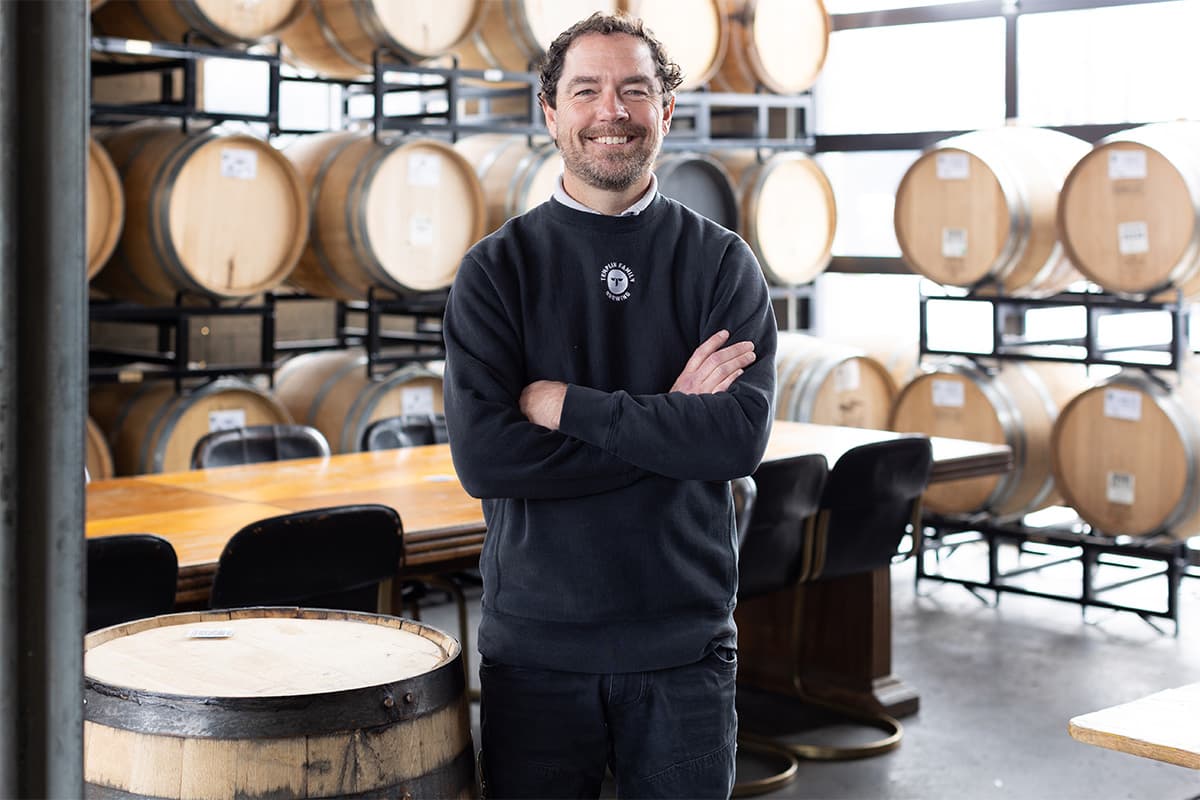
Strict attention to quality throughout the brewhouse, whatever the type of beer, can only help you in competitions—as can thinking ahead on maturation and carbonation. Kevin Templin, cofounder and head brewer at Templin Family Brewing in Salt Lake City, shares some key tips on how to improve your odds.
Embracing whole-leaf hops at Templin Family means stuffing them into huge game bags from the hunting store and adding them to the whirlpool. Kevin Templin, cofounder and head brewer, explains their approach to emphasizing that delicate Noble-hop aroma.
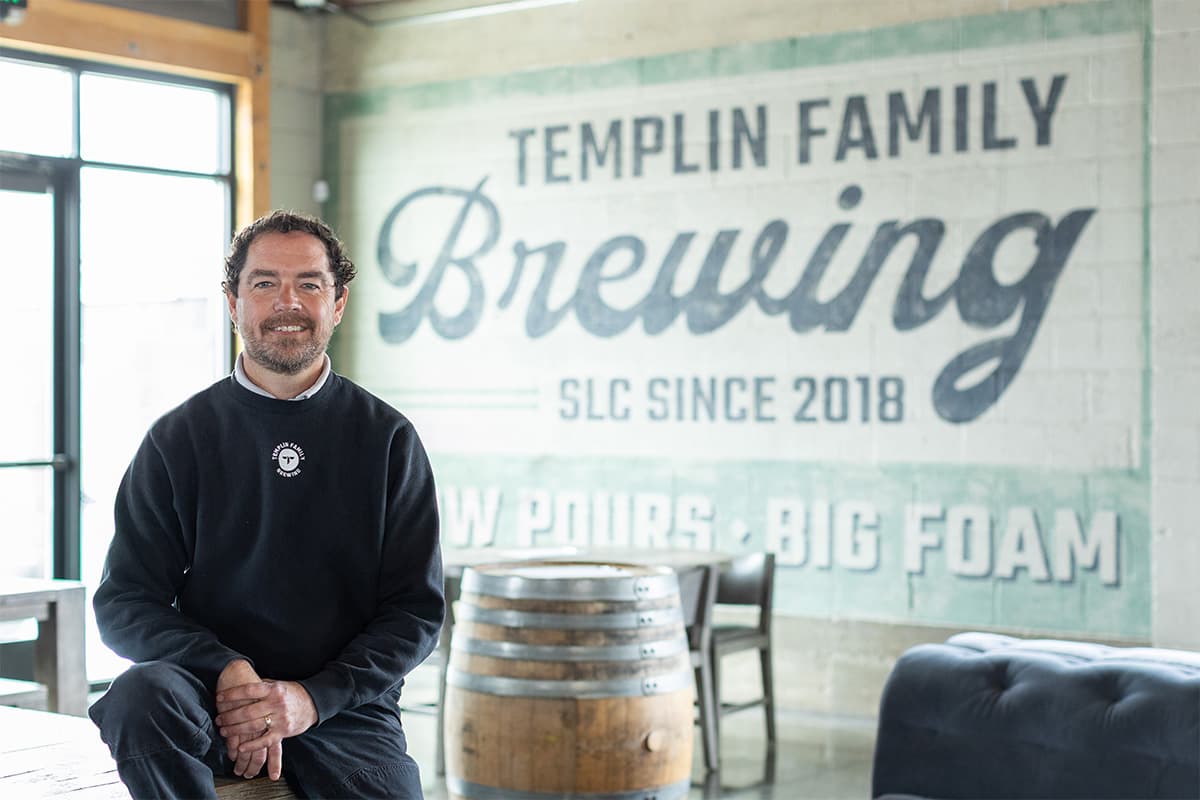
Kevin Templin, cofounder and head brewer at Templin Family Brewing in Salt Lake City, lays out his medal-winning approach to producing flavorful lower-strength beers with high standards of quality.
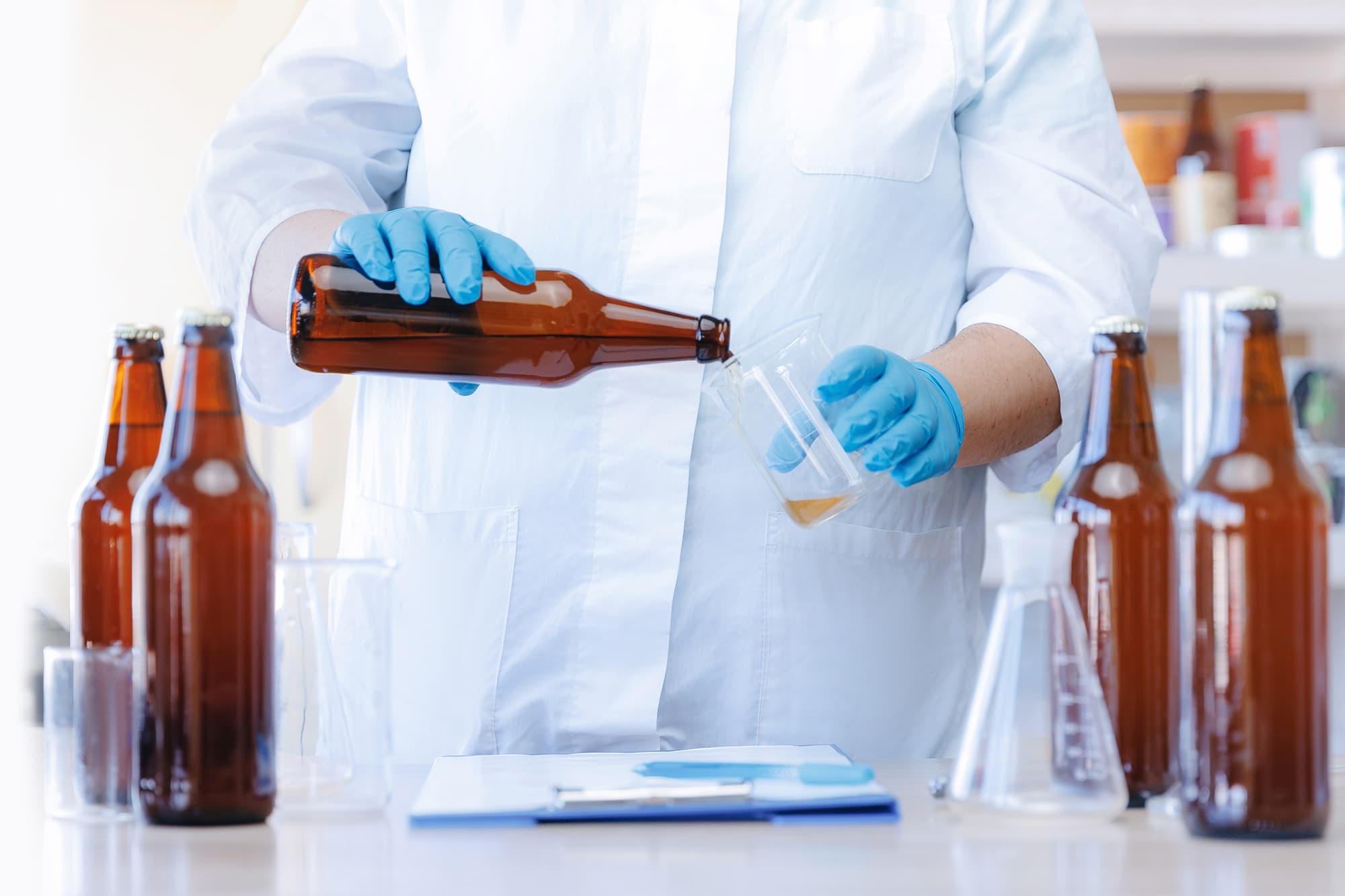
Learn how different grades of filters stack up in various American Society of Brewing Chemists (ASBC) methods to ensure the consistency and safety of your beer. Key tests include removing turbidity from wort, removing carbon dioxide from finished beer, and removing yeast cells after fermentation, as well as microbiological testing using membrane filters to detect spoilage organisms.
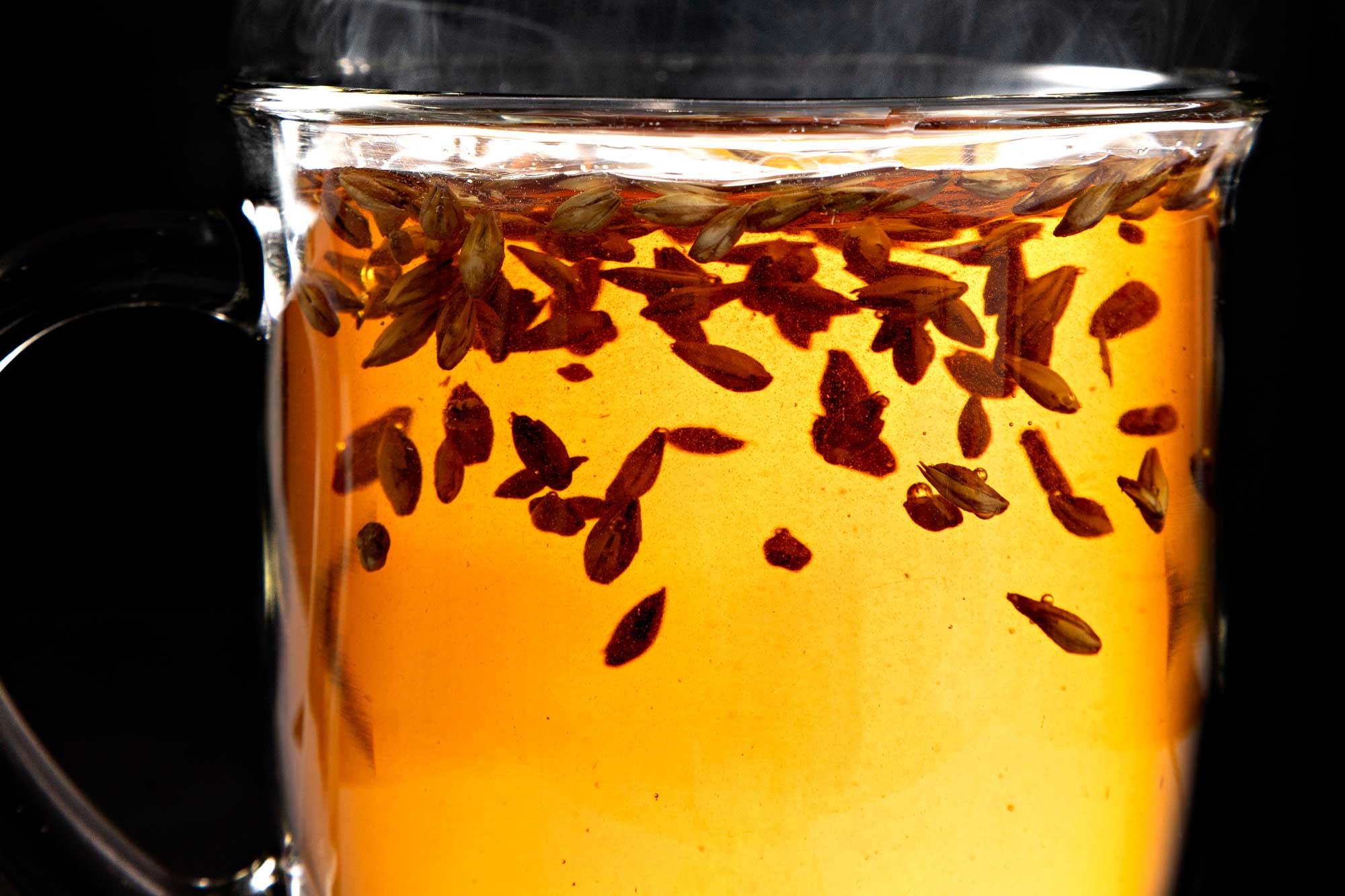
From chomping on grains to hot steeps and running the grains through an espresso machine, Randy Mosher offers some simple tips and tricks to better evaluate your malt—and to improve your flavor imagination.
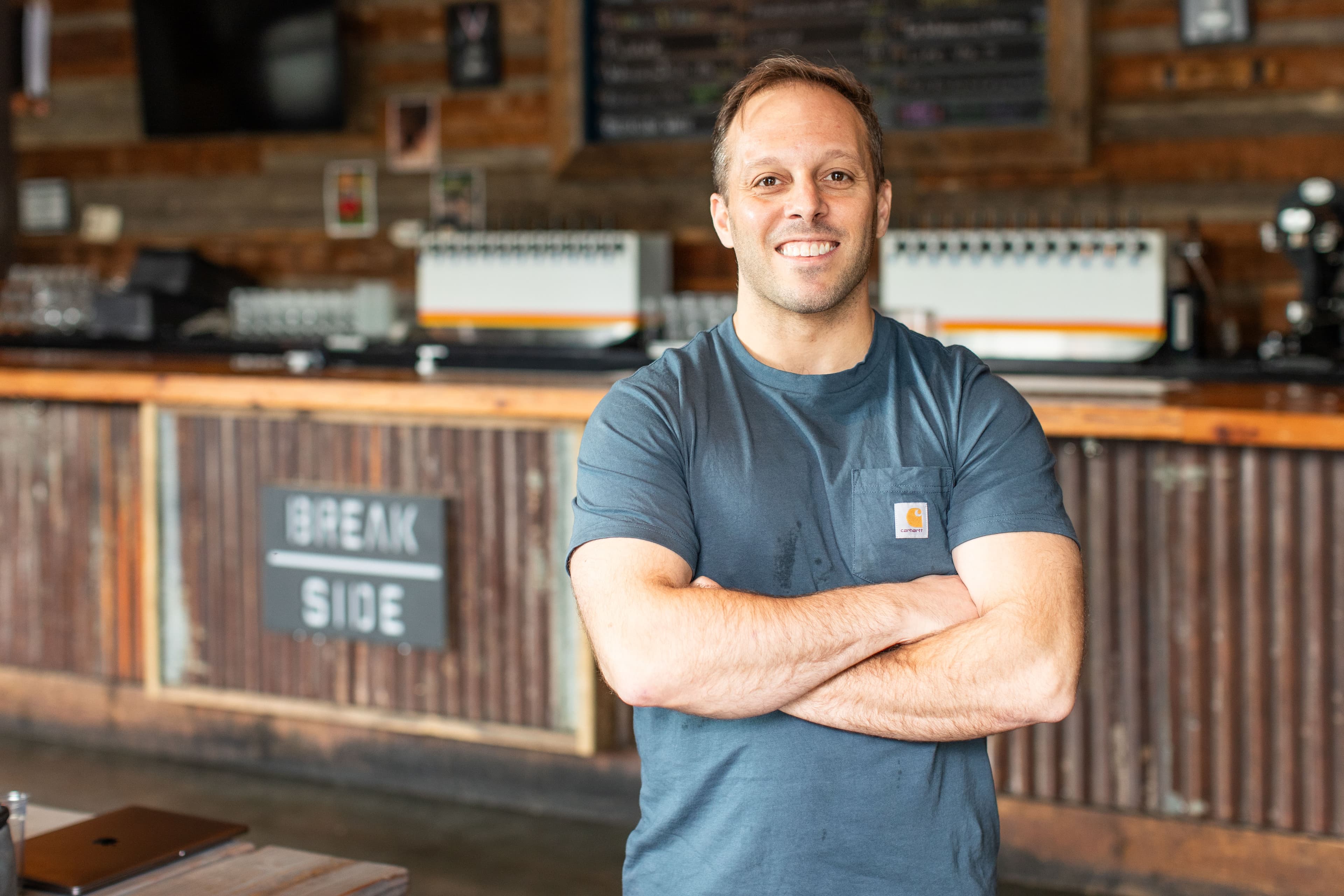
Ben Edmunds, cofounder and brewmaster of Breakside Brewing in Portland, Oregon, shares his insights on how to build and maintain a methodical quality program that can take your brewery’s beers from consistently good to consistently excellent.
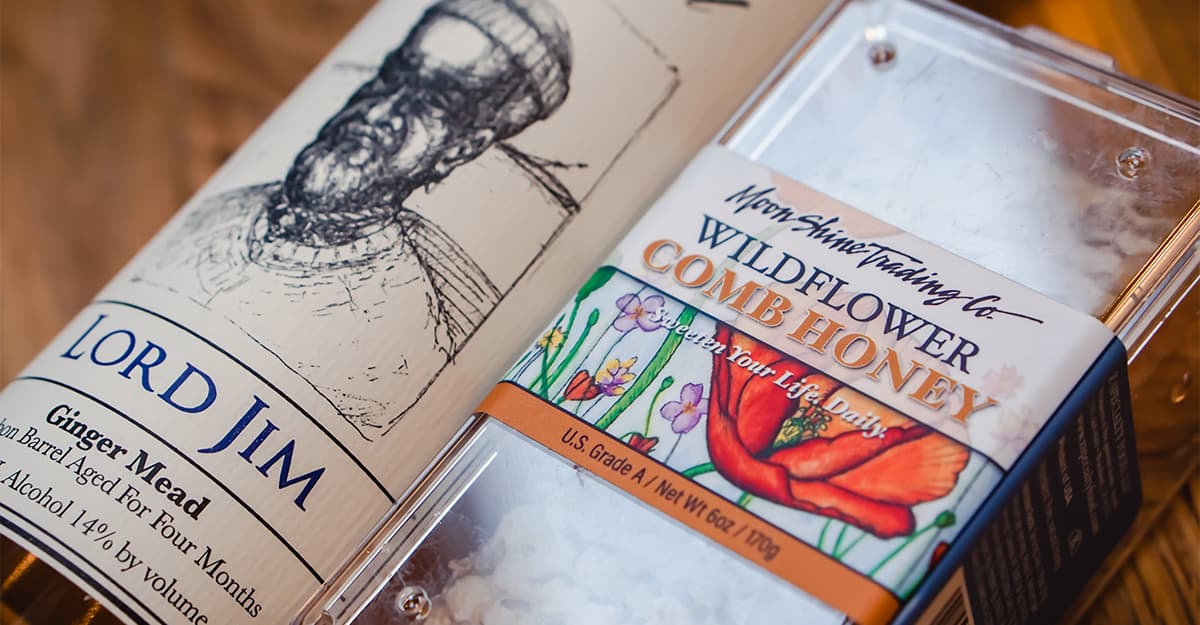
Whether you’re making mead, cyser, or even honey beer, identifying high-quality honey is a challenge. James Naeger, director of sales and special projects at Schramm’s Mead in Ferndale, Michigan, offers some insight into the problems involved and how to overcome them.
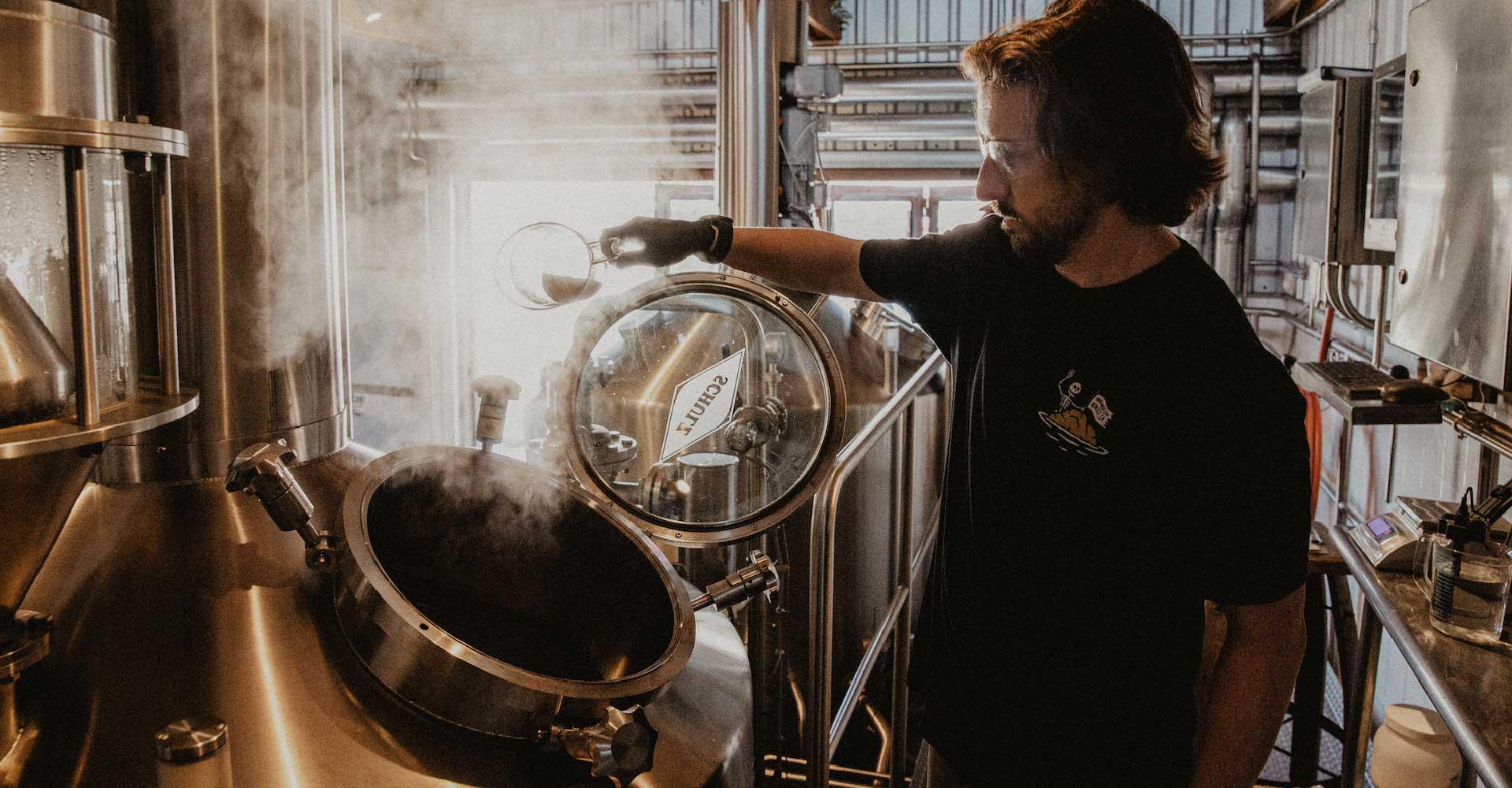
Firestone Walker beers have twice won Best in Beer nods from our editors, and they always rank high among Readers’ Choice picks. We asked Sam Tierney, innovation brewer at the Propagator in Venice Beach, to ponder what it means to strive for “the best.”
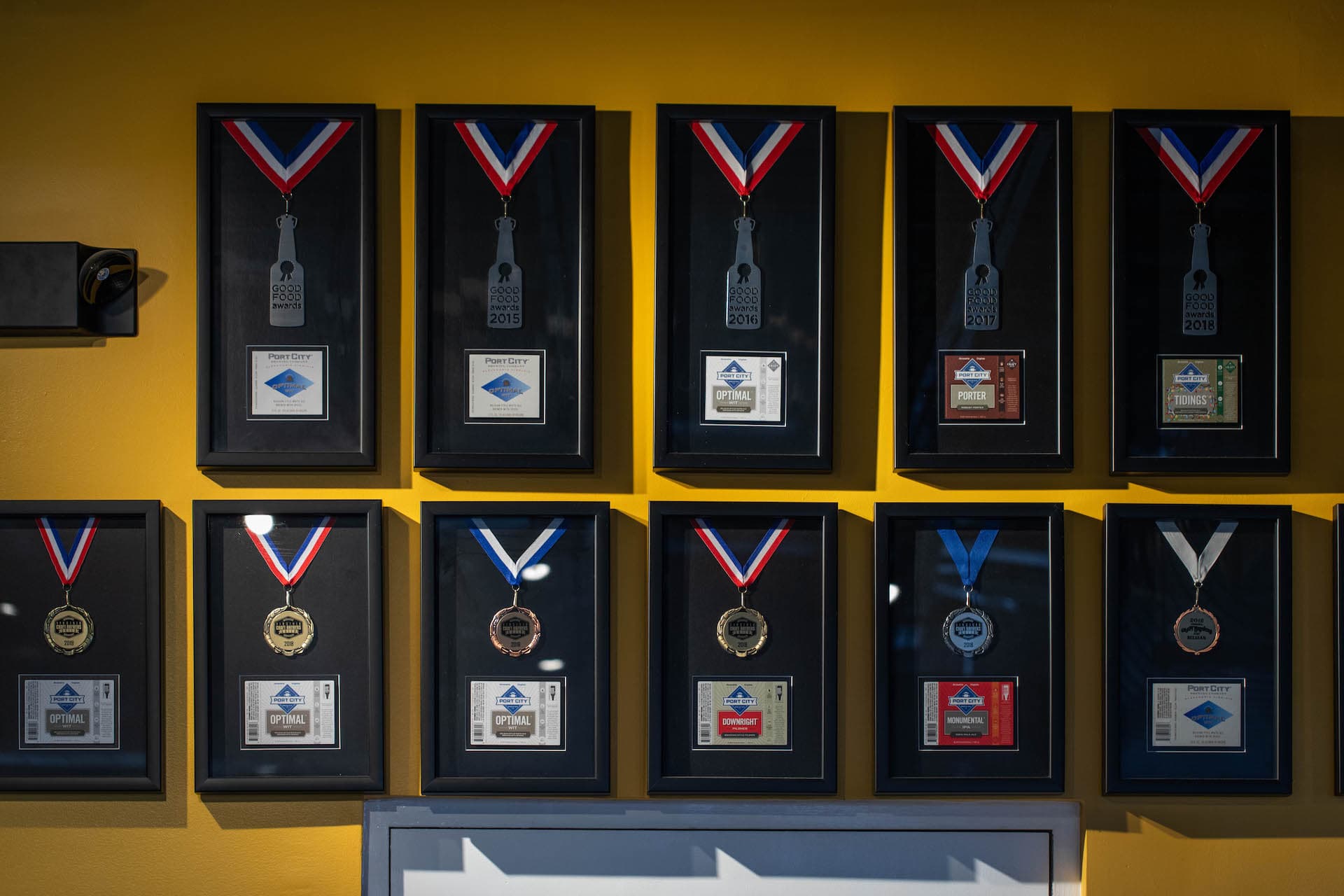
Longtime Port City brewmaster Jonathan Reeves explains the parallels between brewing and photography—and how those processes can always be improved in the ongoing project to make people happy.
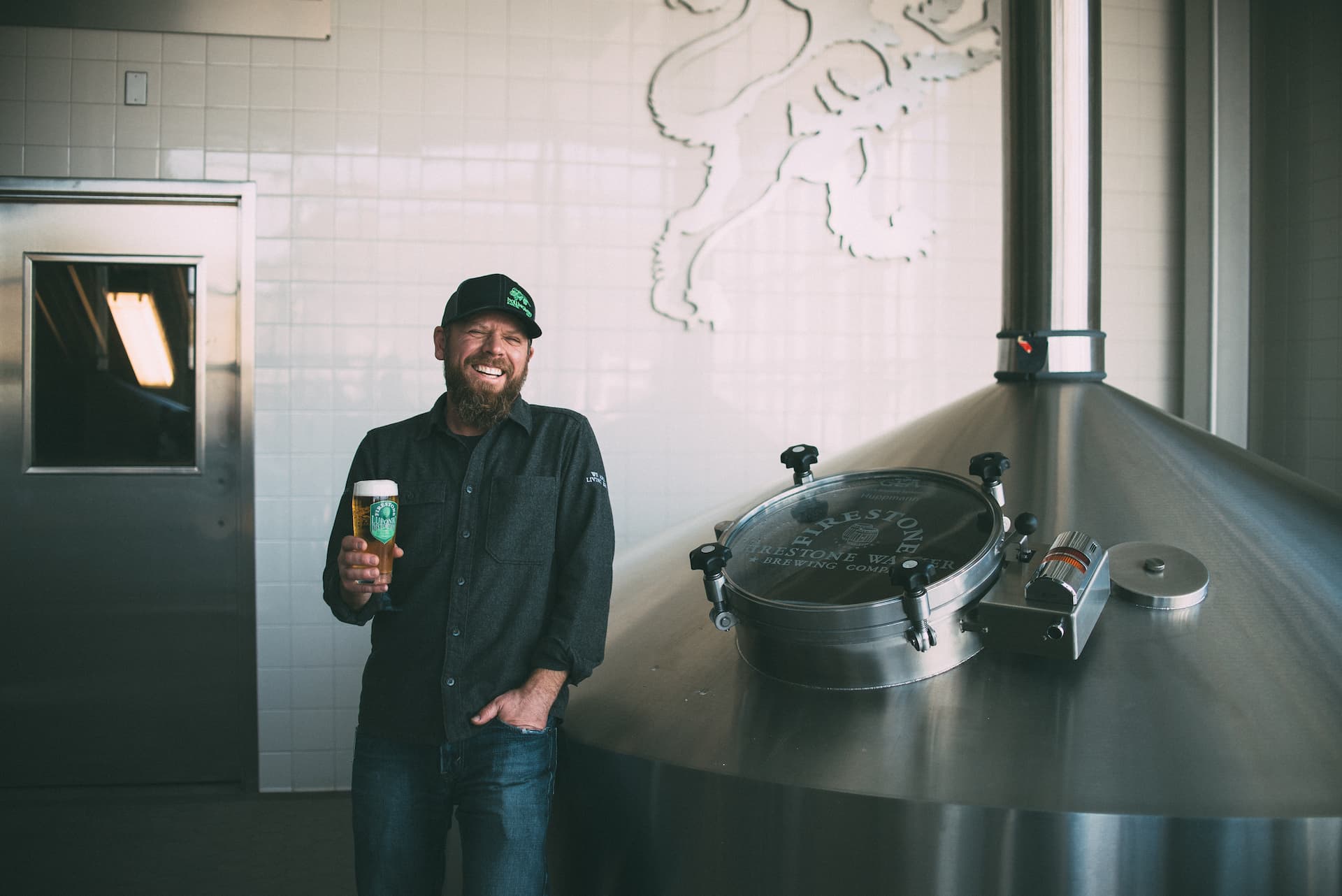
The force behind so many now-classic Firestone Walker beers has won just about all there is to win in the world of brewing, but Matt Brynildson isn’t resting. The brewmaster is constantly looking for new ways to build quality and character into every beer.
Keep it simple, keep it clean, and get a microscope. Here Dirk Hillegass of All Sevens shares his advice on choosing and handling yeast for clean, consistent ales.