Recipe: Ruse Fresh-Hopped Collective Questions
ALL ACCESSShaun Kalis, cofounder and brewer at Ruse Brewing in Portland, Oregon, shares this recipe for a fresh-hopped version of their bright, West Coast–style, Mosaic-heavy IPA.
74 articles in this category

Shaun Kalis, cofounder and brewer at Ruse Brewing in Portland, Oregon, shares this recipe for a fresh-hopped version of their bright, West Coast–style, Mosaic-heavy IPA.

This style-spanning yearly celebration of the harvest is brewed in many ways and in many places—but the best place in the world to appreciate fresh-hopped beers is the Pacific Northwest.

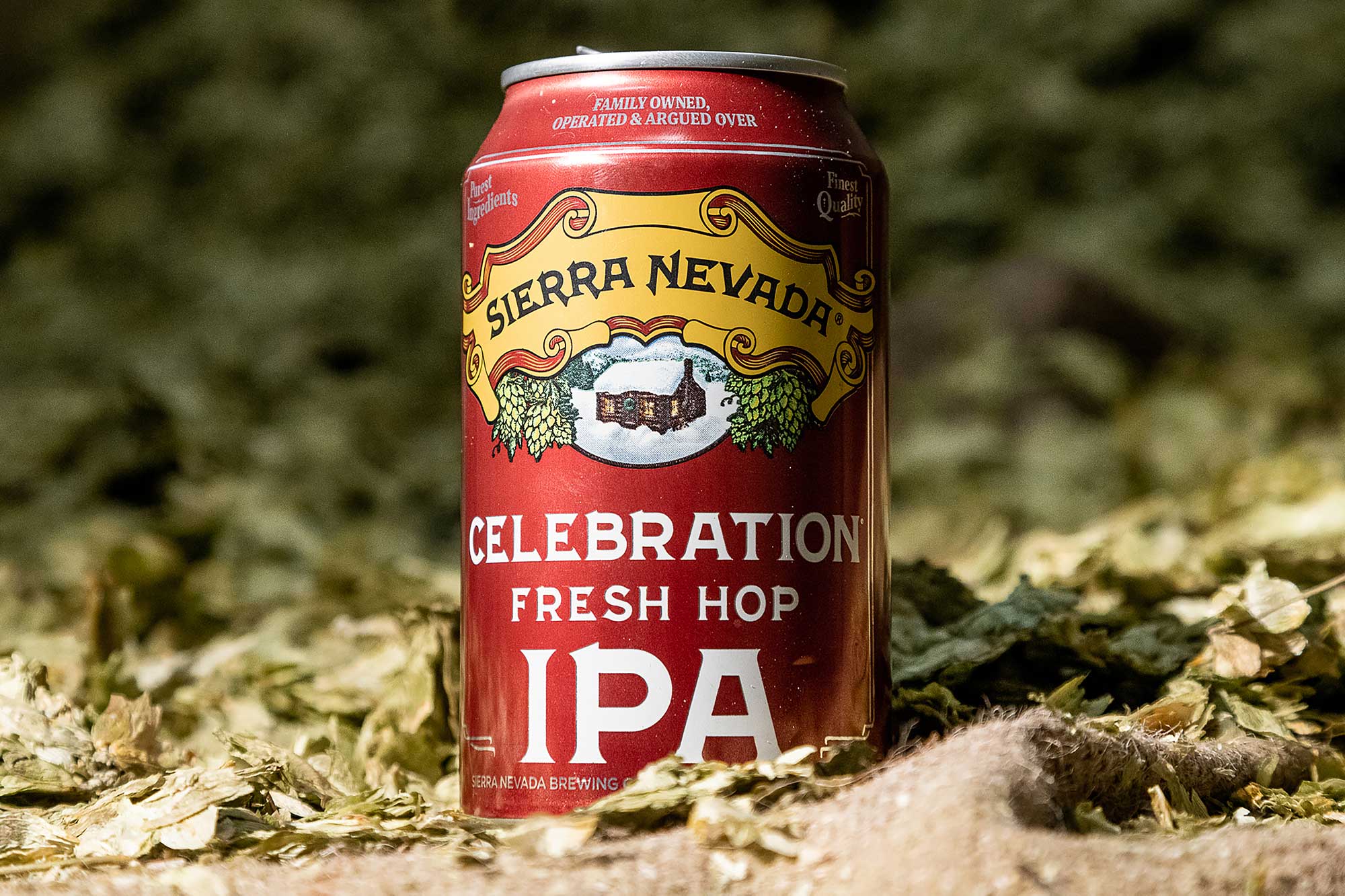
With thanks to Brian Grossman, Scott Jennings, and the production team at Sierra Nevada in Chico, California, and Mills River, North Carolina, here’s a homebrew-scale recipe for their fresh-hopped annual throwback.

Harvest-hopped beers are a seasonal delight no longer limited to breweries near the hop fields—nor even to the harvest season. Here’s a look at the logistics and tech that are expanding the harvest in time and space.

Zach Turner, cofounder and general manager of Single Hill Brewing in Yakima, Washington, shares this recipe for a “a soft and lively fresh hop IPA designed to showcase our favorite early season hops,” he says. “Strata and Centennial are picked about a week before Simcoe, which is picked just in time for the dry hop.”

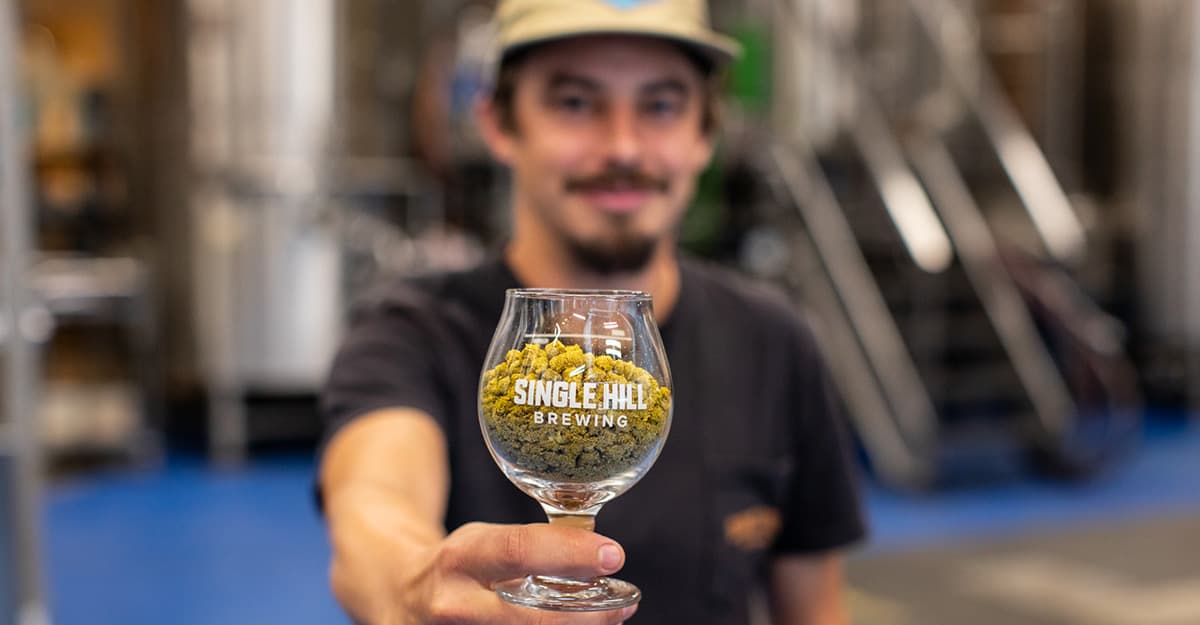
Join Single Hill cofounder and head brewer Zach Turner on an expedition to the Yakima Valley at harvest time to pick up the freshest hops, then take them back to the brewery and add them—in different forms and different ways—to beers brewed on the same day.

Hop-forward lagers are nothing new, but a new thread is emerging that more intentionally marries the great drinkability of a pilsner with the expressive hopping of a West Coast IPA. Could it be the best of both worlds?

Cider isn’t the only fermented fruit messing around with craft beer’s most cherished ingredient. In California, Field Recordings’ dry-hopped pét nat marries the best of wine and beer.

One of beer’s signature ingredients is adding interest and depth to one of the world’s great fermented drinks. Here’s how and why some cidermakers are embracing hops.

This recipe from Josh Weikert’s Make Your Best series leans into Munich malt for a rich yet smooth foundation, for a doppelbock that drinks much more easily than its strength.

Ready to rodeo? With its immediate proximity to the bulk of American hop-growing—and the ability to drive to nearby farms at harvest time and see what’s freshly picked—Zach Turner and his team at Single Hill Brewing are perfecting fresh-hopped beers.

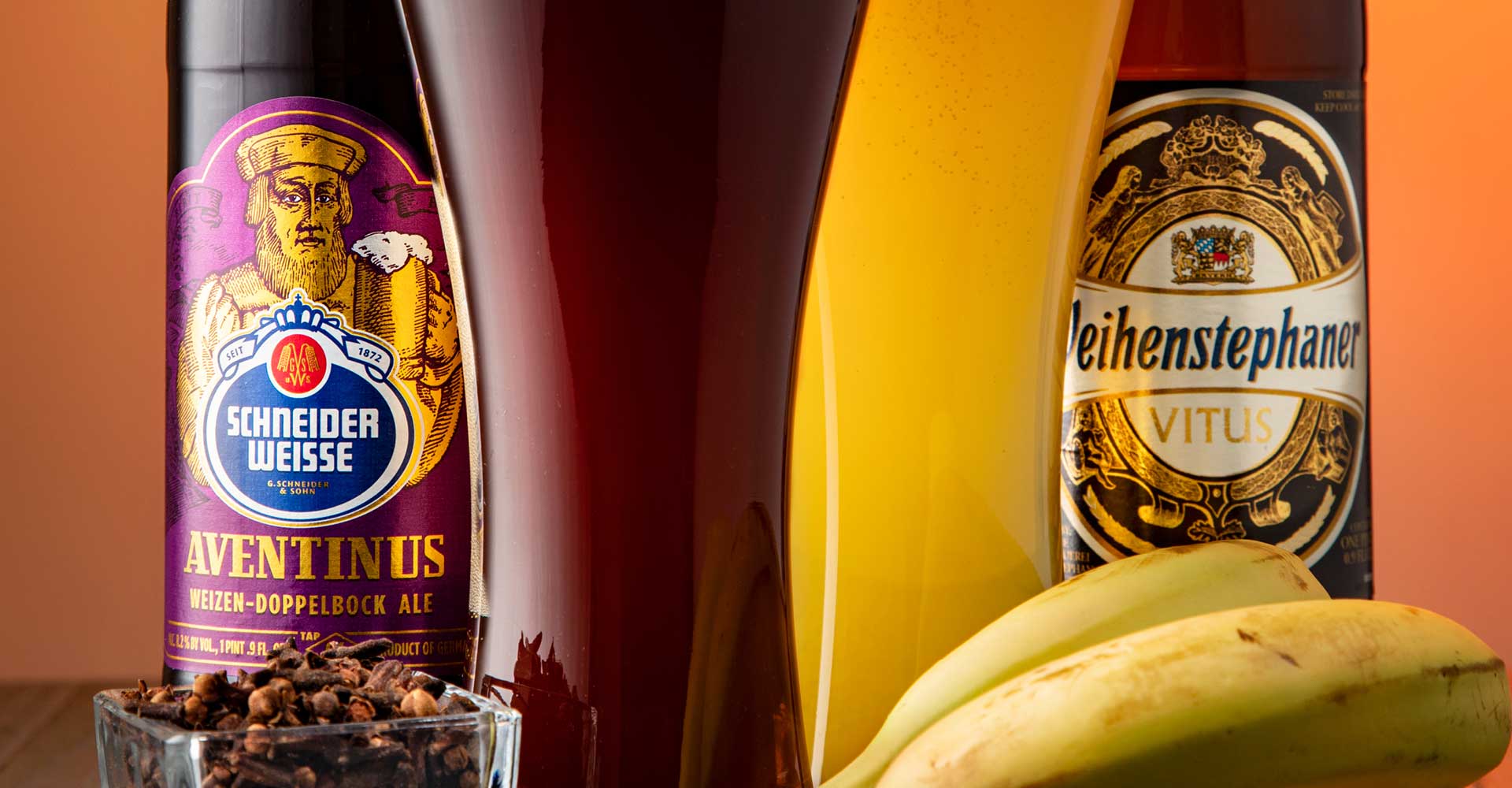
Weizenbock is so dangerously easy to drink, but the brewing process behind a great weizenbock is surprisingly complicated. It may be worth the trouble, since its potential for easygoing mass appeal remains largely untapped.

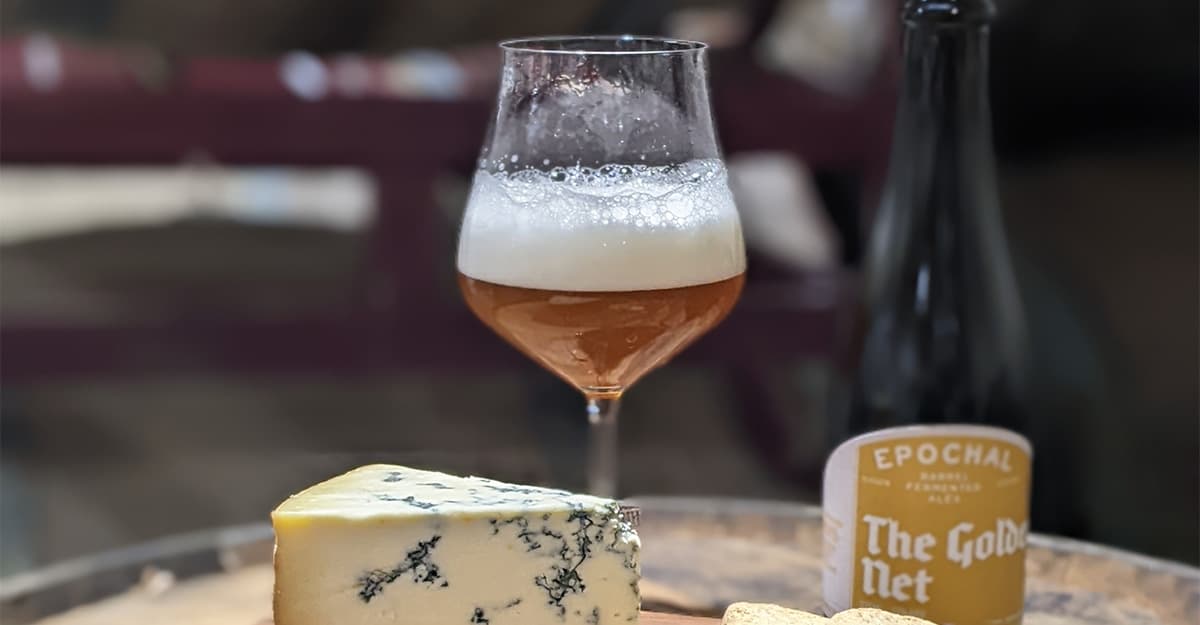
You think you know Scotch ales? Based in Glasgow, Epochal Barrel Fermented Ales specializes in mixed-culture beers matured in oak, inspired by Scottish brewing tradition. Here, founder and brewer Gareth Young explains the surprising history and process.

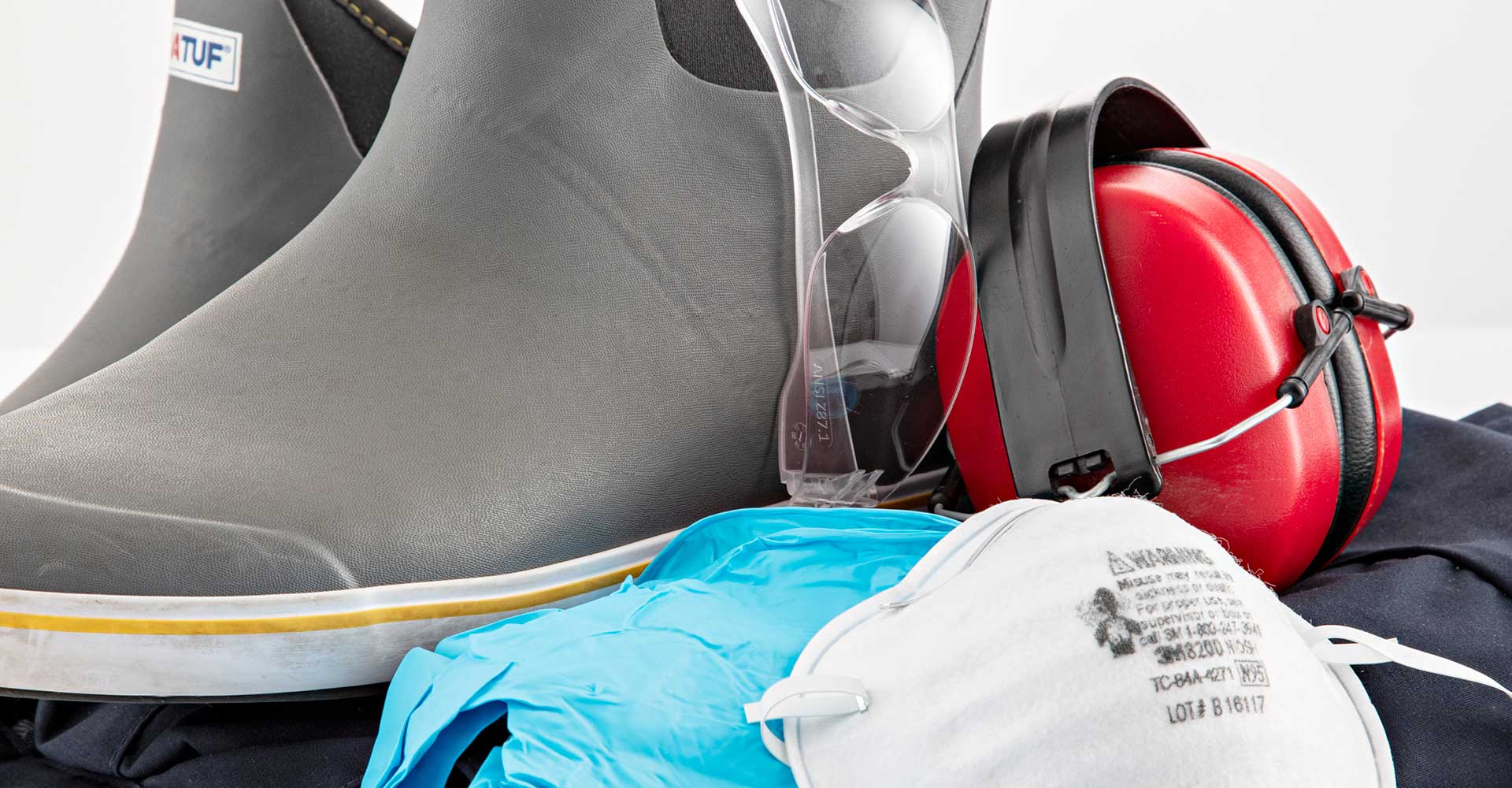
Arguably the most important gear in the brewhouse is what we wear ourselves: personal protective equipment, the armor that keeps us from harm amid the boiling-hot, corrosive, slippery dangers of manufacturing beer.

An American beer scene still dominated by IPA is enjoying a renaissance of small-scale lager brewing—the ground is fertile for combining the best of both. We don’t care what you call it—IPL, cold IPA, hoppy pilsner, whatever—as long as we get to drink it.

Brewed once per year at Urban Chestnut’s brewery in Wolnzach, in the heart of Bavaria’s hop-growing Hallertau region, here is a homebrew-scale recipe for the strong, malty, mahogany-colored beer named for the town’s 8th-century founder.

For advice on brewing a great doppelbock, we turned to an experienced Bavarian brewer: Florian Kuplent, cofounder and brewmaster of Urban Chestnut in St. Louis and the Hallertau.

The best doppelbocks eschew excessive sweetness and embrace balance—despite offering deep malt complexity and festive, brain-tickling strength. Here are five we love.

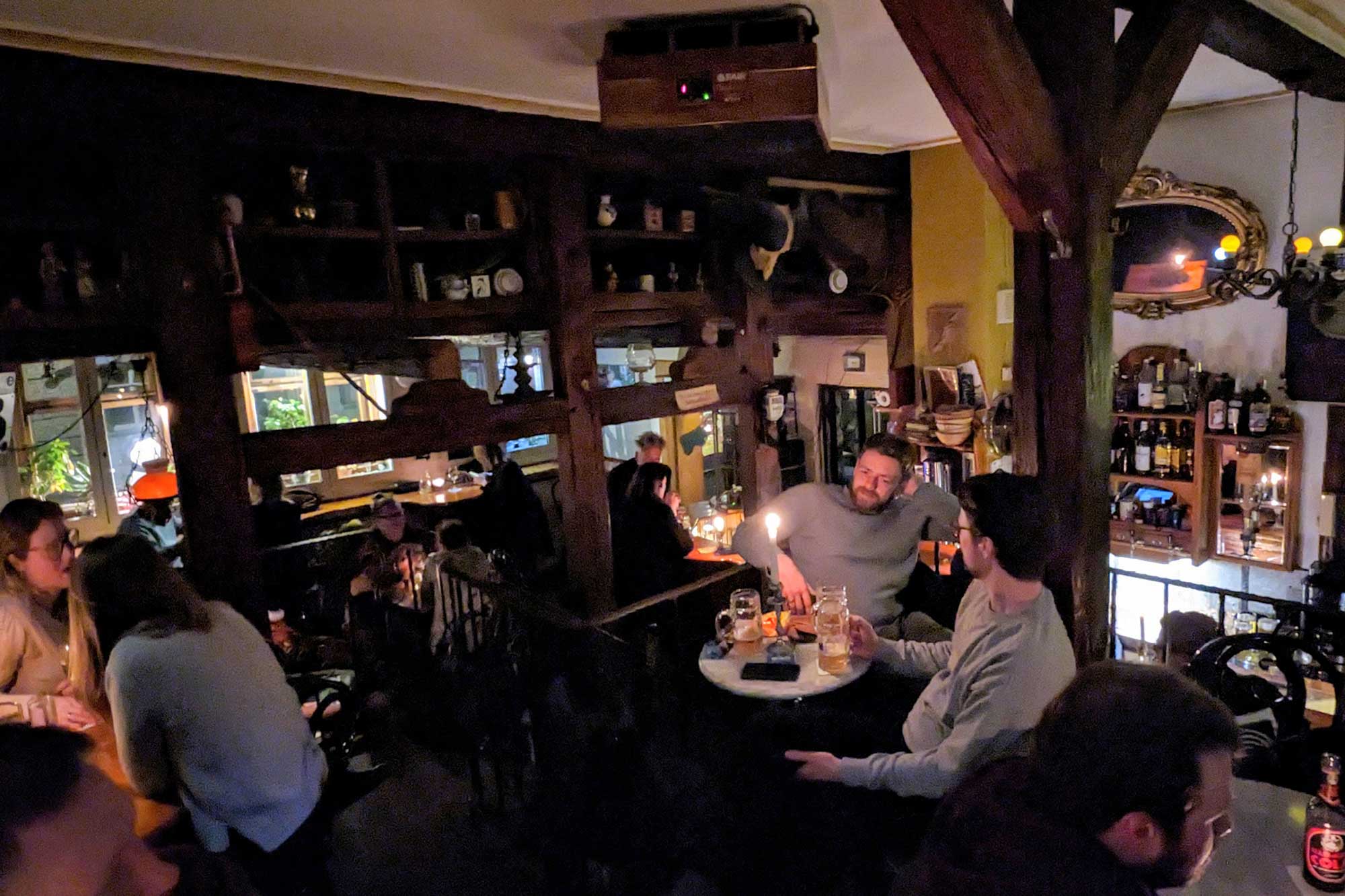
Monkish hospitality and devotion gave way to modern commercialism over a few centuries, but this Bavarian product that evolved along the way still has the power to nourish and amaze.

Joe Stange speaks with Agostino Arioli, founder of Birrificio Italiano, about the 25-year-old beer that’s sparking a new wave of hop-forward lagers—and about what makes Tipopils different.