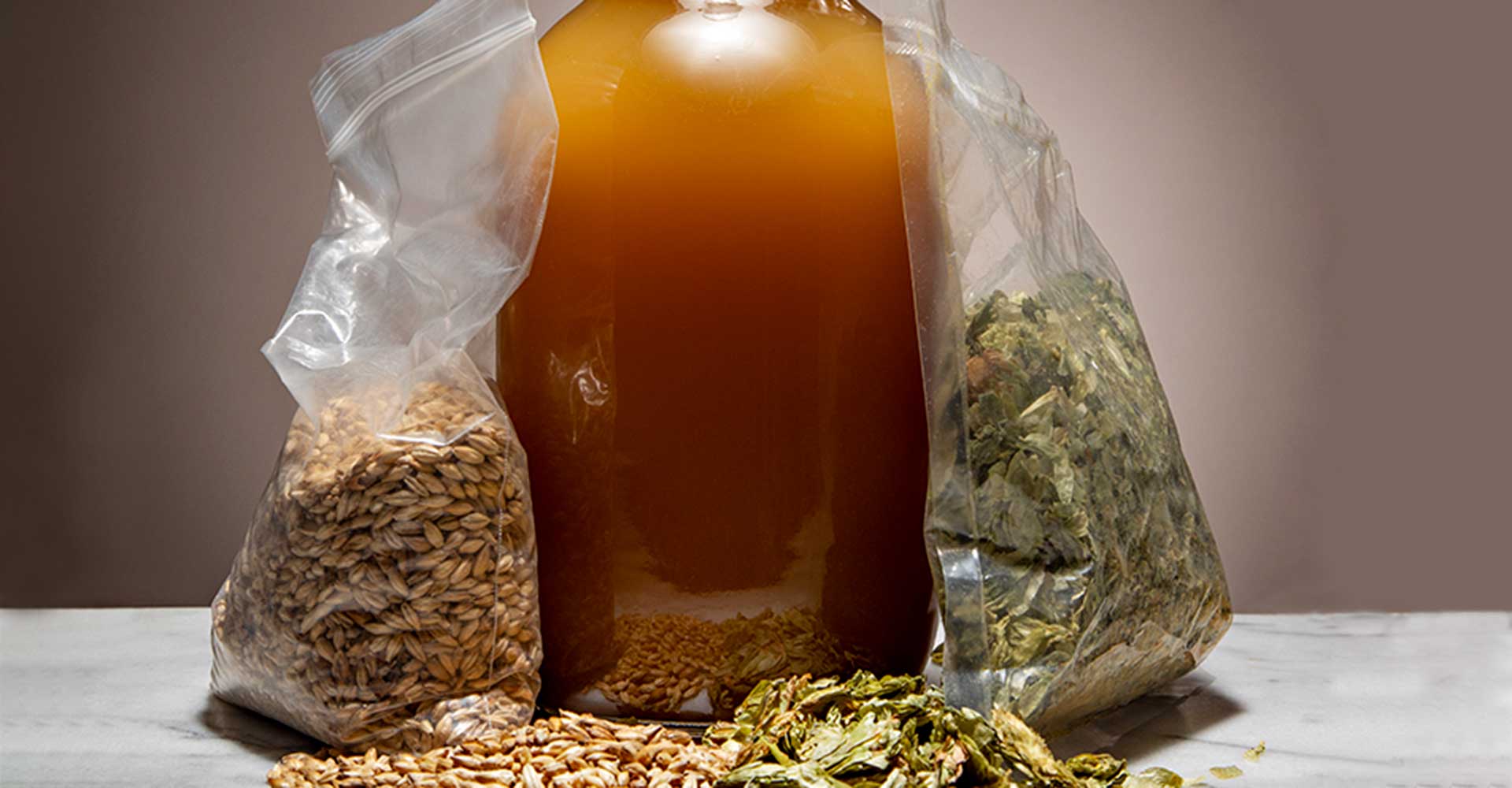
Learning Lab: Accidentally on Purpose
In this Learning Lab, we intentionally make things harder for our yeast cells—to better understand what can go wrong, and how to recognize what happened.

17 articles in this category
In this Learning Lab, we intentionally make things harder for our yeast cells—to better understand what can go wrong, and how to recognize what happened.

Learn to diagnose, describe, and fix those pesky off flavors!
Acetaldehyde is a naturally occurring organic compound that is found in everything from ripe fruit to coffee.
This week’s off flavor is easy to recognize once you know what you’re looking for.
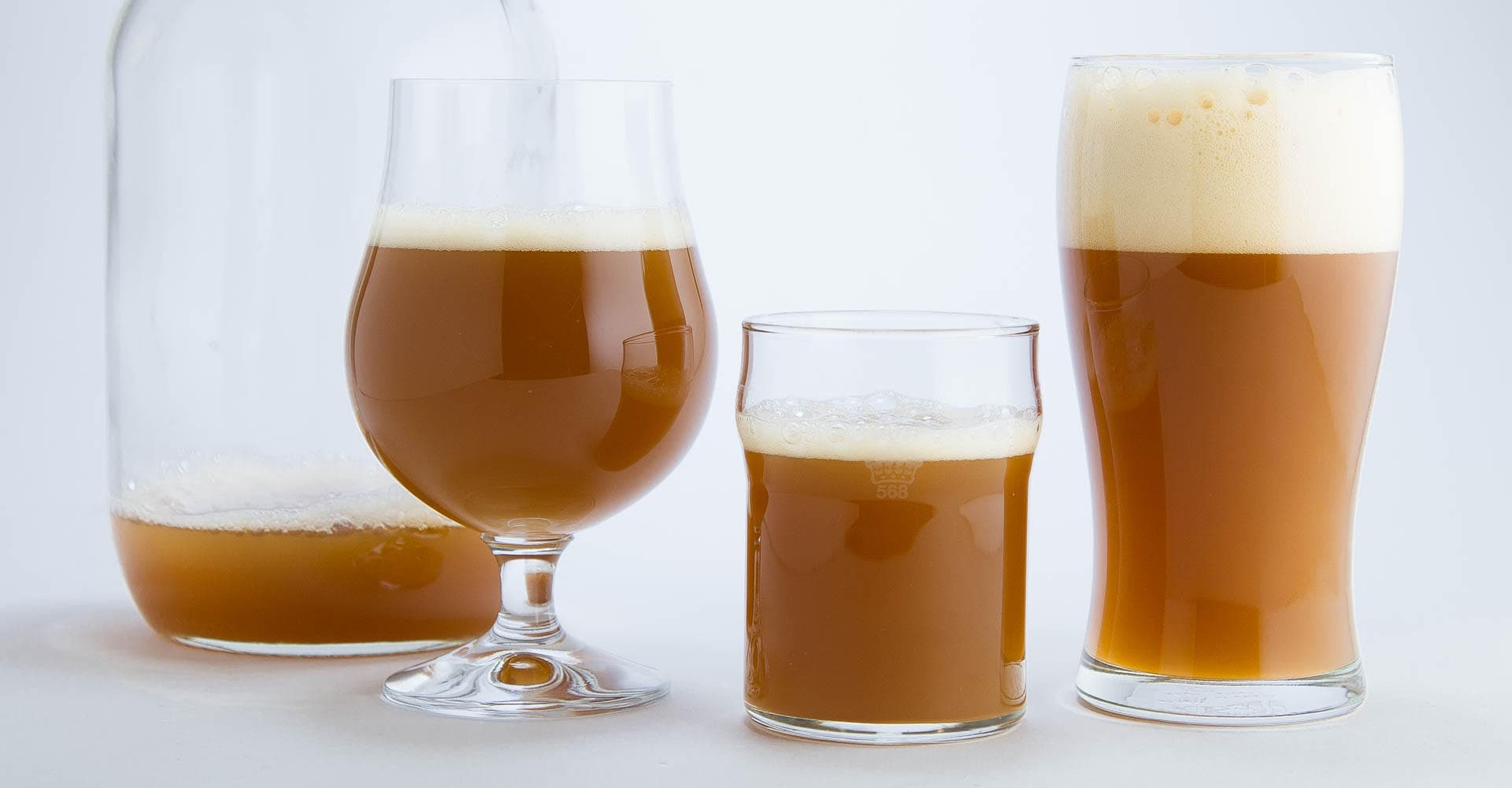
If your latest homebrew reminds you of a Vegemite sandwich, then it’s time to take a closer look at this off-flavor of the week: yeasty.
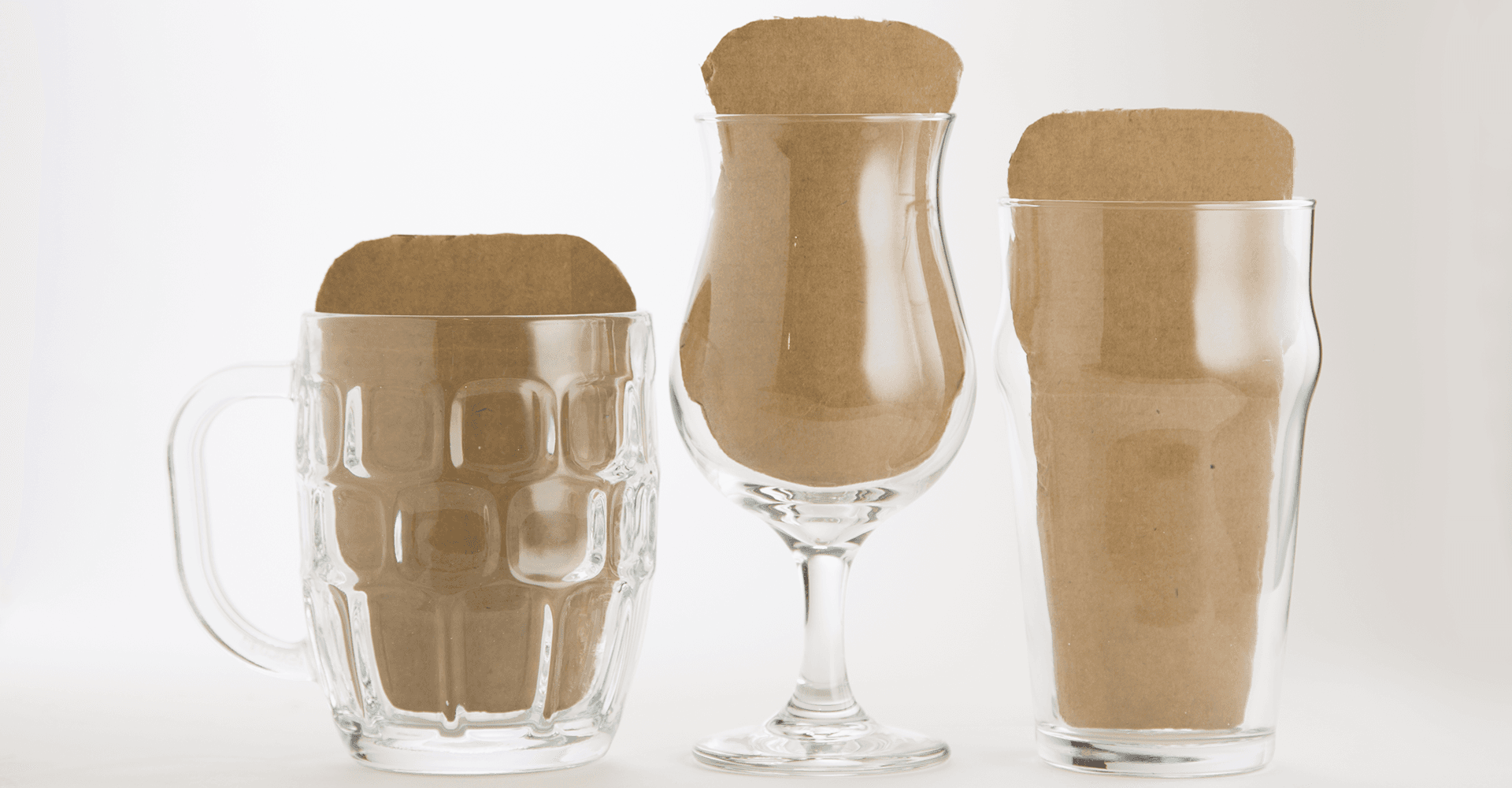
Oxygen has a way of destroying the things we love, including beer.
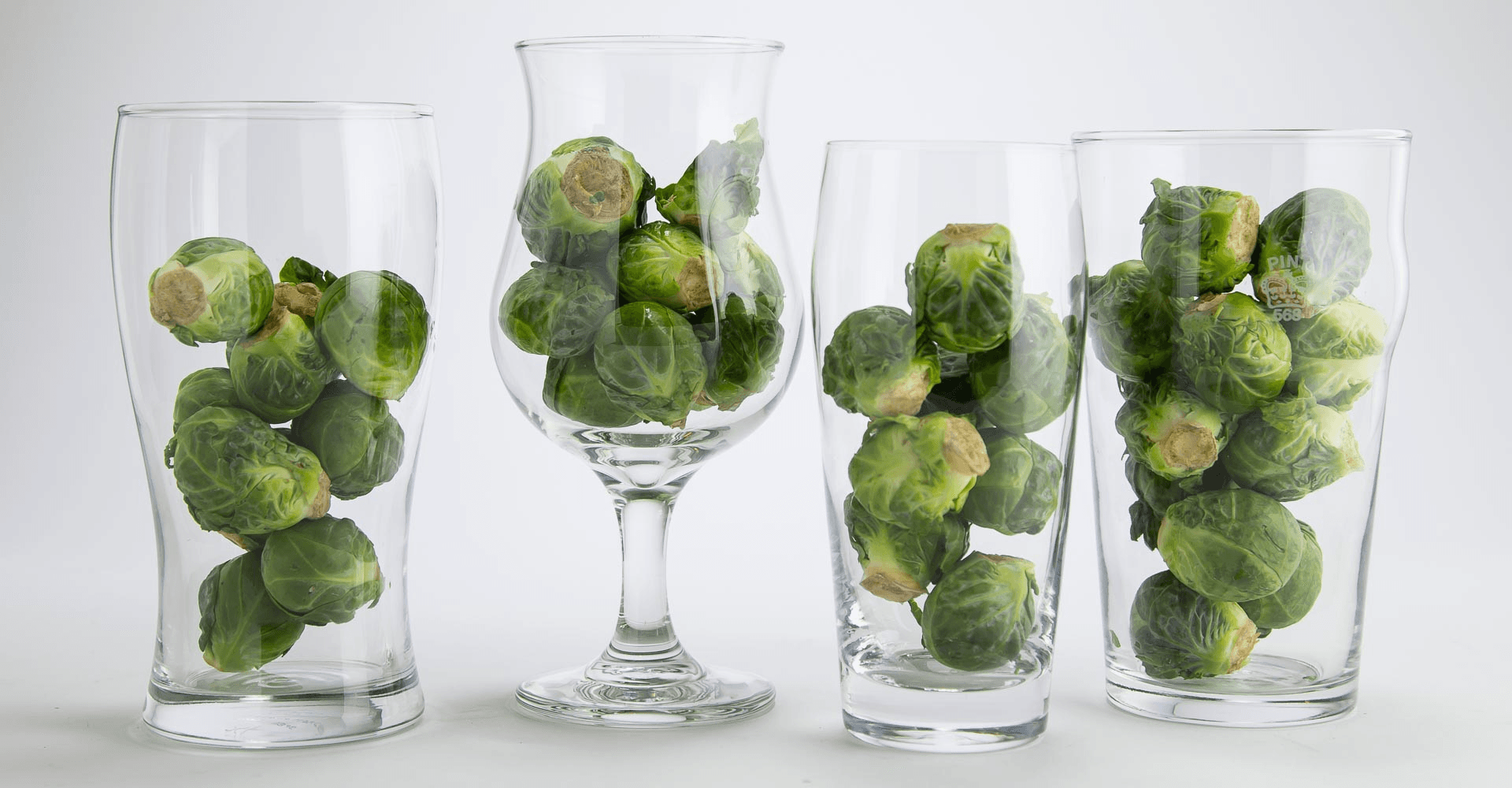
Beer should never taste like vegetables.

You never forget your first homemade lager.
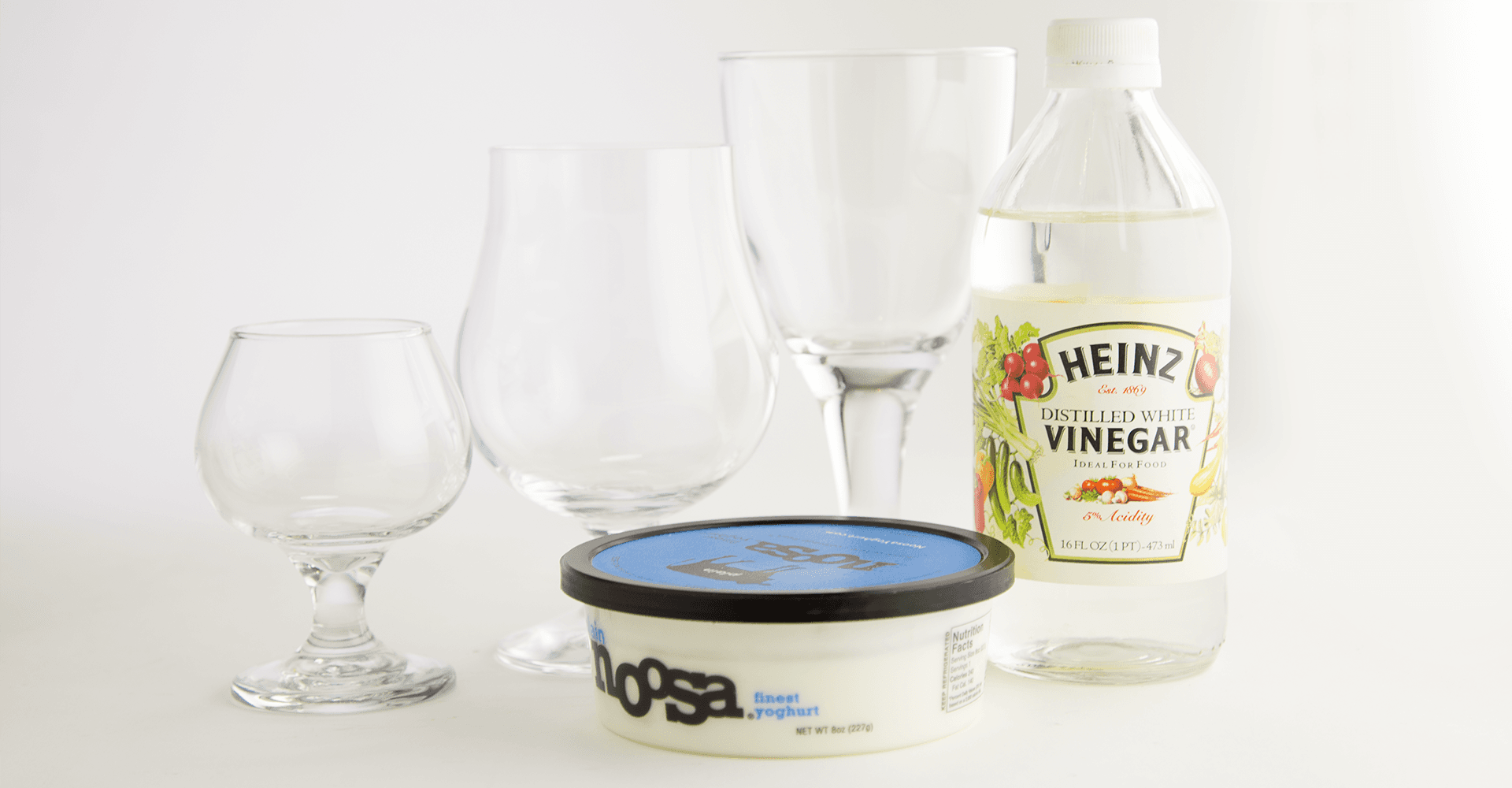
Sourness in beer, however, is definitely a right place, right time phenomenon.

Stop drinking old books and keep your beer delicious.

What’s considered an off flavor in one beer style may very well be welcome in another, at least in moderation.
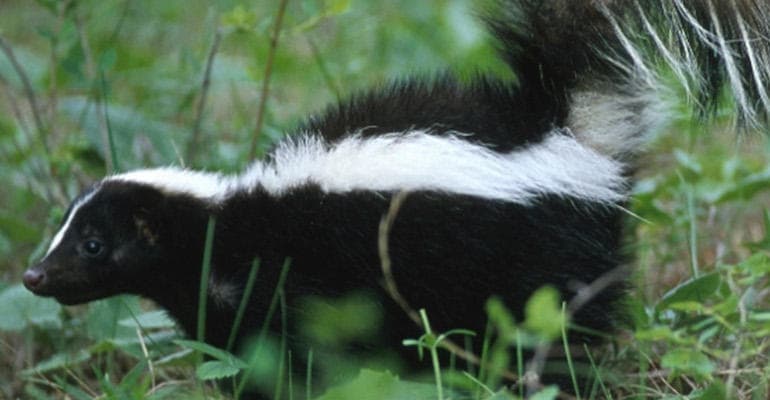
If you're beer reminds you of an animal, it's time to start over.
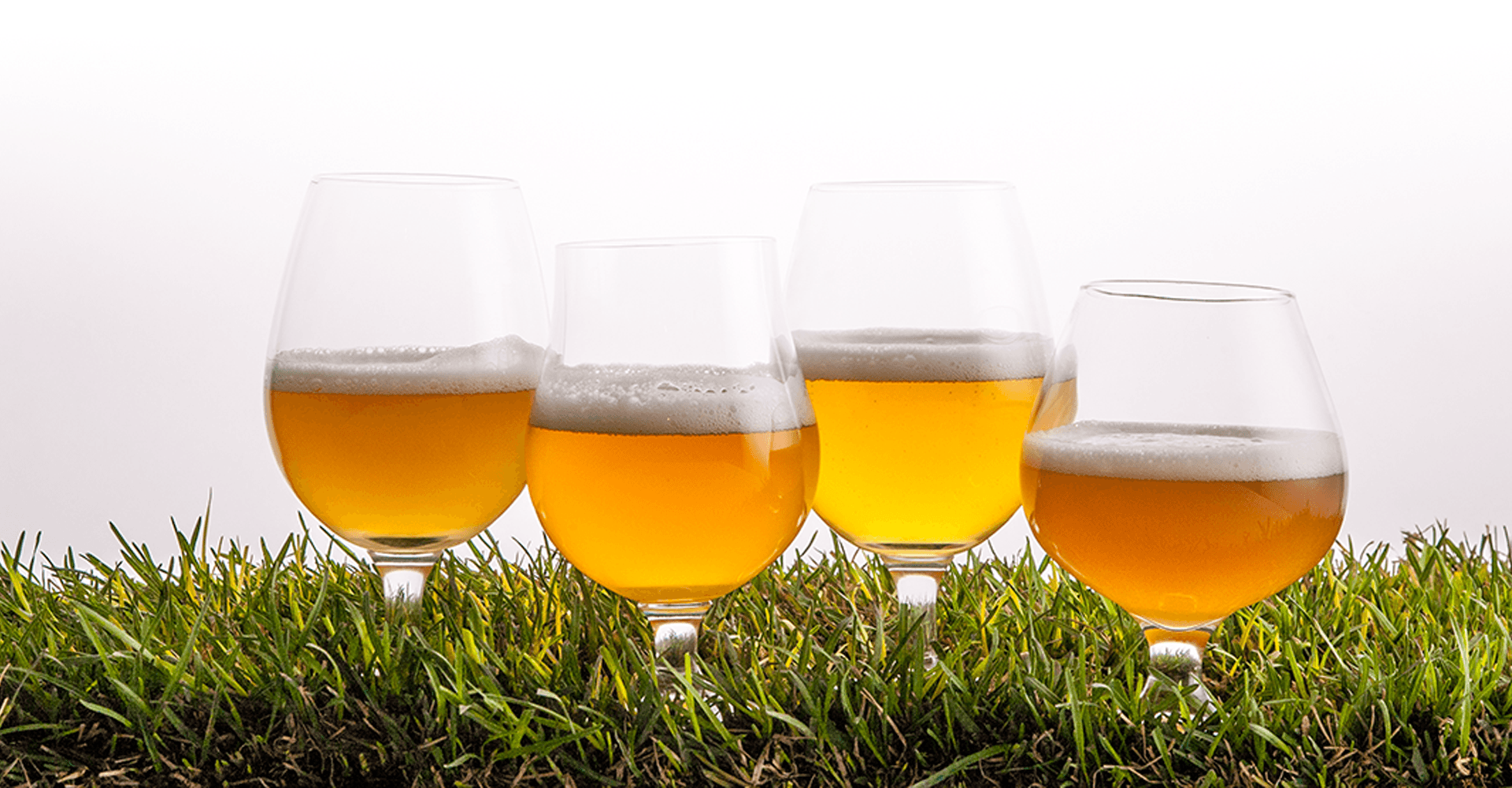
A beer that smells or tastes like the lawn you just mowed is likely to disappoint.
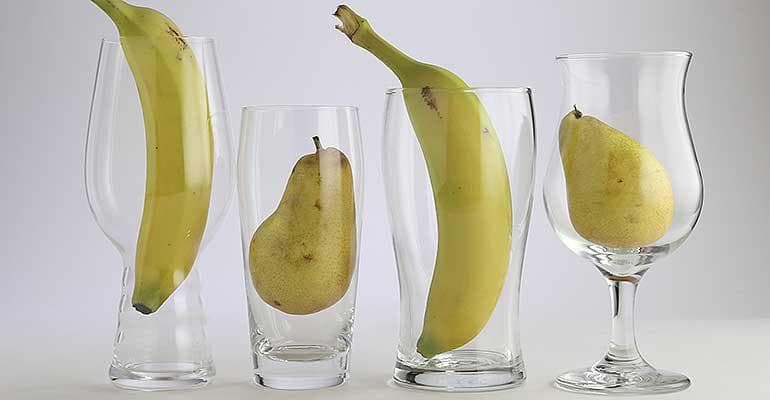
Esters represent a complex group of organic compounds that include such diverse members as butterfat, olive oil, isoamyl acetate, and butyric acid.
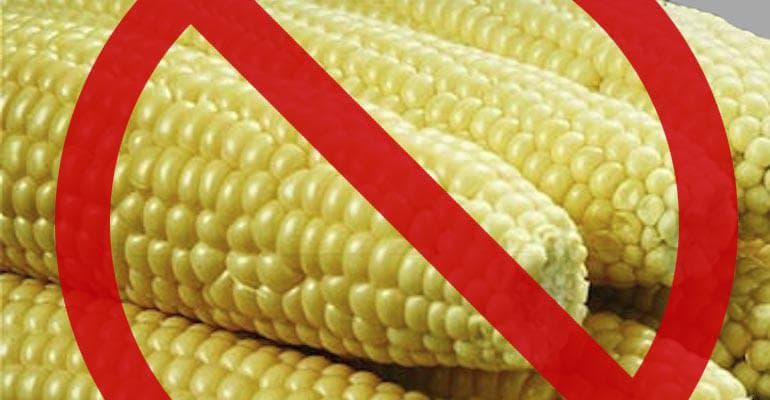
If you’ve ever taken a whiff of a pale lager and gotten a noseful of corn, then you’re already familiar with this week’s off-flavor.
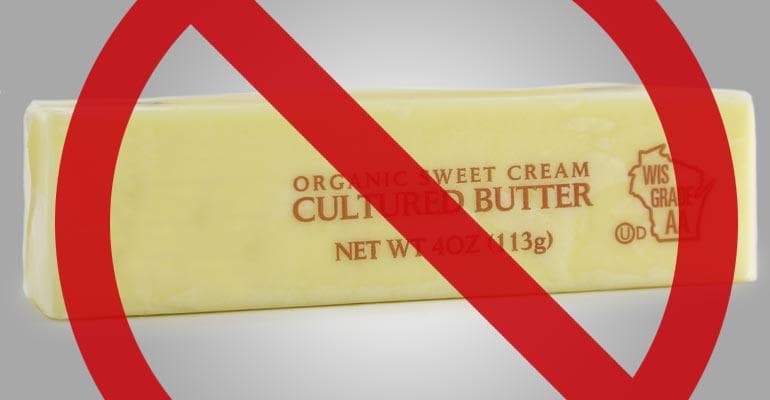
Commonly described as having an artificial butter flavor.
While high alcohol is integral to strong craft beer styles such as barleywine and imperial stout, not all alcohols are created equally.