
Stable Nonalcoholic Beer on Draft: A New Path Forward
Learn how Nagardo, a naturally derived microbial stabilizer dosed in the brite tank, helps breweries maintain draft stability without compromising flavor.

24 articles in this category
Learn how Nagardo, a naturally derived microbial stabilizer dosed in the brite tank, helps breweries maintain draft stability without compromising flavor.
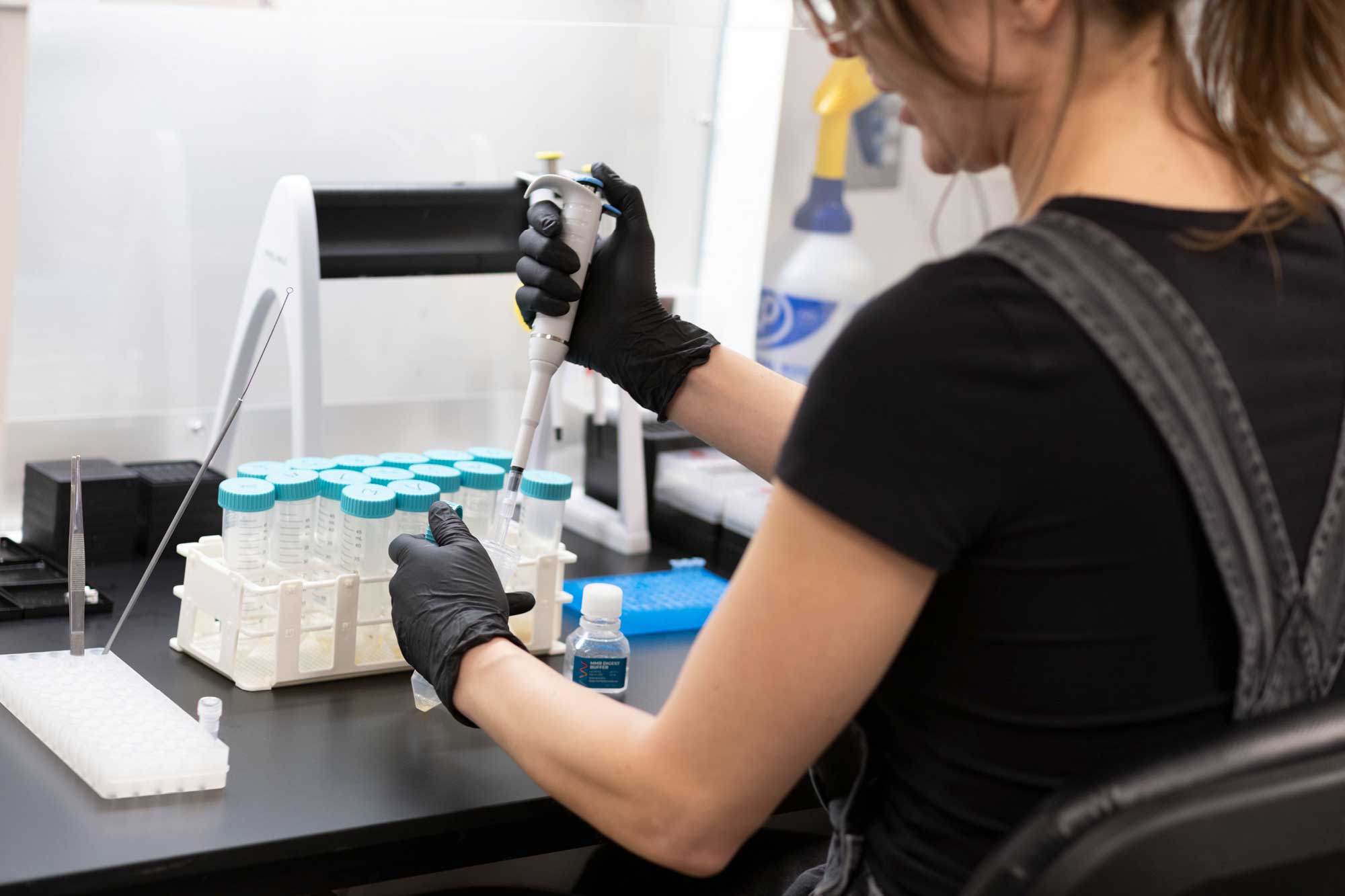
In the never-ending quest for quality, brewers turn to specialized instruments to build a better understanding of their raw materials, their processes, and their beer.
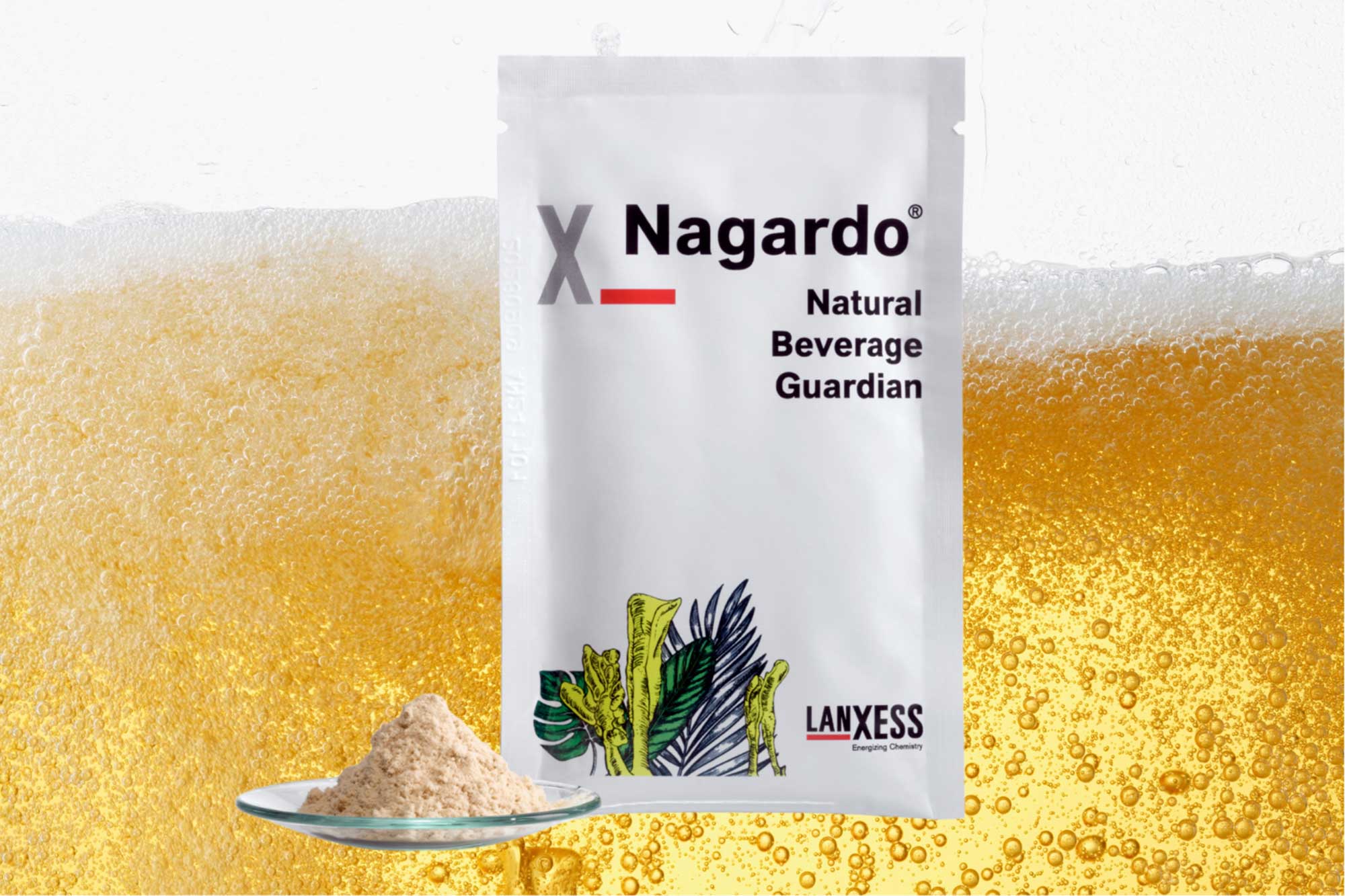
Discover how Nagardo® integrates into modern nonalcoholic beer production to improve microbial stability, with additional promising applications emerging across RTDs, wine, and cider.
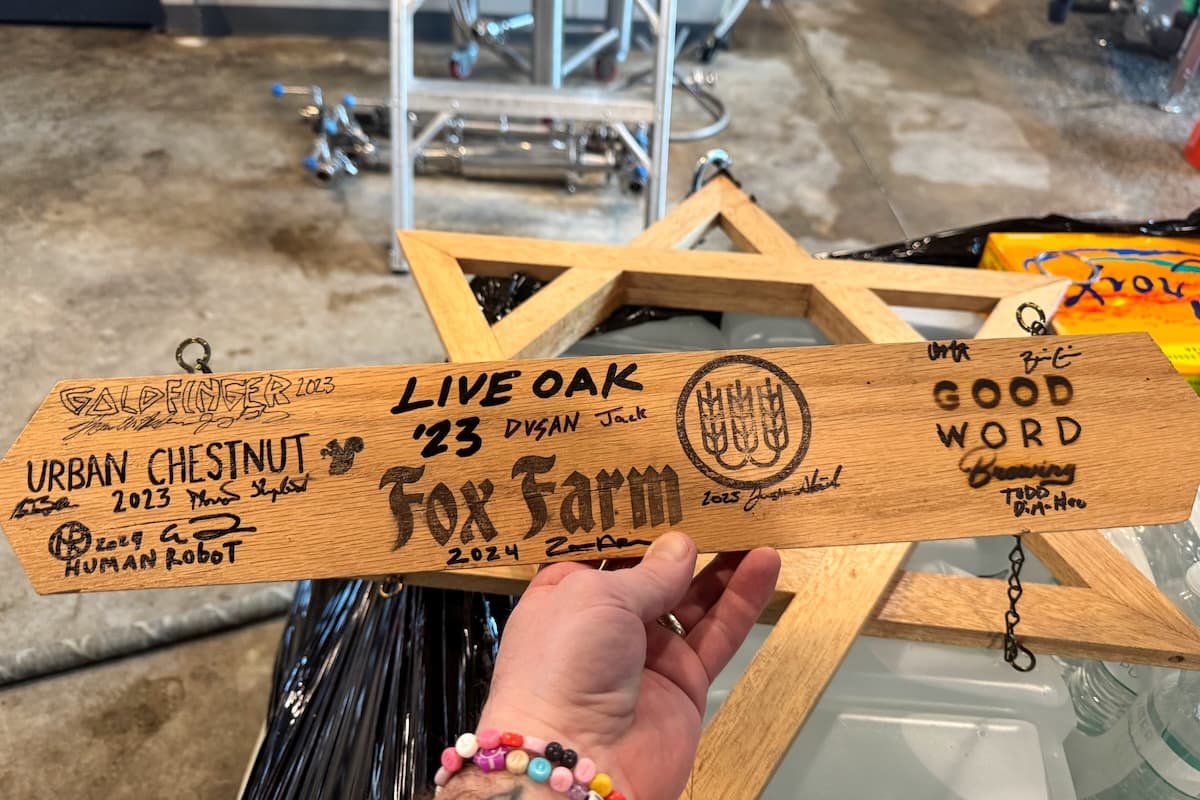
One lager brewery at a time, a homemade zoigl star is making its way around the United States. At each brewery, the star signals participation in an evolving collaboration inspired partly by the Oberpfalz tradition. Tom Beckmann, cofounder and brewer at Goldfinger in Chicago, explains.
Nagardo® is a purified mixture of glycolipids sourced from an edible mushroom. It is non-GMO and allergen-free, and offers reliable microbial control for nonalcoholic beer, ready-to-drink cocktails, wine, and cider.

Beyond his in-house emphasis on barrel-aging, Kyle Harrop takes traveling and collaborating to new heights, tag-teaming on a variety of projects with fellow brewers across the country. His selected sixer speaks to his deep beer-geek roots, his love for seeking out obscurities, and his great appreciation for technical proficiency.
Homebrewers can join the Brave Noise collaboration for a safer, more inclusive beer industry by helping to keep the conversation going—and by brewing and sharing this light, juicy pale ale.
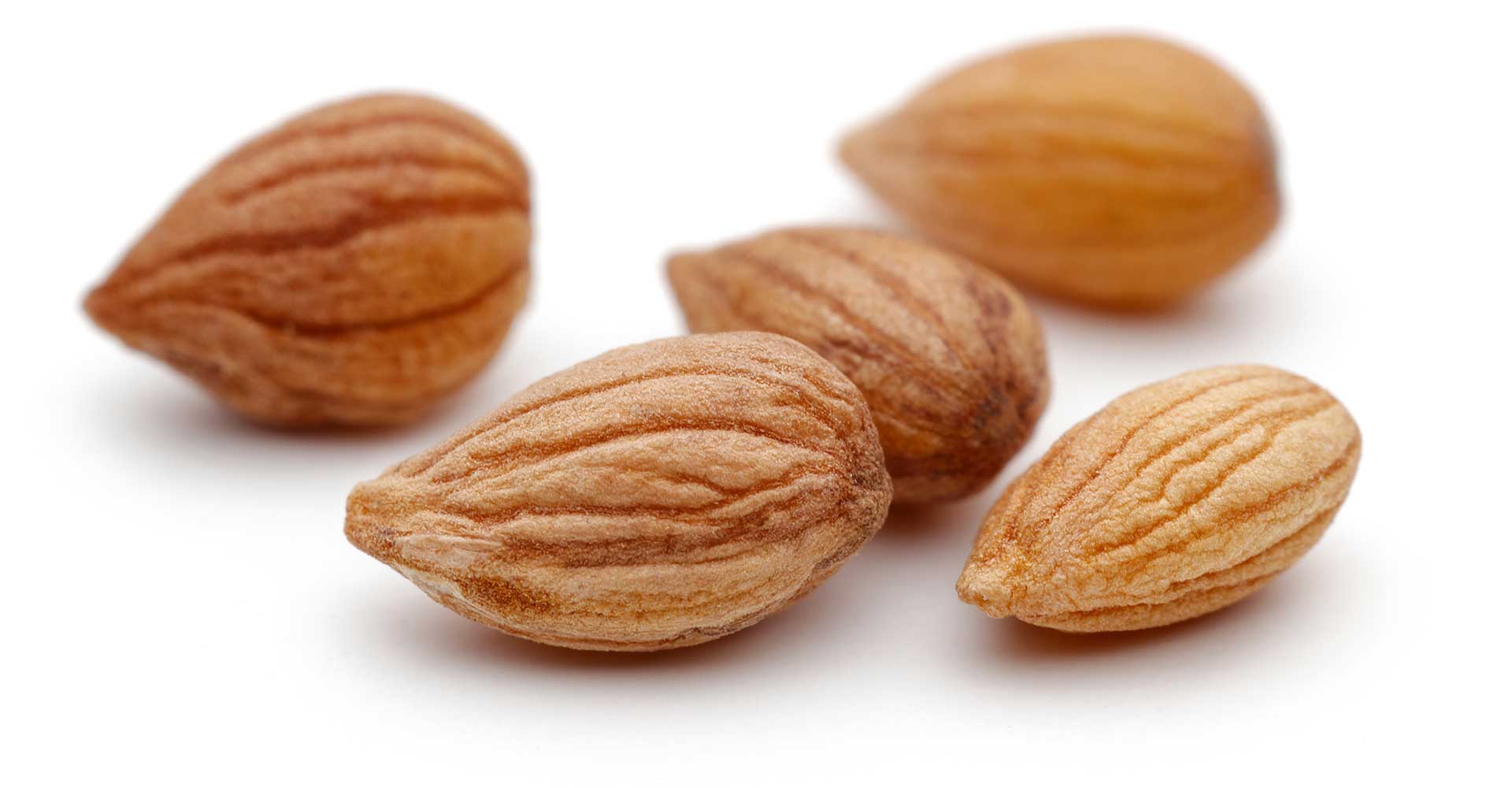
It’s a nutty spice, but it comes from a fruit. Popular as a baking ingredient in the Middle East, the dried seeds of St. Lucie cherries can also work really nicely, as it turns out, in beer.
In this Learning Lab, we tempt fate by inviting oxidation exposure and punishing our wort with hot-side aeration. Will it ruin our beer, or is the threat exaggerated?
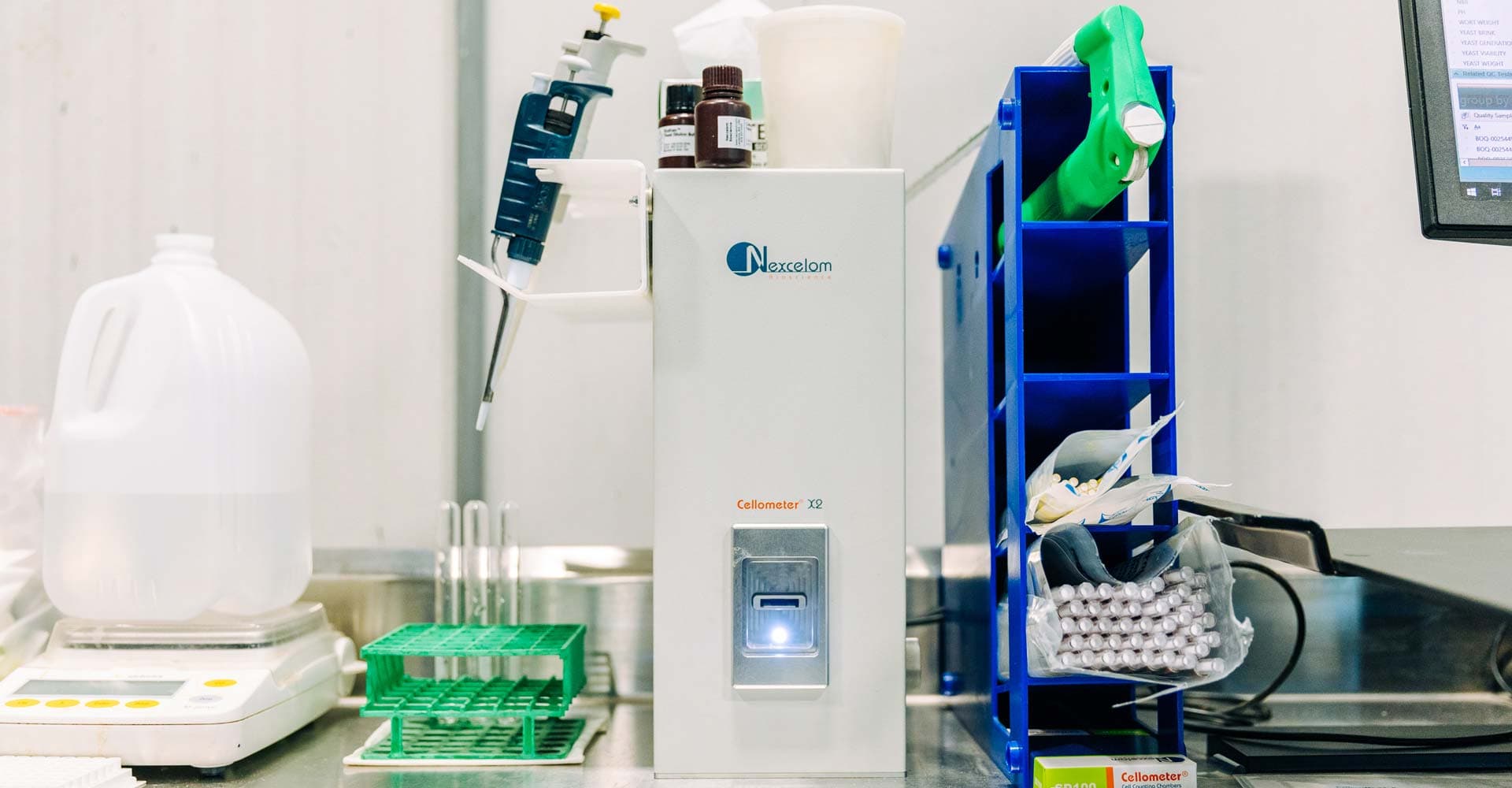
For a price, automated cell counters can save valuable lab time otherwise spent peering into microscopes and counting manually.
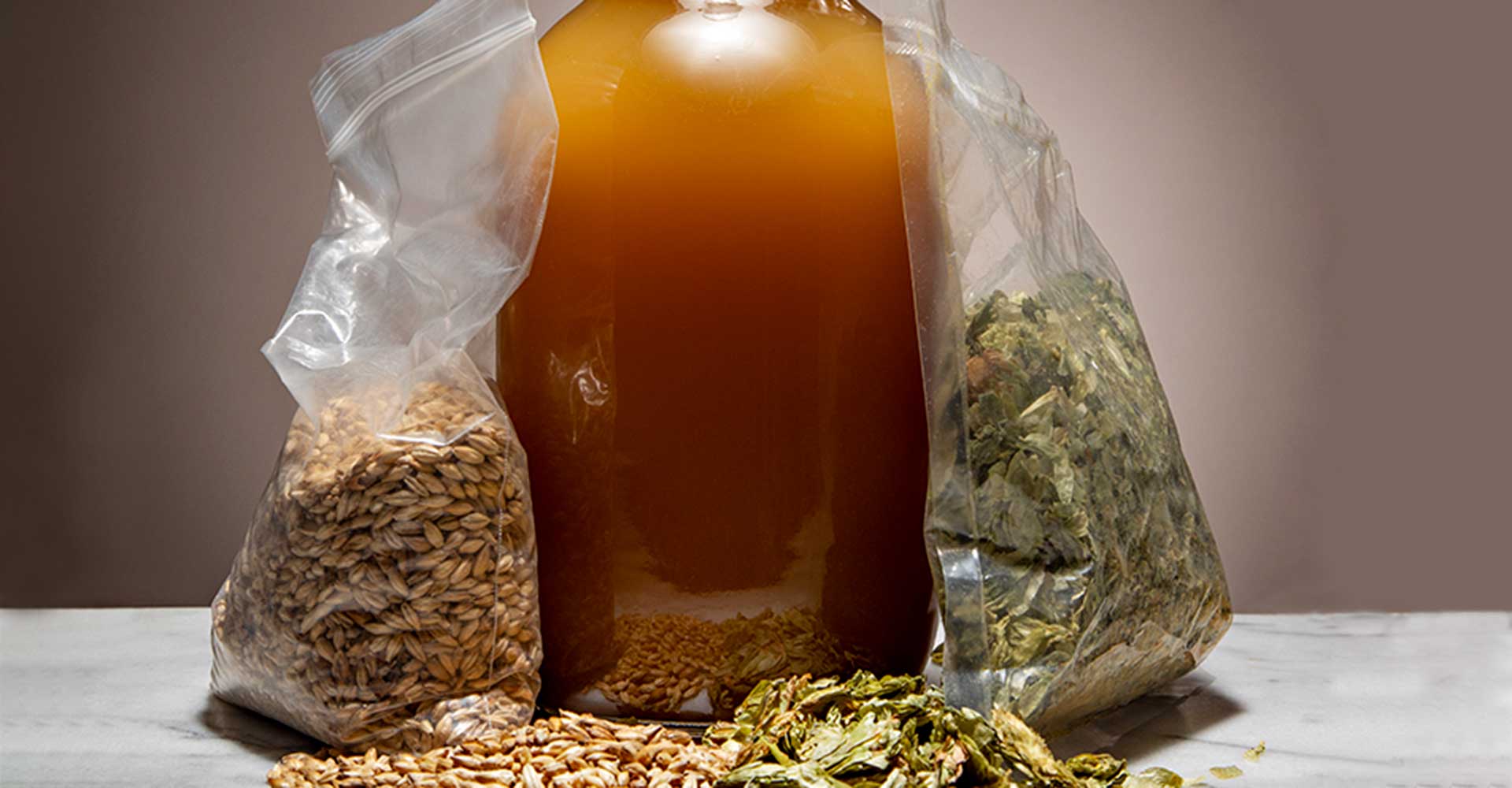
In this Learning Lab, we intentionally make things harder for our yeast cells—to better understand what can go wrong, and how to recognize what happened.
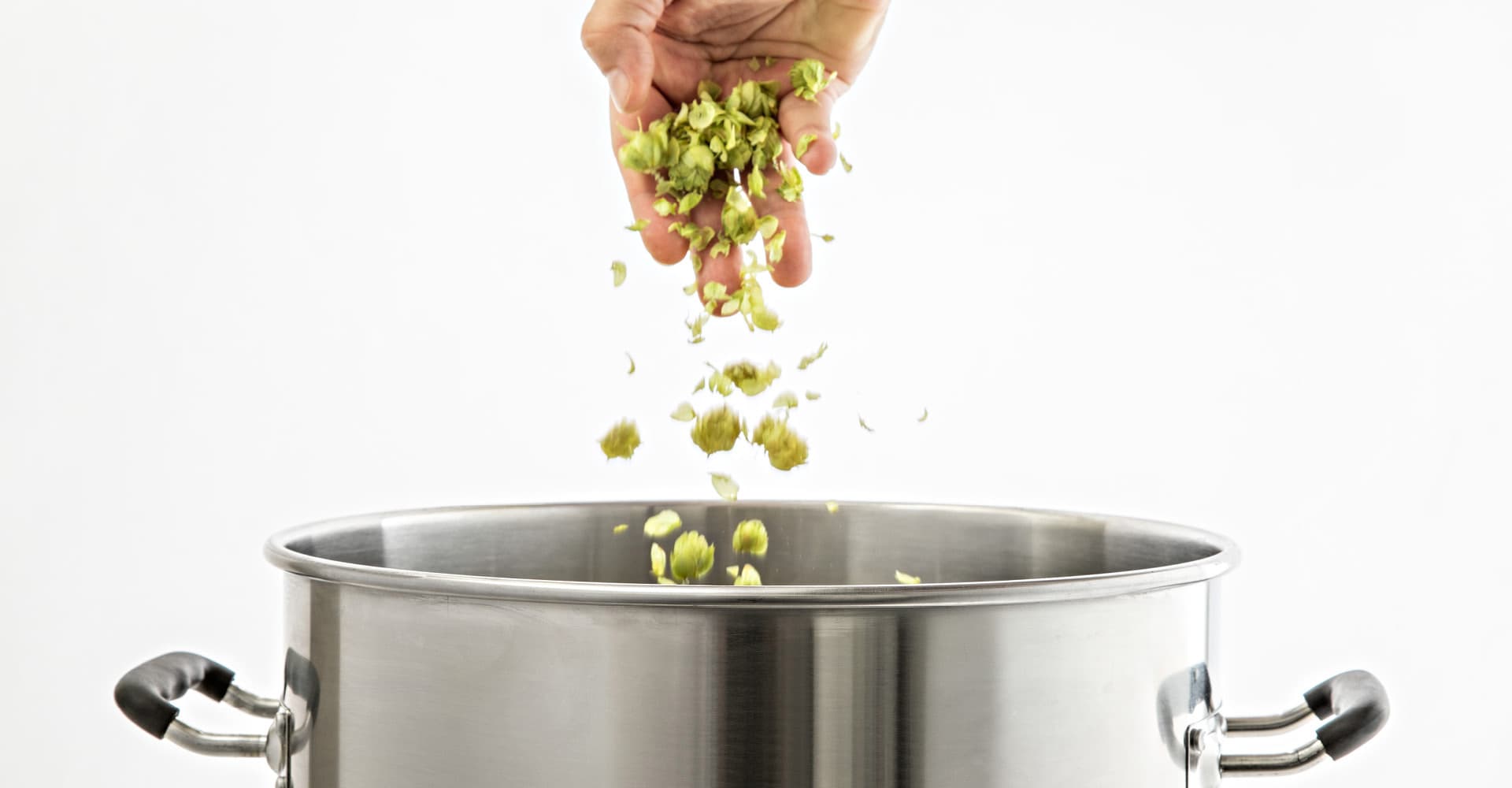
Go beyond the standard three-addition hopping schedule to test other techniques for injecting hop character into your beer.
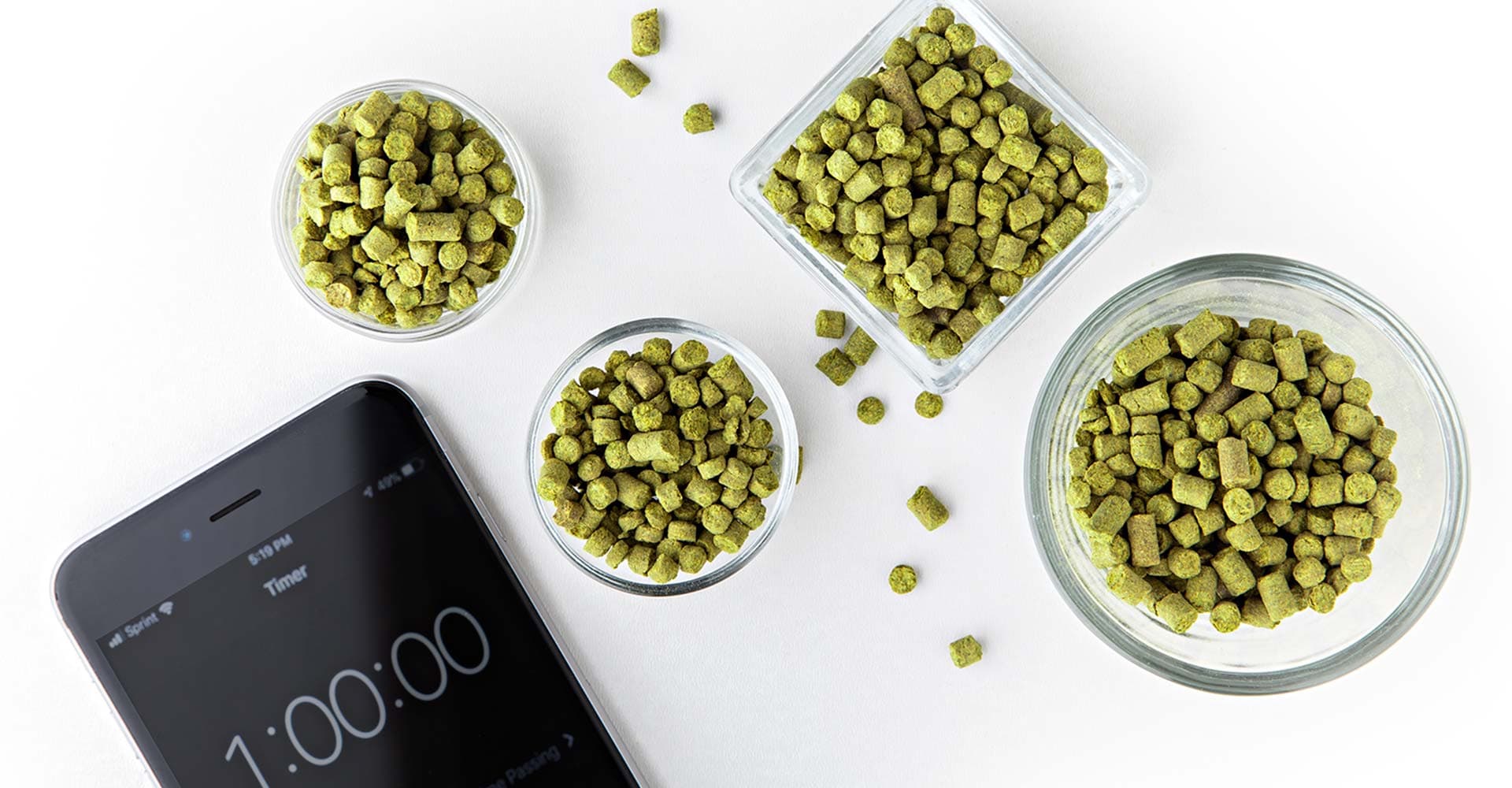
Hops for bitterness, flavor, and aroma... and, often, three corresponding additions to the boil. Using one-gallon test batches hopped differently, let's test our assumptions.

Nonprofit group Drink Local, Think Global has enlisted more than 100 breweries so far in an October effort to assist communities hit by an extreme water crisis.
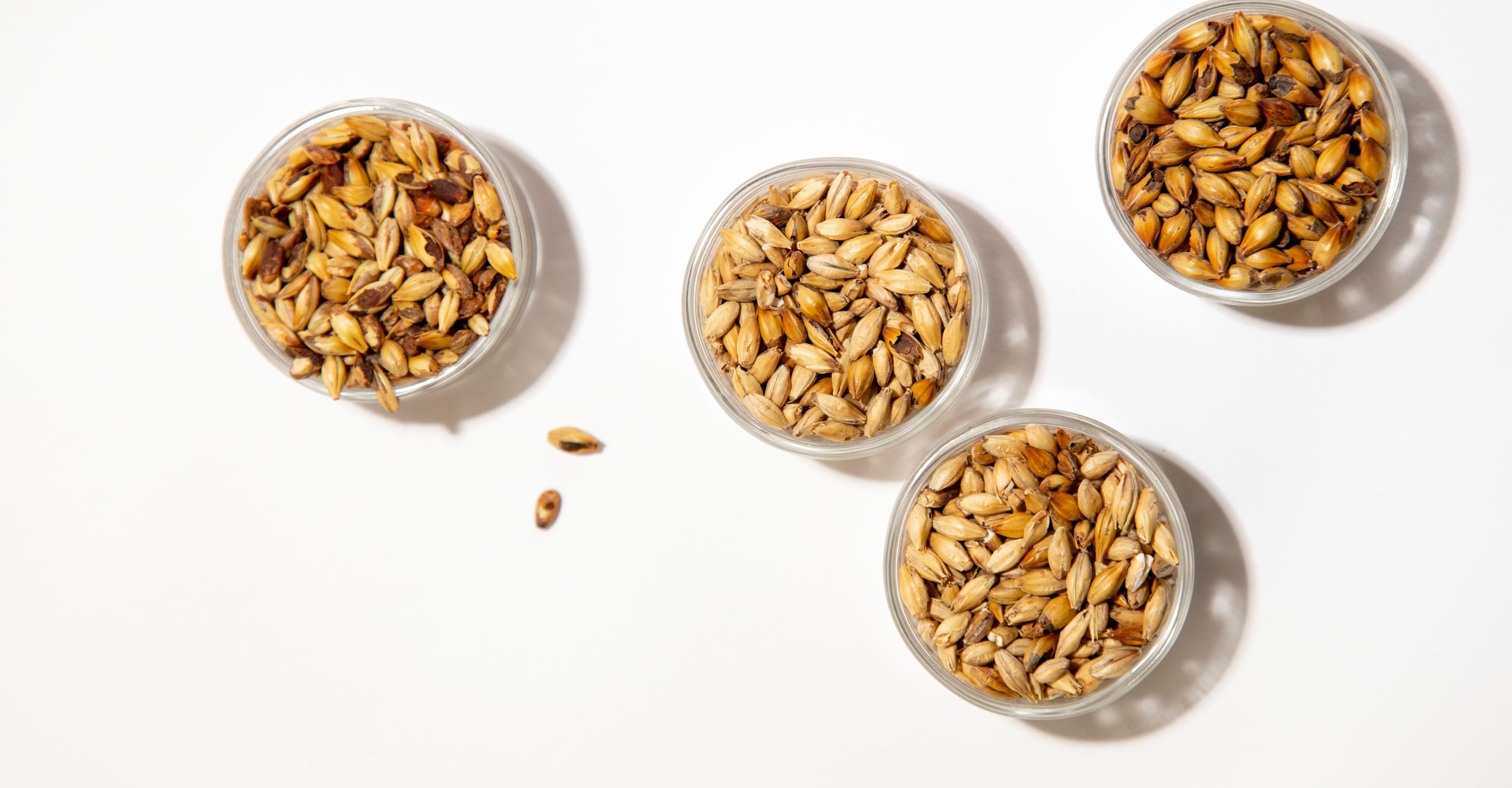
Let's affirm the importance of building malt complexity. By mixing up your base malts, bringing in rye or oats, or experimenting with specialty malts, you can bring depth and nuance to your beers, creating a knock-out recipe.
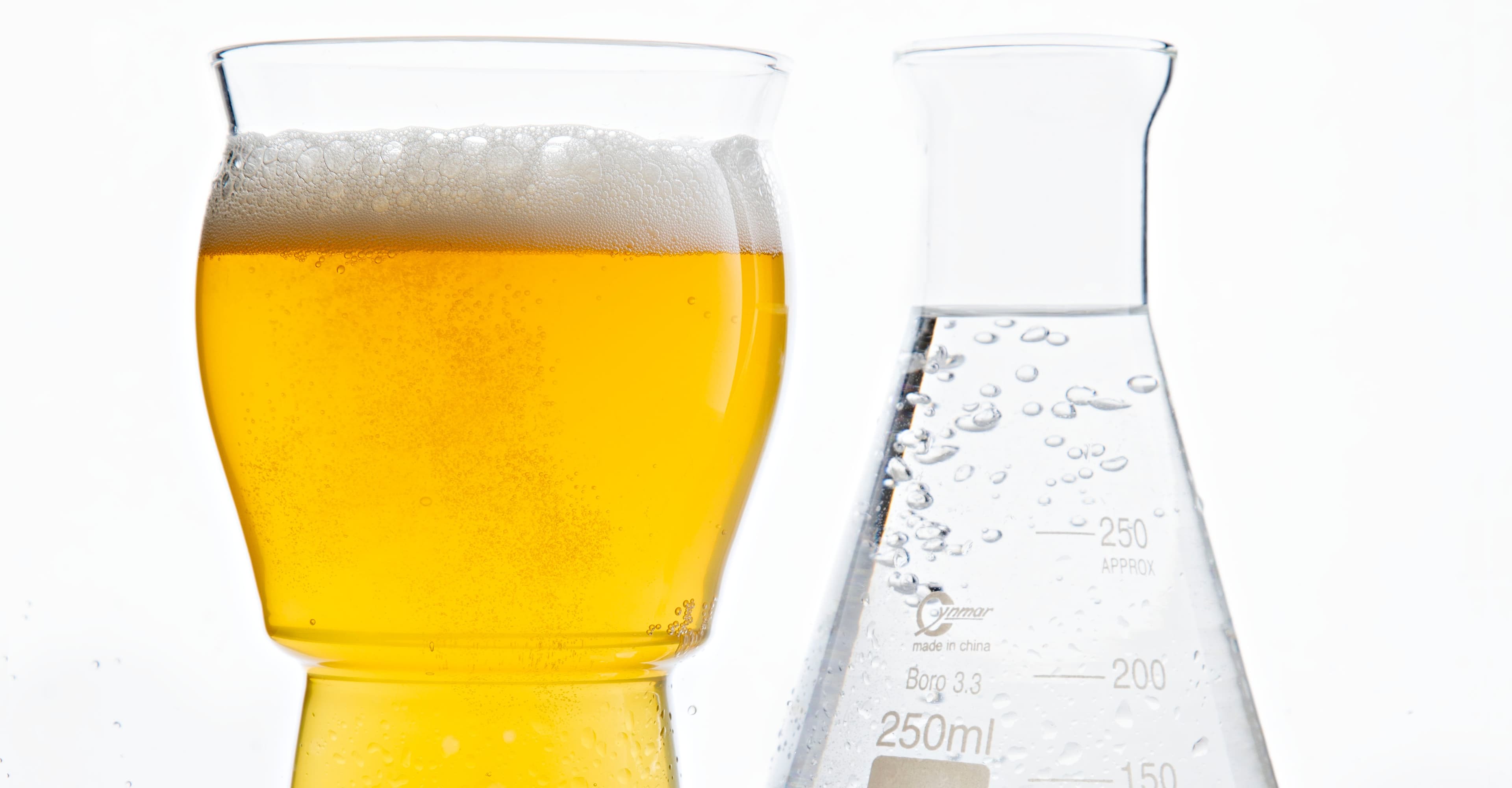
Decent beer is definitely good but learning about water chemistry can give you additional control over what you brew and take your beer from good to great.
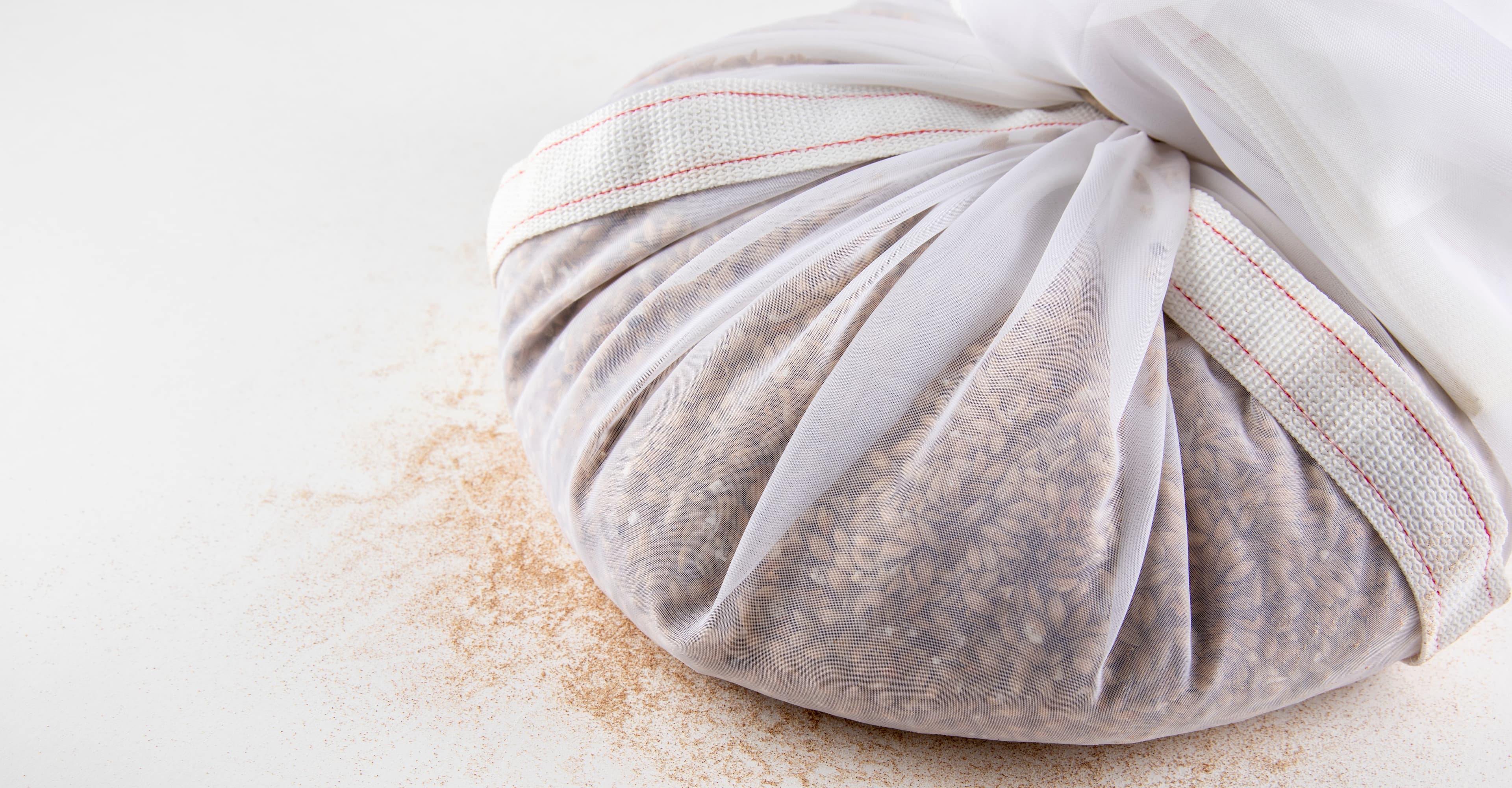
Base malts are the foundation of beer. It’s worthwhile to have a sense of the trade-offs your extract supplier made. As a bonus, this mini-batch experiment is a good introduction to mashing.
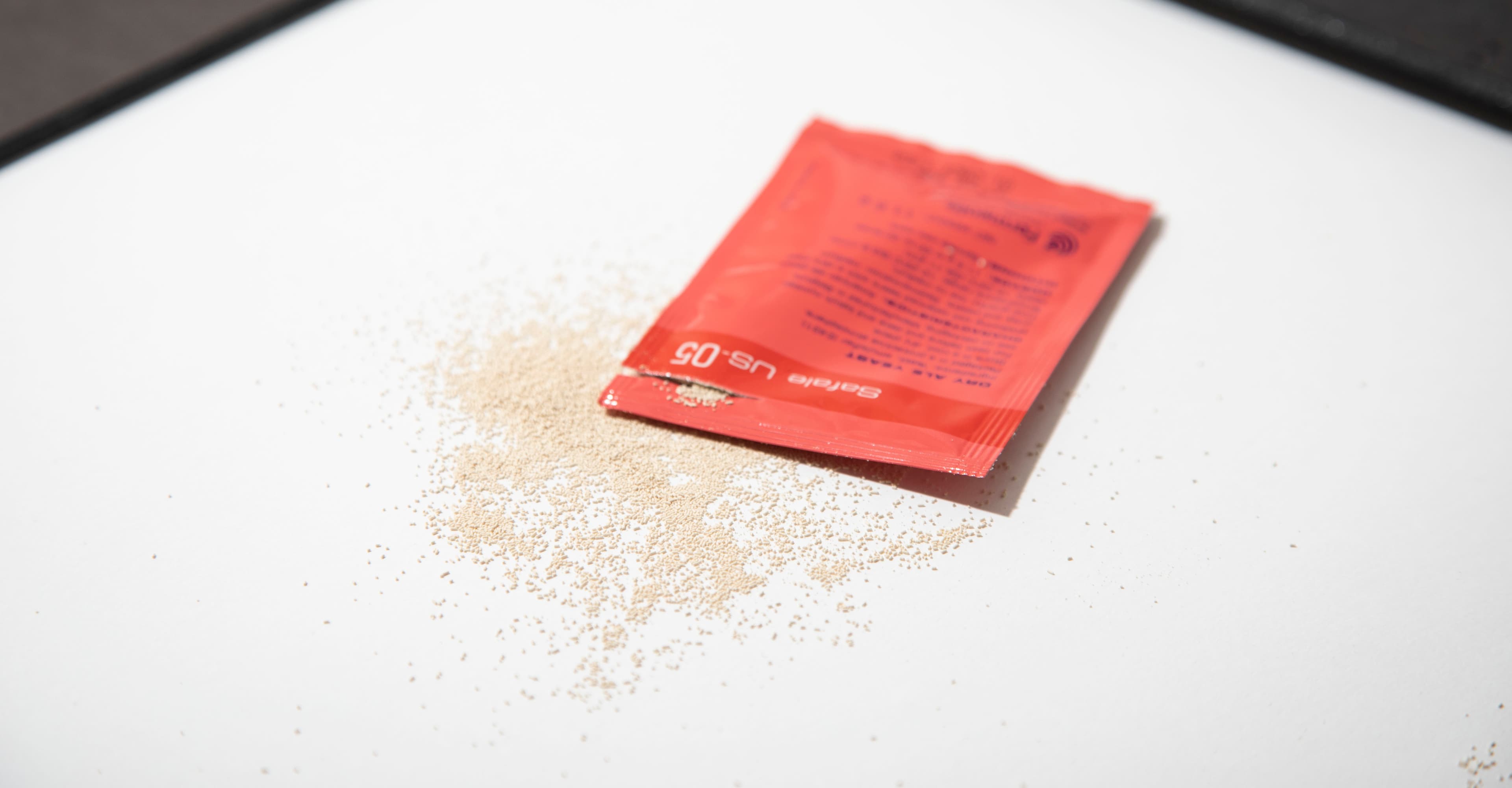
In this issue’s Learning Lab column, Jester Goldman shows you how to expand your knowledge of yeast strains so you can pick the right yeast for your next batch of homebrew.
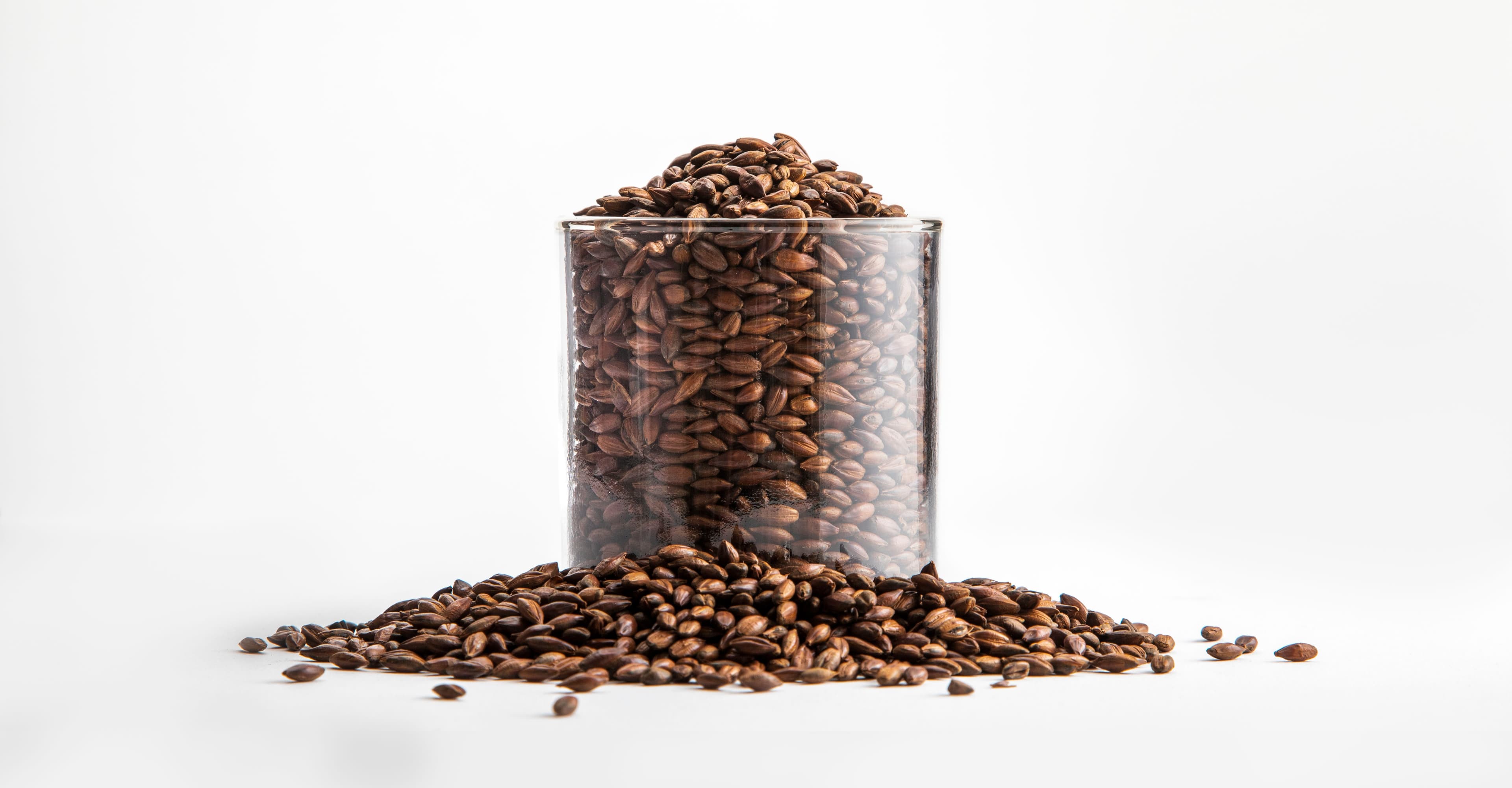
In this Learning Lab column, Jester Goldman gives his full attention to dark malt. Settle in as he helps you understand how these grains differ and what they can bring to your beer.
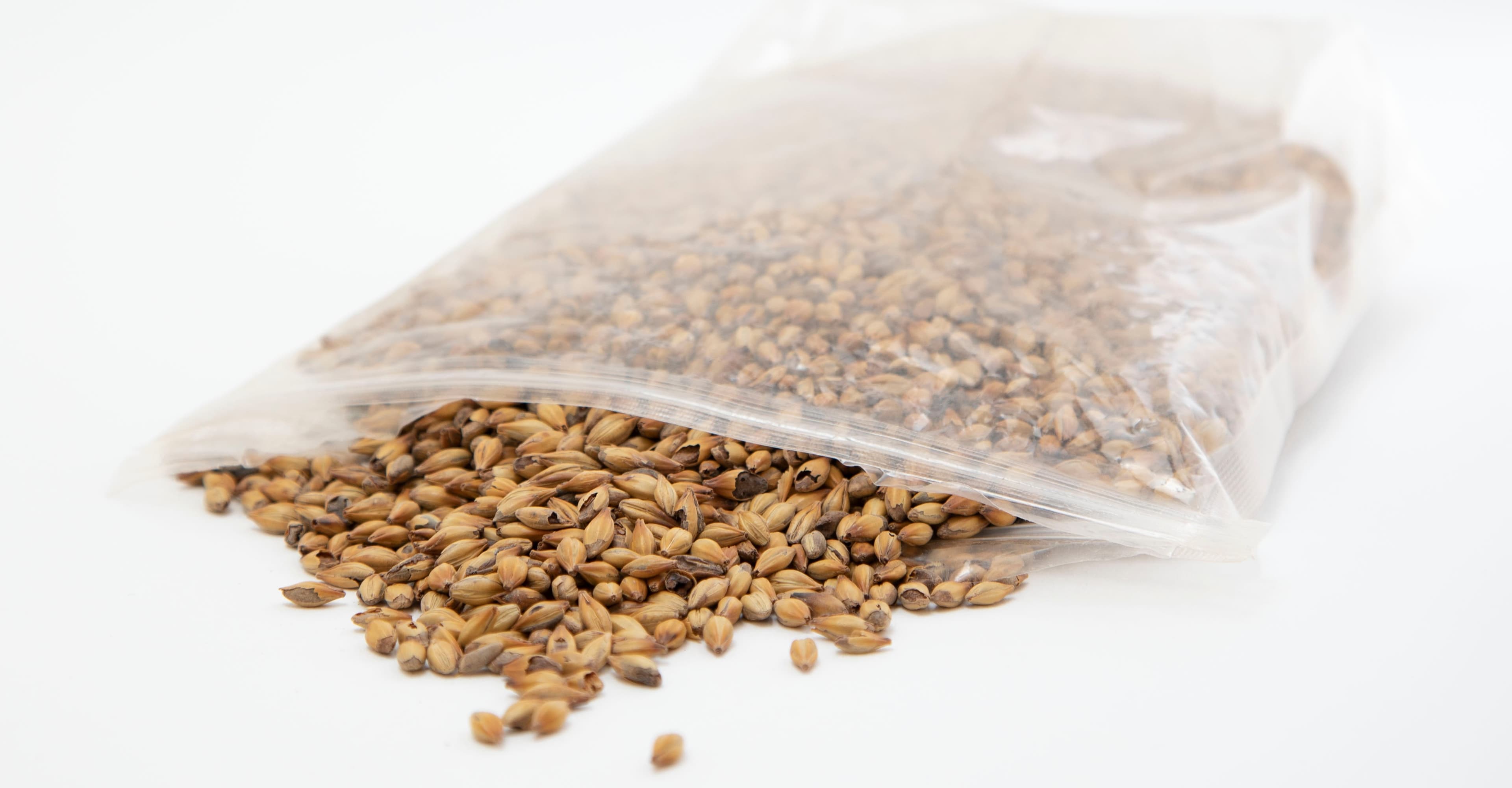
To avoid being overwhelmed by all the options, try focusing on a manageable subset of grain—crystal (aka caramel) malts. Using the mini-batch (1 gallon/3.8 liters) method, we demonstrate how you can learn to distinguish among the types of crystal malt.