Editors’ Picks: Fresh Ingredients
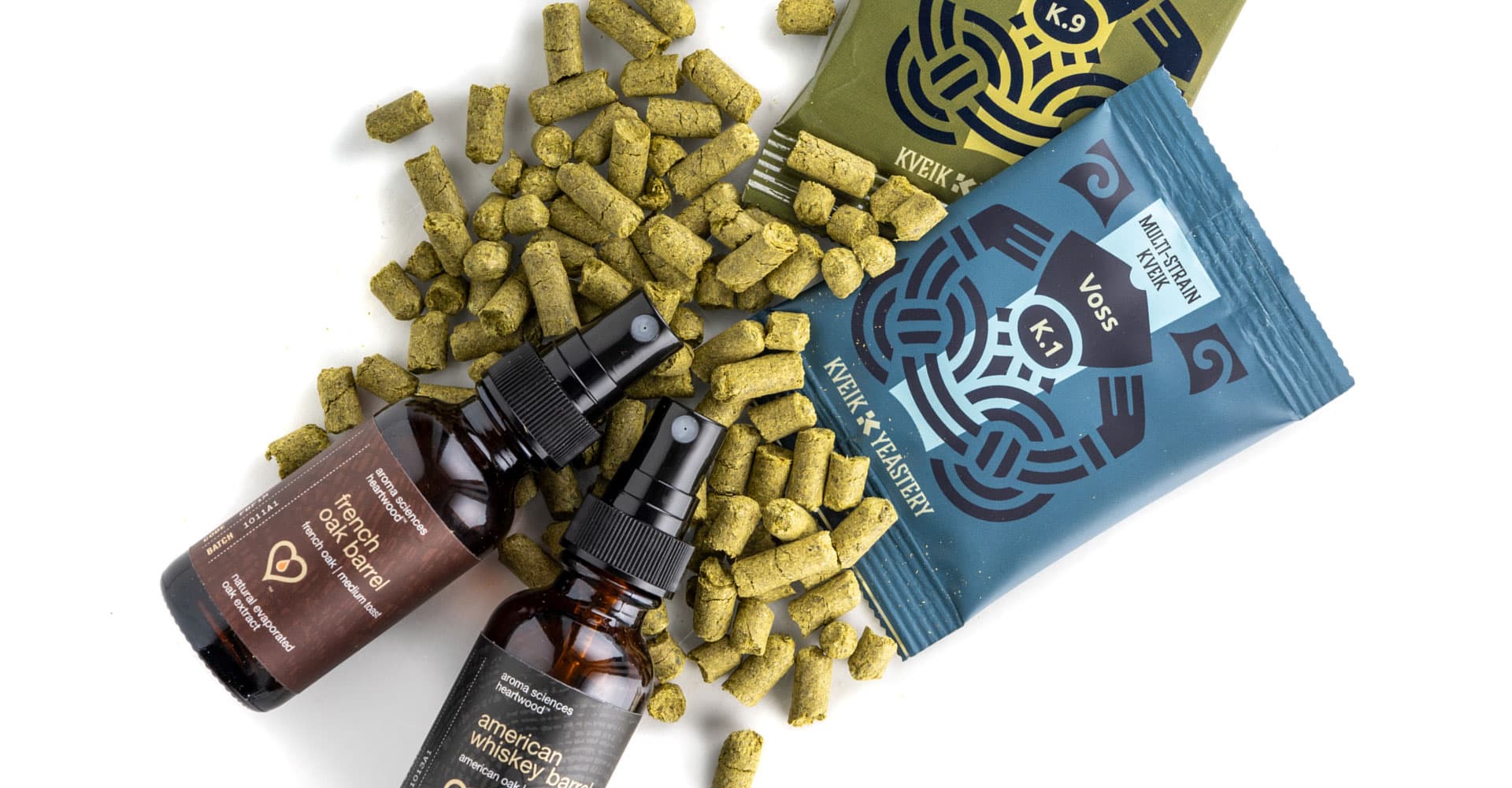
Looking for something fresh to give your beers an edge? Check out these new yeasts, hops, and flavor extracts.
18 articles in this category

Looking for something fresh to give your beers an edge? Check out these new yeasts, hops, and flavor extracts.

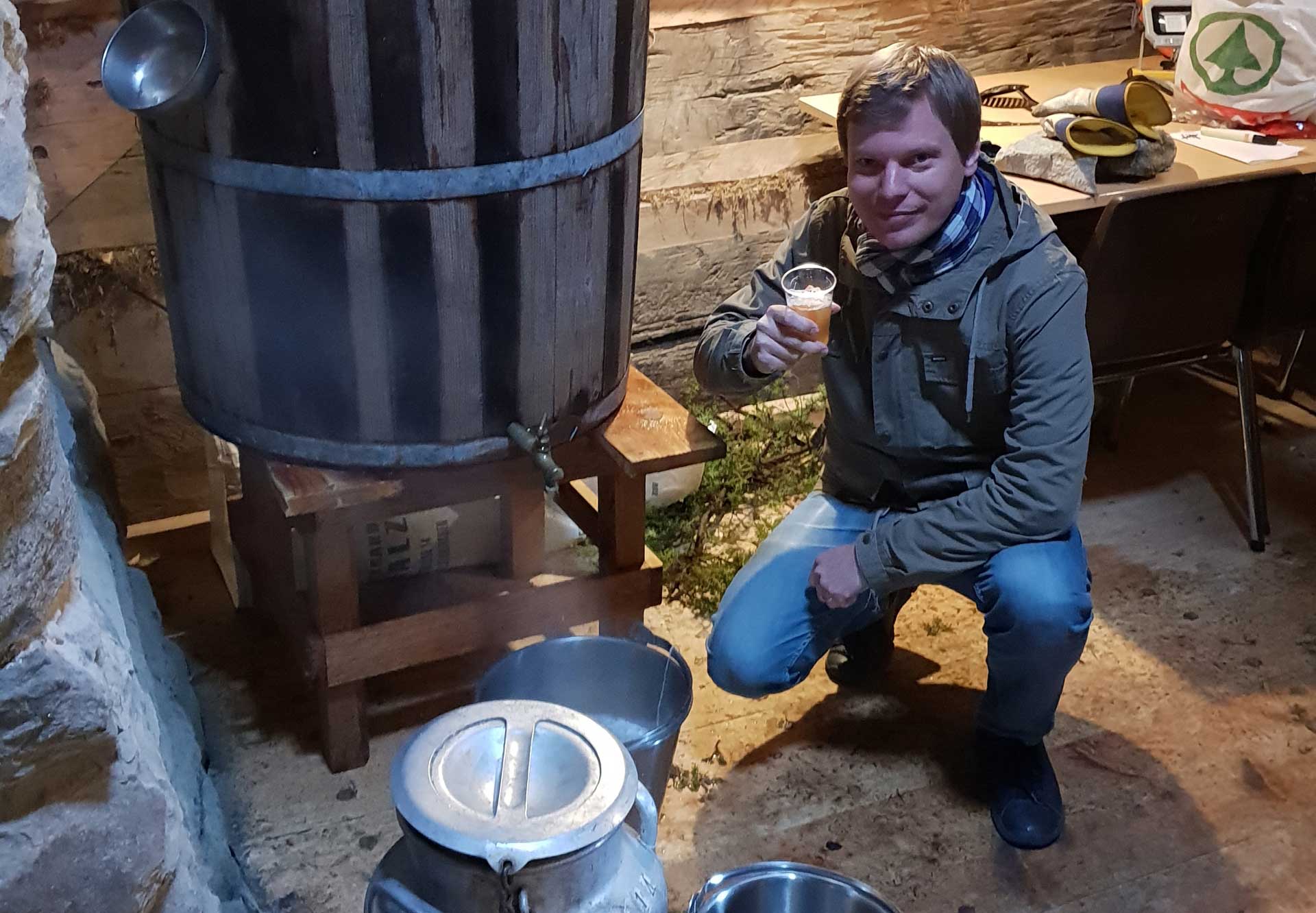
The first and most established traditional Norwegian-style heimabrygg in the Western Hemisphere is a beer called L’Oeil du Mouton, brewed since 2016 in Saint-André-de-Kamouraska, Quebec, on the banks of the St. Lawrence River. At the Microbrasserie Tête d’Allumette, owner-brewer Martin Desautels explains their methods and inspiration.

Long to mash and boil yet quick to ferment, these robust, juniper-tinged, barleywine-strength ales represent a farmhouse tradition worth celebrating—and you can raise a glass just a few days after brewing.

From remote Setesdal, Norway, Torkjel Austad launched his Bygland Bryggeri so that more drinkers could experience those hard-to-find traditional farmhouse ales. Here, he explains how it happened—and shares practical tips for brewing your own.

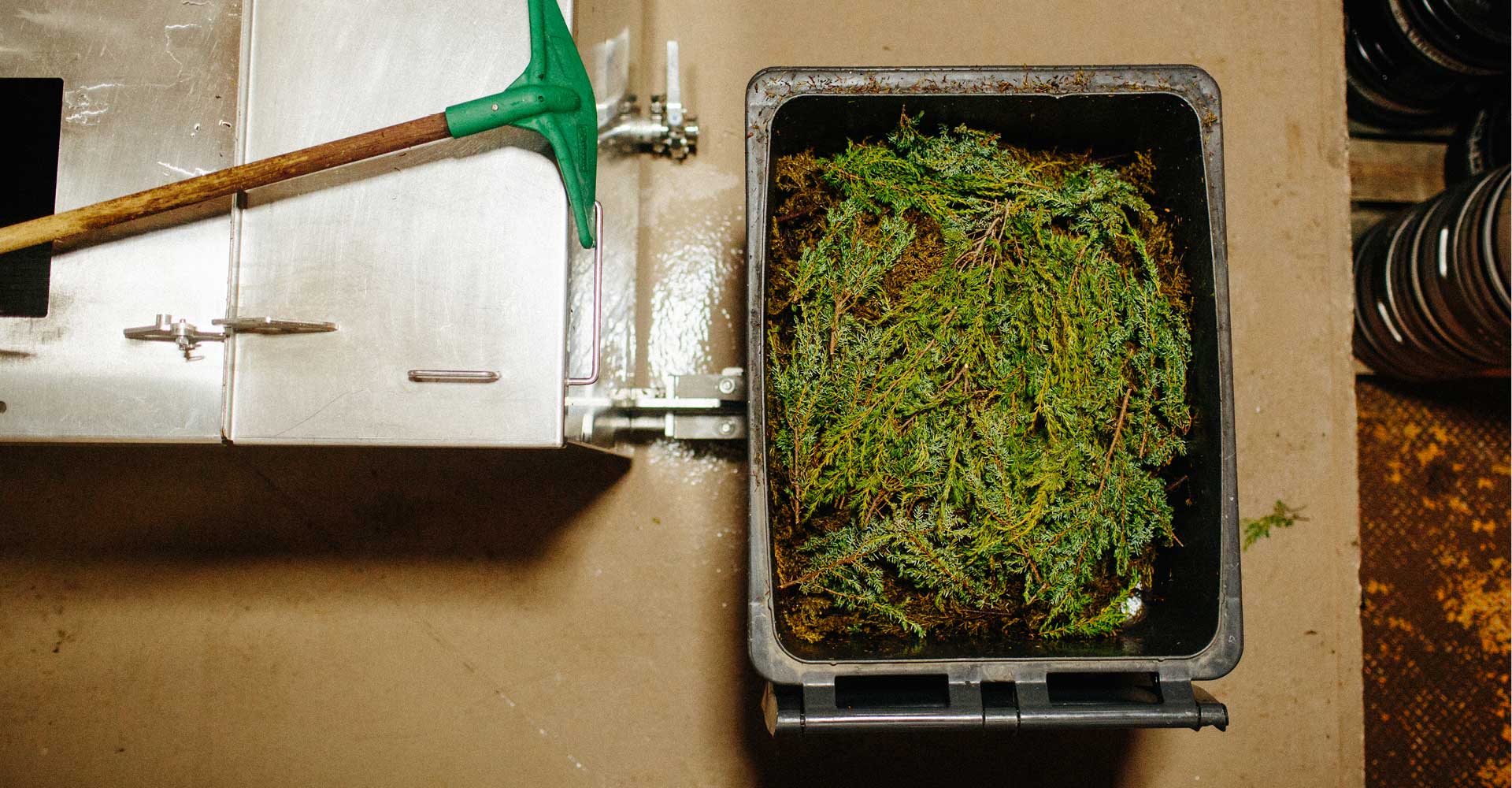
From the stark, isolated valleys of western Norway, this traditional farmhouse beer brings together juniper and kveik while skipping the boil. (The yeast scream is purely optional.)

In various places around the world, brewers are choosing to limit their choices and root their beer in its place. In the first part of a triptych, here’s a look at Norway’s Eik & Tid and its kveik-fermented, oak-aged, mixed-culture raw ales.

The Oslo-based author and researcher of heirloom yeasts and traditional brewing techniques talks about game-changing kveik, lost farmhouse beer styles, and more.

For once, forget about planning every little detail and trying to dial everything in. (How often does that work, anyway?) Have fun, throw together some under-loved ingredients, and brew yourself a monster.

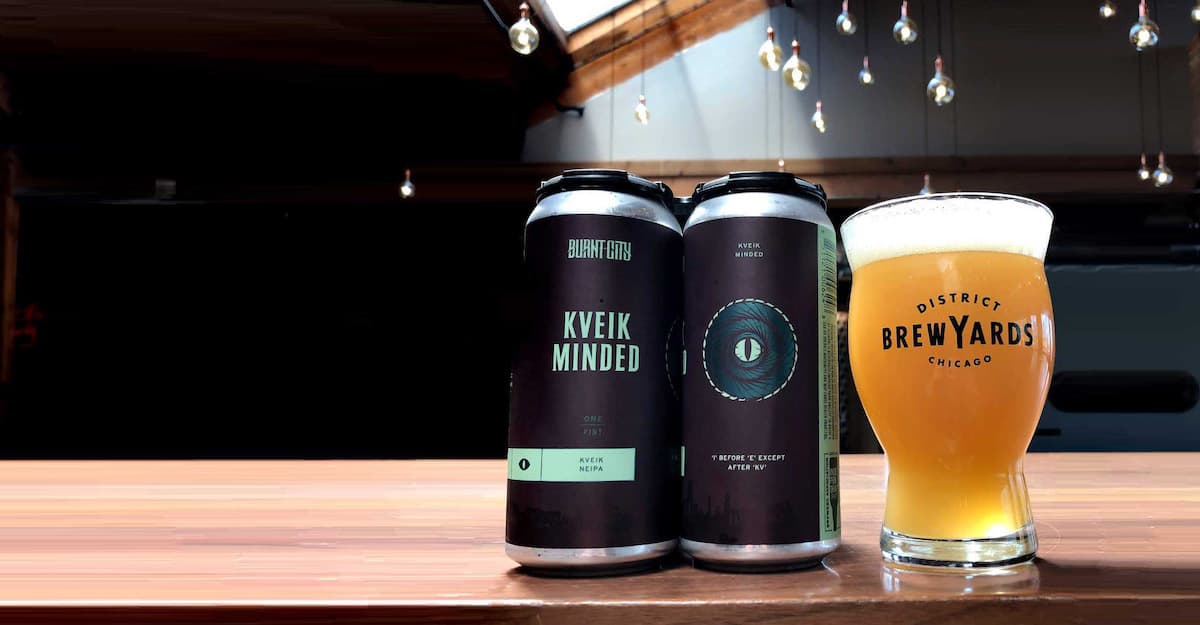
When following this recipe based on a kveik-fermented IPA from Chicago’s Burnt City Brewing, don’t leave out the most crucial step: the gjærkauk, i.e., screaming loudly while pitching the yeast, to scare the ghosts away.

Ben Saller, head brewer and cofounder of Burnt City Brewing in Chicago, has used kveik to ferment a range of styles. Here he explains its flexibility, while also keeping its traditional origins firmly in mind.

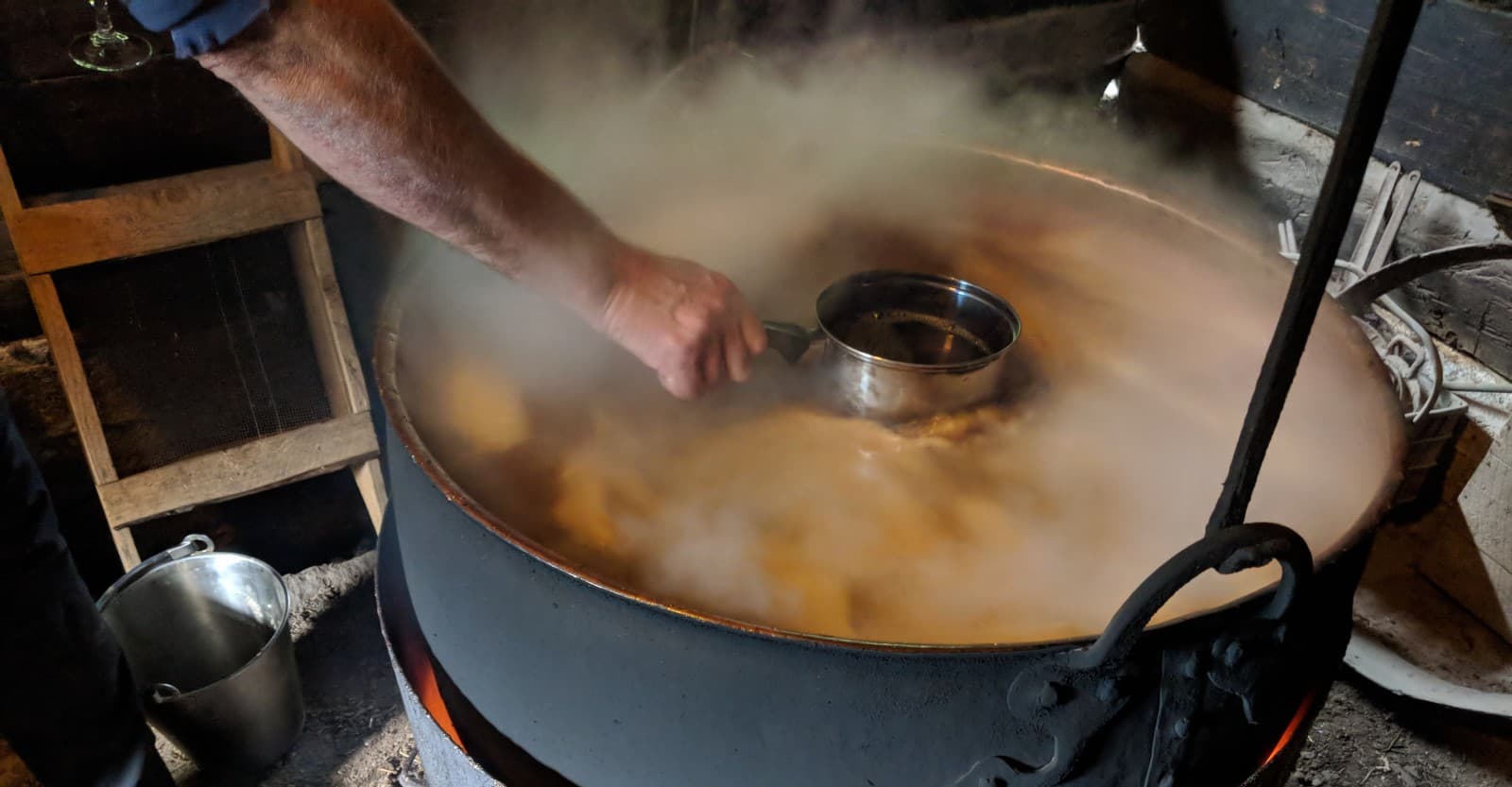
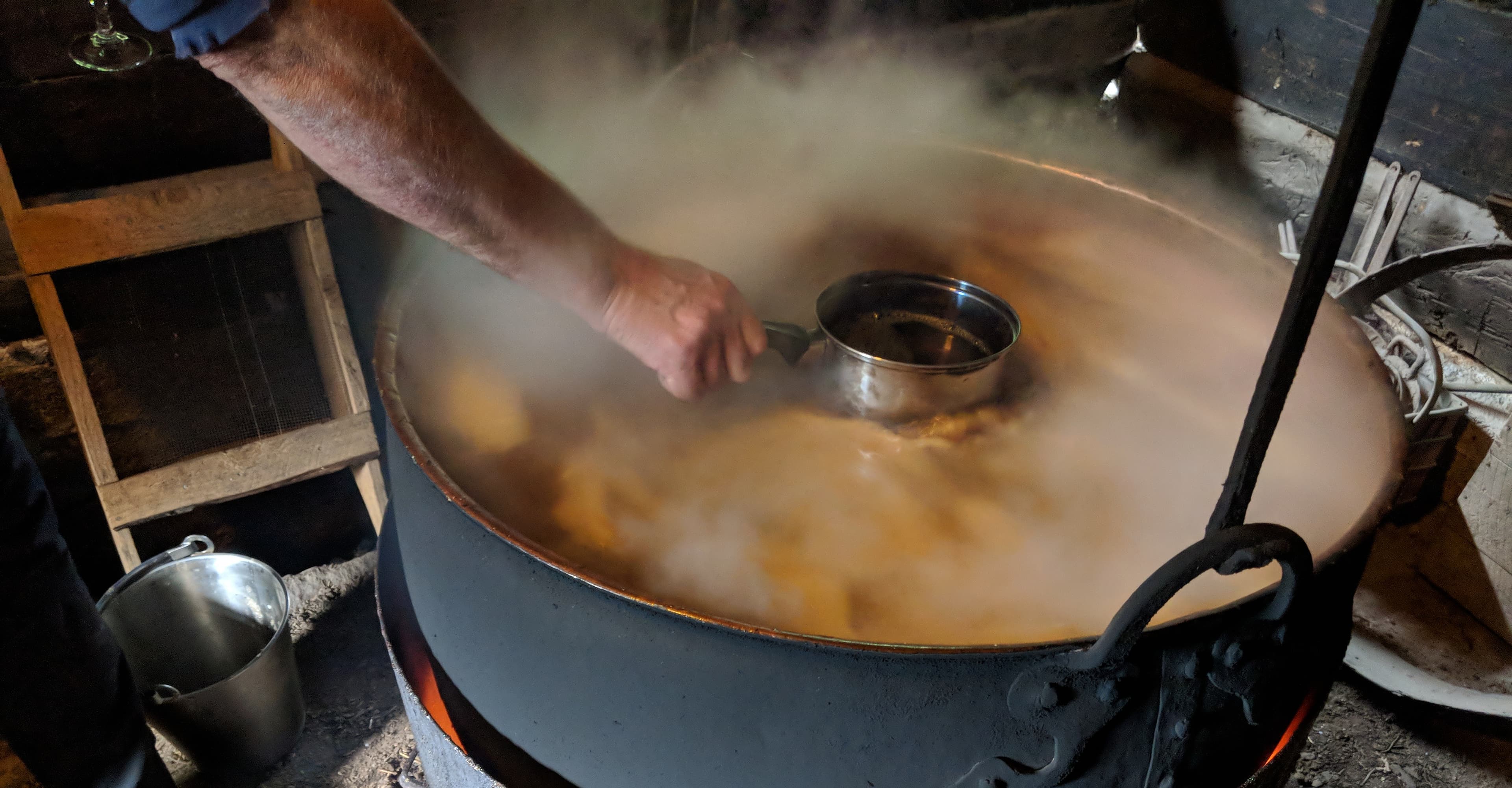
This recipe is based on the strong heimabrygg—or boiled ale—homebrewed in the Dyrvedalen valley of Norway’s Voss region. It includes juniper branches, a long boil, and warm fermentation with the increasingly available Voss kveik.

The world’s brewers have had a few years now to play with the unusual, high-performing, previously little-known heirloom yeasts from Norway. So, what have we learned about what they can do?

Here is our review of the new book by Lars Marius Garshol, whose research on traditional kveik, raw beer, and other traditional techniques has shifted the paradigm on farmhouse brewing.

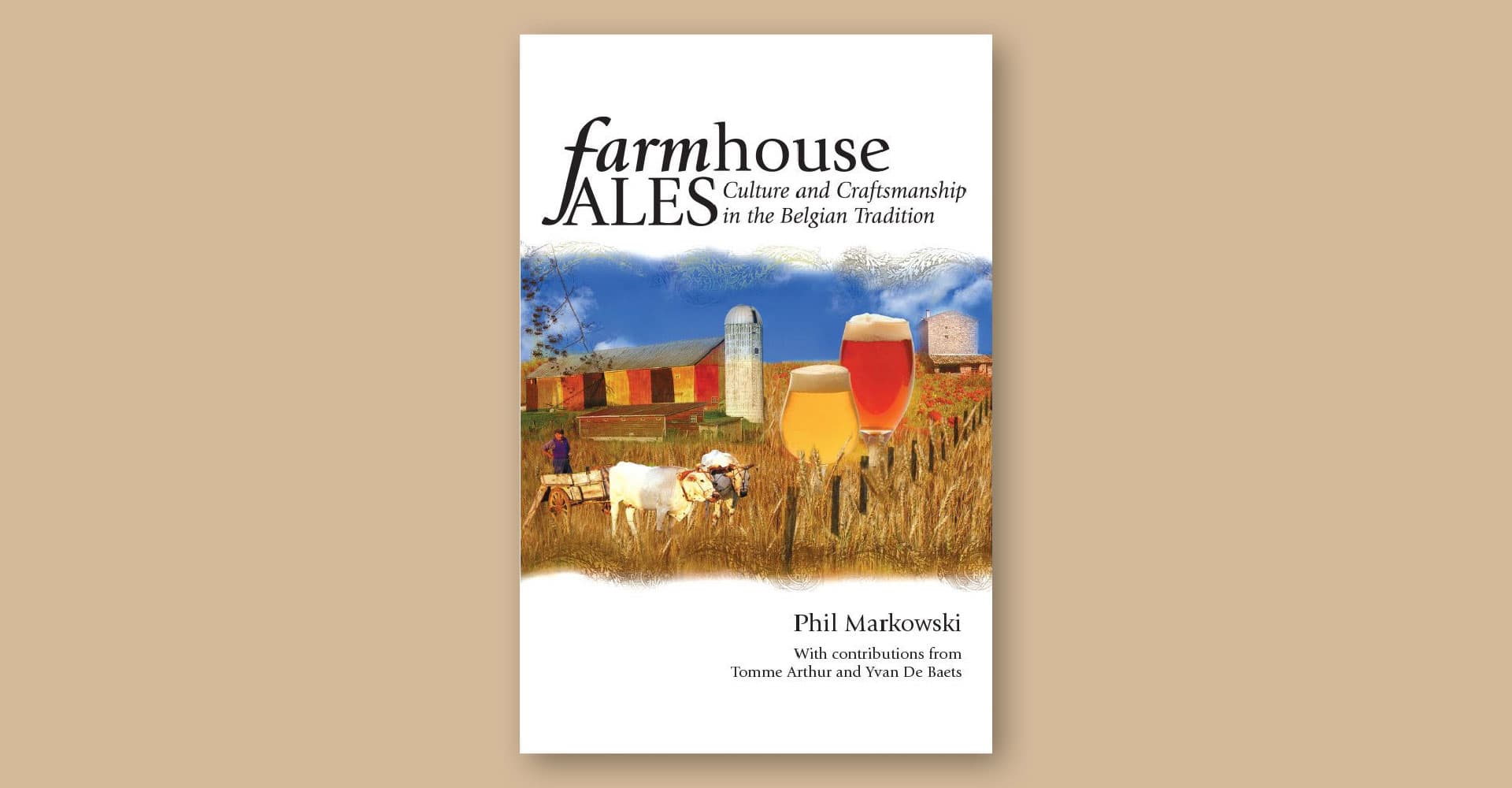
Phil Markowski, cofounder and brewmaster of Two Roads Brewing in Stratford, Connecticut, wrote the book on farmhouse ales. Here he looks back on that influential work, pondering the expanding universe of knowledge about farmhouse brewing.

Doesn’t seem like that long ago that we could count the types of dry yeast available on two hands. However, recently, some new and unusual types of dry yeast have arrived to give brewers some versatility.

It’s time to discover these Norwegian farmhouse yeasts that have been honed over centuries and really showcase what you can do with the original Norwegian farmhouse-brewing methods.

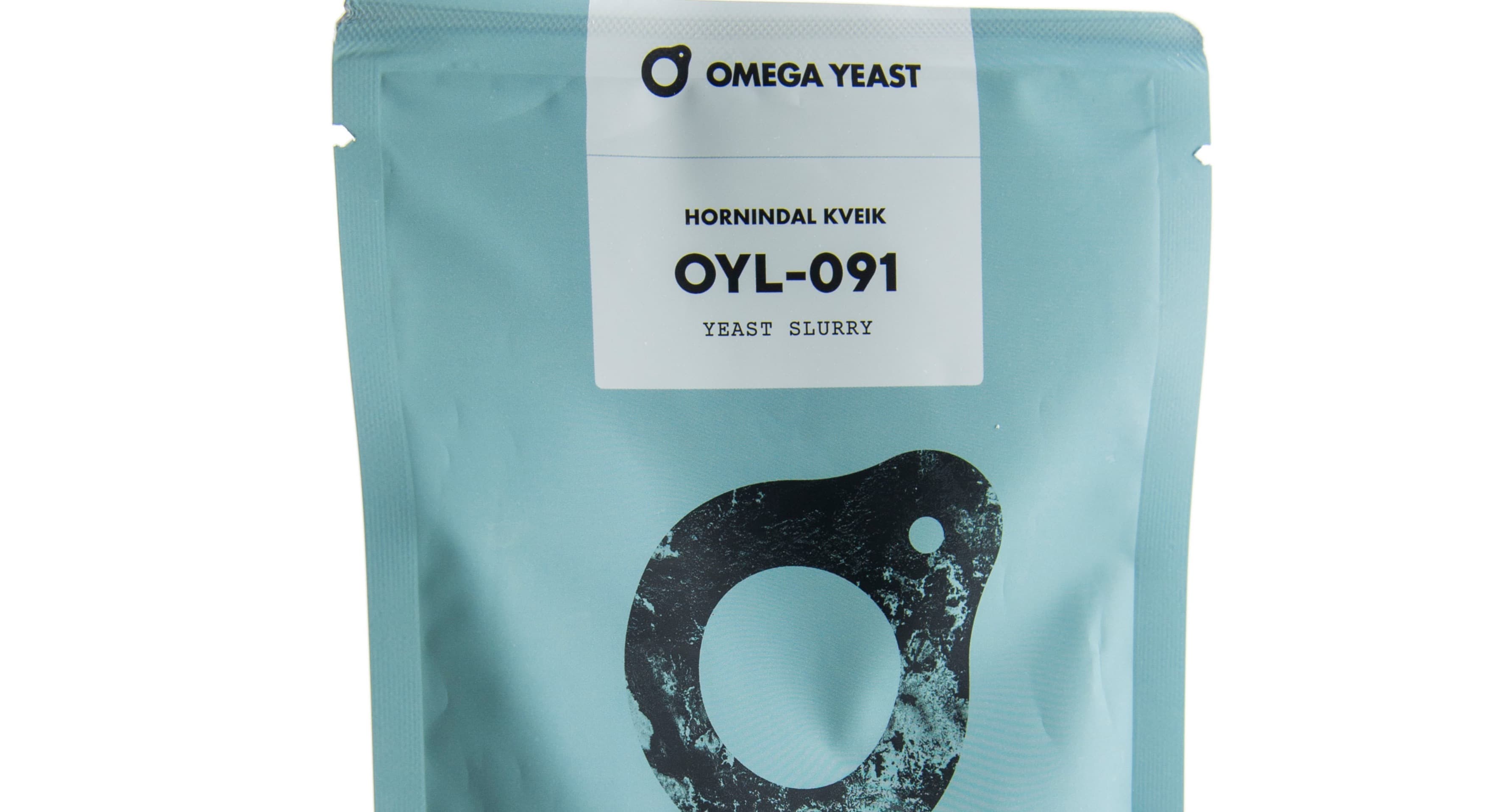
This soft and hazy IPA from Mikkeller San Diego was designed to mesh with the fruit flavors generated by the Hornindal kveik yeast strain.

The speed and temperature flexibility of kveik yeasts make them attractive to commercial brewers, and many, like Daniel Cady of Mikkeller San Diego have begun experimenting with them across a range of styles beyond just “farmhouse” ales.