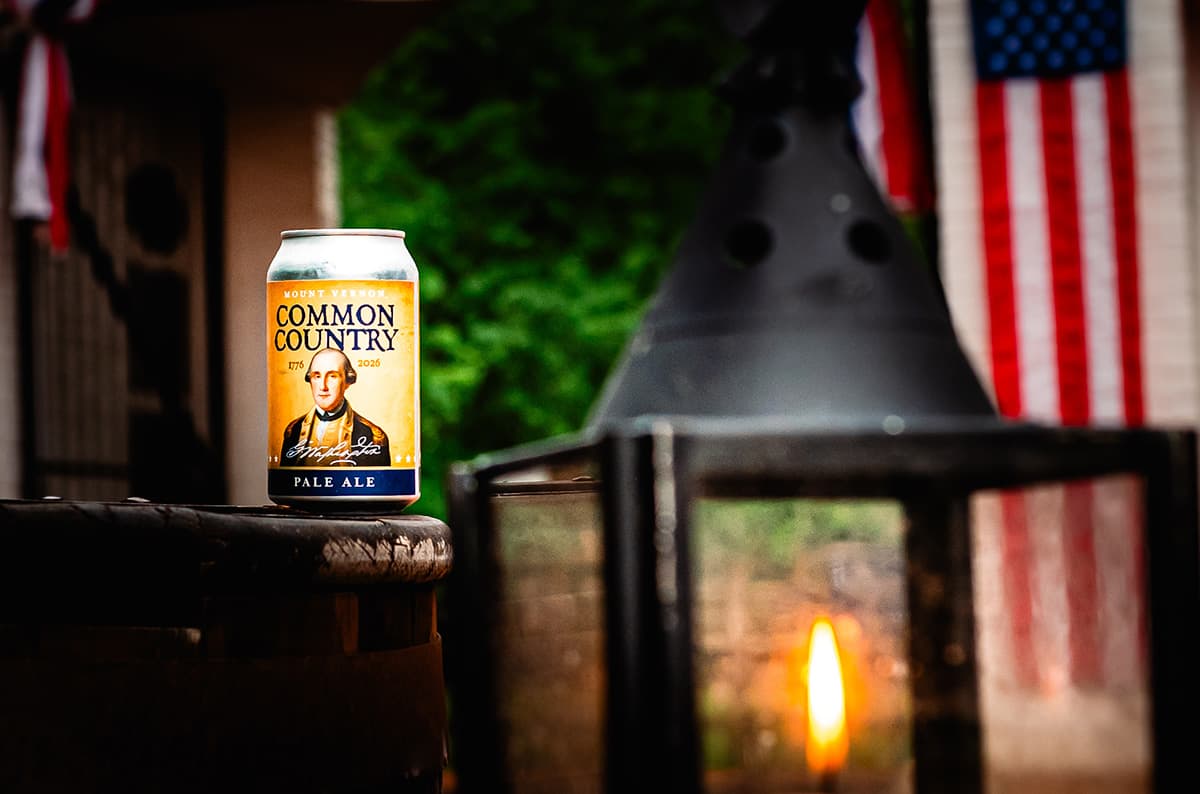
Recipe: Washington’s Common Country Ale
Subscriber
This colonial-era pale ale recipe—a collaboration with Mount Vernon to celebrate the 250th anniversary of the Declaration of Independence—takes a page right out of Martha Washington’s cookbook.

20 articles in this category
This colonial-era pale ale recipe—a collaboration with Mount Vernon to celebrate the 250th anniversary of the Declaration of Independence—takes a page right out of Martha Washington’s cookbook.
As a way to illustrate the methods that go into one of the world’s oldest surviving brewing traditions—including wind-dried malt, foraged hops, and a boiled mash—here’s a recipe for aludi, the farmhouse ale from Georgia’s highlands.
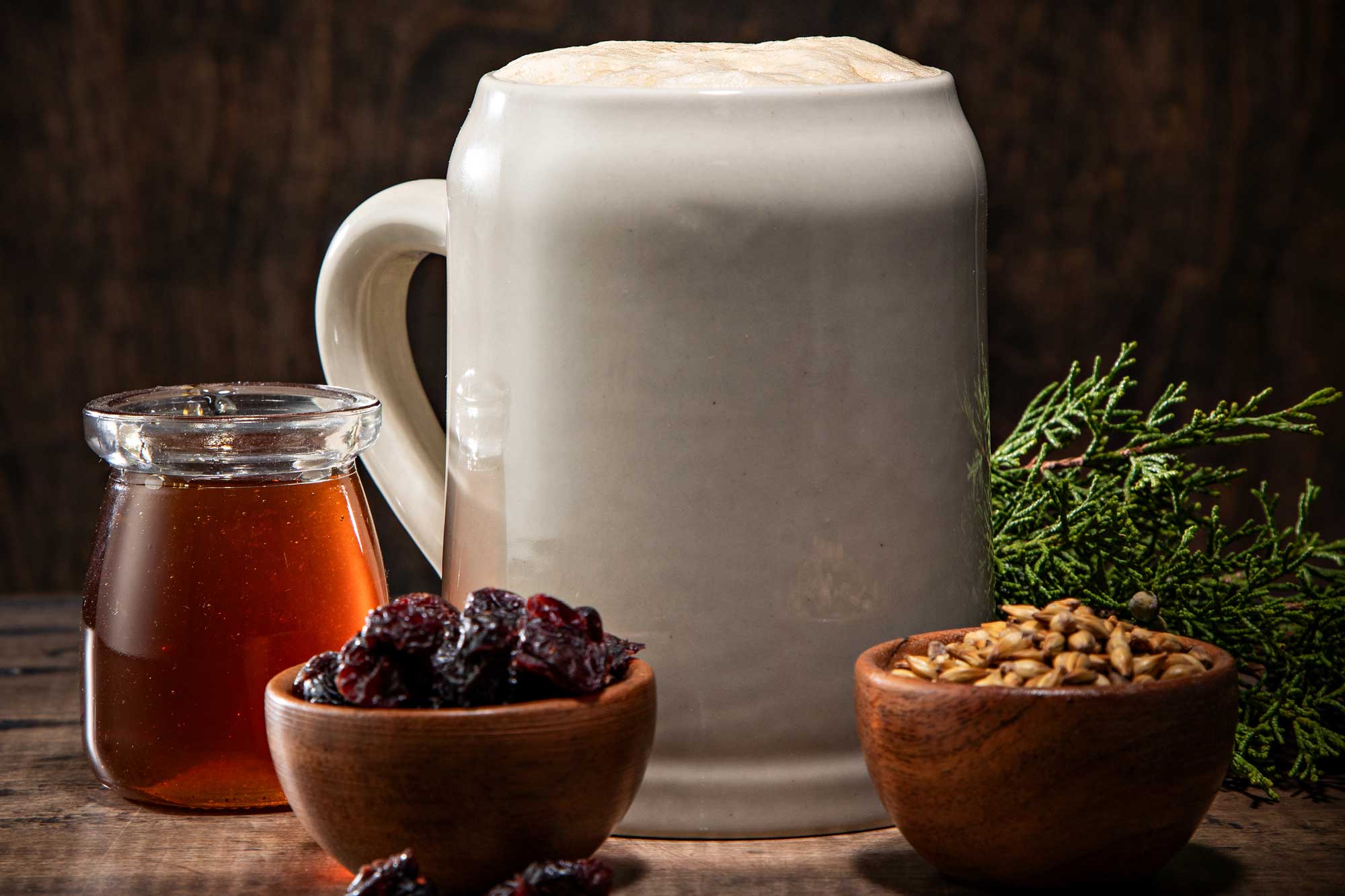
With conjecture based on archaeological findings, here’s a recipe for a mixed grog—in this case, an ale that includes herbs, honey, and fruit—of the sort that well-to-do, Bronze Age Danes might have enjoyed on special occasions and then (literally) taken to their graves.
There’s much we don’t know, but the archaeological finds of ancient Nordic beverages point to beer, mead, and wine—and to hybrids of all three—as the status beverages of the rich and powerful.
This modern take on a Kentucky common comes from a collaboration between Bluejacket and DC Beer, a website that’s been covering the Washington, D.C., beer scene for more than a decade.
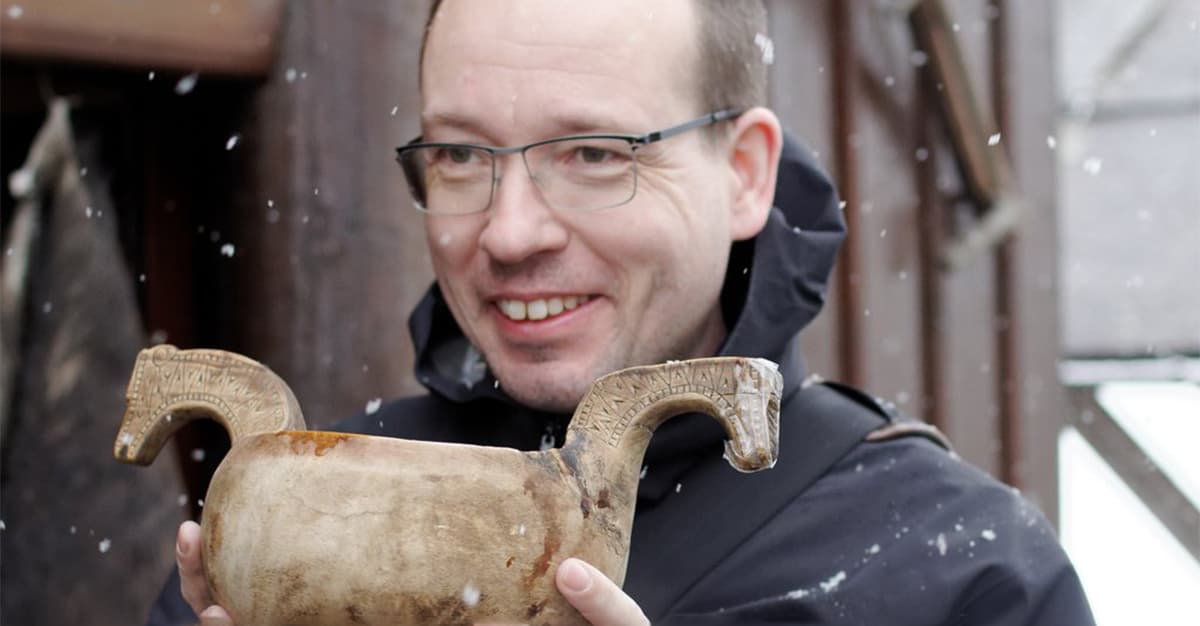
Featuring hot stones in the mash, juniper, bog myrtle, and some smoke, this strong farmhouse ale may resemble what the commoners of eastern Norway brewed to celebrate Yule during the Viking Age.
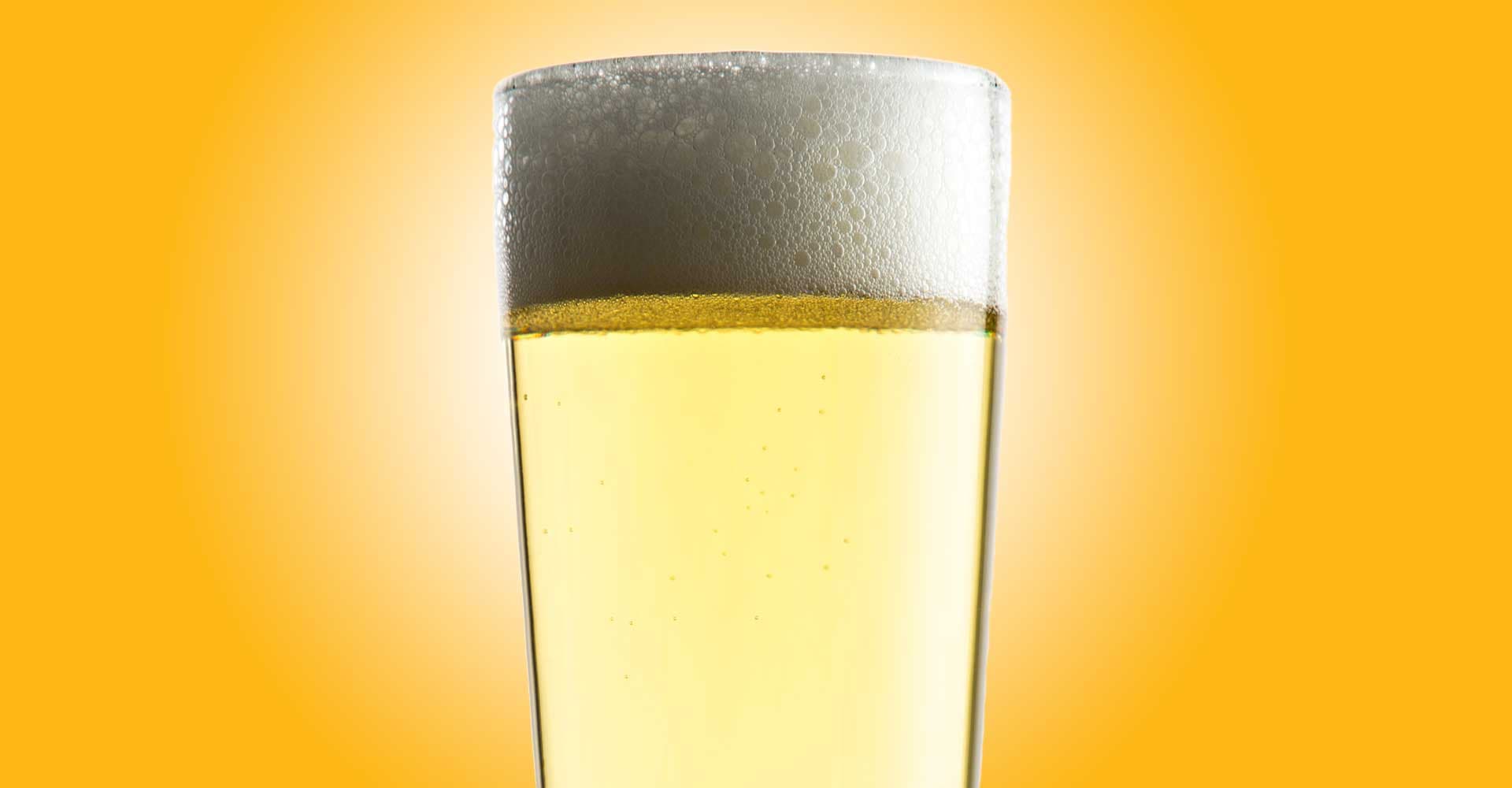
Oak-smoked wheat malt drives the character of this Polish-style quaffer, which—when brewed well—is as refreshing on a warm day as it is appropriate next to an autumn bonfire.
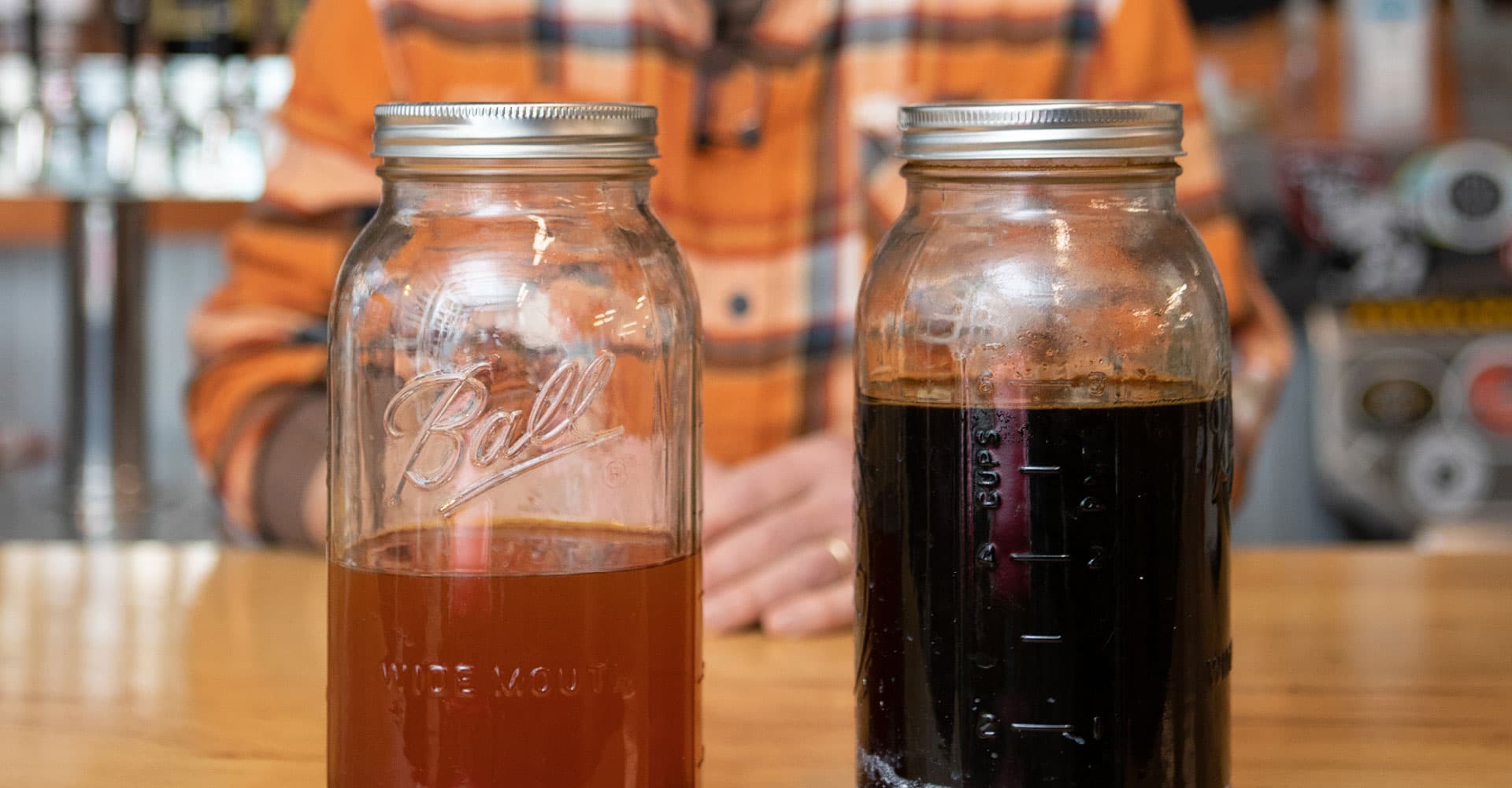
At Zebulon Artisan Ales in Weaverville, North Carolina, cofounder and brewer Mike Karnowski nurtures a special interest in historically rooted beers. Here, he turns back the clock on a key ingredient used in many traditional British ales—and he shares an elegant way to make your own invert sugar in the brewhouse.
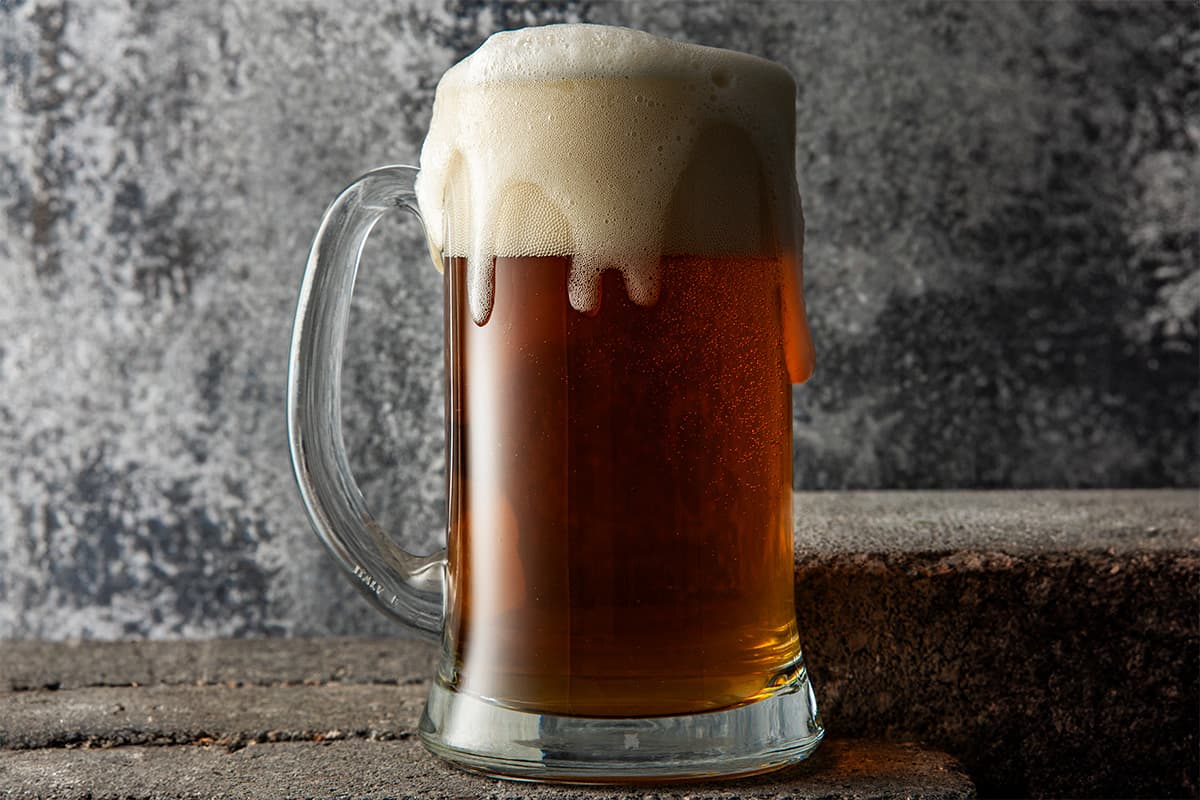
Want to take a stab at a 16th century ale brewed with malted oats? This recipe is closely based on the one that historians recently re-created using Dublin Castle records that date to 1574.
From sourcing old-fashioned ingredients to aiming for authentic flavor, Our Mutual Friend head brewer Jan Chodkowski outlines an approach to brewing historically inspired beers in a modern craft brewery.

Jan Chodkowski, head brewer and co-owner of Denver’s Our Mutual Friend, outlines his approach to brewing historically inspired, highly drinkable, smoke-forward beers.
You don’t need a traditional Finnish kuurna to brew this typical sahti, made with barley malt, a bit of dark rye, and a kiss of juniper—any modern brewing kit can do the job.
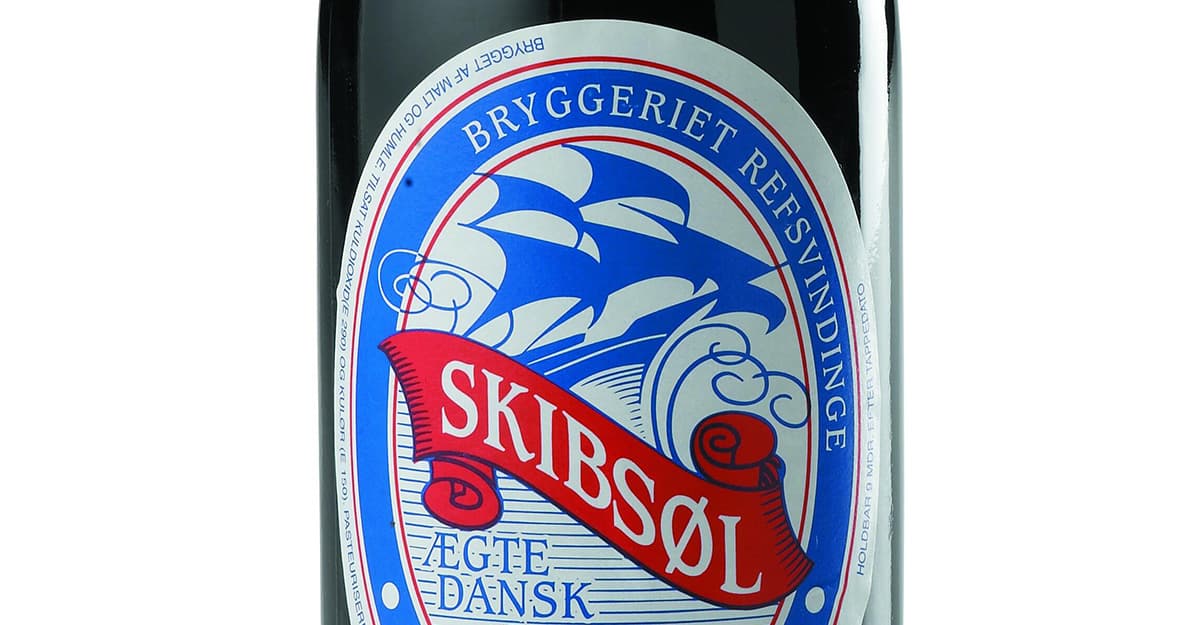
For those willing to take on a dark, low-strength, smoked beer, this historic Danish style may be the way to go. Yet there’s a question you must answer for yourself: How traditional do you want to make it?
As one of the very few commercial breweries in modern times to attempt a smoky “ship’s beer,” Right Proper in Washington, D.C., shares this recipe inspired by the Danish tradition.
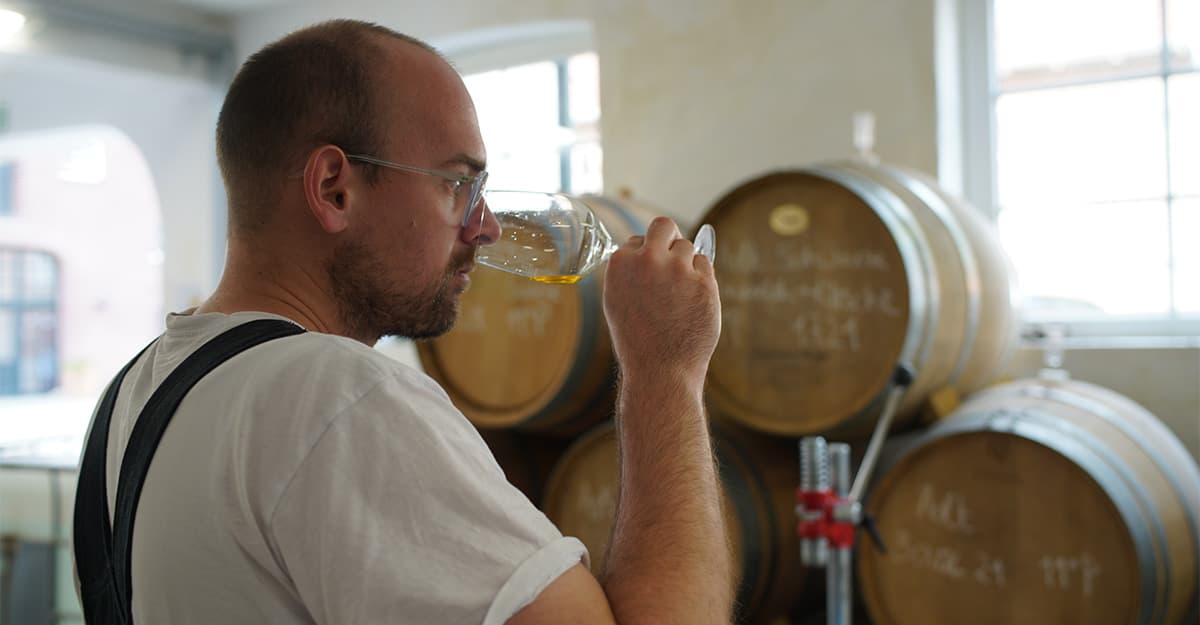
“I could buy conventional grain and save some thousands of bucks per year, but then I don’t have anything to tell,” Jan Kemker says. “I don’t know if we need to call it terroir. It’s liquid storytelling, I think.”
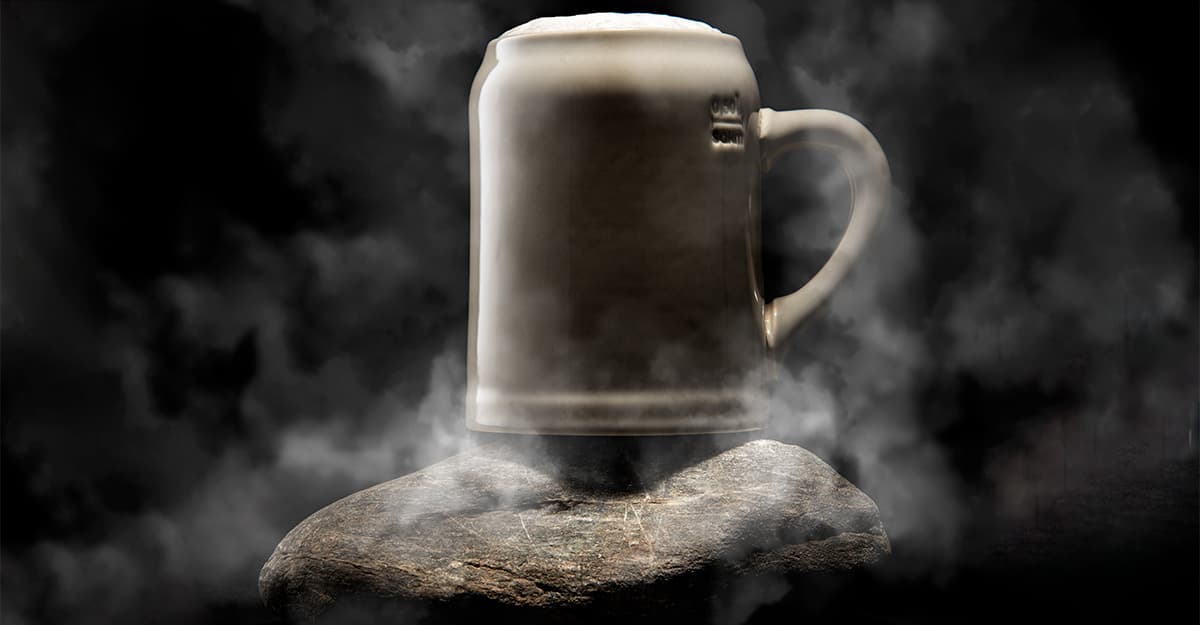
This is less a recipe and more a set of guidelines and guesses, partly inspired by the Dundulis Moko Maukas Akmeninis stone beer in Lithuania, as described by Simonas Gutautas.
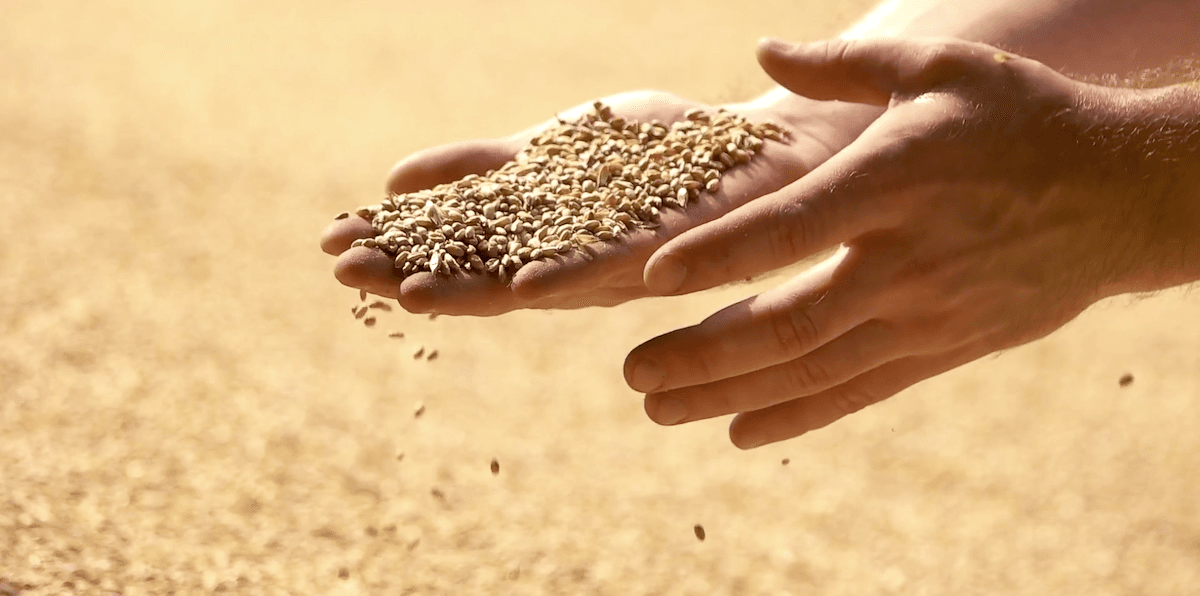
Ready for Wheat Beer School? Bluejacket head brewer Ro Guenzel connects the dots between the history of wheat and barley, their importance to civilization, and the unique properties they bring to Bavarian-style weissbier.
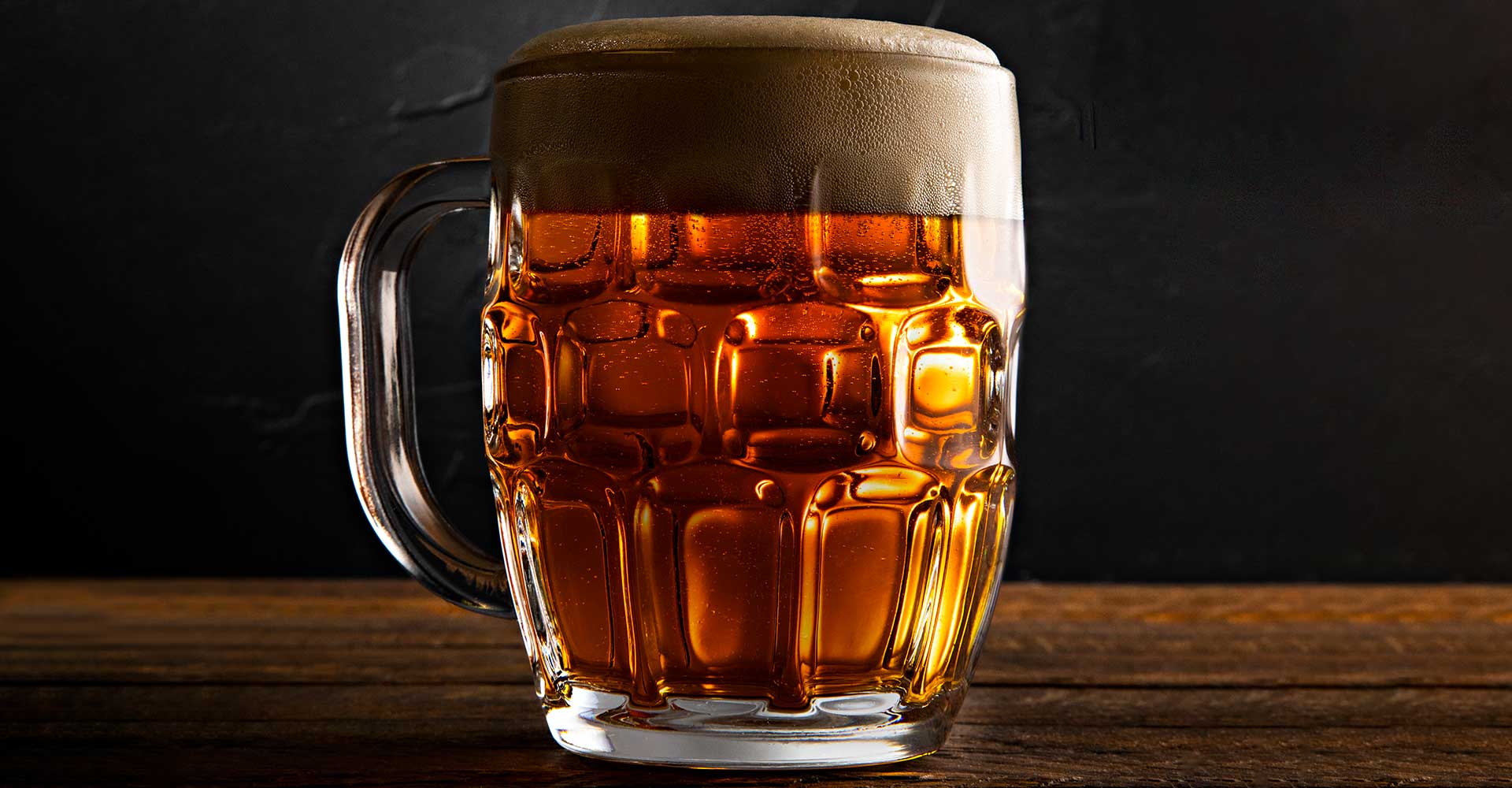
Andreas Krennmair's new book takes a detailed look at the history, ingredients, and processes of Vienna lager. Here is some of what he’s learned.
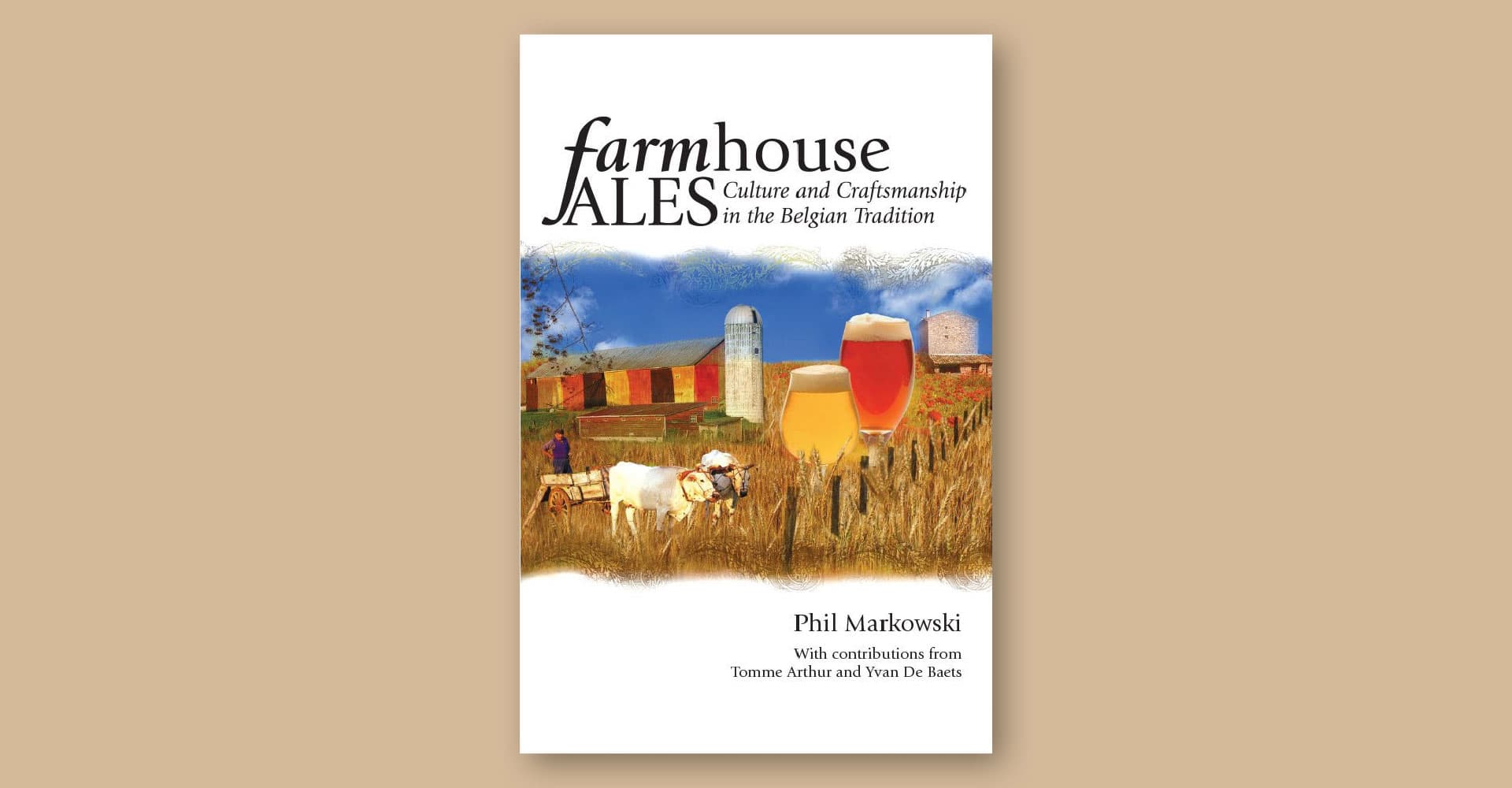
Phil Markowski, cofounder and brewmaster of Two Roads Brewing in Stratford, Connecticut, wrote the book on farmhouse ales. Here he looks back on that influential work, pondering the expanding universe of knowledge about farmhouse brewing.

From bespoke historical beer recipes to a thing that turns your can into a cup, here are our Editors' Picks from Issue 37 (February–March 2020).