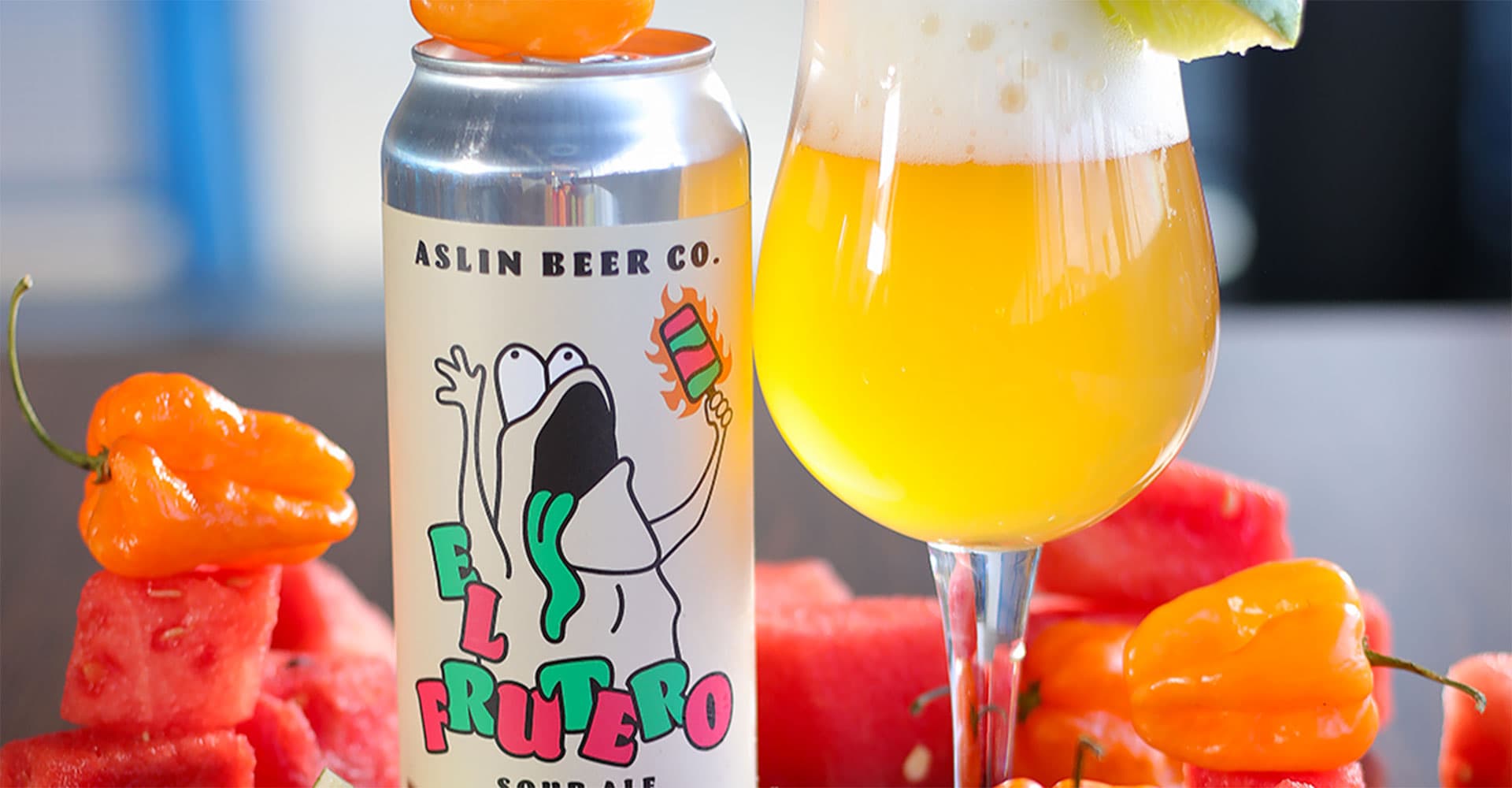
Recipe: Aslin El Frutero with Watermelon
Subscriber
From Aslin Beer in Alexandria, Virginia, here’s a homebrew-scale recipe for the watermelon version of their paleta-inspired El Frutero, featuring additions of sea salt, habañero, and lime.

20 articles in this category
From Aslin Beer in Alexandria, Virginia, here’s a homebrew-scale recipe for the watermelon version of their paleta-inspired El Frutero, featuring additions of sea salt, habañero, and lime.
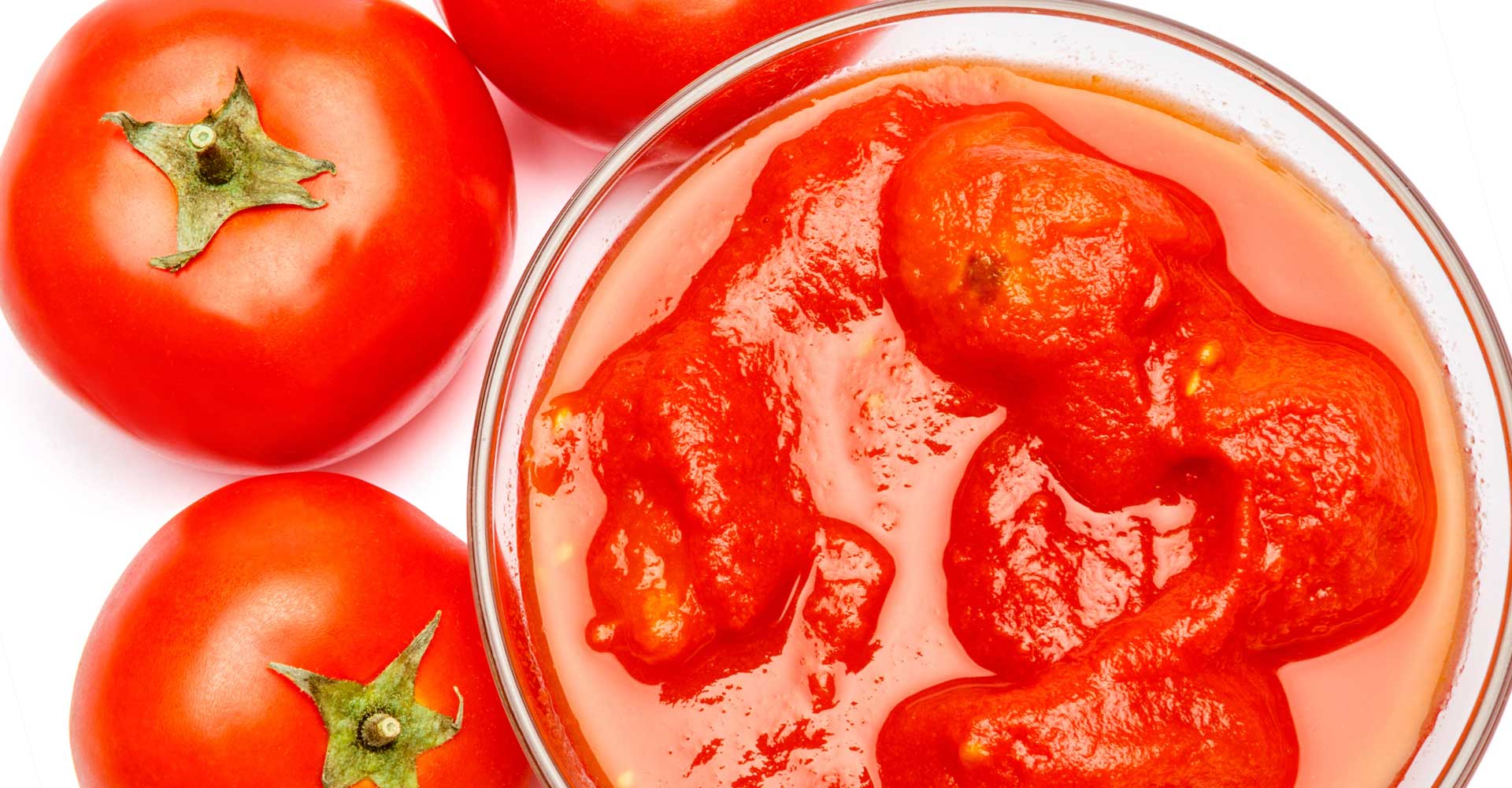
Taking the idea of a bloody beer to new heights, some Eastern European brewers have embraced a gose-based style thickened with tomato, chiles, garlic, smoke, and more. (Just add hangover.)
Developed by the team at the Barth Haas campus in Beijing, this refreshing (and convincing) nonalcoholic cucumber gose gets lactic acidification followed by fermentation with a special yeast for low-/no-alcohol beers.
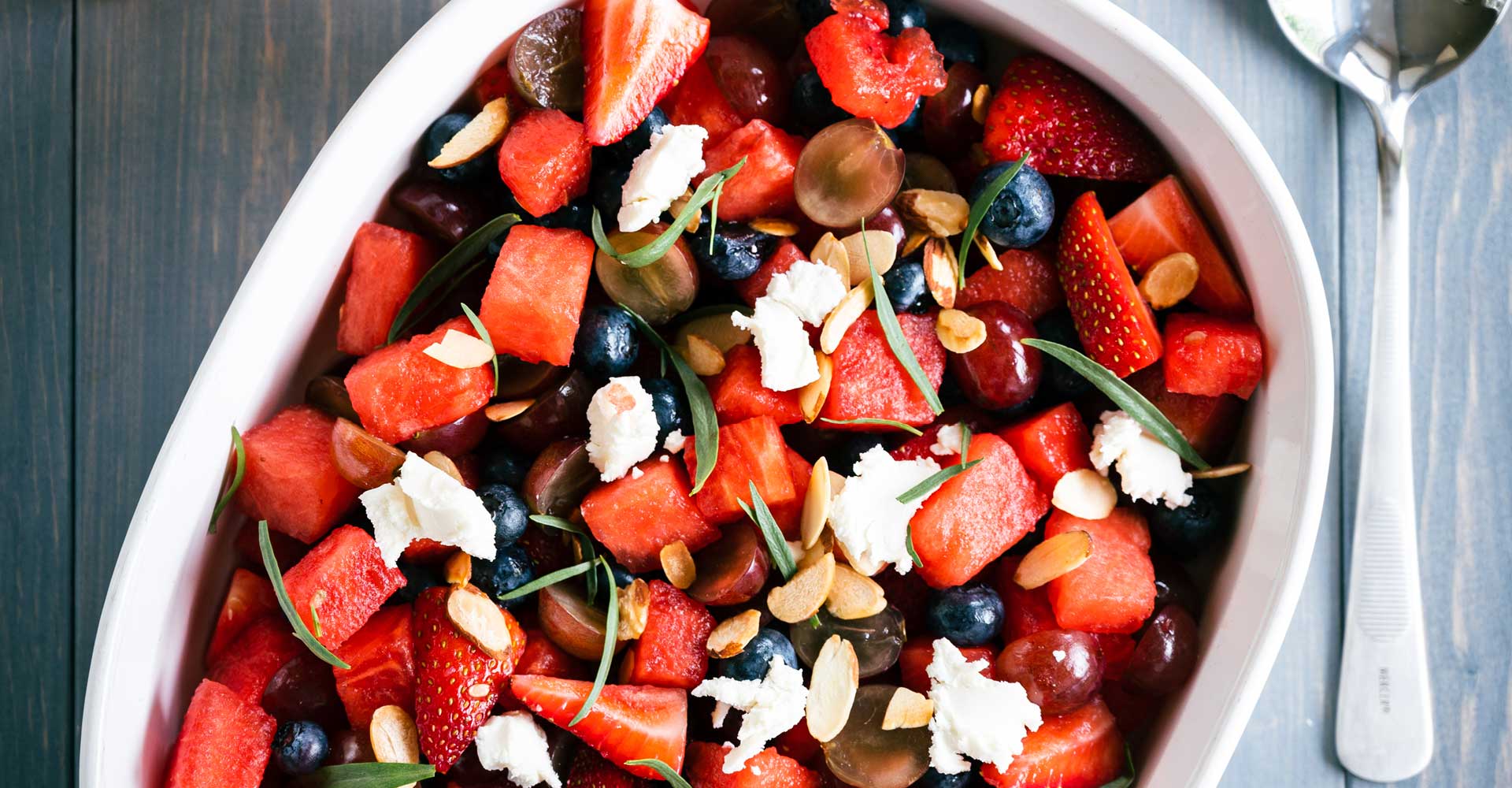
A splash of traditional Leipziger-style gose adds a bright yet earthy quality to this simple preparation for a refreshing, sweet-and-salty fruit salad. Why put the fruit in the beer when you can put the beer in the fruit?
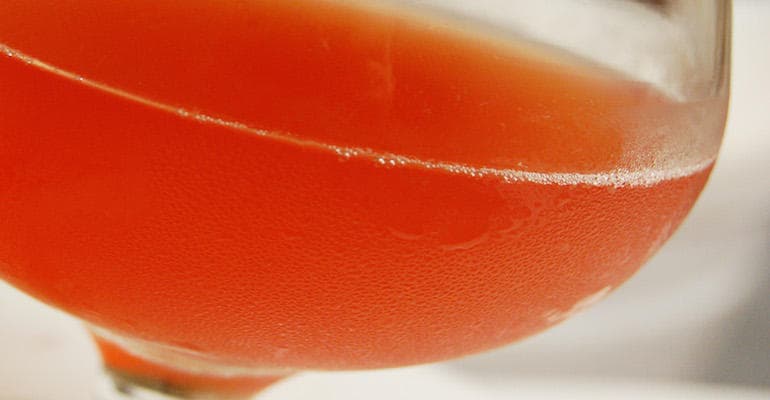
Quick, tart, and highly portable, here’s a recipe for a hibiscus gose whose kit and ingredients will easily fit into your suitcase.
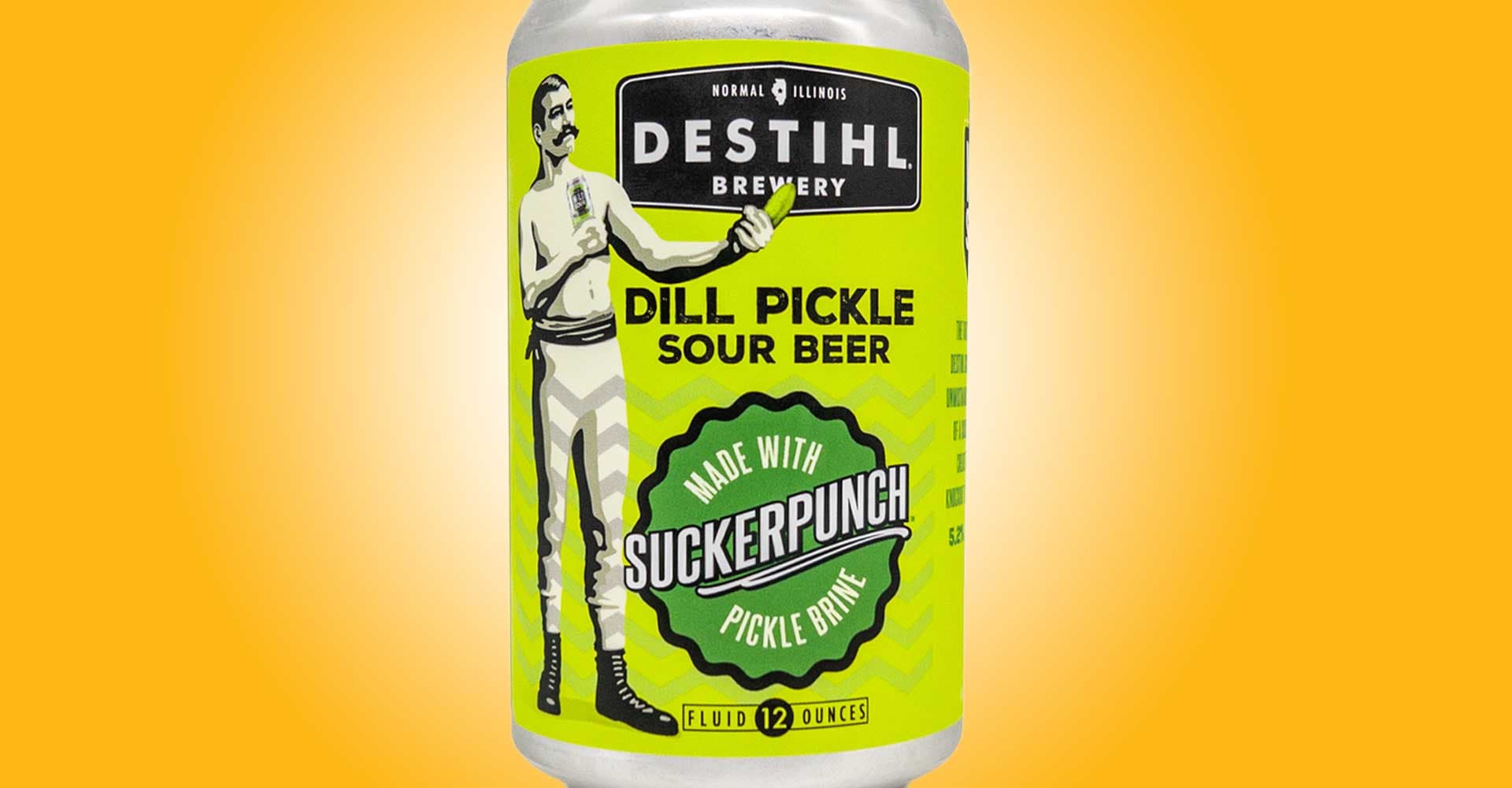
We’re grateful to head brewer Alex Albers and the team at Destihl Brewing for sharing this homebrew-scale recipe for their pickle beer—a kettle-soured gose blended with a customized version of SuckerPunch’s flavorful brine.
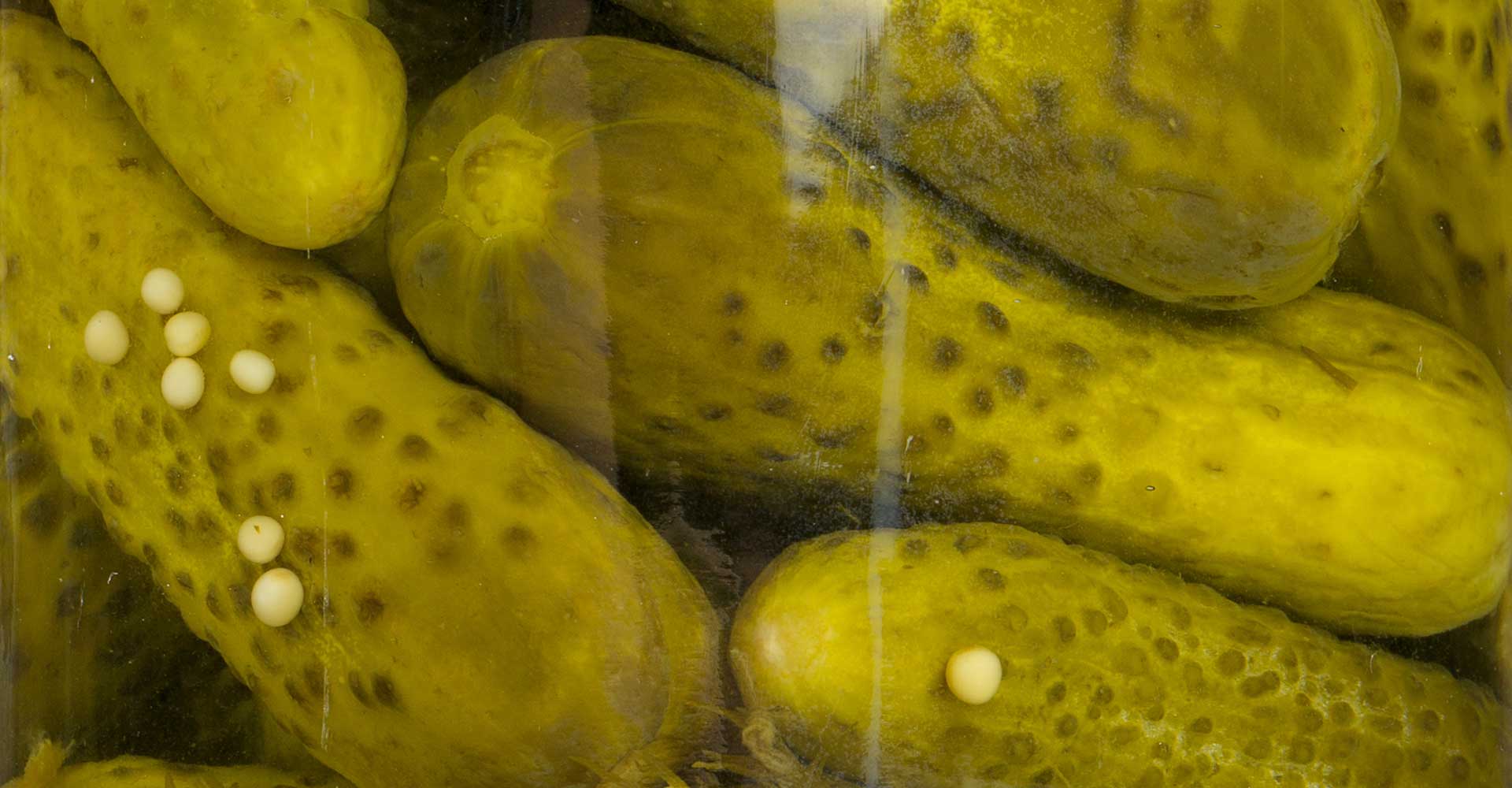
So, pickle beers are happening. What’s the big dill?
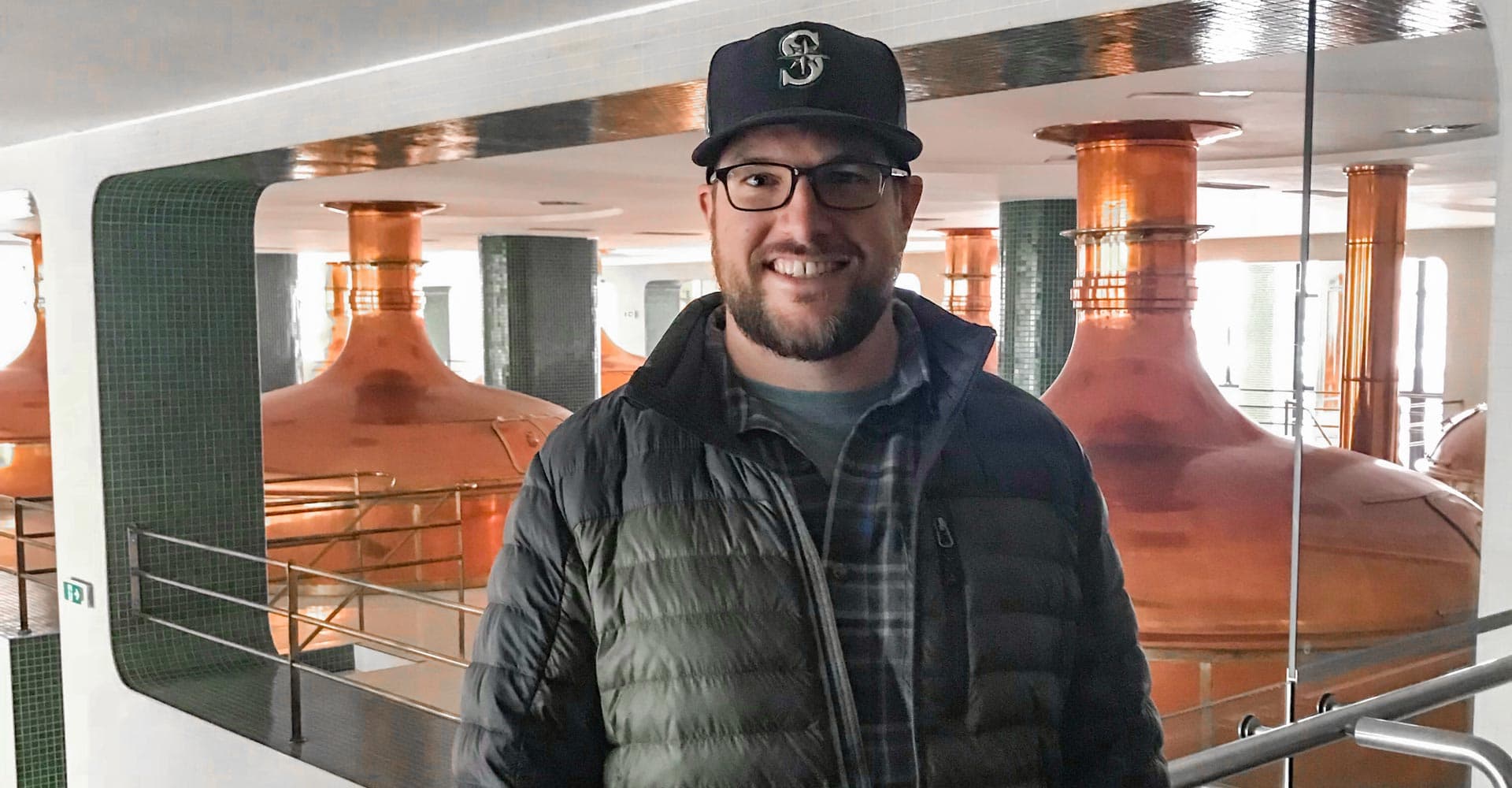
Brick West in Spokane, Washington, has quickly made a mark with its fastidious approach to brewing classic German styles. Head brewer Sam Milne shares insights on the ingredients, process, and technical considerations that make their beers so compelling.
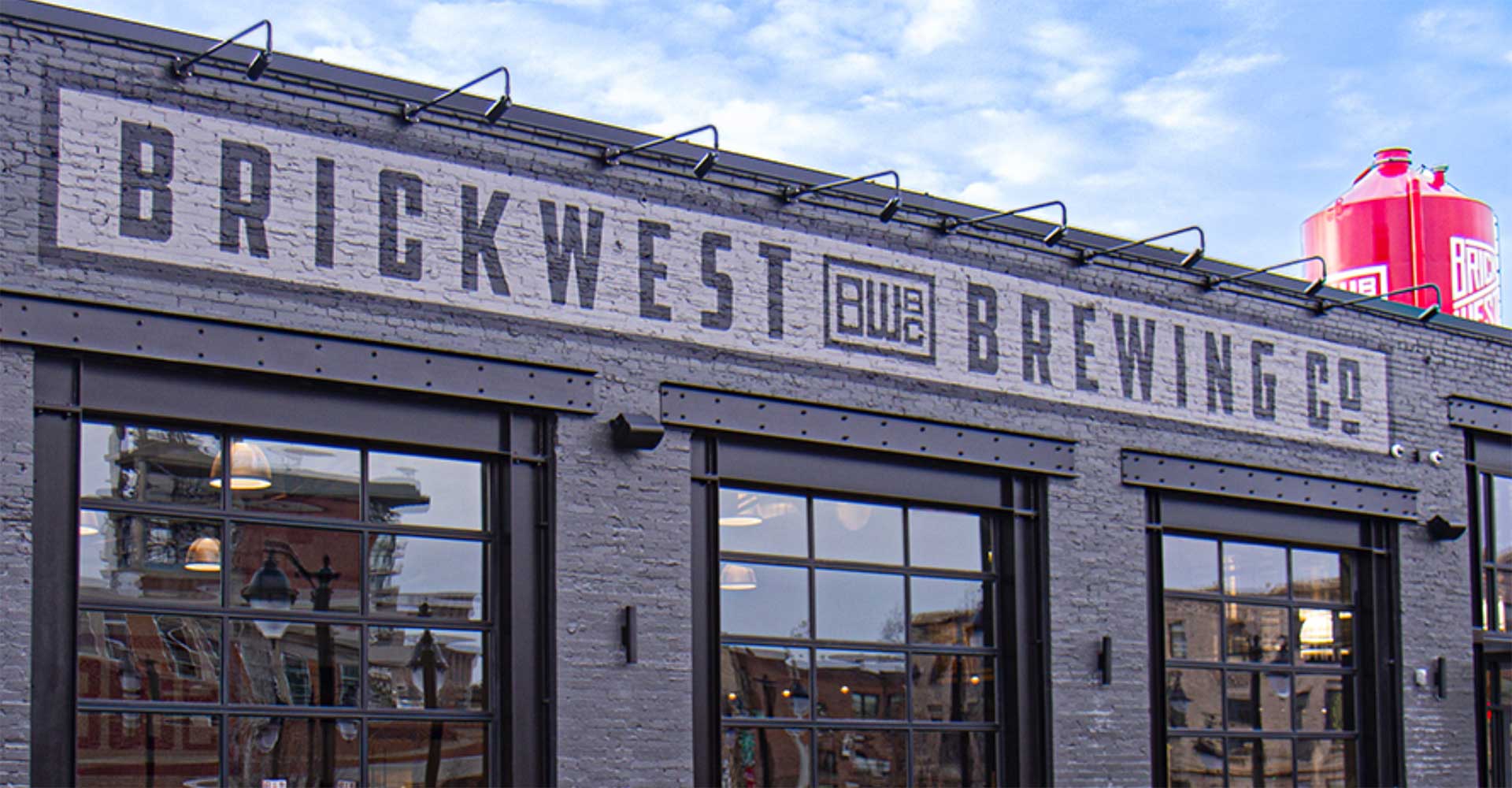
Sam Milne of Brick West Brewing in Spokane, Washington, dishes details on their method of brewing kettle-soured beer—such as their Get Right gose, one of our picks for Best in Beer 2020.

This unusual gose-cider hybrid gets apple-cinnamon coziness from freshly ground mahlab and a hefty portion of cider concentrate. Lactose and lactic acid add sweetness and tartness to promote the apple, while mahlab adds nutty-spicy accents.
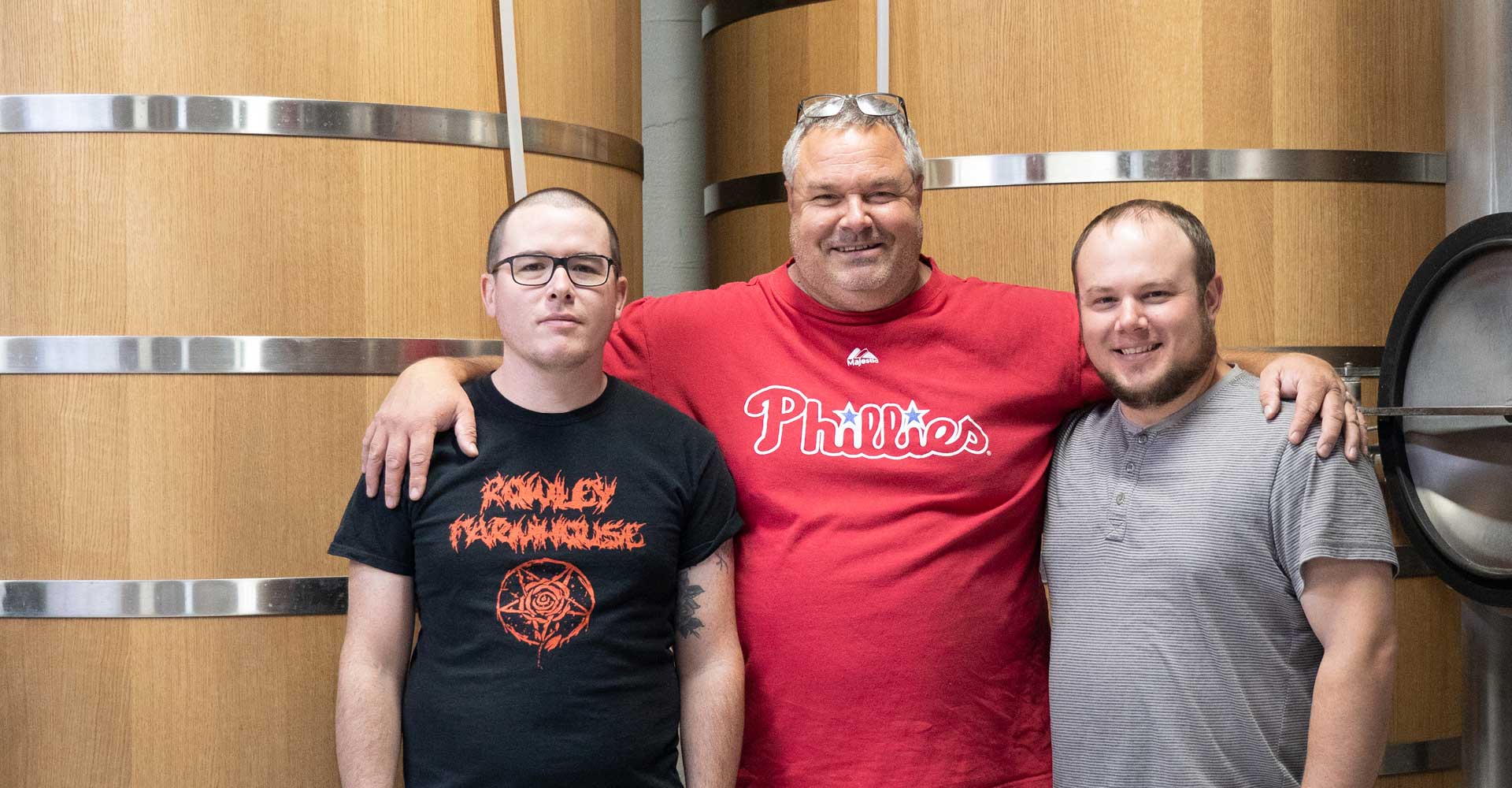
Rowley Farmhouse Ales of Santa Fe, New Mexico, is carving out a sour and funky niche in the Southwestern desert.
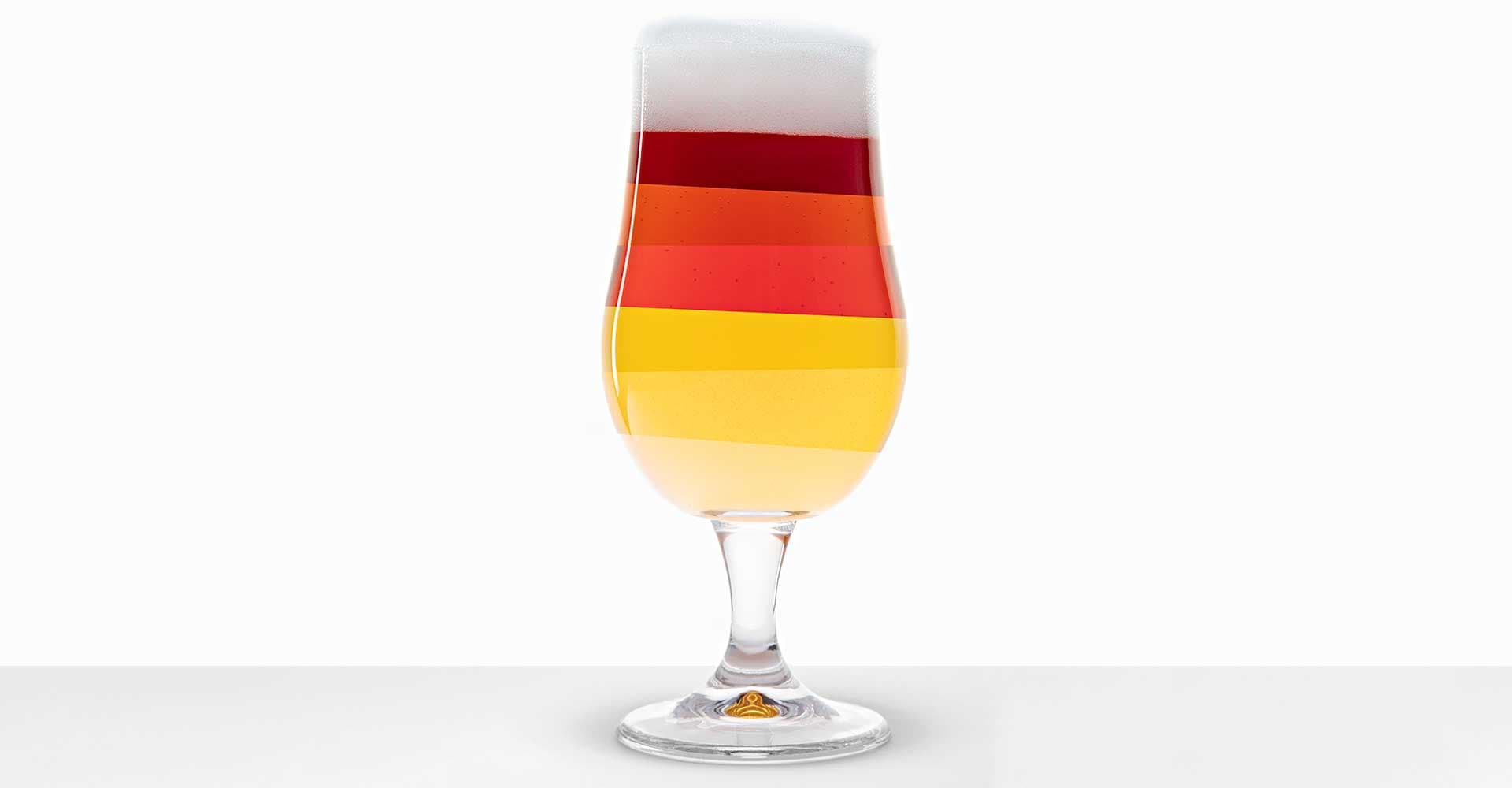
A nearly forgotten style became a popular plaything in American brewing. Balance, as usual, is the trick—and how to pull it off depends on what you put in it.

In this clip from our full video course on kettle-souring, Resident Culture's Chris Tropeano talks about pre-boiling and de-aerating wort, creating an ideal environment for lactic bacteria.
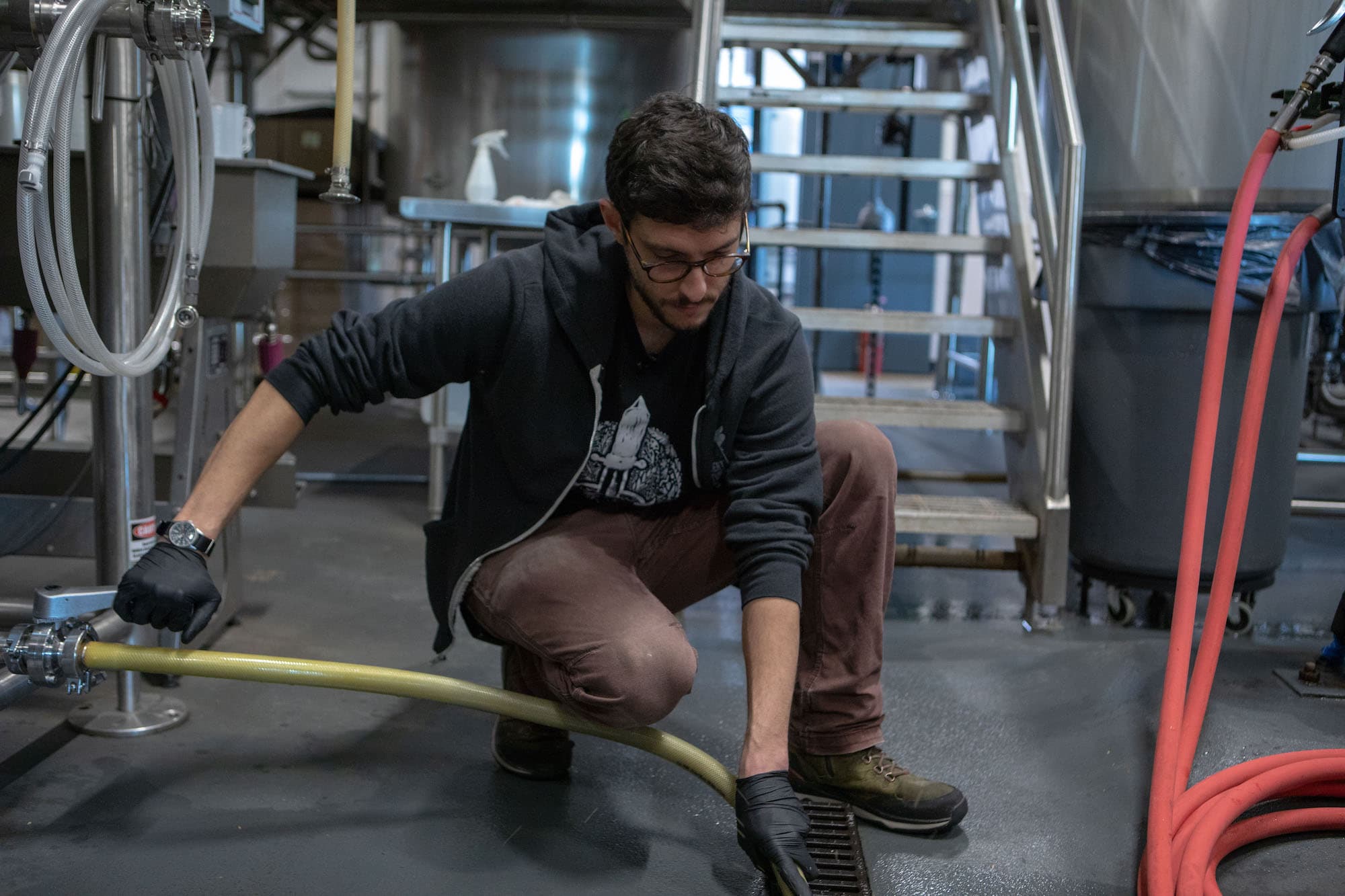
In this clip from our full video course on kettle-souring, Resident Culture's Chris Tropeano discusses pulling lactic bacteria from the bottom of the kettle for re-pitching in future beers.
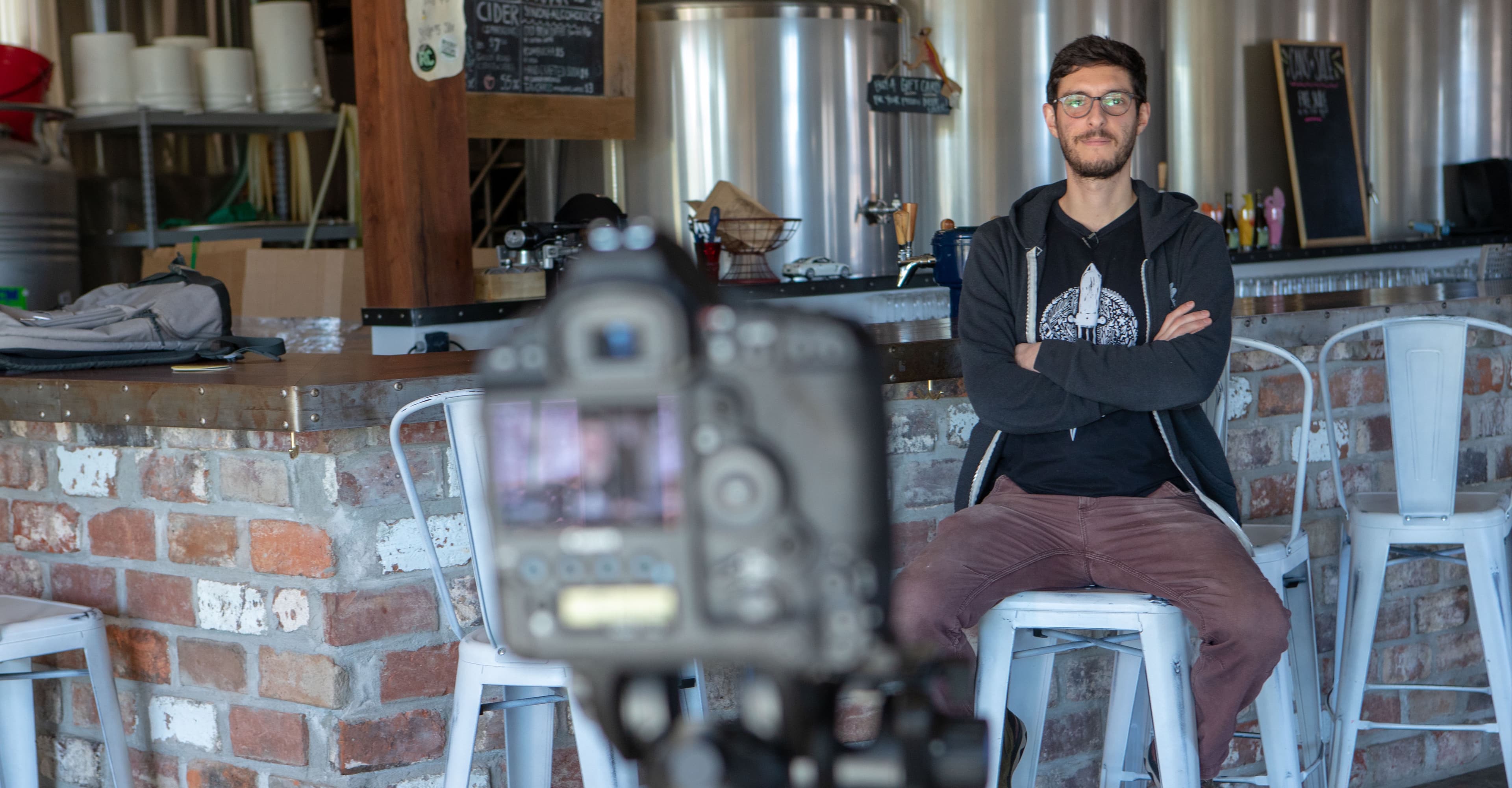
In this 54-minute video, Chris Tropeano of Resident Culture Brewing goes in-depth on brewing kettle-soured beers with balance and complexity.
From Fal Allen, this recipe is a combination of the traditional (the air-dried malt and the spices) and the new (the brewhouse souring).
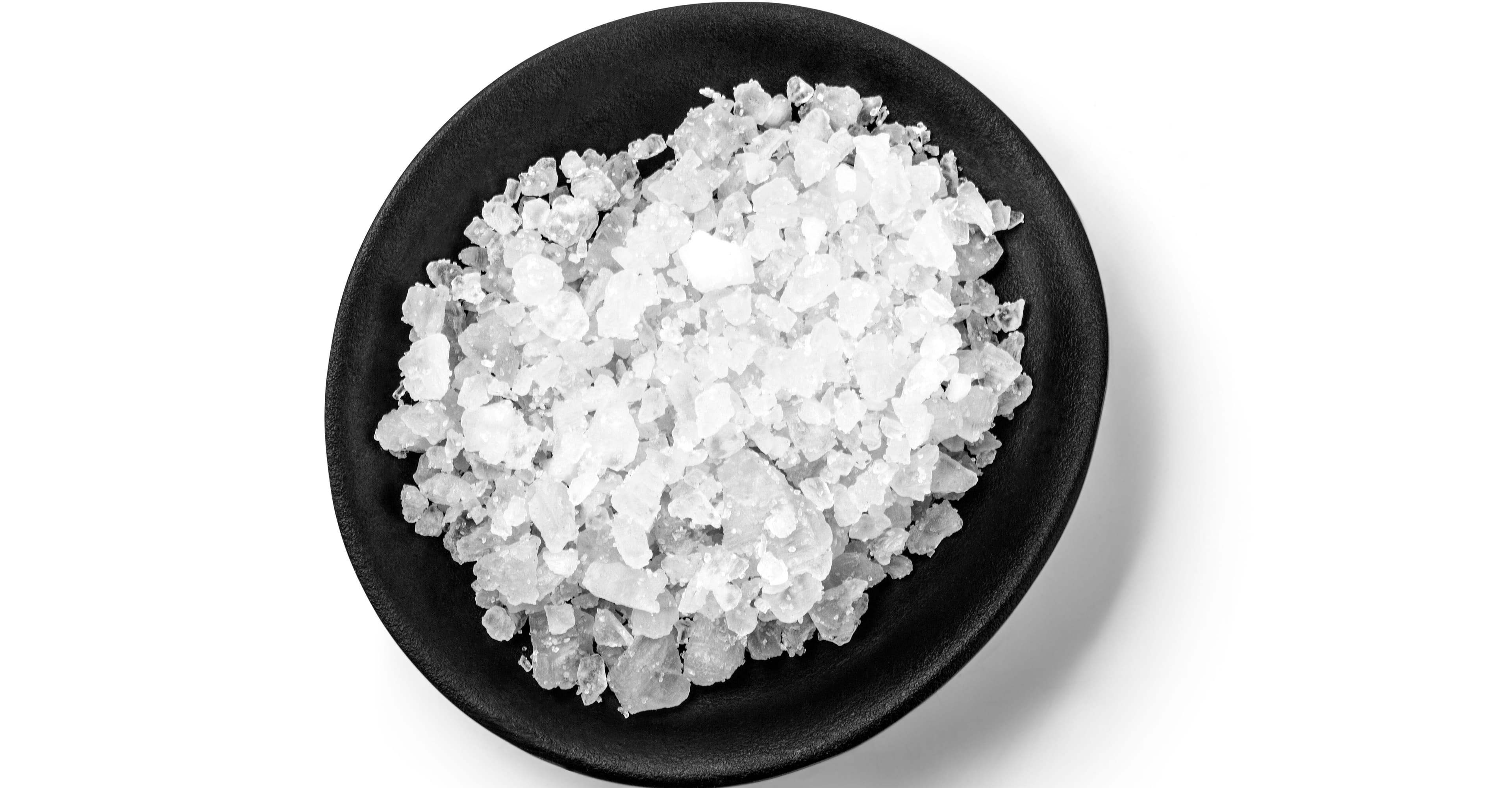
The key to a proper gose, says Fal Allen, the longtime brewmaster at Anderson Valley Brewing Company, is to go easy on the salt and don’t put too much stock in the fancy stuff.
There is a distinct challenge in brewing gose: salt. Working with salt introduces higher stakes. Aim too high, and you end up with an undrinkable salt bomb. Too low, and you can’t register the salt at all. This recipe will get you right in the ballpark.
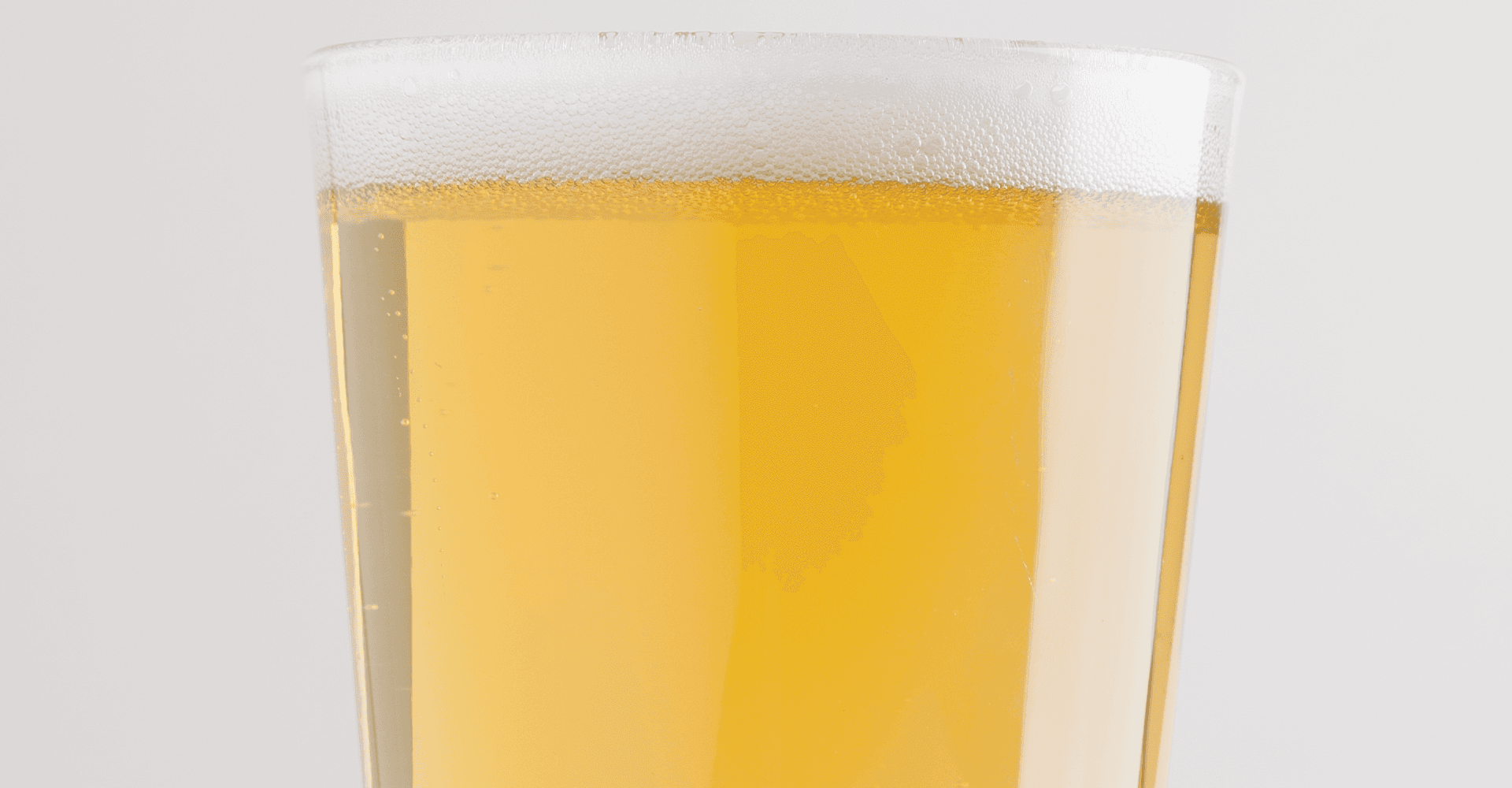
Once nearly extinct, both American and German breweries have saved this beer style, which can now be found on any number of tap lists and shelves. That's a wonderful thing, because it can be a fantastic beer.
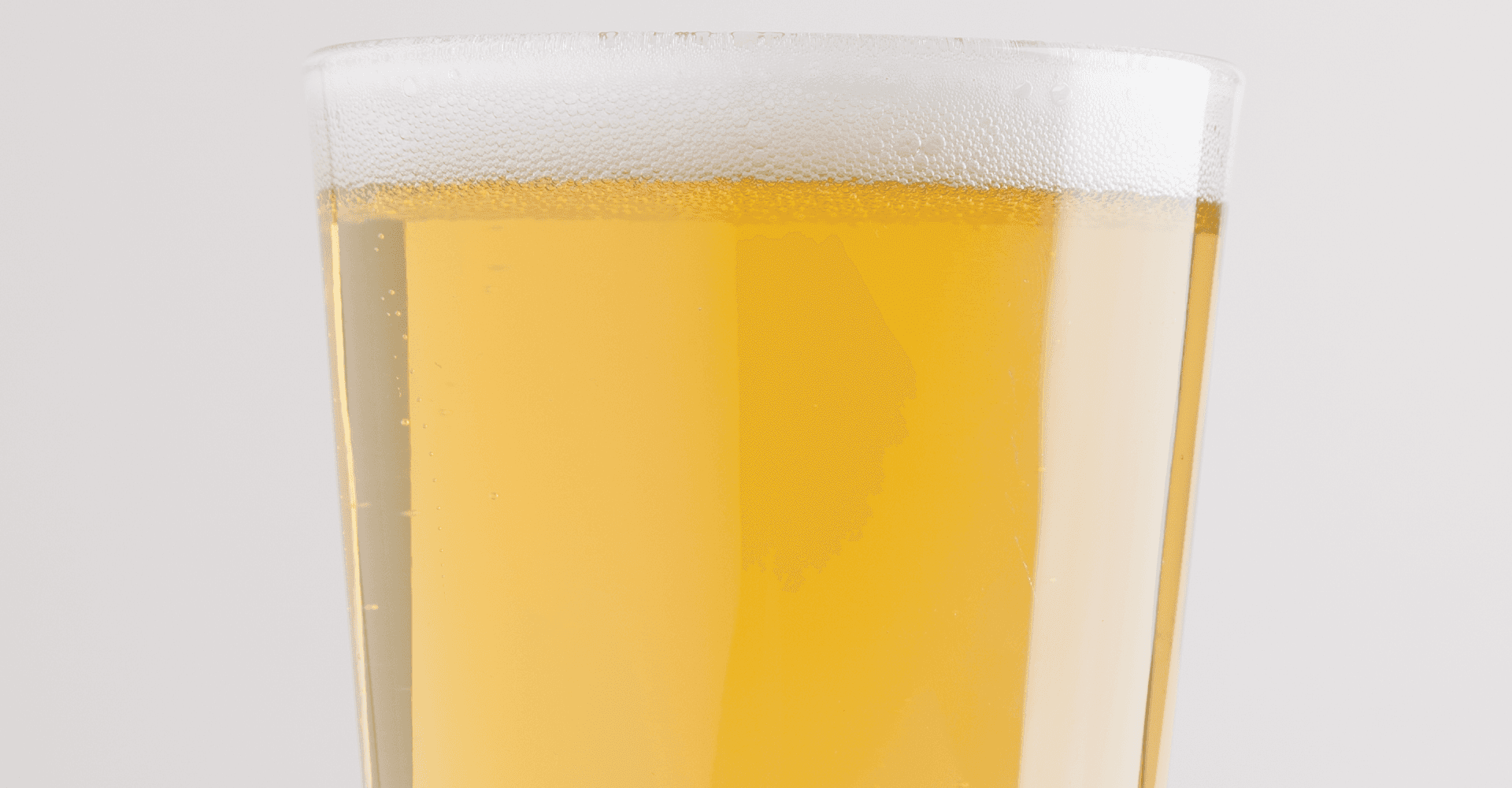
Try this homebrew-sized interpretation of a Gose, soured with Latobacillus bacteria before the boil.