
How to Speak Beer’s Chemical Language
It’s helpful to develop a common vocabulary to describe what we sense in our beer, but it’s even more helpful to understand the chemistry underlying those aromas and flavors. Here’s a primer.

25 articles in this category
It’s helpful to develop a common vocabulary to describe what we sense in our beer, but it’s even more helpful to understand the chemistry underlying those aromas and flavors. Here’s a primer.
Beer lovers have long known that pairing food and beer can open minds and liven up a party in a way that wine can’t. Here’s some of the science on how and why—plus, tips for organizing an event that can win converts.
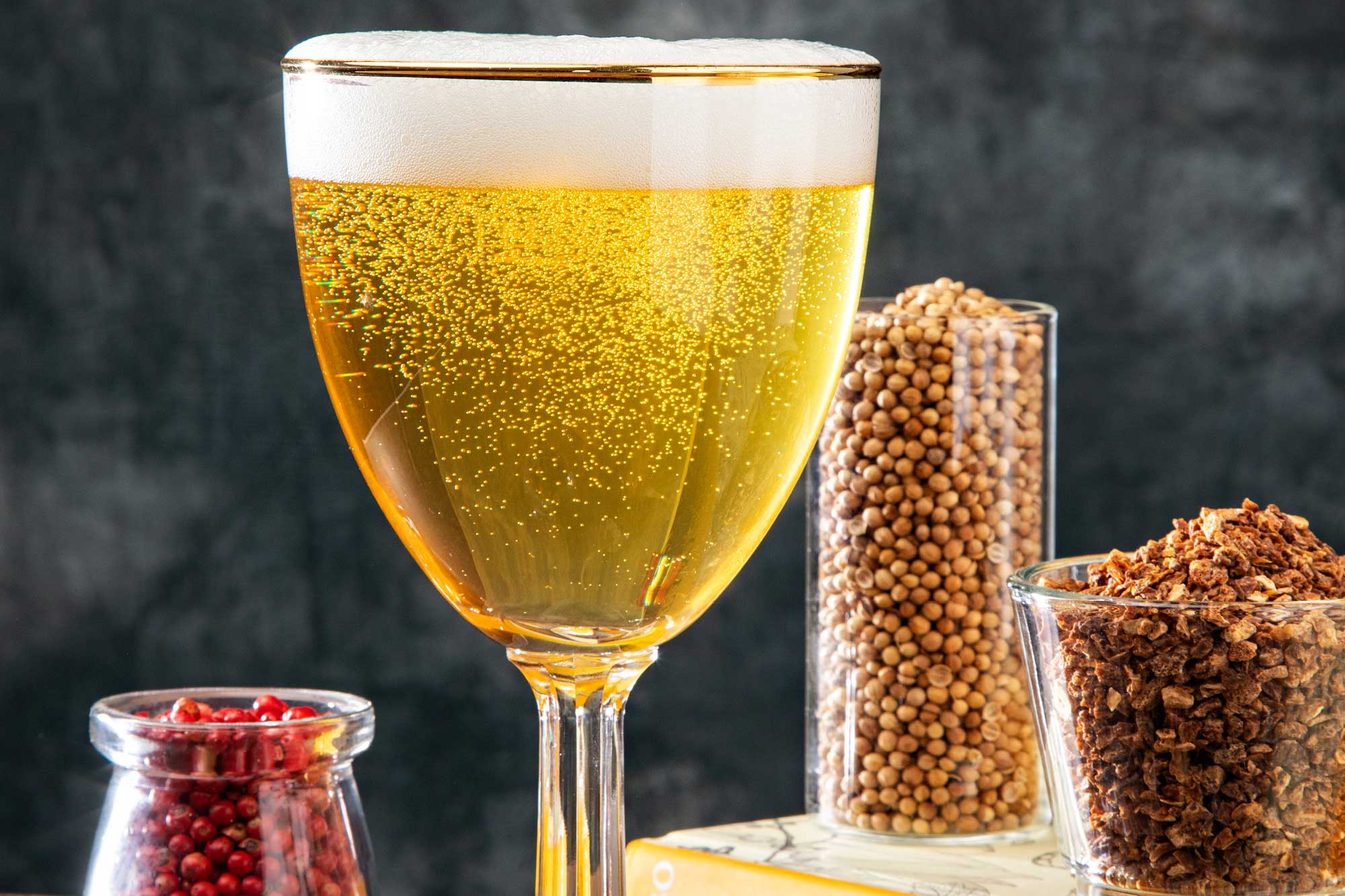
Looking for some new creative avenues to explore, or want to try something special for your next holiday seasonal? Randy Mosher shares some insights into why botanicals have always been important to beer—plus, strategies to help you use them successfully, today.

In the world of brewing, we can precisely measure and define certain things—and those things don’t have a whole lot to do with how we smell, taste, and feel about beer.
Once derided as cheap adjuncts, sugars have become useful, flavorful tools for today’s creative brewers.
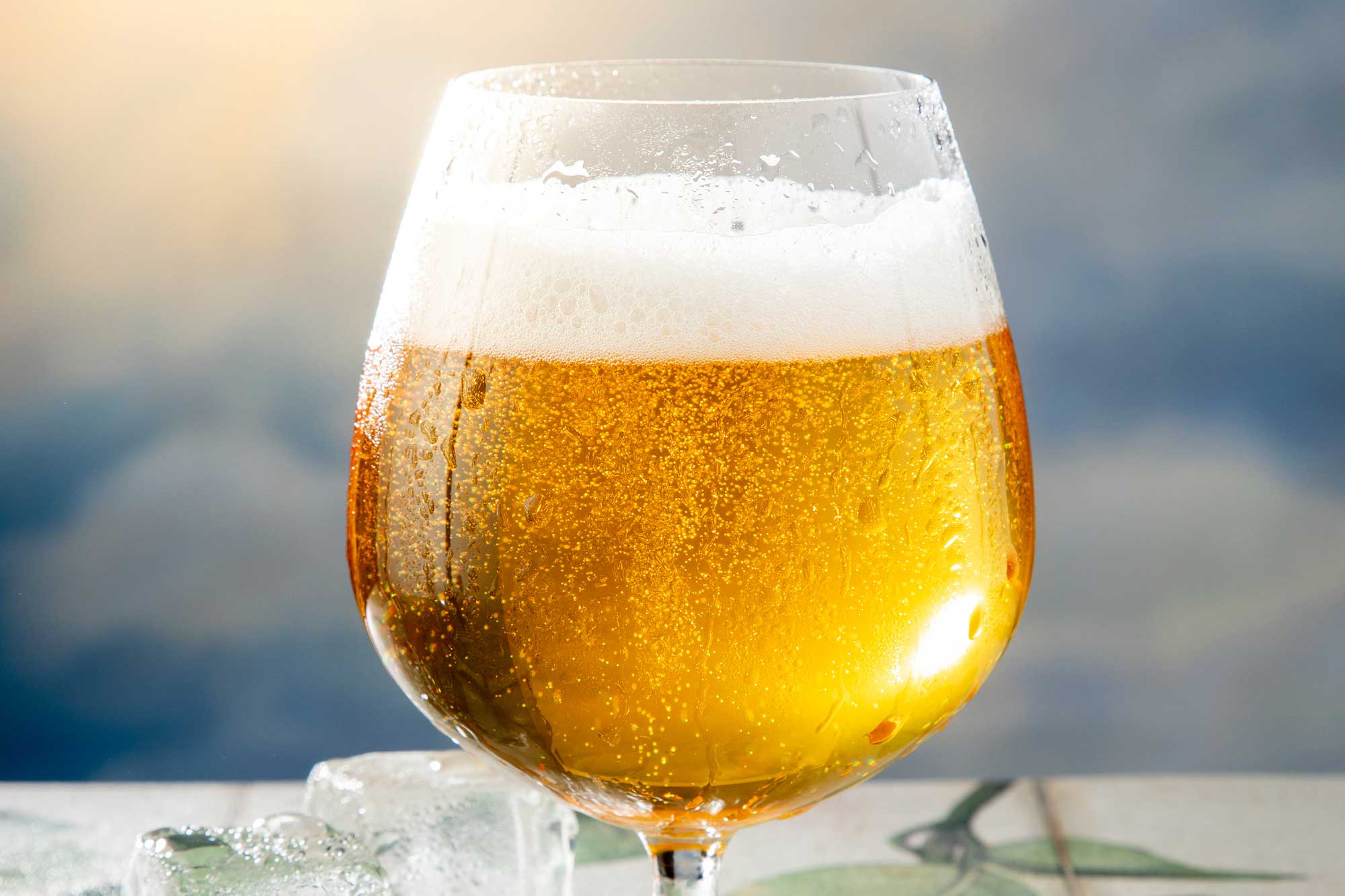
From the weather at the farms that grow the ingredients to every aspect of brewing and on to the climate in which we enjoy it, temperature affects beer profoundly. So, whether you’re gulping an ice-cold one in the desert or sipping a snifter by the fireside, let’s ponder beer’s ethereal, delicate nature—whatever the season.
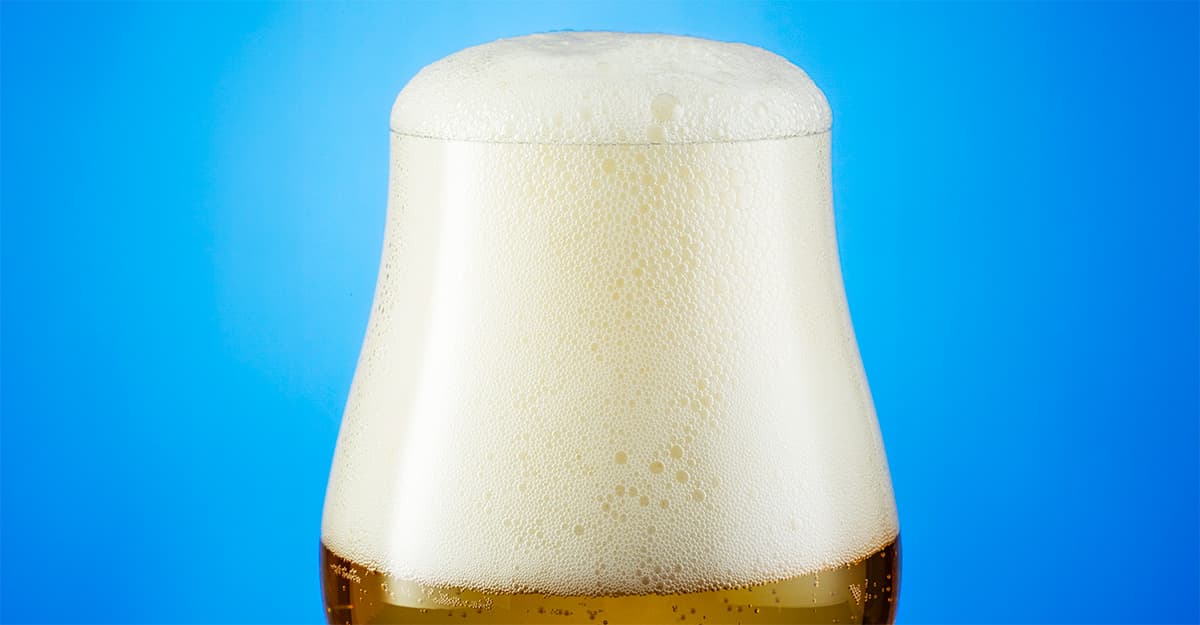
One of the most beautiful things about beer is the product of sound brewing, proper service, and an unlikely convergence of chemical phenomena. But how much do you really know about what makes great foam? Let’s feed your head.
We know that we can get better at smelling and tasting beer, but how does it work? From Tasting Beer author and sensory guru Randy Mosher, here are some insights to help us identify and better understand our own strengths and weaknesses.

Our growing awareness of thiols and other hop compounds are just scratching the surface of beer’s aromatic complexity. Inspired by some recent research into wine, Randy Mosher outlines a new model—aroma pools—that might help us think differently about how and what we smell in beer.
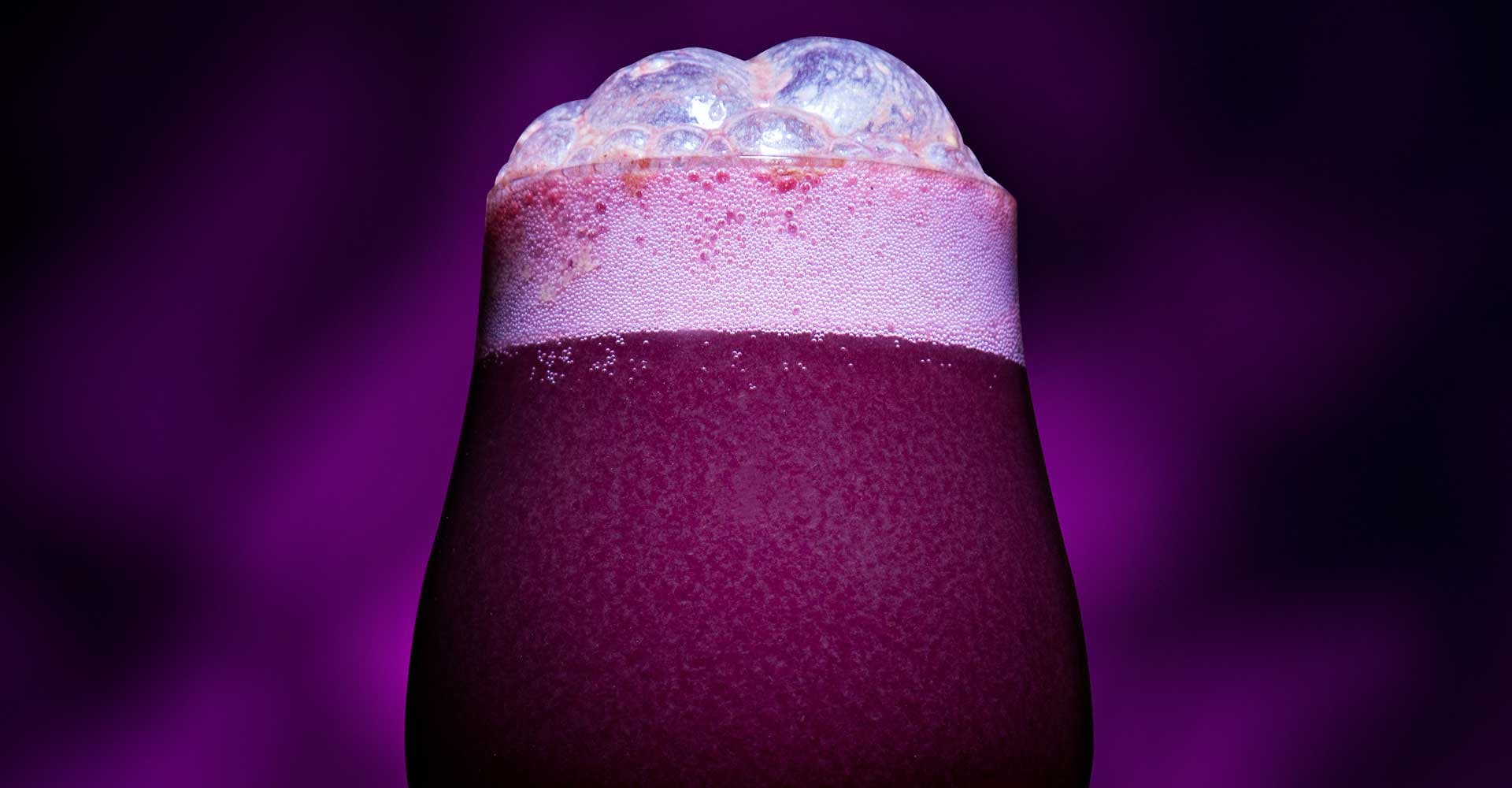
You can simply add a bunch of fruit to a beer and see how it goes. Or, you can take a step back, carefully consider the flavors involved and how they intermingle, and—from creativity to reality—plan and execute a more superlative fruit beer.
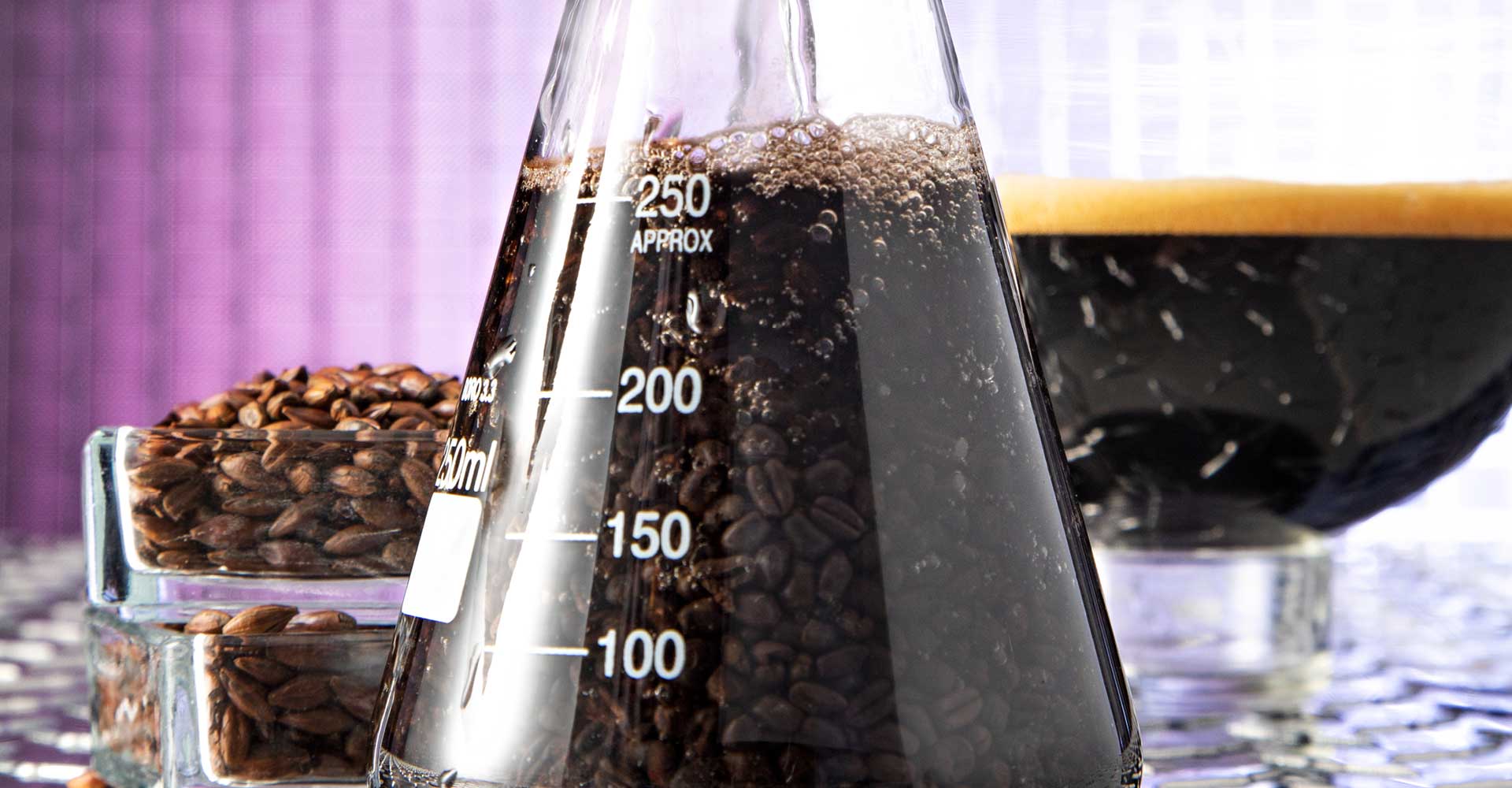
The processes that create beer’s deepest colors and flavors are incredibly complex—a Lovibond rating doesn’t begin to describe what you might get. Here, Randy Mosher digs into the science of those processes, makes the case for evaluating your malts firsthand—and shares a simple way to do it yourself.
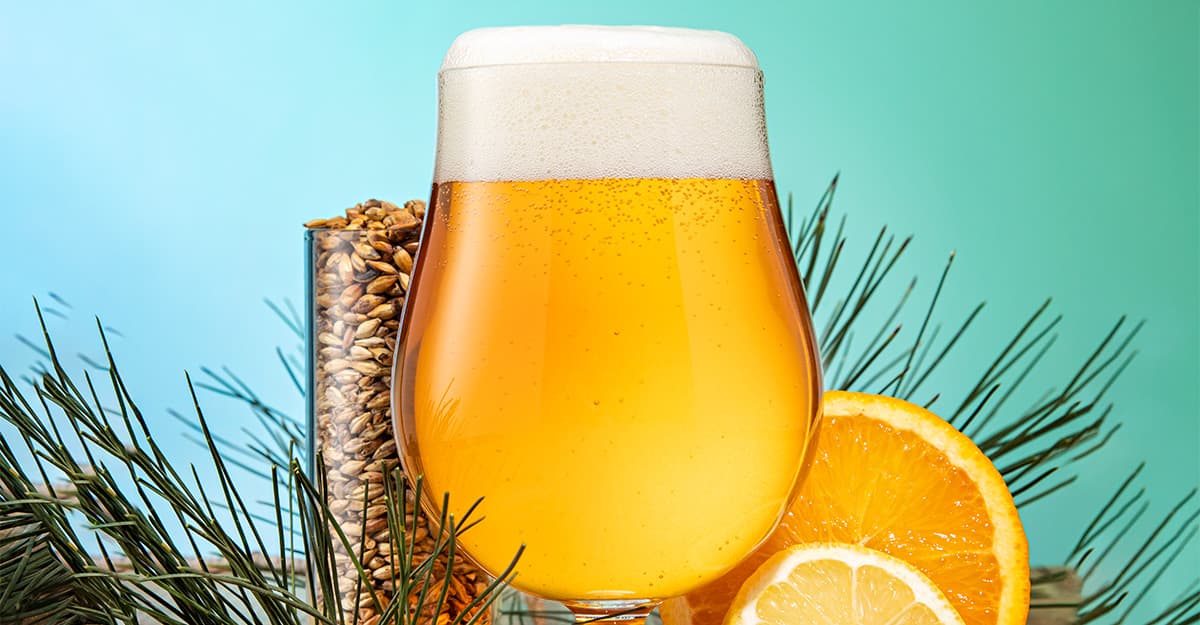
By applying what we know now—using a grain bill that goes easy on the crystal/caramel malts and new yeast strains that overlay fresher, brighter aromas—we can achieve an updated throwback that lets us enjoy the best of both worlds.
The diversity and creativity of the beers that come out of this small country are justifiably famous, yet often it’s the wilder side that draws all the attention. Let’s renew our friendship with the foundational ales that first put Belgium on the beer map.
Randy Mosher dissects the intricate workings of IPAs—from the malt to the hop compounds that make them special and compelling—so we can approach our brews and our sensory vocabulary with deeper thought.
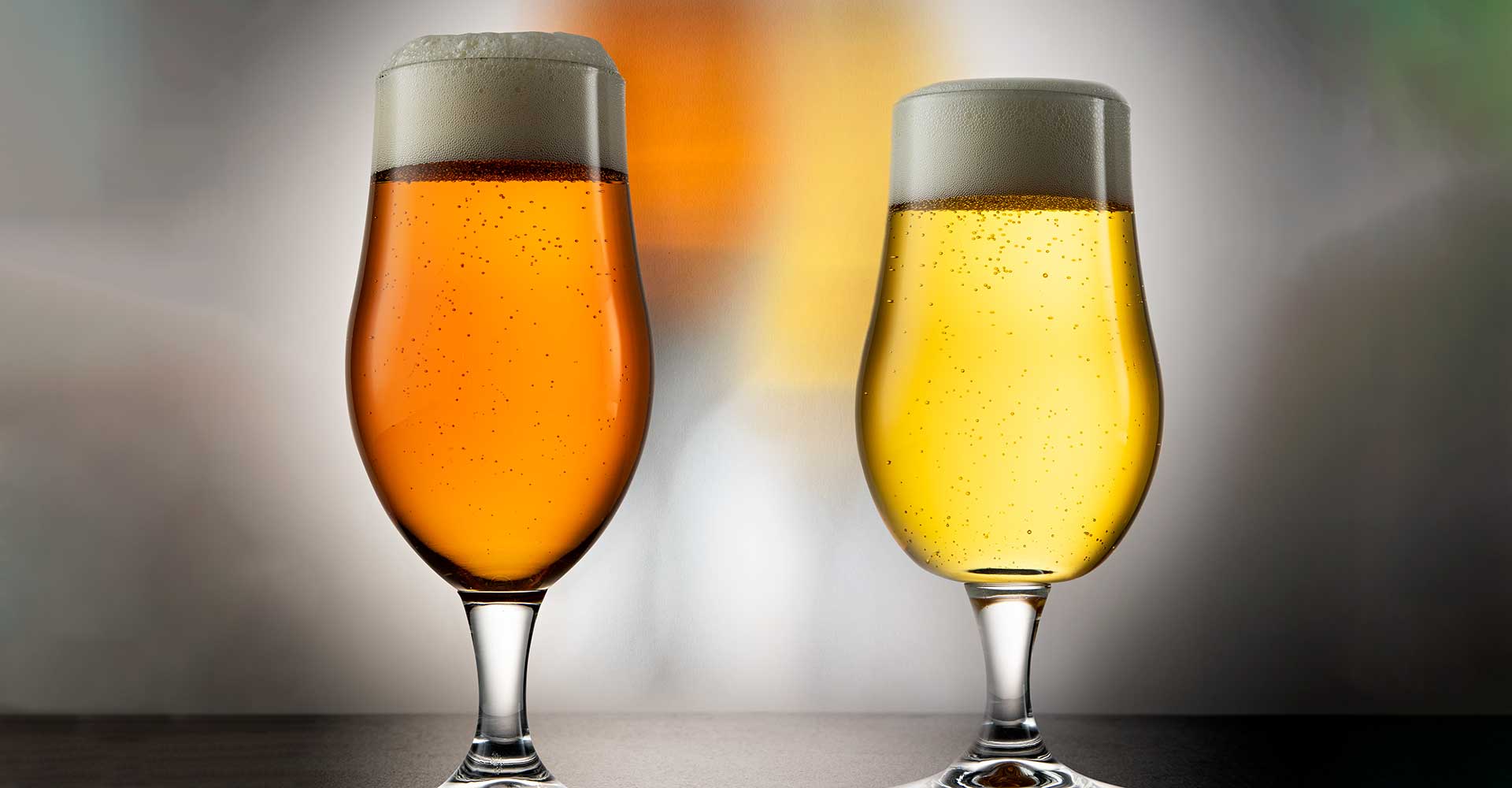
Lager is made at the cellular level—and at the cultural one. How far can you push lager—with different ingredients, fermentations, sensory profiles—until it becomes something else? Randy Mosher ponders the science, the traditions, and the pragmatism.

Hard seltzers and similar flavored beverages have never been so popular. It’s worth taking a clear-eyed look at the processes and flavorings upon which they rely. Randy Mosher takes us behind the curtain.
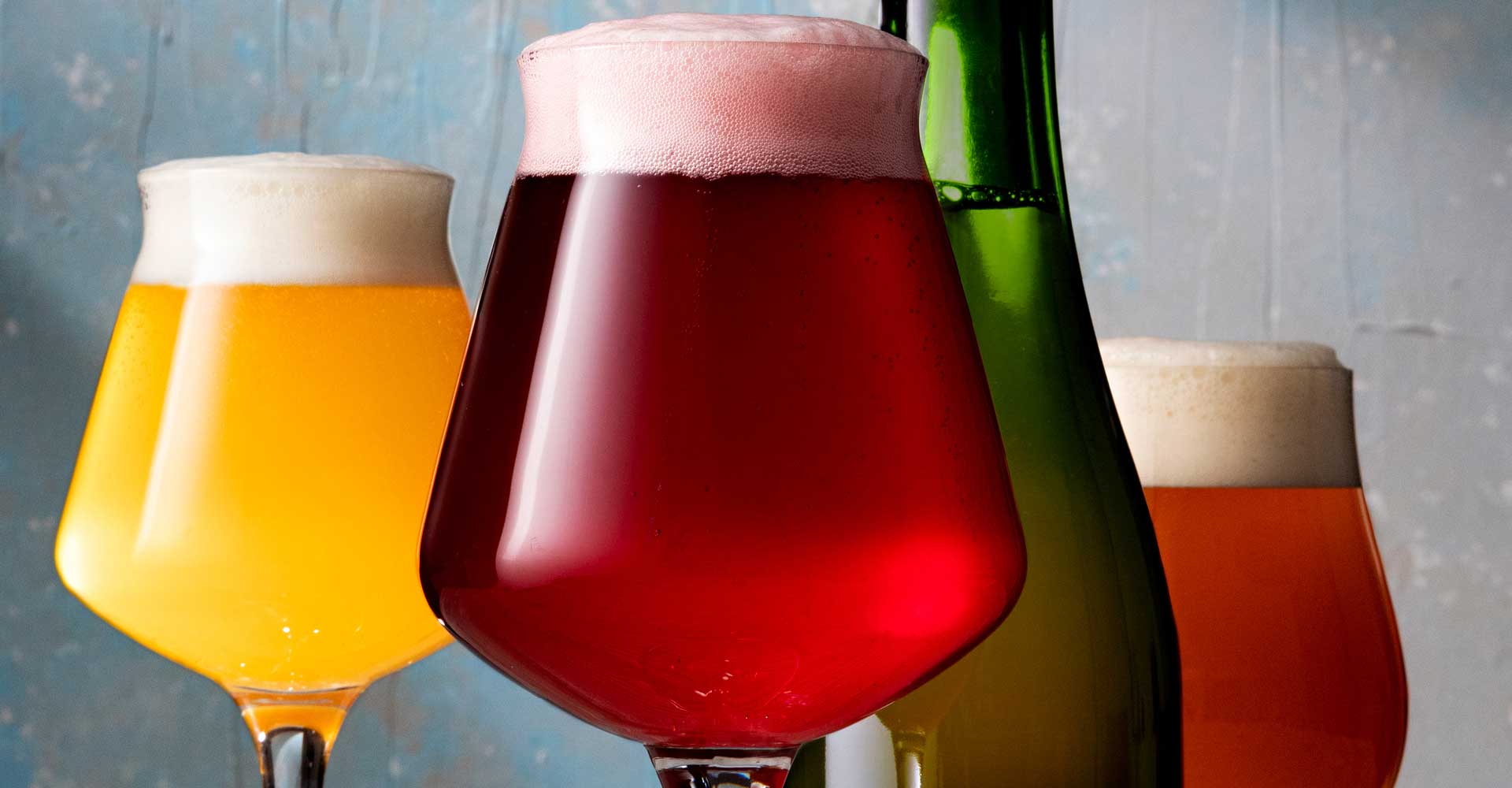
Sour and wild beers exist on a complex plane of myriad flavors and aromas produced by bacteria, yeast, ingredients, and by-products. Randy Mosher breaks down the building blocks of what we sense, to help us identify what we enjoy.
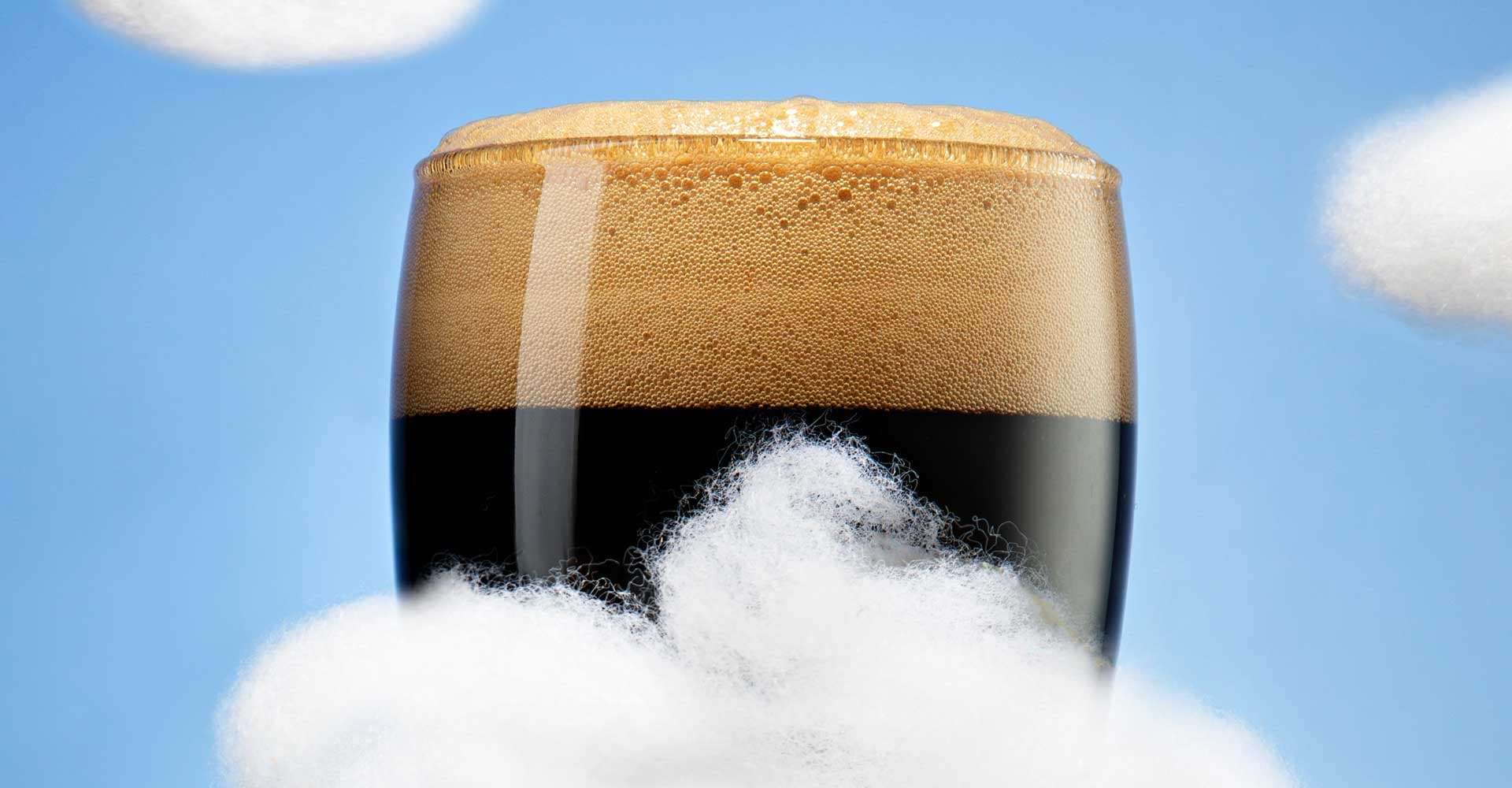
We are visual creatures—but color is deceptive. Randy Mosher, author of Tasting Beer, shares insights to help us widen our stout vocabulary.
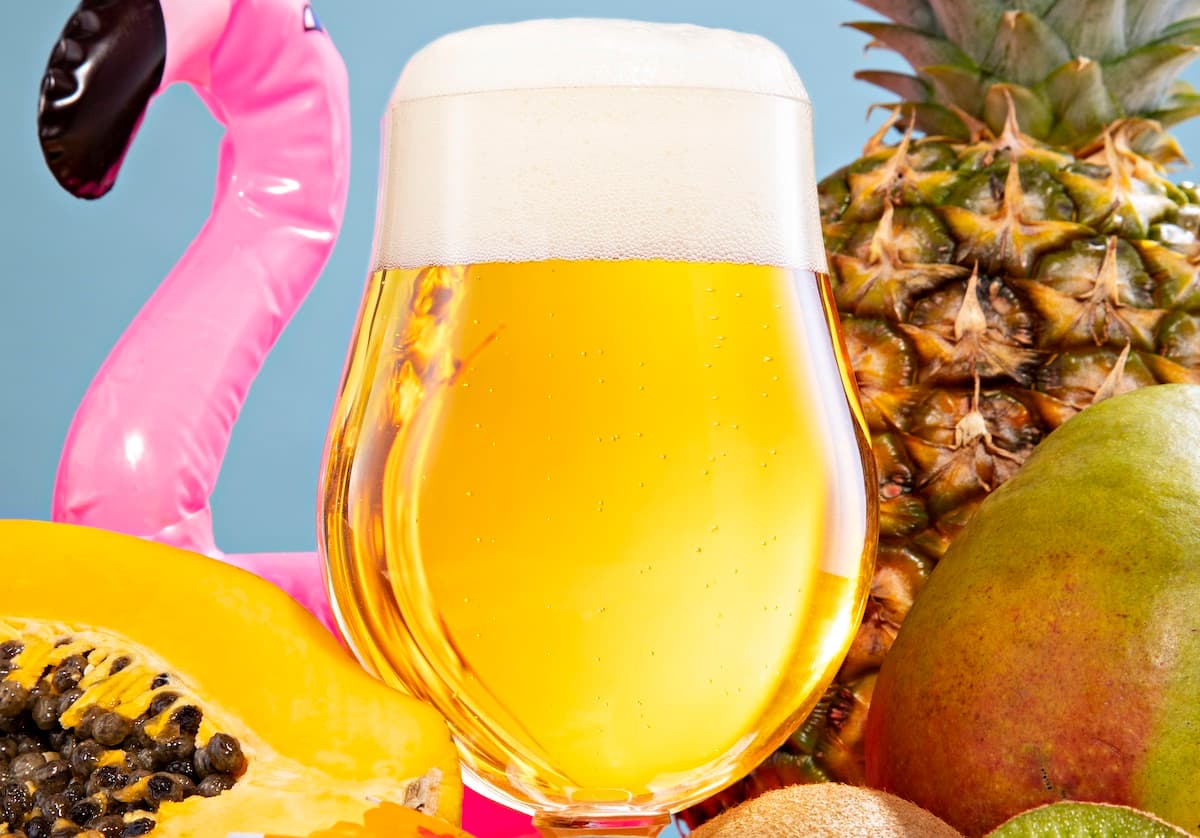
Hops can smell like other foods because they share many of the same aroma compounds. Here is Randy Mosher on how to boost your IPAs with ingredients that have those sought-after traits.
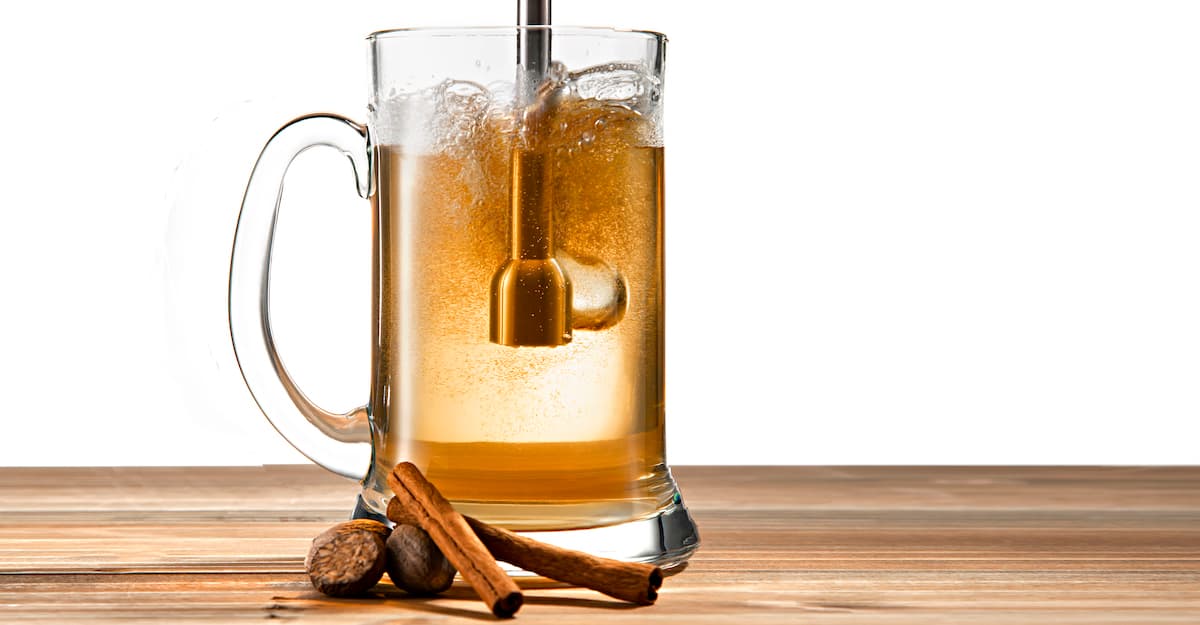
To warm the cockles of our hearts with beery libations—hot or cool, spiced or not, with or without an extra shot of Christmas spirits—Randy Mosher is here with a red-hot poker and lines of verse.