
How to Speak Beer’s Chemical Language
It’s helpful to develop a common vocabulary to describe what we sense in our beer, but it’s even more helpful to understand the chemistry underlying those aromas and flavors. Here’s a primer.

82 articles in this category
It’s helpful to develop a common vocabulary to describe what we sense in our beer, but it’s even more helpful to understand the chemistry underlying those aromas and flavors. Here’s a primer.
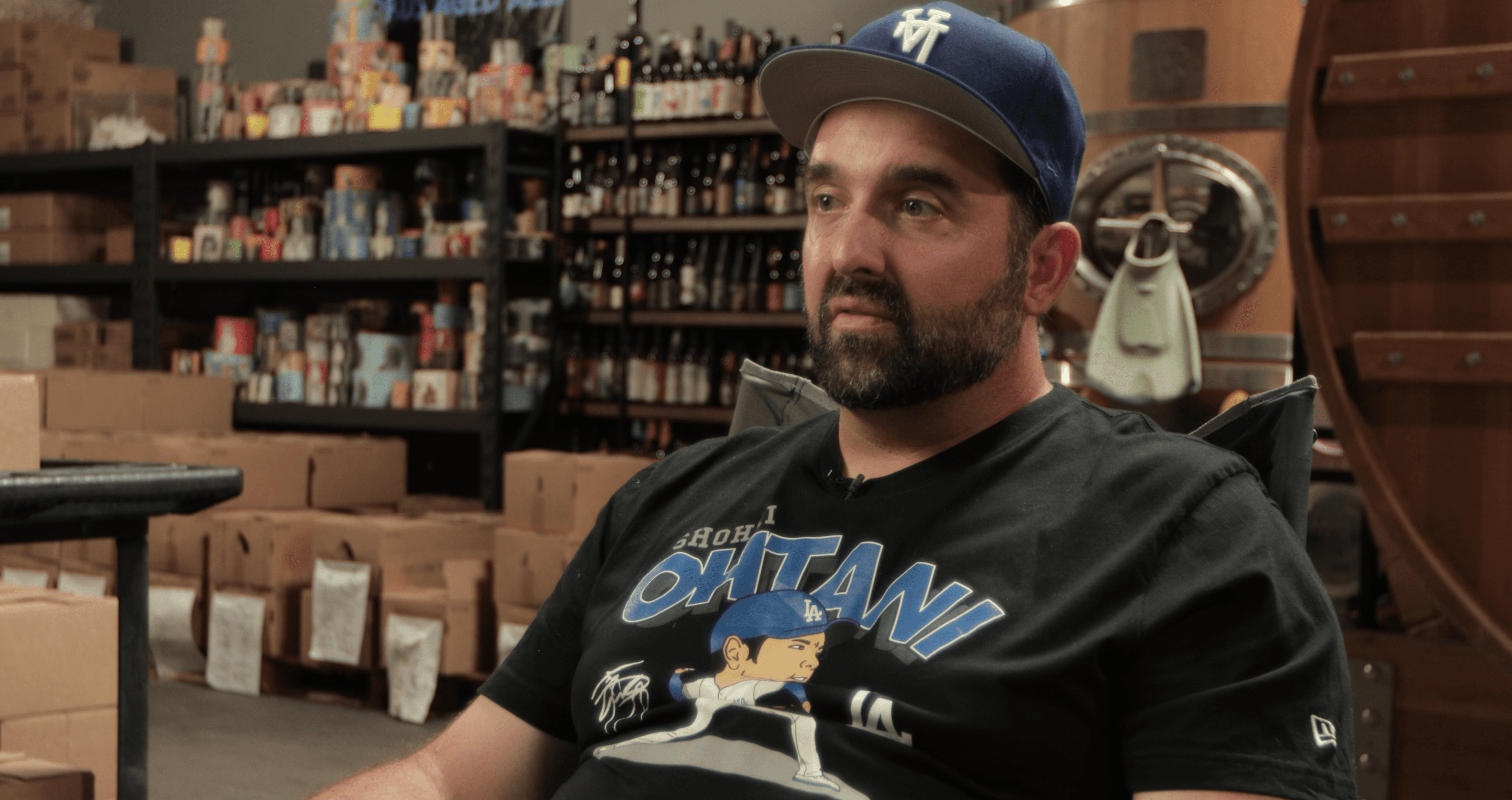
Horus Aged Ales founder Kyle Harrop doesn’t drink coffee, but he loves to add it as a flavor component in his big barrel-aged stouts. In this clip from his video course, he explains his “tea bag” method to dial in contact time to get the flavor he wants.

Beer lovers have long known that pairing food and beer can open minds and liven up a party in a way that wine can’t. Here’s some of the science on how and why—plus, tips for organizing an event that can win converts.
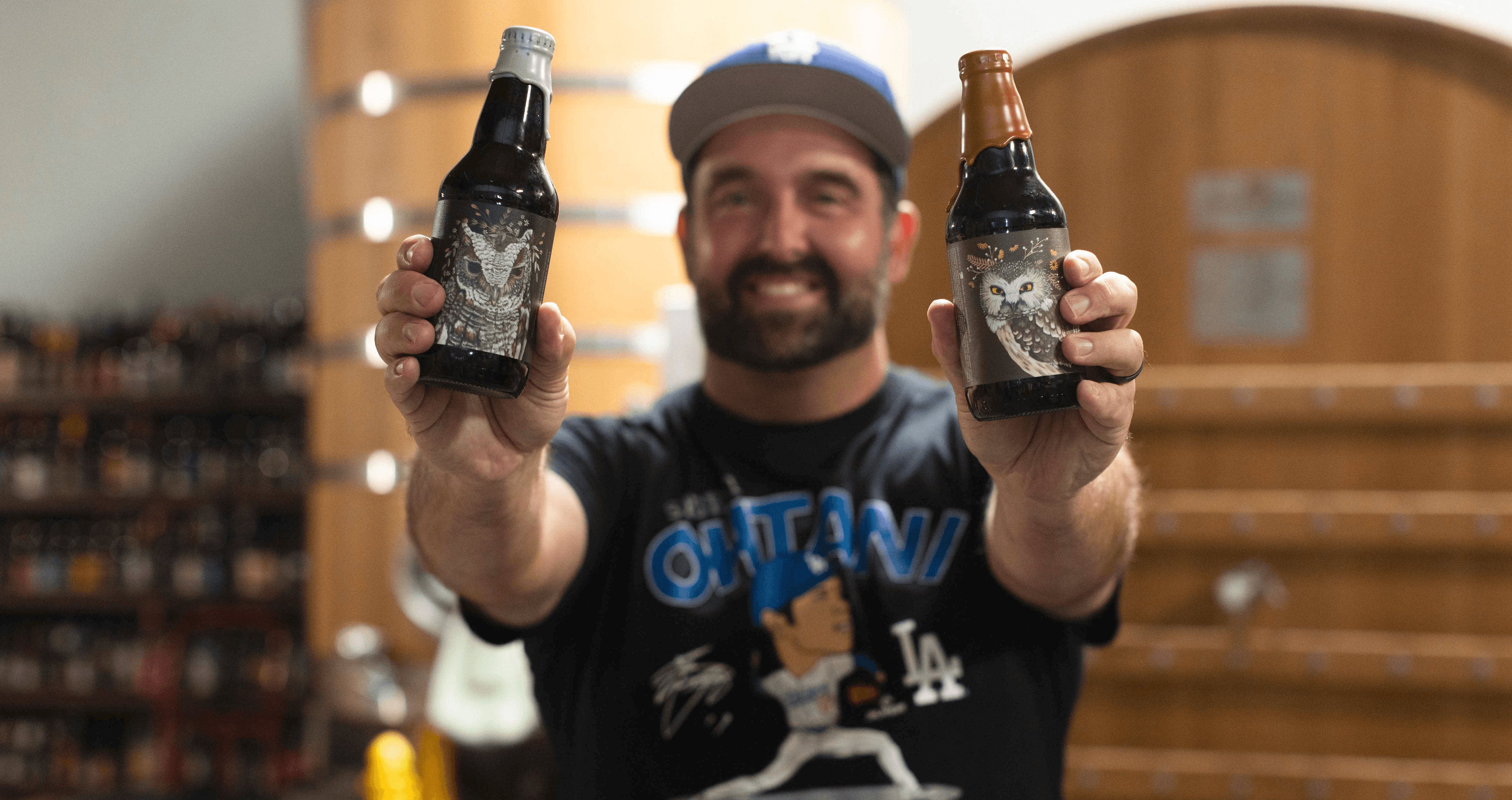
Among brewers who use it, coconut is notorious for soaking up liquid, destroying yield, and leaving behind an oily sheen... but people sure do seem to love the flavor. In this clip from his video course, Horus Aged Ales founder Kyle Harrop describes how he deploys this wonderfully flavorful but expensive and inefficient adjunct.
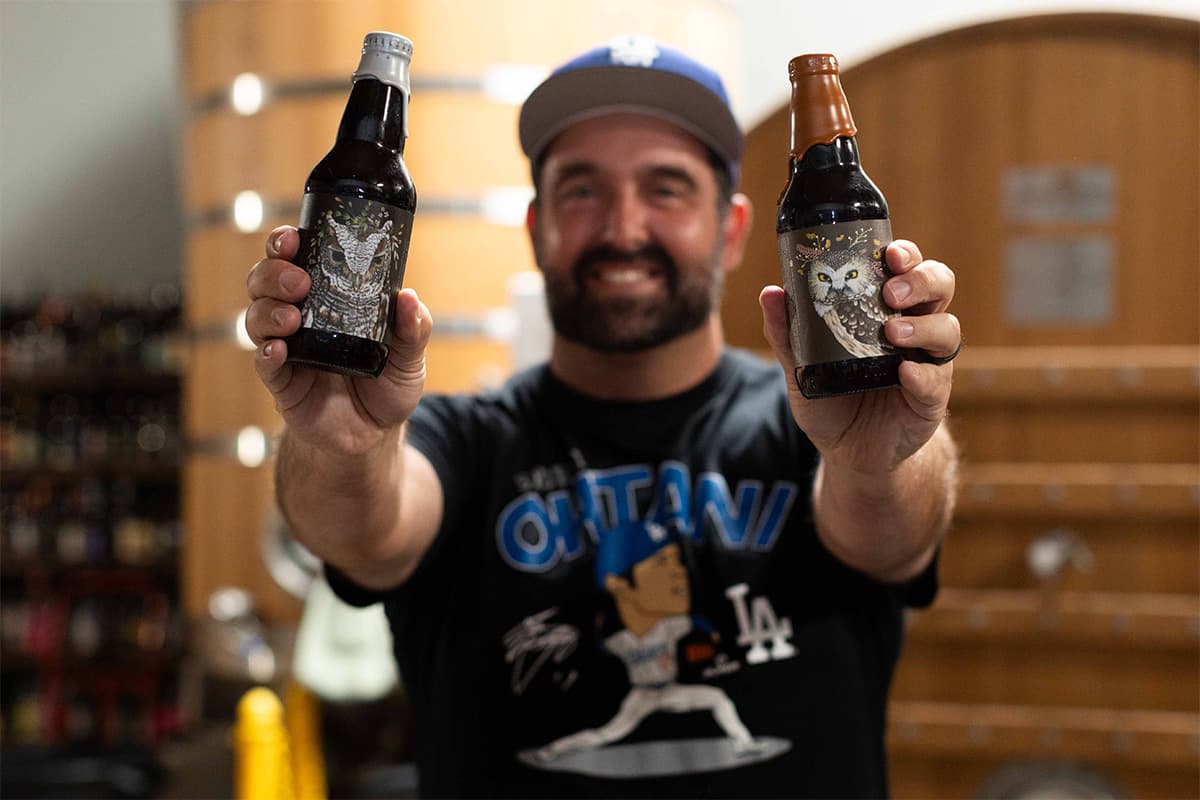
It takes a lot of house-toasted hazelnuts to get the flavor that Horus Aged Ales founder Kyle Harrop wants in a special subset of his barrel-aged beers. “It gets real expensive, real quick,” he says. In this clip from his video course, he explains the process in detail.
Kyle Harrop, founder of Horus Aged Ales, shares his approach to brewing, aging, and blending higher-gravity barleywines and stouts—and to selecting and using the flavor components that can take those beers to the next level.
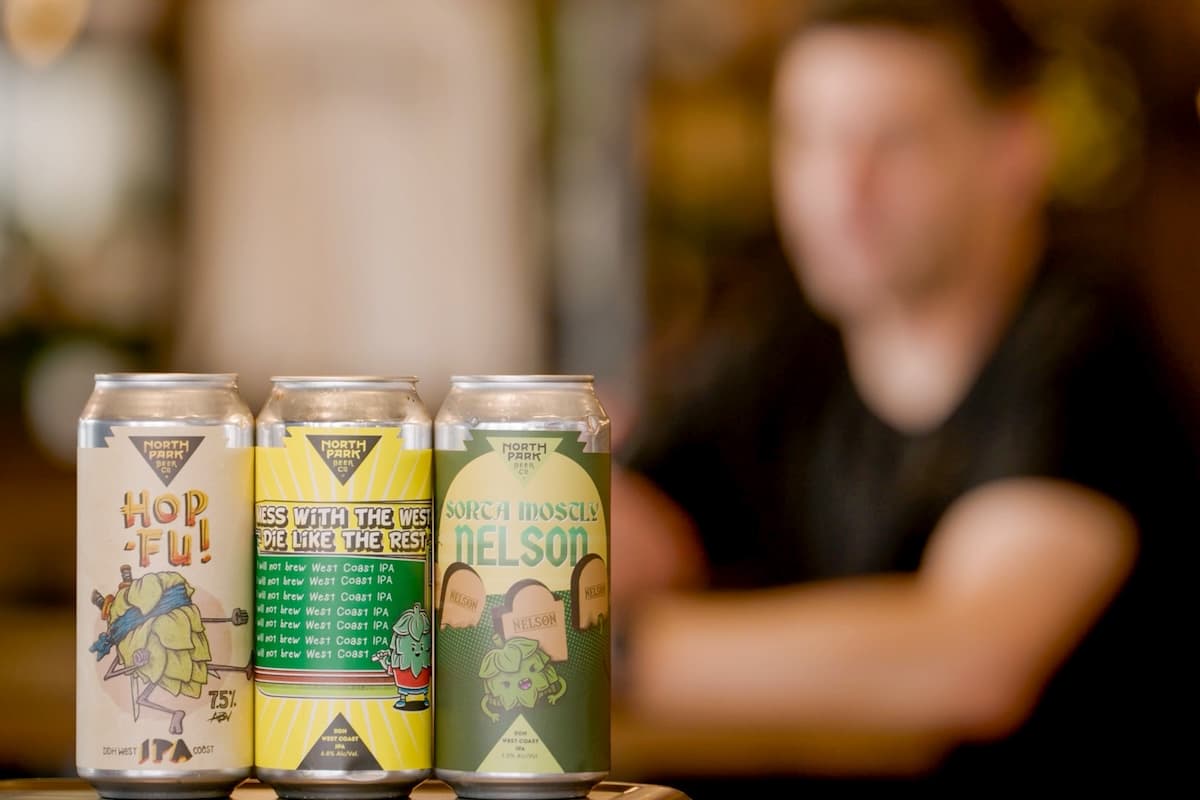
To brew a beer that’s bursting with great hop aroma and flavor, it’s critical to choose and use the very best you can get. North Park founder and head brewer Kelsey McNair explains their own discriminating approach.
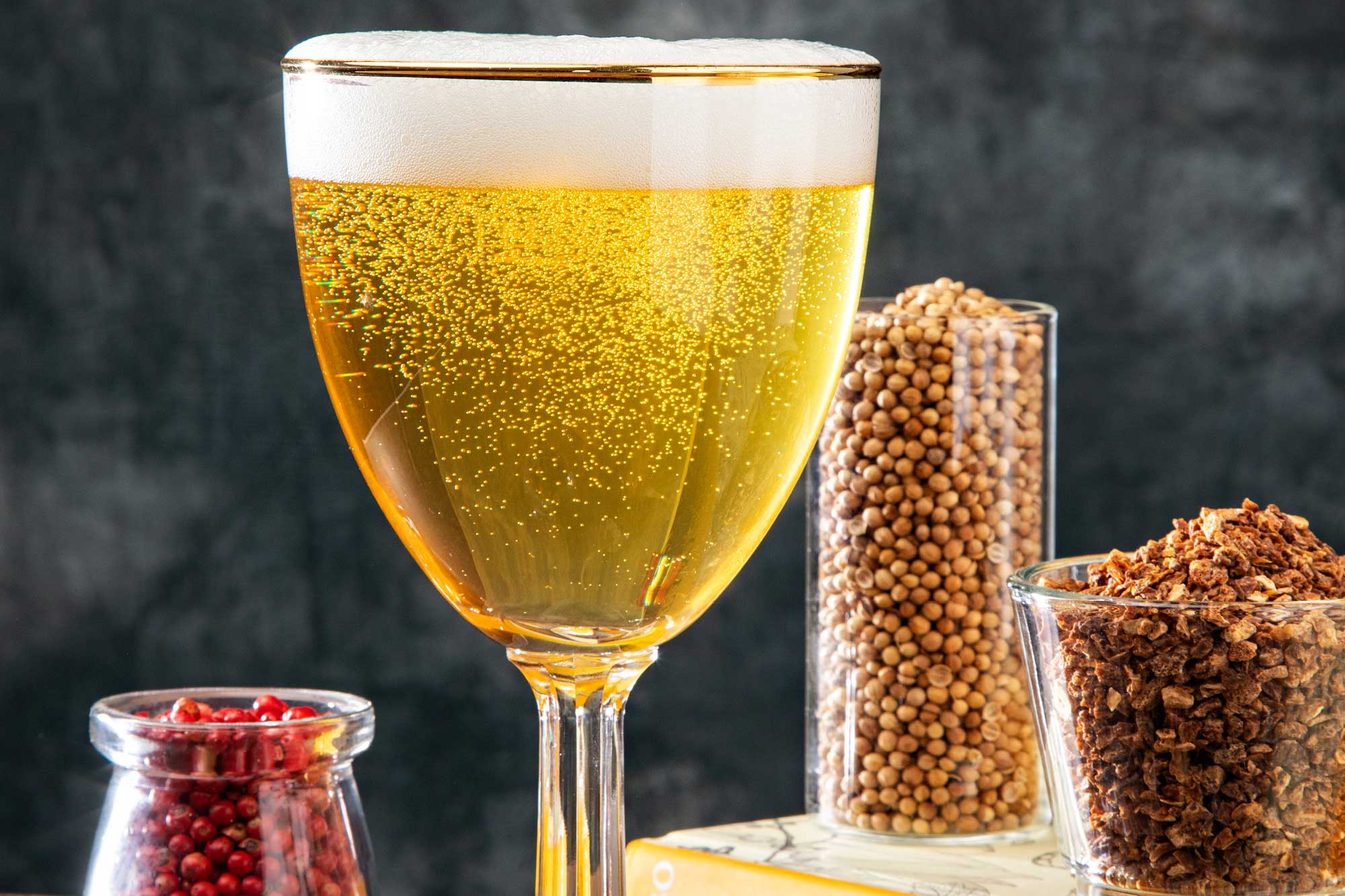
Looking for some new creative avenues to explore, or want to try something special for your next holiday seasonal? Randy Mosher shares some insights into why botanicals have always been important to beer—plus, strategies to help you use them successfully, today.
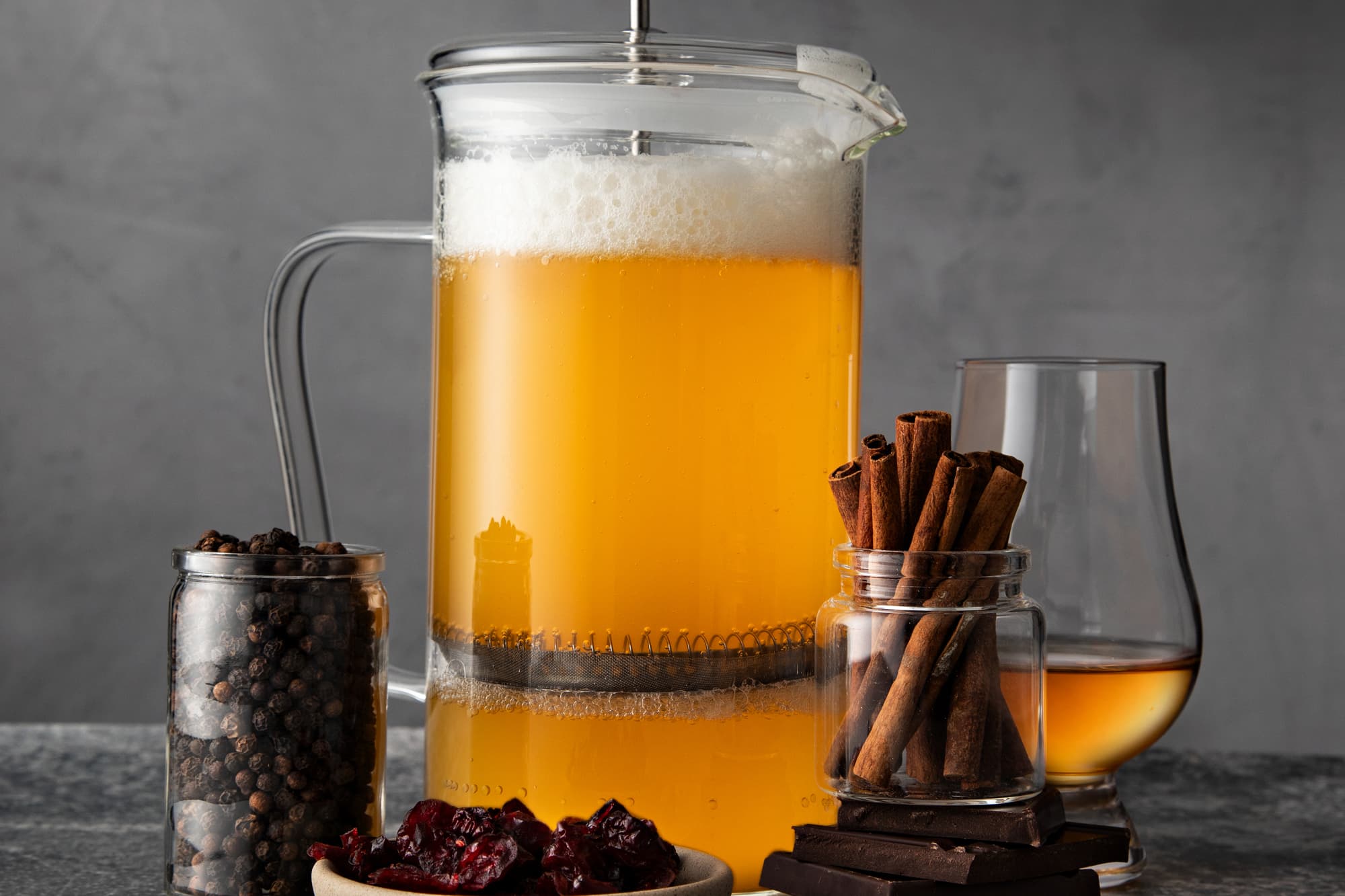
Infusing beer with fruit and other flavors between the tap and the glass isn’t just a relic of a time when craft beer was less mainstream—and, often, more fun. It’s also something you can do at home, today. Ready to get acquainted?
In the world of brewing, we can precisely measure and define certain things—and those things don’t have a whole lot to do with how we smell, taste, and feel about beer.
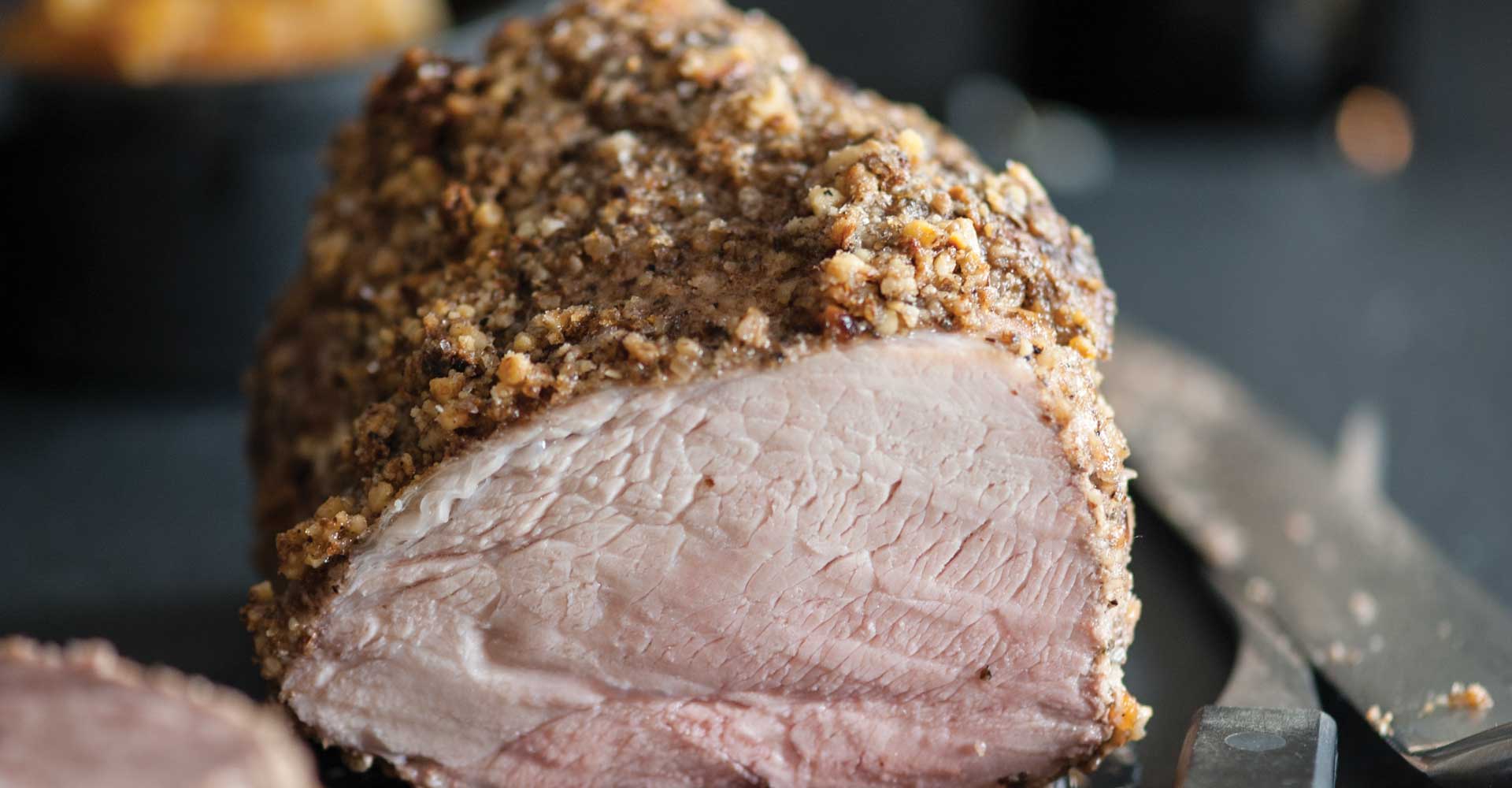
Reach for a bottle of local craft cider and embrace the flavors of autumn with this dish, which pairs well with sides such as butternut squash, sweet potatoes, or roasted turnips.
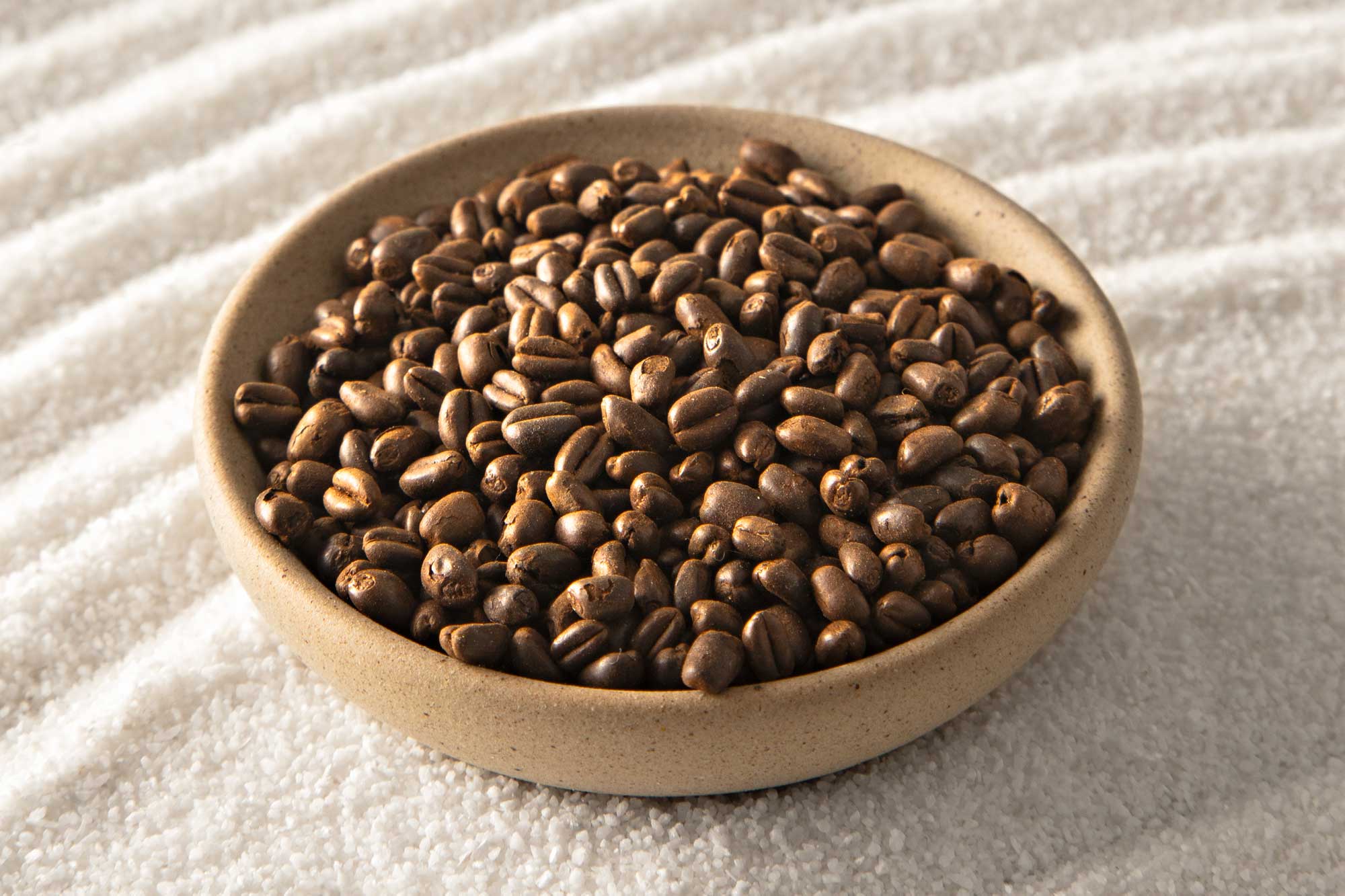
When it comes to building your malt bill, go smarter, not harder. Here are some key insights from two award-winning brewers on purposeful malt choices that can elevate beers, not muddle them.
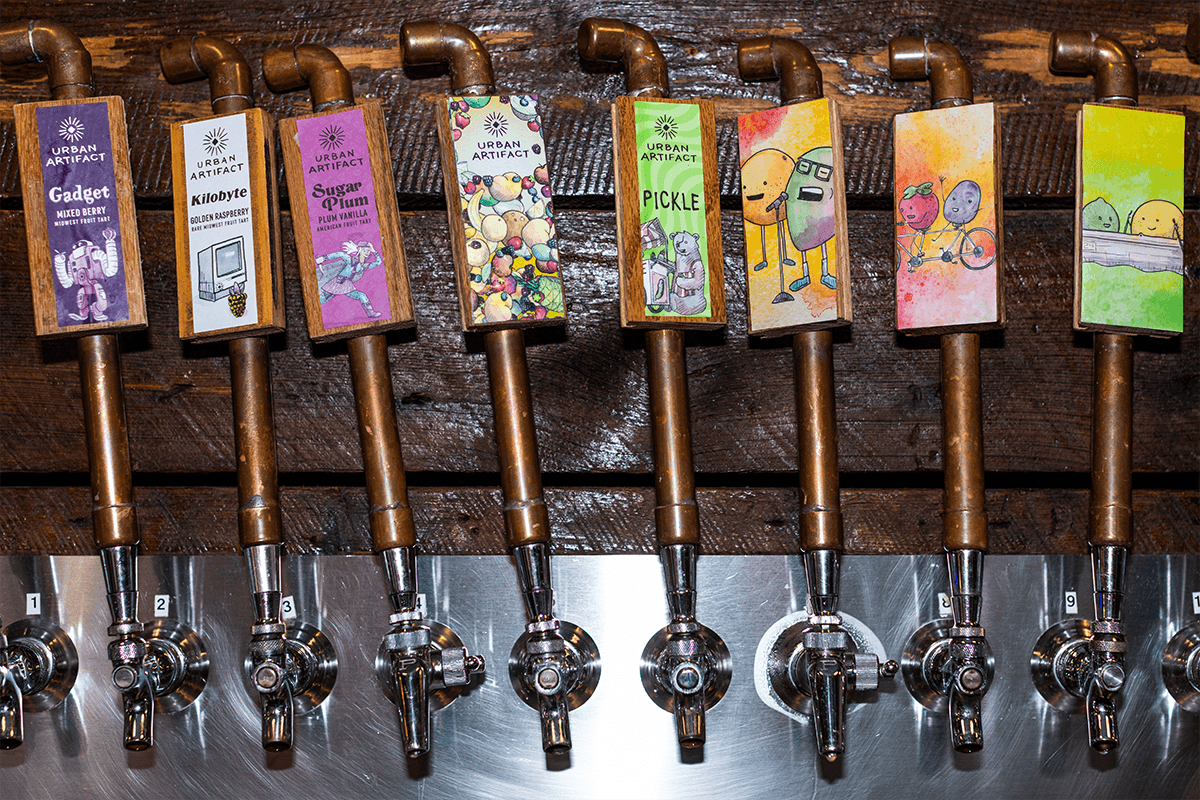
Flavor extracts and WONFs—additives “with other natural flavors”—could both have a place in the making of a great fruit beer, says Urban Artifact’s Bret Kollman Baker. But it helps to have a deft hand and clear communication with your supplier.
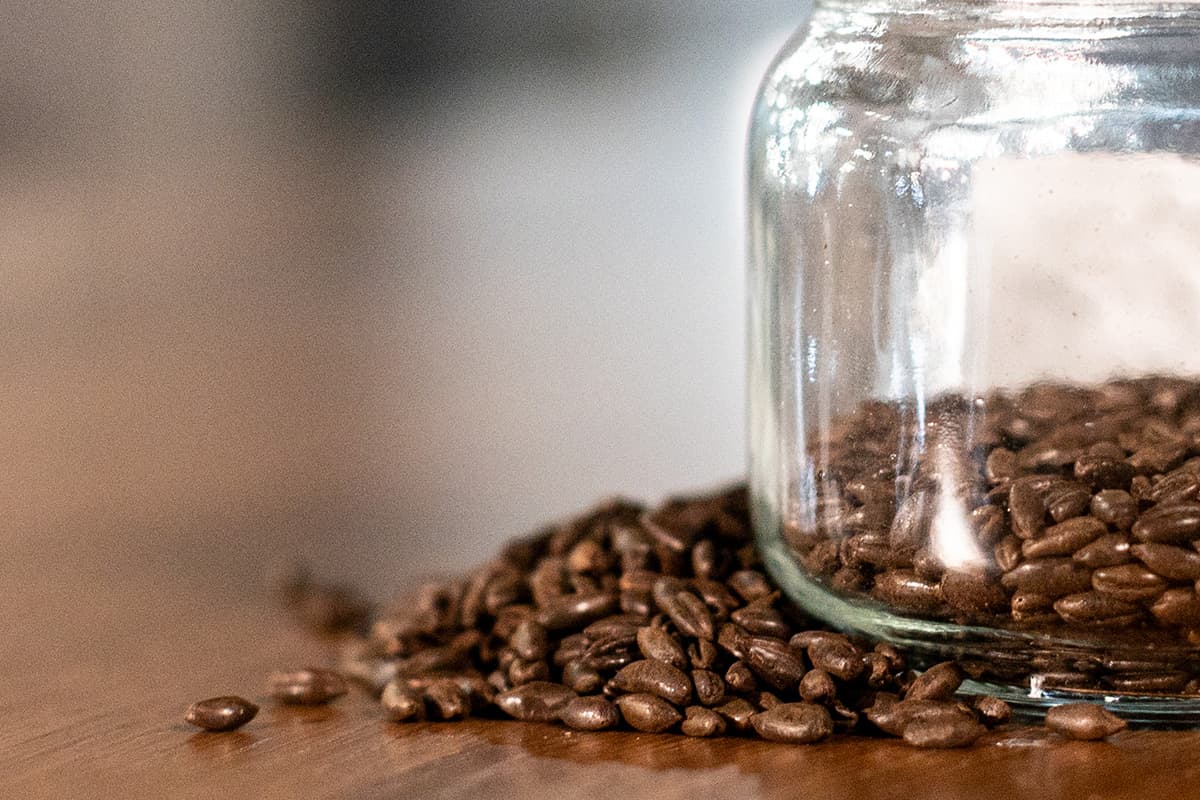
Third Eye co-owner and head brewer Kelly Montgomery makes the case for freshly roasted cacao nibs and using real vanilla extract in combination with vanilla beans to capture a rich chocolate flavor in stouts.
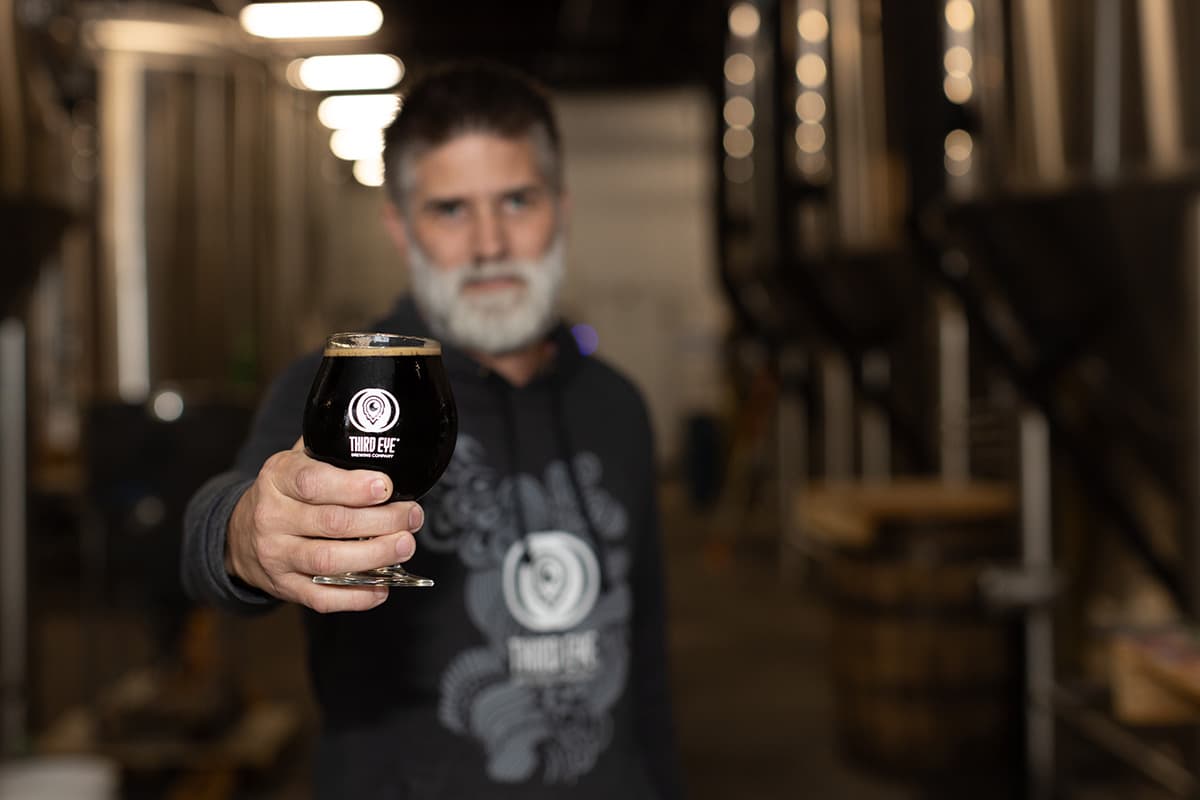
From layering malts to selecting and infusing adjuncts, Third Eye co-owner and head brewer Kelly Montgomery lays out their medal-winning approach to planning and brewing rich, flavorful stouts.
Once derided as cheap adjuncts, sugars have become useful, flavorful tools for today’s creative brewers.
From the weather at the farms that grow the ingredients to every aspect of brewing and on to the climate in which we enjoy it, temperature affects beer profoundly. So, whether you’re gulping an ice-cold one in the desert or sipping a snifter by the fireside, let’s ponder beer’s ethereal, delicate nature—whatever the season.
From cocoa to coconuts via lactose and long boils, brewers are shaping today’s dessert stouts for easy appeal. Just don’t say they’re easy to make.
Sometimes known as “kettle caramelization,” the Maillard richness of a boil reduction can add deeper malt flavor to any beer you brew—even if it’s not Scottish.
Julian Shrago, co-owner and brewmaster at Beachwood Brewing in Los Angeles, explains how he first thinks about the flavors he wants in a beer before he begins thinking about ingredients.