The Brewery Lab Is a Modern Shrine to the Brewing Gods
In the never-ending quest for quality, brewers turn to specialized instruments to build a better understanding of their raw materials, their processes, and their beer.
93 articles in this category

In the never-ending quest for quality, brewers turn to specialized instruments to build a better understanding of their raw materials, their processes, and their beer.

Inspired by Wallonian farmhouse brewing but rooted in Oregon terroir, Funky Fauna in Bend makes its Wild Saison beers from local ingredients, fermenting them in oak barrels with their wild-caught house culture. Here, cofounder and brewer Michael Frith shares tips on leaning local, developing your own mixed culture, package-conditioning, and more.

Fermentation has been around for billions of years, but only recently did a new type emerge—lager fermentation, conducted by an organism that didn’t exist for much of Earth’s history. Here is its story... starting from the very, very beginning.

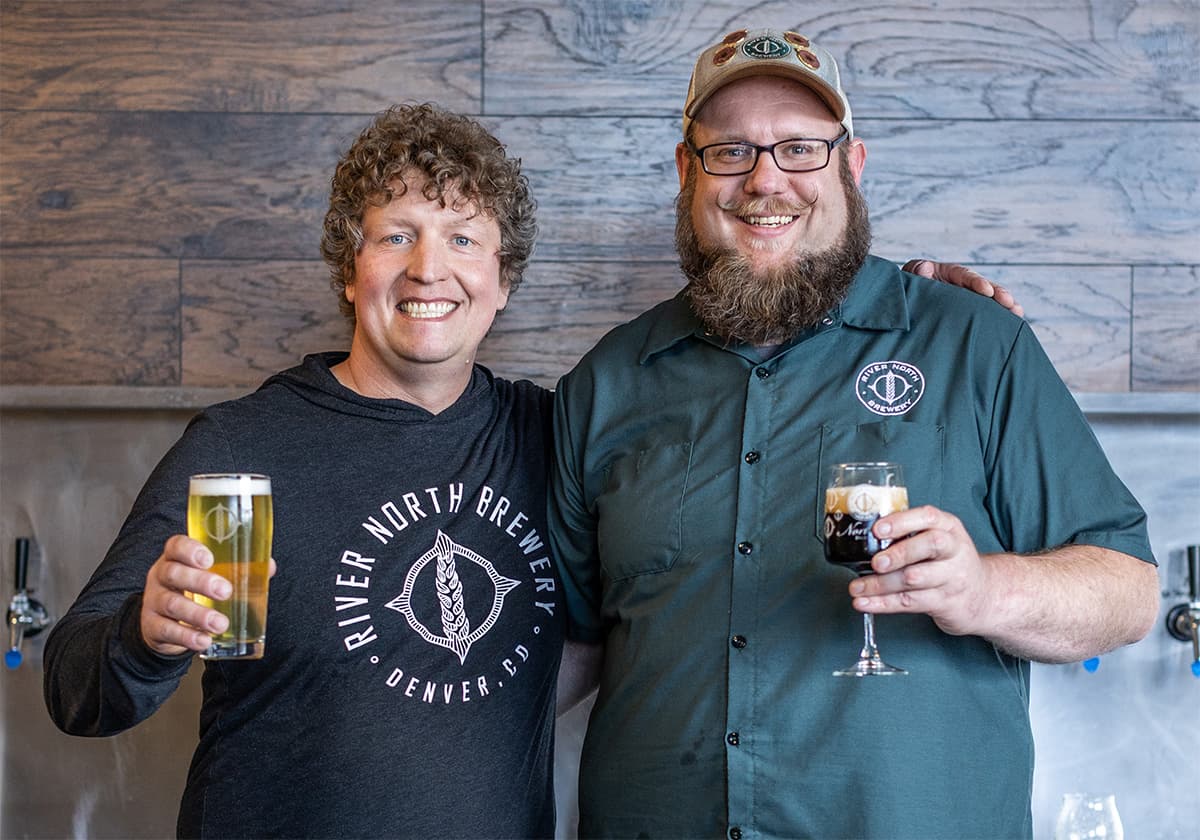
From recipe design and ingredient choices to barrel-aging, blending, and packaging, River North founder Matt Hess and head brewer Matt Malloy share the methods and philosophy behind their unusually robust and flavorful award-winning beers.

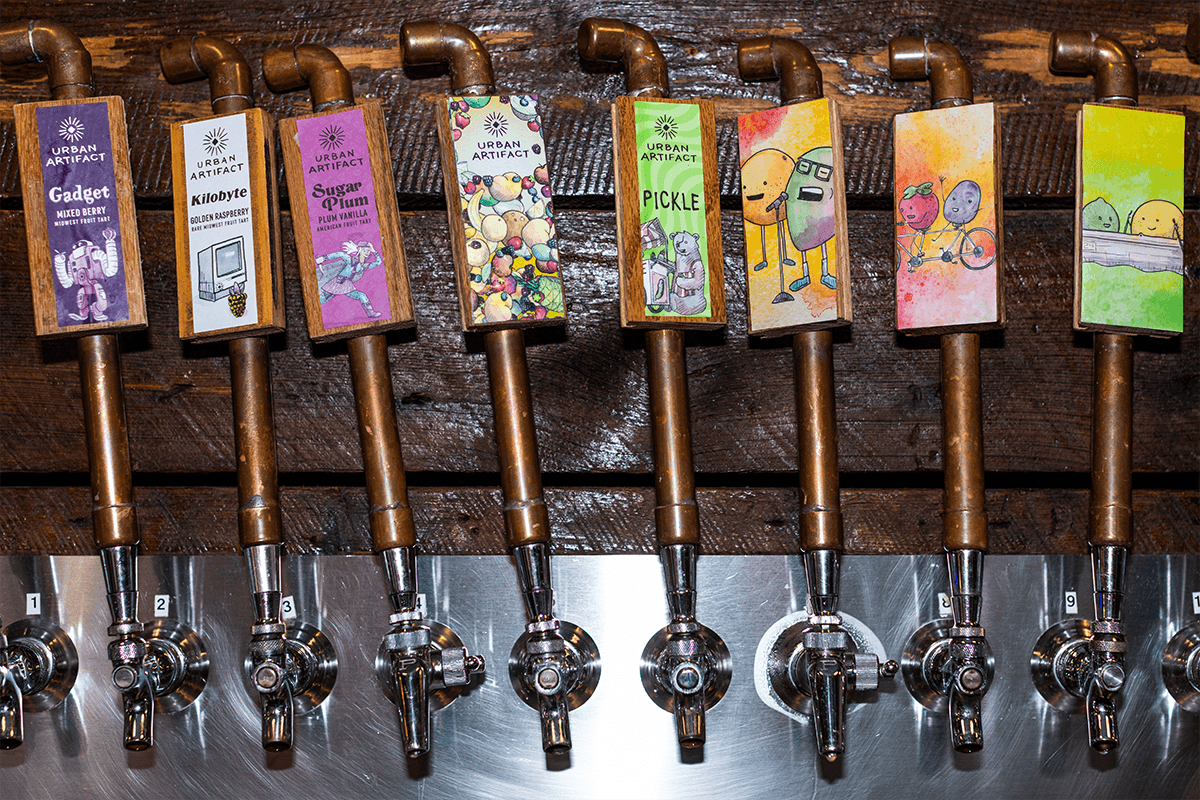
In this extended bonus clip from his video course, Urban Artifact cofounder and COO Bret Kollman Baker explains how to dial in acidity, sweetness, and a carefully managed fermentation for a fruit beer that excels.

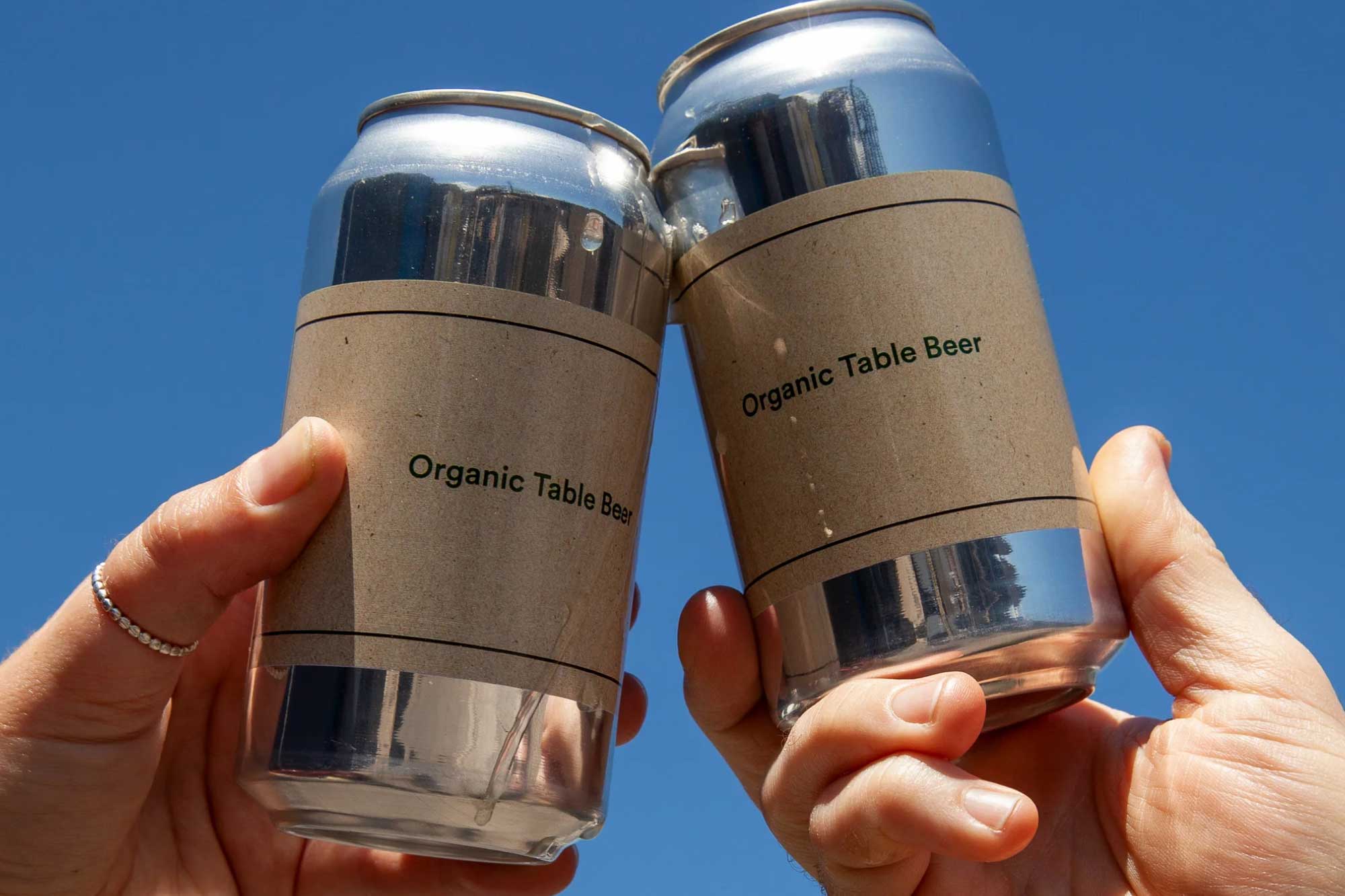
With local malt and a mixed fermentation culture foraged and harvested from native Australian flowers, Wildflower is focused on producing satisfying table beers with a true sense of place. Cofounder and brewer Topher Boehm explains their approach.

From lower-strength versions to higher-gravity ones that need a bigger yeast pitch and more time, Third Eye co-owner and head brewer Kelly Montgomery details their approach to fermenting award-winning milk stouts.

Neutrality has long been a goal of lager fermentation, but some brewers are taking steps to coax more character from their yeast. From strain selection to variable pressure and temperature, here’s how they’re adding complexity, flavor, and nuance to today’s craft lagers.

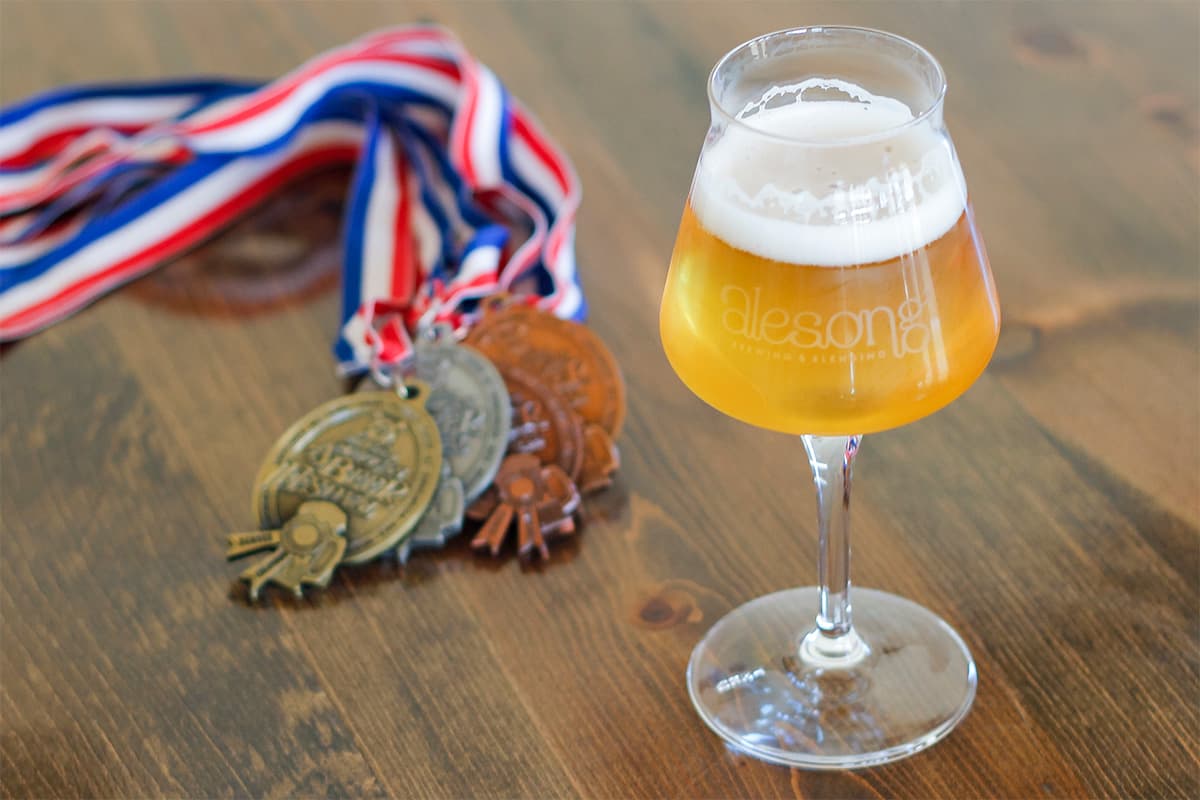
This version of the award-winning yet ever-evolving oak-aged Brett beer from Alesong Brewing & Blending in Eugene, Oregon, includes Citra hops and several different grains—but it welcomes your own spin.

From a healthy yeast pitch to extra-cold lagering via spunding and harvesting, brewmaster Josh Pfriem walks us through the cold side of lager-making at pFriem Family Brewers.

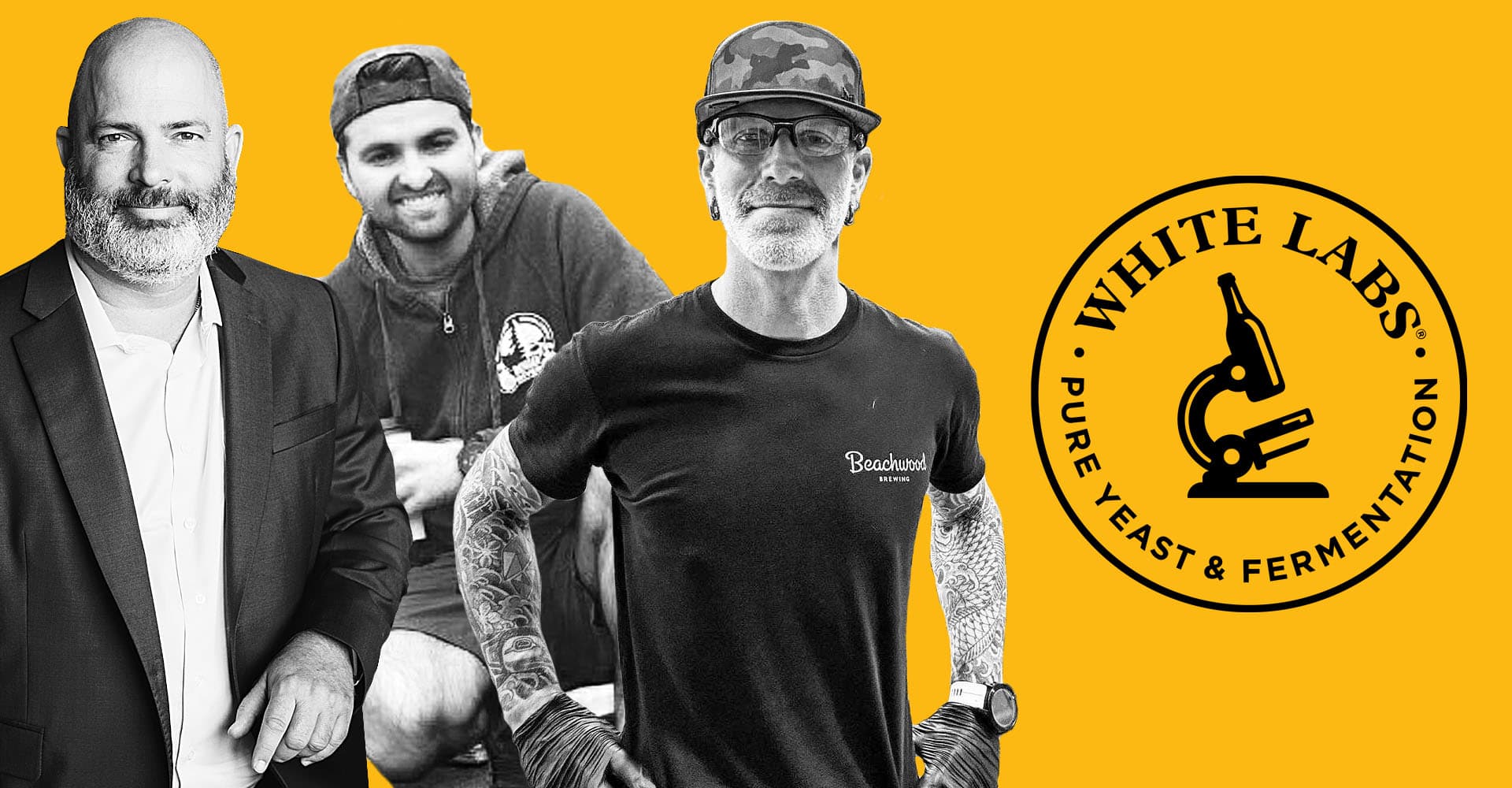
Unlock the secrets of successful fermentation through new and simplified approaches to yeast nutrition, enzymes, and more, with techniques outlined by Chris White, founder of White Labs, Garrison Fratoni, head brewer for Russian River, and Julian Shrago, brewmaster for Beachwood.

The lager-brewing tradition is full of received wisdom and rules of thumb about how long it’s supposed to take to condition a beer. In reality, however, there’s no magic formula.

Fermenting under pressure to make beer faster is an old industrial trick—and it works just as well on a small scale. Here’s what to know about a method that can help you brew more lagers in less time, honing your technique along the way.

Brewers don’t make beer, yeast do—but they also make a lot more yeast. Here’s a look at some of the specialized gear that brewers use to propagate and ensure consistent pitches from batch to batch.

Brewing saisons with Brettanomyces offers an enticing opportunity to fully embrace Noble and Noble-esque hops, including newer varieties such as Adeena and Loral and later kettle additions to encourage biotransformation. Crooked Stave founder and brewmaster Chad Yakobson breaks down some possibilities.

Crooked Stave founder and brewmaster Chad Yakobson, one of the industry’s foremost experts on Brettanomyces, leads this in-depth course on brewing and fermenting funky, farmhouse-inspired beers.

From our Illustrated Guide to Homebrewing, here are things to consider while your batch moves from fermentation to that time when waiting (and perhaps adding a thing or two) only makes your beer better.

From our Illustrated Guide to Homebrewing, here’s an introduction to fermentation—and an explanation for why you might want to leave it alone for a while.

Sapwood Cellars cofounder, brewer, and ”Mad Fermentationist” Michael Tonsmeire shares his expertise in all things fruit—sourcing, selecting, processing, blending, brewing, barrel-aging, and more.

Borrowing a page from winemakers, some brewers are pitching freshly picked fruit instead of slurry, taking advantage of the natural yeast and bacteria on their skins—a process that requires a leap of faith and the best, ripest fruit you can find.