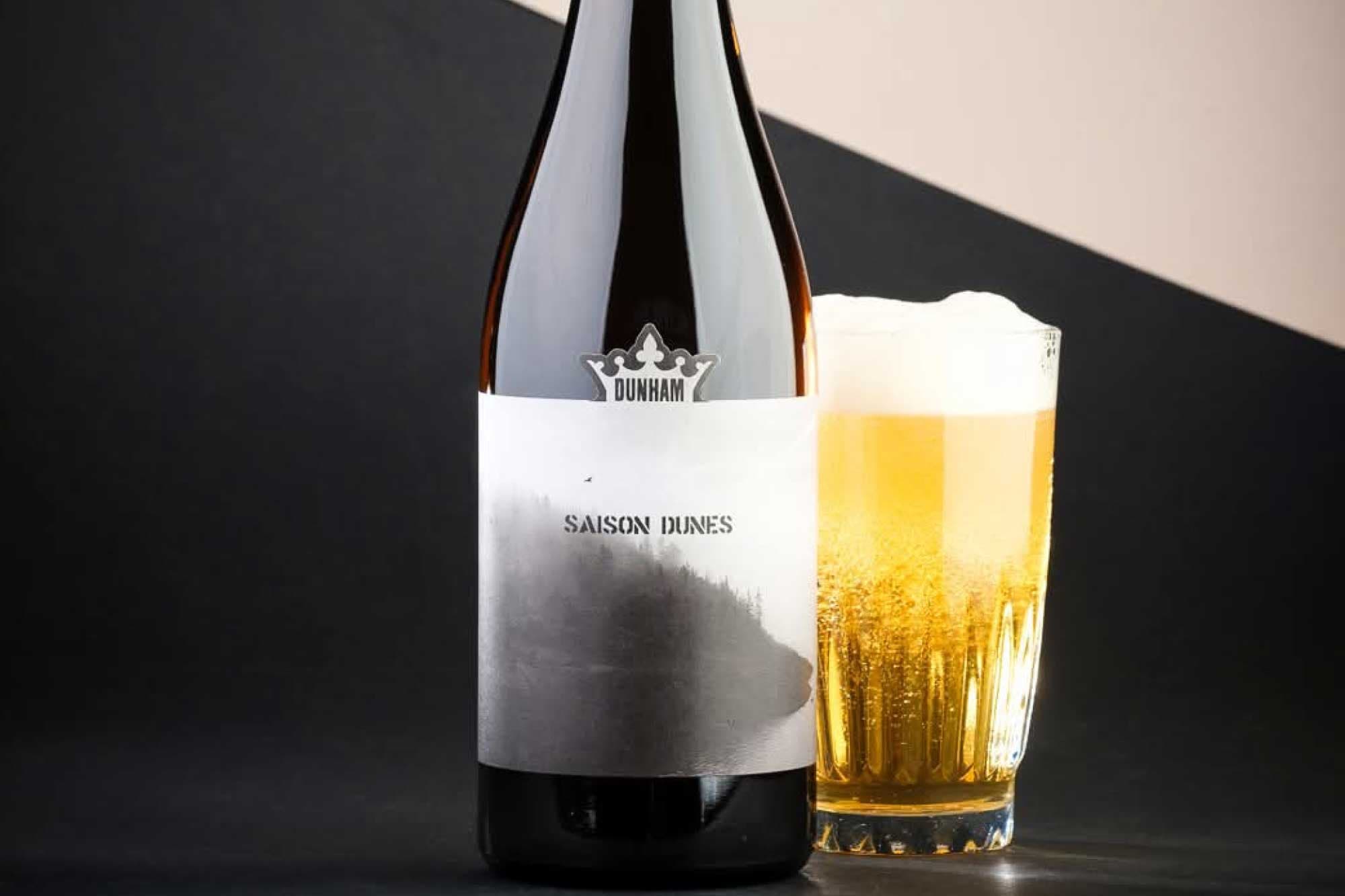
Recipe: Dunham Saison Dunes
Subscriber
From head brewer Éloi Deit and his team at Brasserie Dunham in Dunham, Quebec, this saison recipe features the catkins of the green alder—also known as dune pepper.

33 articles in this category
From head brewer Éloi Deit and his team at Brasserie Dunham in Dunham, Quebec, this saison recipe features the catkins of the green alder—also known as dune pepper.
Tart, light, and utterly quenching, a great Berliner weisse is the perfect summertime beer, and it can win the hearts and minds of stone-hearted skeptics. Best of all, it doesn’t need to be difficult to brew.
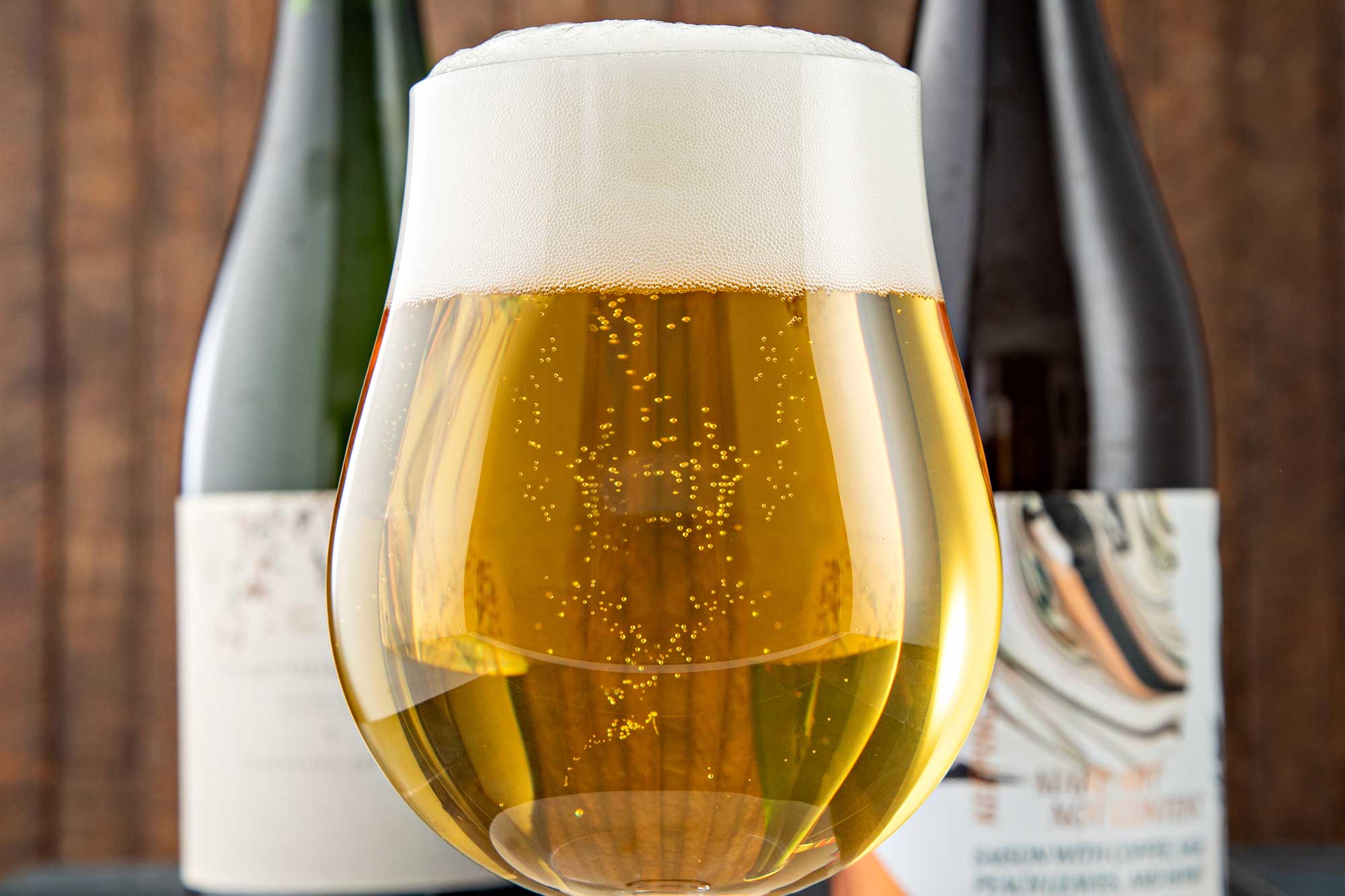
Inspired by Wallonian farmhouse brewing yet distinct from classic saison, today’s modern, funky, mixed-culture creations—whatever you call them—enjoy a refined niche.
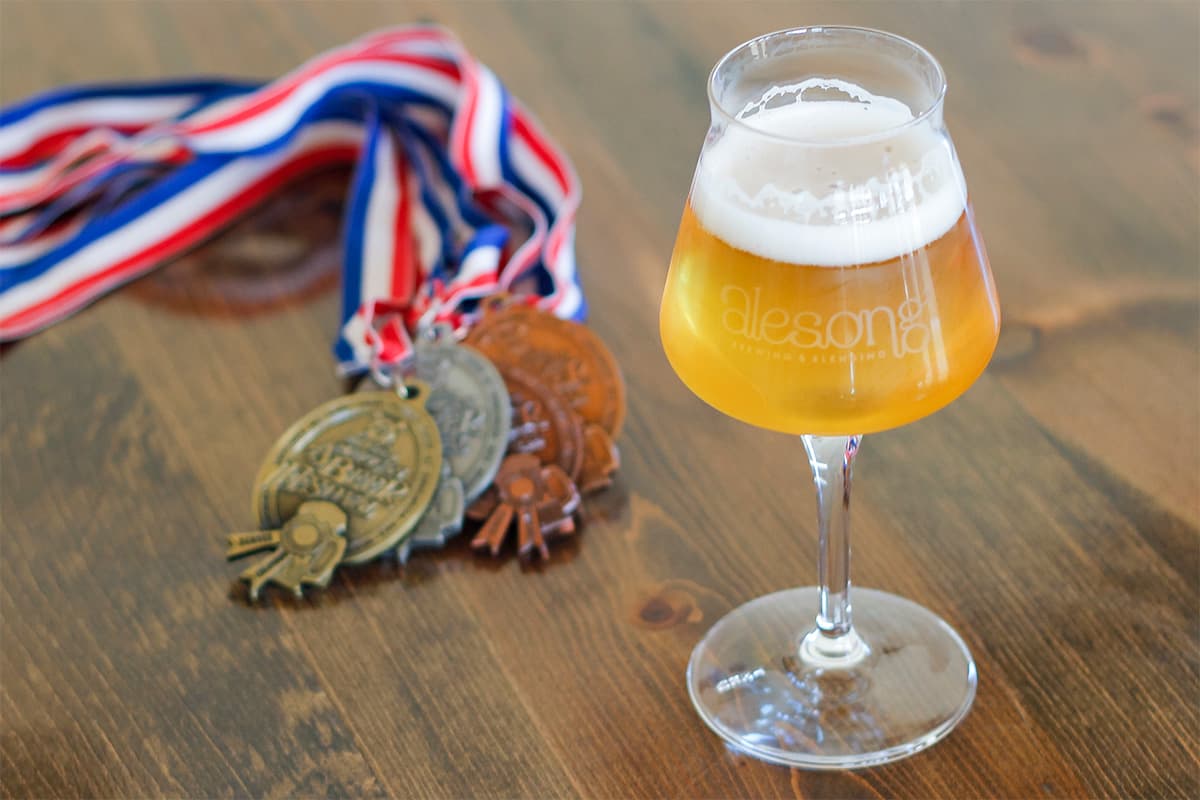
This version of the award-winning yet ever-evolving oak-aged Brett beer from Alesong Brewing & Blending in Eugene, Oregon, includes Citra hops and several different grains—but it welcomes your own spin.
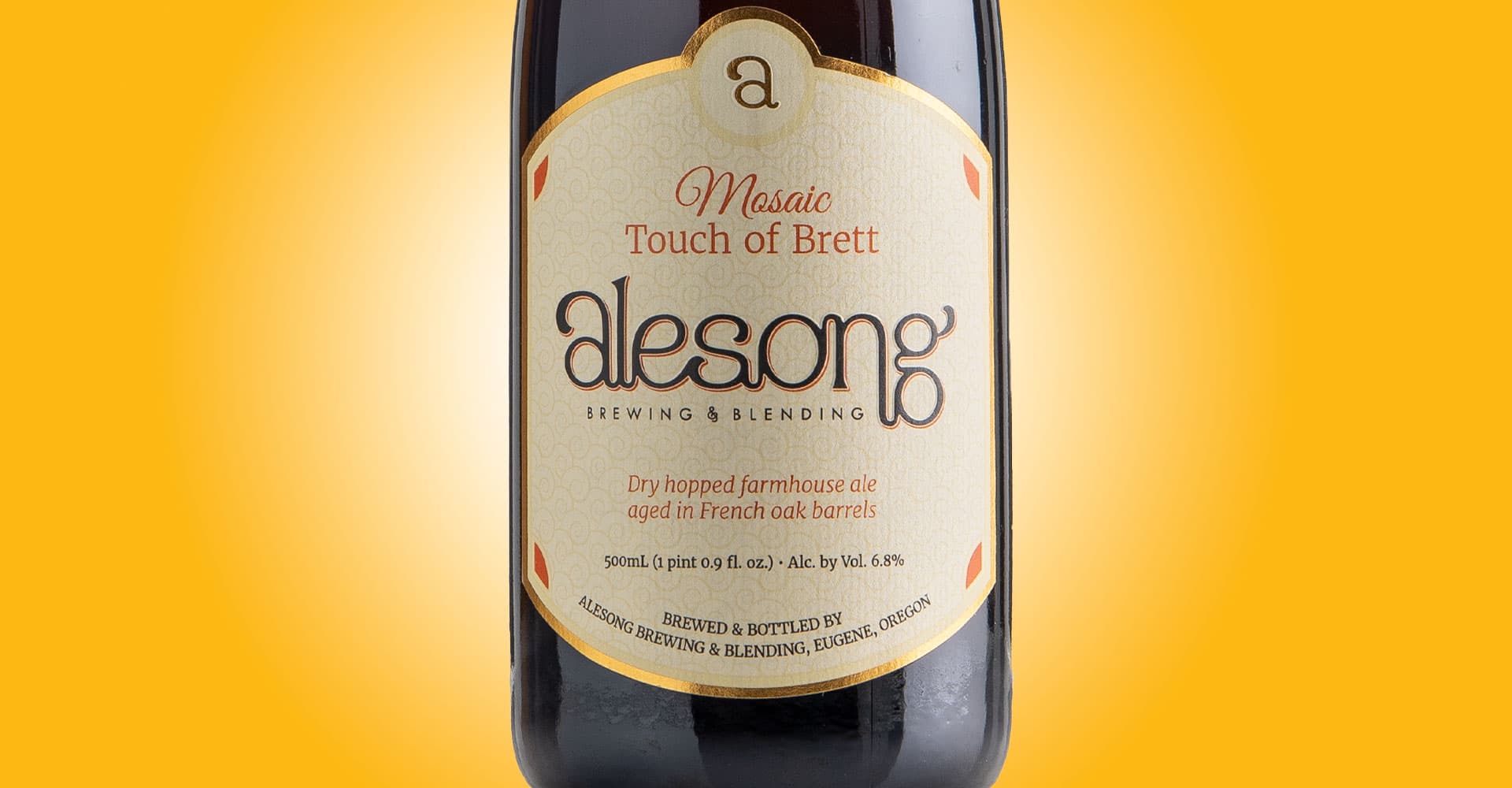
No beer from Alesong Brewing & Blending in Eugene, Oregon, has won more accolades than Touch of Brett, even though the saison is constantly evolving. Here’s how they put it together.
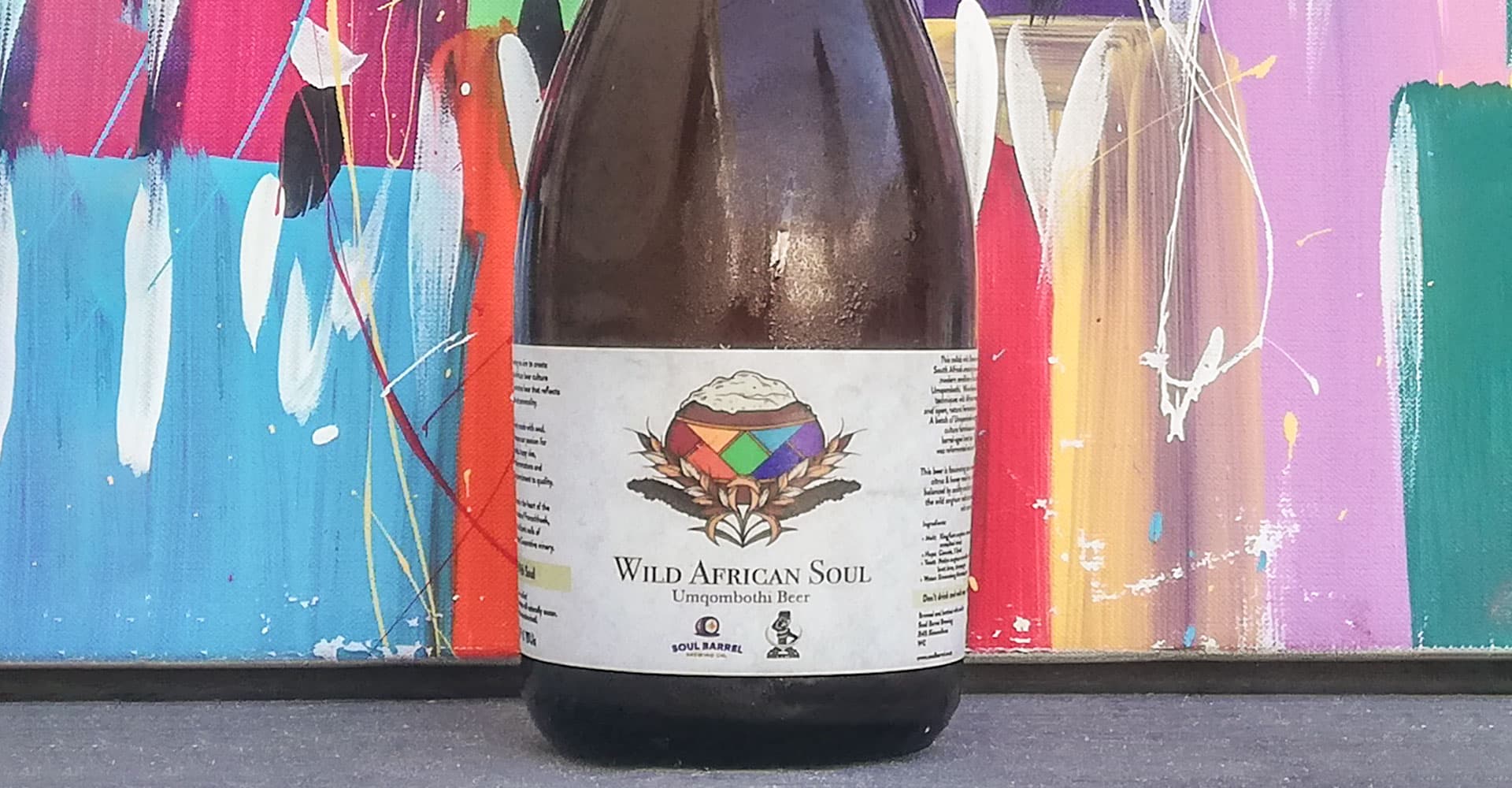
Based in the wine-growing region about 40 miles northeast of Cape Town, South Africa, Soul Barrel brewed this funky riff on umqombothi in collaboration with Tolokazi—a team of predominantly women brewers making traditional African beers.
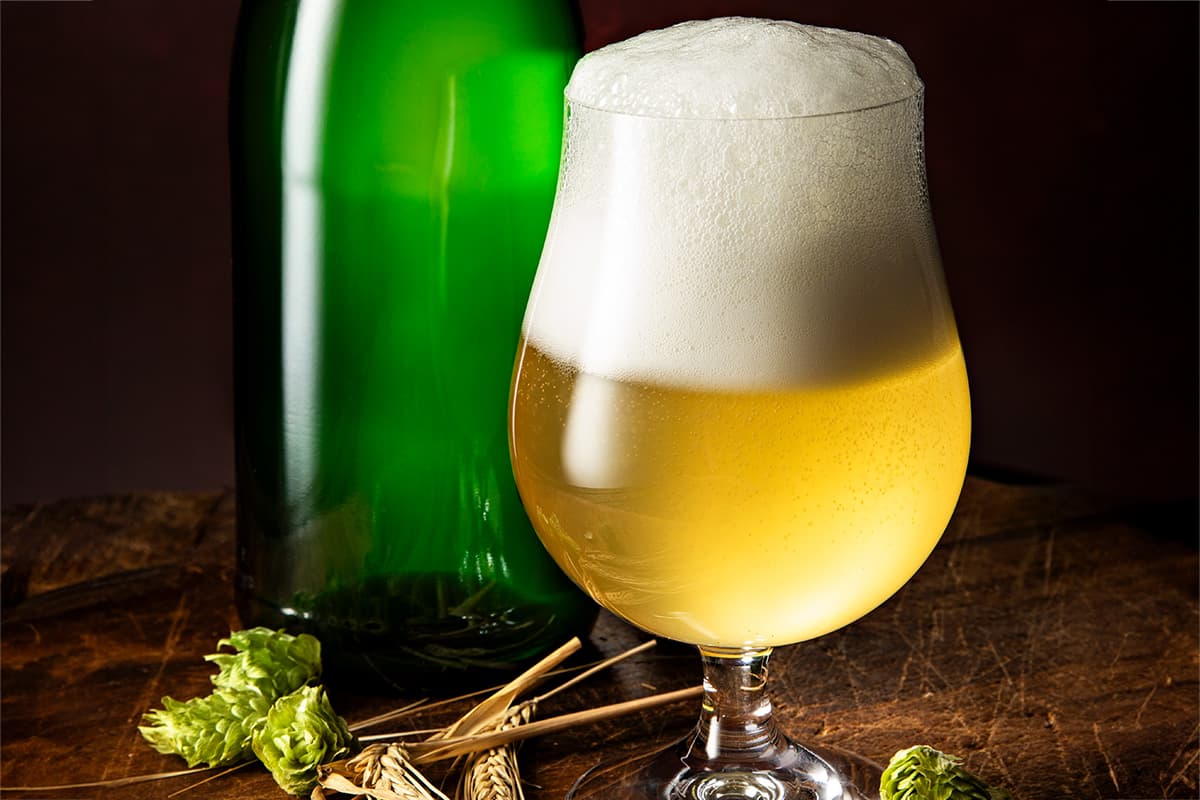
Whether they’re working in farmhouses or warehouses, today’s saison brewers are united in their pursuit of rustic character. While that goal is abstract, they achieve it via concrete choices about ingredients and process—and the ways to get there are as varied as the brewers and beers themselves.
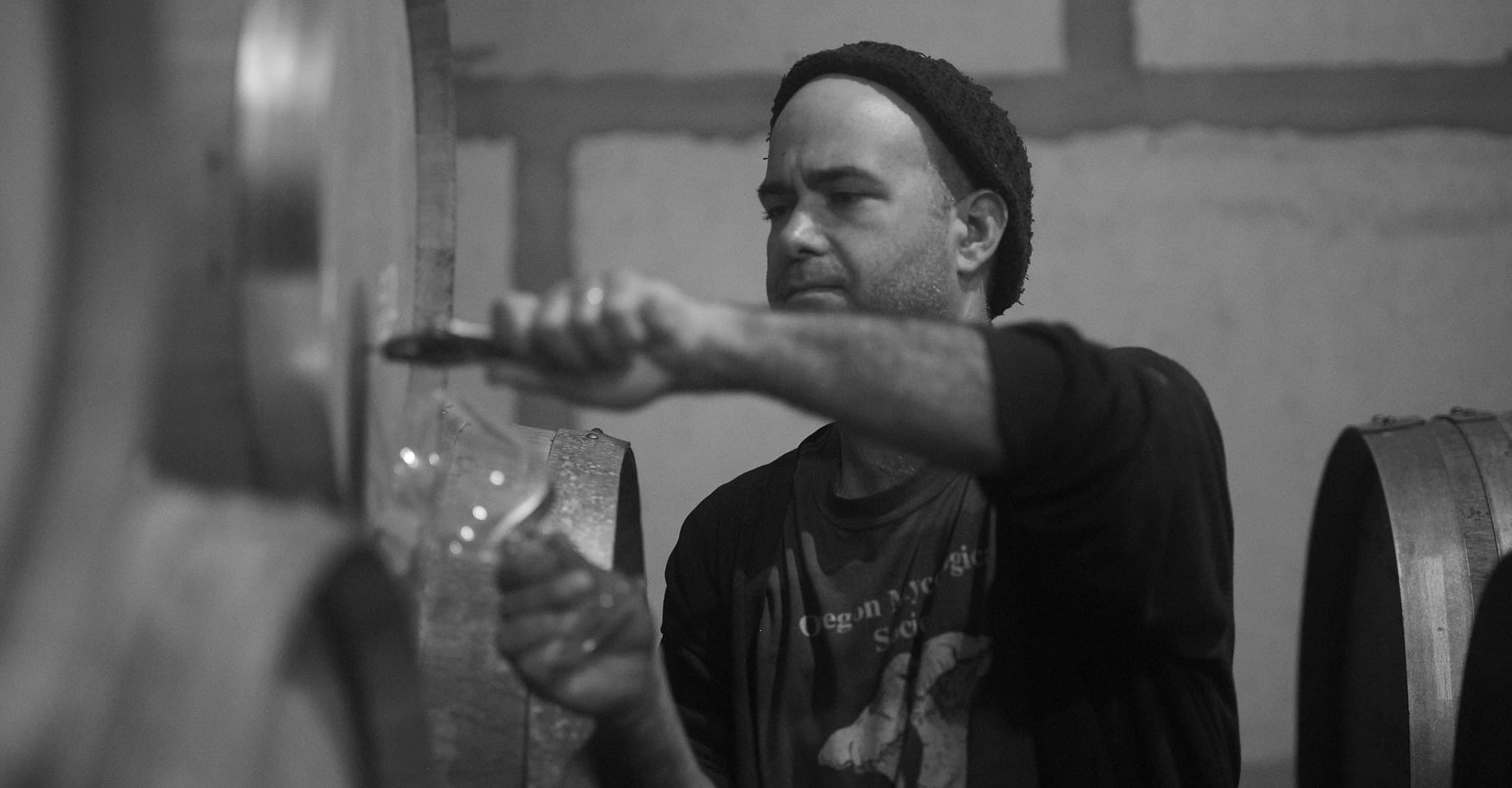
In a former dairy creamery in northern Vermont, Wunderkammer creator (and former Hill Farmstead head brewer) Vasili Gletsos has developed a decidedly manual, hands-on process using locally foraged ingredients, a wood-fired copper kettle, and no glycol.
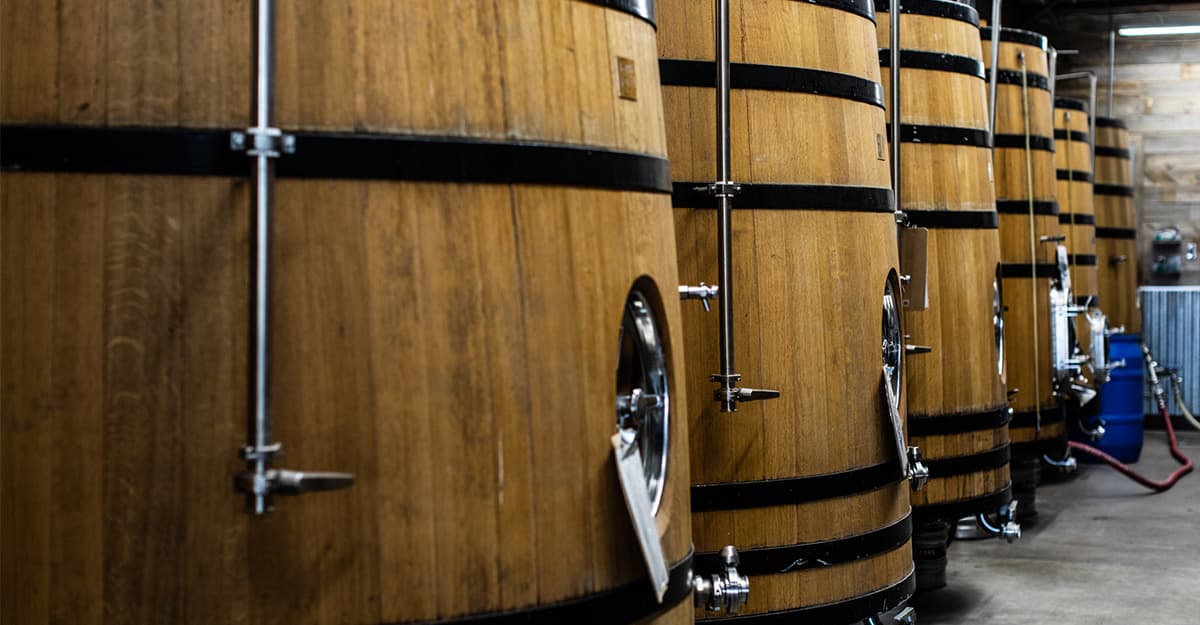
Crooked Stave’s saisons get a mix of grains meant to contribute to the texture and feed the yeast and bacteria during extended secondary fermentations. Founder and brewmaster Chad Yakobson explains the reasoning.
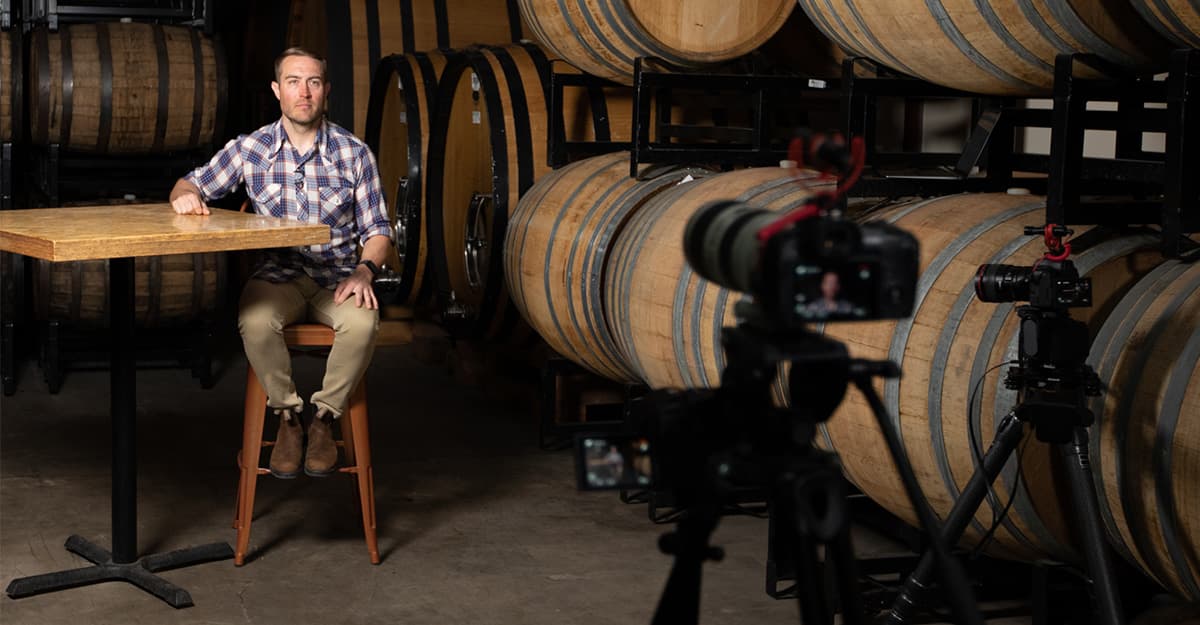
Crooked Stave founder and brewmaster Chad Yakobson explains how you can adjust grist, pH, and hopping levels for various mouthfeel and flavor outcomes in farmhouse-inspired beers with Brettanomyces.
Brewing saisons with Brettanomyces offers an enticing opportunity to fully embrace Noble and Noble-esque hops, including newer varieties such as Adeena and Loral and later kettle additions to encourage biotransformation. Crooked Stave founder and brewmaster Chad Yakobson breaks down some possibilities.
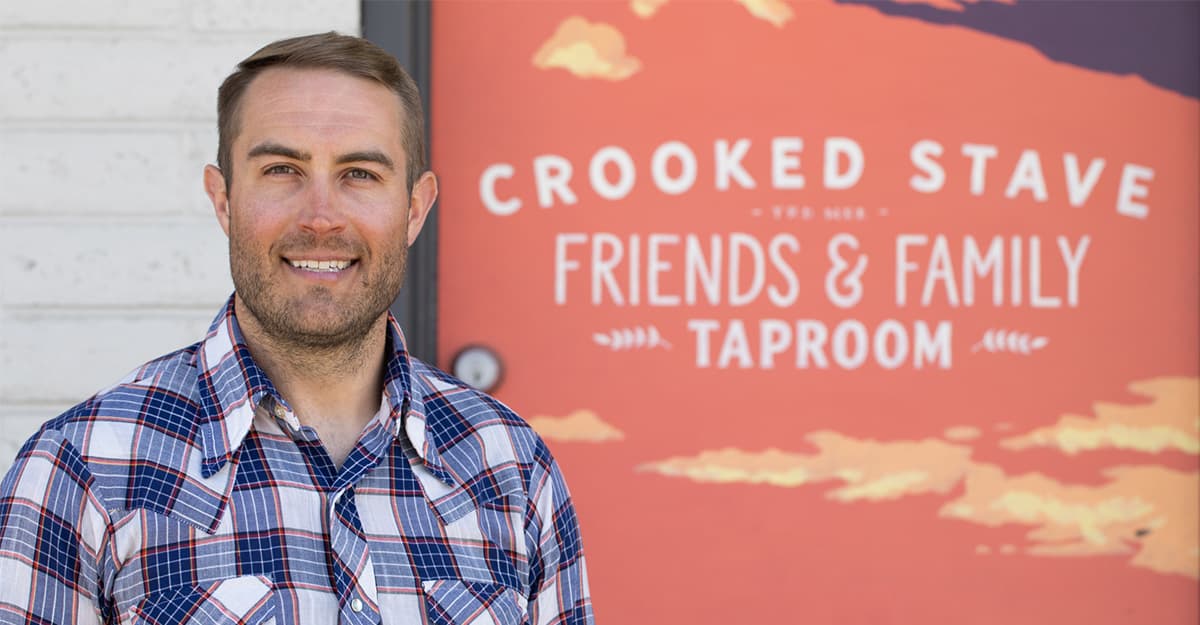
Crooked Stave founder and brewmaster Chad Yakobson, one of the industry’s foremost experts on Brettanomyces, leads this in-depth course on brewing and fermenting funky, farmhouse-inspired beers.
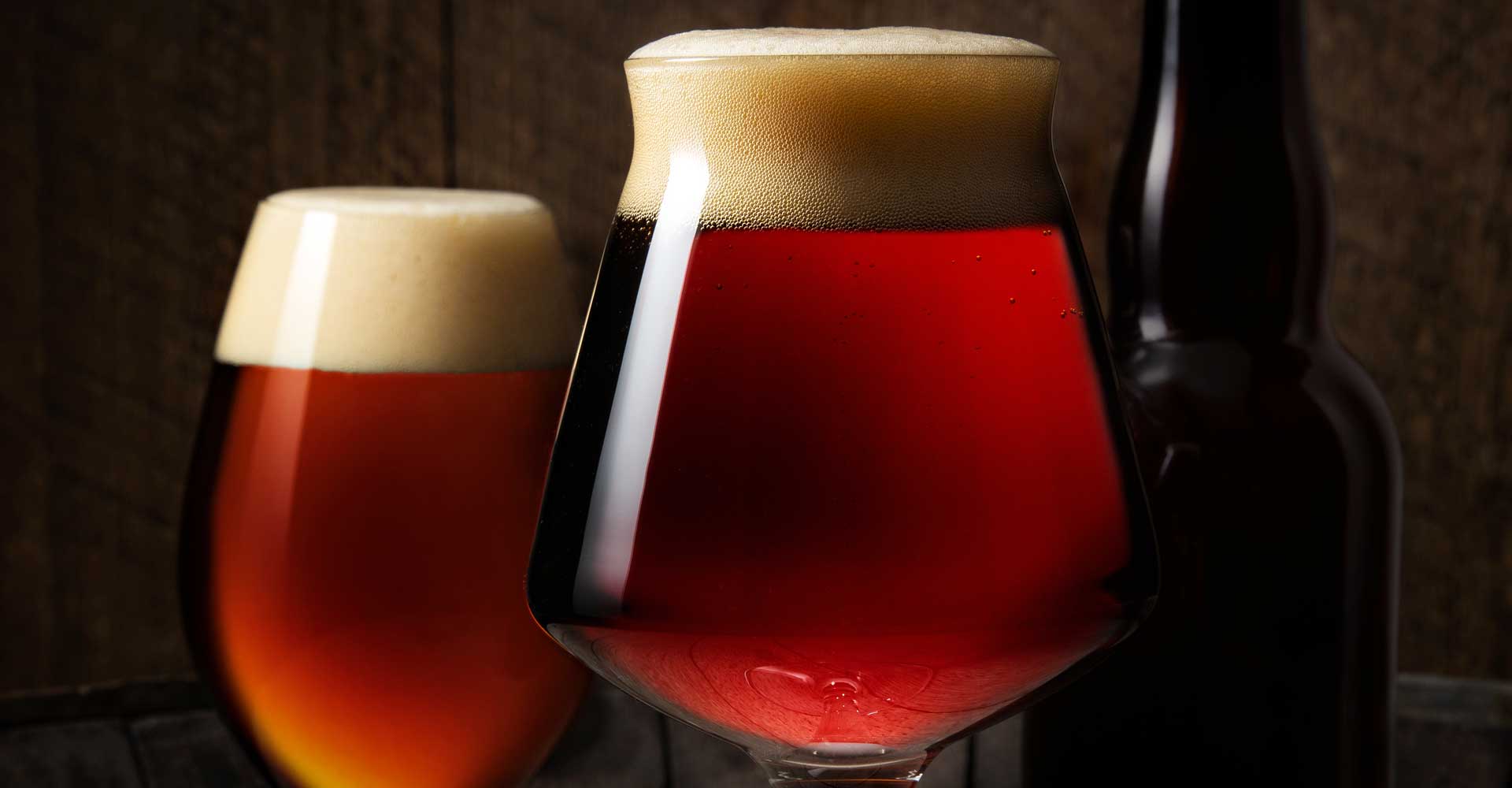
Brewing up something big and ponderous, and looking for inspiration? The British barleywine tradition offers more quirks than you might think, including more funk, more hops, and more time.
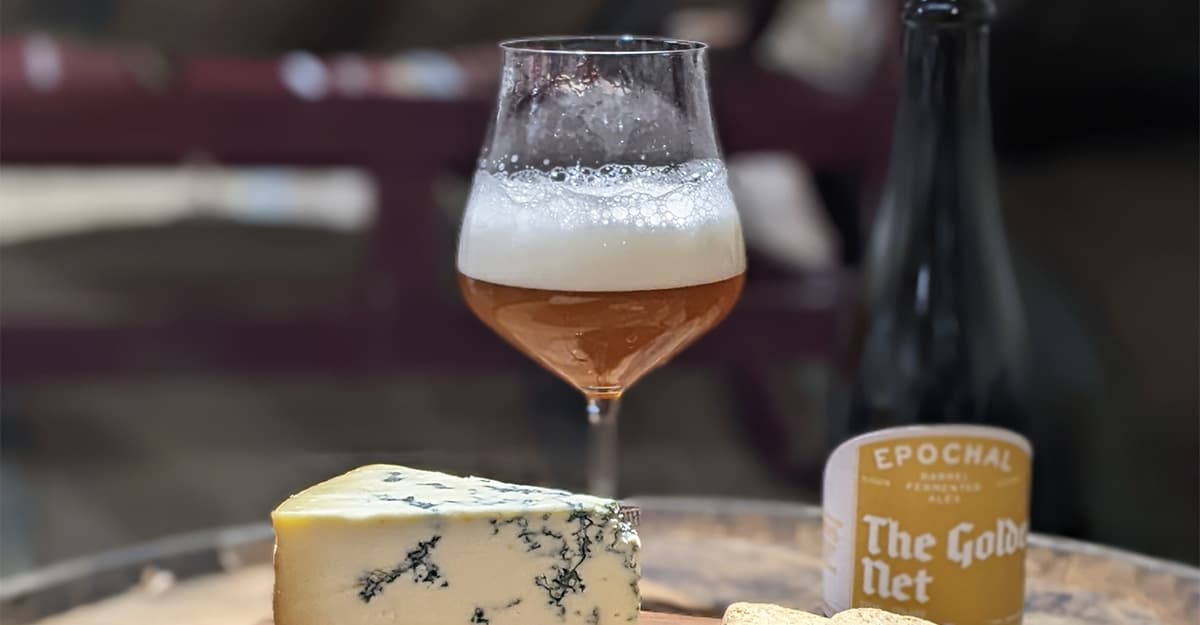
You think you know Scotch ales? Based in Glasgow, Epochal Barrel Fermented Ales specializes in mixed-culture beers matured in oak, inspired by Scottish brewing tradition. Here, founder and brewer Gareth Young explains the surprising history and process.
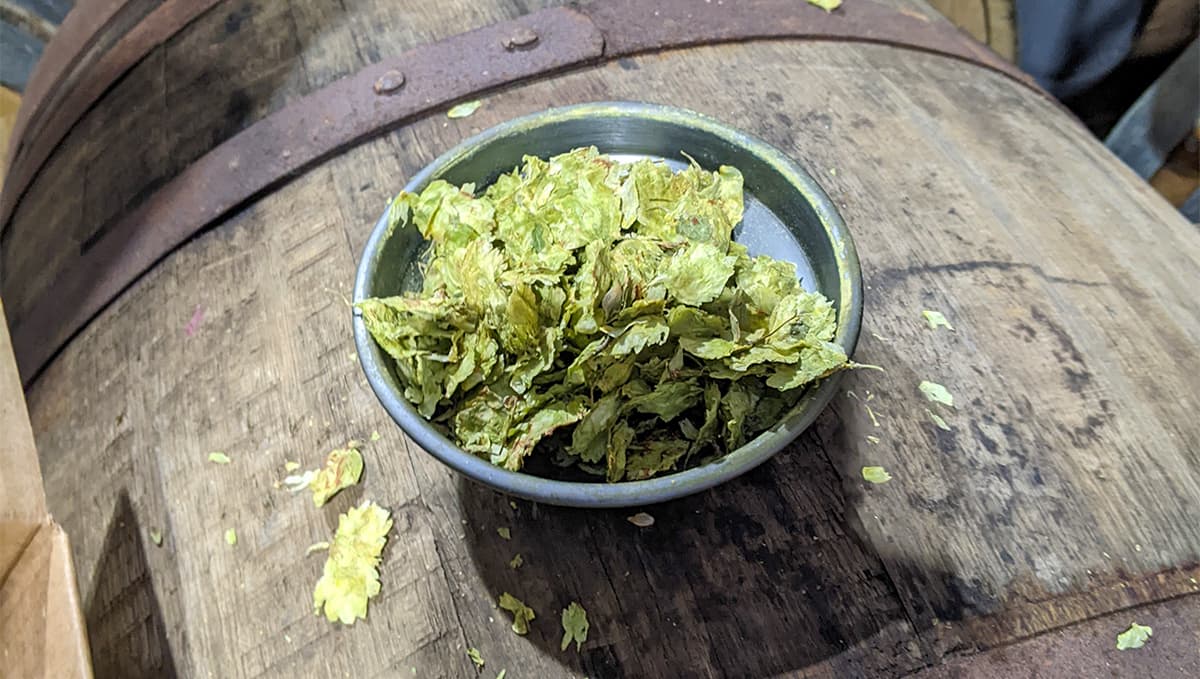
It was once indispensable to their refined character, but Brettanomyces is rarely involved with oak-aged barleywines these days—and that’s not all they’ve lost since the 1800s.
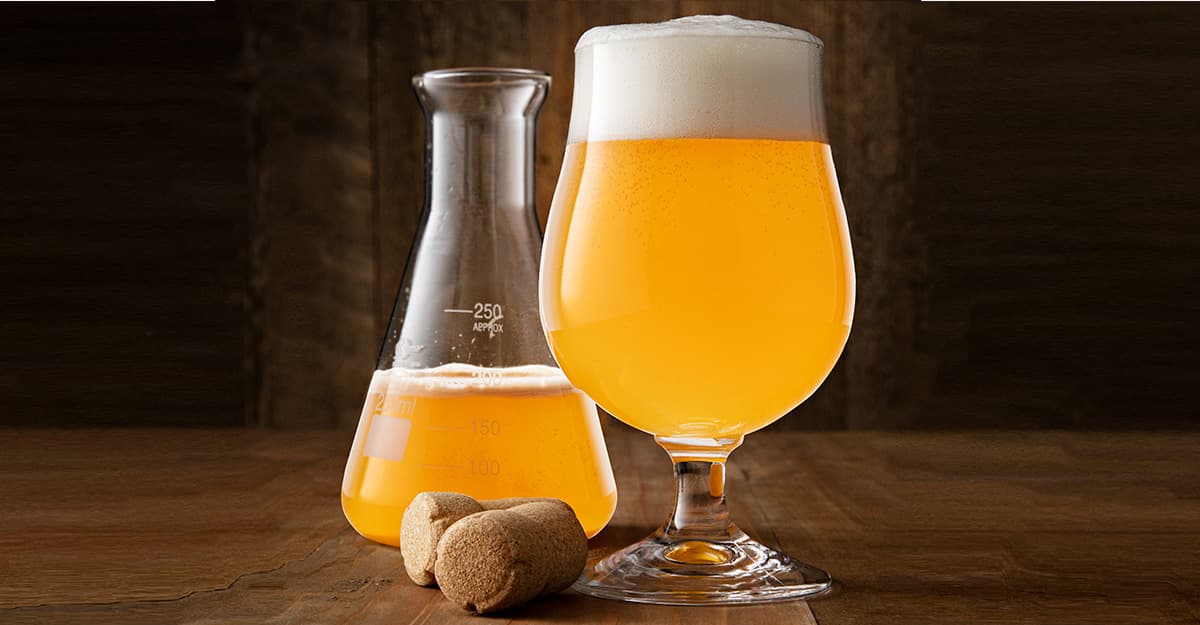
Opening your fermentations to a wider array of yeasts and bacteria can add great complexity to your beers. It can also add complexity to your brewing process—but the challenge is both surmountable and rewarding.
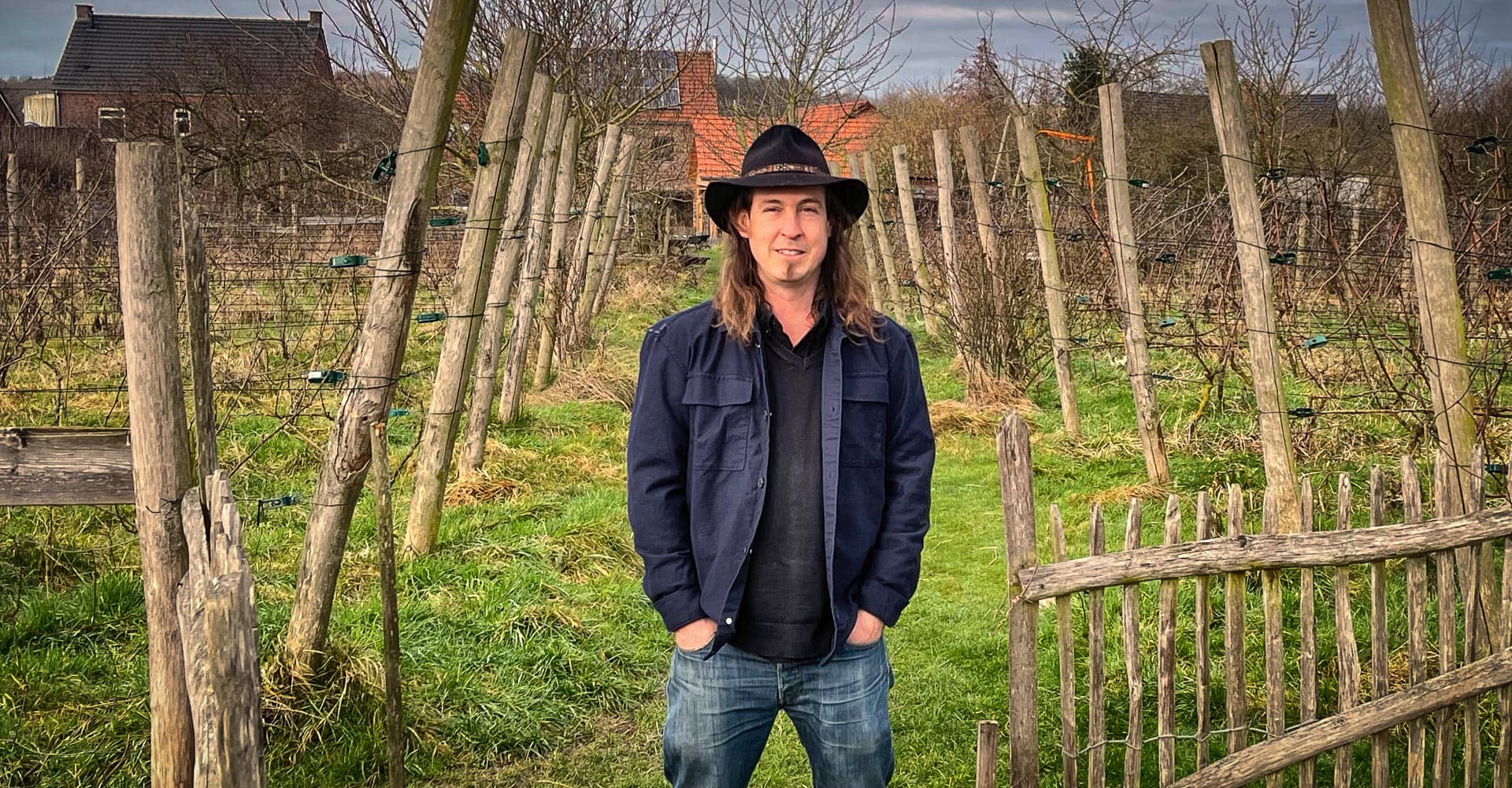
The philosopher-brewer expounds on not conforming to preconceptions of style, staying small to protect their creative vision, and using a full range of herbs, spices, fruits, and vegetables to find that signature Antidoot aroma and flavor.
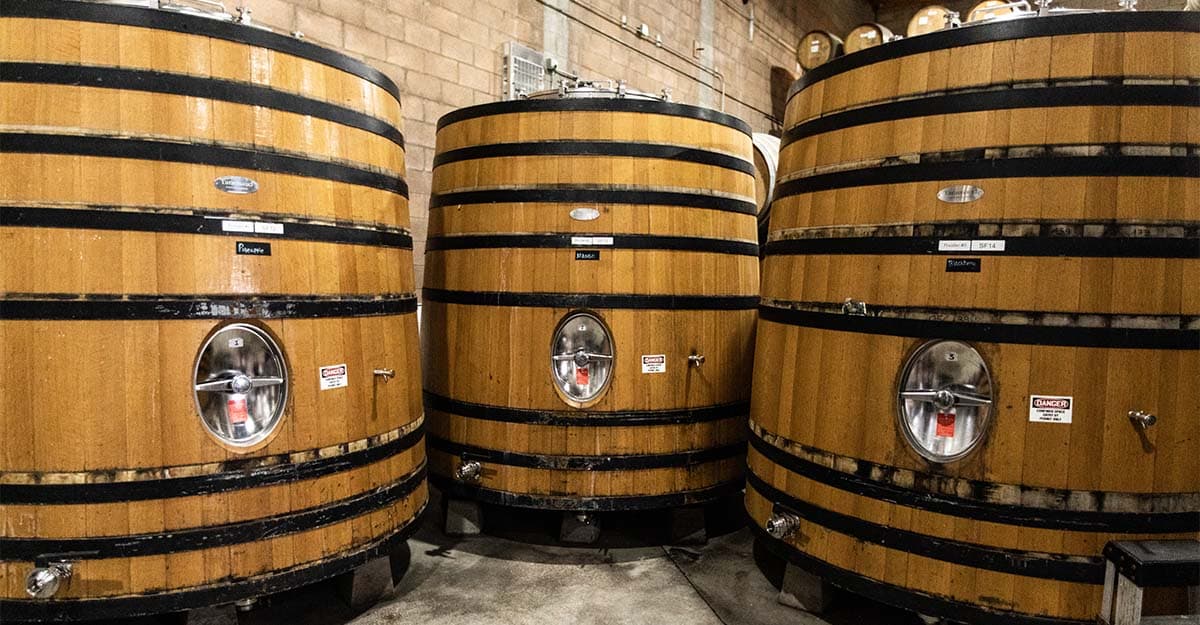
Jim Crooks, master blender at Firestone Walker Barrelworks, describes the process of tinkering with elegant beer recipes to get the desired complexity and character after months or years of maturing with yeast and bacteria.
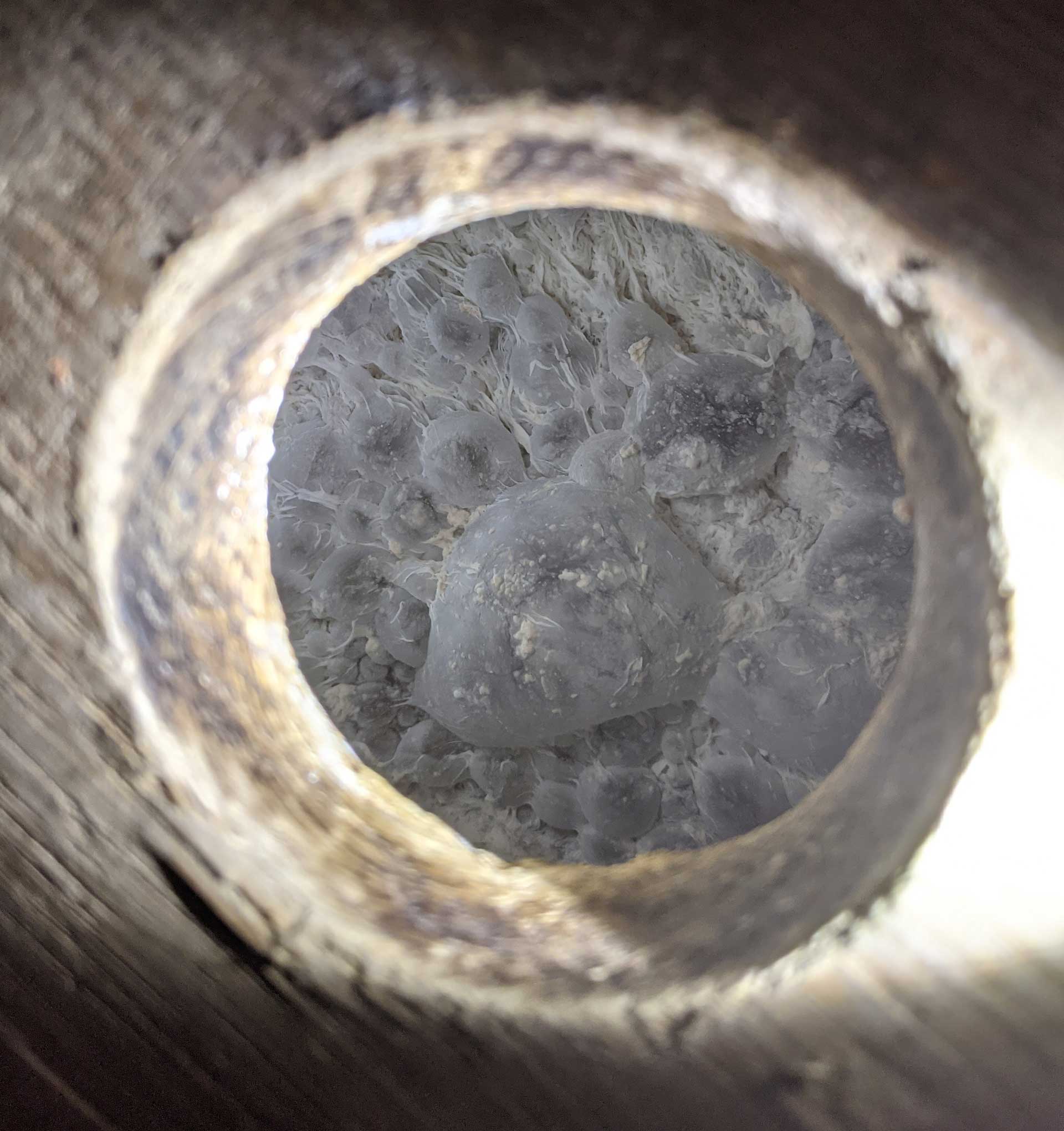
Floodland founder Adam Paysse shares his insights and perspective on collecting and nurturing mixed cultures for rustic, farmhouse-inspired beers.
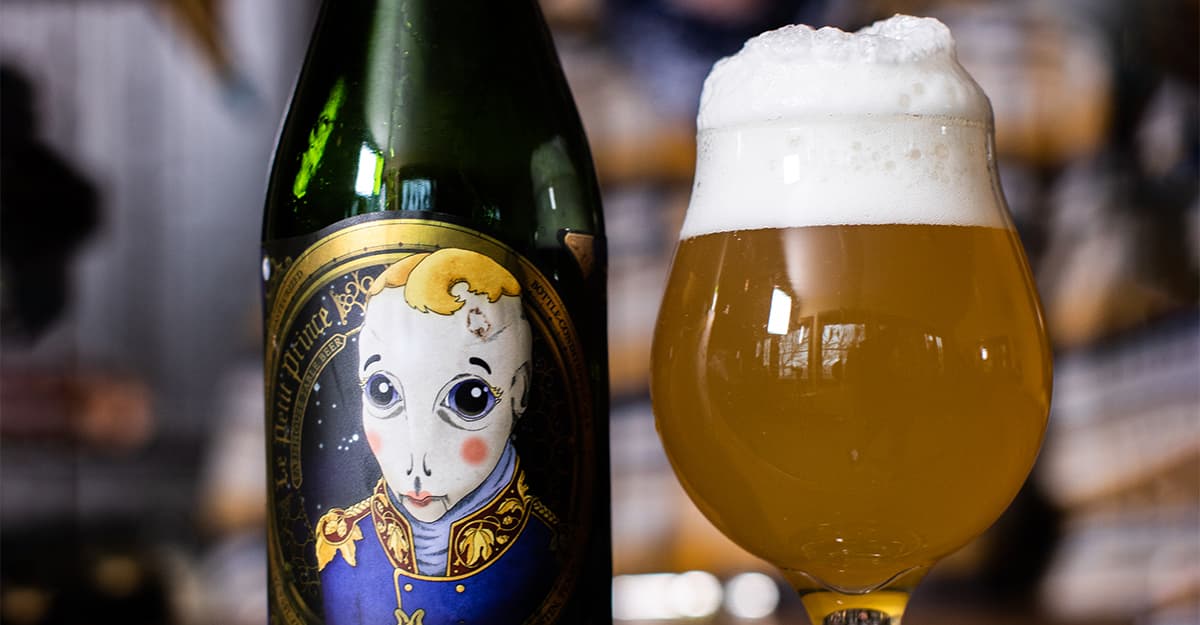
Time is a precious ingredient, even after packaging. Jester King founder Jeff Stuffings lays out some key considerations for bottling and conditioning your rustic, mixed-fermentation beers.