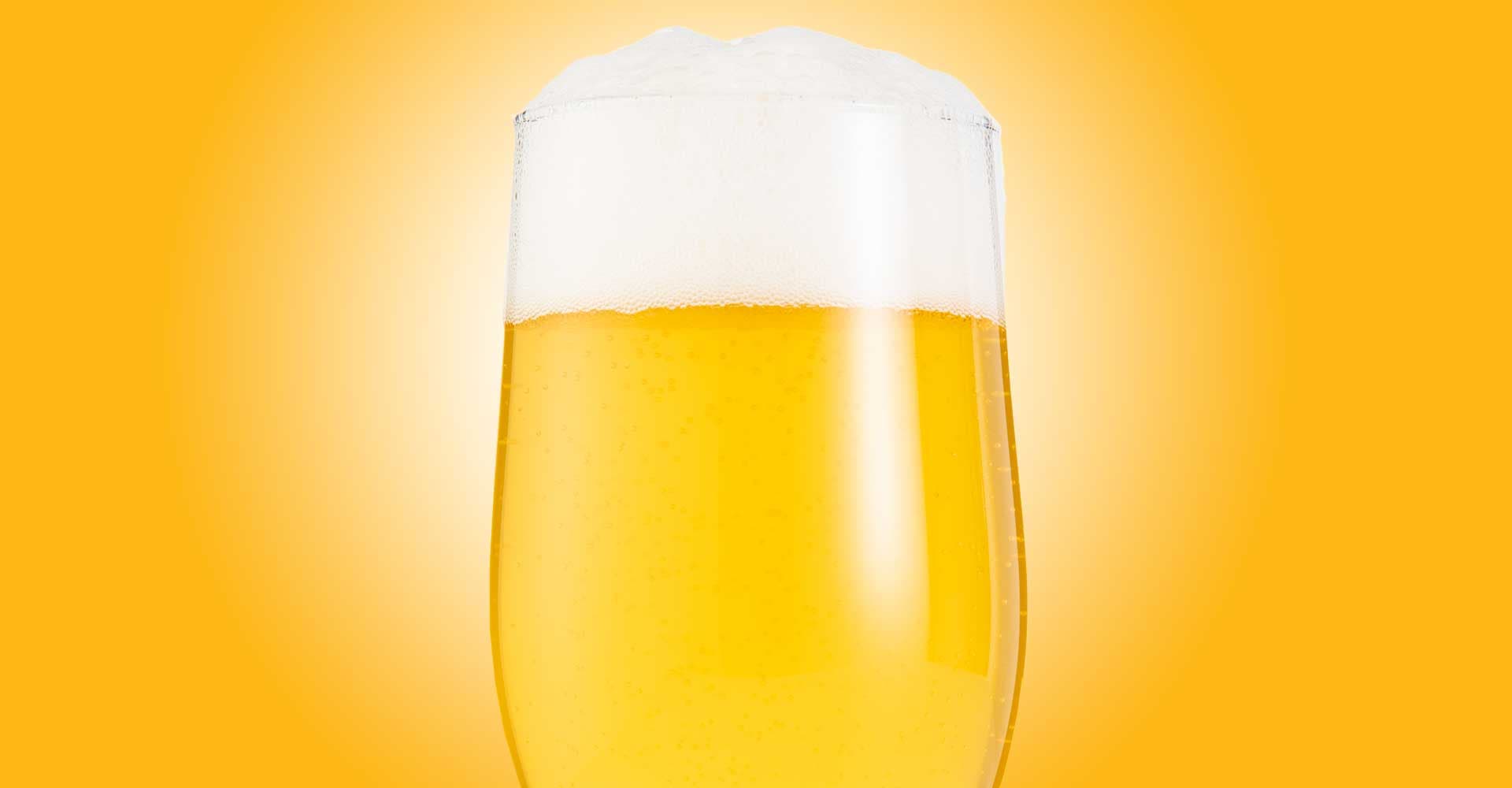
Recipe: Kia Ora Witbier
From Josh Weikert’s Make Your Best series, this is a great recipe for establishing your baseline witbier.

Showing 1261-1280 of 4724 articles
From Josh Weikert’s Make Your Best series, this is a great recipe for establishing your baseline witbier.

You voted on your favorite styles in our annual Readers’ Choice poll, and while IPA continues to top the charts, lagers made steady and significant gains in 2022.
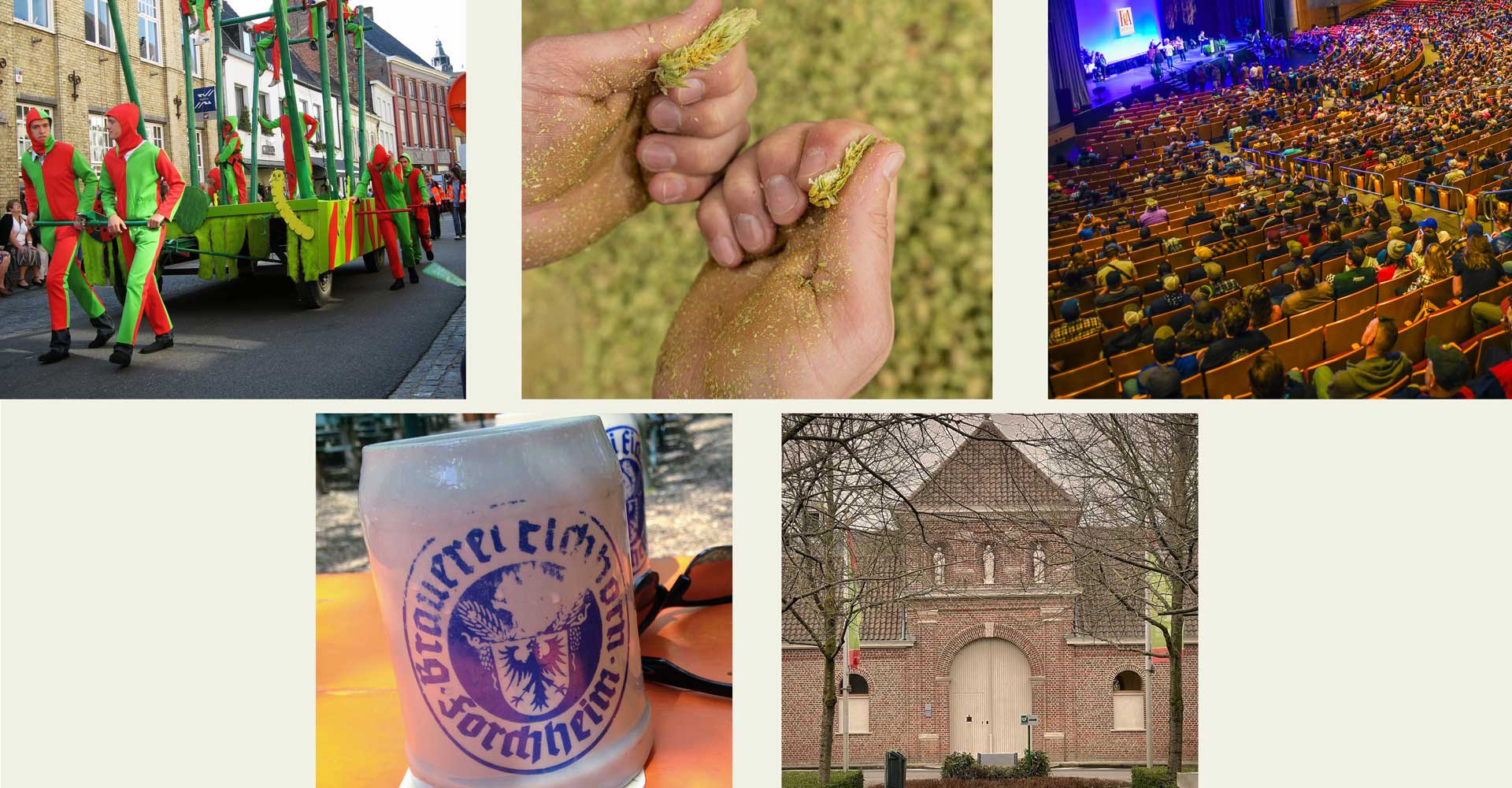
Beer offers all kinds of once-in-a-lifetime experiences, from drinking the rarest beers to attending festivals at all corners of the Earth. Beth Demmon asked five pros what’s on top of their beer-bucket lists. What’s on yours?
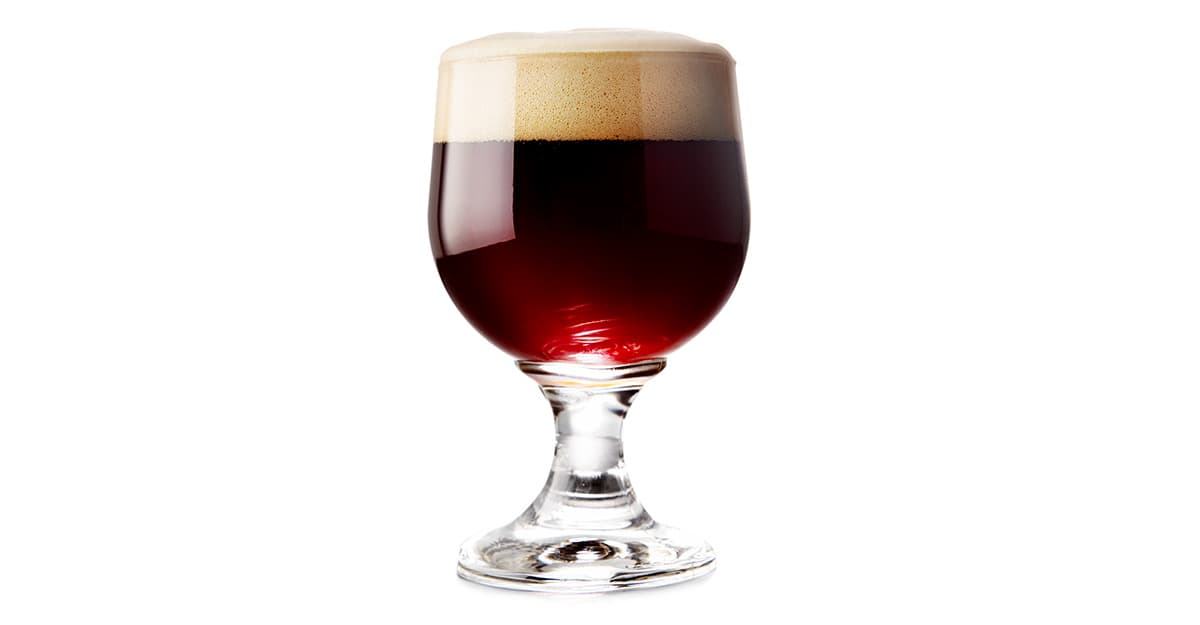
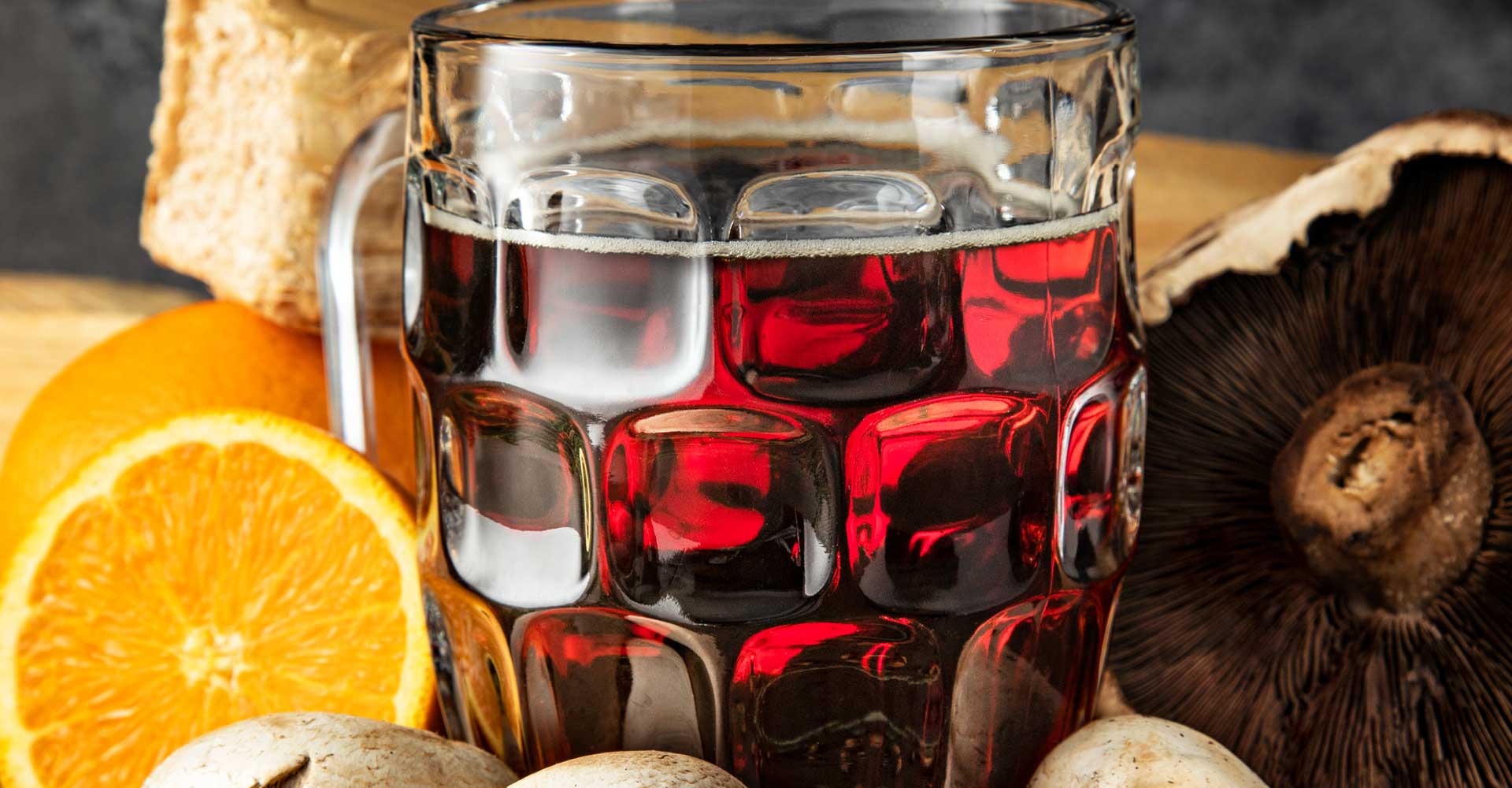
This recipe for a dark, spiced holiday ale is ideal for serving either cool or warmed and mulled, with many more variations possible on fruits and spices.
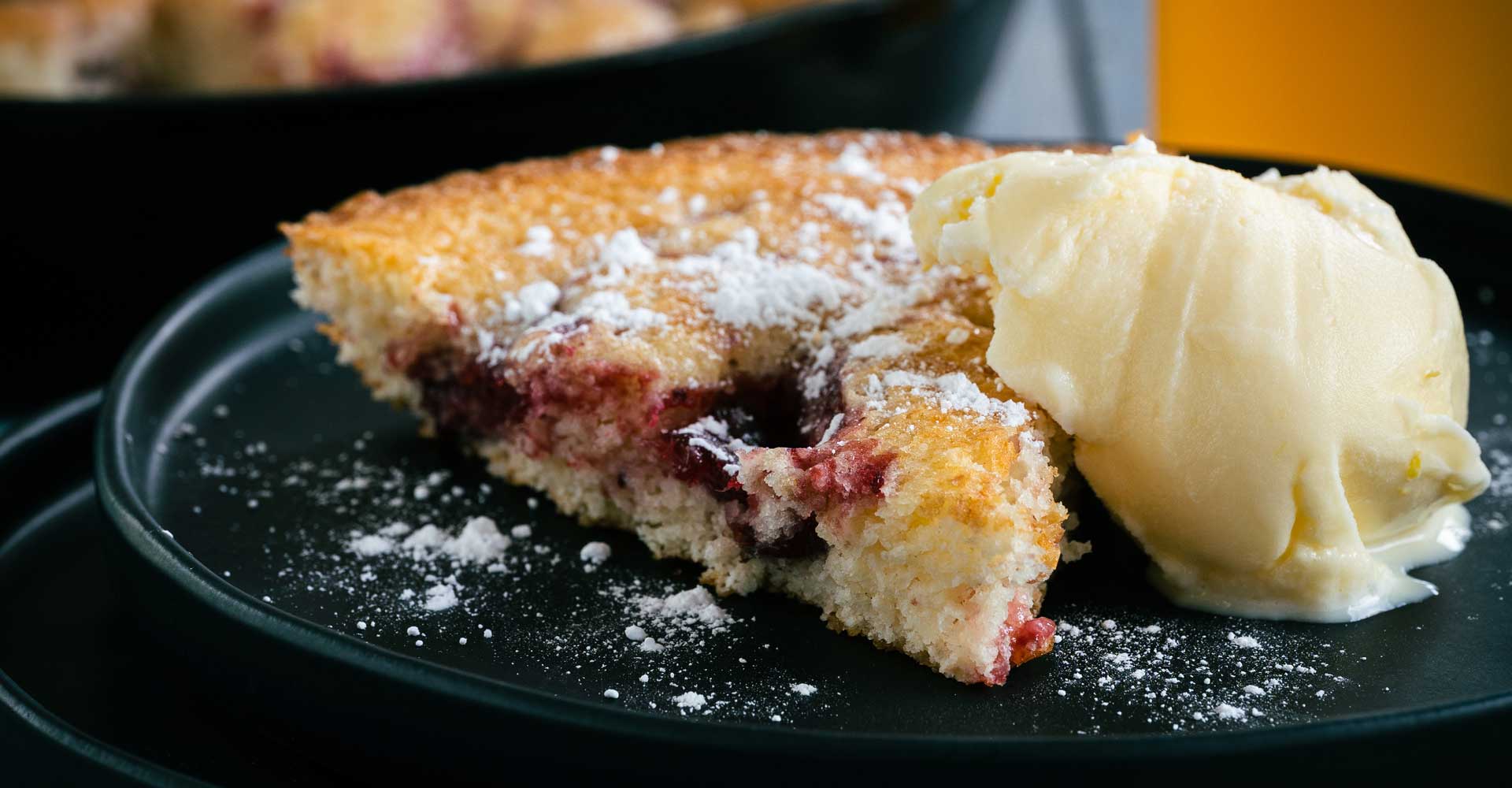
In recent years, brewers have been packing more and more fruit into their fruited beers, often evoking familiar and festive desserts. Now, let’s complete the circle and put a splash of that beer into this cobbler, ideal for sharing over the holidays.

This Atlanta brewery produces an array of lagers that explore the flavors of Noble hops, while also pushing for focused expression in their Belgian-style beers.

While Atlanta’s Three Taverns started as a brewery focused on Belgian styles, they’ve taken that same fearless approach to ingredients and processes, along with a determination to make balanced and drinkable beers, and they’ve applied those principles to everything from new-school pils to hazy IPA.
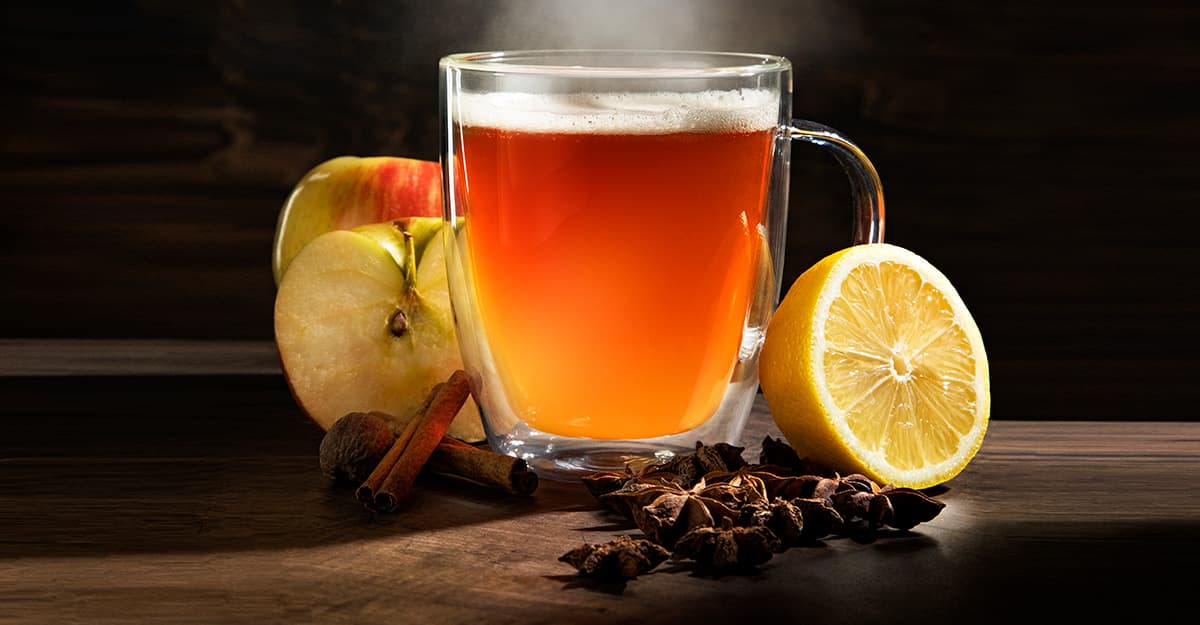
What the Noël? Hot fruit beers for the holidays? It’s not as weird as it sounds. As the days get cold, Annie Johnson explains how to keep warm by getting punchy.
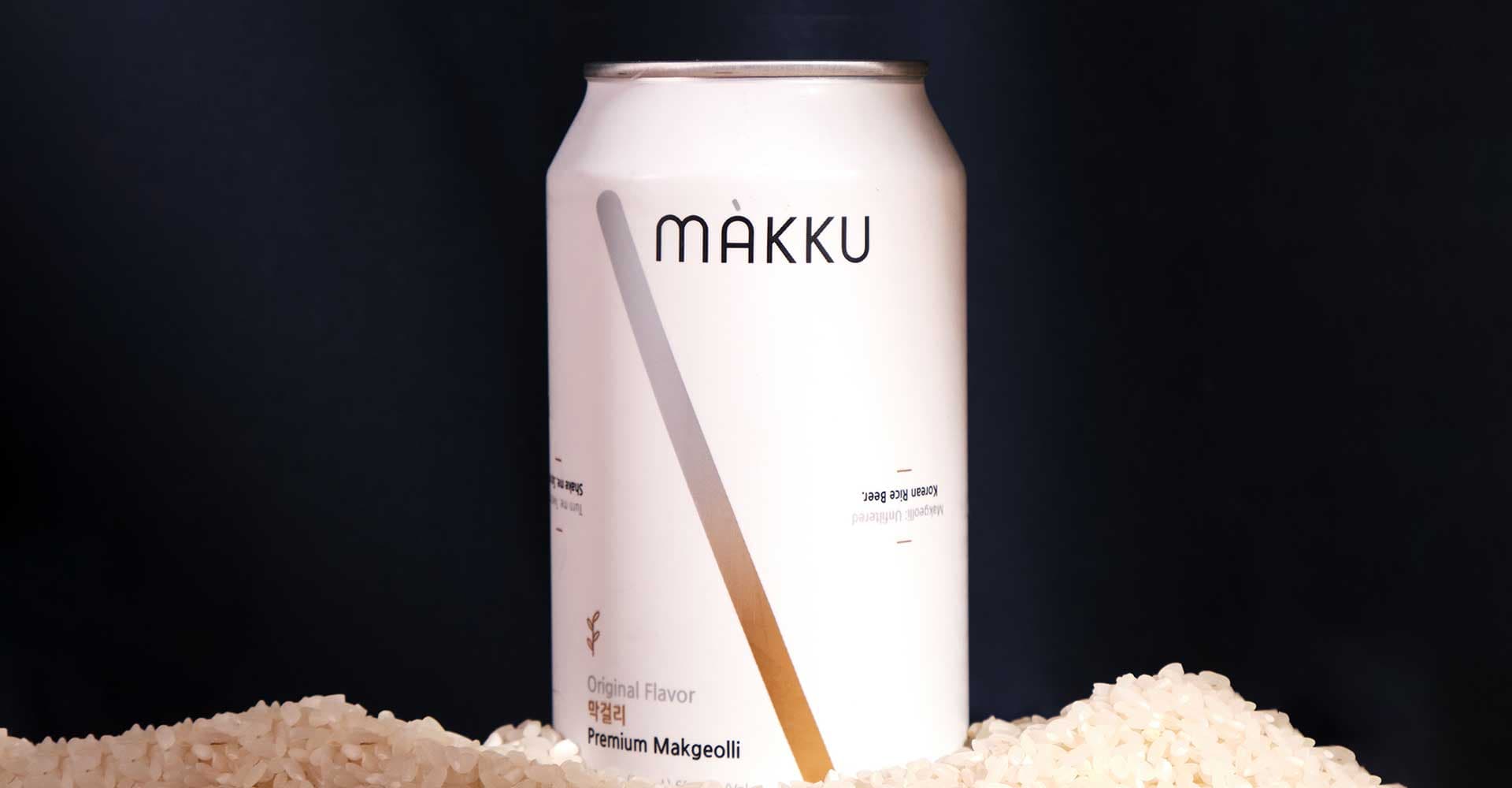
Courtesy of Carol Pak at Sool, here is a homebrew version of their lighter makgeolli recipe using glutinous (sticky) rice.
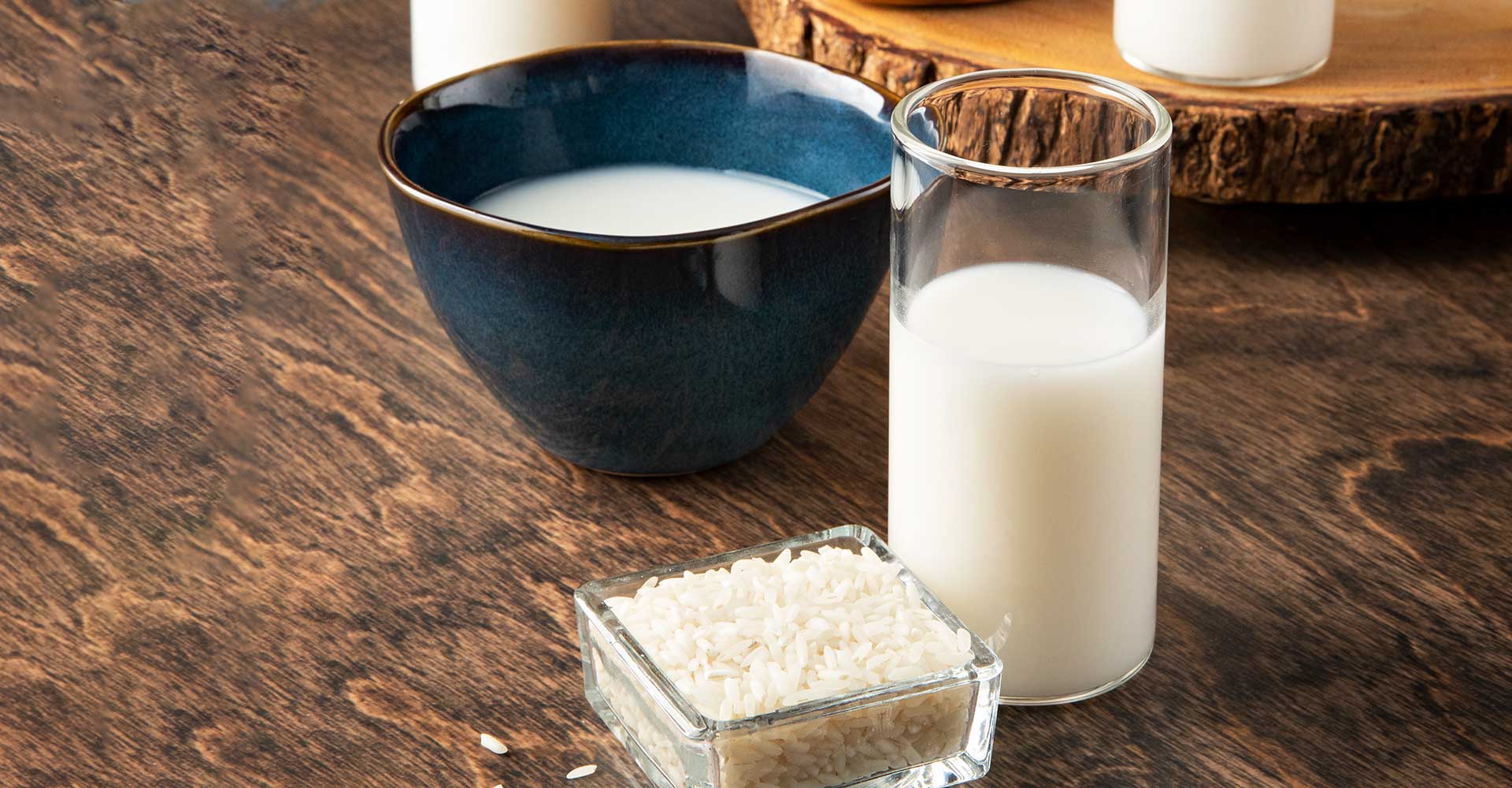
In Korea, a new generation has revived a folk drink made from rice and mixed-culture fermentation. Now, two small-batch producers are making makgeolli on American shores, celebrating their heritage while introducing many more to its depth of flavors.
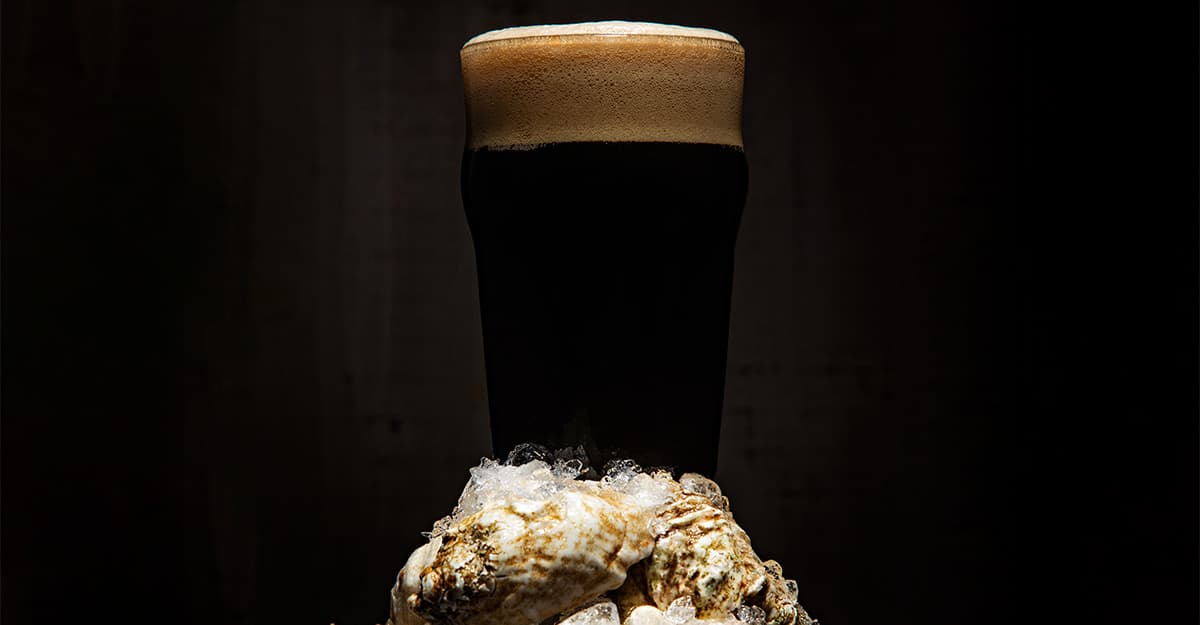
Inspired by Rogue Shakespeare Oatmeal Stout, the base here is English-style yet robust, with a taste of the Pacific Northwest. Use fresh oyster shells, when in season, with an eye toward adjusting the type and quantity of shells in future batches.

Making viscous and luxurious dessert stouts is hard enough on systems designed for high-gravity beers, but Jon Shari of Little Cottage takes the challenge one step further, brewing his sought-after mega stouts on a nano scale.

The Lost Abbey and Port Brewing cofounder Tomme Arthur recently got the industry’s attention when he announced that they would take brewing operations to smaller, more sustainable scale. In this episode of the podcast, he reveals much more about thinking behind that decision.
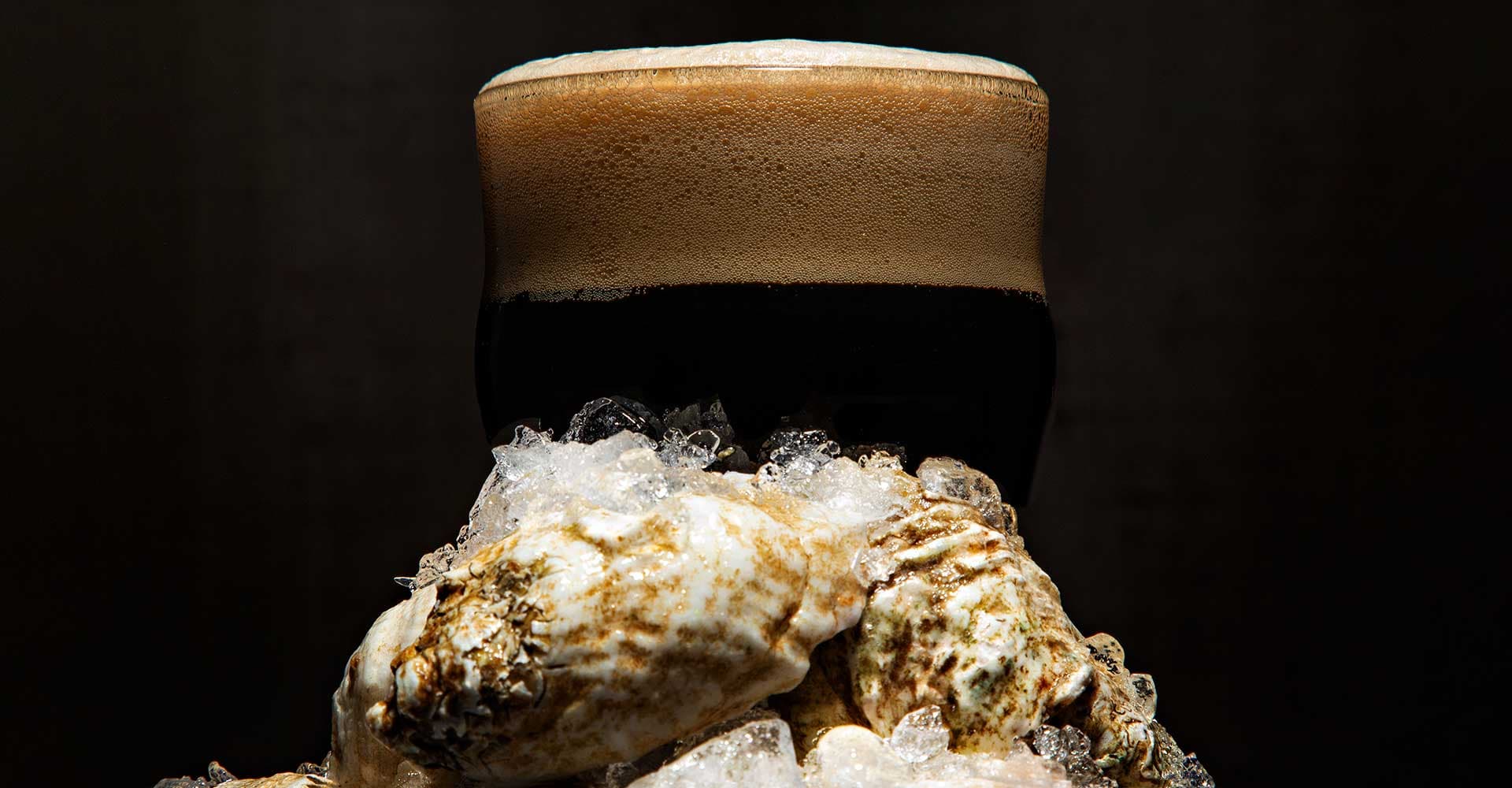
While not for vegetarians, oyster stout has the power to raise eyebrows with its sheer oddity and unlikely compatibility of flavors. The stout base is ideal for brewers with any level of experience—but are you ready to play the shell game?
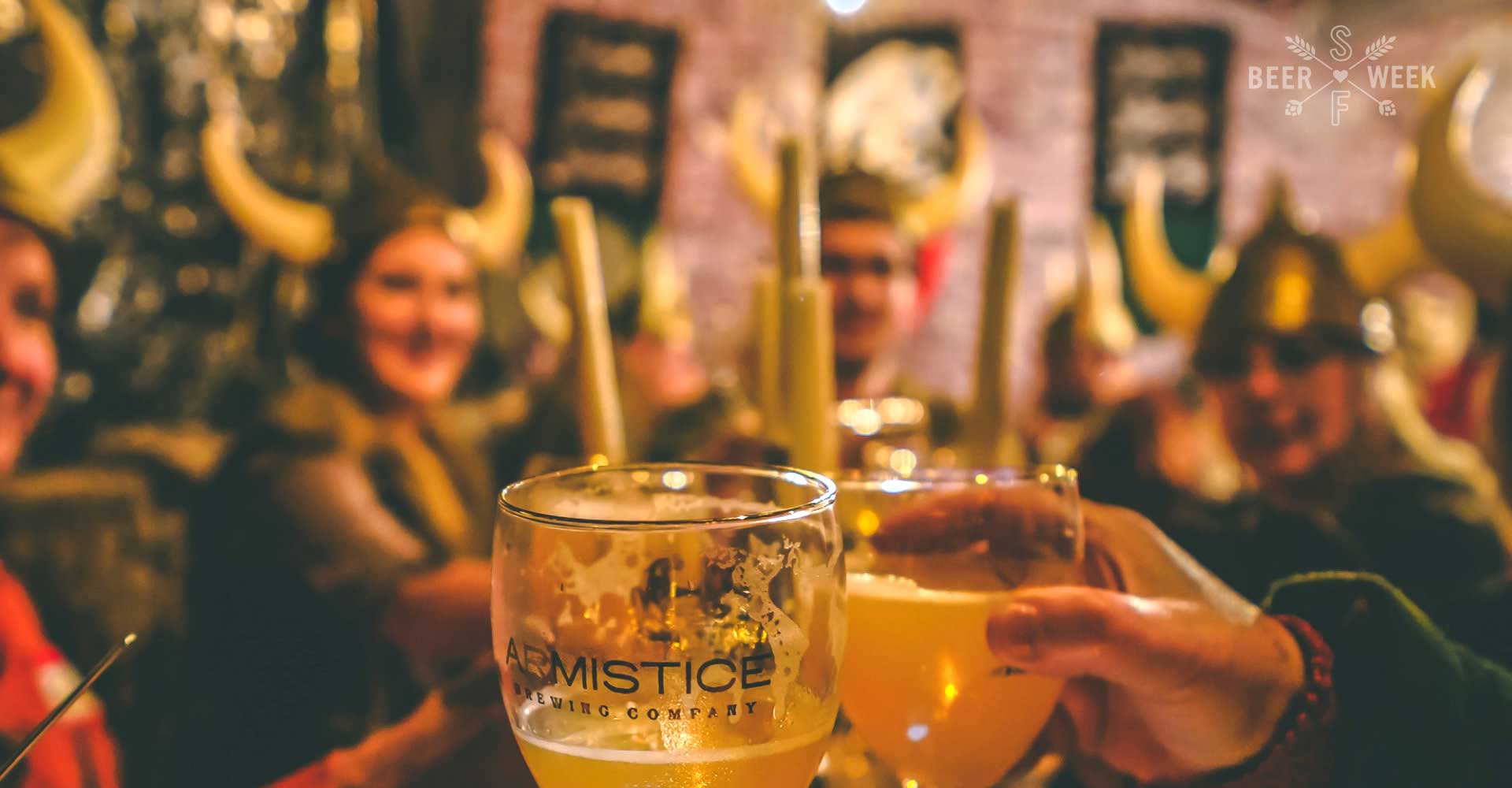
Through beer weeks, brewers have the power to re-engage consumers, raise the bar for quality and cooperation, and advance the craft during challenging times.
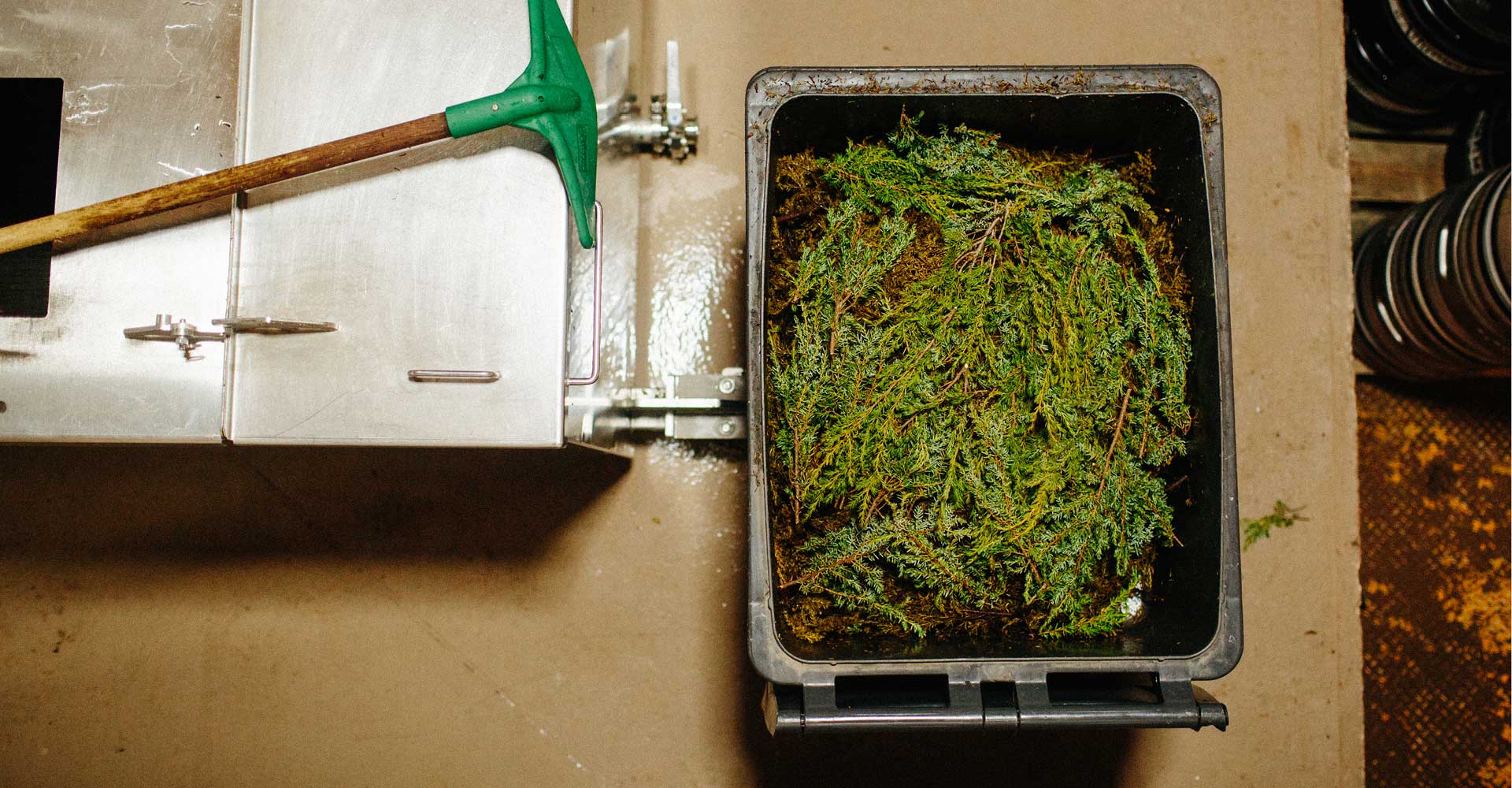
The first and most established traditional Norwegian-style heimabrygg in the Western Hemisphere is a beer called L’Oeil du Mouton, brewed since 2016 in Saint-André-de-Kamouraska, Quebec, on the banks of the St. Lawrence River. At the Microbrasserie Tête d’Allumette, owner-brewer Martin Desautels explains their methods and inspiration.
Long to mash and boil yet quick to ferment, these robust, juniper-tinged, barleywine-strength ales represent a farmhouse tradition worth celebrating—and you can raise a glass just a few days after brewing.
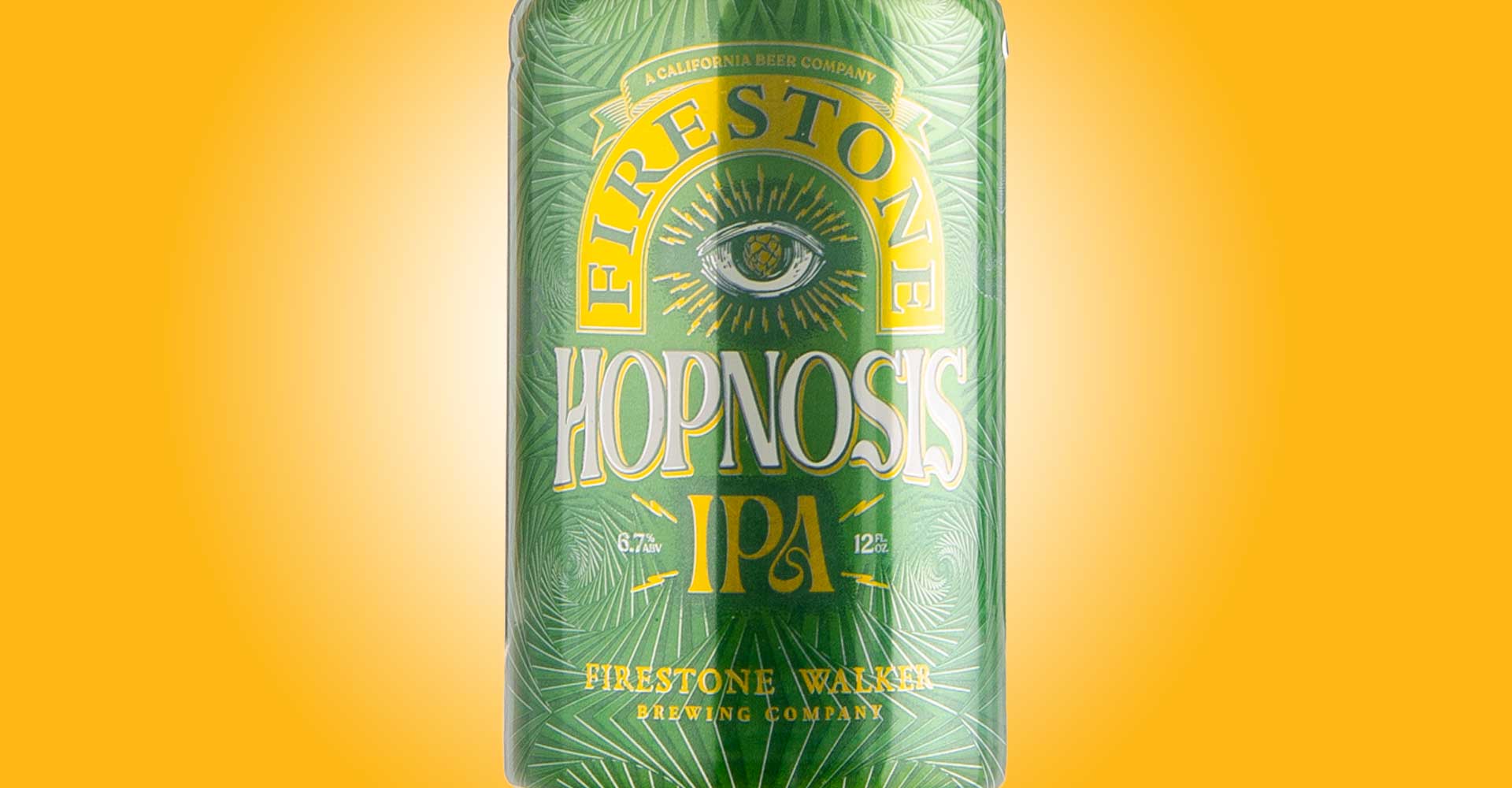
With thanks to Bradley Miles, head of R&D and innovation brewing at Firestone Walker, here is a homebrew-scale recipe for their modern take on West Coast IPA. Lager yeast and light malts create a “blank canvas” on which the hops can shine.
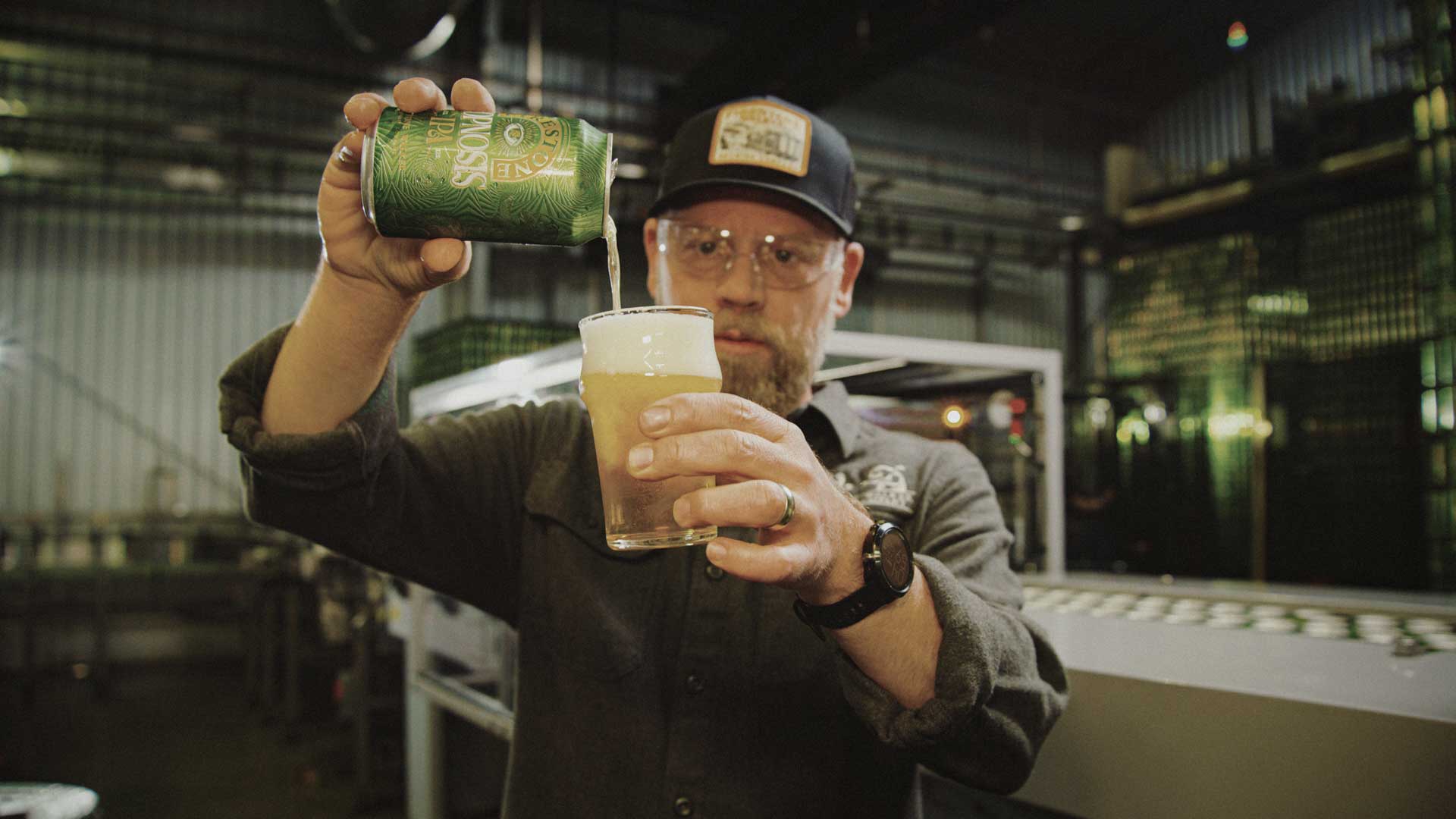
A recent release at California’s Firestone Walker may be a window into where IPA is headed, going for clarity and lean fermentation while borrowing hop-saturation hocus-pocus from the hazy grimoire. Brewmaster Matt Brynildson explains.
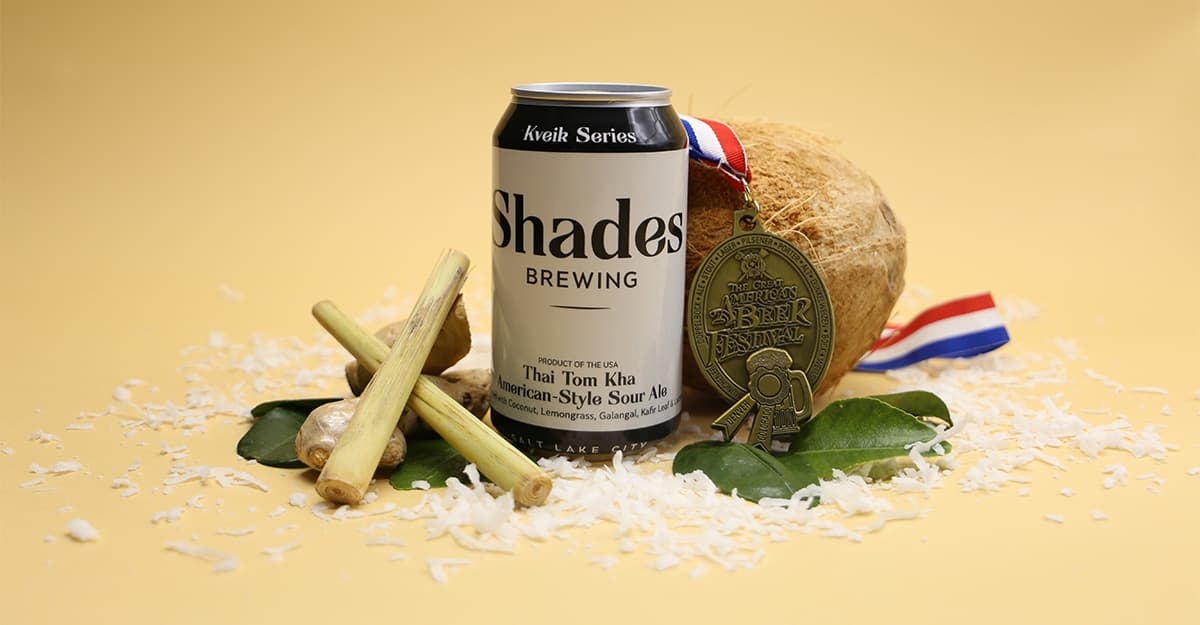
With thanks to the team at Shades Brewing, here’s a homebrew-scale recipe for their award-winning sour ale that gets a mix of farmhouse yeast and lactic bacteria, and also serves as the base for multiple medal-winning beers.