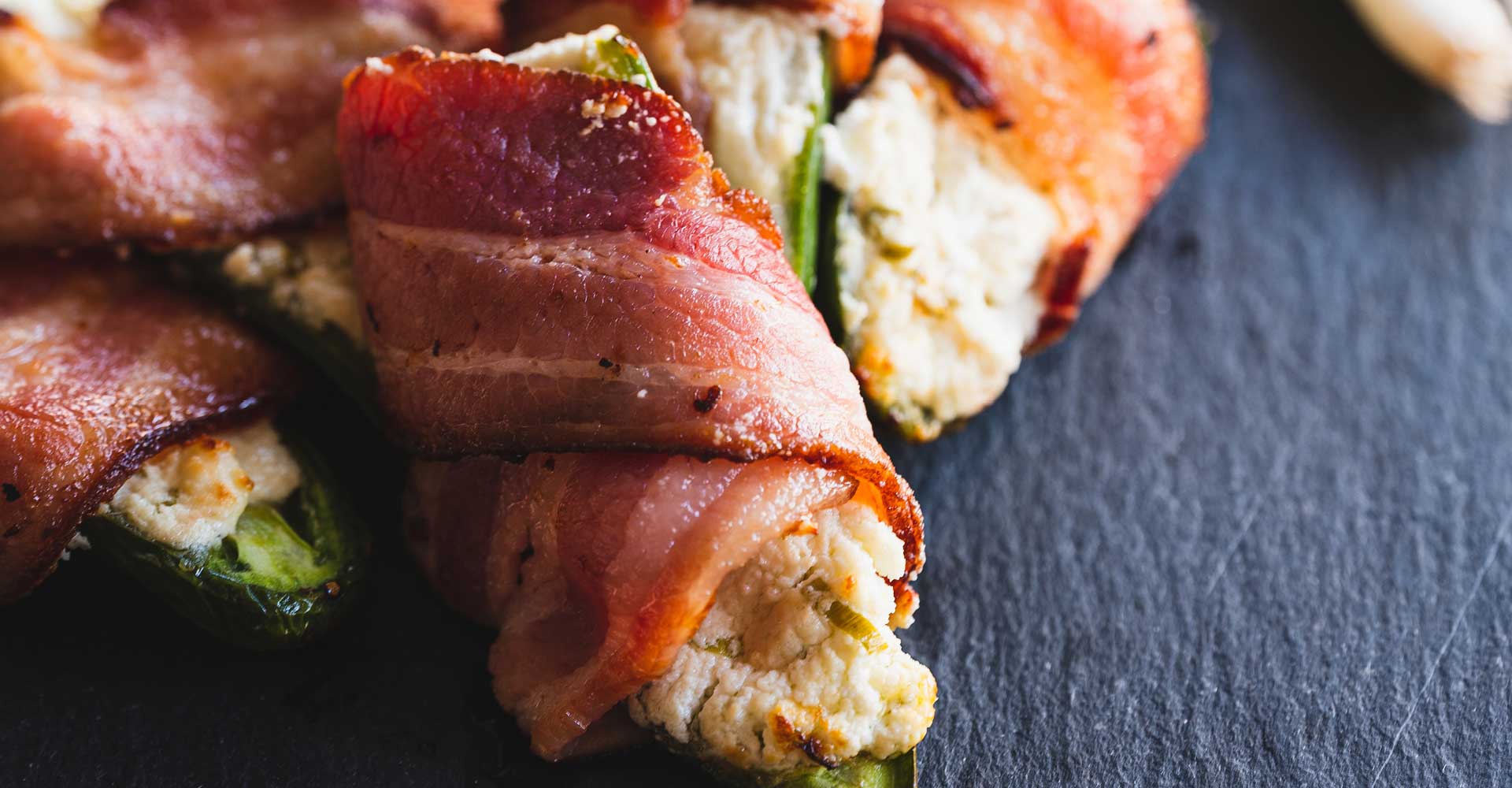
Cooking with Pale Ale: Bacon-Wrapped Goat-Cheese Poppers with Sour-Cream Dipping Sauce
This has all the makings of one of the world’s great beer-and-snack combinations—spicy-earthy Mexican flavors and zesty American pale ale.

Showing 1121-1140 of 4724 articles
This has all the makings of one of the world’s great beer-and-snack combinations—spicy-earthy Mexican flavors and zesty American pale ale.
ABS Commercial has been a full-service brewery and parts outfitter for over 10 years. We know the ins and outs of the brewing process, which includes a very important piece—maintenance.
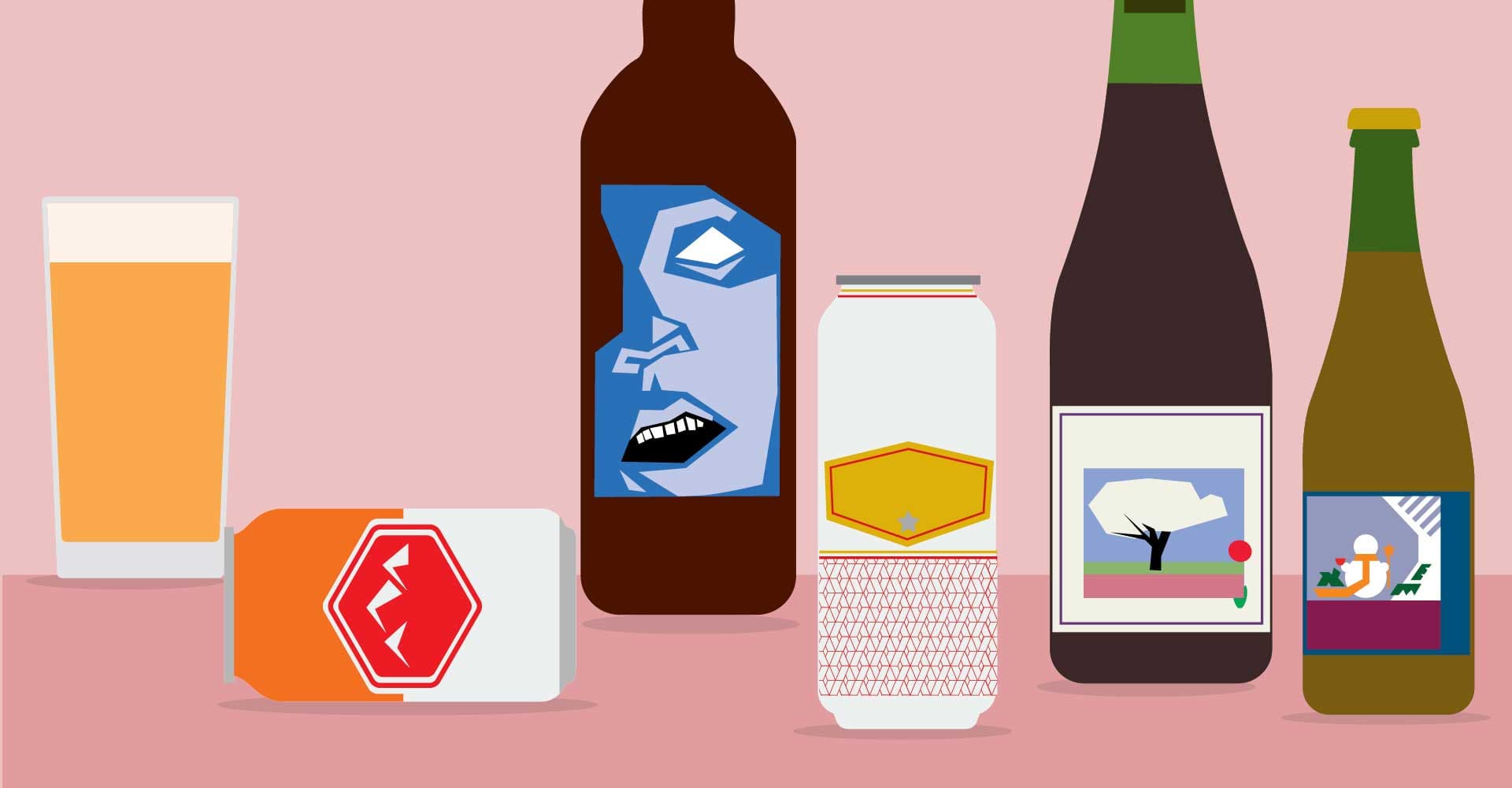
Jess and Doug Reiser, cofounders of Asheville’s Burial Beer, share a thoughtful six that have inspired their own personal journeys and shaped the beers that they now produce.
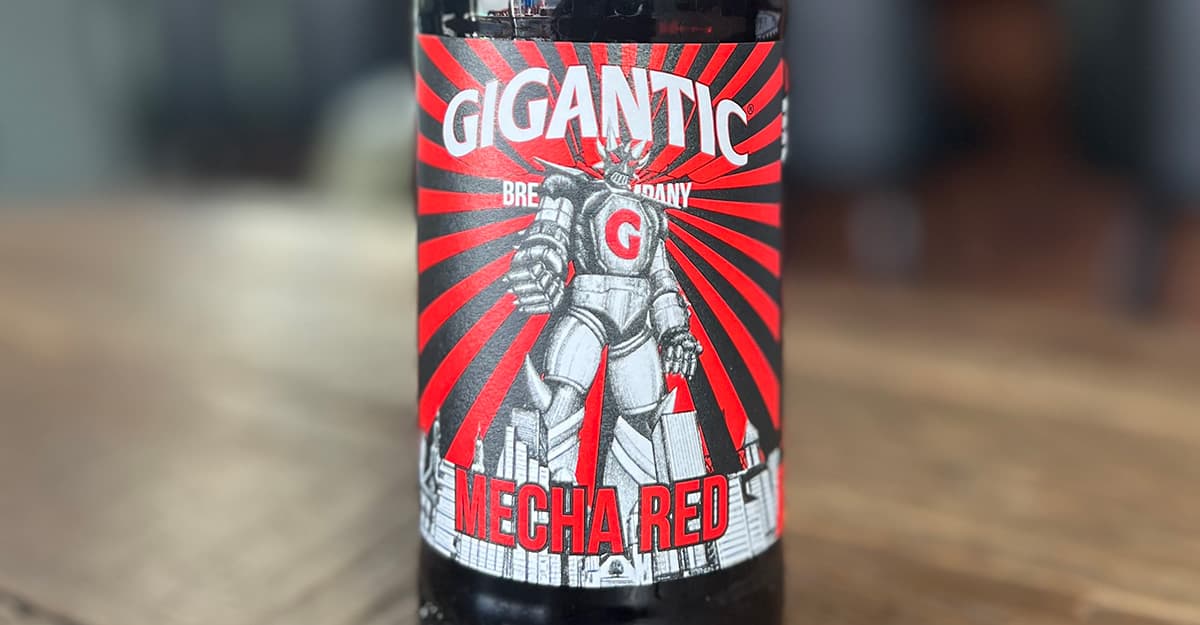
“Mecha Red is a modern amber ale intended to be malty and caramelly, but not a sticky caramel bomb,” says Van Havig, cofounder and master brewer at Gigantic in Portland, Oregon. “It’s mildly fruity from hops and esters and finishes with a hint of chocolate.”
A ruddy ’90s pint is reappearing with modernized flavors—and it has a lot to say about the evolution of American craft brewing.

This Nashville brewery strives for big flavor, but their process of testing assumptions and finding more authentic ways of making popular styles leads to crowd-favorite beers that critics can love.
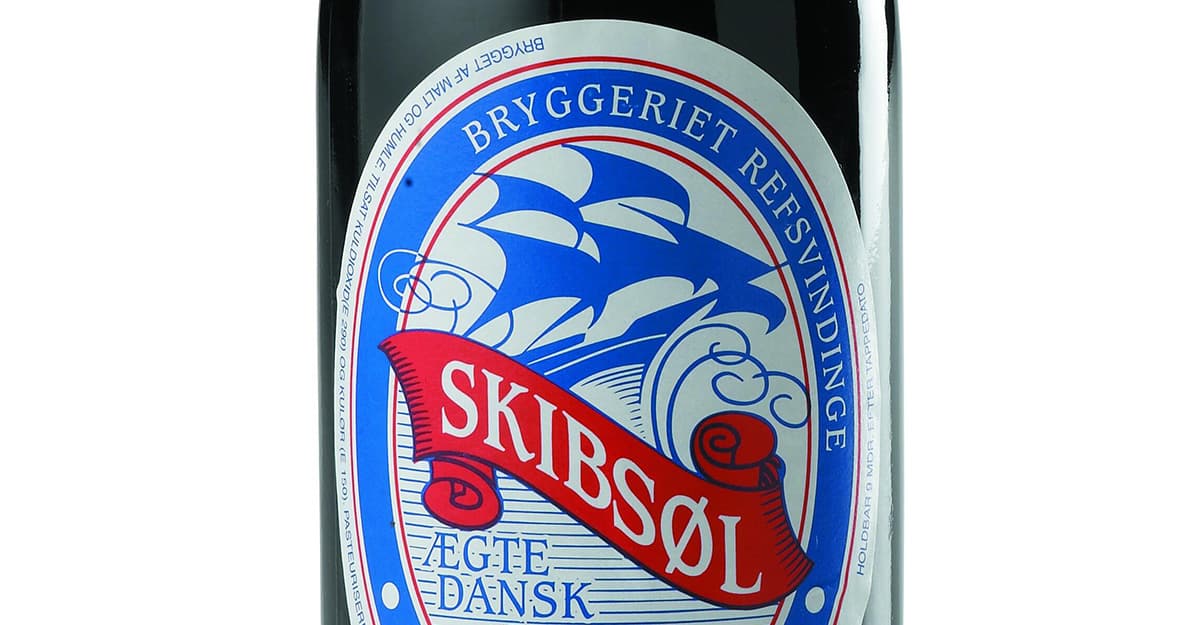
For those willing to take on a dark, low-strength, smoked beer, this historic Danish style may be the way to go. Yet there’s a question you must answer for yourself: How traditional do you want to make it?
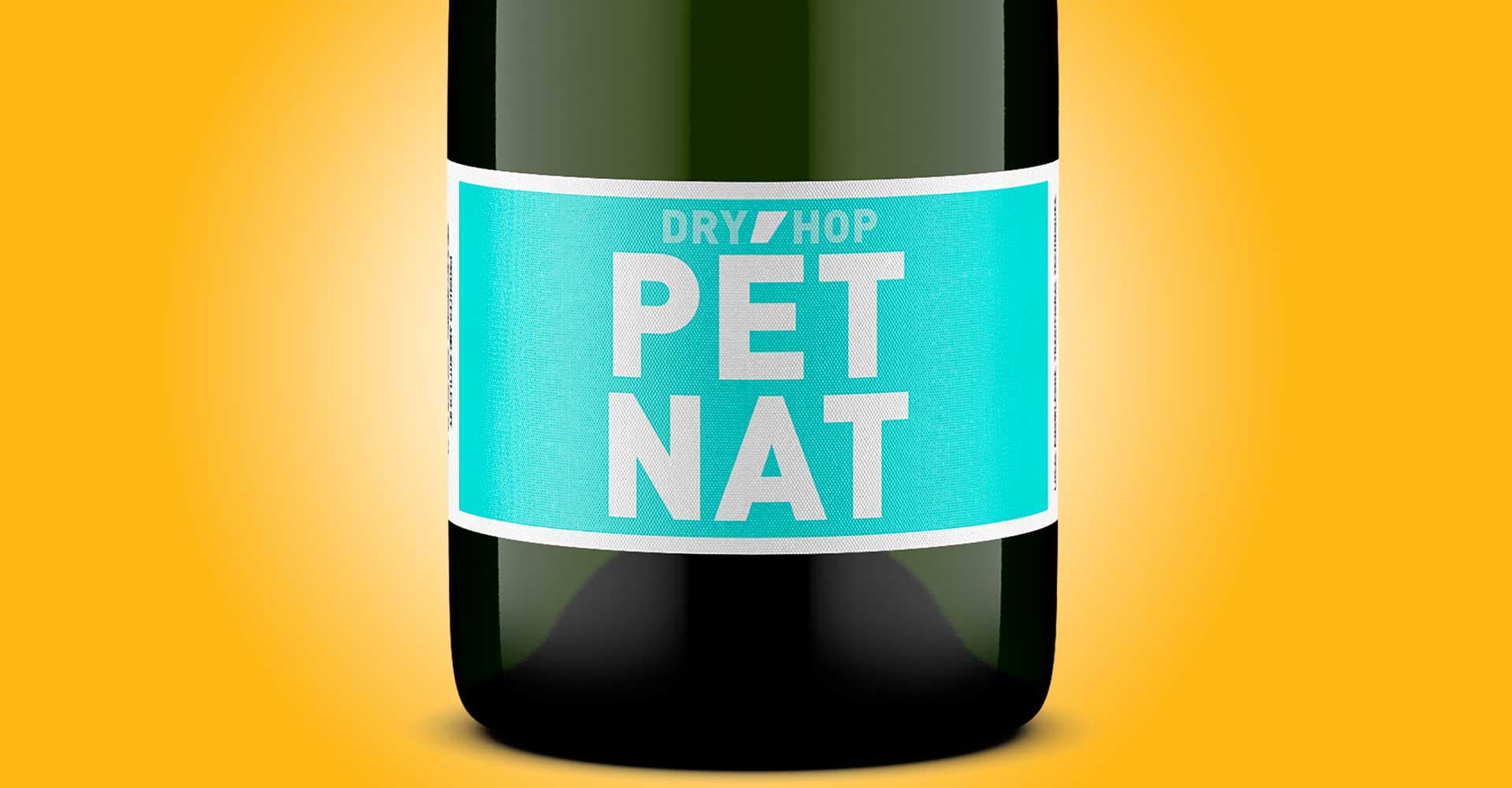
Cider isn’t the only fermented fruit messing around with craft beer’s most cherished ingredient. In California, Field Recordings’ dry-hopped pét nat marries the best of wine and beer.
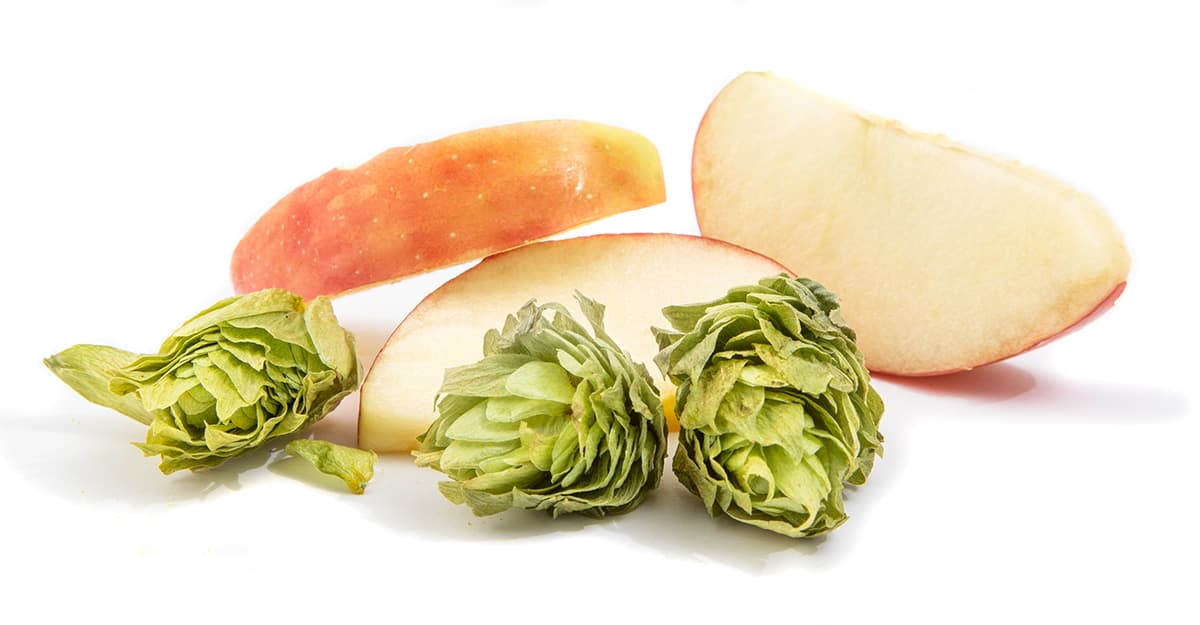
One of beer’s signature ingredients is adding interest and depth to one of the world’s great fermented drinks. Here’s how and why some cidermakers are embracing hops.
As one of the very few commercial breweries in modern times to attempt a smoky “ship’s beer,” Right Proper in Washington, D.C., shares this recipe inspired by the Danish tradition.
Dark, smoky, and well-hopped, yet low in strength, “ship’s beer” was the daily ration of Danish sailors in the 18th and 19th centuries—and it hasn’t completely disappeared. From written sources of that time, here’s what we know.
American craft beer’s archetypal classic style, updated with some contemporary ideas.

One of the world’s most cherished hop-growing regions had a rough growing season last year—but there are plenty of reasons to be optimistic, and there is more to Czech hops than Saaz.
Zinc is important to a healthier fermentation—yet most wort doesn’t have enough of it. The solution is simple.
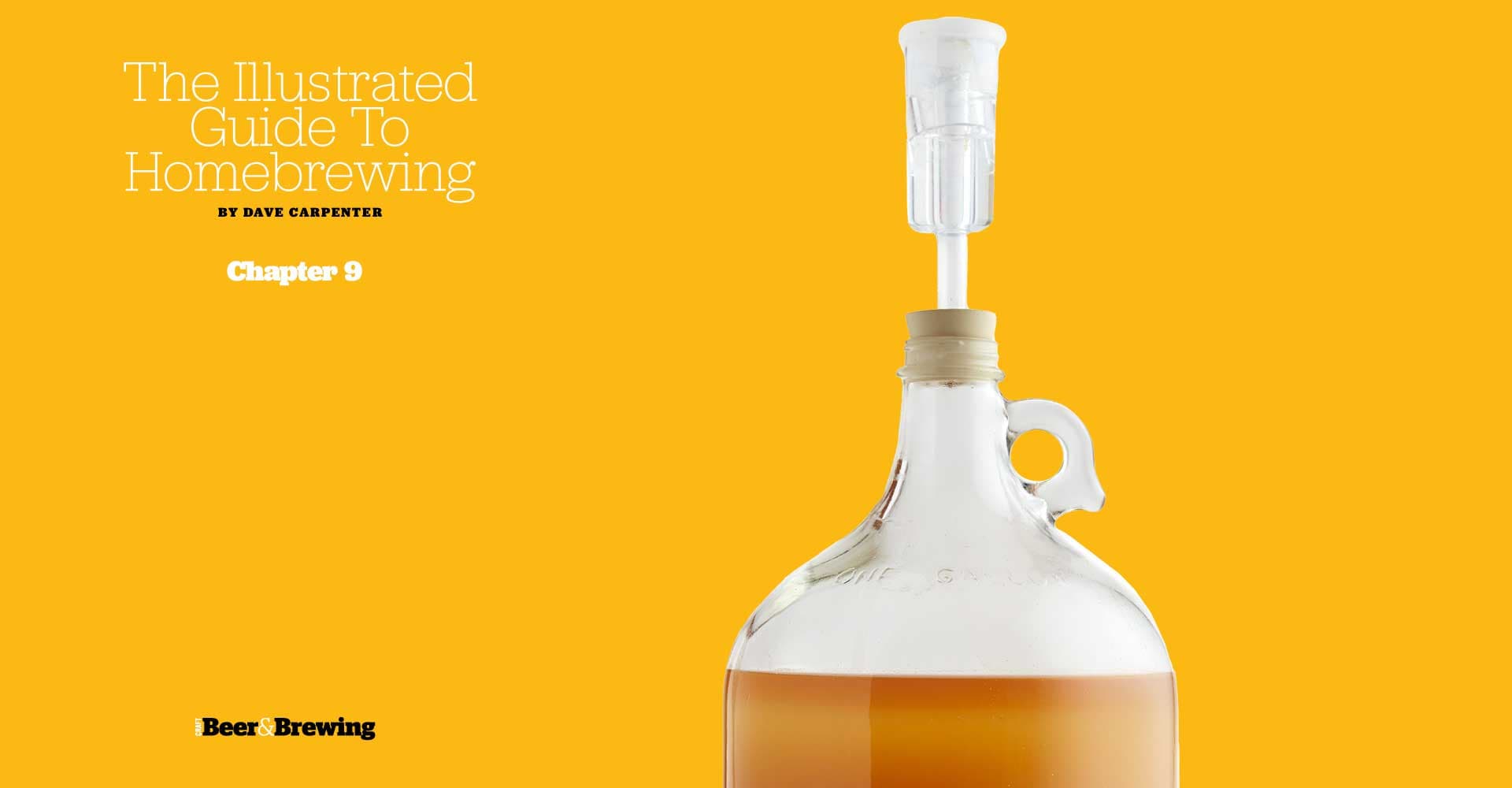
From our Illustrated Guide to Homebrewing, here are things to consider while your batch moves from fermentation to that time when waiting (and perhaps adding a thing or two) only makes your beer better.
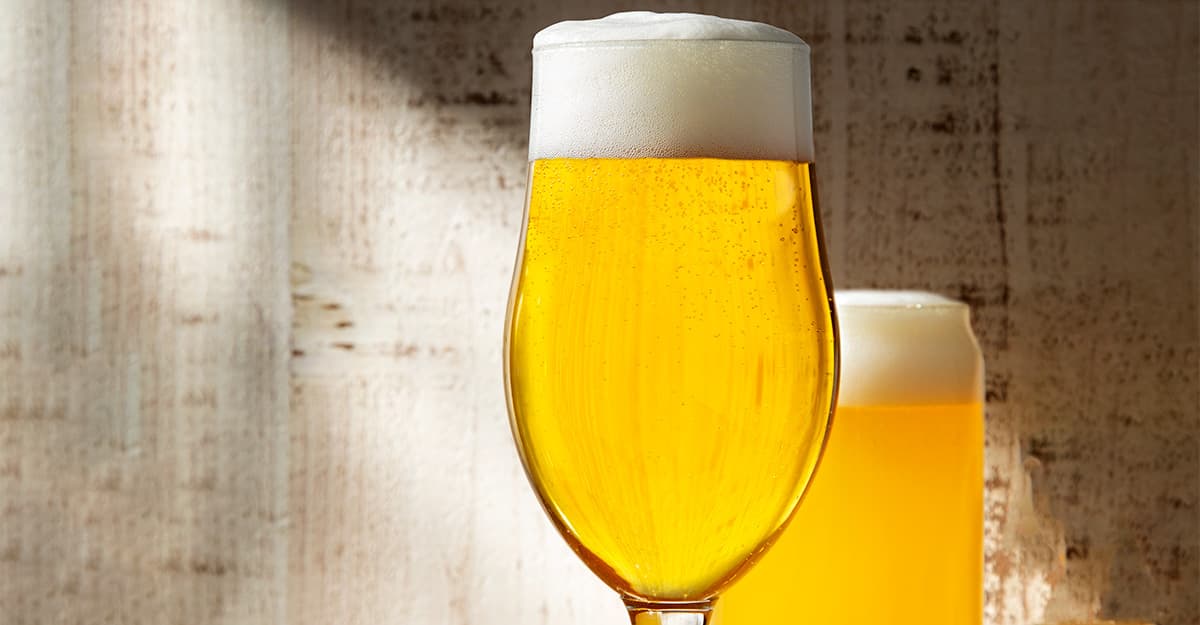
With greater awareness of its pitfalls and a few new tricks up our sleeves, the time for a resurgence in beautifully balanced American pale ale is now.
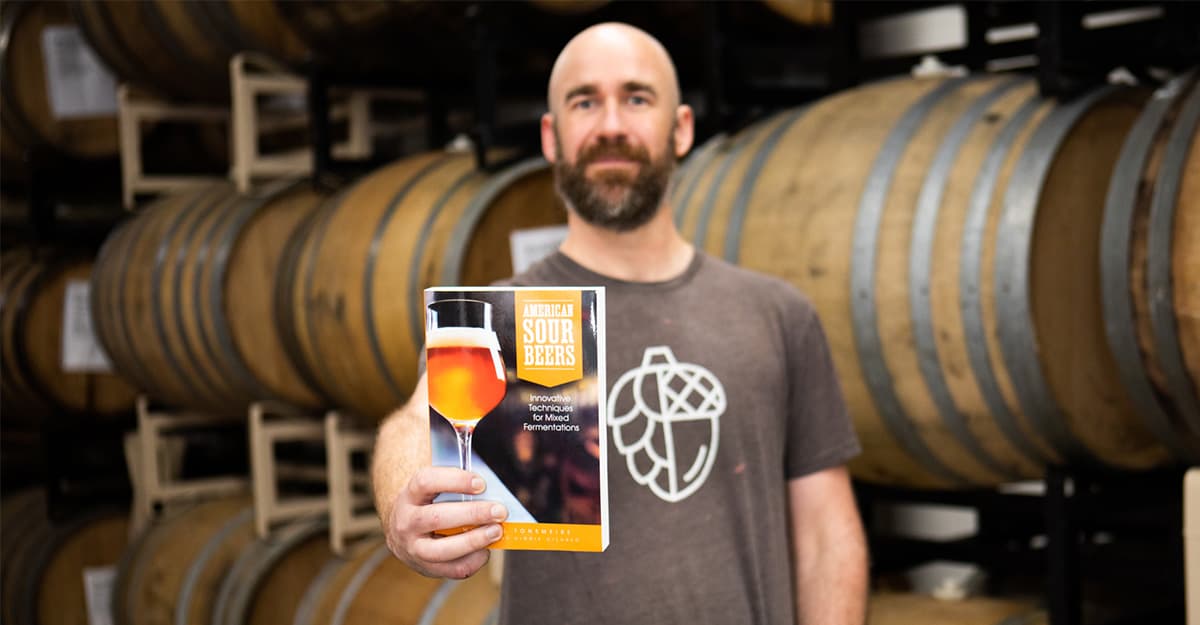
Sapwood Cellars cofounder and ”Mad Fermentationist” Michael Tonsmeire talks about finding and identifying the best local, fresh fruit you can for mixed-culture or other fruit-focused beers.
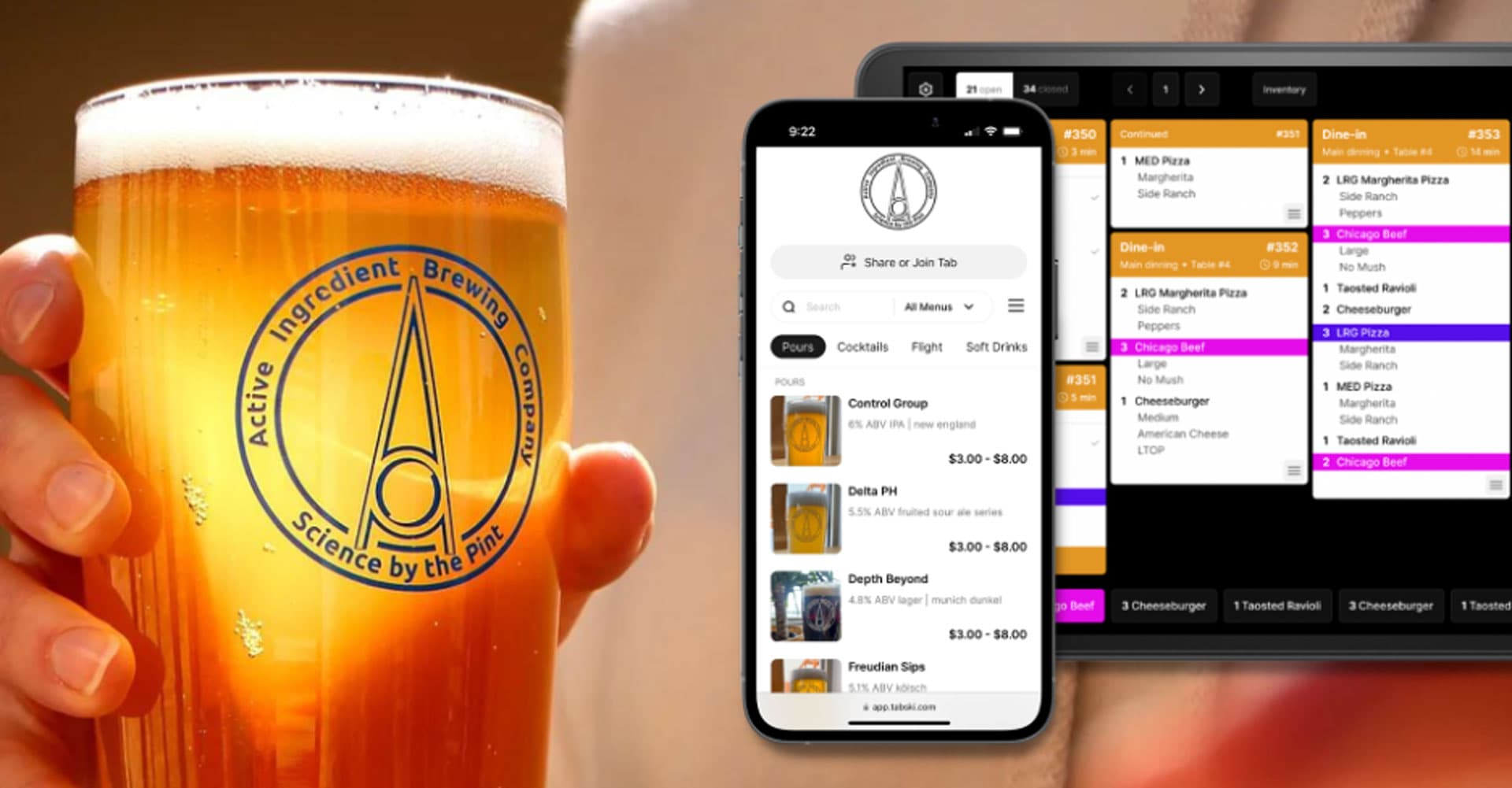
Increase staff pay while decreasing customer wait times. Together with leading hospitality brands, we are reinventing the hospitality playbook.
From Obelisk Beer of Astoria, Oregon, comes this prototype homebrew-scale recipe for a black barleywine that combines flavorful aspects of both barleywine and stout.
In this follow-up to episode 286, the gang—Vinnie Cilurzo, Evan Price, and Kelsey McNair—is back together to answer and discuss your questions spurred by one of the most popular episodes in the history of the Craft Beer & Brewing Podcast.