No Rests for the Wicked: Pastry Stouts, Accelerated
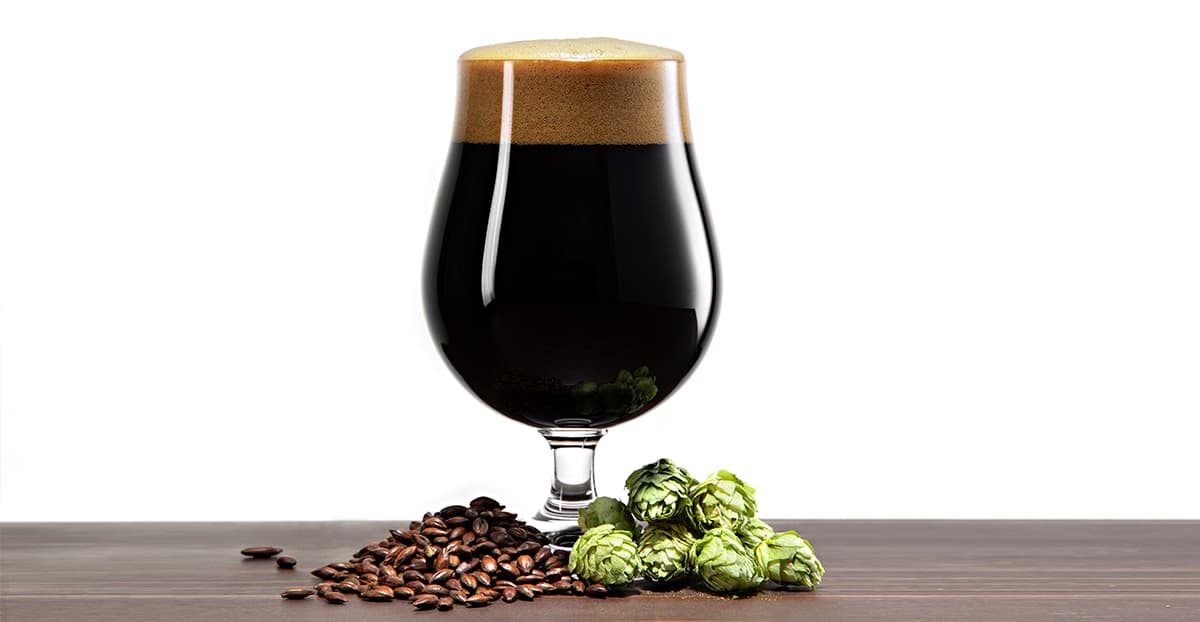
In this edition of No Rests for the Wicked—a series on extracting the most character from extract brewing—Jester Goldman turns his attention to the dark, decadent, and dessert-like.
Showing 2001-2020 of 4604 articles

In this edition of No Rests for the Wicked—a series on extracting the most character from extract brewing—Jester Goldman turns his attention to the dark, decadent, and dessert-like.

Don’t bother with a yeast starter, oxygenation, or cold crashing here. We want the yeast “struggling” to produce a nice, noticeable ester/phenol profile, and the cloudiness is no vice in a weiss.

From West Coast-style IPA to barleywine, Jake Gardner shares his strategies for making flavorful beer, by solving the technical puzzles posed by how people drink it.

From proper setup and cleaning to adjusting expectations for various events and outdoor gatherings, this comprehensive guide by COLDBREAK® equips you with practical knowledge for reliable jockey box use.

For 3 Sons Brewing in South Florida, the idea is simple: Make the beer that people want to drink. But that manifests in different ways—from cocktail- and dessert-flavored beers to a barrel-aging program via traditional German styles.

This is a homebrew-scale recipe for the German-style Pils from Smith & Lentz Brewing in Nashville, Tennessee. Below, we explain how the recipe can be adjusted for a range of variations.

“We think pilsners can be as different from each other as the four or five IPAs we have on tap,” says Kurt Smith, cofounder and head brewer at Smith & Lentz Brewing in Nashville, Tennessee.

Courtesy of Perennial Artisan Ales in St. Louis, Missouri, here is a homebrew-sized version of a big-bodied imperial stout that gets a pile of coconut for a decadent, chocolate-macaroon-like character.

Mead has enjoyed a meteoric rise over the past decade. Here, we ask five new-school meadmakers about the bottles that were formative experiences for them, or that stand out in recent memory.

Back in May, we polled readers via email to get a sense of how their beer buying and drinking was changing amid the pandemic. More than 4,200 people answered, and the results are charted below.

When formulating complex grists for imperial stouts and other big beers, intentionality is the key—everything there should have a purpose, according to Phil Wymore, cofounder and brewmaster of Perennial Artisan Ales.

Kristen England is head brewer at Bent Brewstillery in Roseville, Minnesota—and a longtime homebrewer and BJCP Grand Master Beer Judge. Here is his recipe for a rich-but-quaffable Czech-style dark lager, including a straightforward single-decoction mash.

This Portland, Oregon-area brewer has always brewed like he has something to prove, building a reputation for tightly expressive West Coast IPAs as well as thoughtfully constructed lagers.

As historical beers go, this is an odd one: an Austrian beer once described by Mozart (maybe), with a grist of 100 percent malted oats, and cream of tartar to lend a refreshing acidic touch.

Breweries tend to view selling beer as the primary source of revenue. However, putting all your pints in one basket is not a long-term strategy. One way to diversify revenue: Implement a comprehensive retail strategy.

Fully fermenting high-gravity beers is a challenge for any brewer. Perennial's Phil Wymore explains how they oxygenate their yeast starters as well as their worts, giving their big-beer fermentations a healthy start.

Oof, what a year… but at least we had beer. There is still time to take our Best in Beer 2020 Reader Survey—and get $5 off your subscription.

You, too, can brew a quaffable, enjoyable, malt-forward lager beer—in relatively short order.

Fifth-generation farmer, first-generation brewer Matt Riggs dives into the farming of their low-oil corn, wheat, and six-row barley, while sharing insights on brewing with these ingredients to make beers inspired by years in Germany.

It may be brewing science, but it ain’t rocket science. You can brew a great lager faster than you think—but not too fast. Drew Beechum demystifies how it works.