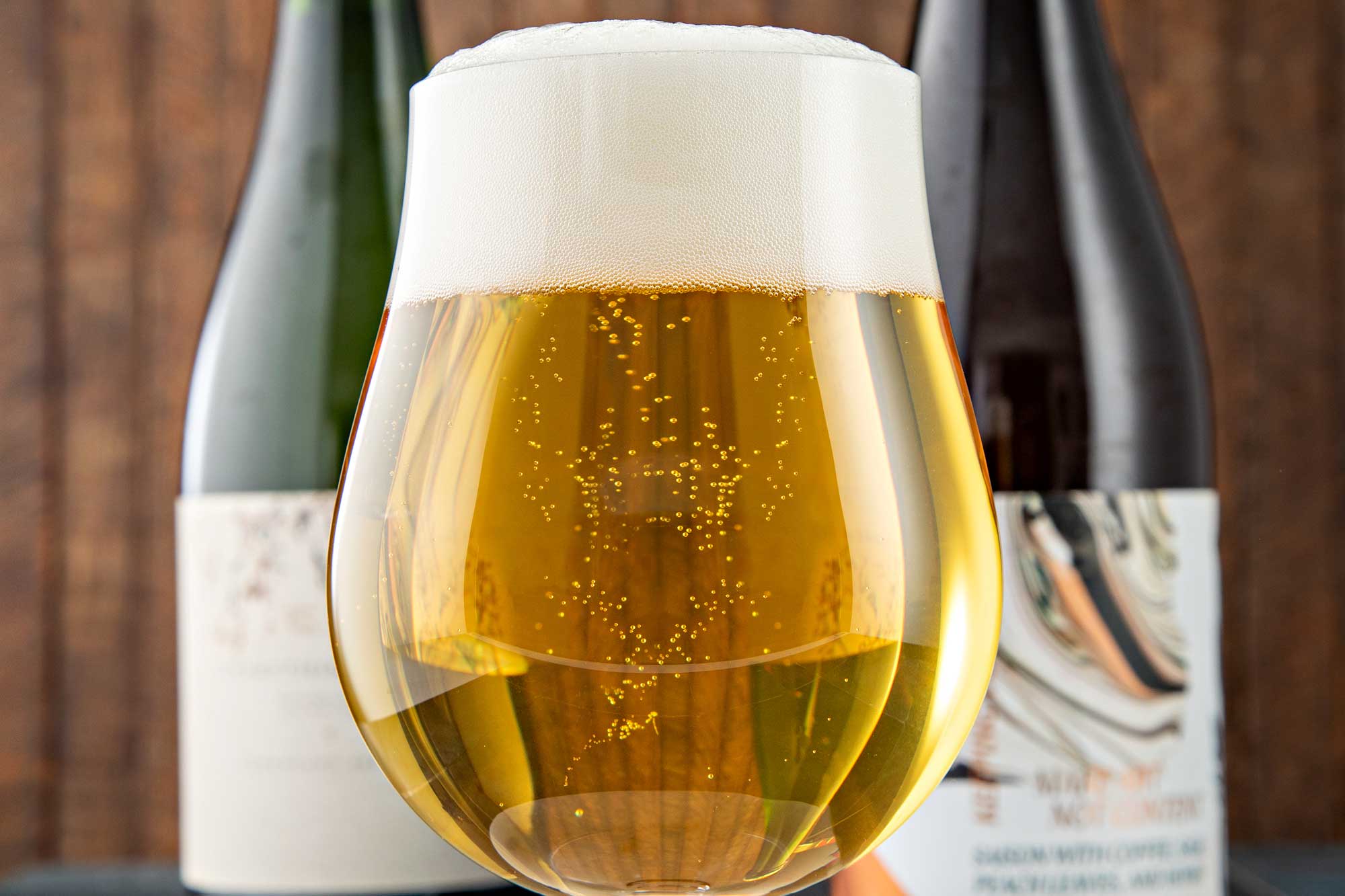
Mixed-Culture Saison Is the Brewer’s Handshake
Inspired by Wallonian farmhouse brewing yet distinct from classic saison, today’s modern, funky, mixed-culture creations—whatever you call them—enjoy a refined niche.
By Jeff Alworth

19 articles in this category
Inspired by Wallonian farmhouse brewing yet distinct from classic saison, today’s modern, funky, mixed-culture creations—whatever you call them—enjoy a refined niche.
An oft-overlooked branch on the farmhouse-inspired, mixed-culture family tree, bière de mars represents a chance to brew something tart, funky, and refreshing.
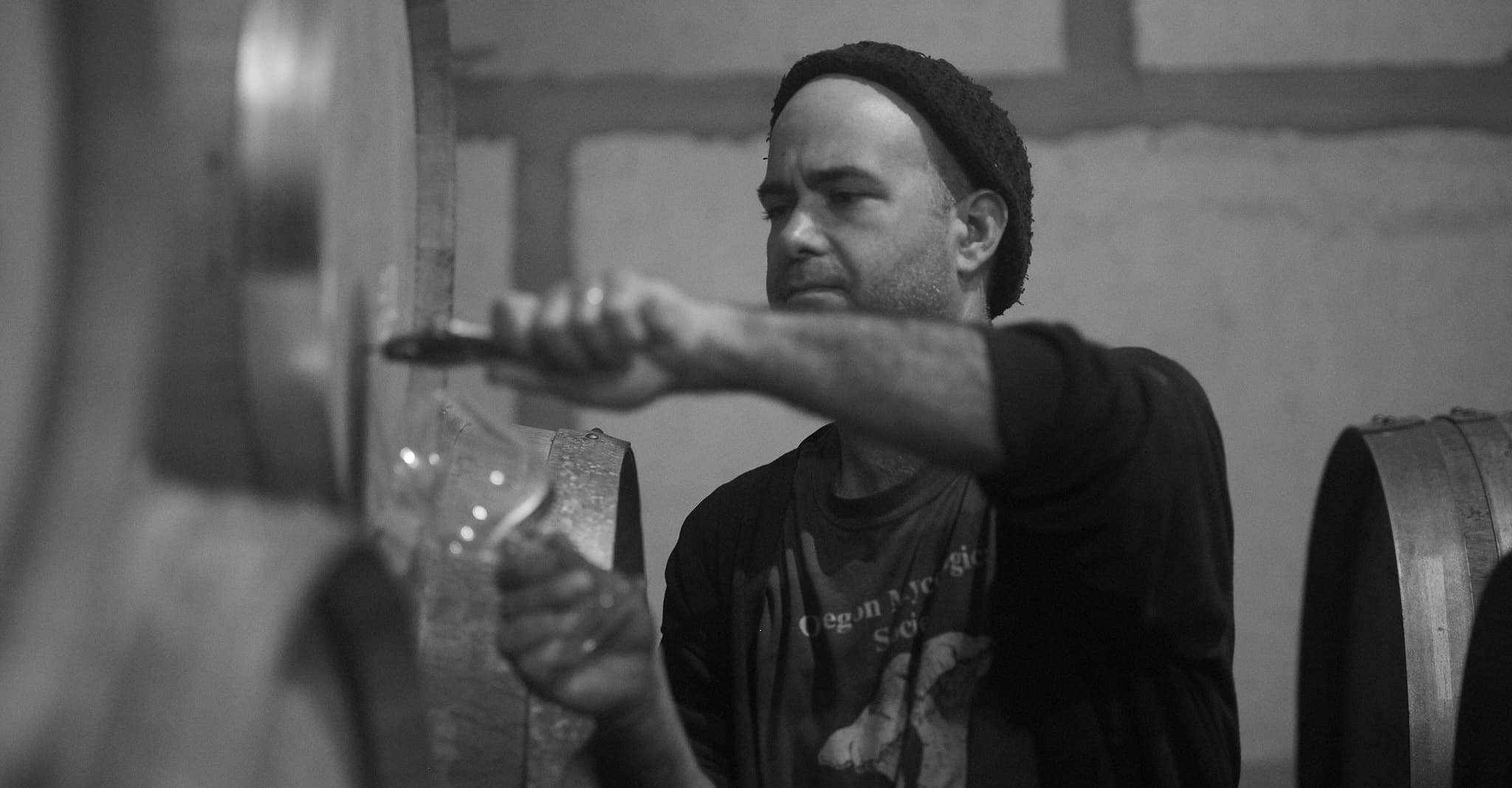
In a former dairy creamery in northern Vermont, Wunderkammer creator (and former Hill Farmstead head brewer) Vasili Gletsos has developed a decidedly manual, hands-on process using locally foraged ingredients, a wood-fired copper kettle, and no glycol.
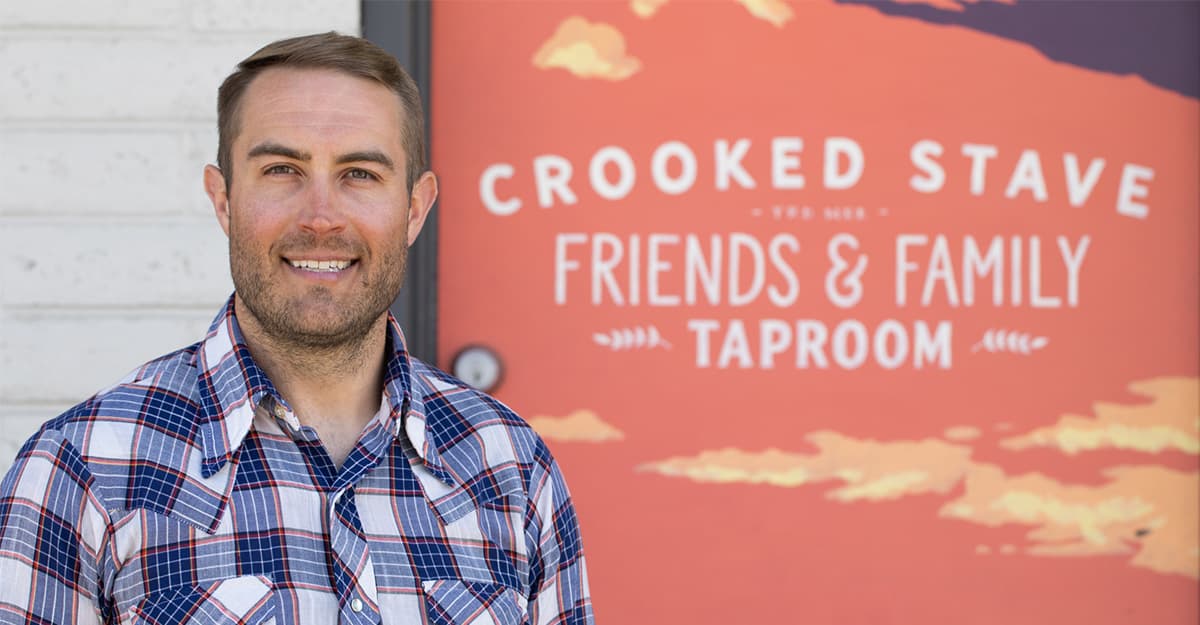
Crooked Stave founder and brewmaster Chad Yakobson, one of the industry’s foremost experts on Brettanomyces, leads this in-depth course on brewing and fermenting funky, farmhouse-inspired beers.
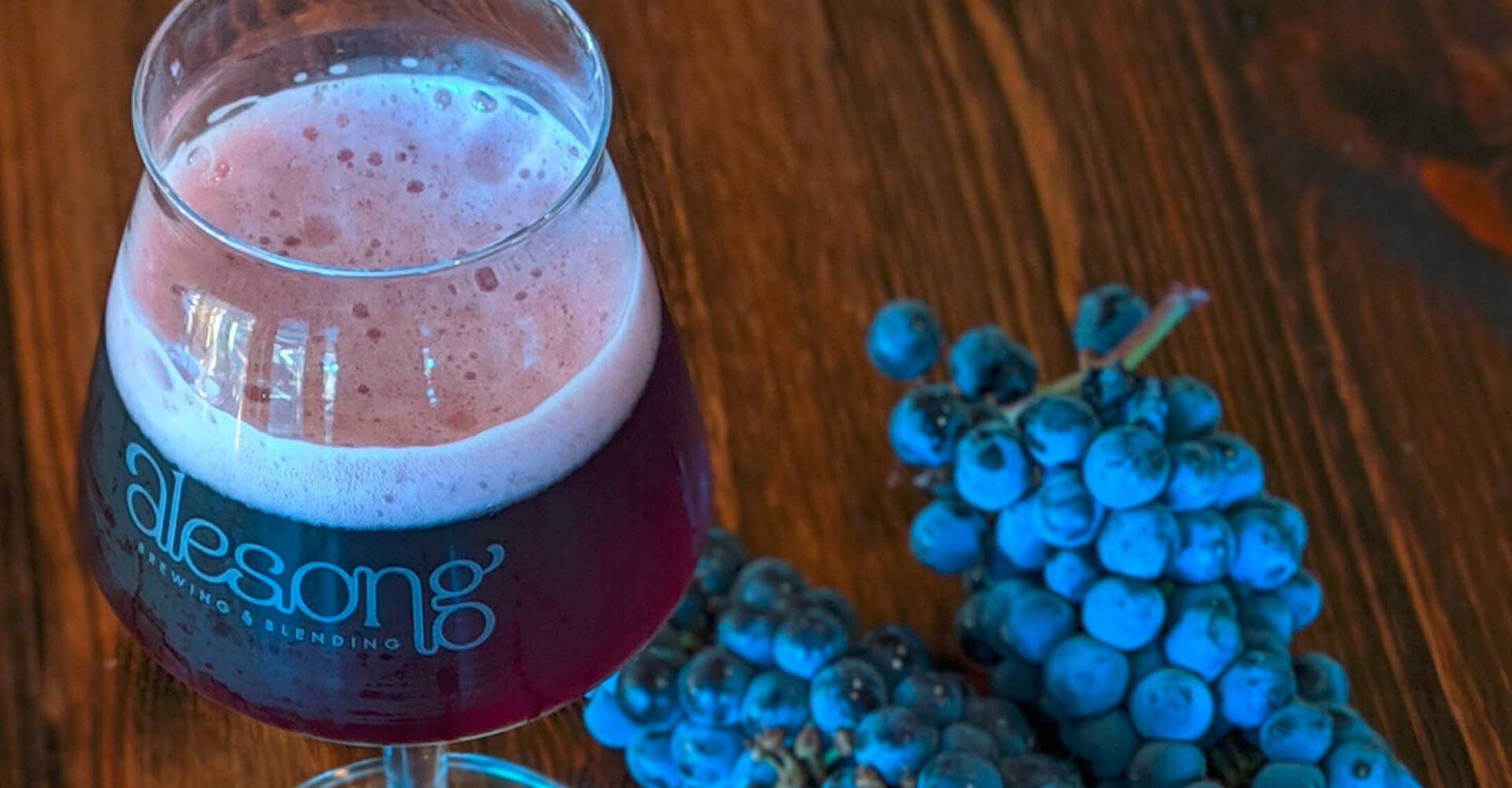
With thanks to Brian and Doug Coombs and Matt Van Wyk, cofounders of Alesong in Eugene, Oregon, here’s a homebrew-scale recipe for the base beer that they use for their co-fermentations with local fruit.
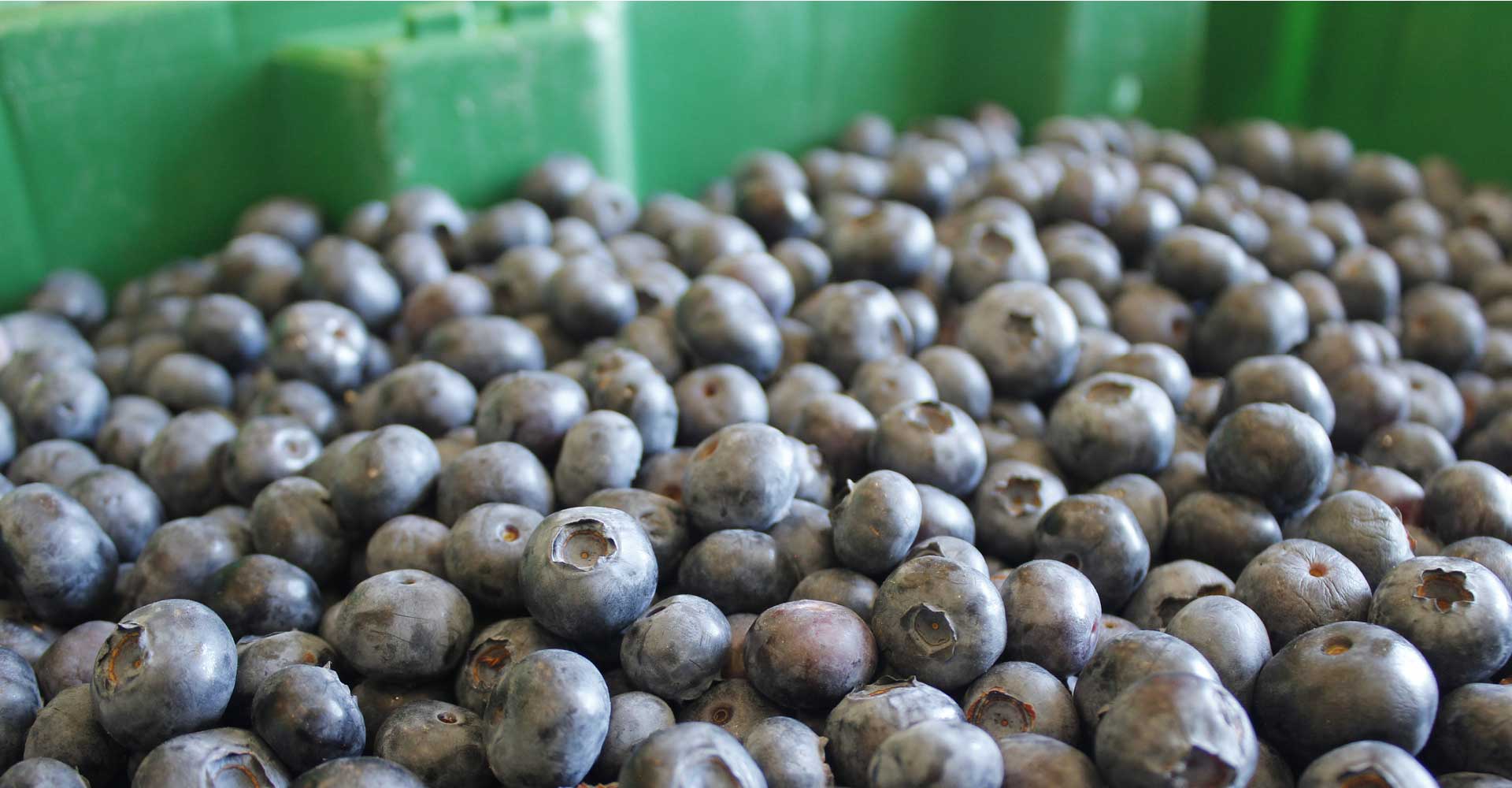
Borrowing a page from winemakers, some brewers are pitching freshly picked fruit instead of slurry, taking advantage of the natural yeast and bacteria on their skins—a process that requires a leap of faith and the best, ripest fruit you can find.
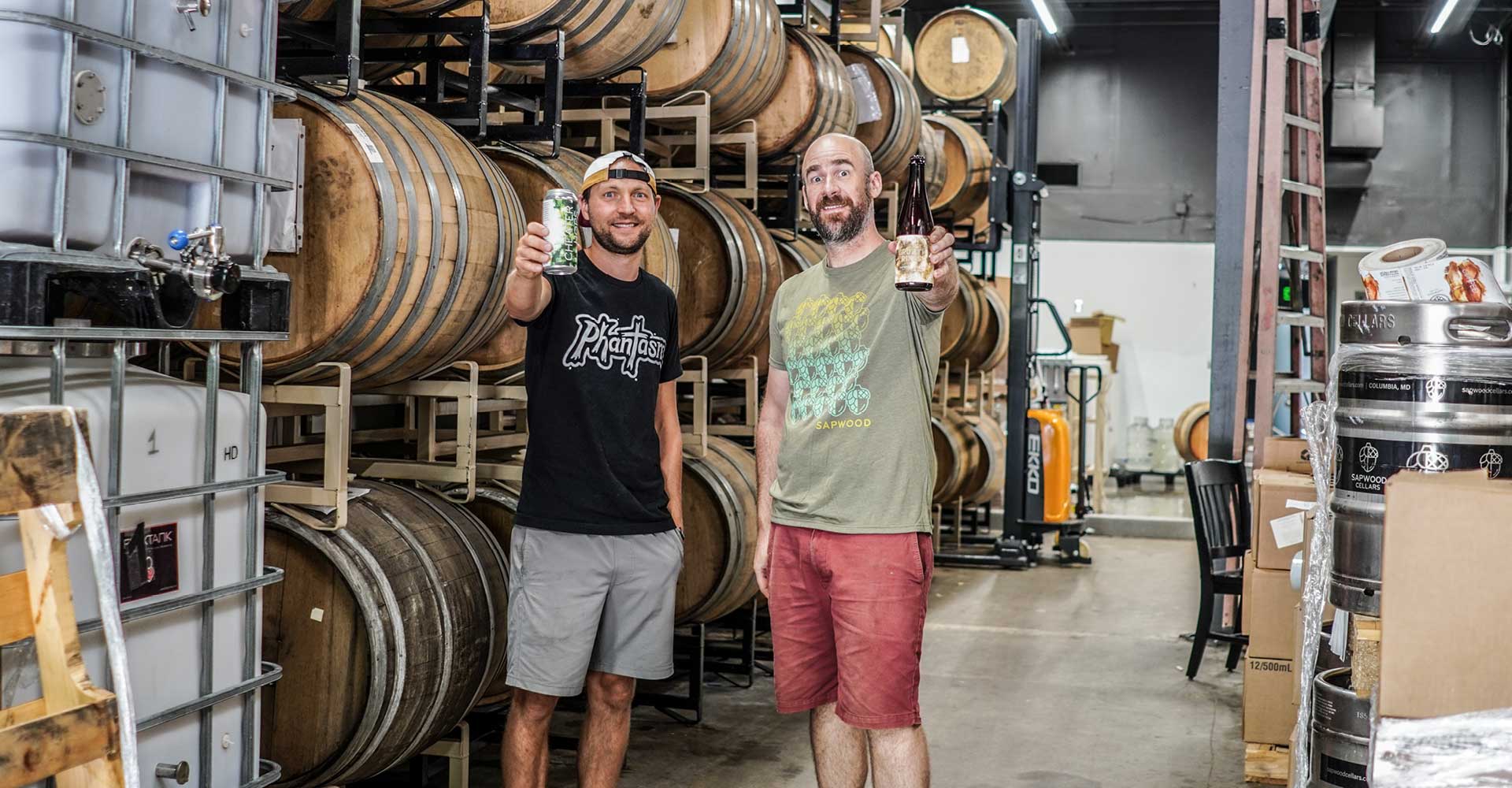
For brewers who read and sponge all the info they can find, it may be hard to believe: The authors of two of the most influential brewing books of the past decade run a brewery together. In suburban Baltimore, Scott Janish and Michael Tonsmeire are experimenting at Sapwood Cellars.
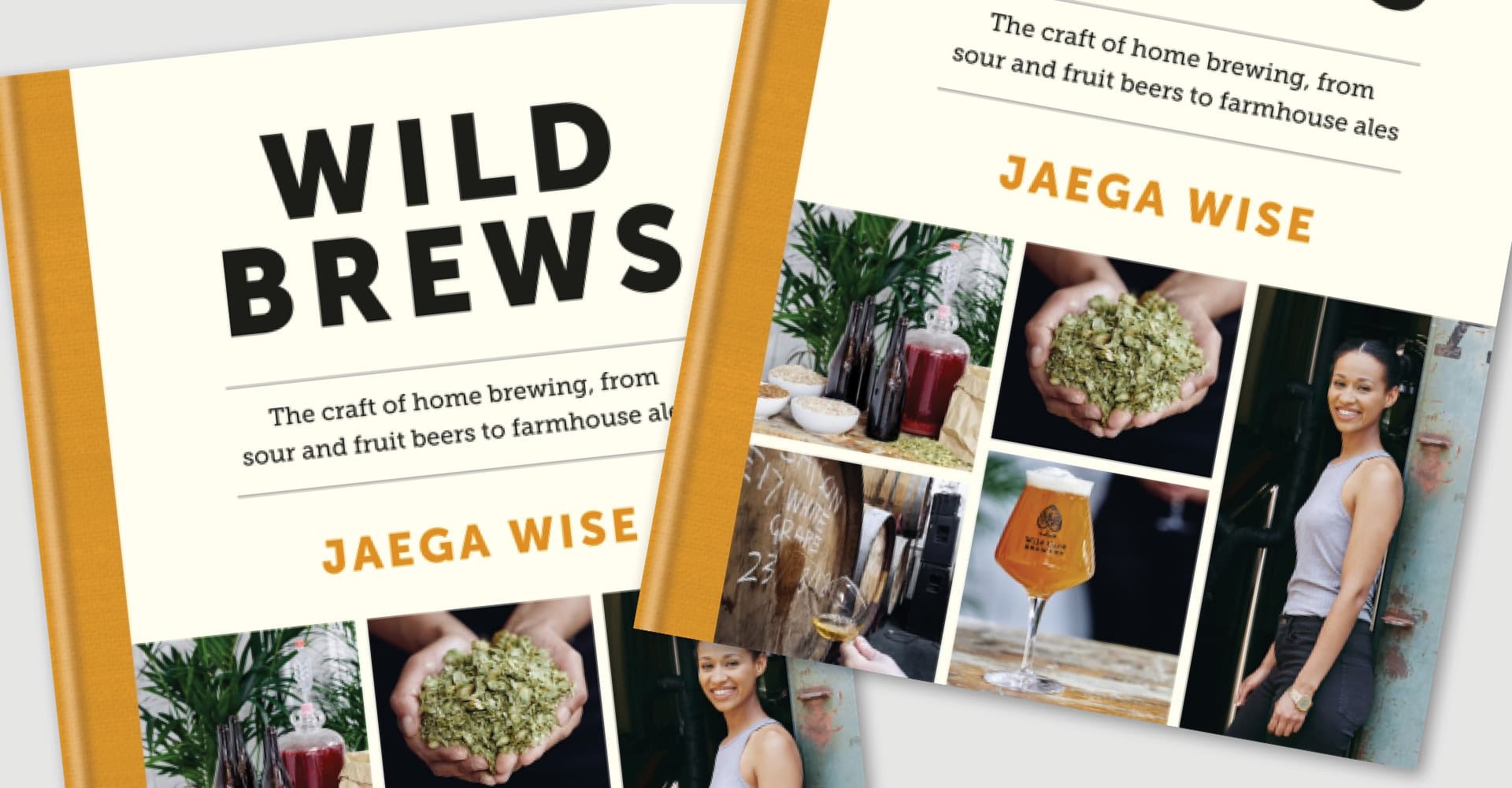
The chemical engineer turned head brewer for London’s Wildcard Brewery is a popular TV presenter in the UK, and her accessible style backed with impeccable brewing knowledge helps her demystify complex styles like hazy pale ale and mixed culture saison.
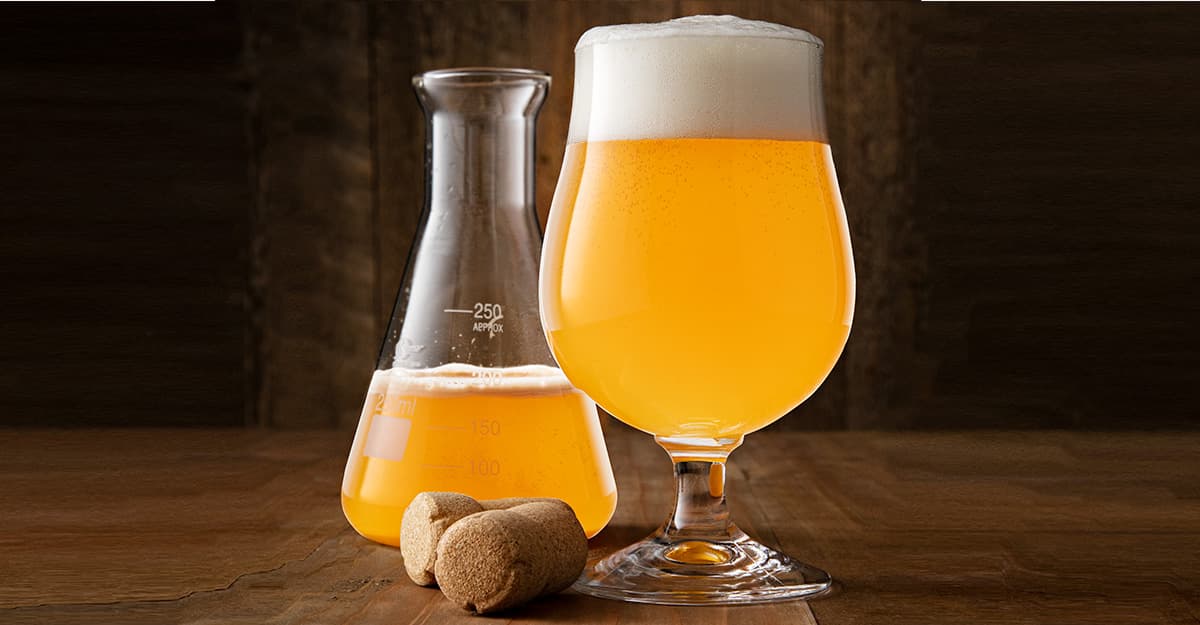
Opening your fermentations to a wider array of yeasts and bacteria can add great complexity to your beers. It can also add complexity to your brewing process—but the challenge is both surmountable and rewarding.
“We had the idea that what’s lacking somehow today is this stubbornness, to stick to something—and to create something distinct in that way,” says Tom Jacobs. “For us, we want to do something that lasts.”
“I could buy conventional grain and save some thousands of bucks per year, but then I don’t have anything to tell,” Jan Kemker says. “I don’t know if we need to call it terroir. It’s liquid storytelling, I think.”
In various places around the world, brewers are choosing to limit their choices and root their beer in its place. In the first part of a triptych, here’s a look at Norway’s Eik & Tid and its kveik-fermented, oak-aged, mixed-culture raw ales.
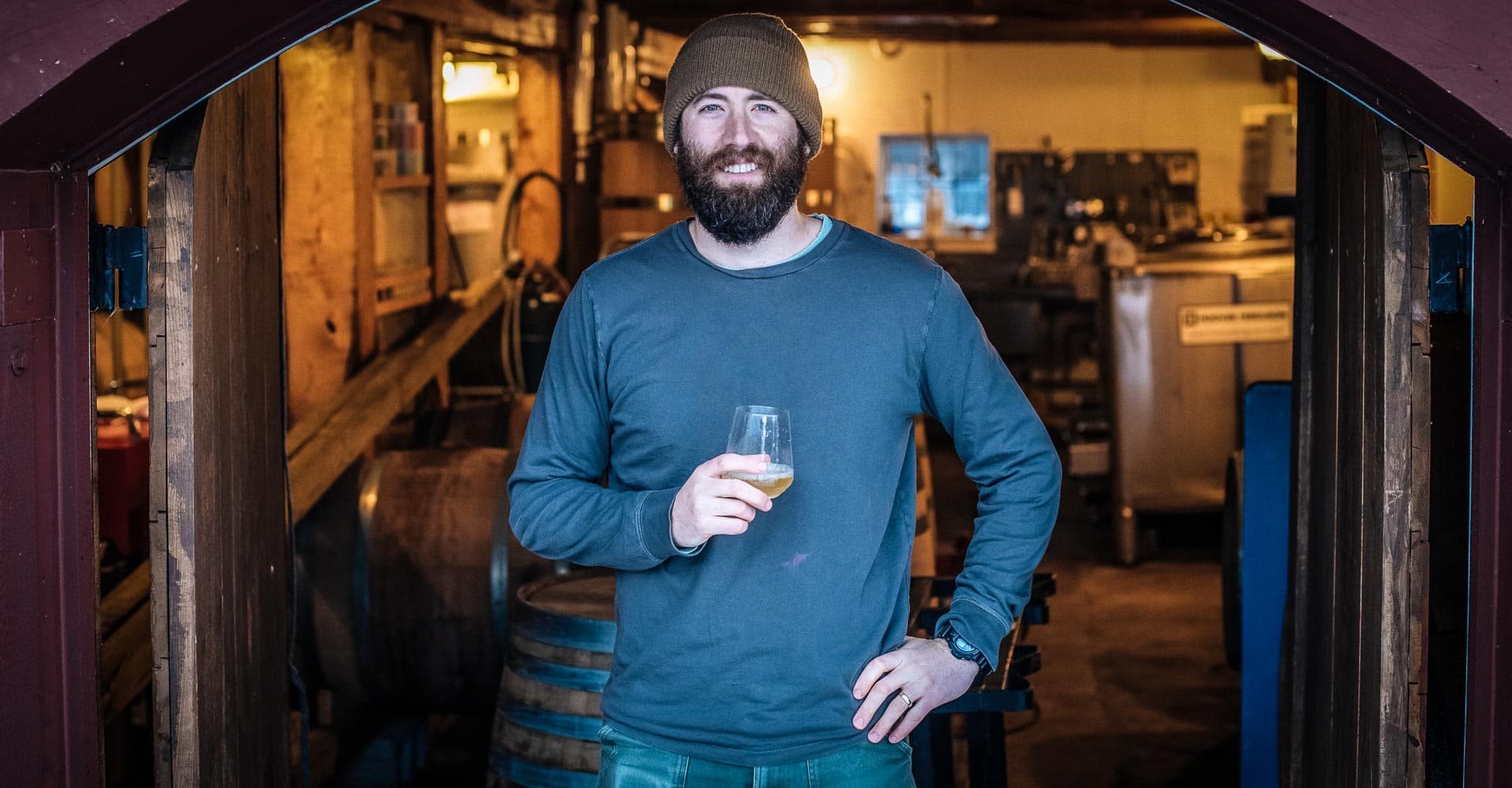
The director of brewing operations for the progressive Wisconsin brewery discusses finding their flavor voice in a way that transcends style.
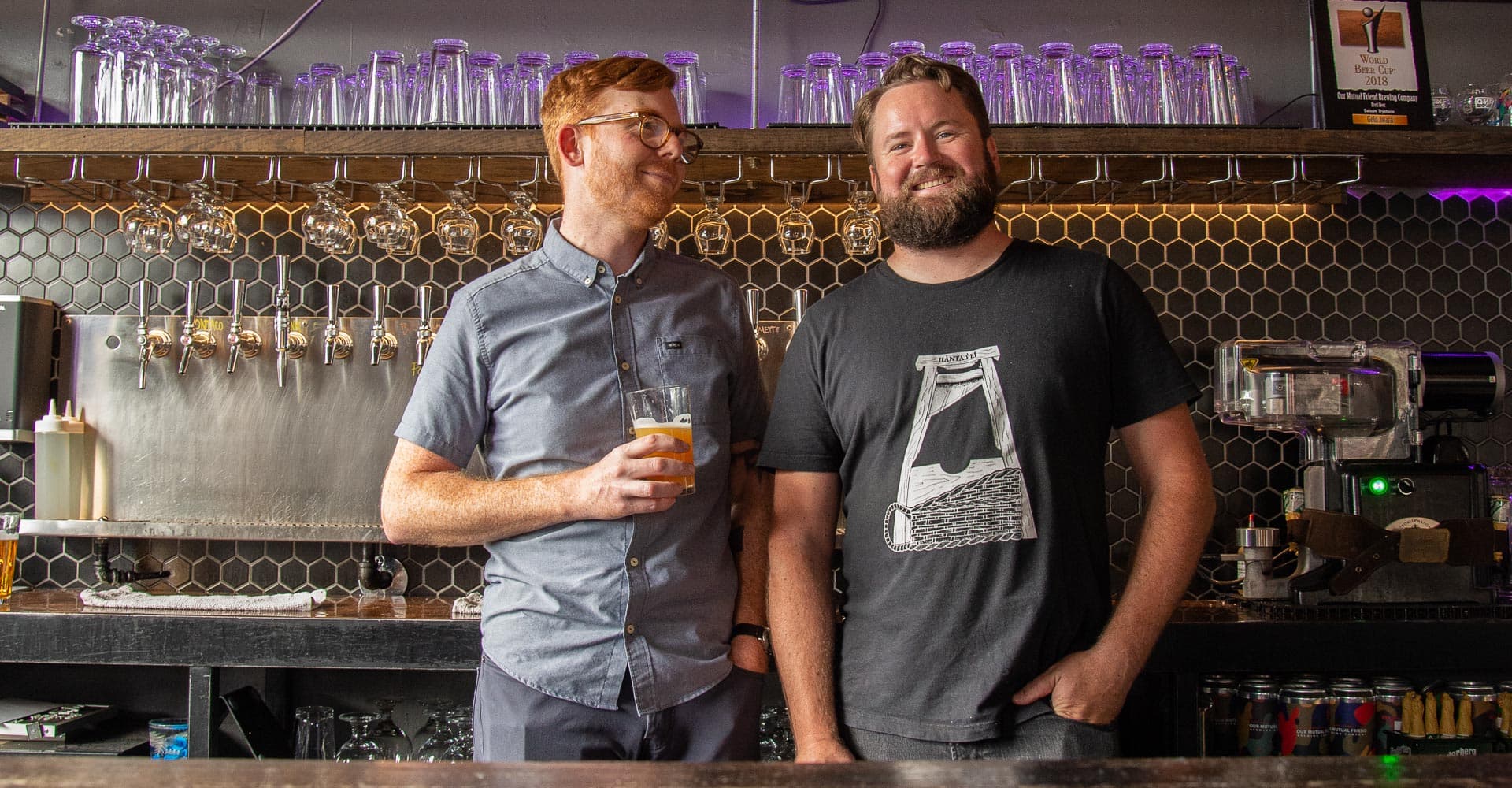
For Denver’s Our Mutual Friend, subtle tweaks and improvements over years of brewing have brought their hoppy beers into medal-winning form, but the big and brash flavors in their smoked beers showcase their penchant for dramatic statements.
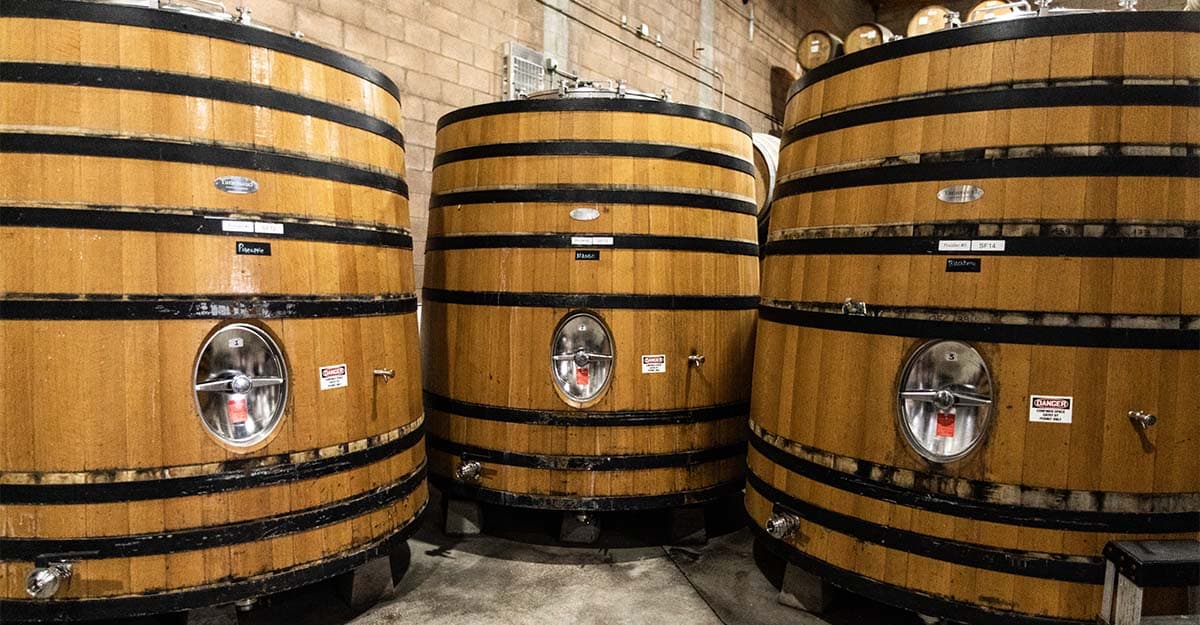
Jim Crooks, master blender at Firestone Walker Barrelworks, describes the process of tinkering with elegant beer recipes to get the desired complexity and character after months or years of maturing with yeast and bacteria.
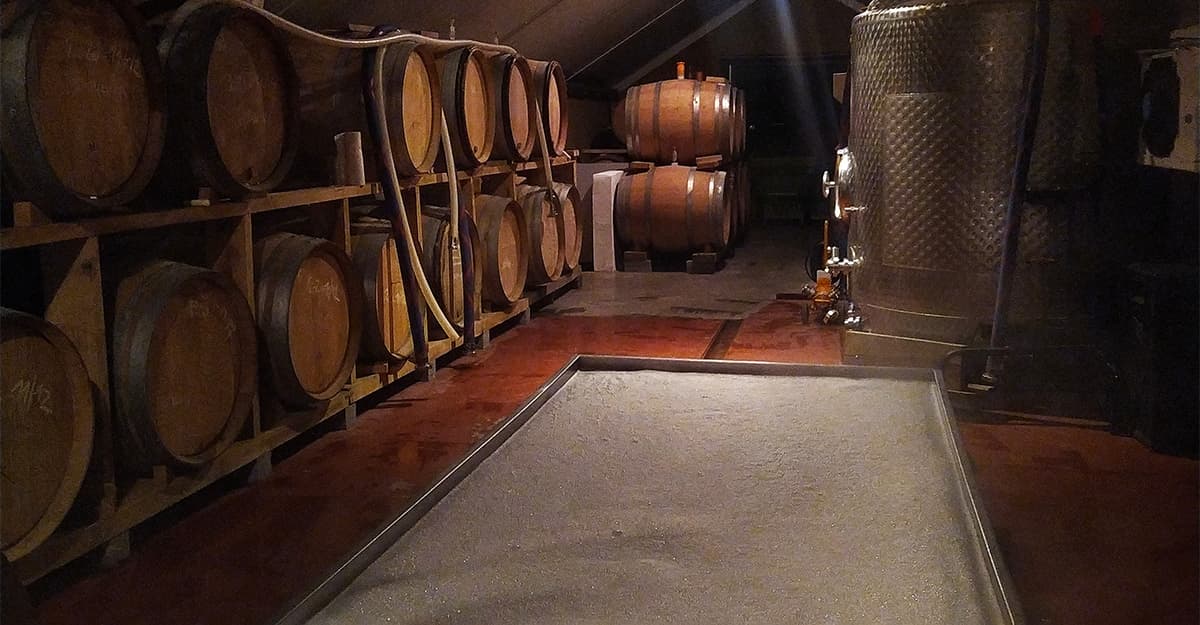
In rural Flemish Brabant, Antidoot Wilde Fermenten’s house mixed culture includes various wild yeasts they have captured over the years. Here, Tom Jacobs offers tips for success in wrangling your own local strains.
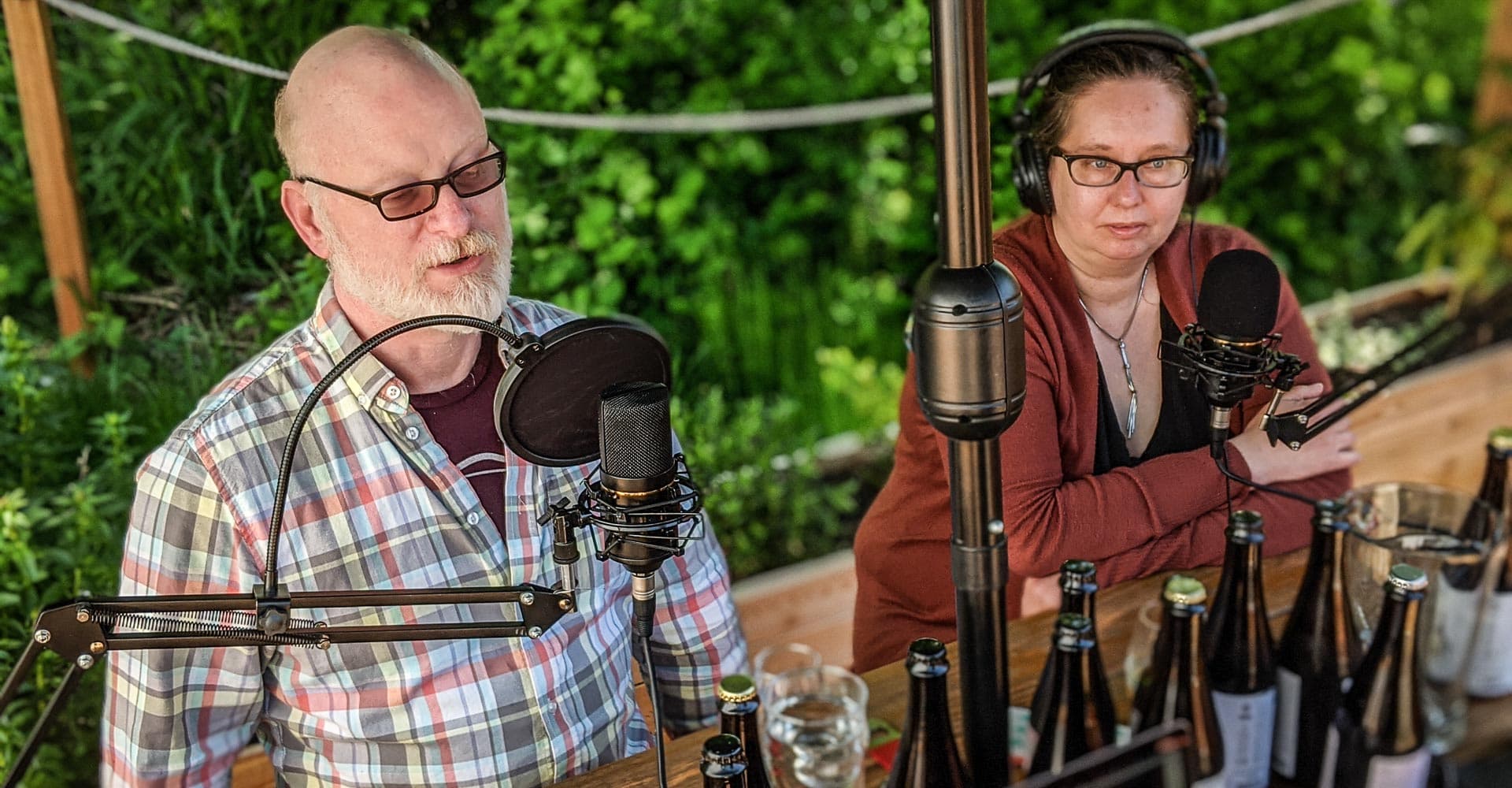
These Jester King alumni searched for the perfect place to make the beer they envisioned, with wild yeast and ingredients sourced from within a few miles. Now, they guide their fermentations to produce beers that balance flavor and character.
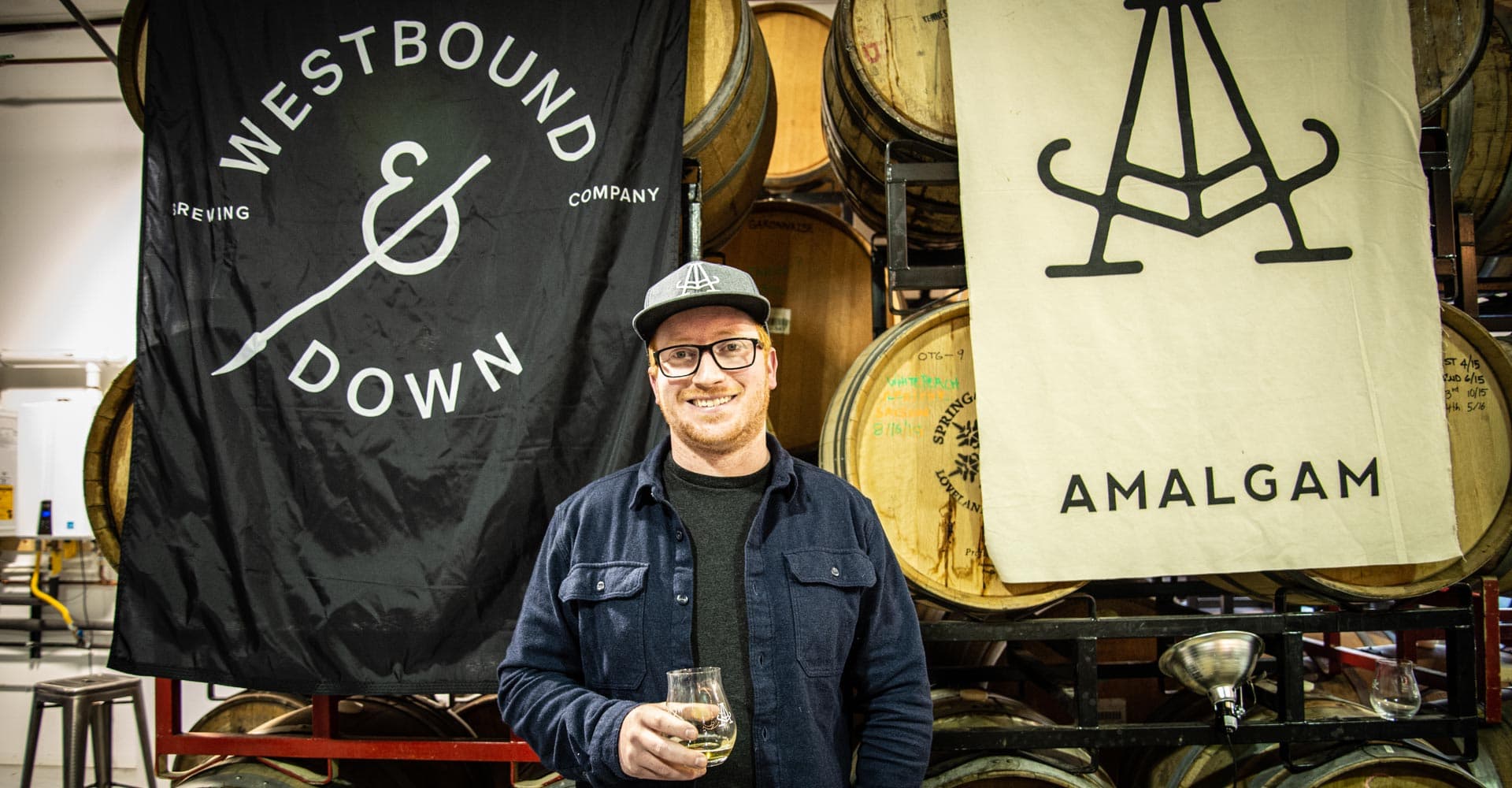
Creating sour and funky beers with depth involves many factors. But according to Phil Joyce, those factors aren't what you may think. Malt? Don't sweat it. Hops? Maybe. Water profile? Definitely. Yeast? Obviously.
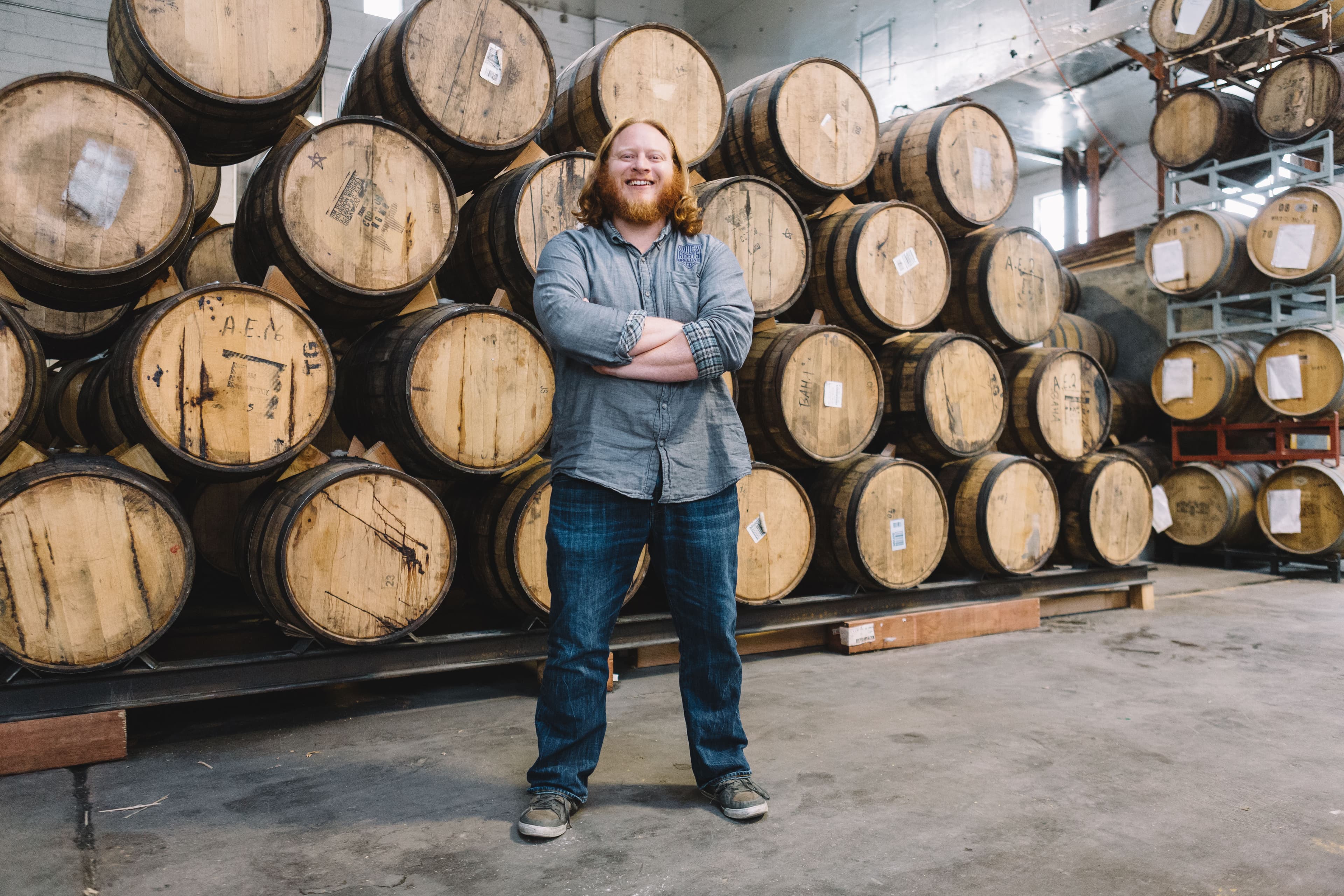
From the foundation of recipe development to sampling your beer, Wiley Roots Cofounder Kyle Carbaugh discusses the considerations in selecting your grain bill, hops, yeast, bacteria, fermentation duration and temperature, adjuncting, and a lot more.
Browse every article filed under this tag.