Know the Most Common Beer-Tasting Biases | Video Tip
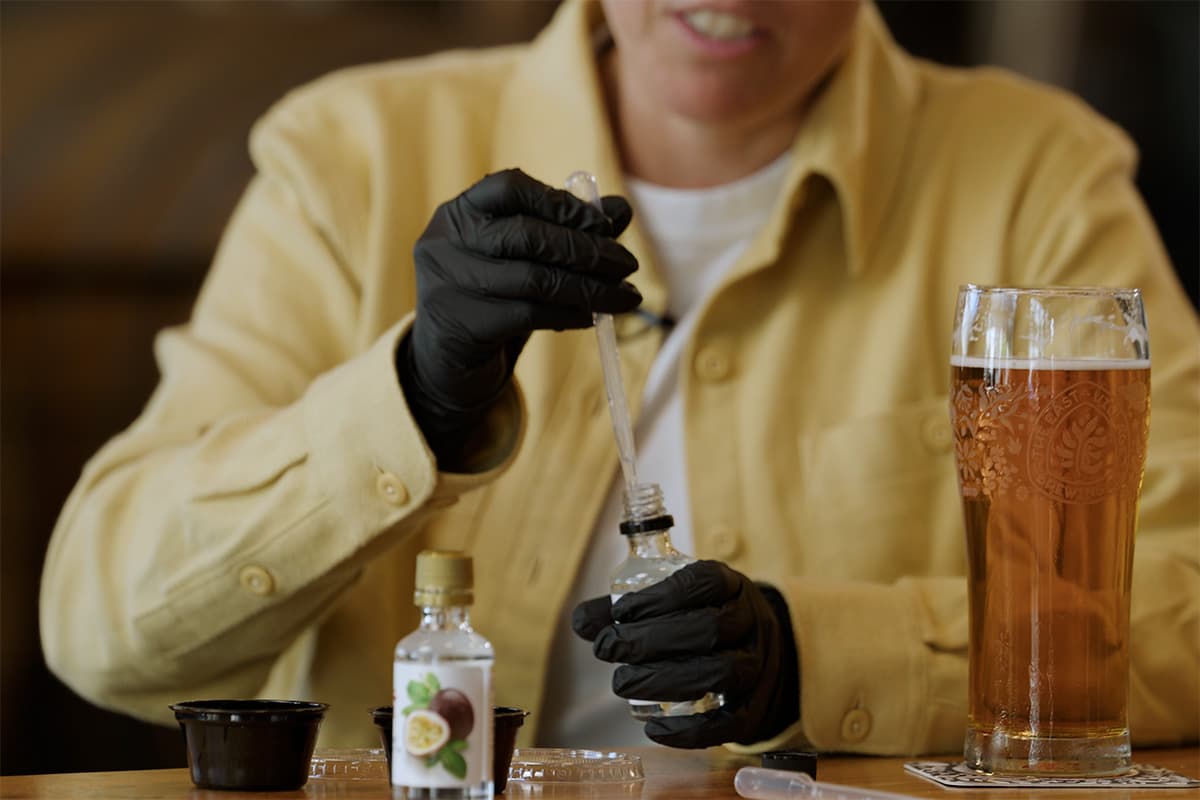
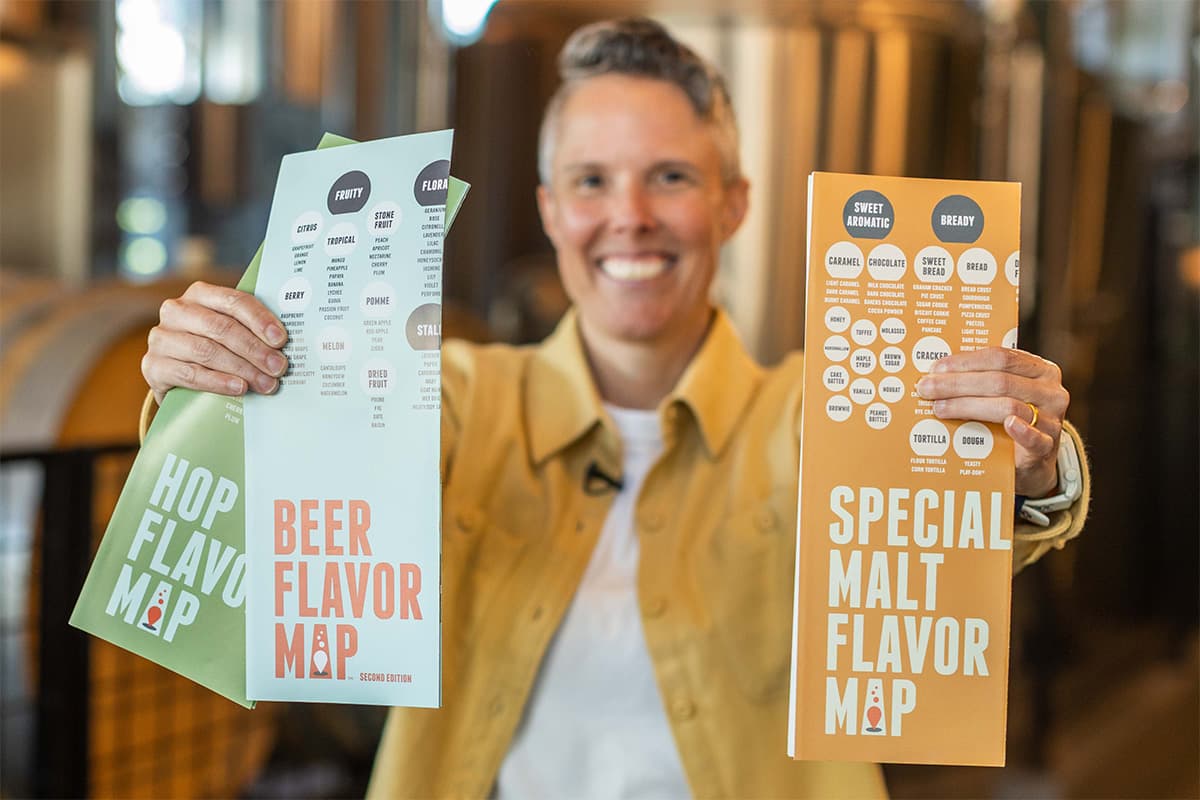
There are certain biases that often creep into beer sensory panels and judging tables. DraughtLab cofounder Lindsay Barr describes three of the most common types—and how to avoid them.
115 articles in this category

There are certain biases that often creep into beer sensory panels and judging tables. DraughtLab cofounder Lindsay Barr describes three of the most common types—and how to avoid them.

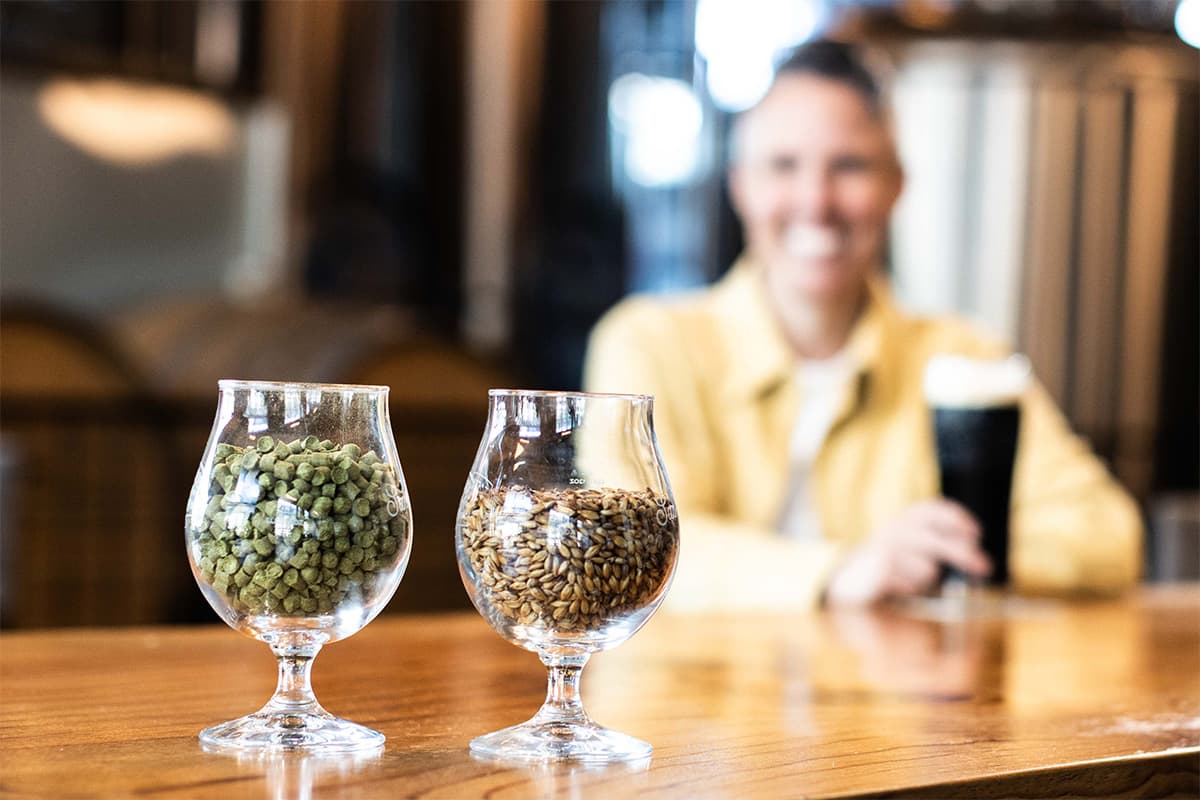
The power of sensory analysis isn’t only for finished beer—you can also apply it to raw materials, including hops and malt. In this clip from her video course, DraughtLab cofounder Lindsay Barr outlines two key methods: the hop grind and the hot steep.

Ensuring that popular beers maintain consistent flavor profiles—that they are true to brand—is important for any brewer who wants to keep customers happy. Here, DraughtLab cofounder Lindsay Barr explains how true-to-target and brand recognition testing can help you drill into your beer’s finer sensory traits.

There are many methods of sensory analysis that can be used in the brewery, but one of the most useful is the descripton test. DraughtLab cofounder Lindsay Barr explains how it works.

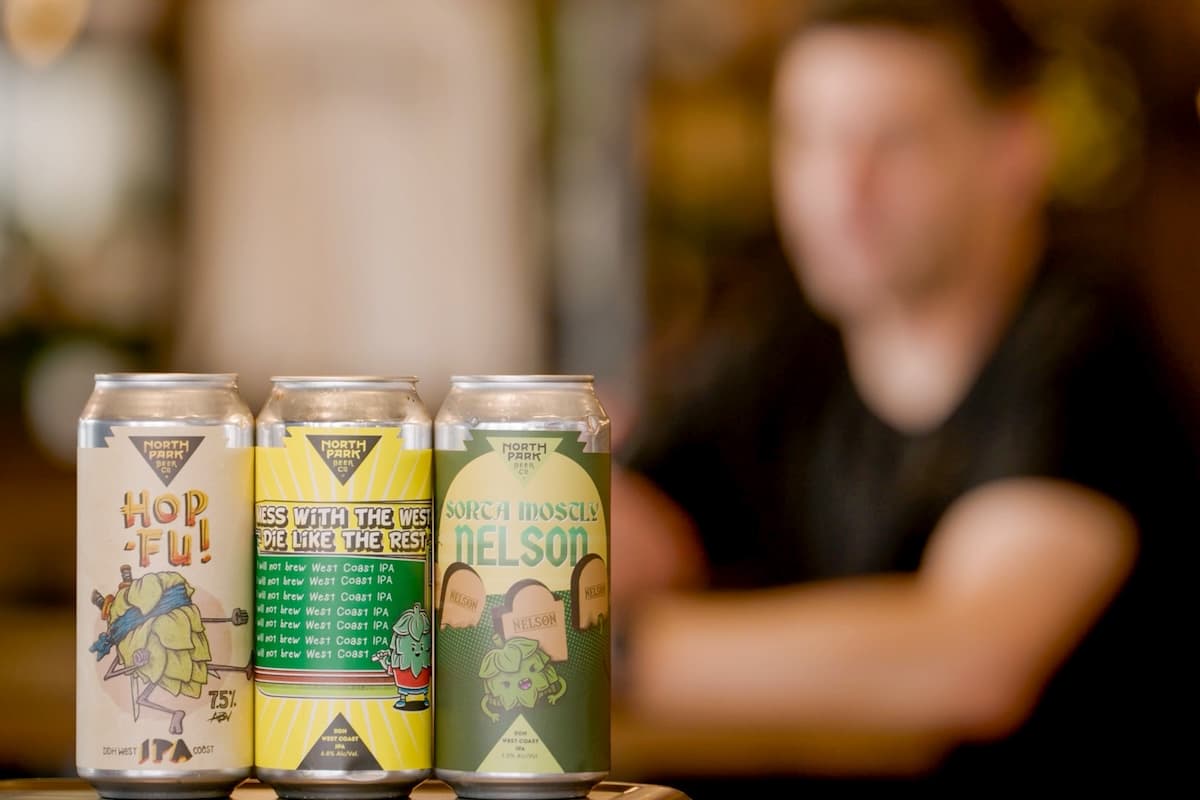
Whether it’s selecting very different lots of Nelson Sauvin or trialing new hop products to see what they can contribute, North Park founder and head brewer Kelsey McNair says he’s always looking for ways to squeeze in more hop flavor—but without leaving the realm of the familiar.

To brew a beer that’s bursting with great hop aroma and flavor, it’s critical to choose and use the very best you can get. North Park founder and head brewer Kelsey McNair explains their own discriminating approach.

Oxygen is the enemy of hop-saturated flavor. In this clip from his video course, North Park founder and head brewer Kelsey McNair explains how his team halved oxygen in the package by slowing down their canning line.

You don’t want your water to get in the way of hop-saturated flavors. Here, North Park founder and head brewer Kelsey McNair sketches out a few different water profiles that depend on style—and why he might adjust those profiles, depending on choices made elsewhere.

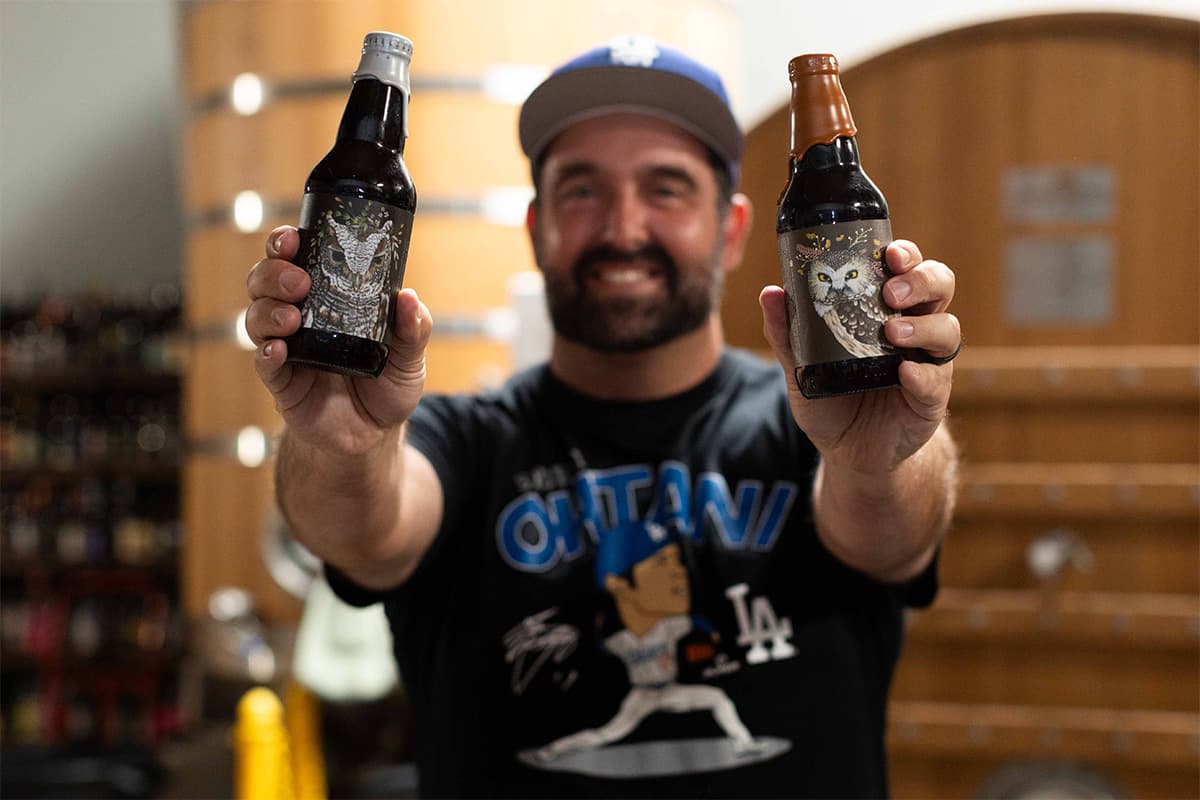
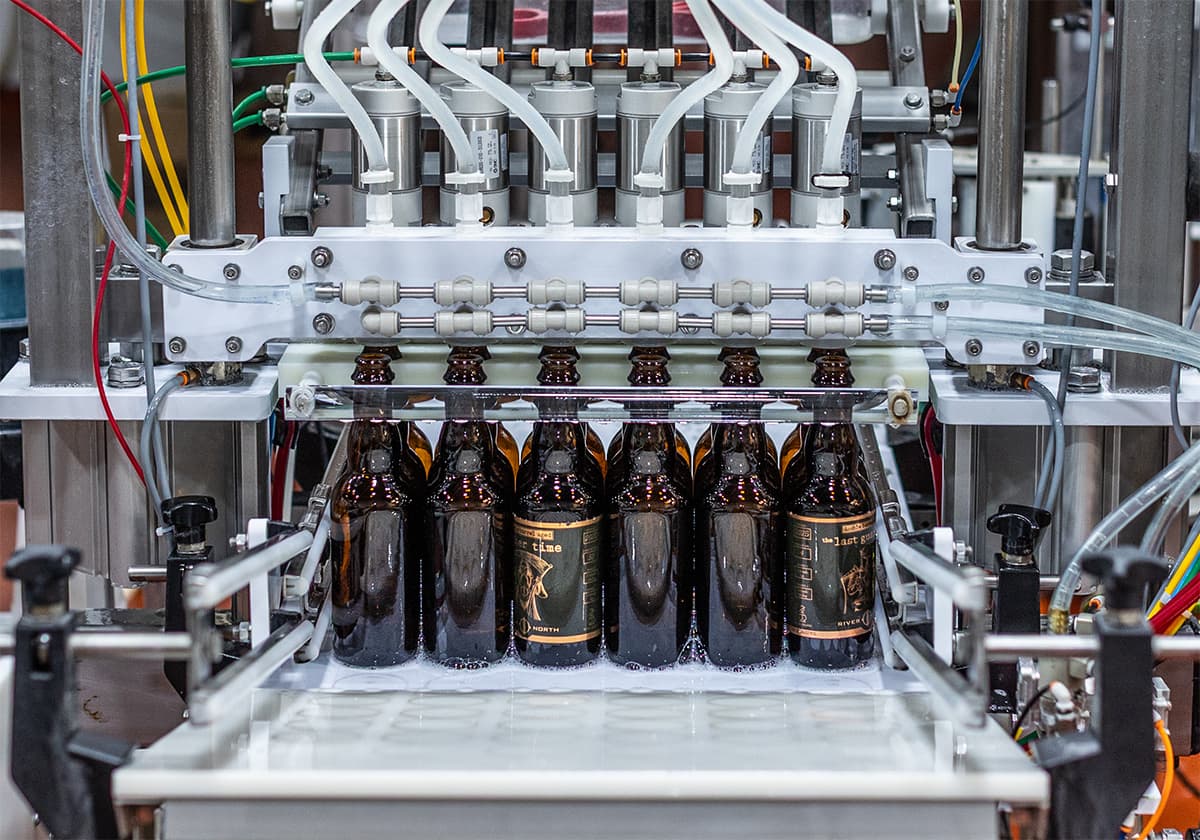
When beer gets high enough in alcohol content, it can pose a threat to can lining and affect how we perceive carbonation. In this clip from their video course, River North founder Matt Hess explains how and why they bottle in glass and adjust for carbonation.

For River North’s coffee-infused beers, it’s whole beans, fresh and medium-roasted. In this clip from their video course, founder Matt Hess explains the method.

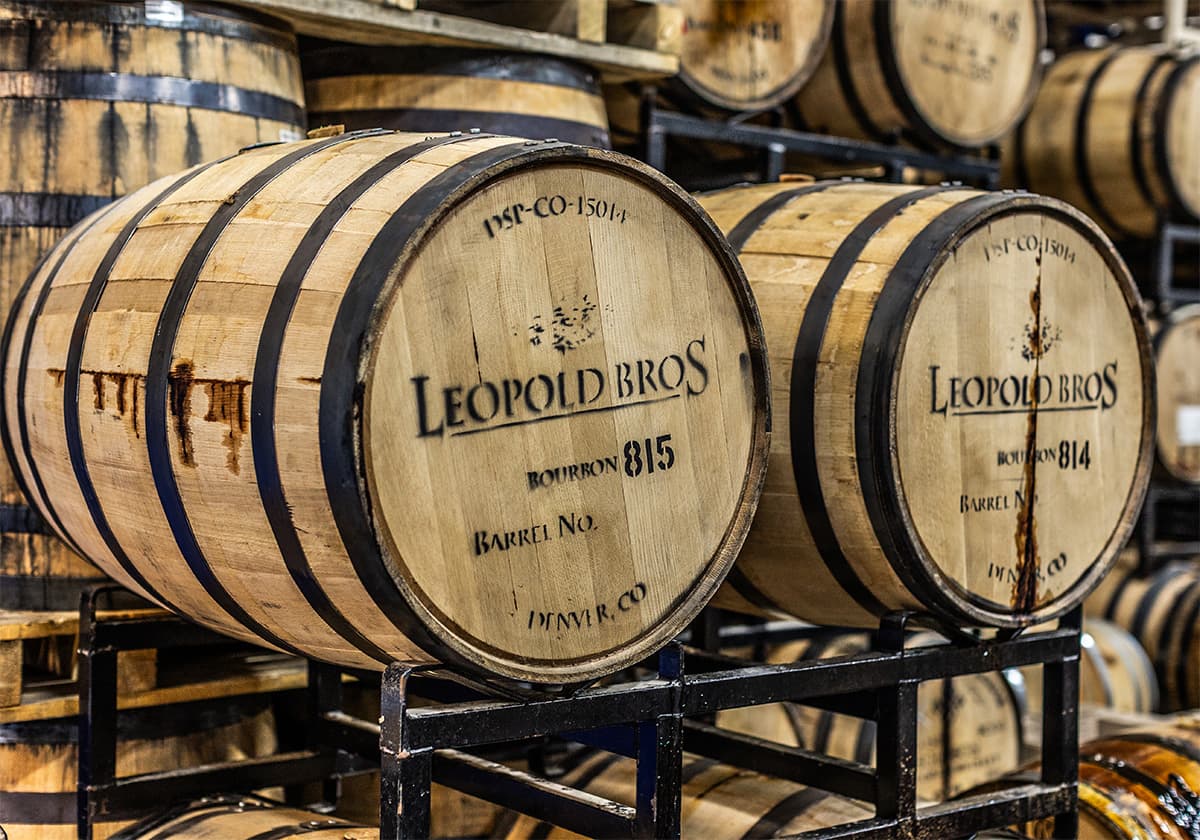
From the angel’s share to dilution, River North founder Matt Hess lays out some key considerations to keep in mind when you’re planning to age your beers in spirits barrels.

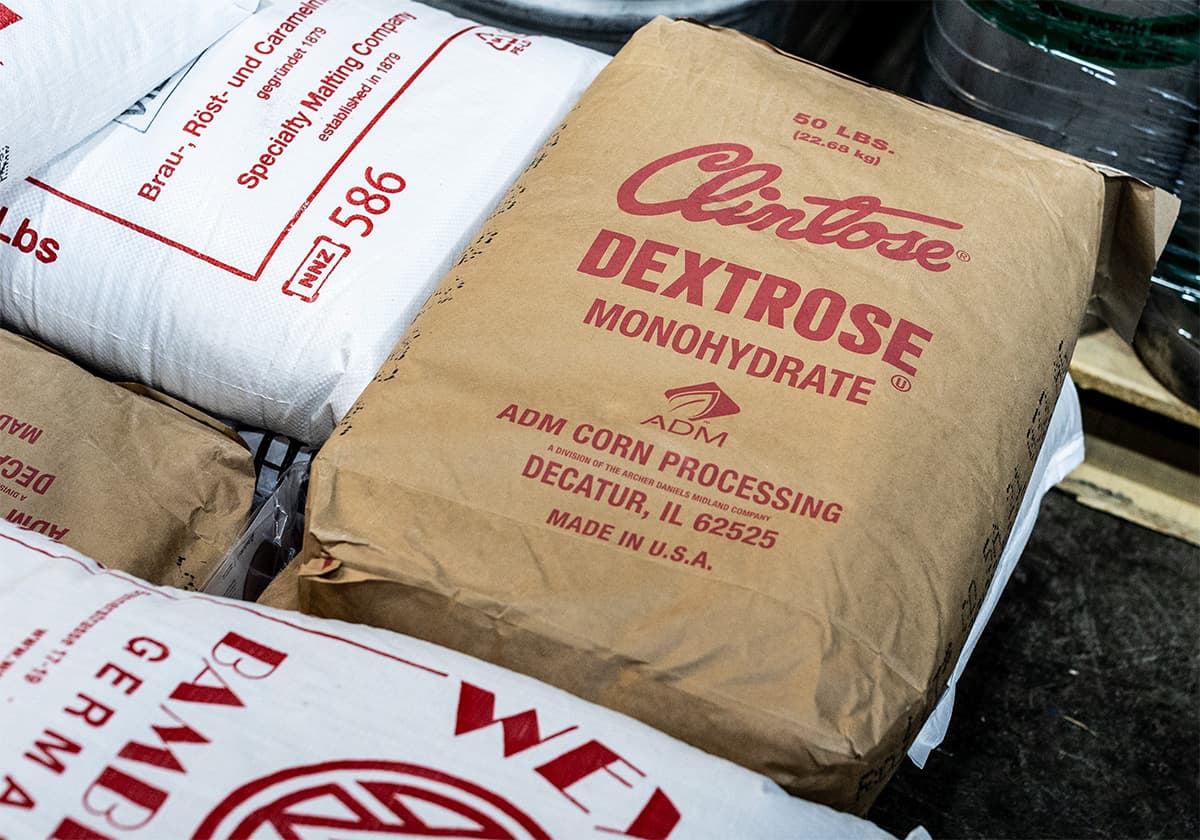
From dextrose to brewer’s crystals, River North founder Matt Hess covers some of the key things to consider when choosing and adding sugars to boost the gravities of very strong beers.

Kevin Templin, cofounder and head brewer, lays out their approach to yeast selection, spunding, managing sulfur, and preserving natural carbonation at Templin Family Brewing in Salt Lake City.

Write it down! Kevin Templin, cofounder and head brewer at Templin Family Brewing in Salt Lake City, explains how they fine-tune the tiniest details using a dialed-in sensory panel—and why it’s critical to take notes.

Strict attention to quality throughout the brewhouse, whatever the type of beer, can only help you in competitions—as can thinking ahead on maturation and carbonation. Kevin Templin, cofounder and head brewer at Templin Family Brewing in Salt Lake City, shares some key tips on how to improve your odds.

Embracing whole-leaf hops at Templin Family means stuffing them into huge game bags from the hunting store and adding them to the whirlpool. Kevin Templin, cofounder and head brewer, explains their approach to emphasizing that delicate Noble-hop aroma.

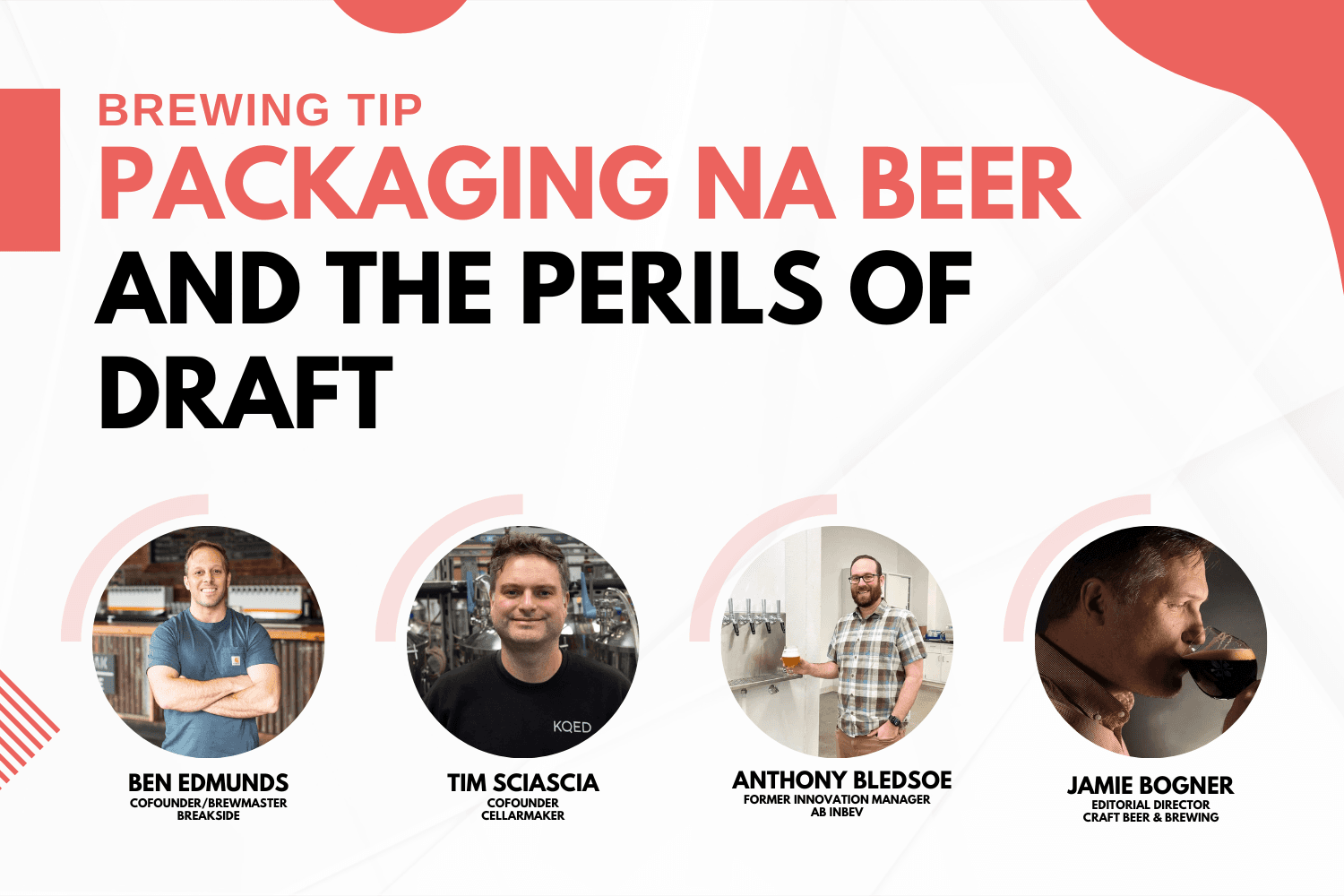
In this clip from their free webinar, experts from Berkeley Yeast and Breakside brewmaster Ben Edmunds discuss safe packaging for NA beers and the risk of pathogens in draft lines.

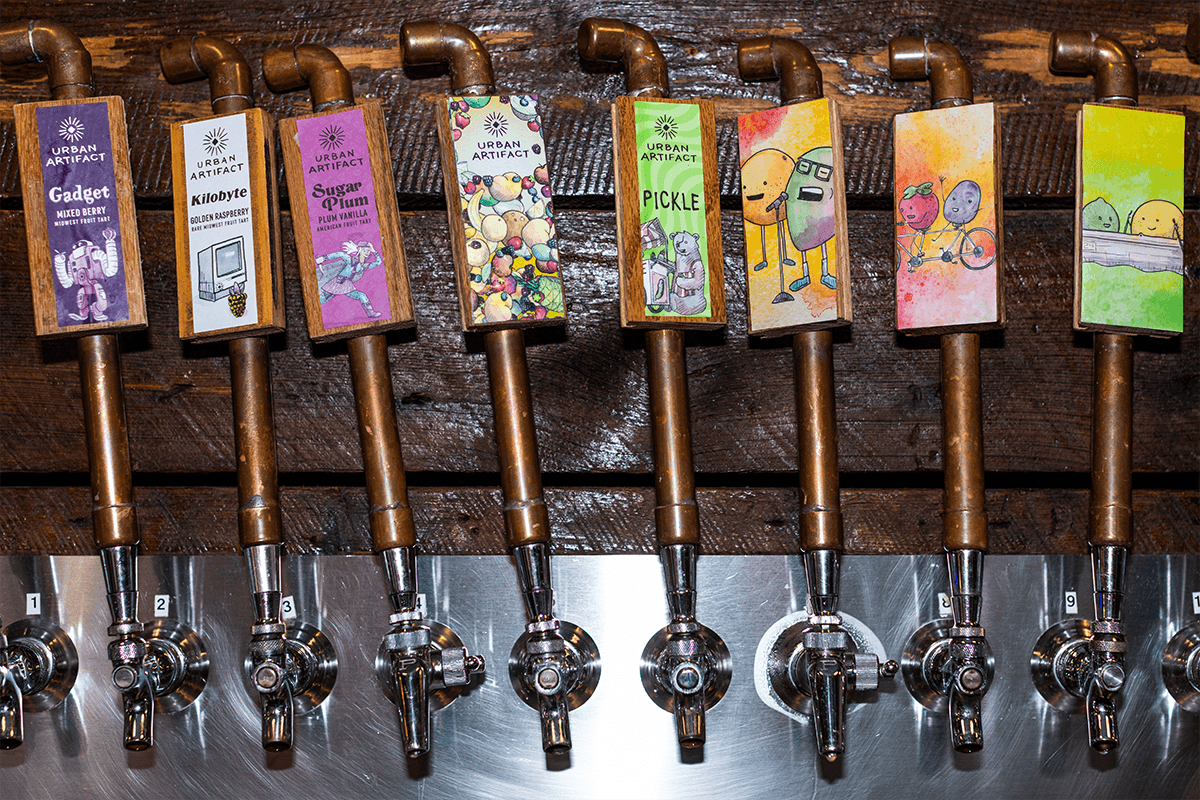
In this extended bonus clip from his video course, Urban Artifact cofounder and COO Bret Kollman Baker explains how to dial in acidity, sweetness, and a carefully managed fermentation for a fruit beer that excels.

Tannins are a key part of what makes many great fruit beers taste like fruit—and it’s something you can easily adjust as a brewer.

In this clip from their webinar, Berkeley Yeast VP of product strategy Anthony Bledsoe gets into ways to adjust the mouthfeel of nonalcoholic beers, as well as the importance of benchtop testing and experimenting with downstream adjustments.