Latvia’s Little-Known Latgalian Ale Is the Smoke Bomb of the Baltics
This obscure farmhouse brewing tradition out of eastern Latvia is still alive today, and it’s one that fans of smoked beer may want to add to their bucket lists.

35 articles in this category
This obscure farmhouse brewing tradition out of eastern Latvia is still alive today, and it’s one that fans of smoked beer may want to add to their bucket lists.
All but extinct before Polish homebrewers revived it, grodziskie is now more than a decade into its second life. Here are the elements that come together to make this smoky yet delicate style so beguiling.
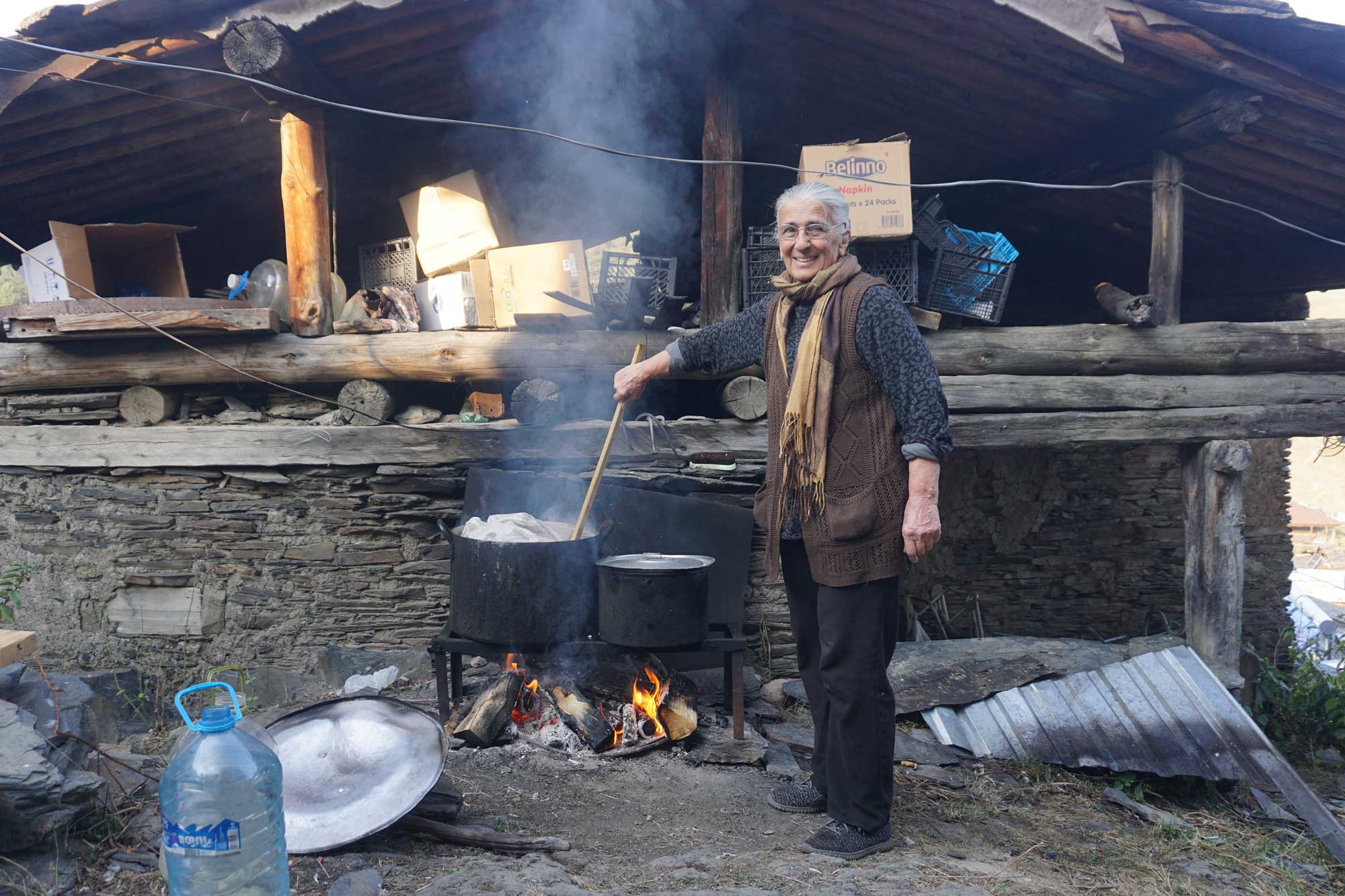
In the mountains of eastern Georgia, a rare type of farmhouse beer represents a centuries-old tradition that survives.
Inspired by Wallonian farmhouse brewing yet distinct from classic saison, today’s modern, funky, mixed-culture creations—whatever you call them—enjoy a refined niche.
There are many kinds of dark beer around the world, but there’s one that stands out as profoundly different from the others—and it features a deep, caramelized flavor that can only come from a nice, hot oven.
While modern brewers continue to push the creative envelope with their evolving takes on farmhouse beers, there is nothing quite like the old-fashioned Wallonian ales that inspired them in the first place.
This style-spanning yearly celebration of the harvest is brewed in many ways and in many places—but the best place in the world to appreciate fresh-hopped beers is the Pacific Northwest.
A type of beer peculiar to American history has managed to survive, if not always thrive, as this New World style steams into its third century.
Farmhouse brewing was once common across much of Europe, though documentation can be scarce. Here’s what we know about a surprising and little-known rural brewing tradition in northwest Germany.
From cocoa to coconuts via lactose and long boils, brewers are shaping today’s dessert stouts for easy appeal. Just don’t say they’re easy to make.
Technically, kvass isn’t beer—but it’s delicious, fermented, easy to make, and a long-standing tradition in Eastern Europe.
One of Belgium’s most broadly appealing styles is a reincarnation and a reinvention, inspired by a tradition that disappeared more than 60 years ago. Today it’s enjoyed around the world and ubiquitous in its home country—and in Maine.
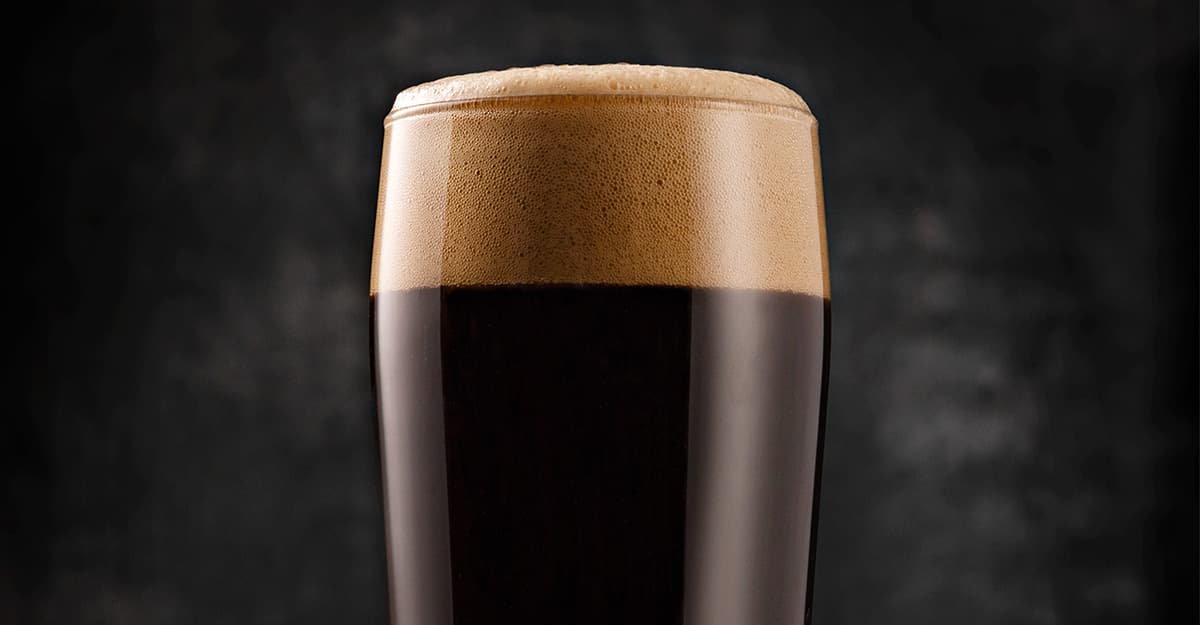
Like a social chameleon, Germany’s unusual black lager—easy-drinking yet richly flavored—seems to adapt to your needs depending on the weather or the season. Jeff Alworth looks closer at the style and its story.
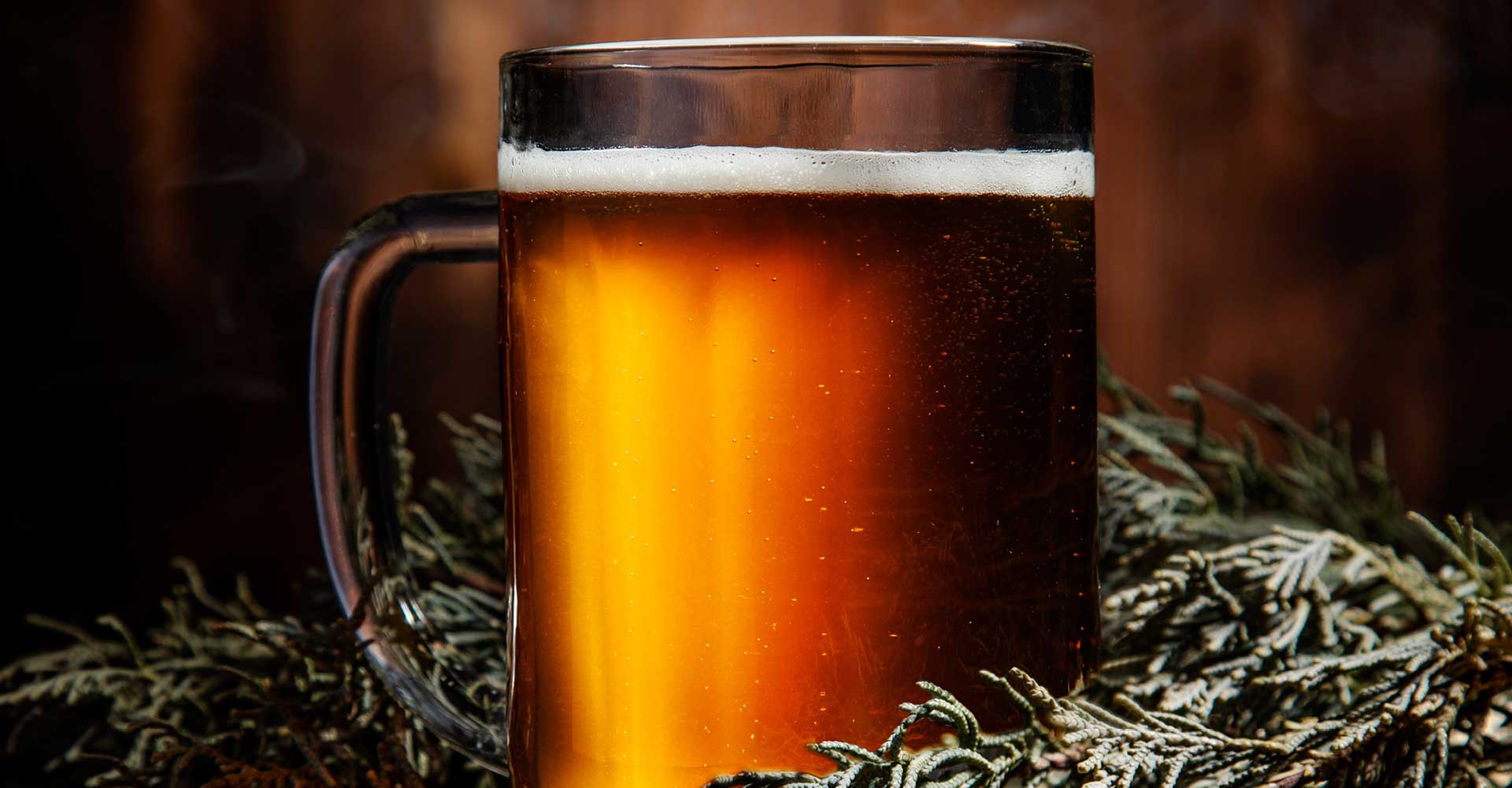
Unlike many other farmhouse brewing traditions, sahti is relatively well known and widely produced in its homeland. In the wider beer world, however, it’s frequently misunderstood.
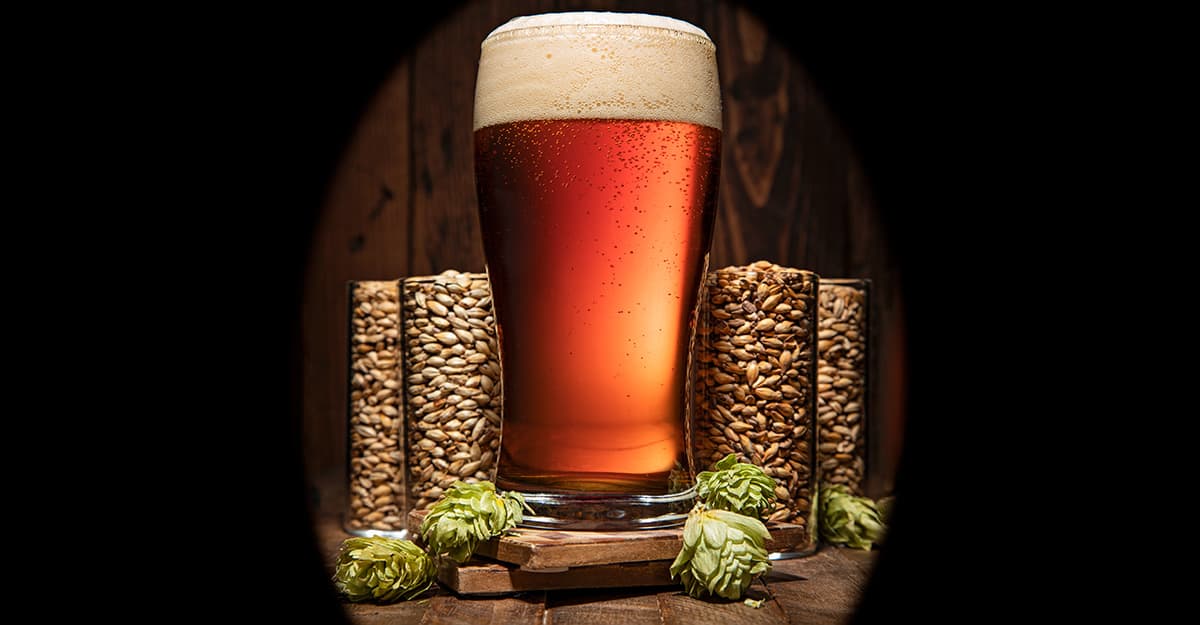
A ruddy ’90s pint is reappearing with modernized flavors—and it has a lot to say about the evolution of American craft brewing.
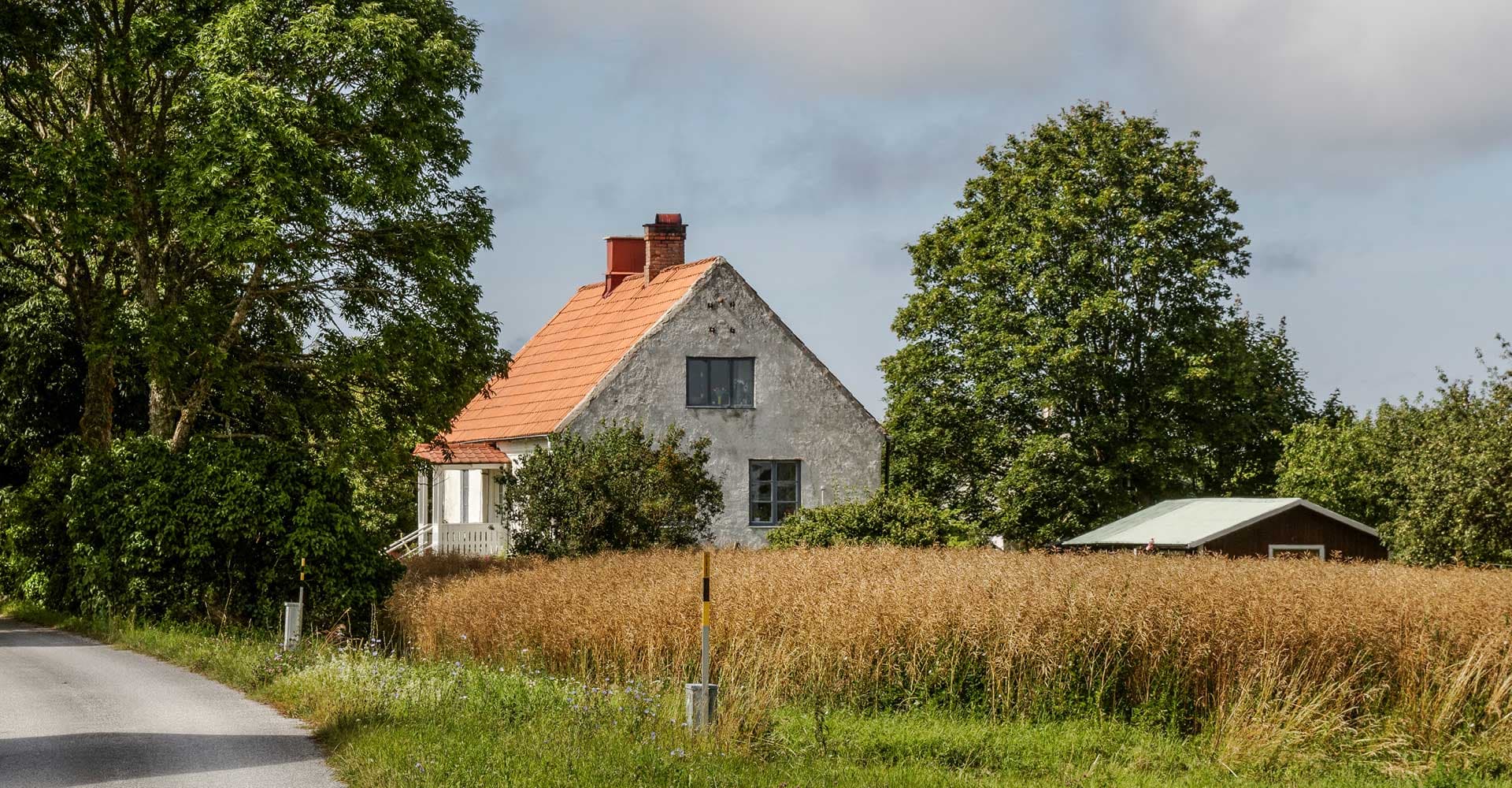
Real gotlandsdricke is little-known for the same reason it has survived: It’s from an isolated and pastoral island in the Baltic. Lars Marius Garshol sheds some light on this smoky, juniper-infused, hard-to-get farmhouse ale.
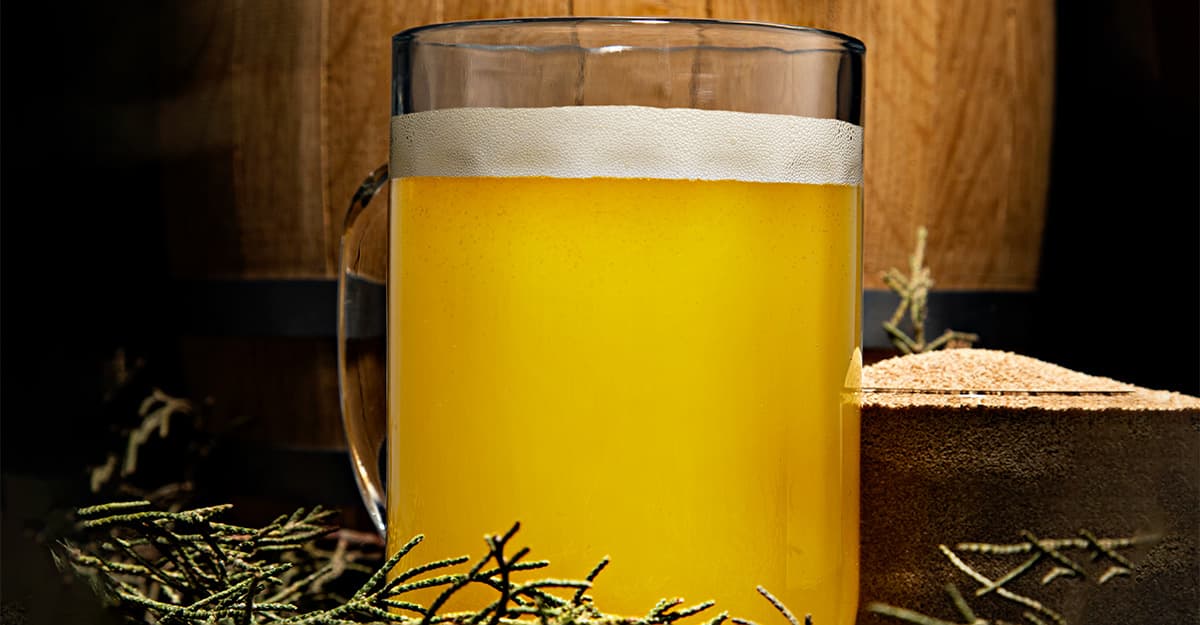
The signature farmhouse style of Estonia is a quirky product of preserved tradition, local ingredients, and practicality. It’s also a perfect reminder that farmhouse brewing is, after all, homebrewing.
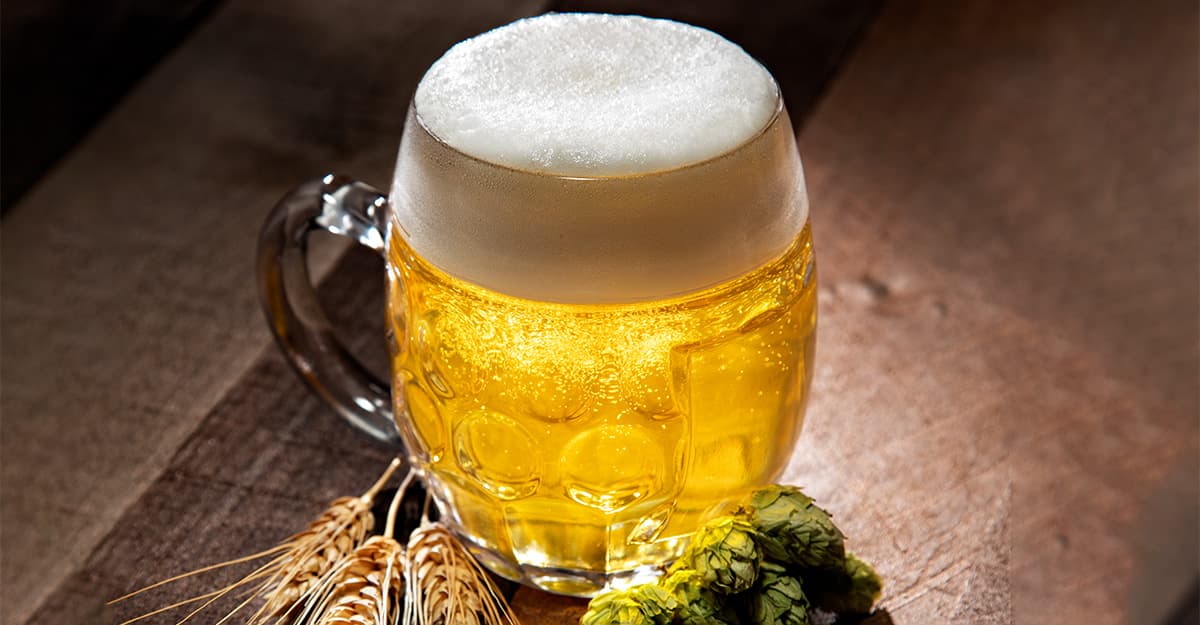
The world’s most influential beer style is also one of the most misunderstood outside its birth country. “Pilsner” took over the world, but the Czech source material is strikingly different and far more alluring.
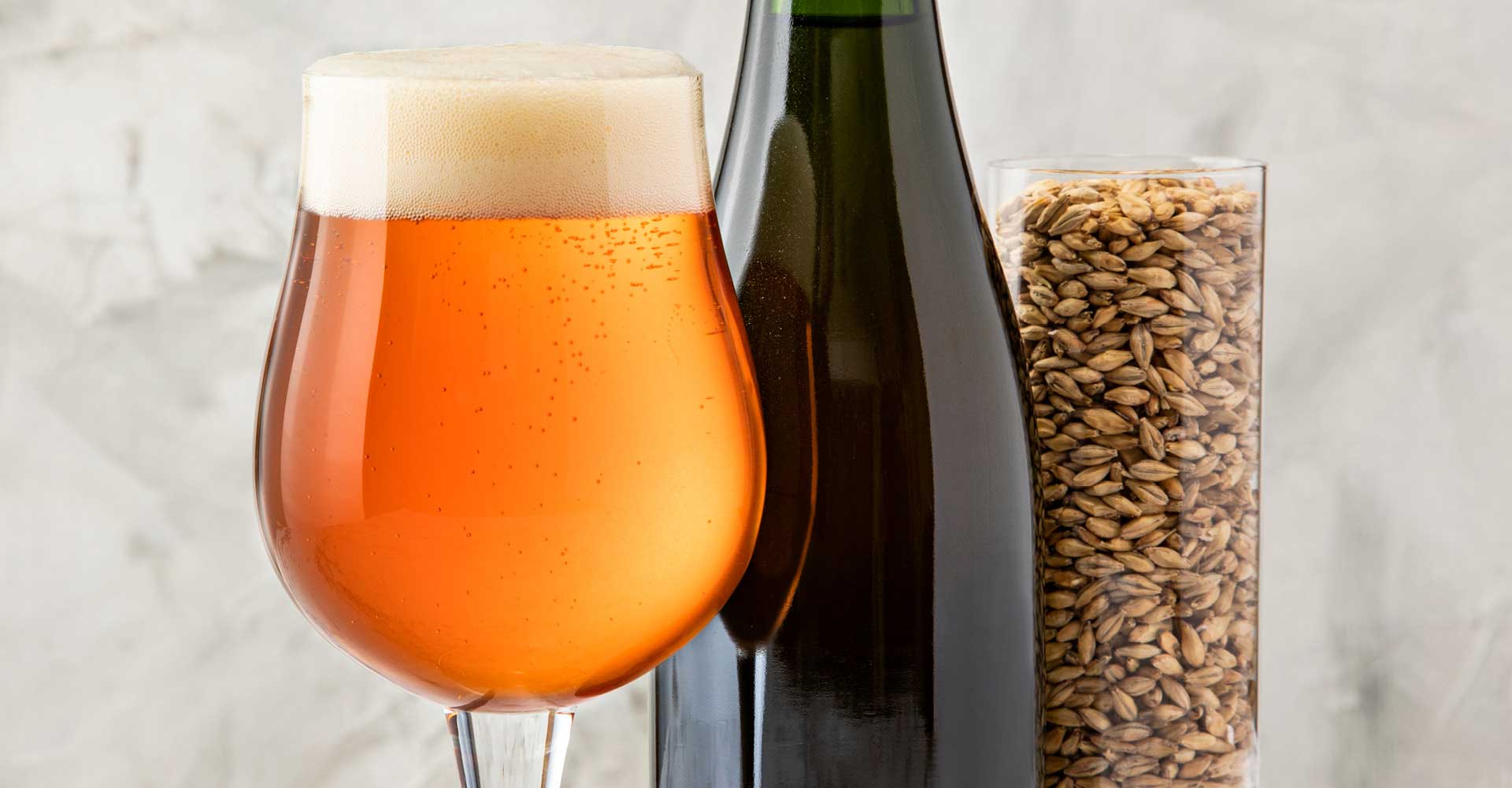
Overshadowed by Belgian saison and French wine, the “keeping beers” of northernmost France are a product of local ingredients, unique history, and a taste for polite, approachable beers.
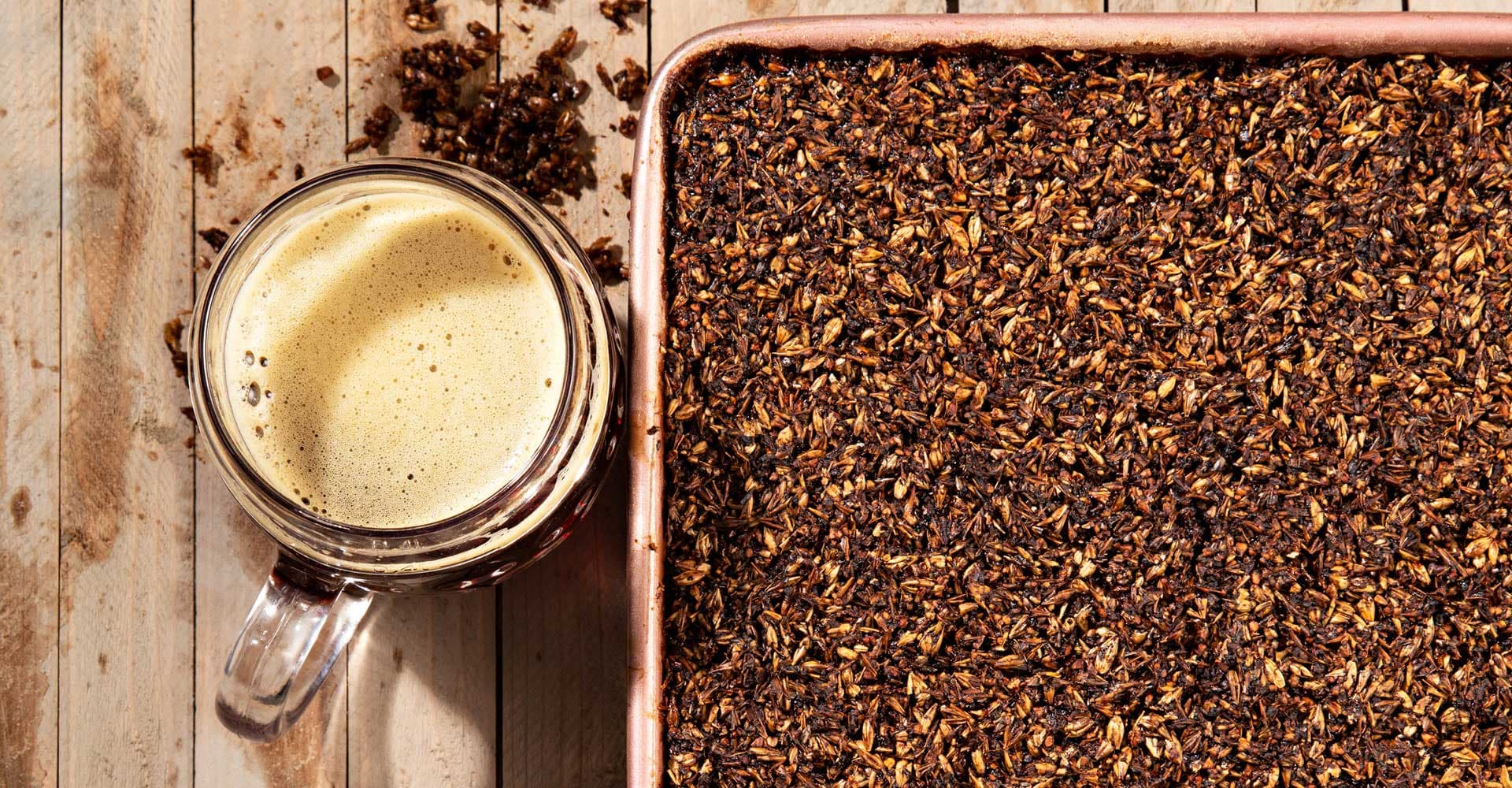
Whether “raw” and unboiled, bittered with hop tea, or made from a mash baked into crusty loaves, Lithuanian farmhouse ales represent a distinct tradition of comforting beers that can’t be found anywhere else.