Make Your Best Berliner Weisse
Tart, light, and utterly quenching, a great Berliner weisse is the perfect summertime beer, and it can win the hearts and minds of stone-hearted skeptics. Best of all, it doesn’t need to be difficult to brew.

85 articles in this category
Tart, light, and utterly quenching, a great Berliner weisse is the perfect summertime beer, and it can win the hearts and minds of stone-hearted skeptics. Best of all, it doesn’t need to be difficult to brew.
Featuring dried shrimp, salted crabs, fish sauce, fresh lime juice, tamarind paste, tomatoes, peanuts, and bird’s eye chiles, this one’s not for vegetarians... or anyone with a peanut allergy... or a shellfish allergy... or anyone who doesn’t like “spicy.” But that’s Thai food for you.
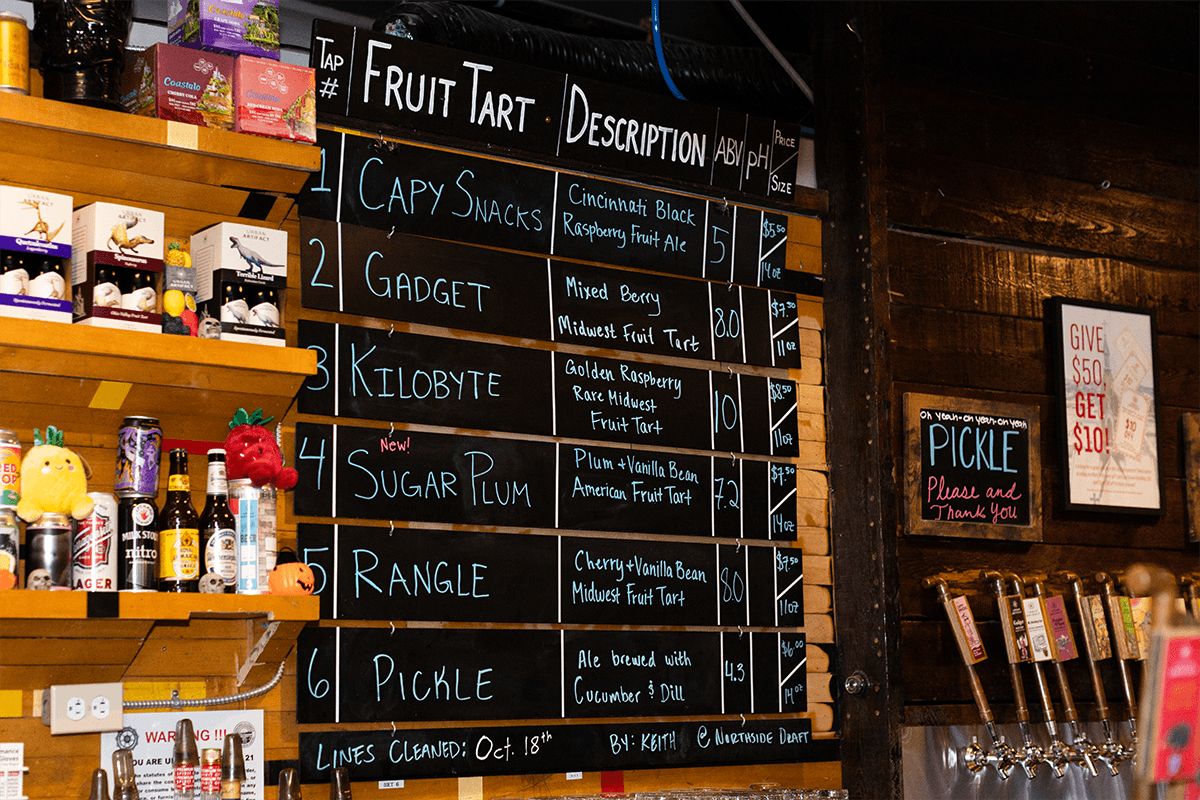
Tannins are a key part of what makes many great fruit beers taste like fruit—and it’s something you can easily adjust as a brewer.
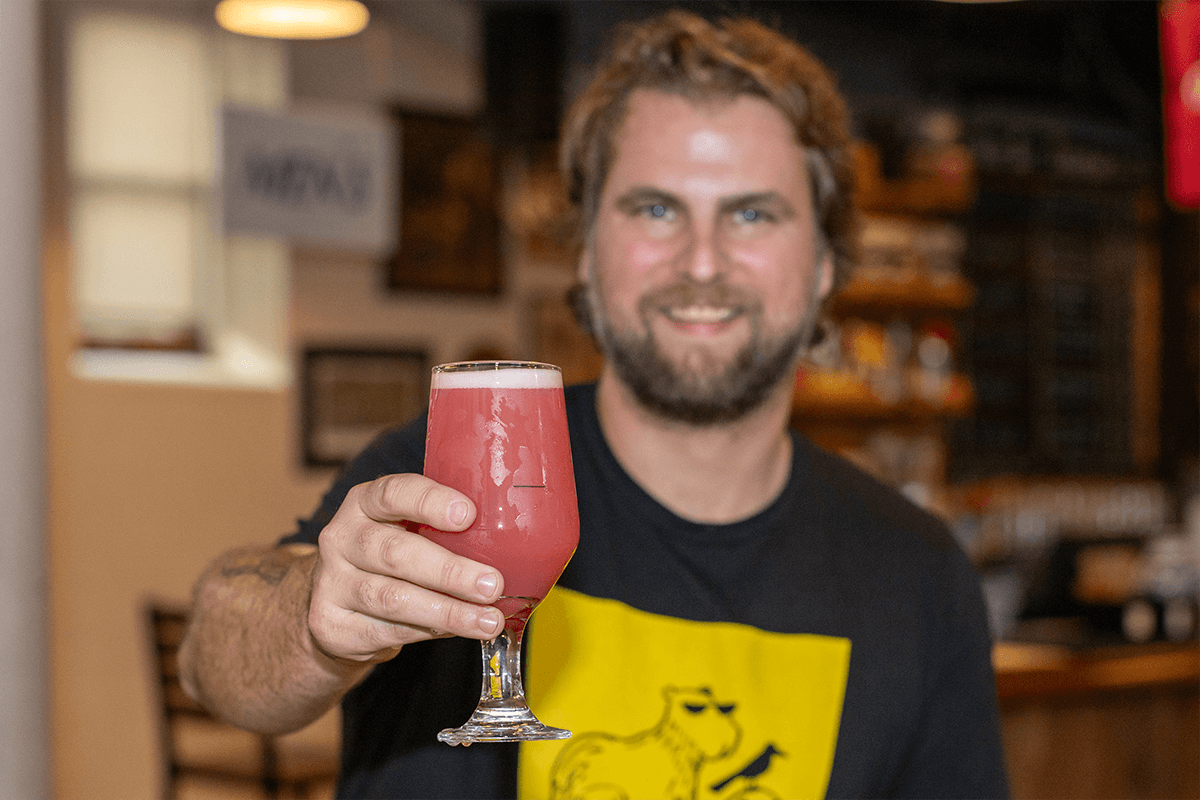
A puree is not a puree is not a puree. In this clip from his video course, Urban Artifact cofounder and COO Bret Kollman Baker explains why it’s important to know exactly what you’re buying when you’re sourcing puree for a fruit beer.
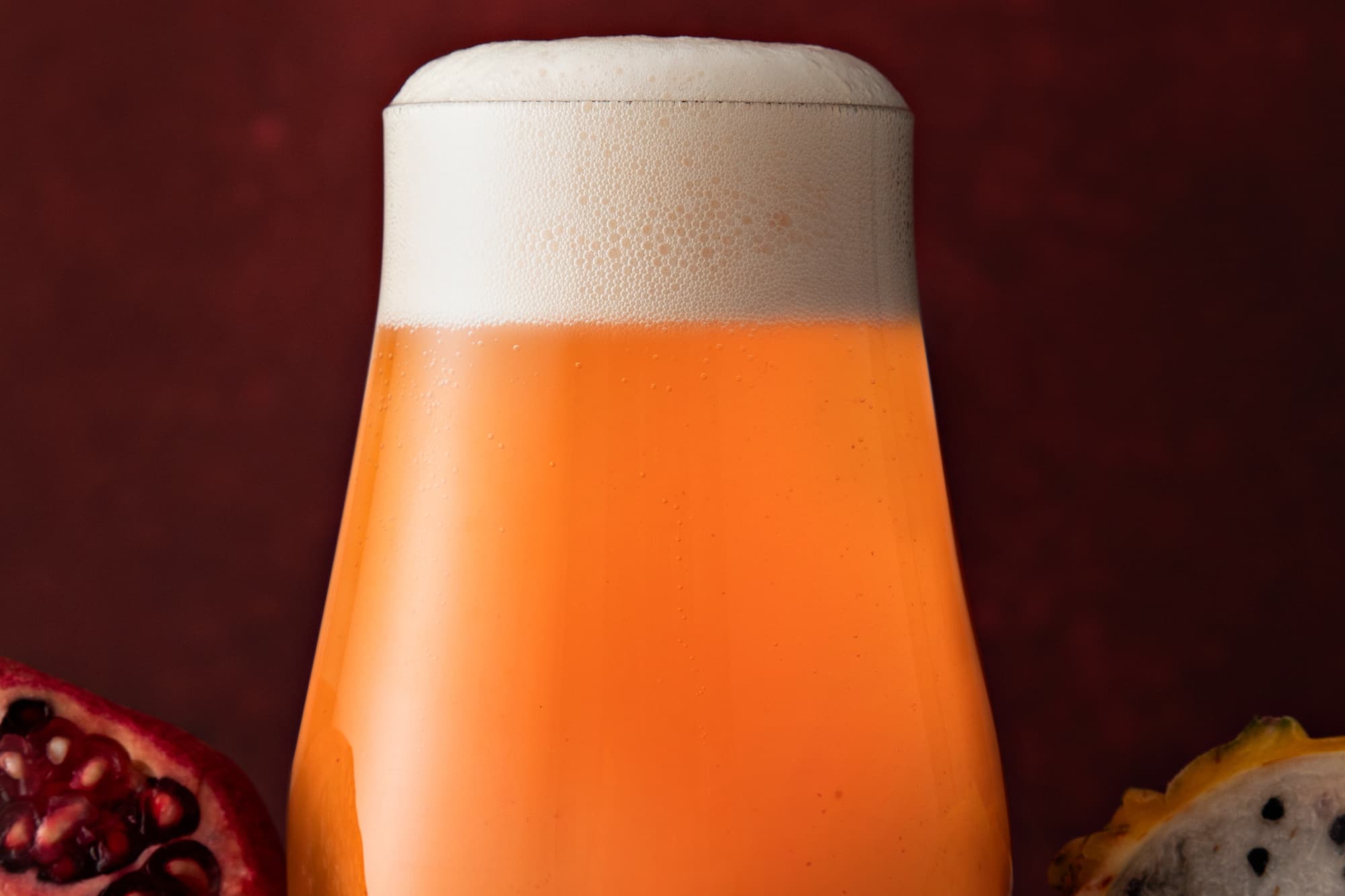
Josh Weikert prowled his local produce aisle following a simple principle: Buy what looks best, and go with the freshest fruit you can get. That led him to guava and passion fruit, a dynamic for this Brazilian-inspired tart fruit beer.
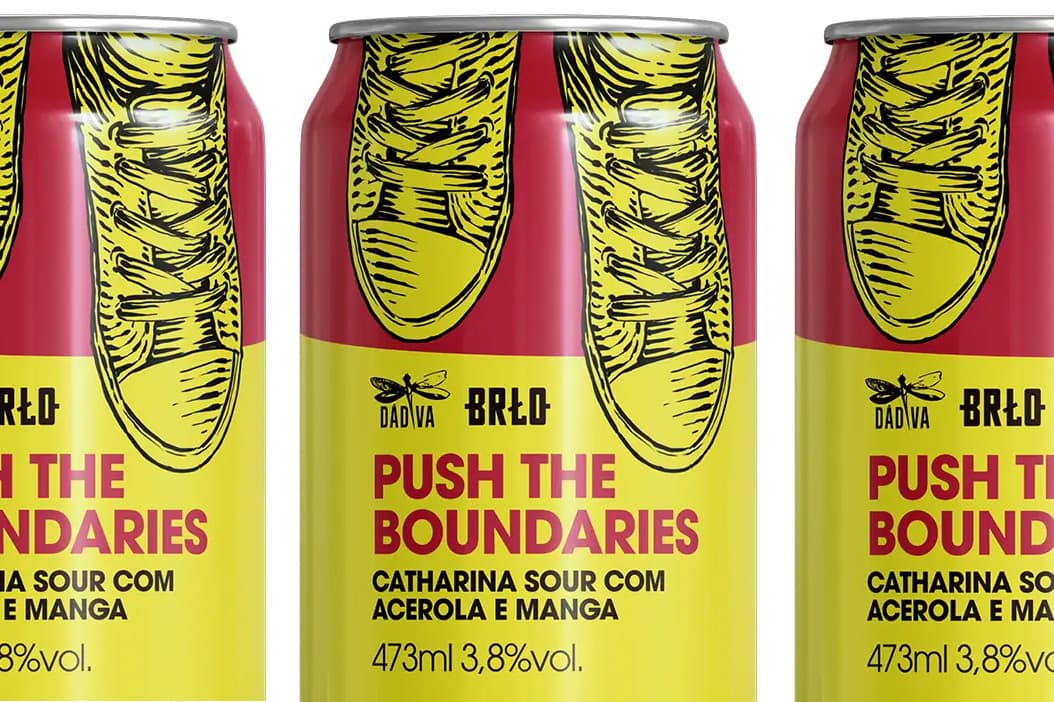
From Dádiva brewery in São Paulo with BRLO in Berlin, this German-Brazilian take on the Catharina sour combines fresh mango and cherry-like acerola for bright, tropical fruit flavors.
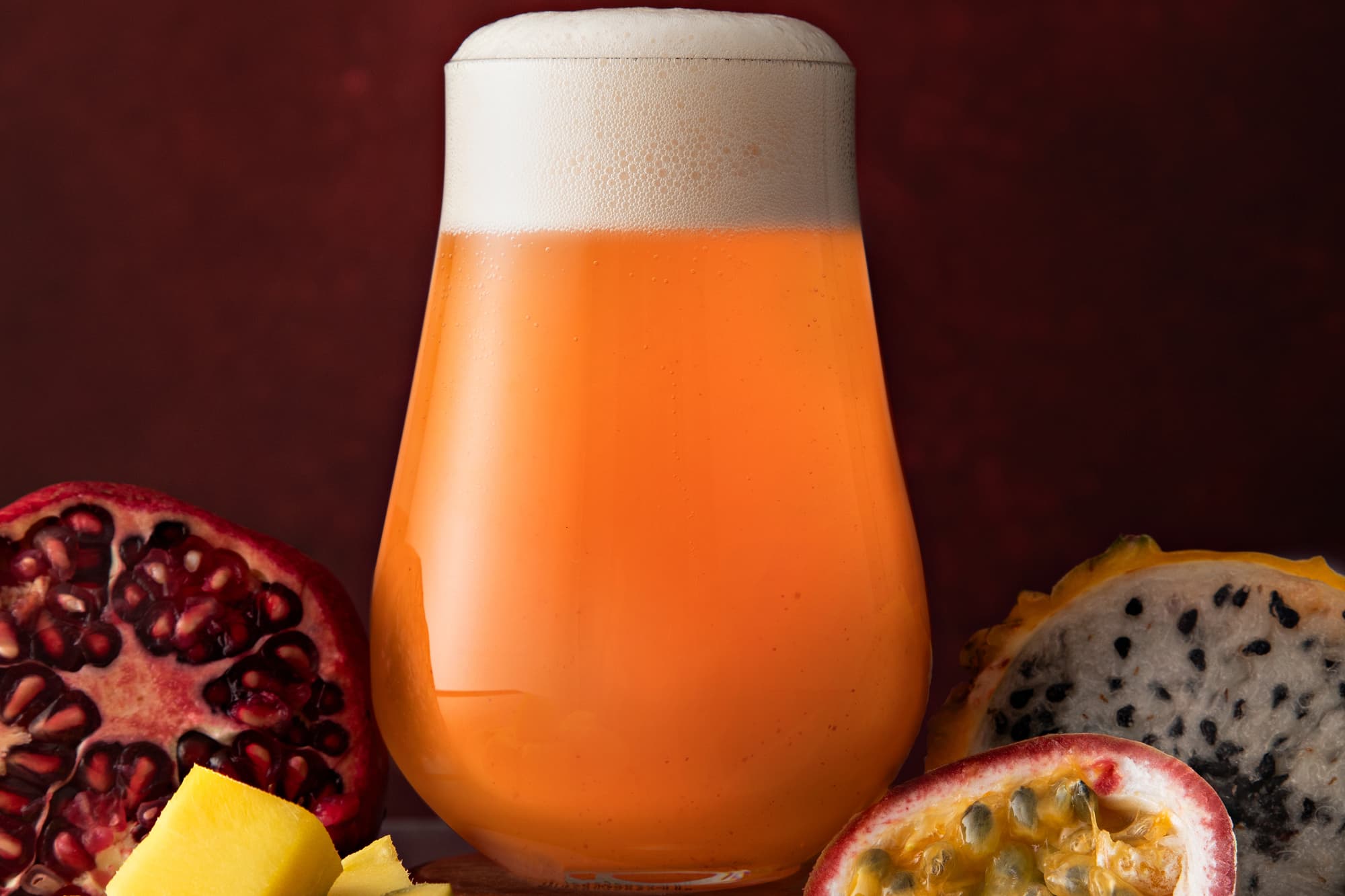
Brazil’s take on tart fruit beer—the Catharina sour—has its own name and moves, but brewers anywhere can follow the steps.
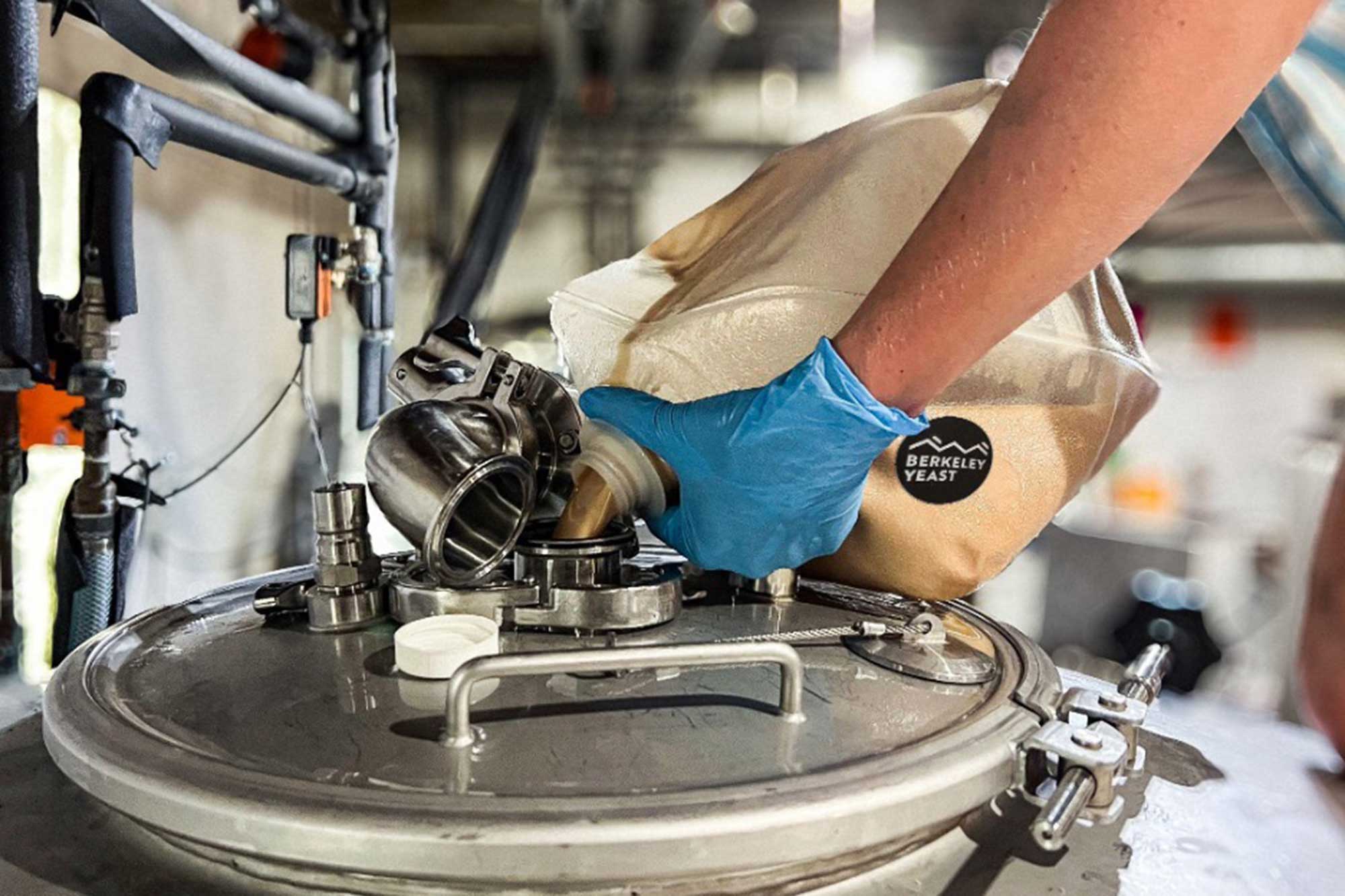
Temescal, Prison City, 1840 Brewing, and others share their stories about making clean sours with Berkeley Yeast’s Galactic strain.
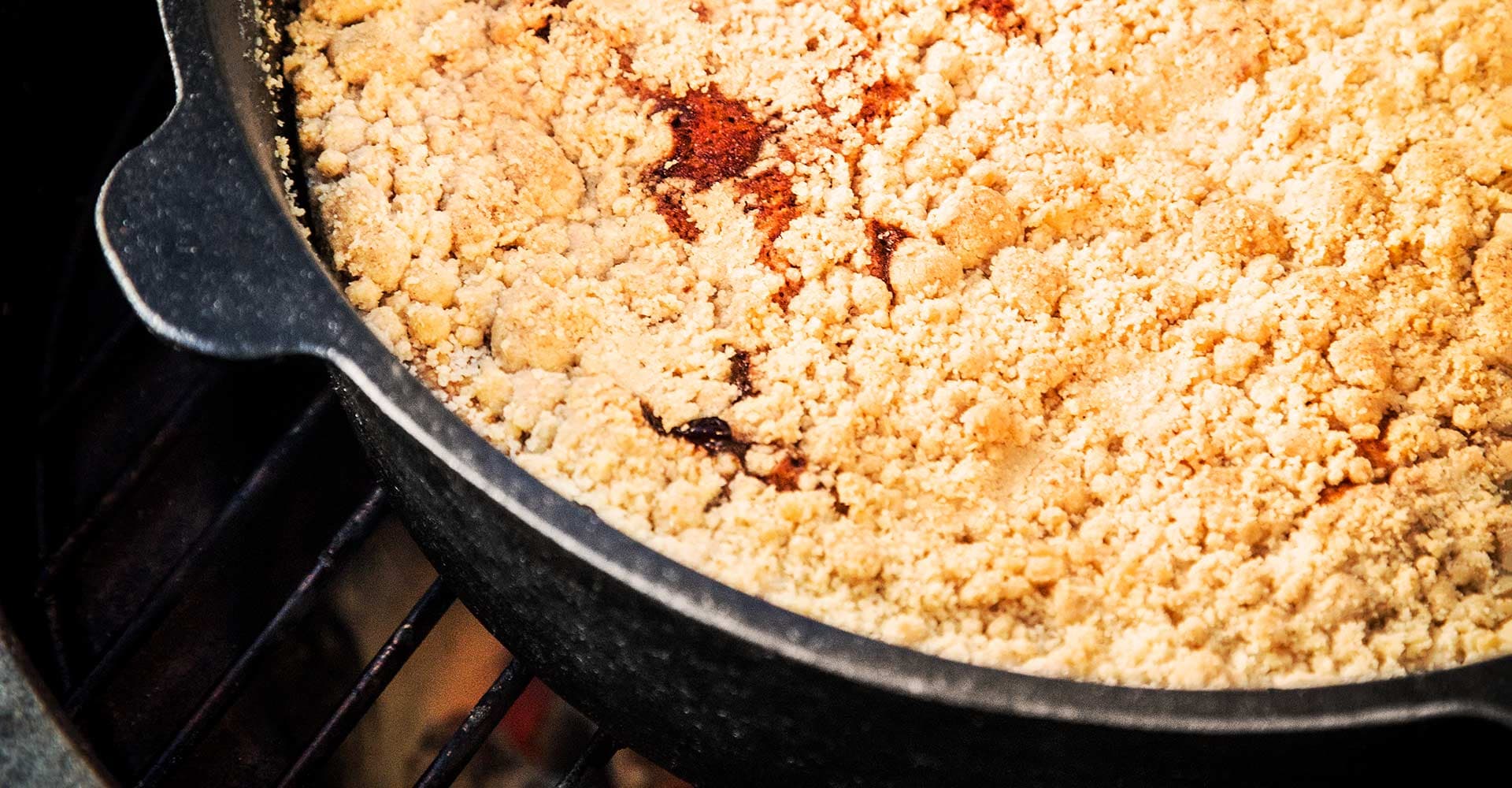
On your next camping trip, just a half-cup of that tart fruit beer you brought along is enough to brighten this simple treat that’s perfect for an open fire.
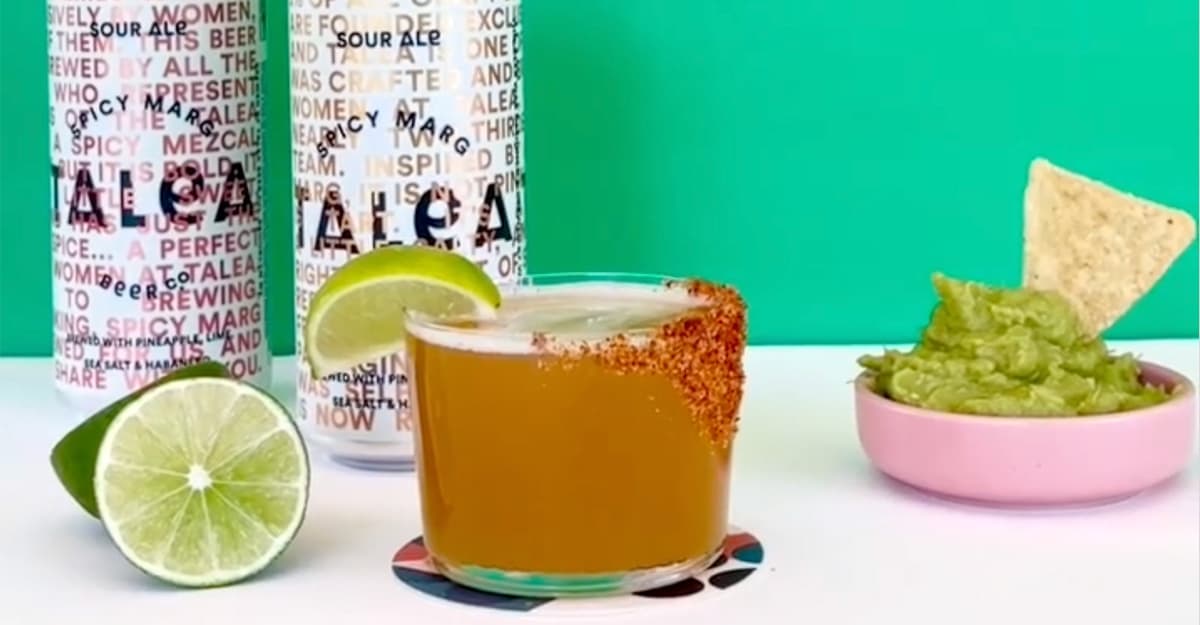
In New York City, Talea is leaning into a crowd-pleasing focus on easy-drinking, low-bitterness, fruit-forward beers—including this Spicy Marg sour ale that the team first brewed for Women’s History Month in March this year.
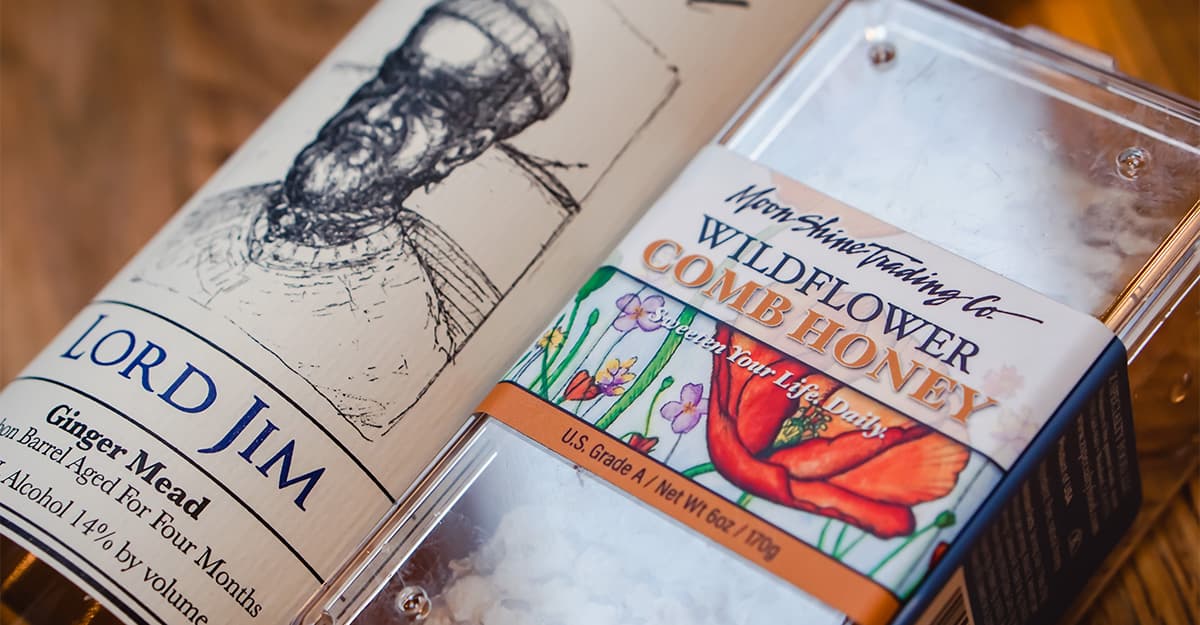
Whether you’re making mead, cyser, or even honey beer, identifying high-quality honey is a challenge. James Naeger, director of sales and special projects at Schramm’s Mead in Ferndale, Michigan, offers some insight into the problems involved and how to overcome them.
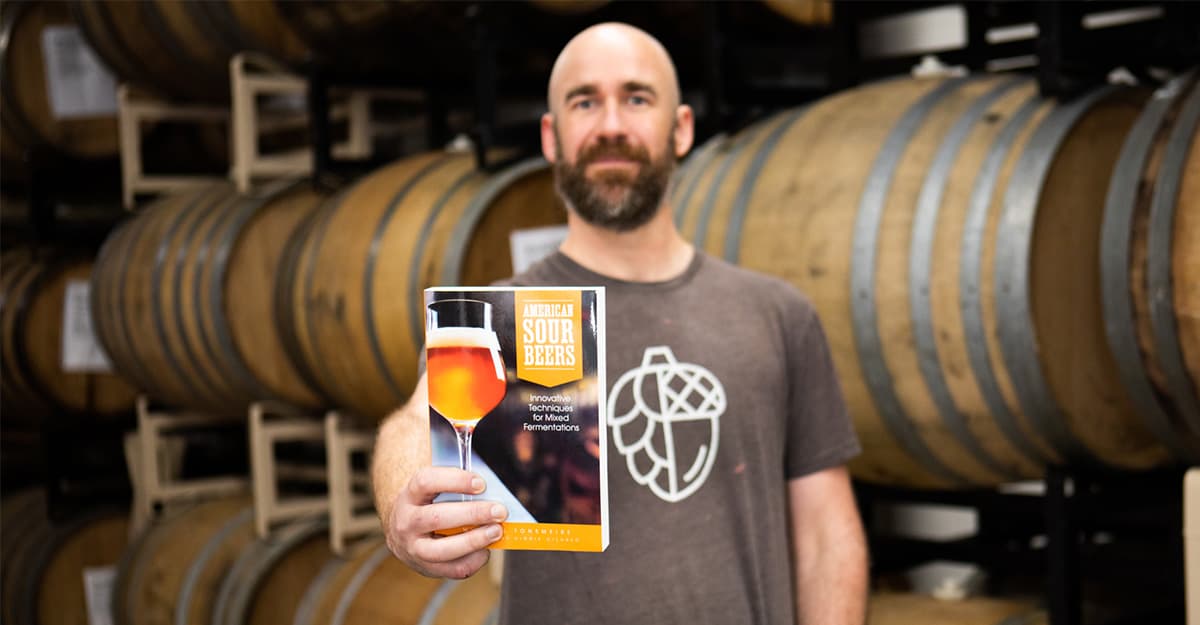
Sapwood Cellars cofounder and ”Mad Fermentationist” Michael Tonsmeire talks about finding and identifying the best local, fresh fruit you can for mixed-culture or other fruit-focused beers.
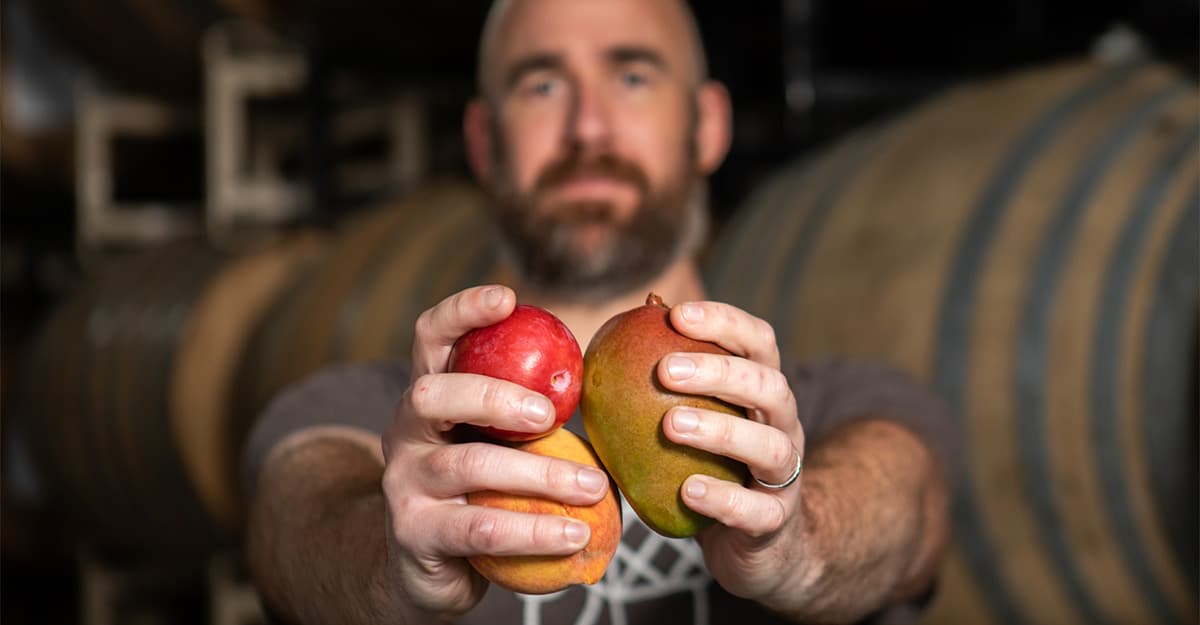
Sometimes, the least “beer-like” beer can be the fun one that wins friends and influences people. In this clip from his video course, Sapwood Cellars cofounder Michael Tonsmeire makes the case for smoothie-style fruit beers.
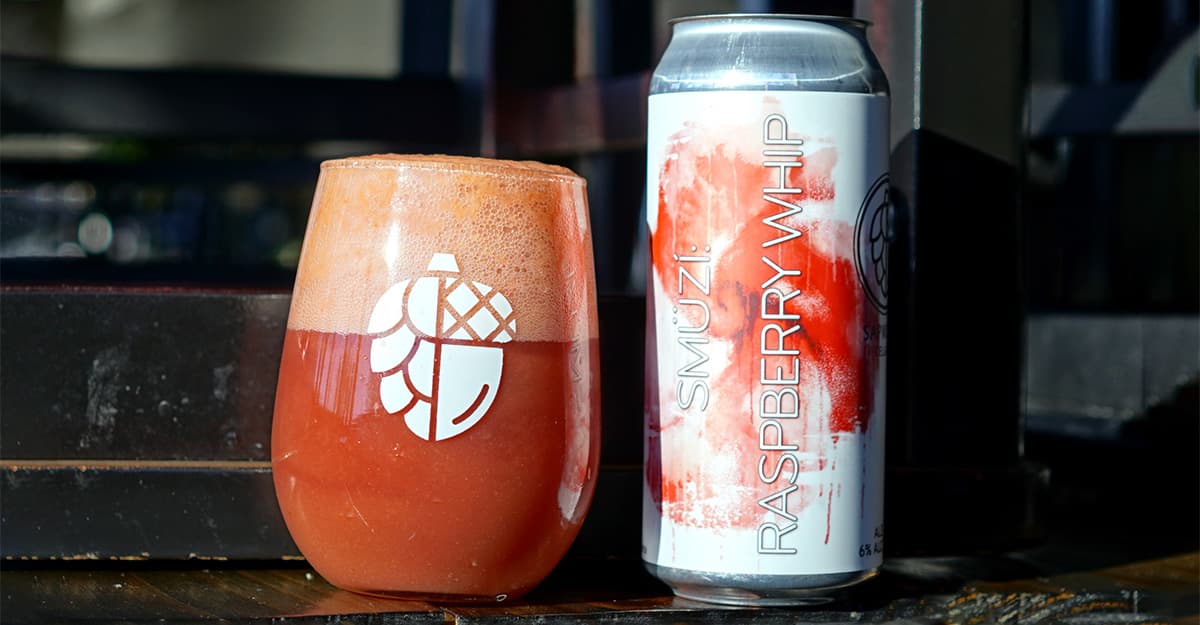
Sapwood Cellars cofounder and ”Mad Fermentationist” Michael Tonsmeire discusses practical aspects of adding aseptic purees and fruit juices to the tank, including volume and pulp.
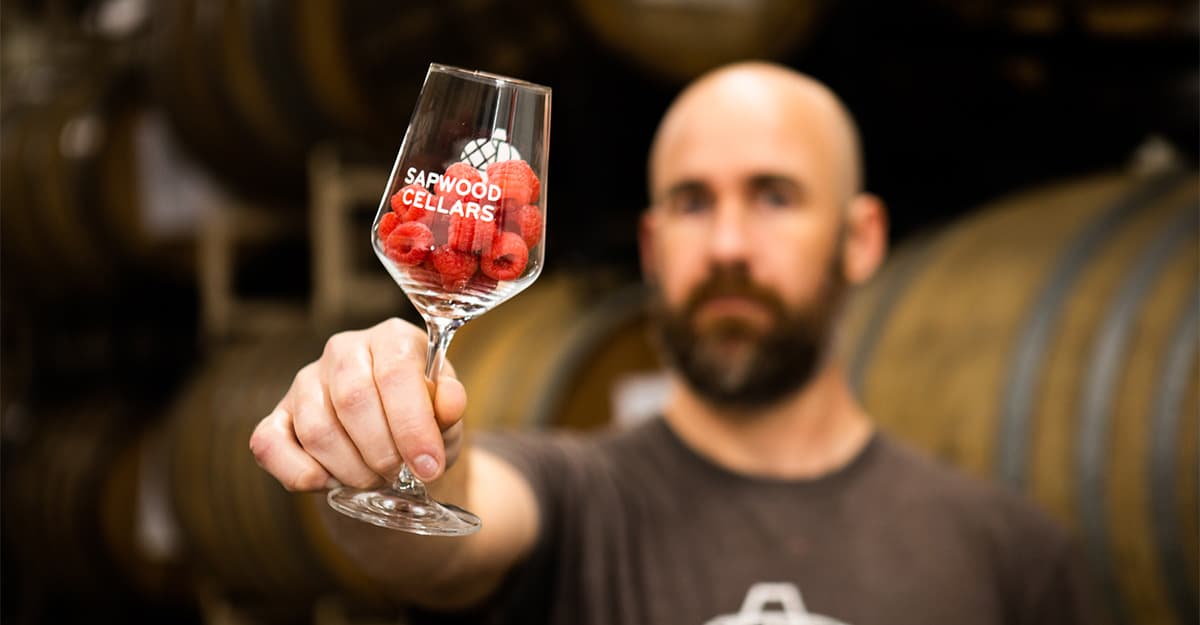
Sapwood Cellars cofounder, brewer, and ”Mad Fermentationist” Michael Tonsmeire shares his expertise in all things fruit—sourcing, selecting, processing, blending, brewing, barrel-aging, and more.
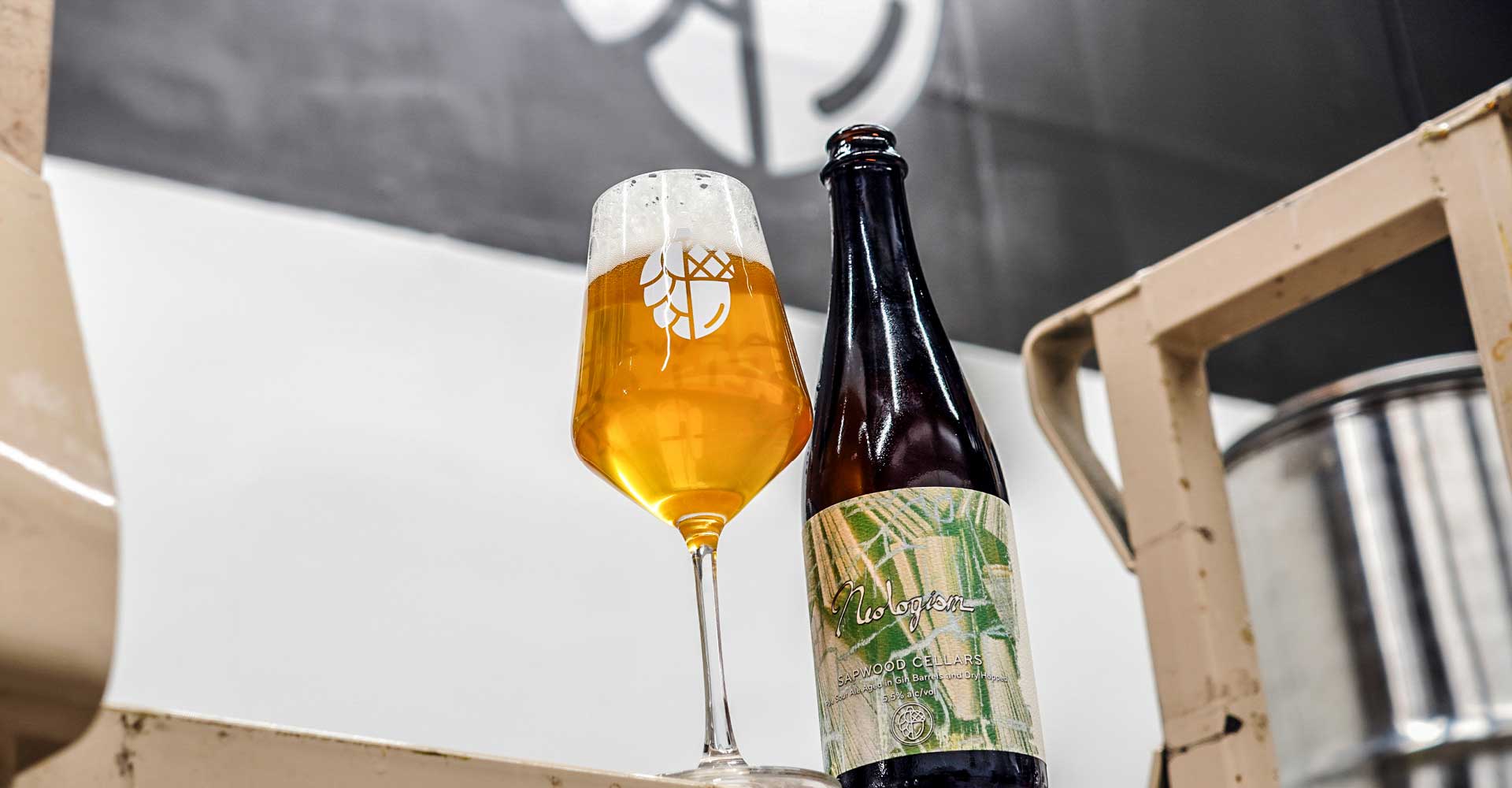
This highly complex yet super-drinkable, dry-hopped, mixed-culture, gin barrel–aged golden ale combines the expertise of the two authors and cofounders at Sapwood Cellars—and it went on to become one of our Best 20 Beers in 2022.
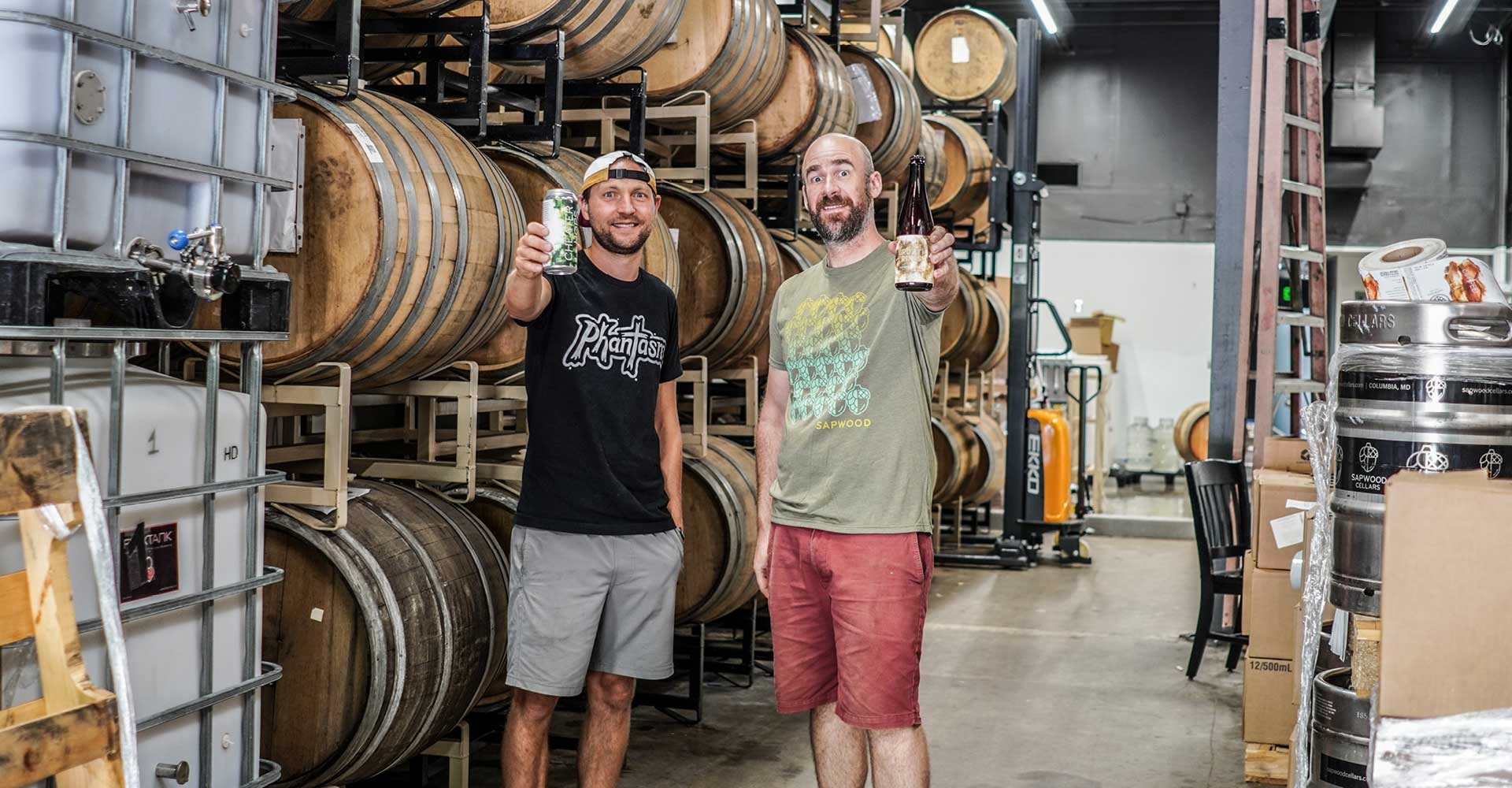
For brewers who read and sponge all the info they can find, it may be hard to believe: The authors of two of the most influential brewing books of the past decade run a brewery together. In suburban Baltimore, Scott Janish and Michael Tonsmeire are experimenting at Sapwood Cellars.
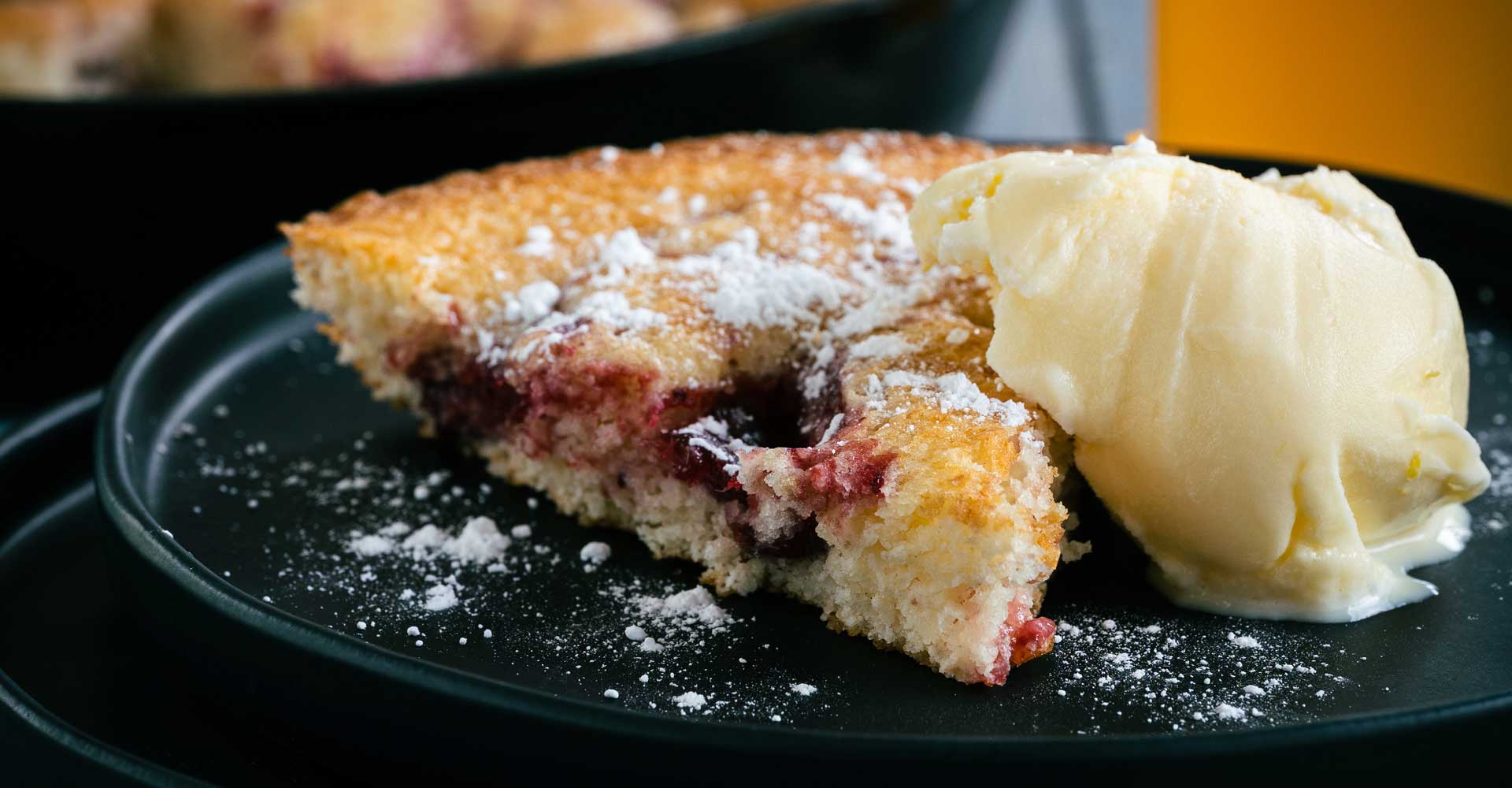
In recent years, brewers have been packing more and more fruit into their fruited beers, often evoking familiar and festive desserts. Now, let’s complete the circle and put a splash of that beer into this cobbler, ideal for sharing over the holidays.
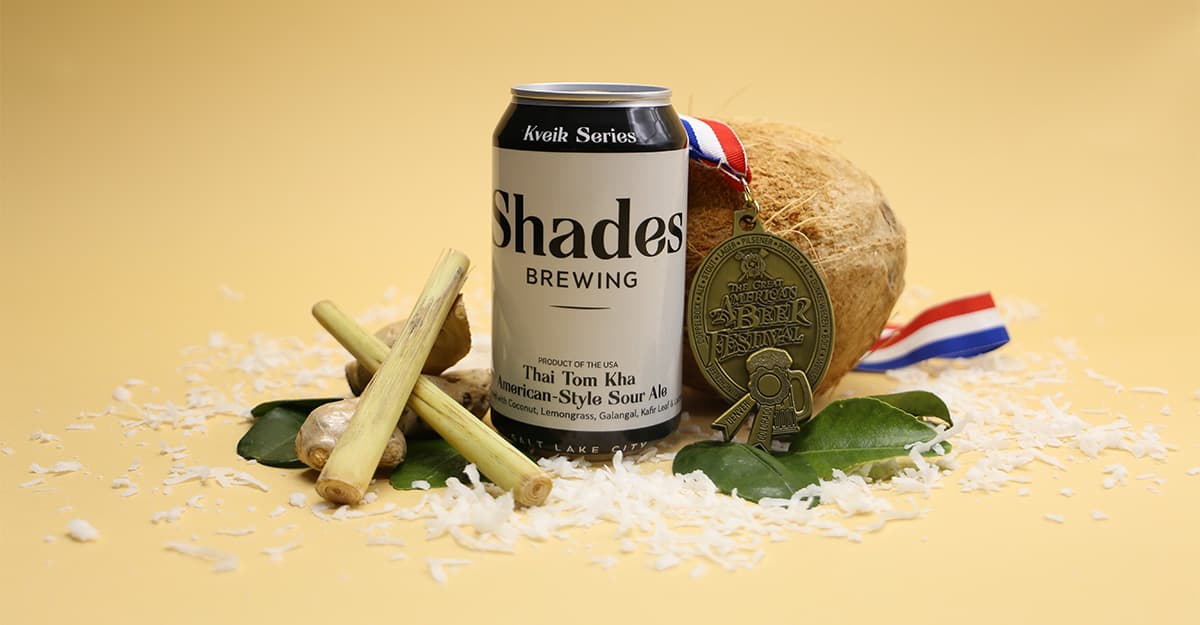
With thanks to the team at Shades Brewing, here’s a homebrew-scale recipe for their award-winning sour ale that gets a mix of farmhouse yeast and lactic bacteria, and also serves as the base for multiple medal-winning beers.
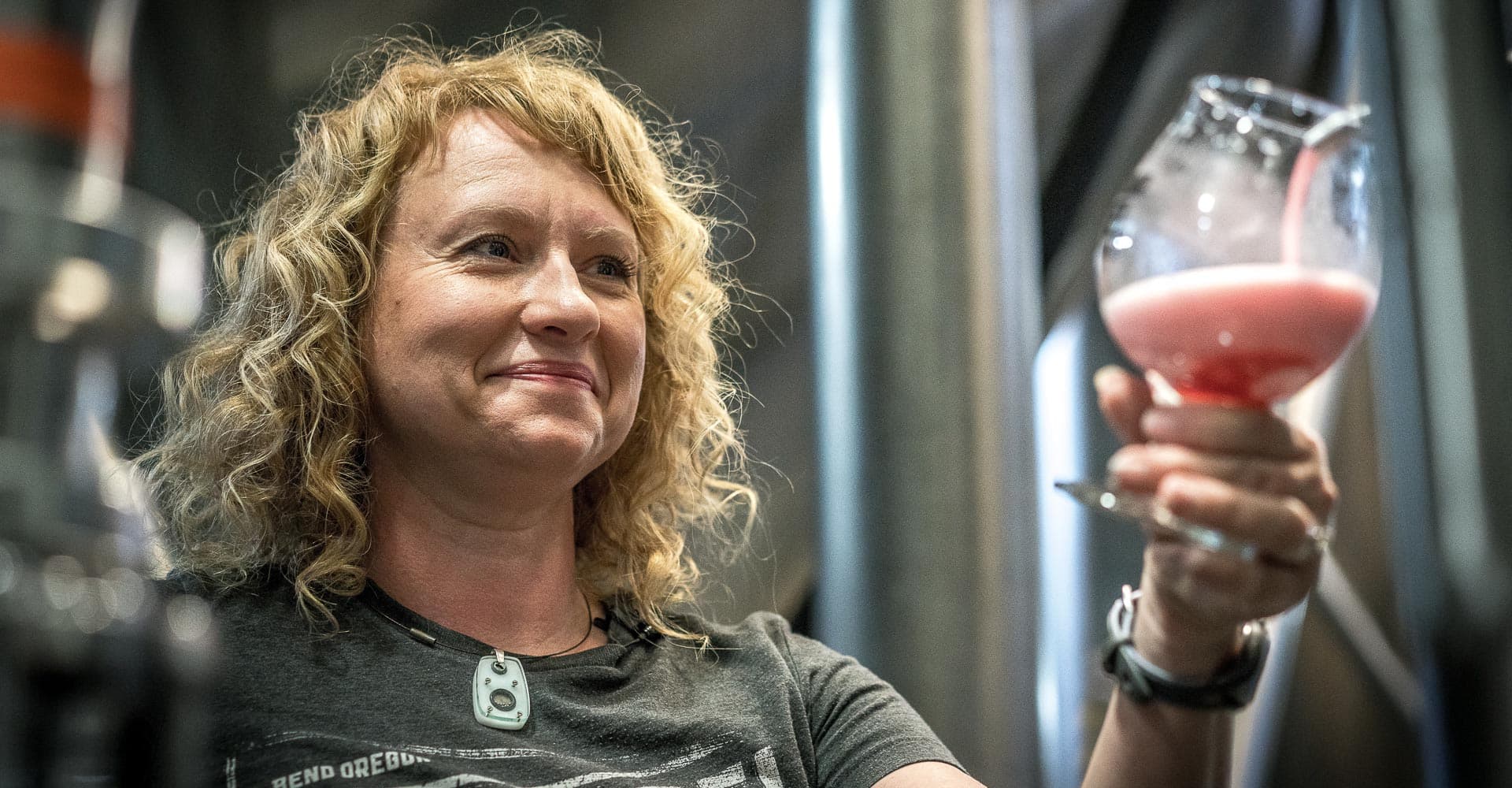
Some write off quick-soured fruit beers for their simplicity, but they don’t have to be basic. Building complex flavors that reflect the entire fruit is Cornett’s goal, and nothing is off-limits in that pursuit.