Garrett Oliver’s Fonio FAQs
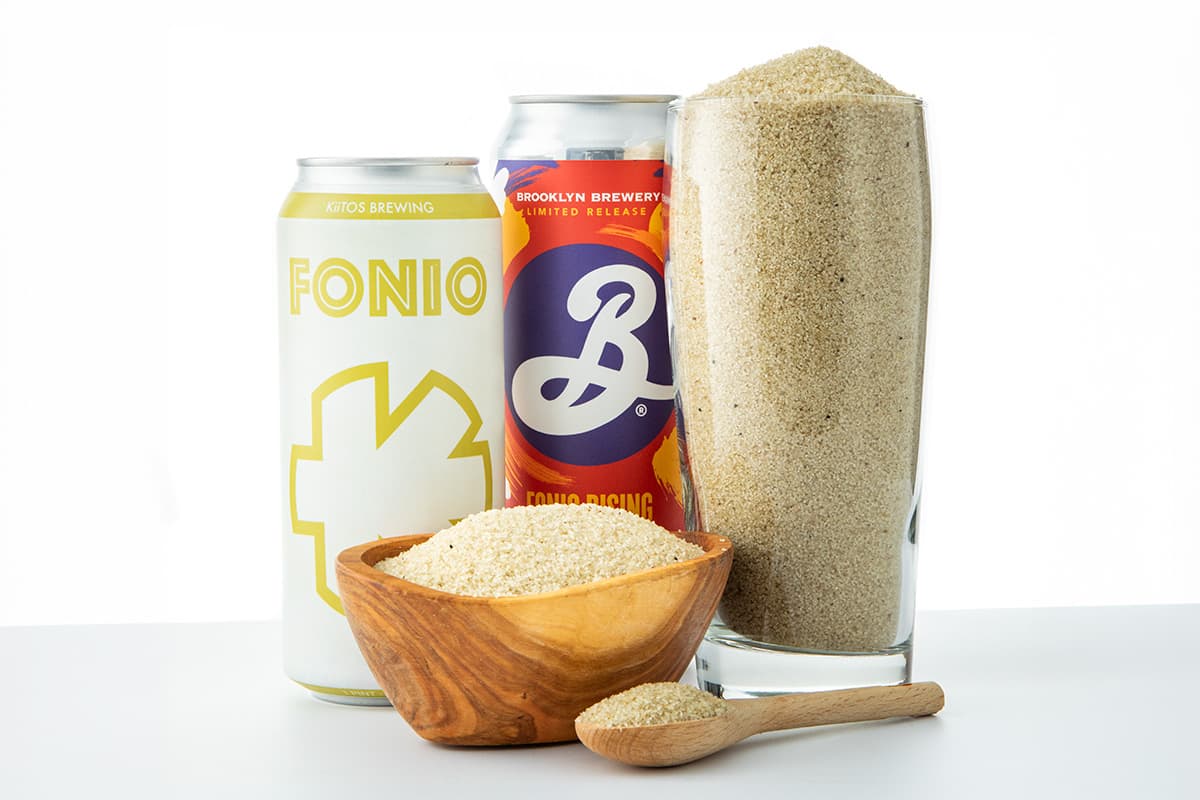
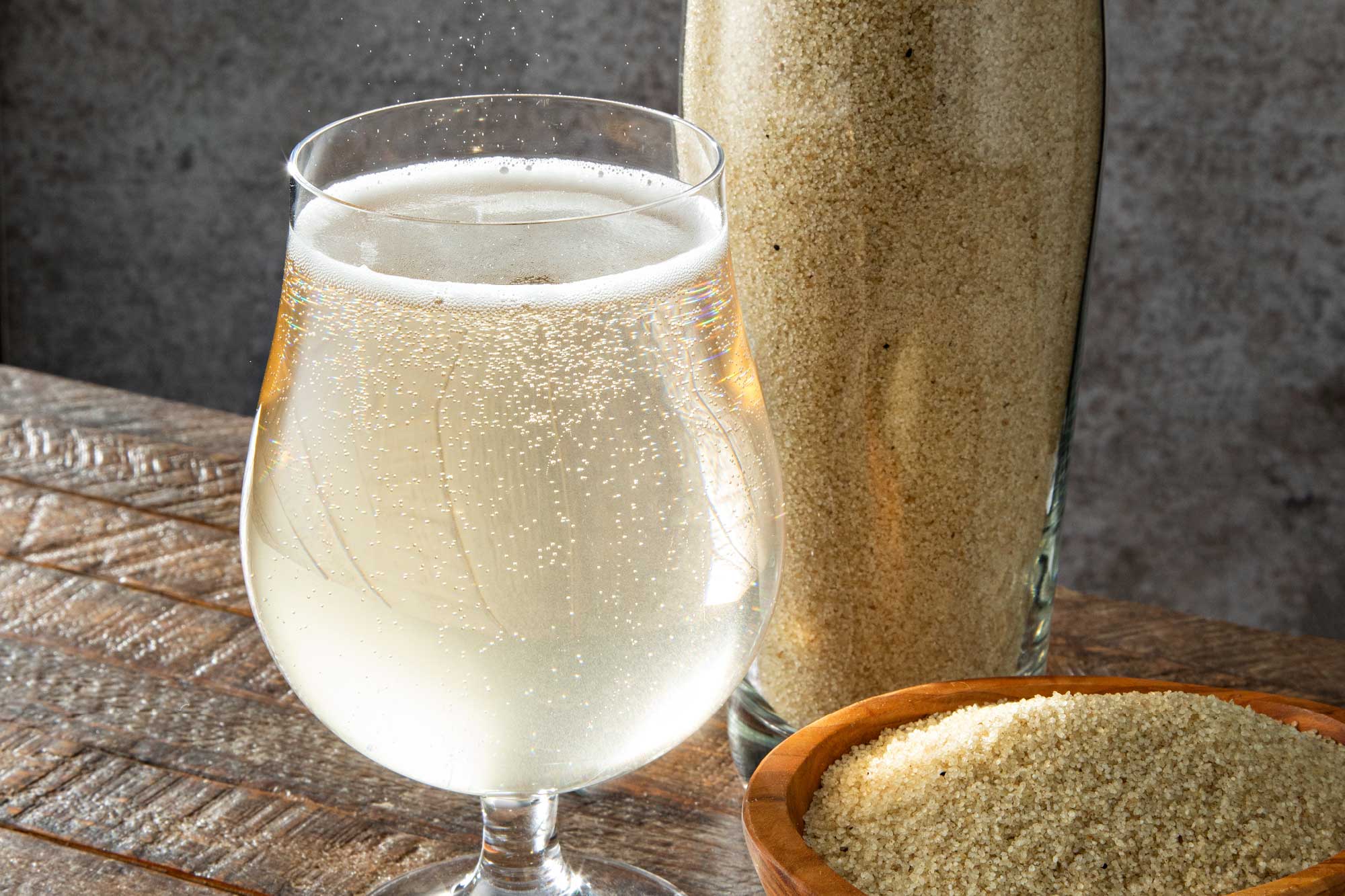
For fellow fonio-curious brewers anywhere in the world, Brooklyn brewmaster Garrett Oliver shares these tips based on what he’s so far learned about the ancient African grain.
10 articles in this category

For fellow fonio-curious brewers anywhere in the world, Brooklyn brewmaster Garrett Oliver shares these tips based on what he’s so far learned about the ancient African grain.

Breweries big and small are discovering the huge, modern potential of this tiny, ancient grain.

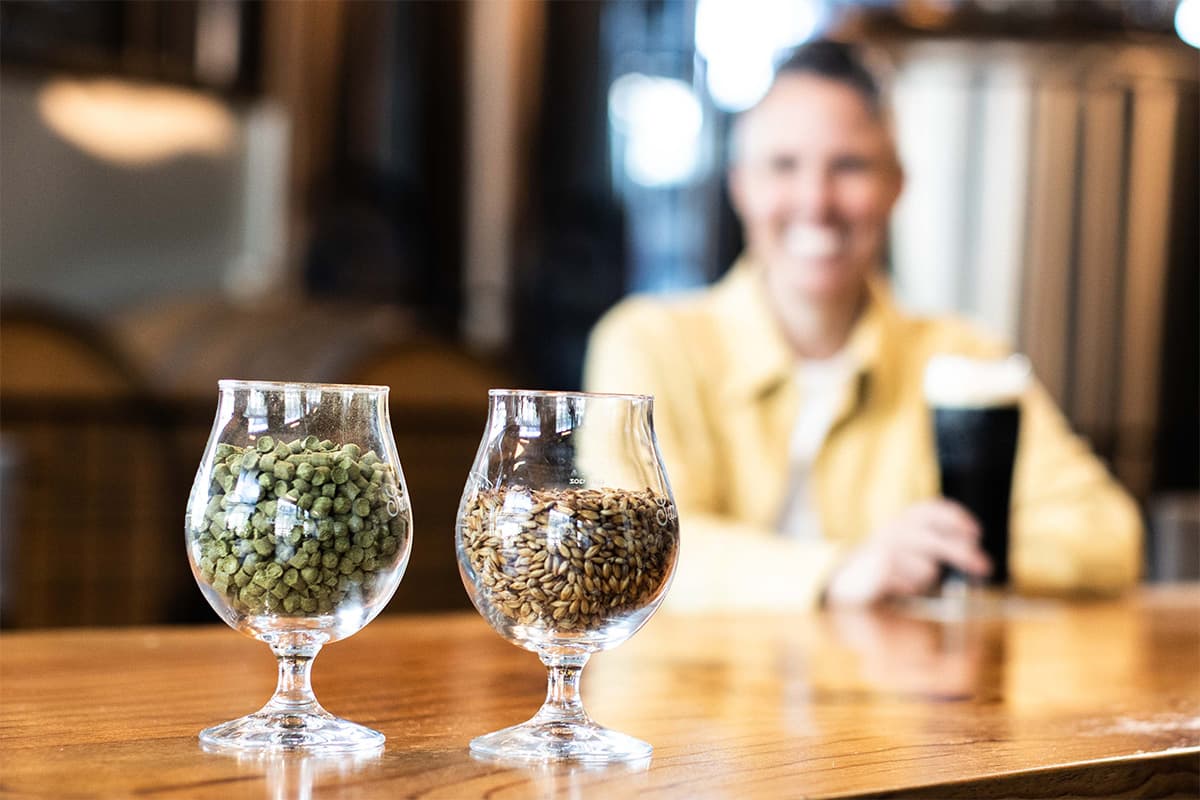
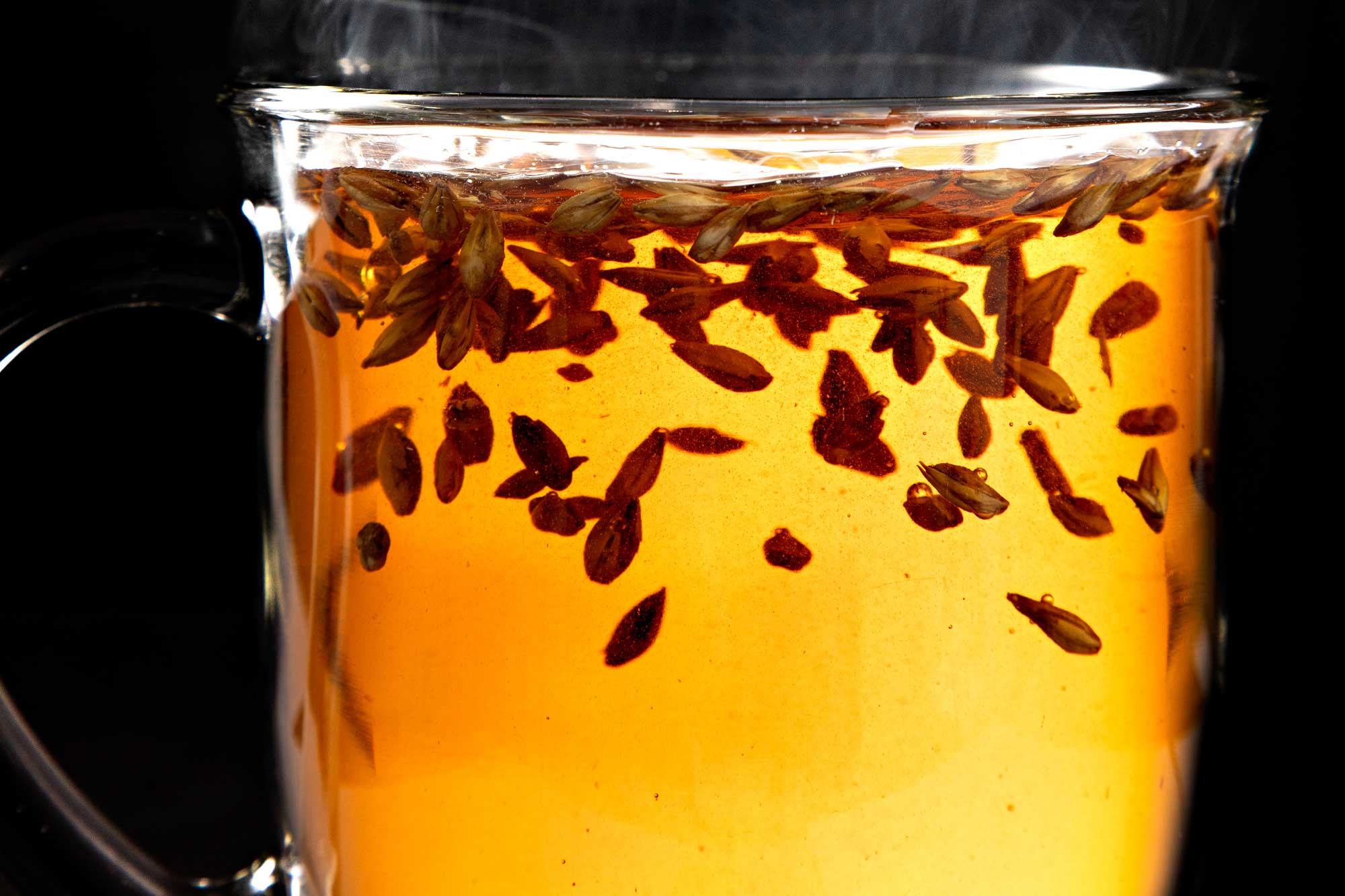
The power of sensory analysis isn’t only for finished beer—you can also apply it to raw materials, including hops and malt. In this clip from her video course, DraughtLab cofounder Lindsay Barr outlines two key methods: the hop grind and the hot steep.

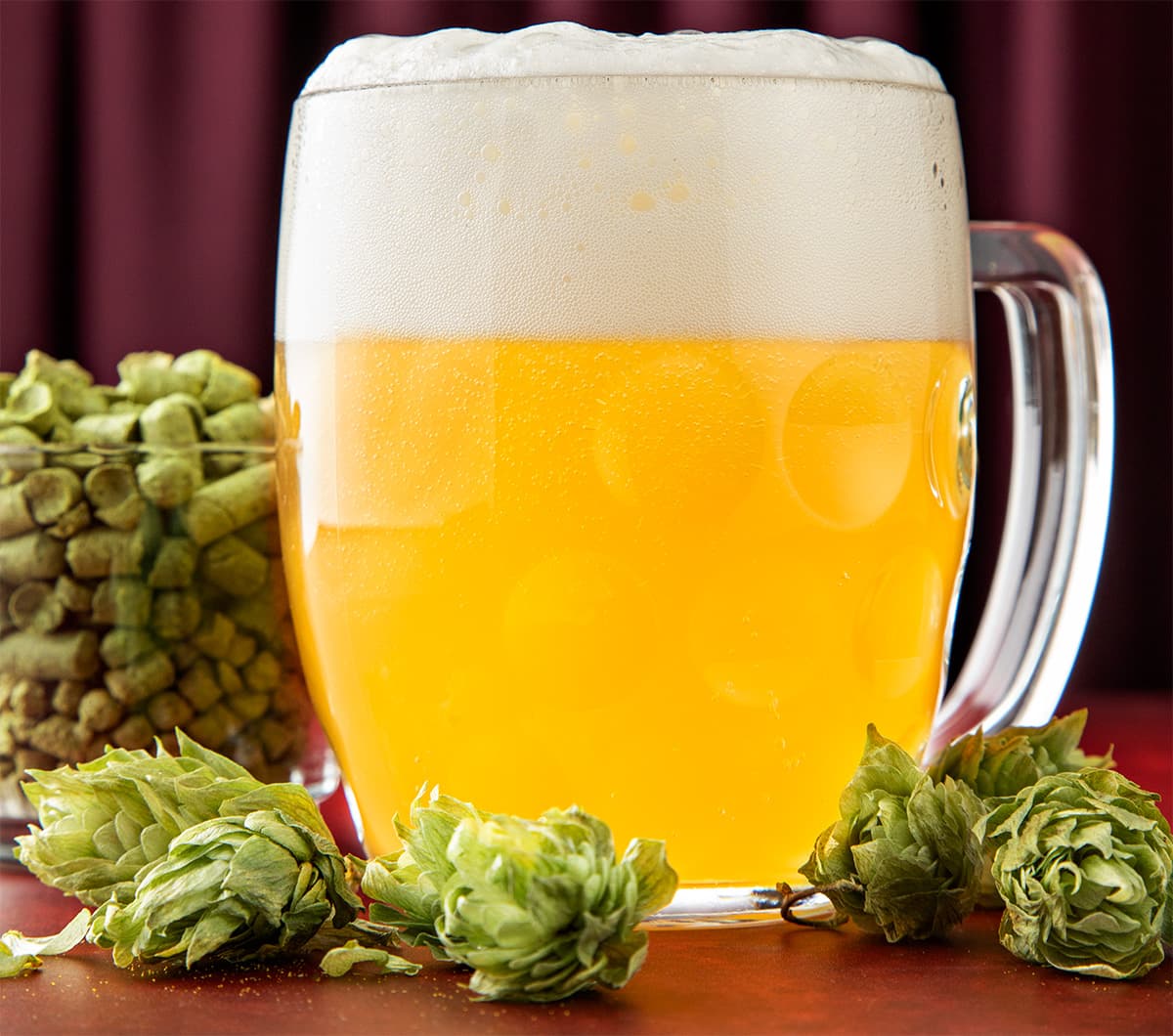
Saaz, Kazbek, and ... Juno? Whether punching up lagers or adding interest to IPAs, newer Czech hop varieties—little known outside their country—are an overlooked source of distinctive flavors.

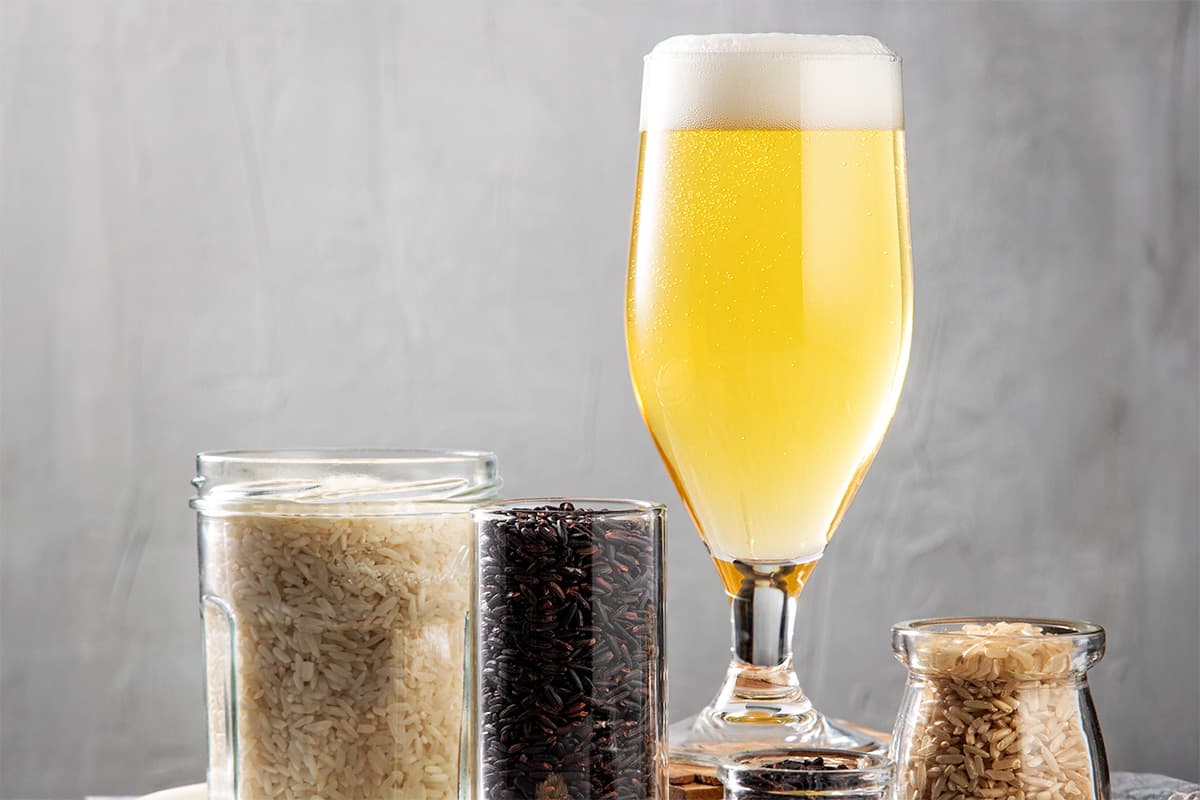
New research points toward much greater potential for rice malt in brewing—with varieties that provide color, character, and brewing specs that aren’t so different from barley.

From chomping on grains to hot steeps and running the grains through an espresso machine, Randy Mosher offers some simple tips and tricks to better evaluate your malt—and to improve your flavor imagination.

Know your raw materials, and you’ll forever have the upper hand when you brew.

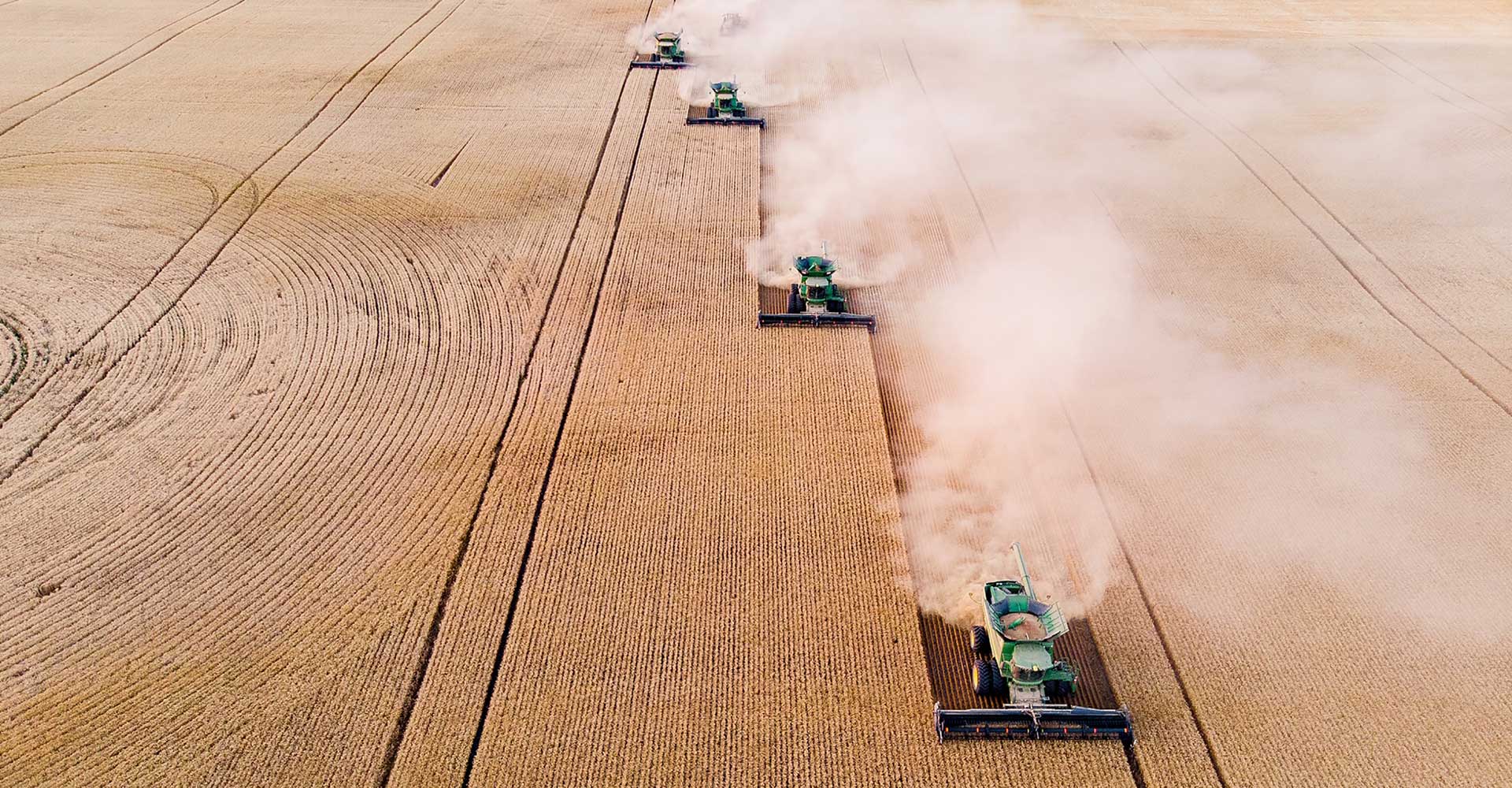
We all know how profoundly the types of malt we use can change what we brew. Less obvious is how independent brewing is changing how barley itself is being grown—leading, eventually, to exciting new options for brewers.

Study the classics, and use the best ingredients and equipment you can. One secret to making great beer is knowing that others have done the hard work for us—from the brewers who came before us to the farmers who produce our raw materials.

A year without trade shows didn’t stop suppliers from bringing new malts and hops to market. Here we run down some of the most promising new varieties to try in our own breweries (starting with a couple that we’ve already taken for a spin).