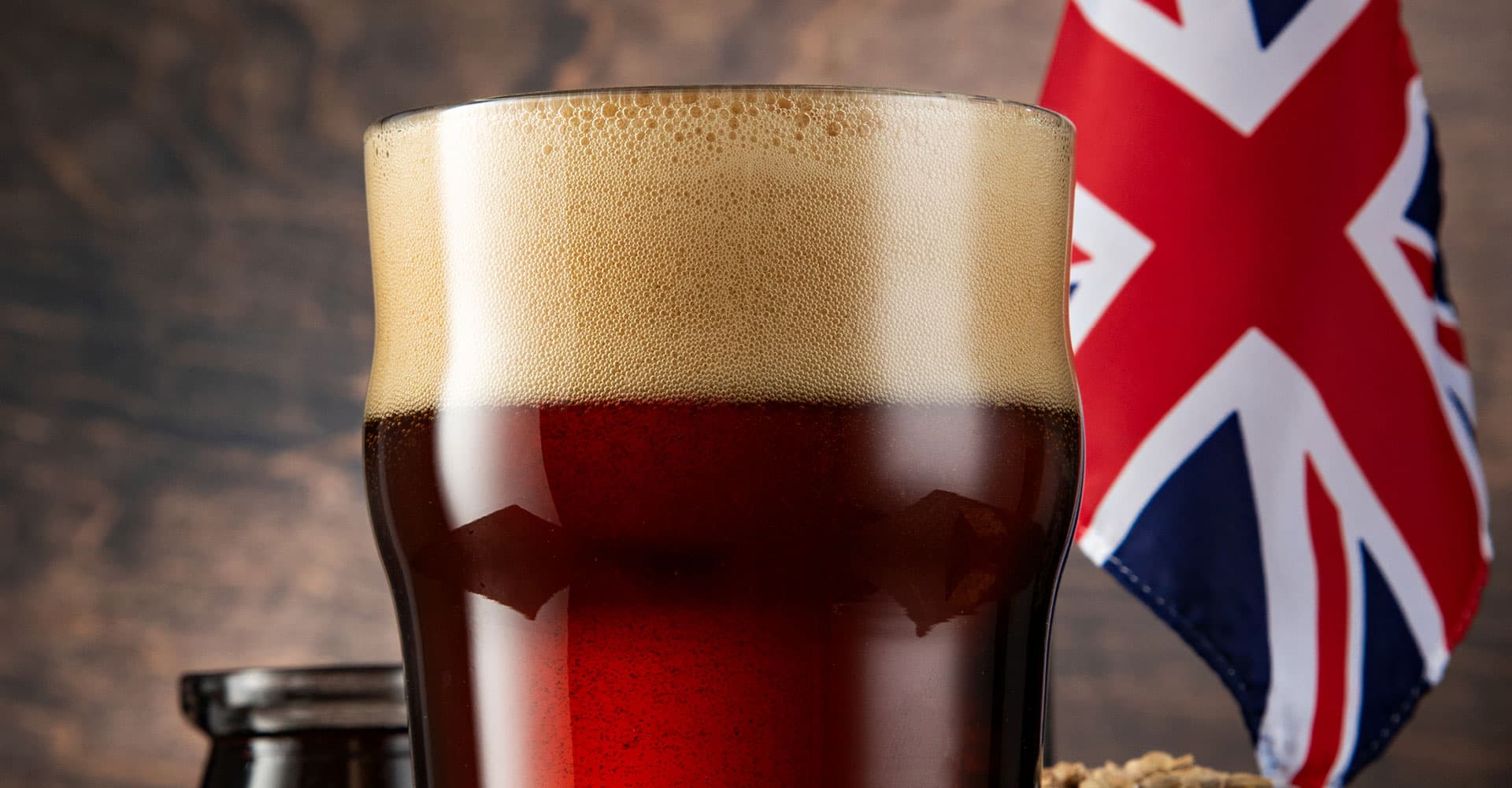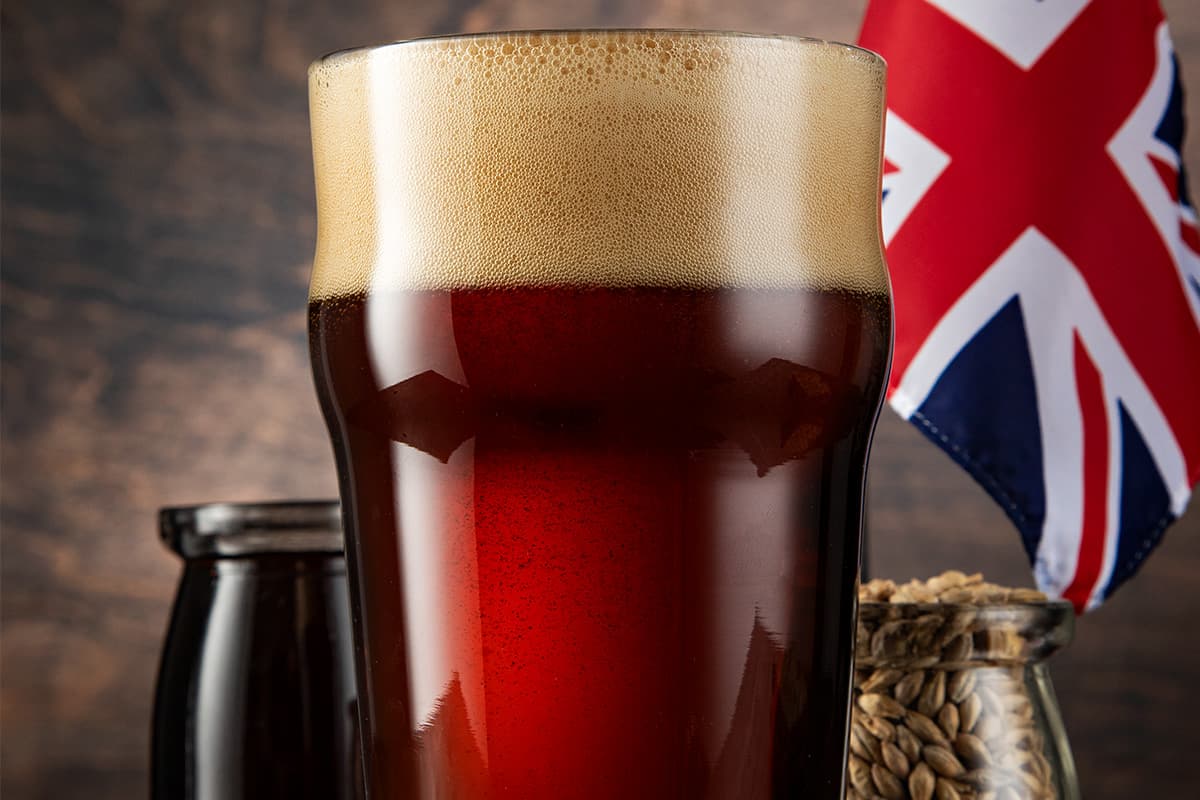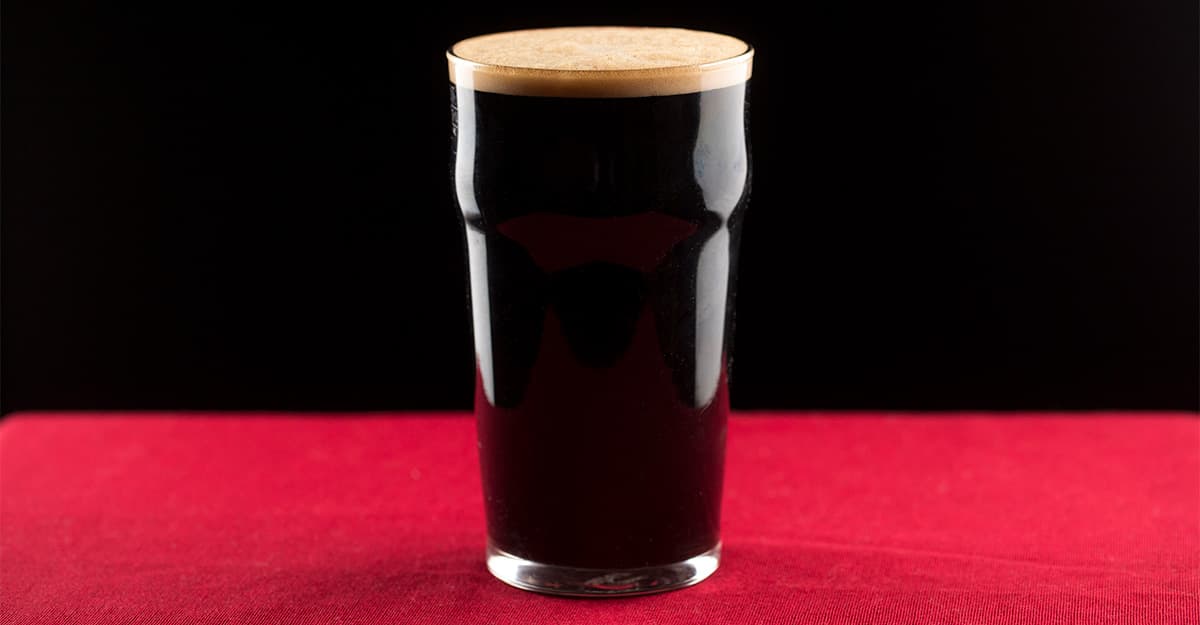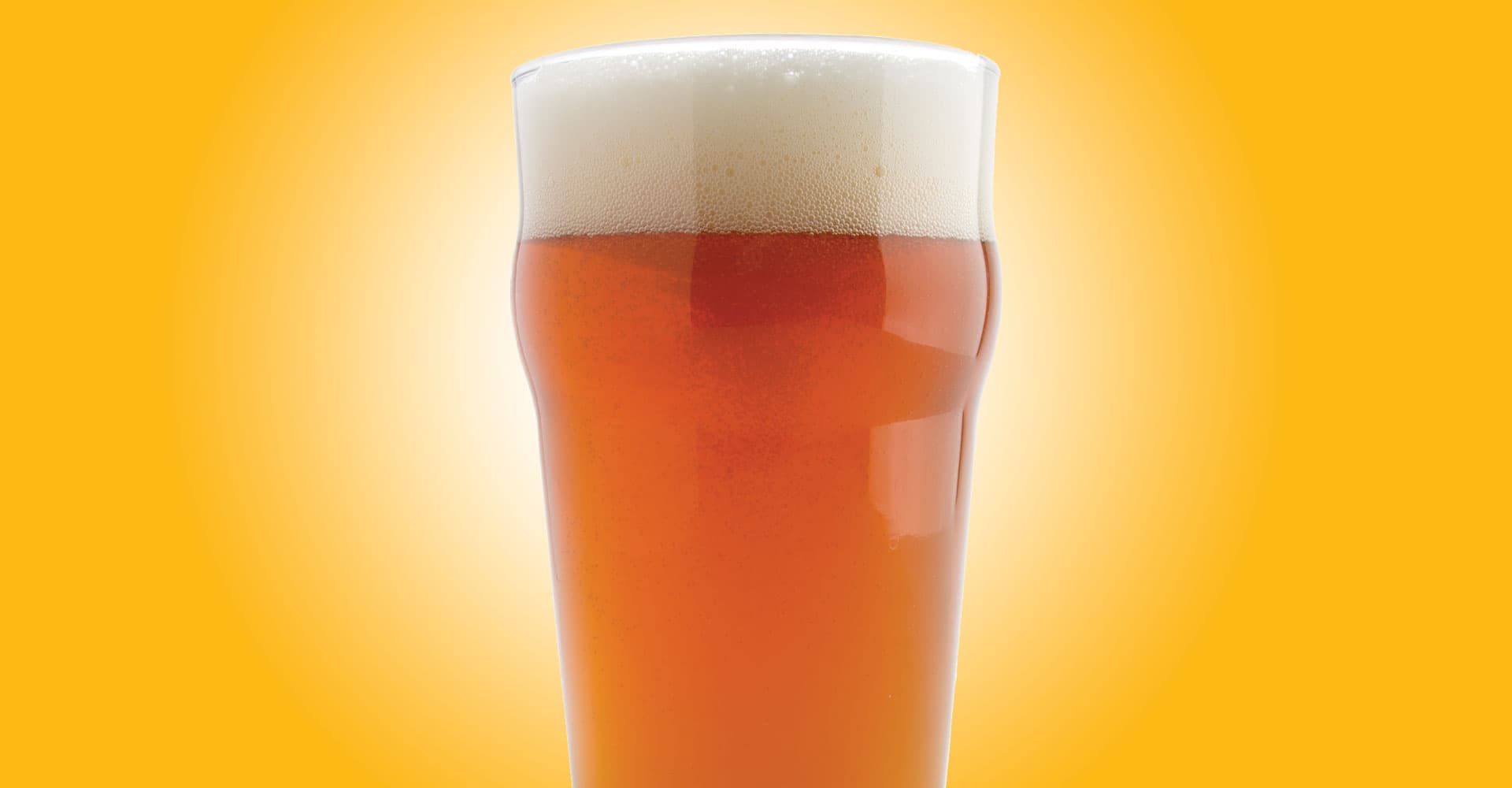
Recipe: Fisticuffs Pale Mild
The finished beer should be light on the palate yet offer plenty of rich biscuit and toffee flavors with some herbal-earthy hops. This is an excellent beginner style, as simple to brew as it is enjoyable to drink.
11 articles in this category

The finished beer should be light on the palate yet offer plenty of rich biscuit and toffee flavors with some herbal-earthy hops. This is an excellent beginner style, as simple to brew as it is enjoyable to drink.

Hard to find and historically interesting? Easy to drink and straightforward to brew? Sounds like the perfect style to tackle at home—or a nice one to grab some interest in the taproom, with its quick turnaround and quantity appeal.

“This would be a silly choice for a two-ounce pour in a flight,” says Mike Karnowski, cofounder and brewer at Zebulon Artisan Ales. “This is a beer to be consumed in large amounts. ... The ingredients were simple: mild ale malt, some dark invert sugar syrup for flavor, and just enough hops to balance it all out.”

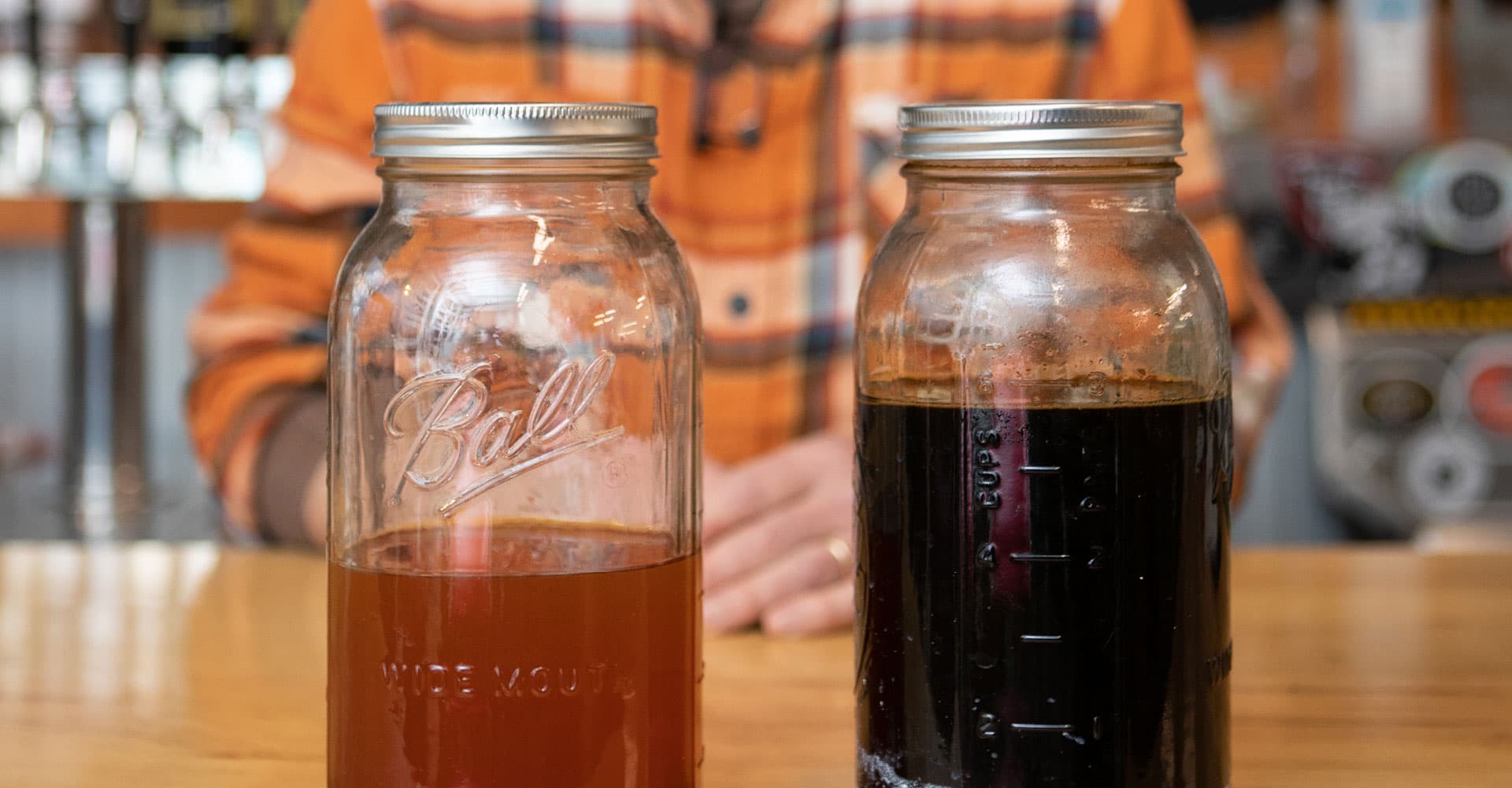
At Zebulon Artisan Ales in Weaverville, North Carolina, cofounder and brewer Mike Karnowski nurtures a special interest in historically rooted beers. Here, he turns back the clock on a key ingredient used in many traditional British ales—and he shares an elegant way to make your own invert sugar in the brewhouse.

Fuller’s Brewery in west London no longer brews this dark mild—and hasn't done so regularly since the 1990s—but brewing manager Guy Stewart shares this recipe for a revived, all-malt version that briefly reappeared in 2010.

Here’s a recipe from mid-19th-century Scotland that makes a point: British milds weren’t always dark and low strength.

Mild wasn’t always dark, smooth, and low in strength, but that modern incarnation is one well worth brewing and appreciating. Rich in flavor yet drinkable in quantity, mild is a tradition waiting for its next evolution.

Another one for brewing on the road: Here is a portable dark mild recipe that makes use of a sous vide bath, a French press, a mini-keg, and a spunding valve, and is ready to drink in a week.

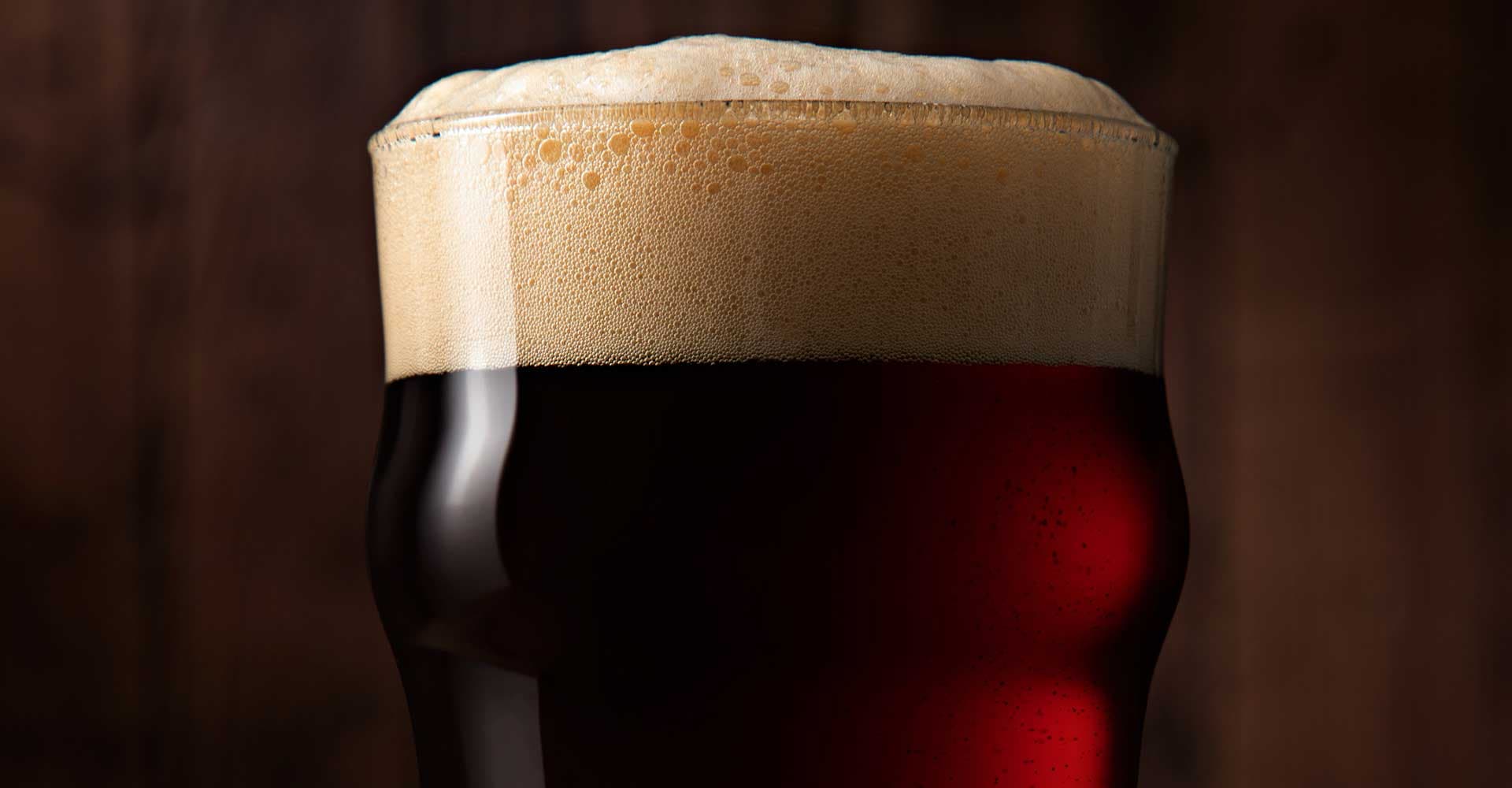
From cask-centric Machine House in Seattle, here is a homebrew-scale recipe for their Dark Mild—a rich, session-strength ale ideal for cask-conditioning yet sturdy enough for kegging or bottling.

If ever you buy specialty malts specifically for a batch, let it be for this one. Fresh crystal and chocolate malts really make it sing, and at such a light ABV, you’ll be able to enjoy all of that flavor by the dimpled mug full.

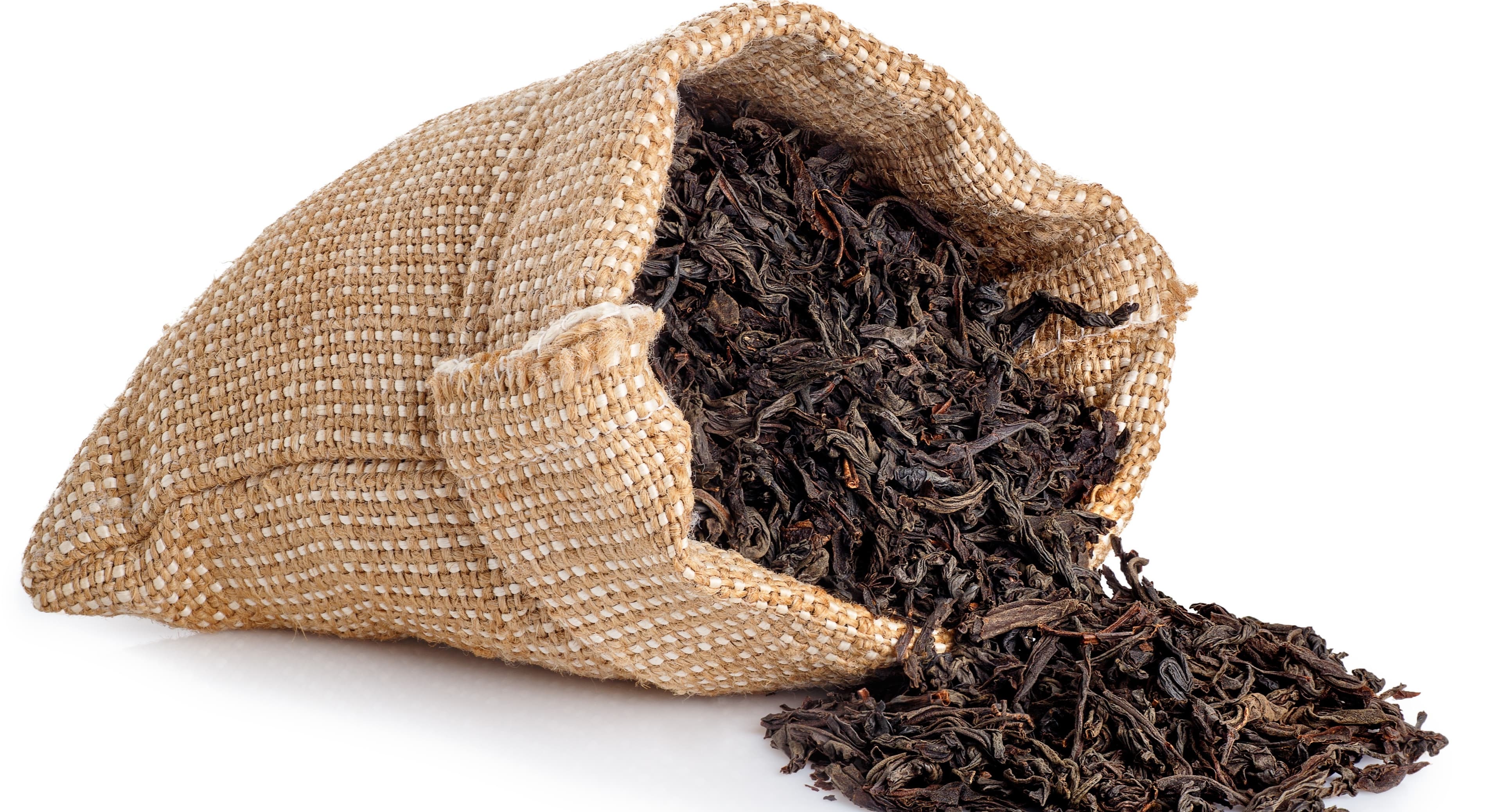
Finding the right blend of tea leaves can add a boost of flavor to your favorite mild beer. Learn more from Edmund’s Oast Brewing Co., including a recipe for their tea-infused English mild.