Making It Malty, Mindfully
When it comes to building your malt bill, go smarter, not harder. Here are some key insights from two award-winning brewers on purposeful malt choices that can elevate beers, not muddle them.
86 articles in this category

When it comes to building your malt bill, go smarter, not harder. Here are some key insights from two award-winning brewers on purposeful malt choices that can elevate beers, not muddle them.

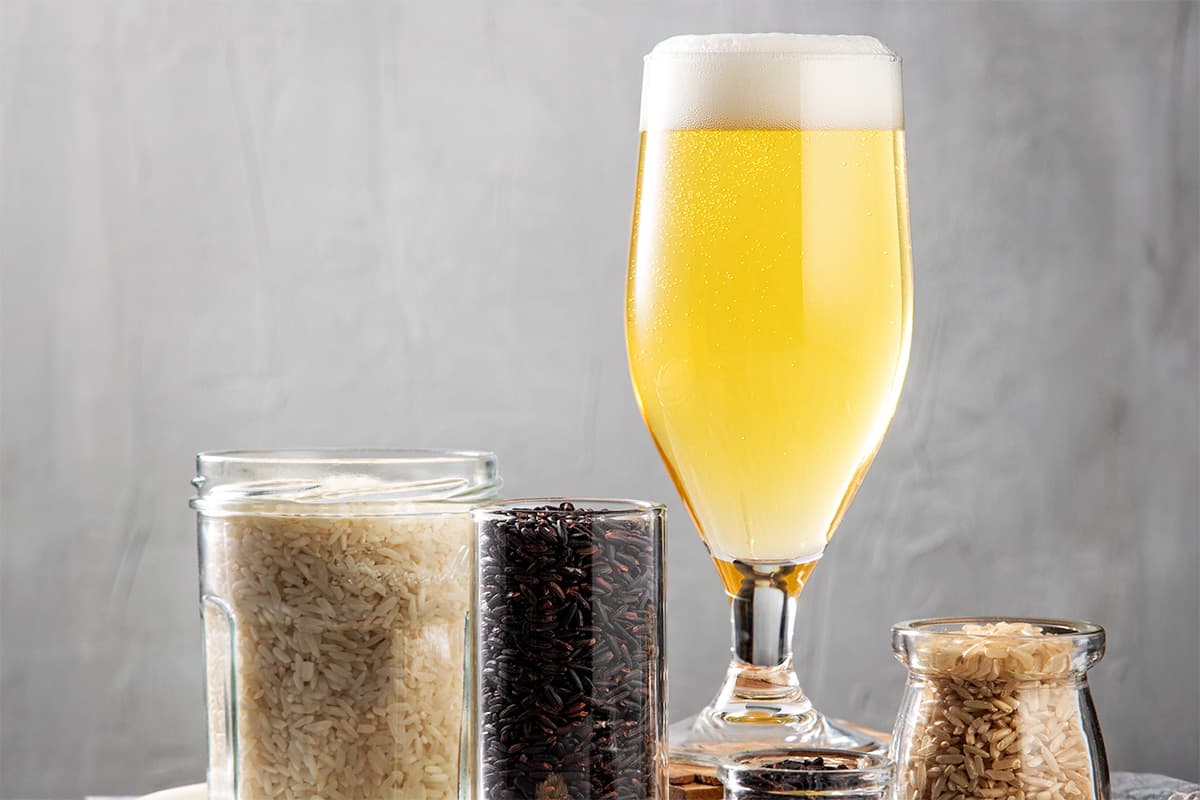
New research points toward much greater potential for rice malt in brewing—with varieties that provide color, character, and brewing specs that aren’t so different from barley.

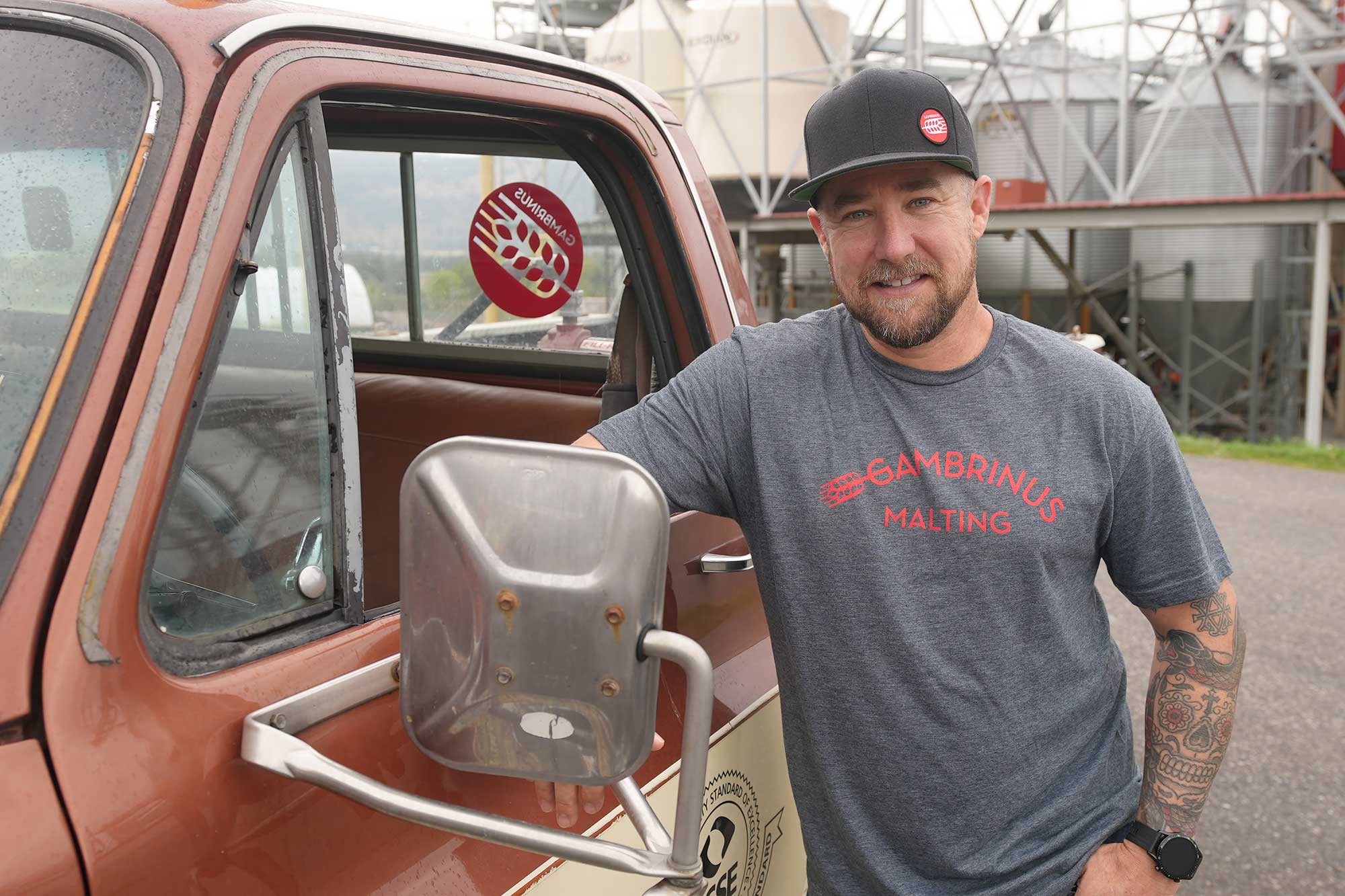
Founded in British Columbia’s Okanagan Valley in 1992, Gambrinus Malting produces Canada’s Finest Specialty Malt. Situated among the Monashee Mountains, Gambrinus sources barley, wheat, and rye to produce flavorful, consistent malt for award-winning brewers and distillers across North America. The man behind the malting operation is director of operations Ken Smith. “What I get to focus on here,” he says, “is making sure that everyone is safe, that the food product is safe, and that we’re not impacting the environment in a negative way.” Keep reading for more!

In centuries past, much of European brewing happened on the farm—and the choice of what to brew was as pragmatic as what to grow. With insights that could inform your next farmhouse ale, Lars Marius Garshol shares some truths about what those farmer-brewers planted, malted, and put into their beers.

Brewers already navigating fast-changing market conditions are now struggling just to track down ingredients. Sourcing malt, hops, and yeast locally can make all the difference in building a stable, transparent supply chain.

Rich in malt flavor yet light in strength and easy to drink, lower-ABV stouts, porters, and other dark beers represent a wide-open playground for brewers at any level.

From chomping on grains to hot steeps and running the grains through an espresso machine, Randy Mosher offers some simple tips and tricks to better evaluate your malt—and to improve your flavor imagination.

Before there was hazy or even a defined West Coast style, there was an IPA that emerged as a brashly hopped counterpoint to British ale. It never went away—but it evolved. And today’s brewers are making it better than ever.

Sometimes known as “kettle caramelization,” the Maillard richness of a boil reduction can add deeper malt flavor to any beer you brew—even if it’s not Scottish.

From our Love Handles files on the world’s great beer bars: The Rake in Alameda, California, is a celebration of malt.

Perhaps the oldest way of preparing grain for brewing, drying malt in the open air was traditional for lambics, white beers, and various rustic ales scattered around Europe, Africa, and beyond. Today, brewers and maltsters interested in history, terroir, and old-fashioned methods are taking their malt back out into the sun.

Between the farm and the brewery, much of beer’s flavor is born in the malthouse. Here we journey inside a traditional floor maltings—and inside a kernel of grain—to witness the daily toil and tools that turn a raw cereal into the soul of beer.

The idea that “all beer used to be smoky” doesn’t quite hold up, even if smoky malt must have been common in many places. Smokeheads, meanwhile, can tell you another possibility: The beer was smoky because people liked it that way.

Barleywines and wheatwines explore the boldest flavor frontiers of their respective grains. Now, daring brewers are applying that maximalist approach to wine-strength beers brewed with millet, rye-wheat hybrids, smoked malts, and more.

In the noble quest for variety and character, British maltsters and brewers have been resurrecting and experimenting with previously vanished yet intensely flavorful heritage barley malts—and they are increasingly available to brewers everywhere.

This rye riff on the classic American IPA is plenty hop-forward but with a more substantial grist than most. Rye’s an excellent ingredient that pairs beautifully with bright, clean hop flavors.

From sourcing old-fashioned ingredients to aiming for authentic flavor, Our Mutual Friend head brewer Jan Chodkowski outlines an approach to brewing historically inspired beers in a modern craft brewery.

Jan Chodkowski, head brewer and co-owner of Denver’s Our Mutual Friend, outlines his approach to brewing historically inspired, highly drinkable, smoke-forward beers.

Whether you call it black IPA, Cascadian dark, or something else, this unholy union of hops and darkness enjoys a cult following that continues to watch the style evolve.

Kevin Davey of Heater Allen and Gold Dot Beer explains the science behind why domestic two-row pale malt is ideal for pairing up with rice or corn for a crisp, cold IPA whose flavors will last longer.