Learning Lab: O2? Oh My!
In this Learning Lab, we tempt fate by inviting oxidation exposure and punishing our wort with hot-side aeration. Will it ruin our beer, or is the threat exaggerated?

11 articles in this category
In this Learning Lab, we tempt fate by inviting oxidation exposure and punishing our wort with hot-side aeration. Will it ruin our beer, or is the threat exaggerated?
In this Learning Lab, we intentionally make things harder for our yeast cells—to better understand what can go wrong, and how to recognize what happened.
Go beyond the standard three-addition hopping schedule to test other techniques for injecting hop character into your beer.
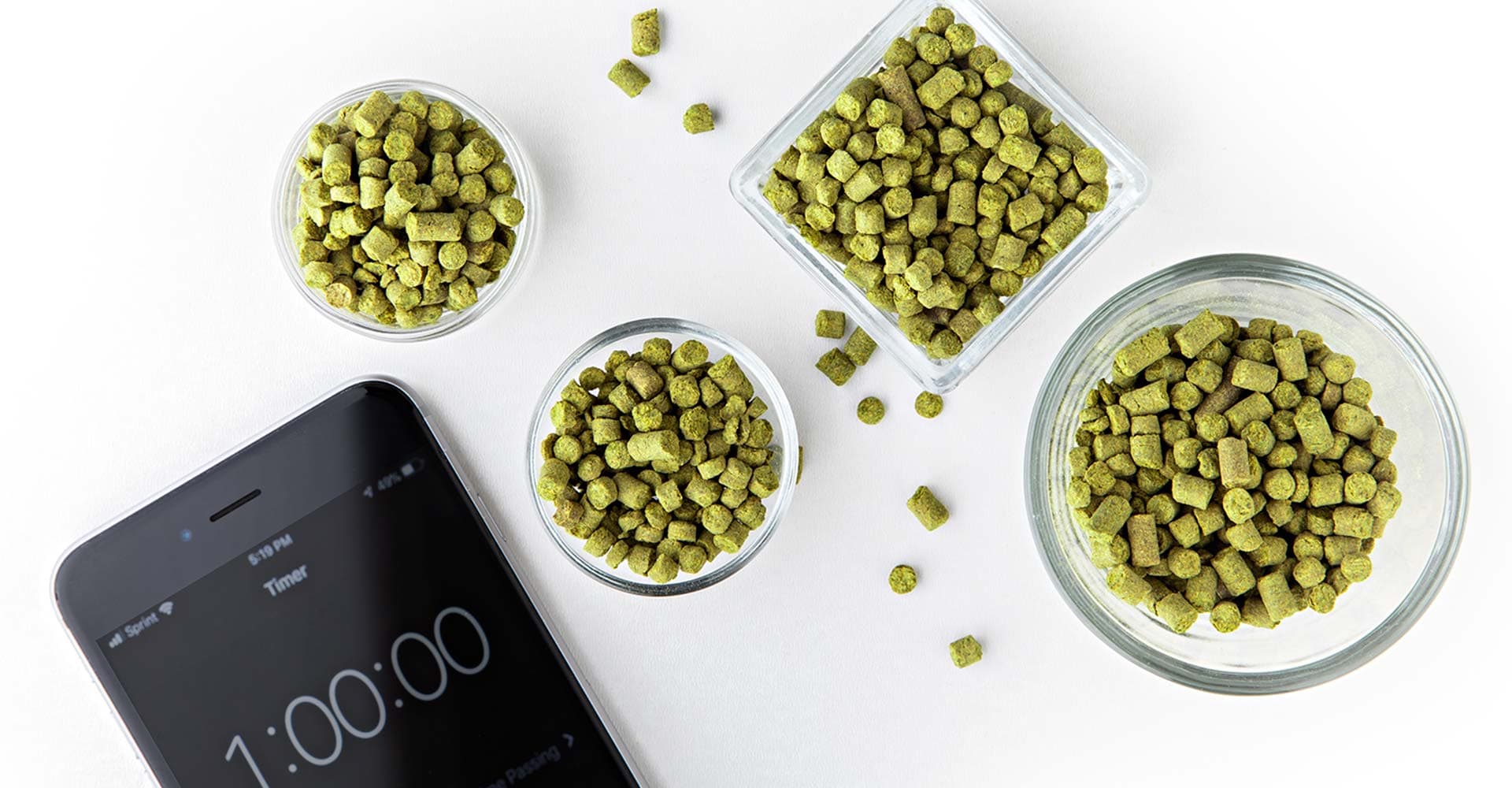
Hops for bitterness, flavor, and aroma... and, often, three corresponding additions to the boil. Using one-gallon test batches hopped differently, let's test our assumptions.
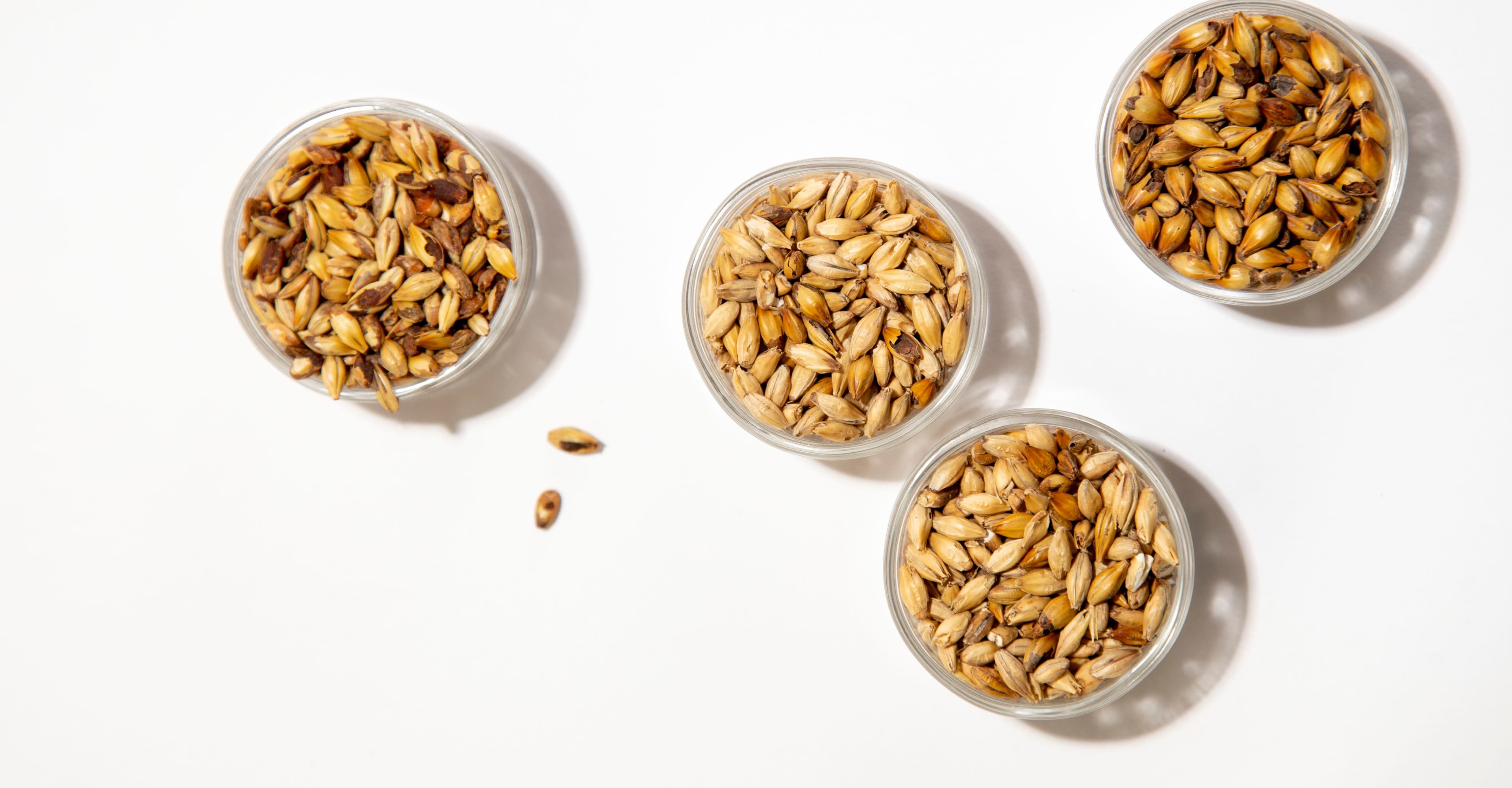
Let's affirm the importance of building malt complexity. By mixing up your base malts, bringing in rye or oats, or experimenting with specialty malts, you can bring depth and nuance to your beers, creating a knock-out recipe.
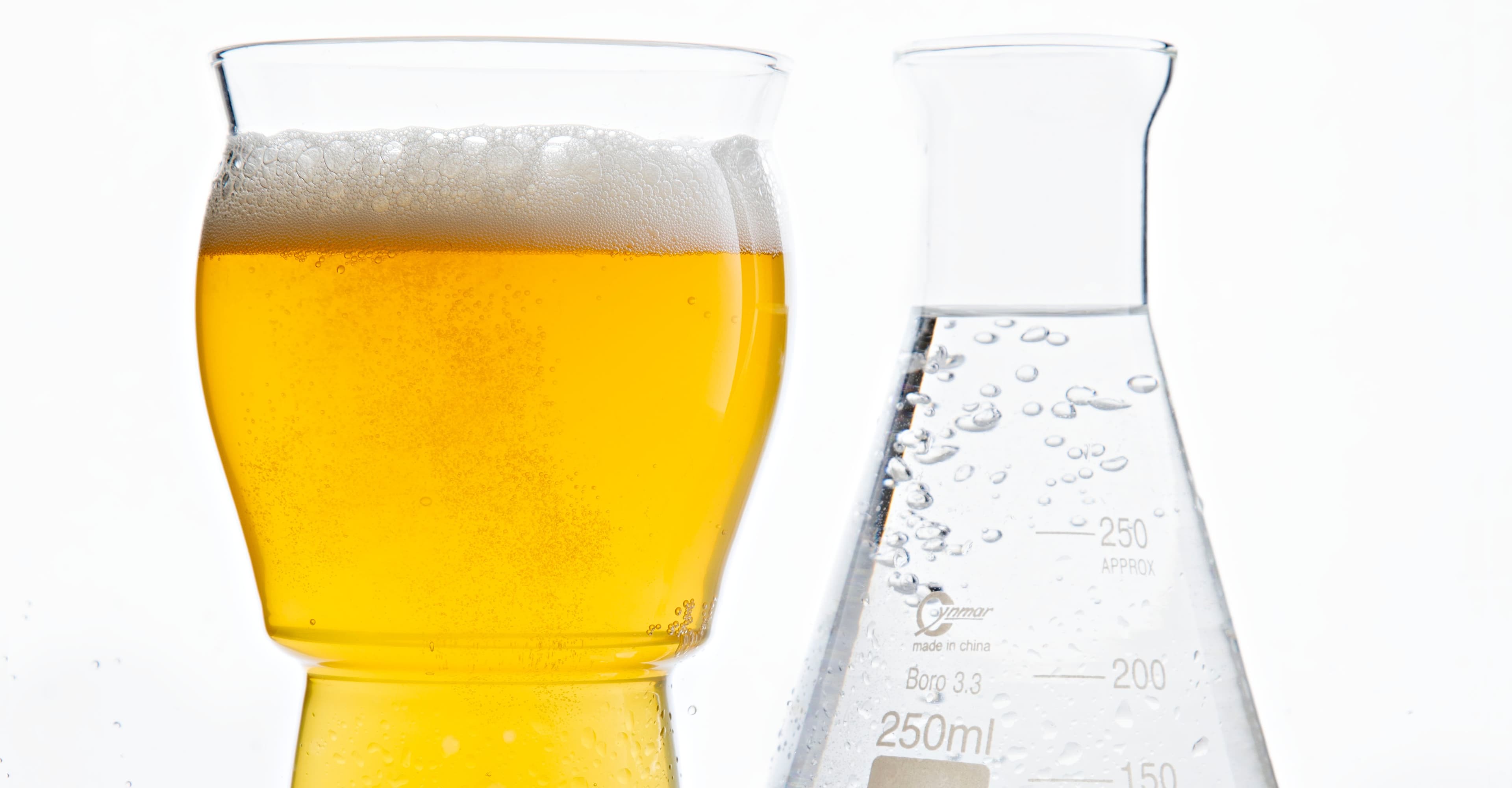
Decent beer is definitely good but learning about water chemistry can give you additional control over what you brew and take your beer from good to great.
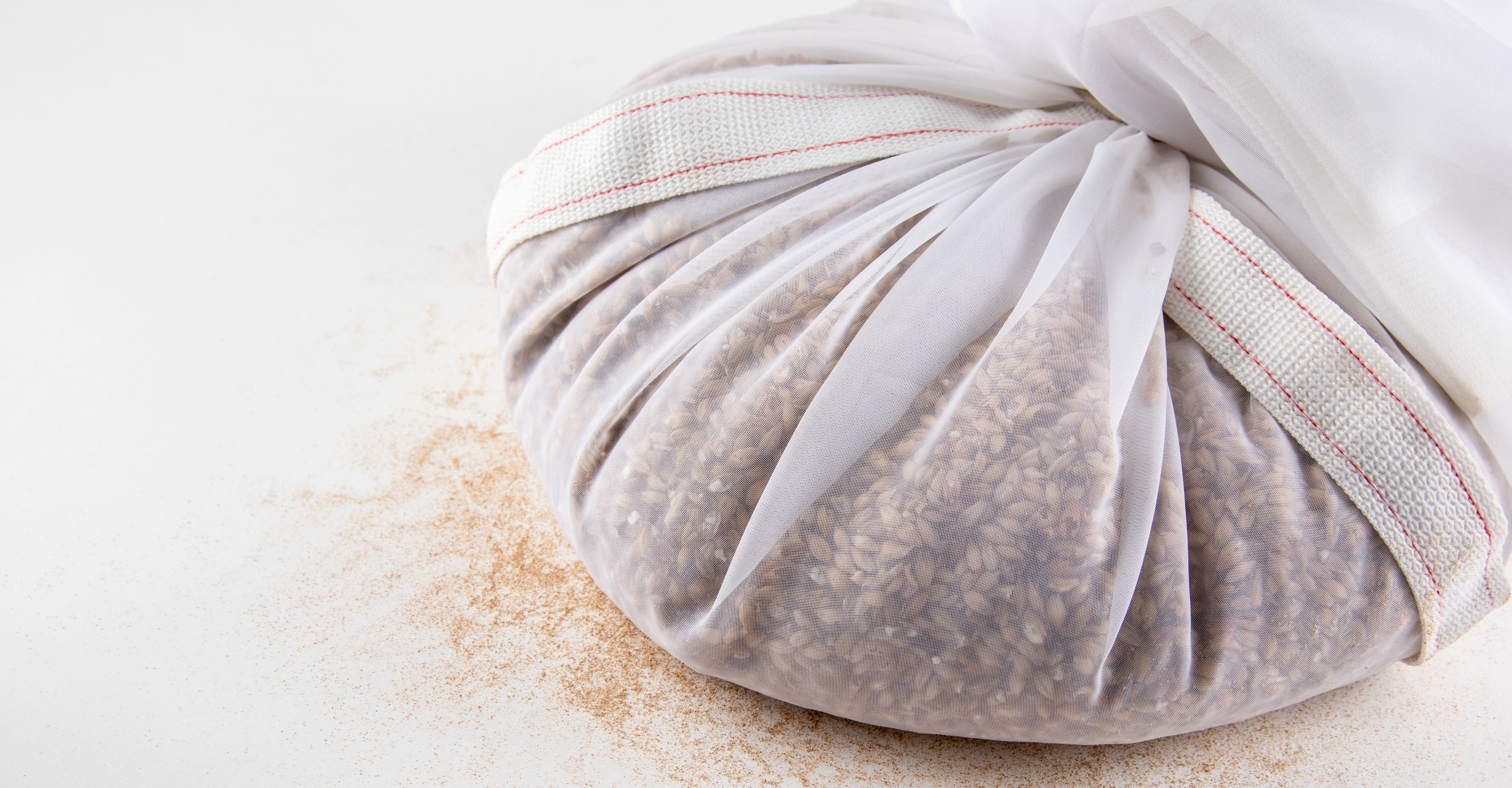
Base malts are the foundation of beer. It’s worthwhile to have a sense of the trade-offs your extract supplier made. As a bonus, this mini-batch experiment is a good introduction to mashing.
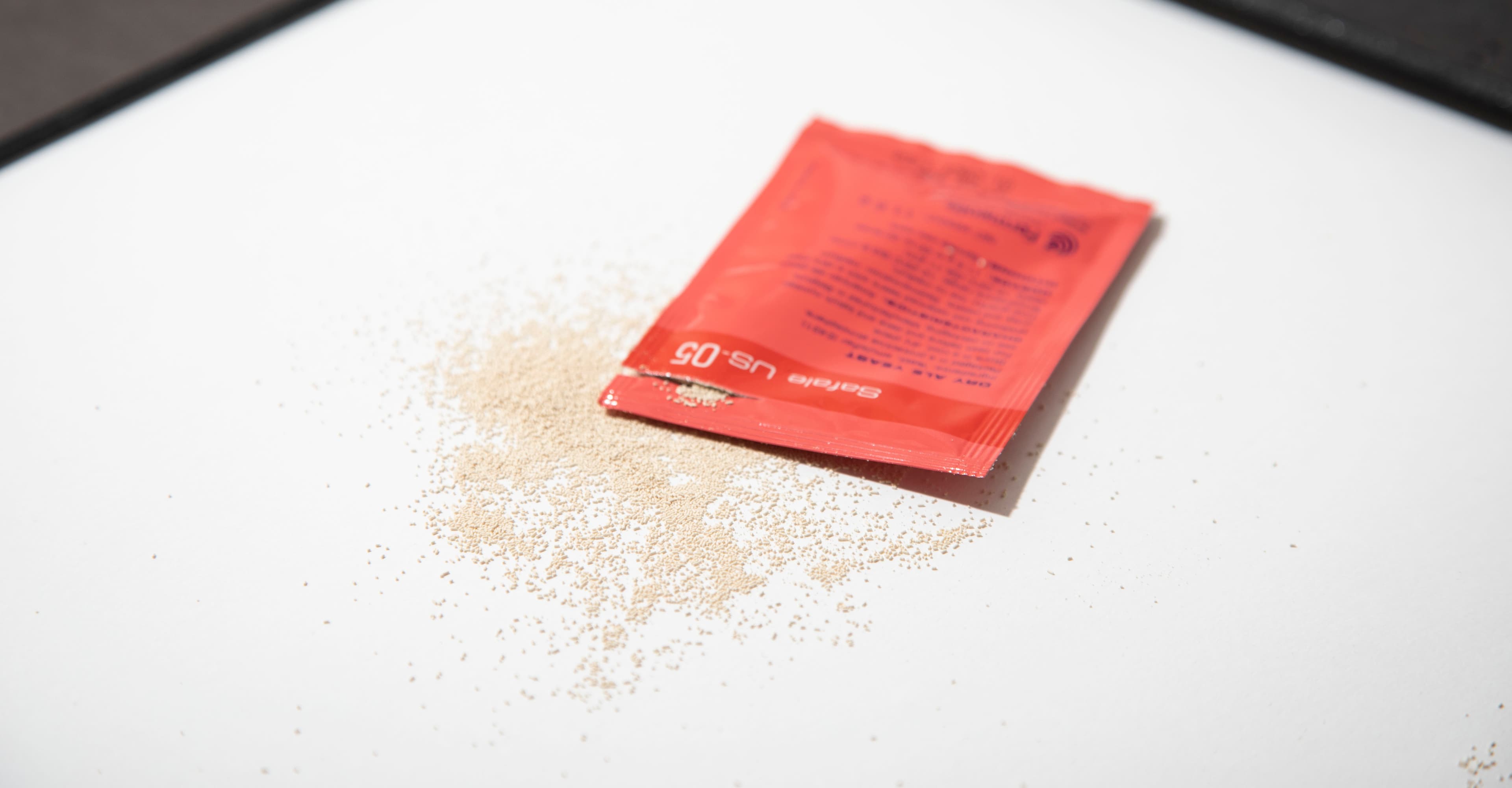
In this issue’s Learning Lab column, Jester Goldman shows you how to expand your knowledge of yeast strains so you can pick the right yeast for your next batch of homebrew.
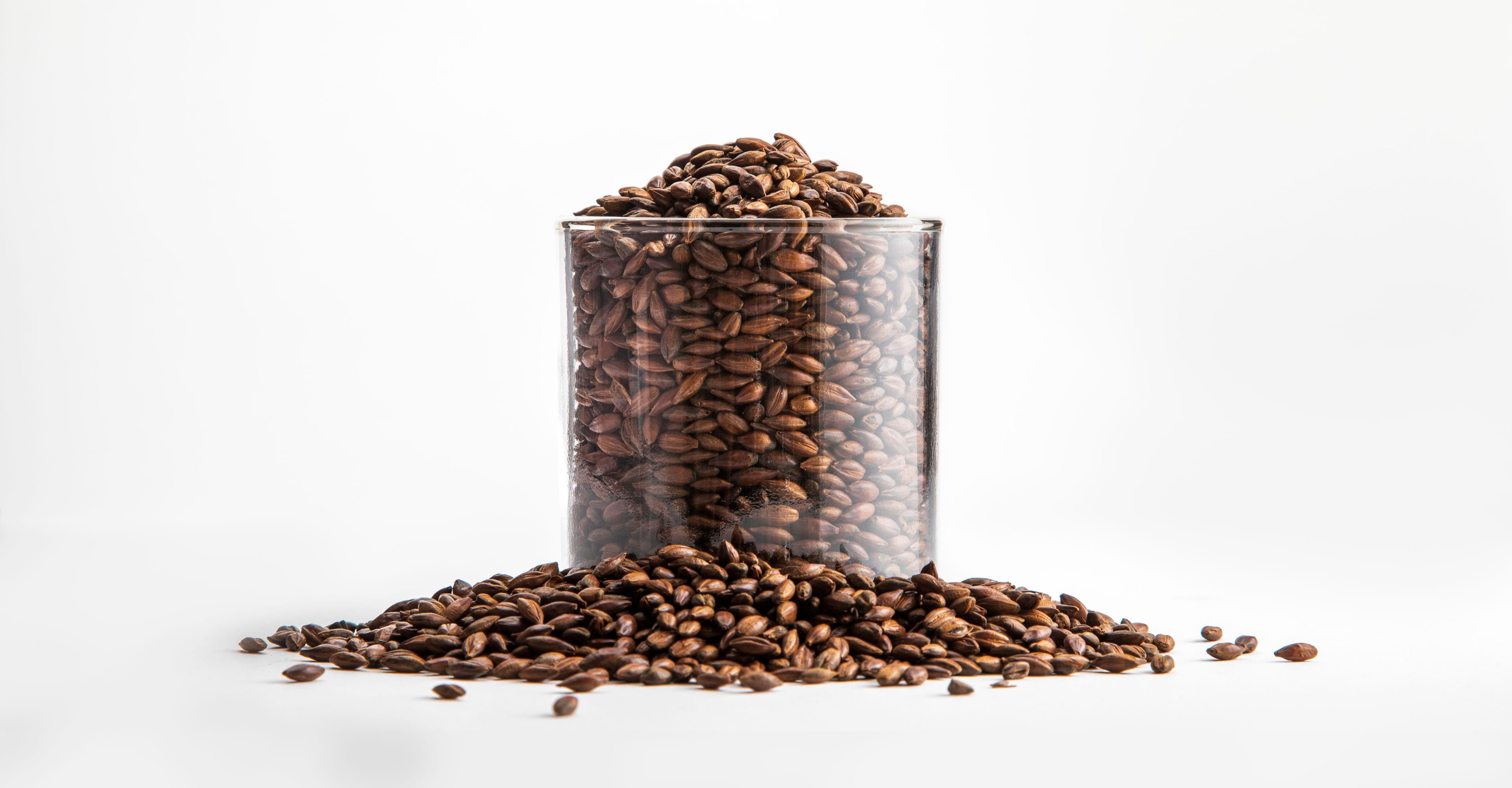
In this Learning Lab column, Jester Goldman gives his full attention to dark malt. Settle in as he helps you understand how these grains differ and what they can bring to your beer.
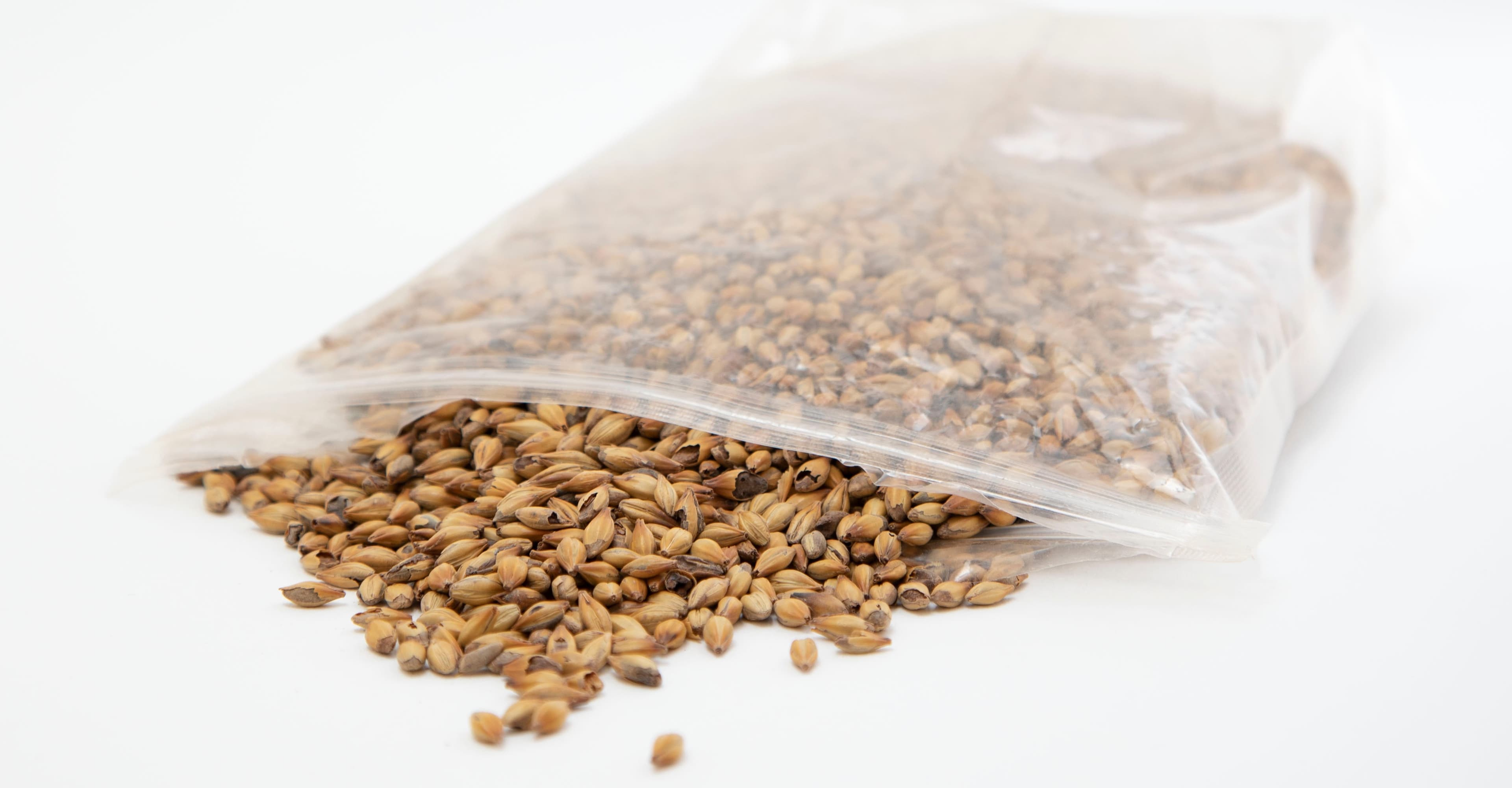
To avoid being overwhelmed by all the options, try focusing on a manageable subset of grain—crystal (aka caramel) malts. Using the mini-batch (1 gallon/3.8 liters) method, we demonstrate how you can learn to distinguish among the types of crystal malt.
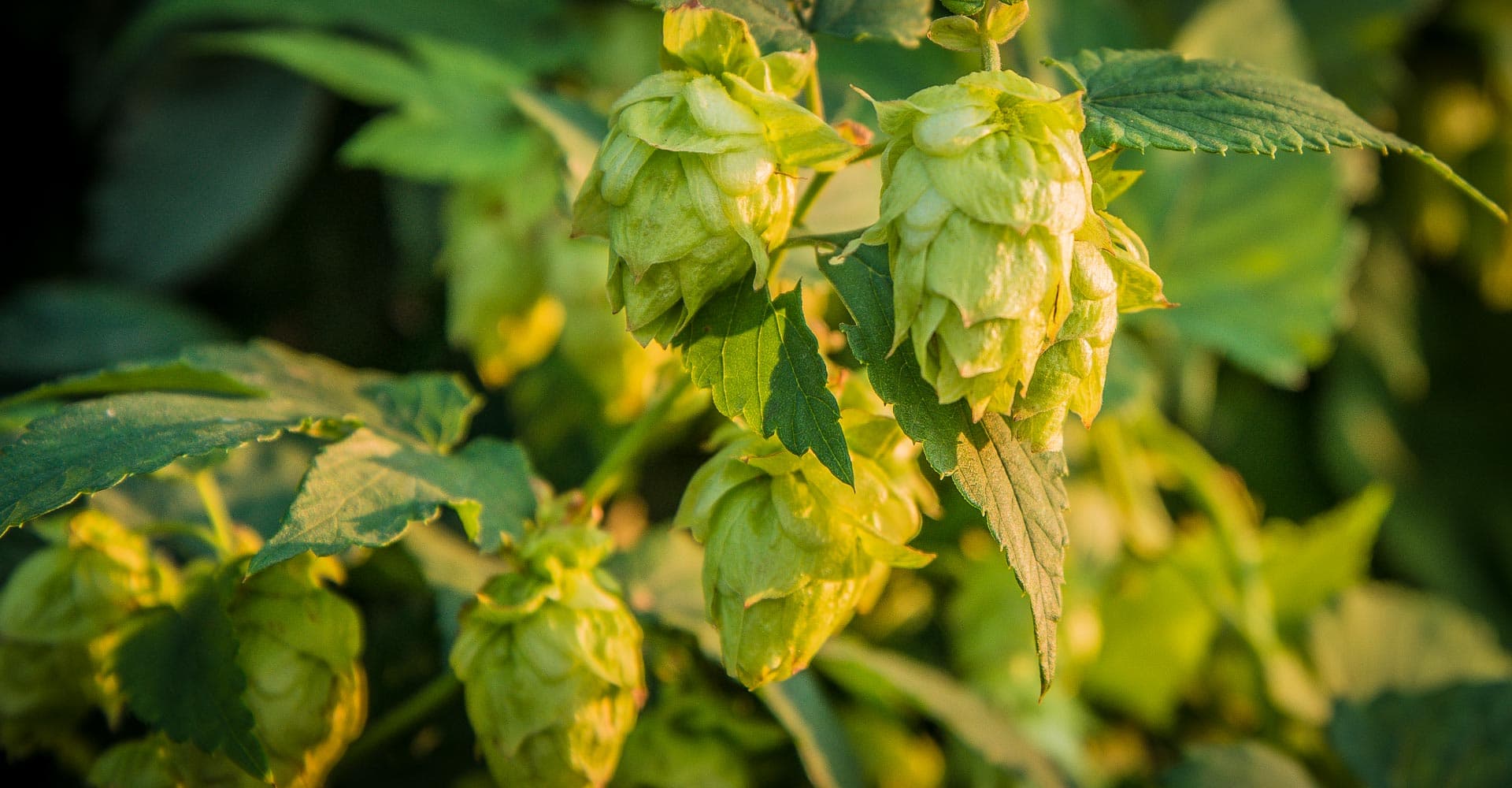
Learn how to work with mini- batches to supercharge your progress toward becoming a better brewer. This column examines how you can use 1 gallon (3.8 liter) mini-batches to explore hops aroma and flavor.