Make Your Best Berliner Weisse
Tart, light, and utterly quenching, a great Berliner weisse is the perfect summertime beer, and it can win the hearts and minds of stone-hearted skeptics. Best of all, it doesn’t need to be difficult to brew.

22 articles in this category
Tart, light, and utterly quenching, a great Berliner weisse is the perfect summertime beer, and it can win the hearts and minds of stone-hearted skeptics. Best of all, it doesn’t need to be difficult to brew.
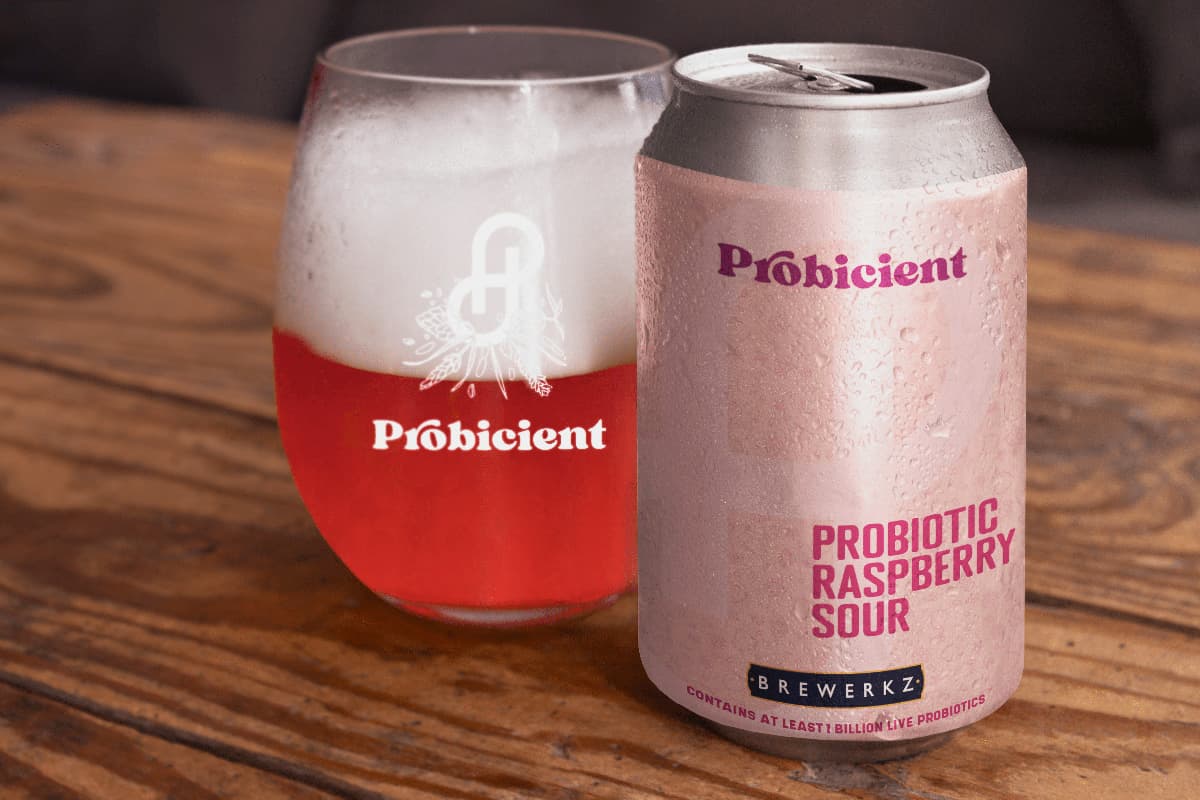
Functional beverages—those that claim a positive effect, usually health-related—are booming. It’s a challenging area for beer, legally and scientifically, but could gut-friendly, probiotic beers win people over?
This light and quenching smoked wheat beer remains a relatively obscure platypus in the style canon. Lichtenhainer is undeniably odd yet easy to brew and lots of fun to drink.
Some write off quick-soured fruit beers for their simplicity, but they don’t have to be basic. Building complex flavors that reflect the entire fruit is Cornett’s goal, and nothing is off-limits in that pursuit.
Opening your fermentations to a wider array of yeasts and bacteria can add great complexity to your beers. It can also add complexity to your brewing process—but the challenge is both surmountable and rewarding.
Long dismissed as gimmicky and relegated to a bit part, fruit beer has never gotten the respect it deserves. Yet the craft of brewing with fruit is poised to enter a golden age, with a bag full of tricks and seeds planted to grow much wider appeal.

For the head brewer of Urban South in New Orleans, focusing on tight process, healthy lactic fermentation, and quality fruit is the difference between dull and delicious quick-soured beers.
The traditional white beer from Berlin has had many guises over the centuries, from simpler Lacto sours to fruit-packed smoothies, via enigmatic, mixed-fermentation constructions more closely aligned with its history.
Sour and wild beers exist on a complex plane of myriad flavors and aromas produced by bacteria, yeast, ingredients, and by-products. Randy Mosher breaks down the building blocks of what we sense, to help us identify what we enjoy.
In further exploring how to squeeze the most character out of extract brewing, Jester Goldman turns his attention to kettle sours.
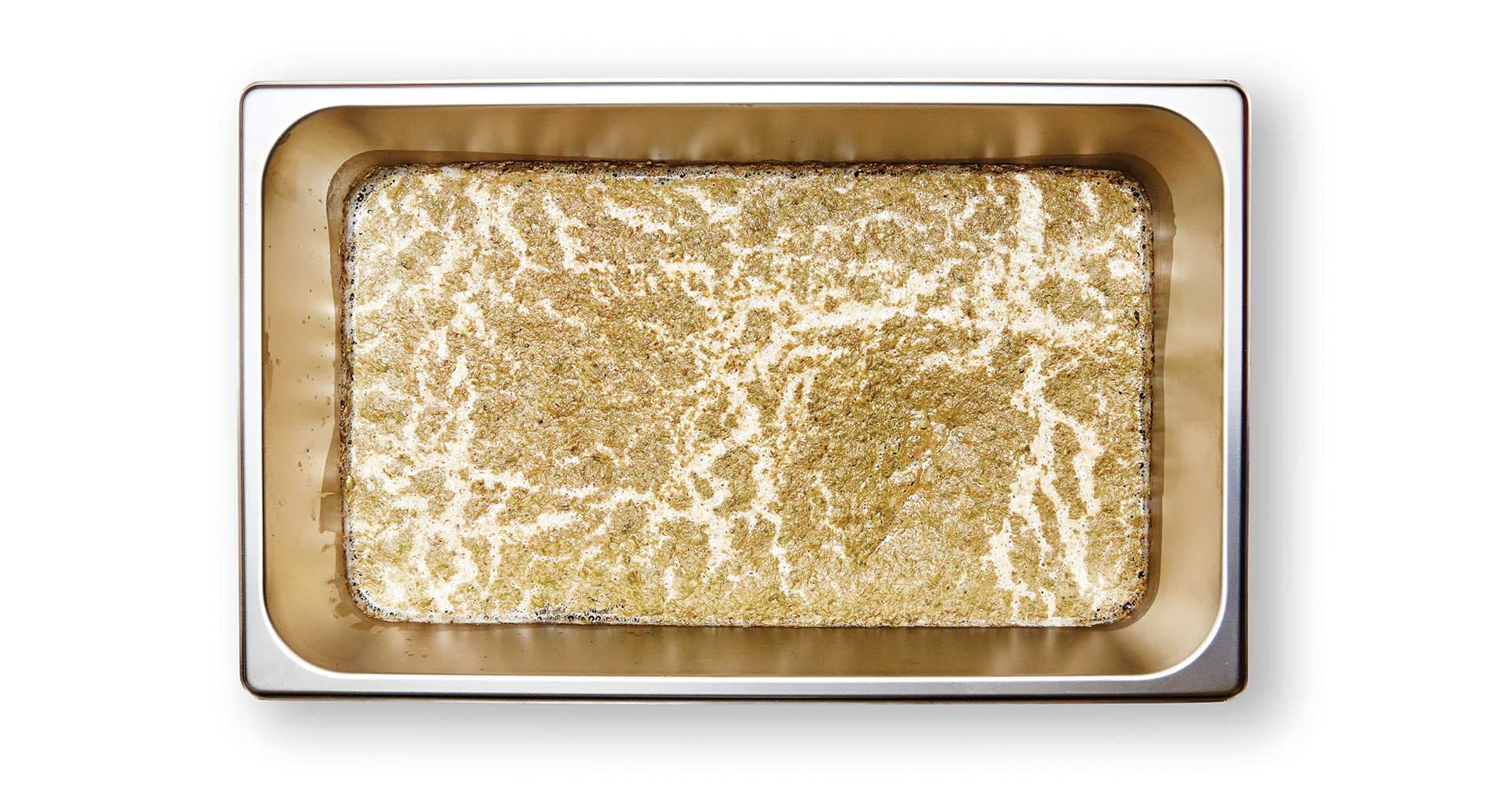
Kevin Foster, based in Atlanta, Georgia, won a gold medal for his gueuze-style blend at the American Homebrewers Association Nationals in 2018. Here, he talks about his year-to-year process for brewing, aging, and blending wild beers.
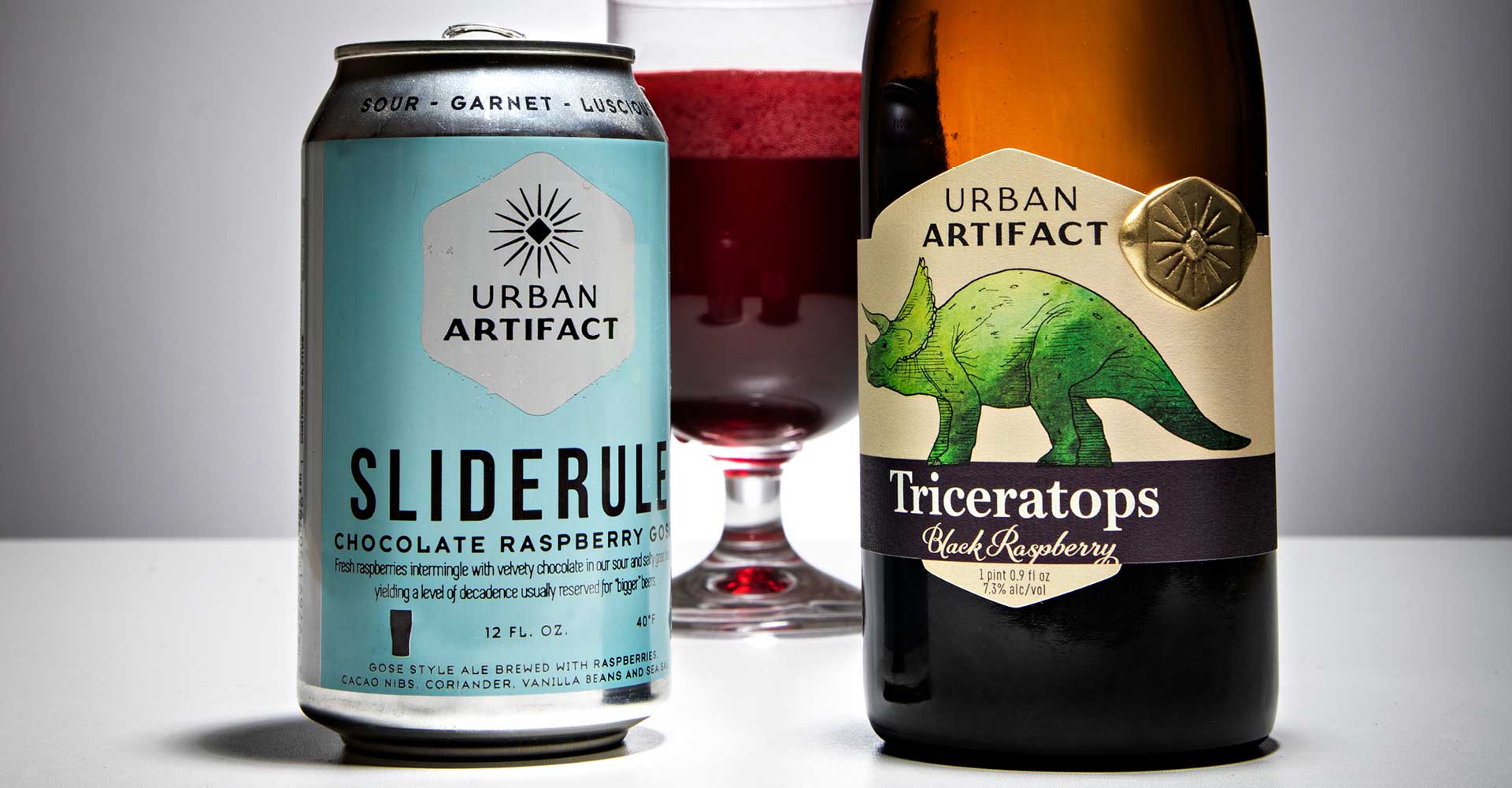
We've heard the argument: Single-bacteria sour beers—so-called kettle sours—are detrimental to the success of more traditional, mixed-culture beers. But for Bret Kollman Baker of Cincinnati’s sour-focused Urban Artifact, the two coexist peacefully.
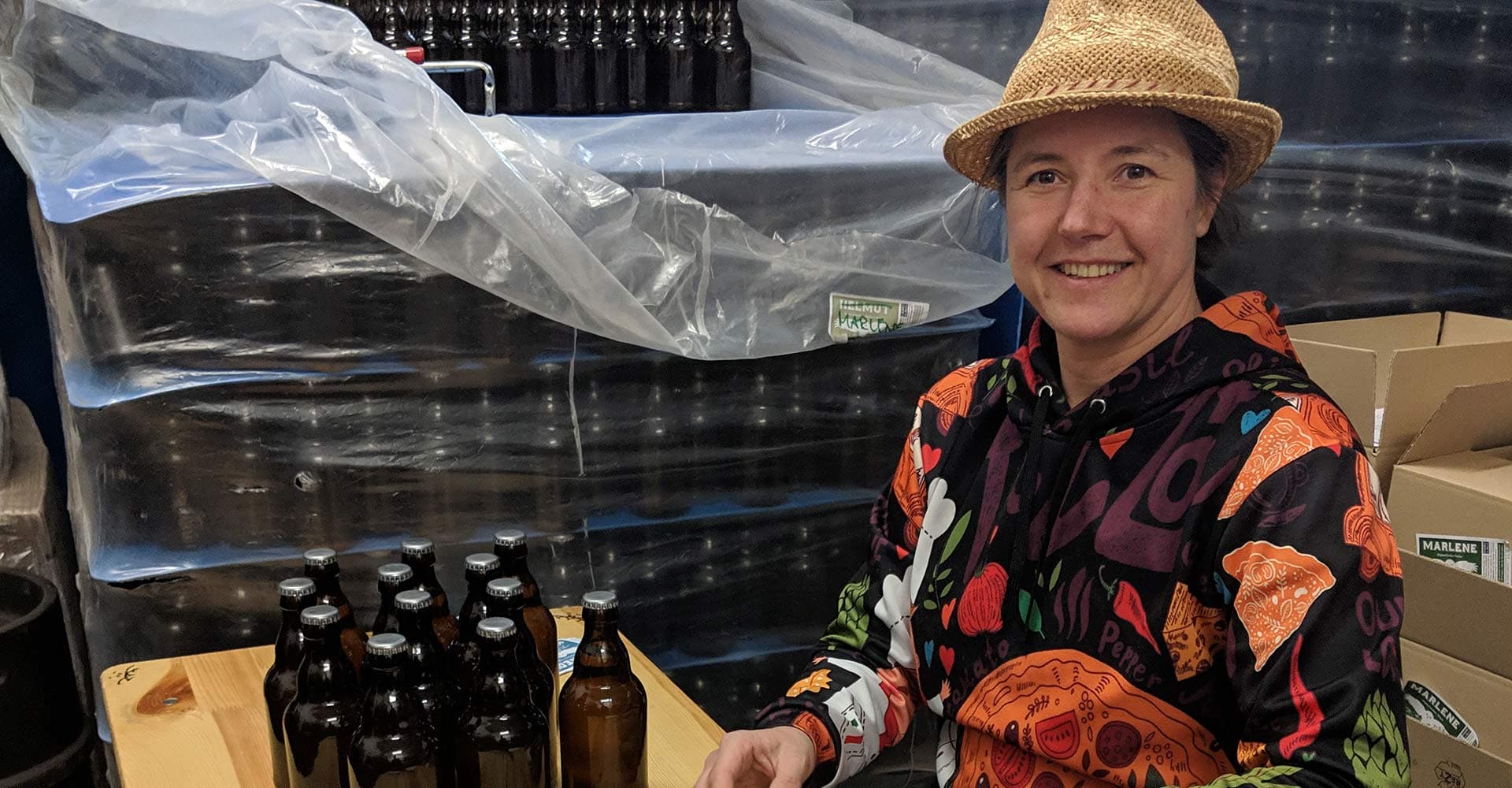
No simple kettle sours, these. In Berlin, Schneeeule is waging a battle to revive a more traditional mixed-fermentation Berliner weisse.
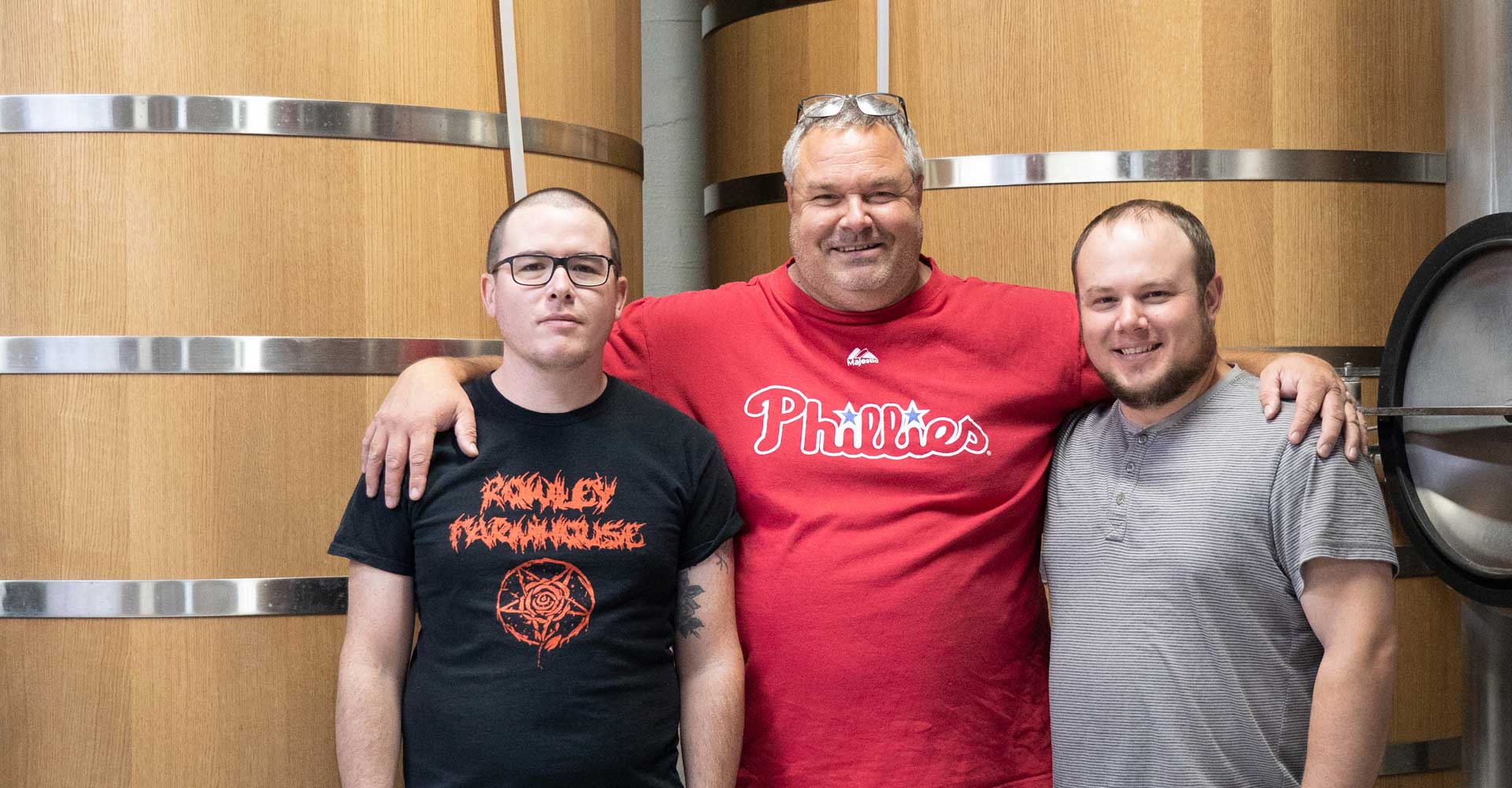
Rowley Farmhouse Ales of Santa Fe, New Mexico, is carving out a sour and funky niche in the Southwestern desert.

Doesn’t seem like that long ago that we could count the types of dry yeast available on two hands. However, recently, some new and unusual types of dry yeast have arrived to give brewers some versatility.
A nearly forgotten style became a popular plaything in American brewing. Balance, as usual, is the trick—and how to pull it off depends on what you put in it.
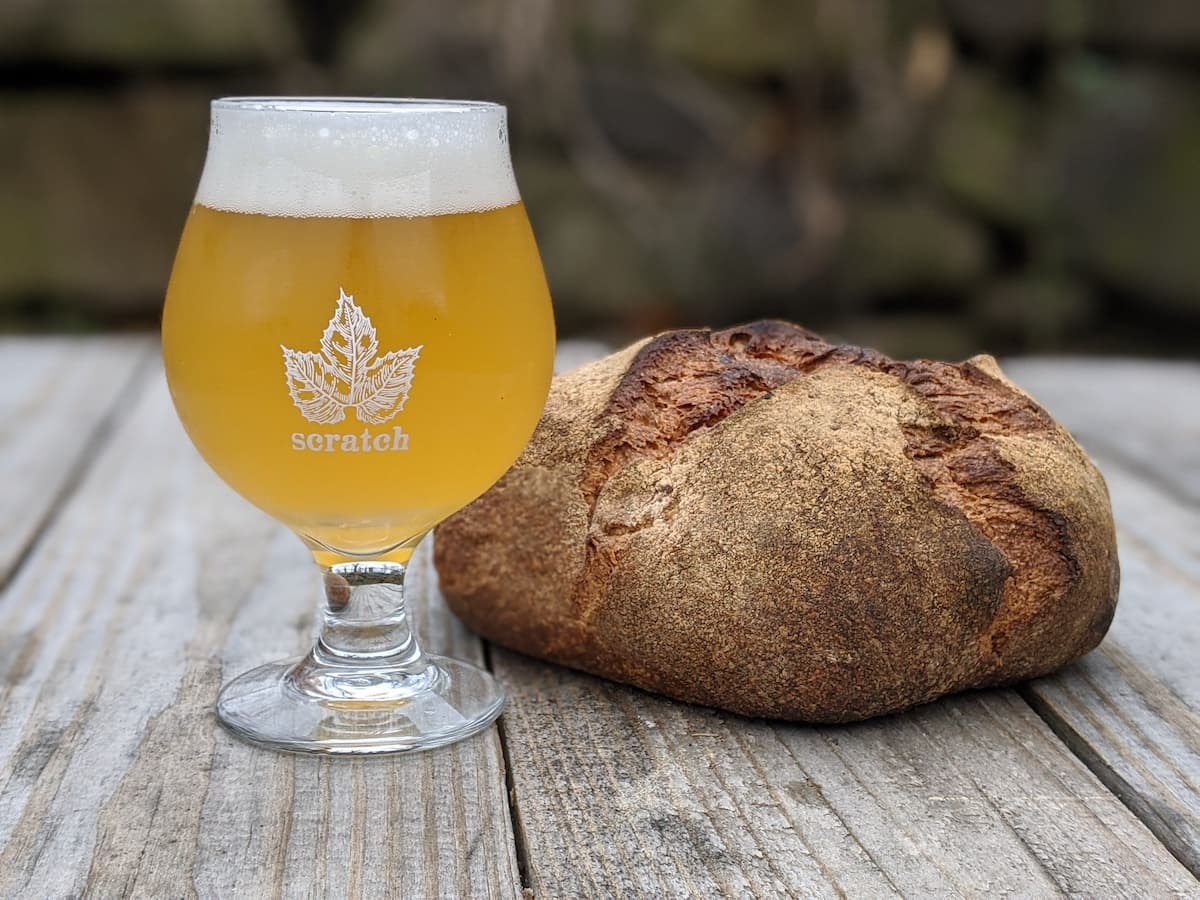
Scratch—the rural Illinois brewery just nominated for a James Beard Award—is known for a seasonal range of beers made from foraged ingredients. Less well known is what they use to ferment most of those beers: the same stuff they use to raise their breads.
In this clip from our full video course on kettle-souring, Resident Culture's Chris Tropeano talks about limiting oxygen exposure to avoid nasty off-flavors.
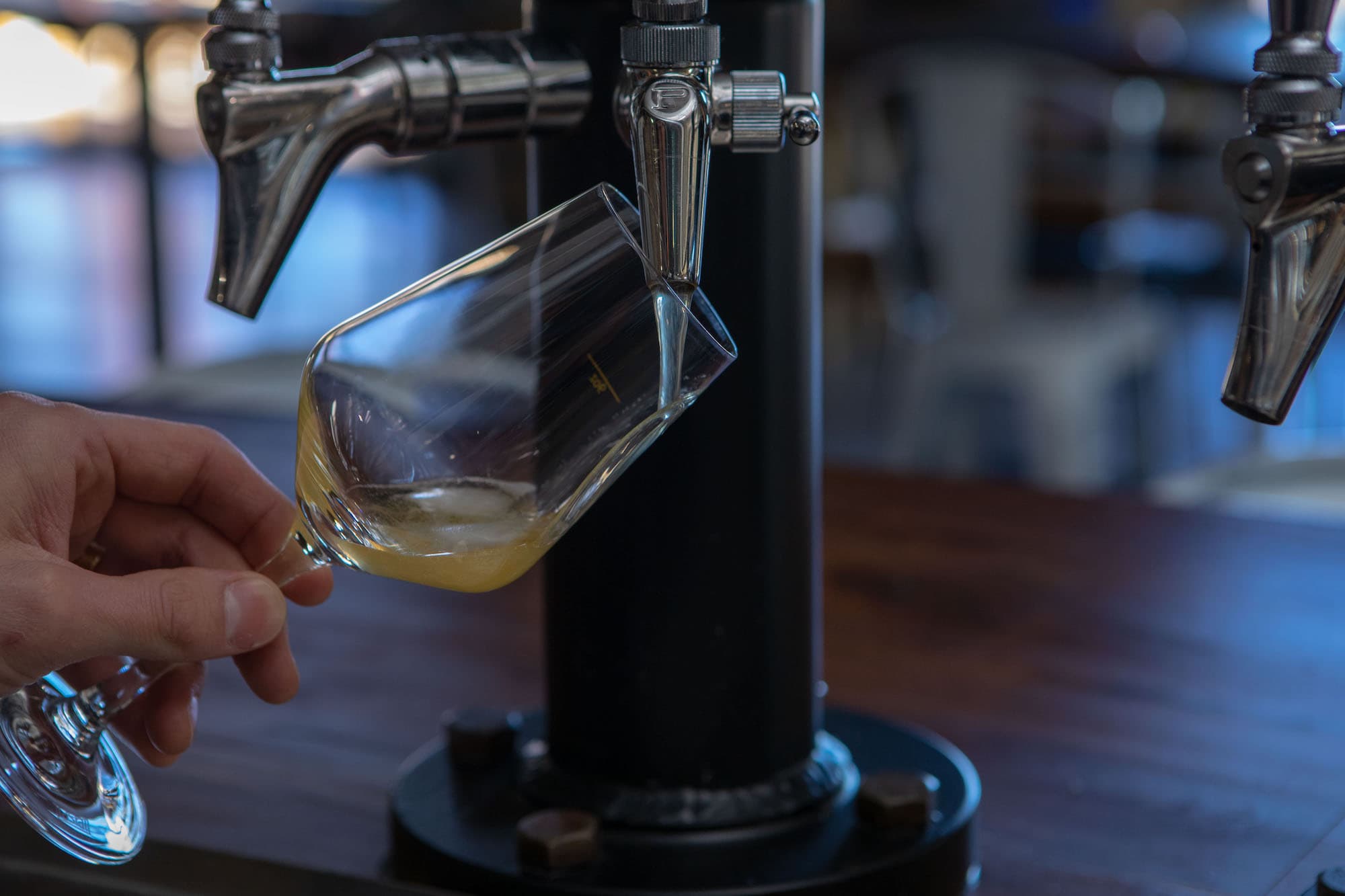
Know your bugs and how fast they work, and keep an eye on that pH. In this clip from our full video course on kettle-souring, Resident Culture's Chris Tropeano talks about careful kettle-souring.

In this clip from our full video course on kettle-souring, Resident Culture's Chris Tropeano talks about pre-boiling and de-aerating wort, creating an ideal environment for lactic bacteria.