Czech Hop Fields Have More to Offer than Saaz
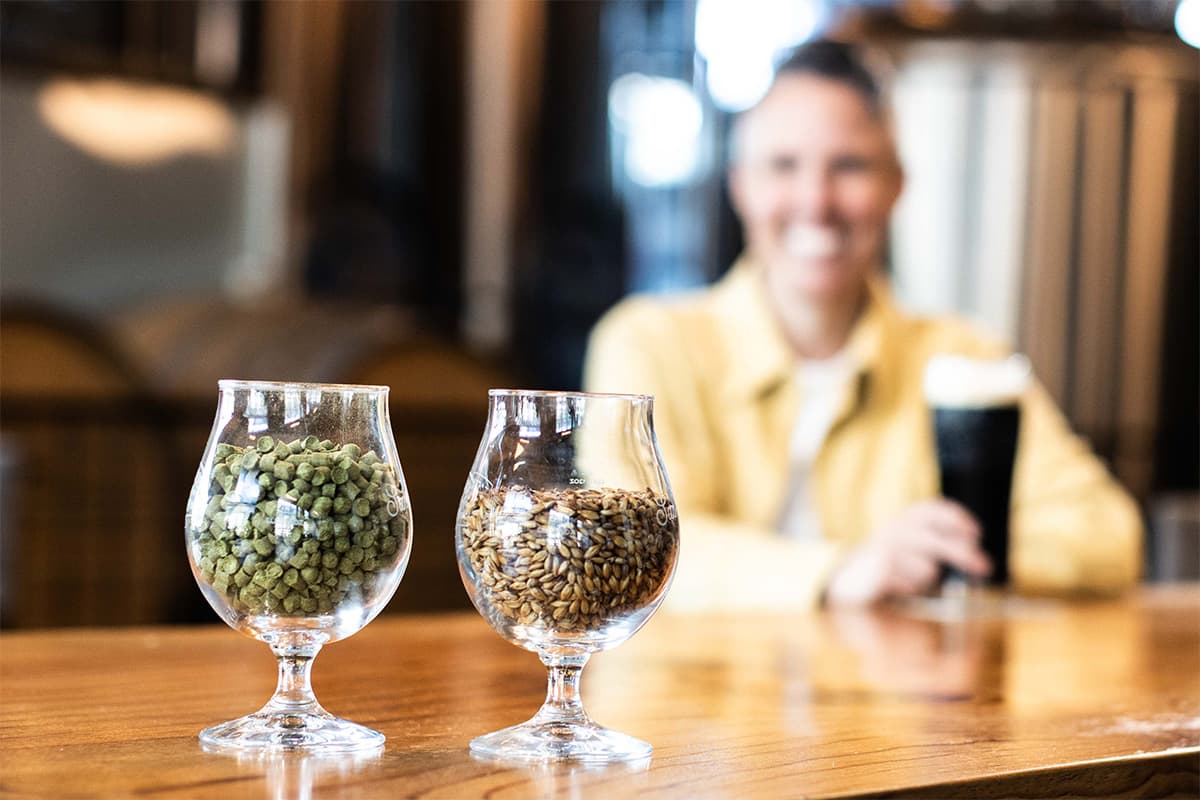
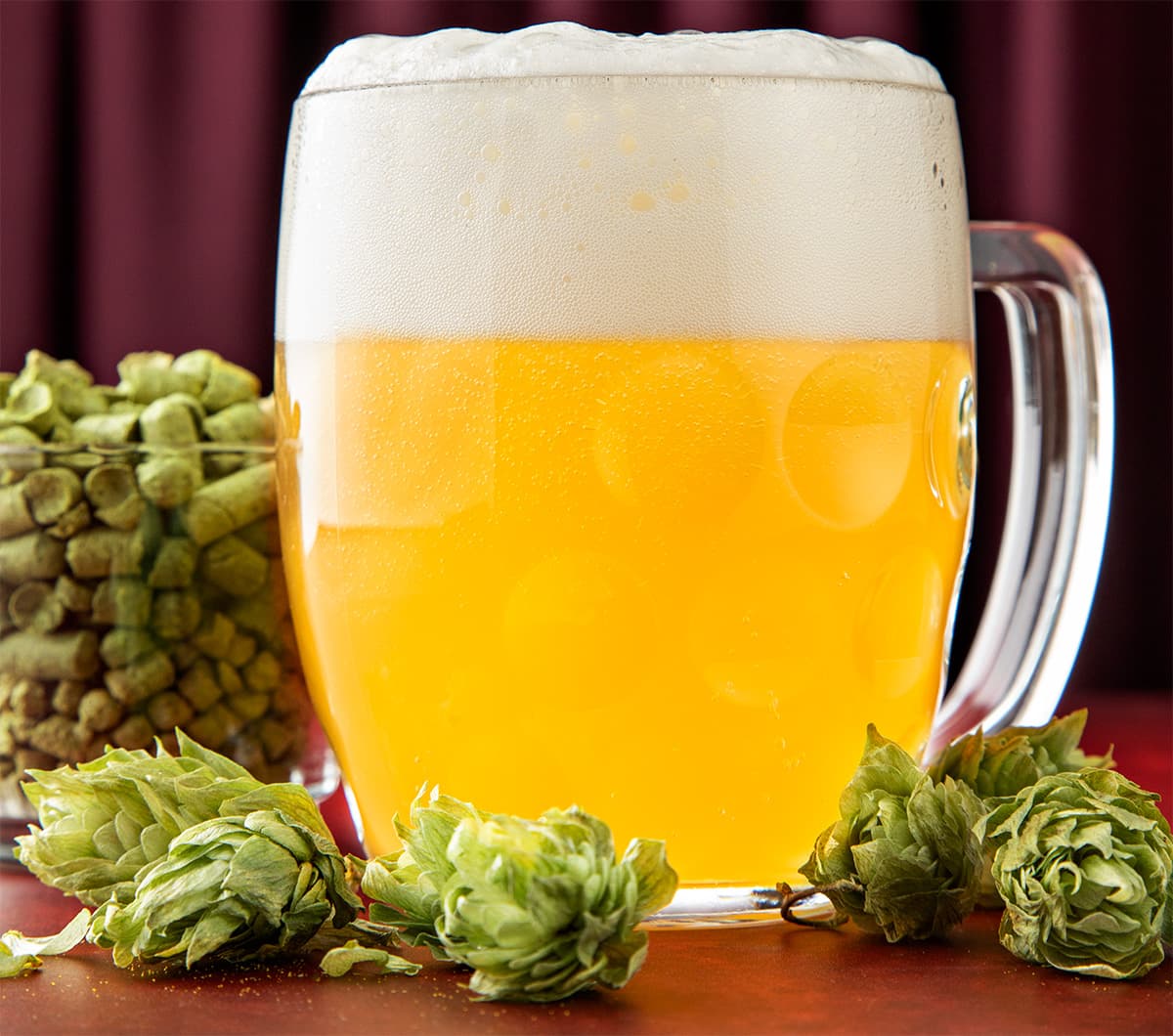
Saaz, Kazbek, and ... Juno? Whether punching up lagers or adding interest to IPAs, newer Czech hop varieties—little known outside their country—are an overlooked source of distinctive flavors.
39 articles in this category

Saaz, Kazbek, and ... Juno? Whether punching up lagers or adding interest to IPAs, newer Czech hop varieties—little known outside their country—are an overlooked source of distinctive flavors.

Innovation in the fermentation space shows no sign of slowing, as today’s yeast suppliers continue to expand the brewing world’s access to novel and functional yeast varieties—and delivered in better shape than ever before. Here’s a handful of yeast-related developments piquing our interest.

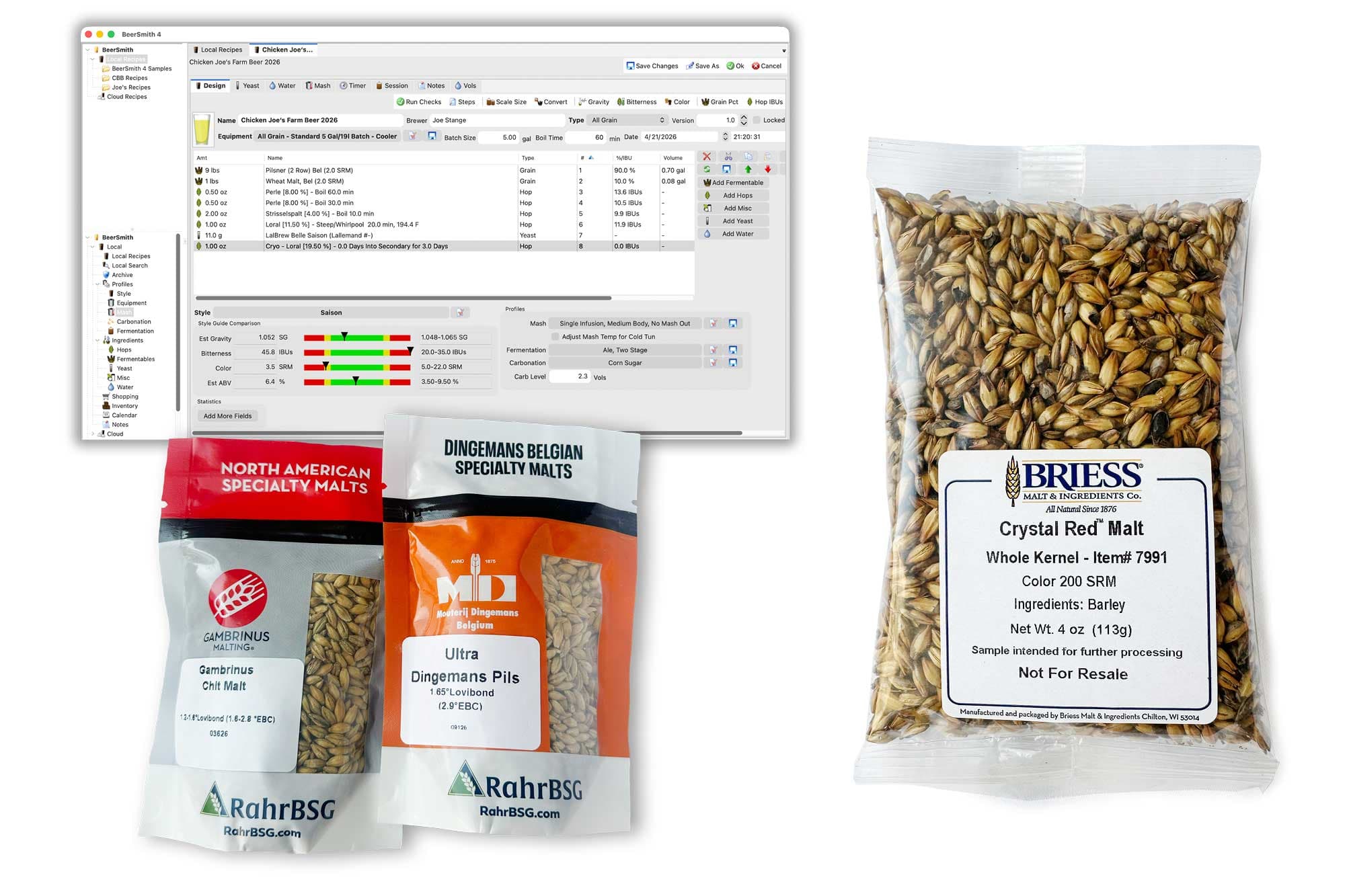
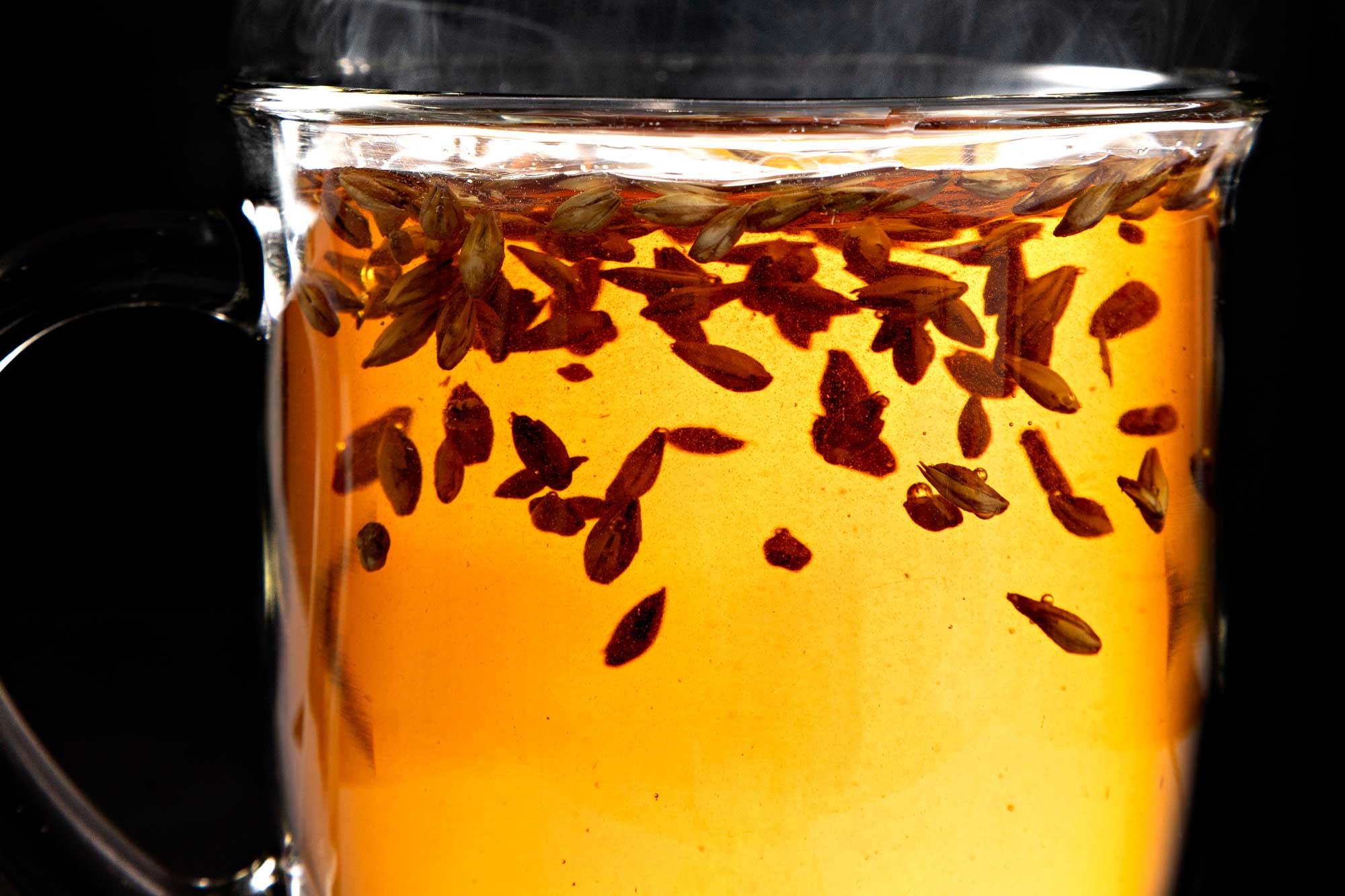
From chomping on grains to hot steeps and running the grains through an espresso machine, Randy Mosher offers some simple tips and tricks to better evaluate your malt—and to improve your flavor imagination.

Once derided as cheap adjuncts, sugars have become useful, flavorful tools for today’s creative brewers.

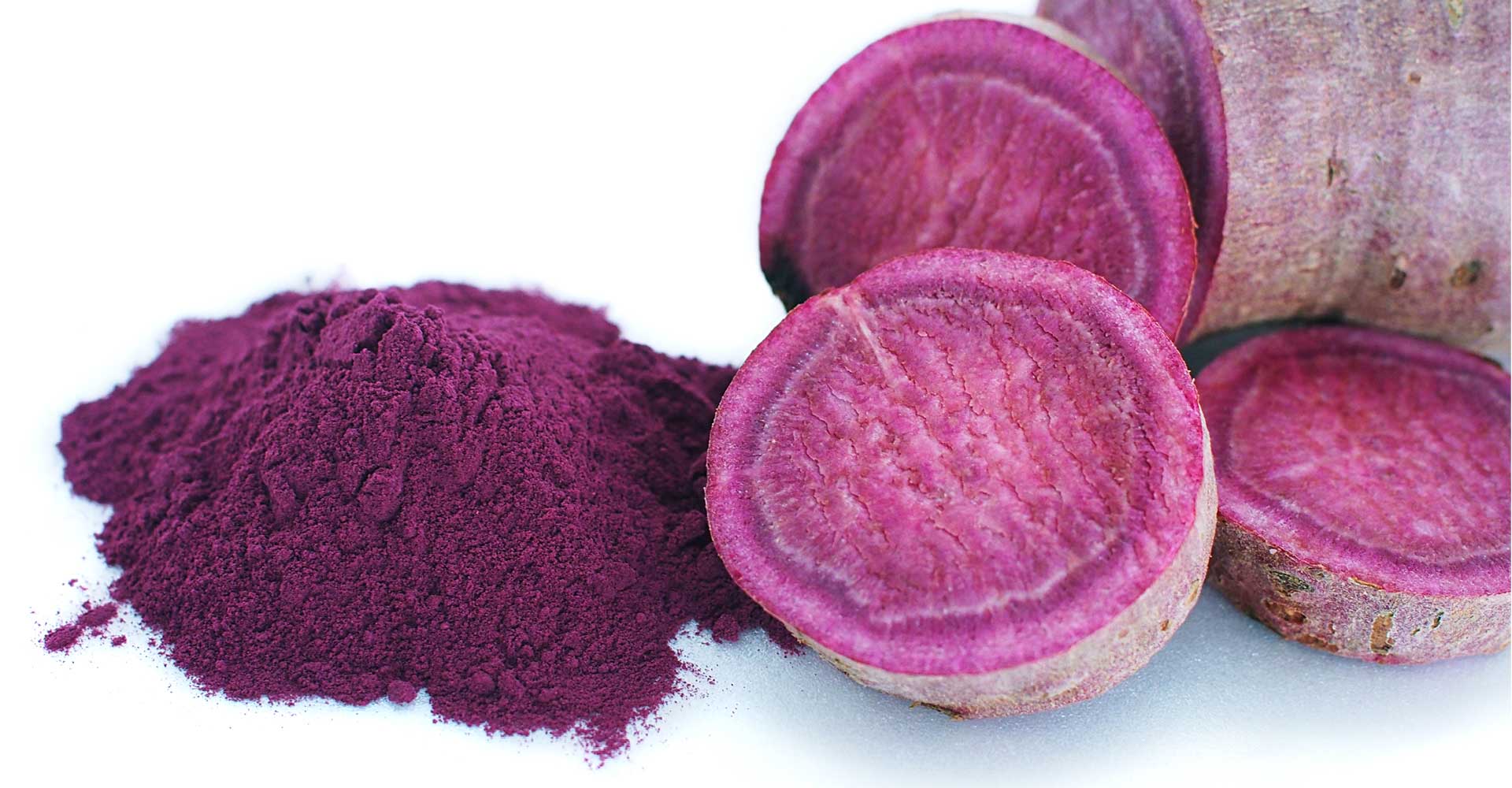
It’s sweet, it’s purple, it’s trendy, and many folks from the Philippines will be delighted when you make some beer with it.

Perhaps the oldest way of preparing grain for brewing, drying malt in the open air was traditional for lambics, white beers, and various rustic ales scattered around Europe, Africa, and beyond. Today, brewers and maltsters interested in history, terroir, and old-fashioned methods are taking their malt back out into the sun.

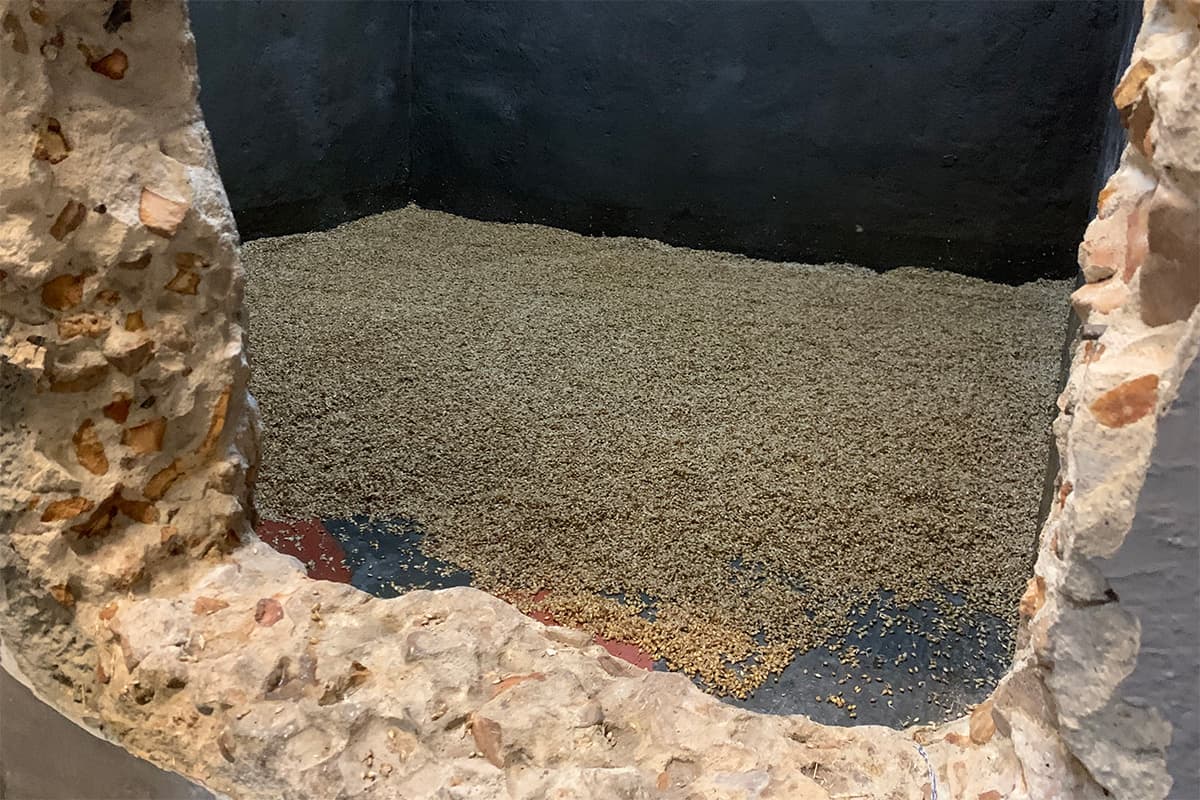
Between the farm and the brewery, much of beer’s flavor is born in the malthouse. Here we journey inside a traditional floor maltings—and inside a kernel of grain—to witness the daily toil and tools that turn a raw cereal into the soul of beer.

Know your raw materials, and you’ll forever have the upper hand when you brew.

We all know how profoundly the types of malt we use can change what we brew. Less obvious is how independent brewing is changing how barley itself is being grown—leading, eventually, to exciting new options for brewers.

Few experiences in brewing are more rewarding—or make for better practice—than bringing some undersung, underloved, old-fashioned beer styles to life in your own brewhouse. Josh Weikert makes the case for learning, drinking, and brewing the canon.

Annie Johnson has worked professionally in brewing, but she never gave up homebrewing or enjoying the adventure that comes with it—from reverse-engineering historical recipes to improving her brewing by becoming a beer judge.

Still buying only what you need for that next batch? Josh Weikert makes the case for building a library of ingredients, where it’s not just about quality, it’s about quantity.

Study the classics, and use the best ingredients and equipment you can. One secret to making great beer is knowing that others have done the hard work for us—from the brewers who came before us to the farmers who produce our raw materials.

A year without trade shows didn’t stop suppliers from bringing new malts and hops to market. Here we run down some of the most promising new varieties to try in our own breweries (starting with a couple that we’ve already taken for a spin).

While heading the innovation side of The Bruery, Andrew Bell developed as many as 300 different recipes per year. Now, as director of brewing for newly opened Radiant Beer, he’s building a new brewery identity from the ground up.

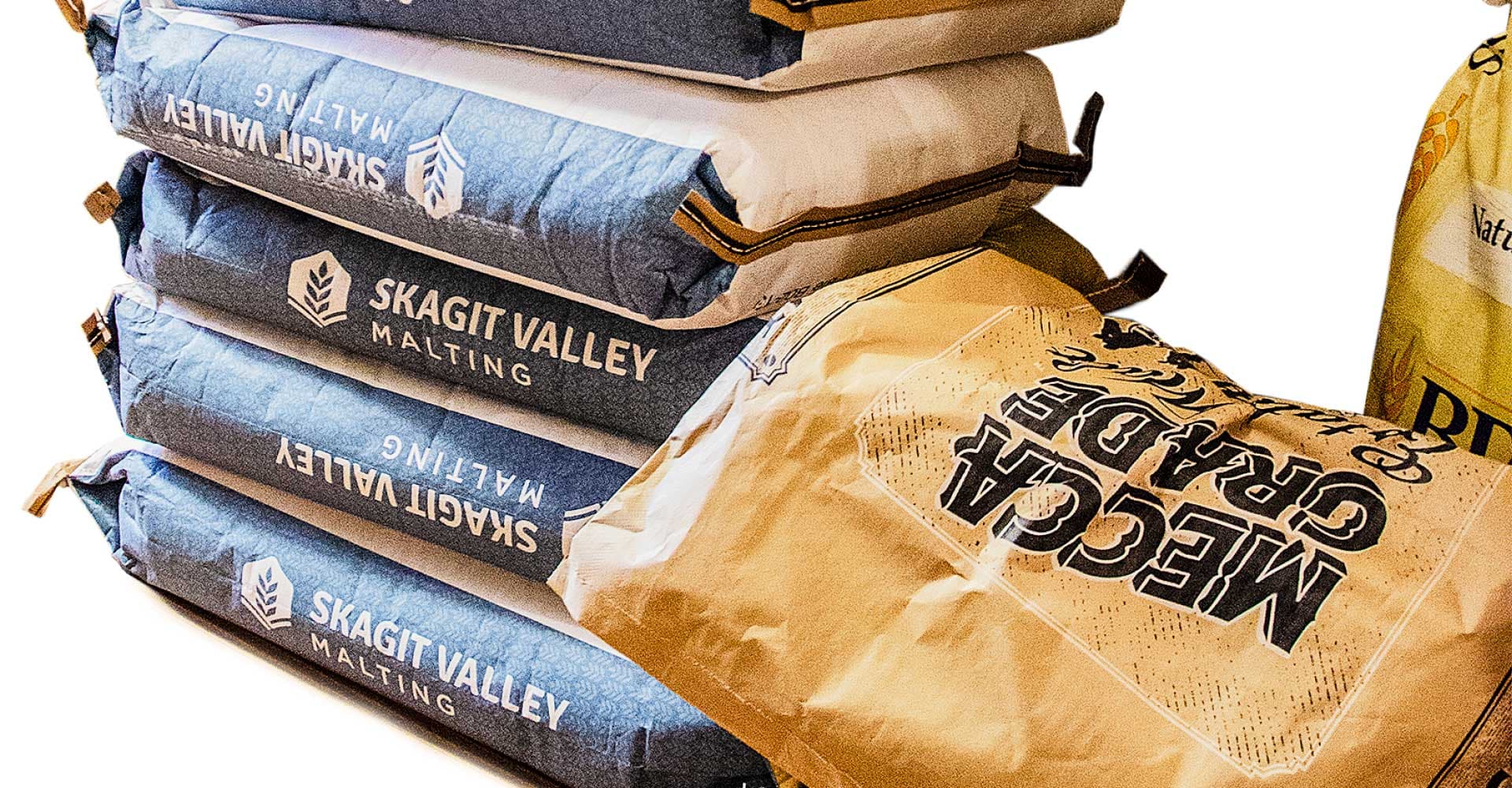
These craft maltsters from across the country work with online retailers, making it possible for homebrewers to have a wide variety of unique malts sent straight to their doorsteps.

We asked for your favorite hops and malts you like to use for brewing, and you told us. Here are your 2020 Readers’ Choice picks for favorite ingredients.

Andrew Kelly, cofounder of Aslin Beer in Alexandria, Virginia, breaks down the elements of flavor and reminds us to think about what different brewing ingredients bring to the table when trying to mimic the flavors of favorite foods.

Our hop choices as brewers aren't limited to single varietals. Those who know hops best are mixing and matching them to make useful blends. Here are some options worth trying on brew day.

Steve Holle, founder and managing partner of the KC Bier Company in Kansas City, Missouri, describes their deliberate, details-oriented approach to brewing traditional German-style lagers.