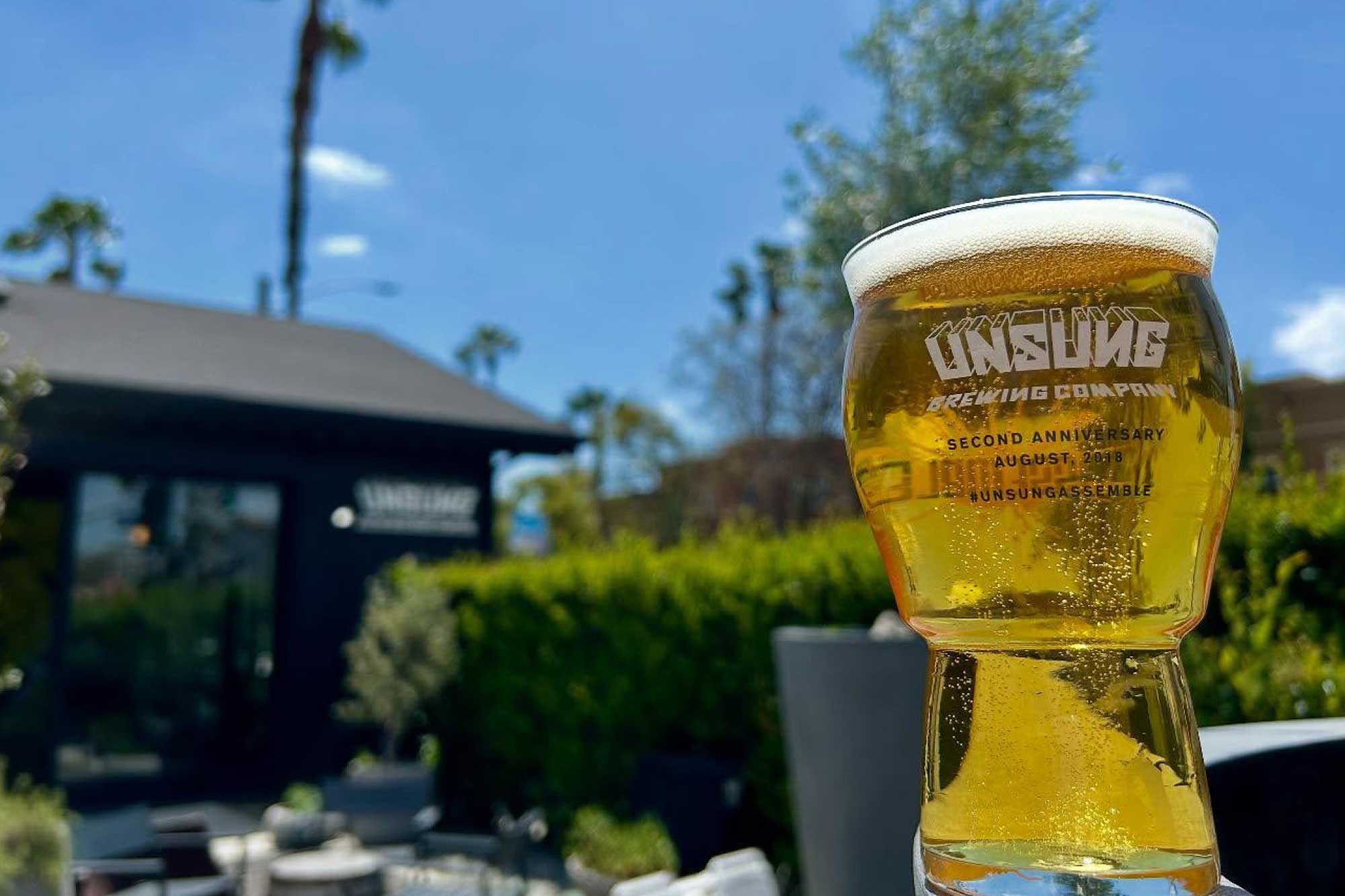
Recipe: Unsung Clawburst West Coast Pilsner
Subscriber
From Unsung Brewing in Anaheim, California, this West Coast pilsner—with tropical character driven by Mosaic and Nelson hops—won silver in the Hoppy Lager category at the 2025 World Beer Cup.

10 articles in this category
From Unsung Brewing in Anaheim, California, this West Coast pilsner—with tropical character driven by Mosaic and Nelson hops—won silver in the Hoppy Lager category at the 2025 World Beer Cup.
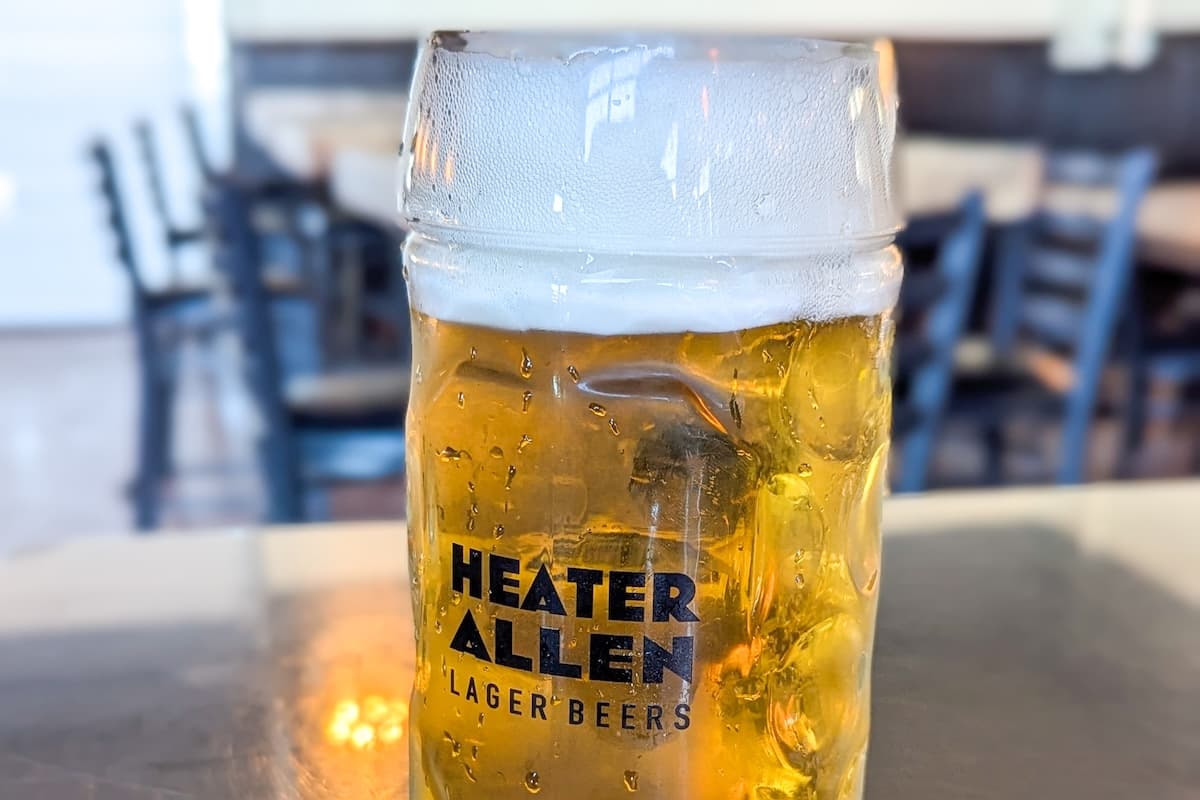
Lisa Allen, co-owner and brewer at Heater Allen and Gold Dot Beer in McMinnville, Oregon, shares this recipe for a pils designed to show off a nontraditional German aroma-hop variety.
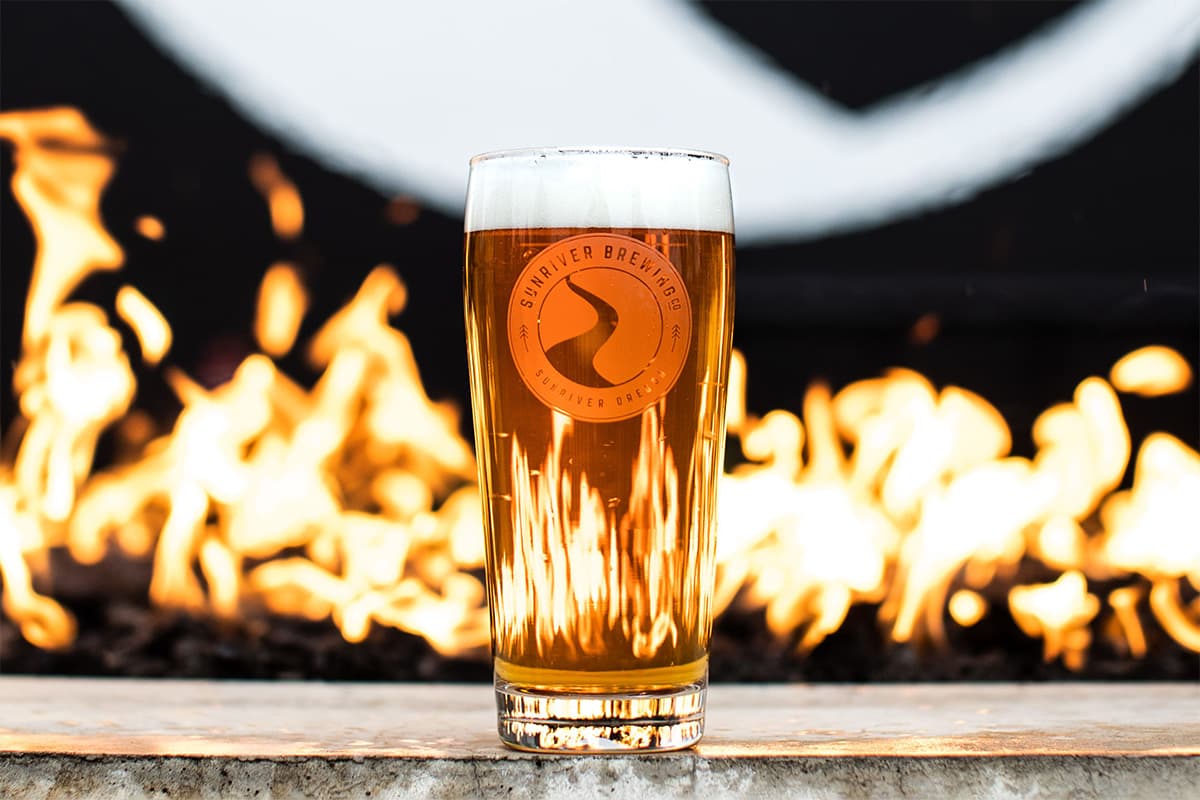
With a burst of Lórien hops in the whirlpool and more in the dry hop, the team at Sunriver Brewing in Sunriver, Oregon, describes this hop-forward pilsner as “distinctly crisp, with elegant hoppy notes of wildflowers, lemongrass, and black tea.”
As today’s brewers explore the subtleties of hop-forward lagers, they’re finding ways to balance proper fermentation time with the brightest possible hop expression.
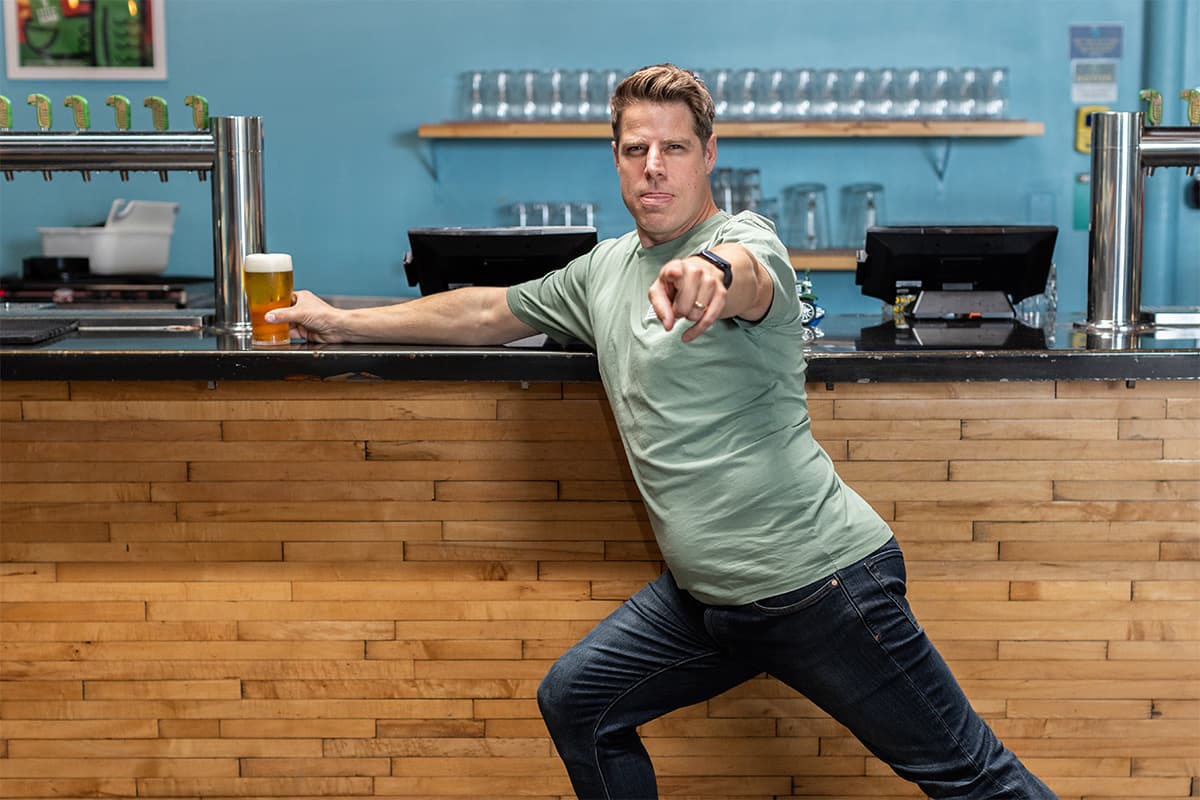
Evan Price, cofounder and head brewer of Green Cheek in Orange, California, lays out the thinking and process behind their bright, bitter, and highly drinkable West Coast pils, IPA, and double IPA.
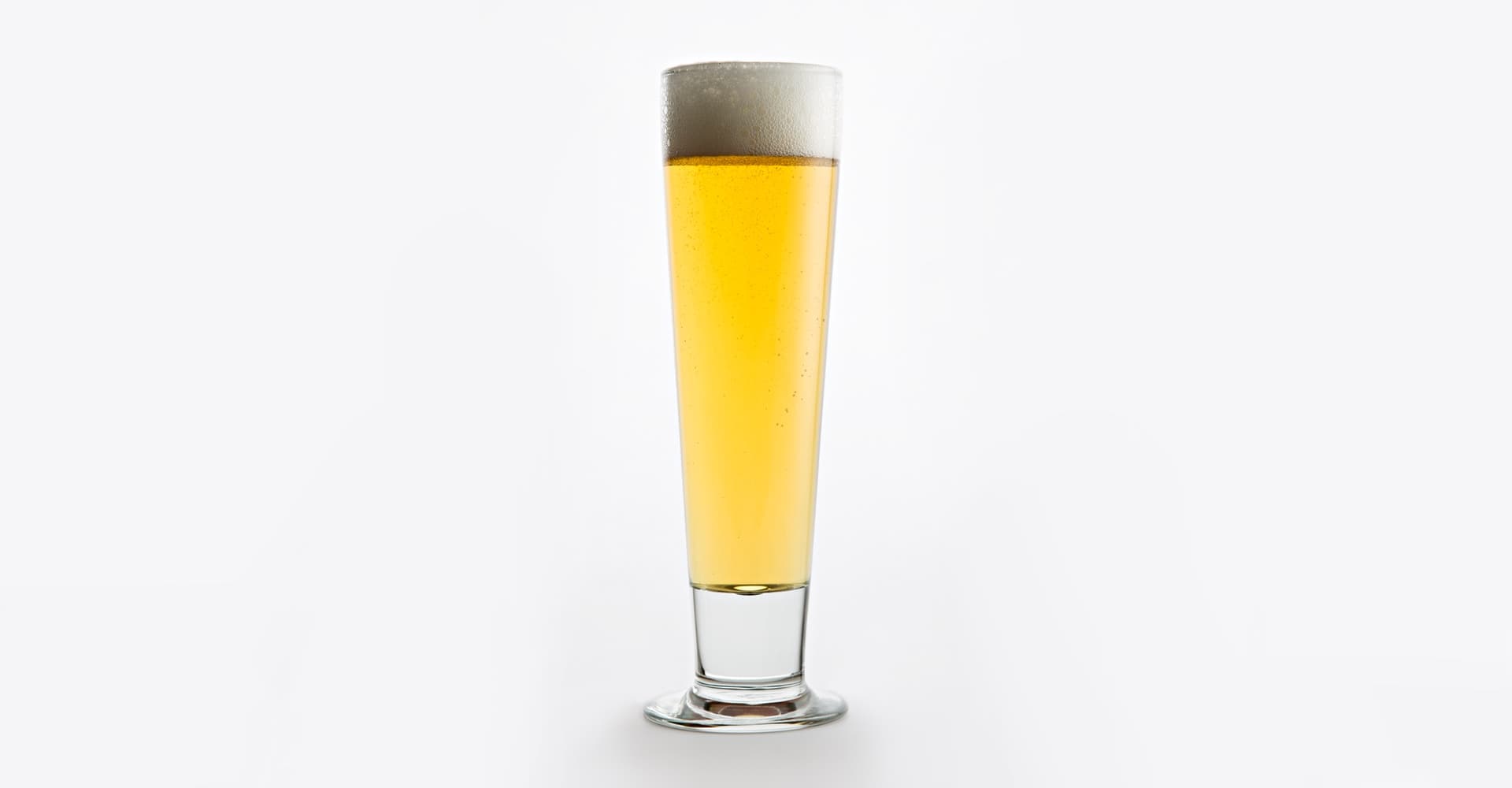
Jono Gaytan, head brewer at Flix Brewhouse in El Paso, Texas, says this easygoing pale lager that features Idaho 7 is “meant to be enjoyed during college football games or mowing the lawn.” (Or, no doubt, during a movie at Flix.)
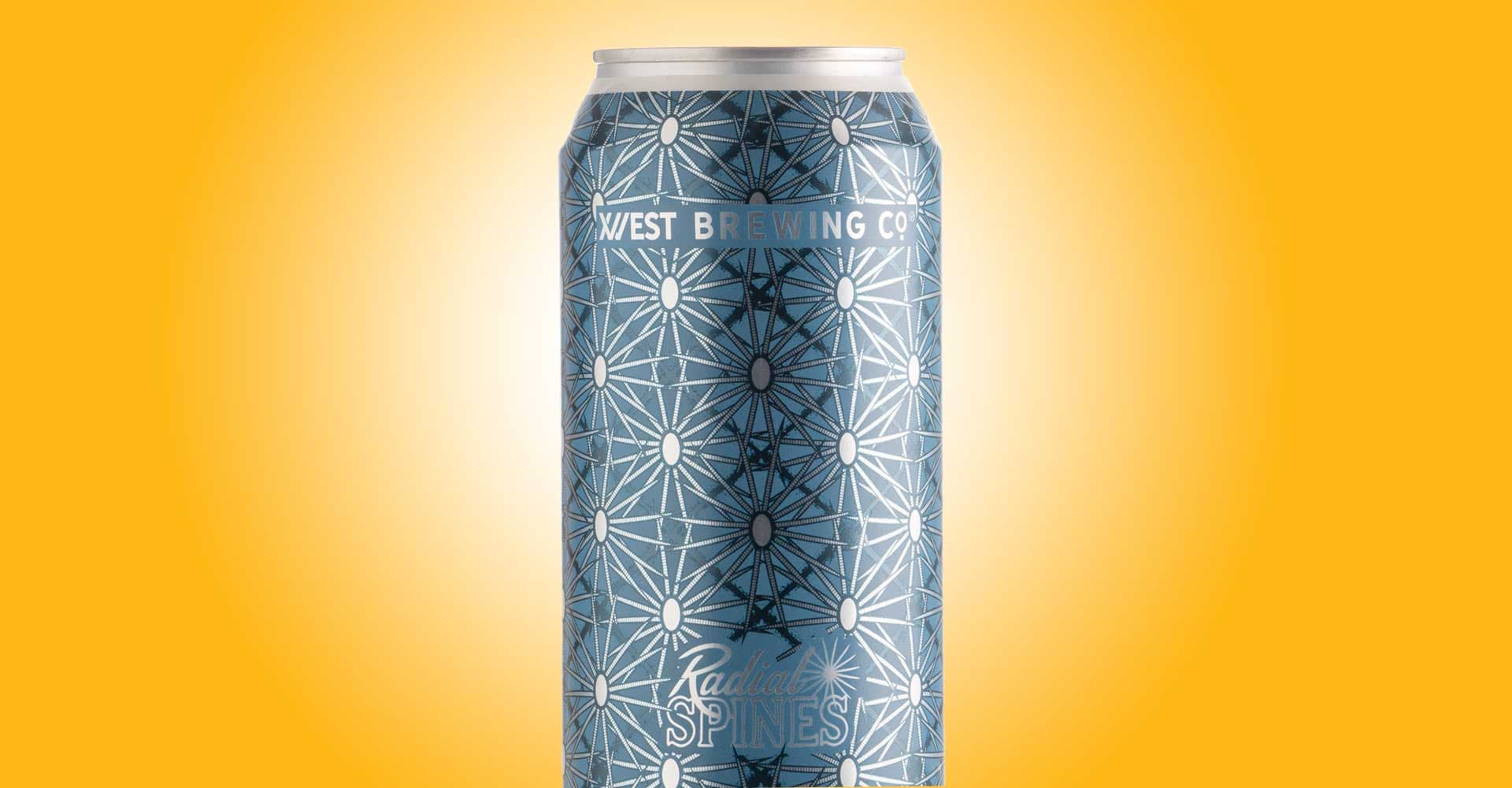
From 12 West Brewing in Gilbert, Arizona, here’s a recipe for their Citra-Mosaic lager that scored a 98 with our blind-review panel and went on to become one of our Best 20 Beers in 2023.
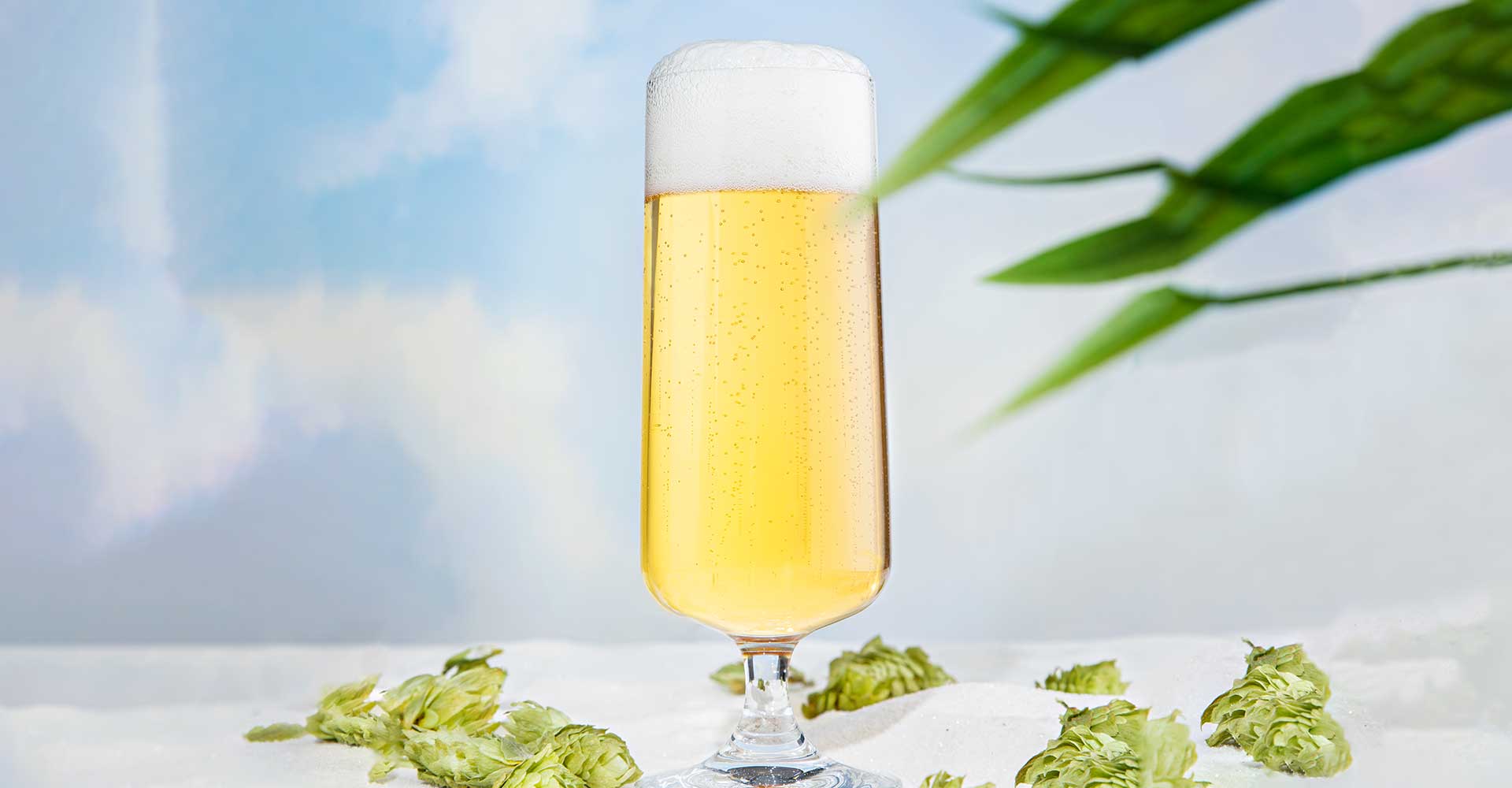
Hop-forward lagers are nothing new, but a new thread is emerging that more intentionally marries the great drinkability of a pilsner with the expressive hopping of a West Coast IPA. Could it be the best of both worlds?
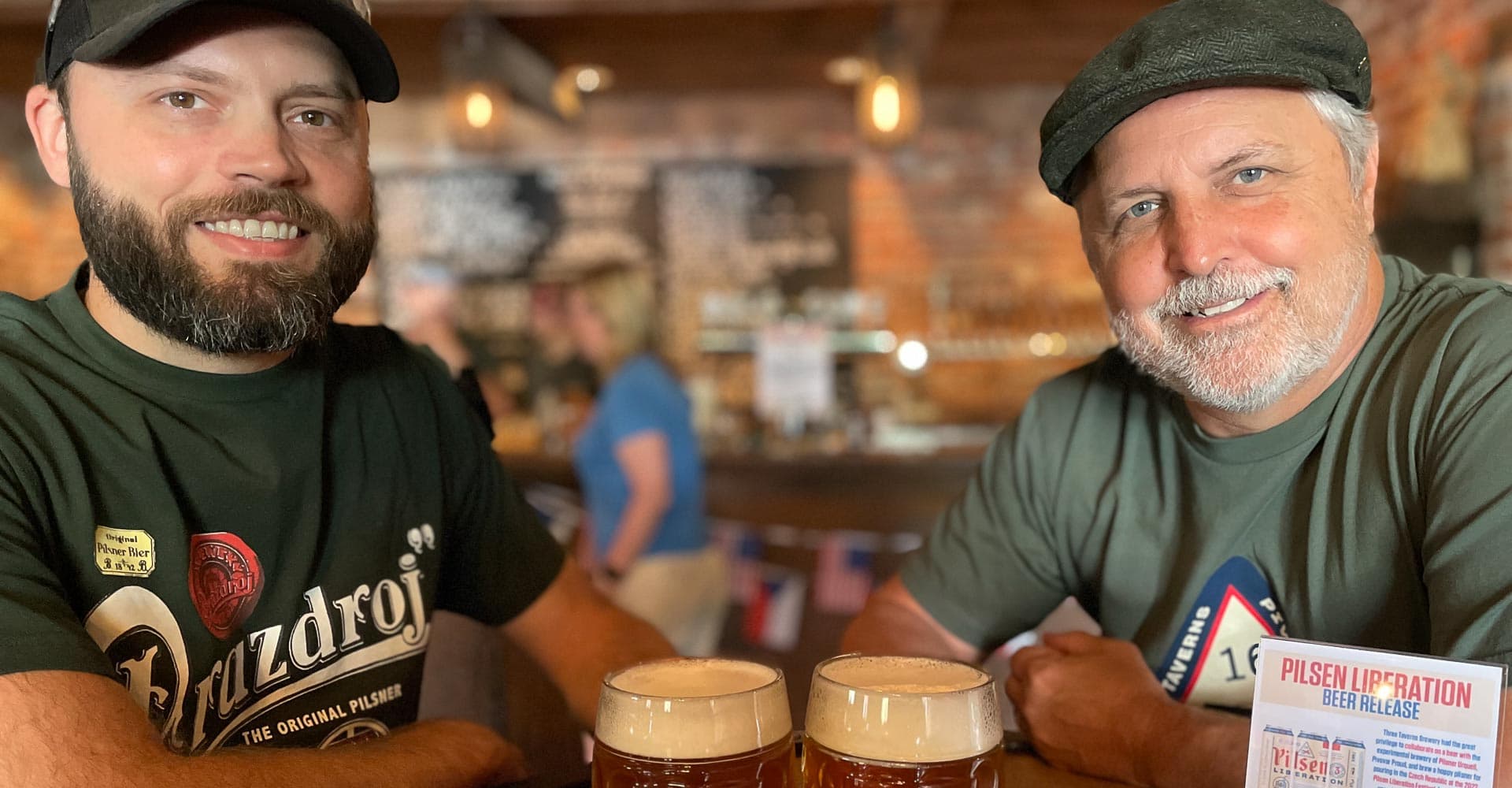
While Atlanta’s Three Taverns started as a brewery focused on Belgian styles, they’ve taken that same fearless approach to ingredients and processes, along with a determination to make balanced and drinkable beers, and they’ve applied those principles to everything from new-school pils to hazy IPA.
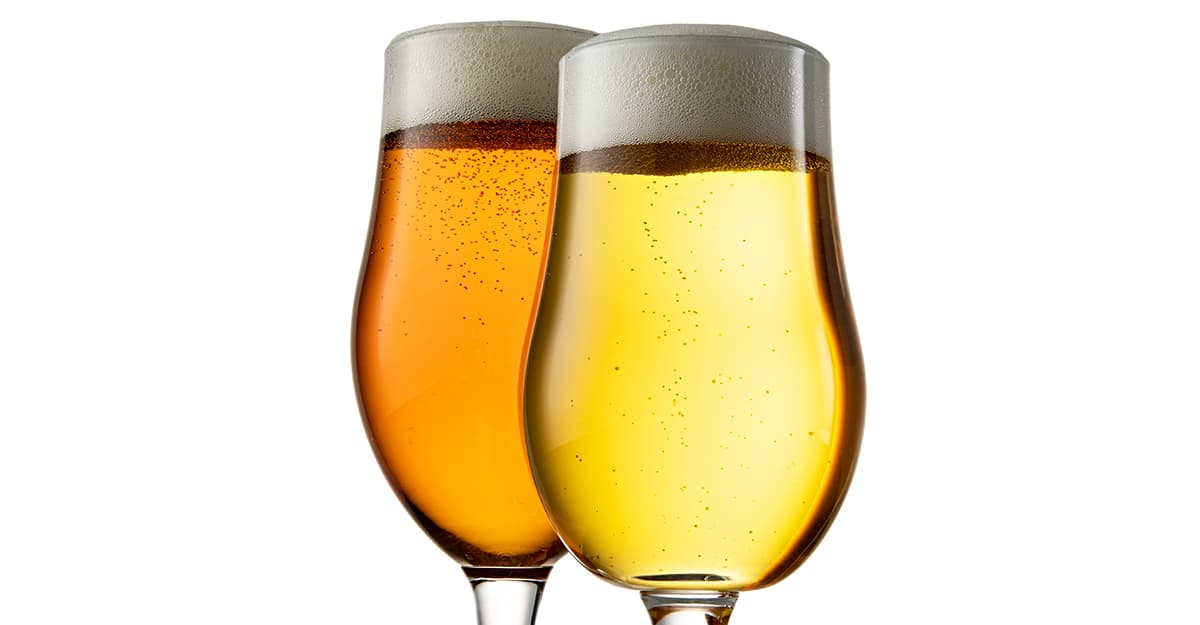
An American beer scene still dominated by IPA is enjoying a renaissance of small-scale lager brewing—the ground is fertile for combining the best of both. We don’t care what you call it—IPL, cold IPA, hoppy pilsner, whatever—as long as we get to drink it.