Recipe: Heater Allen Callista Pils
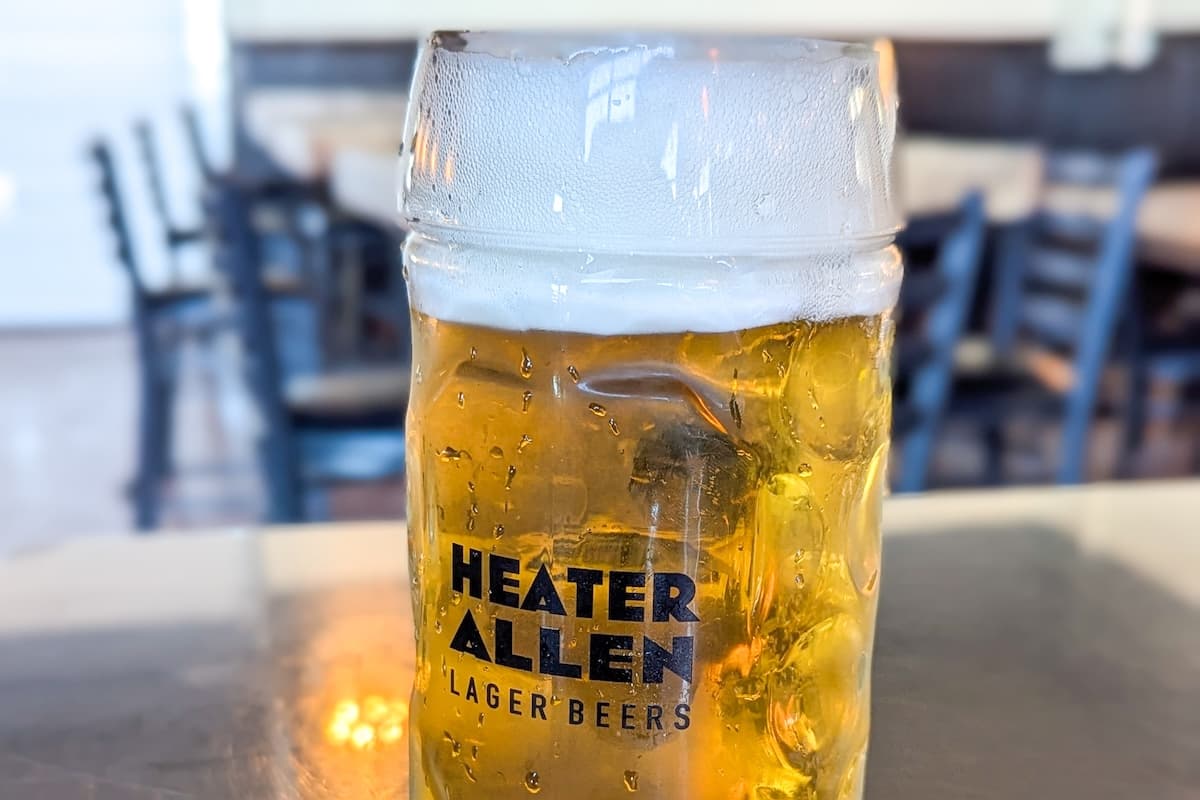
SUBSCRIBERLisa Allen, co-owner and brewer at Heater Allen and Gold Dot Beer in McMinnville, Oregon, shares this recipe for a pils designed to show off a nontraditional German aroma-hop variety.
29 articles in this category

Lisa Allen, co-owner and brewer at Heater Allen and Gold Dot Beer in McMinnville, Oregon, shares this recipe for a pils designed to show off a nontraditional German aroma-hop variety.

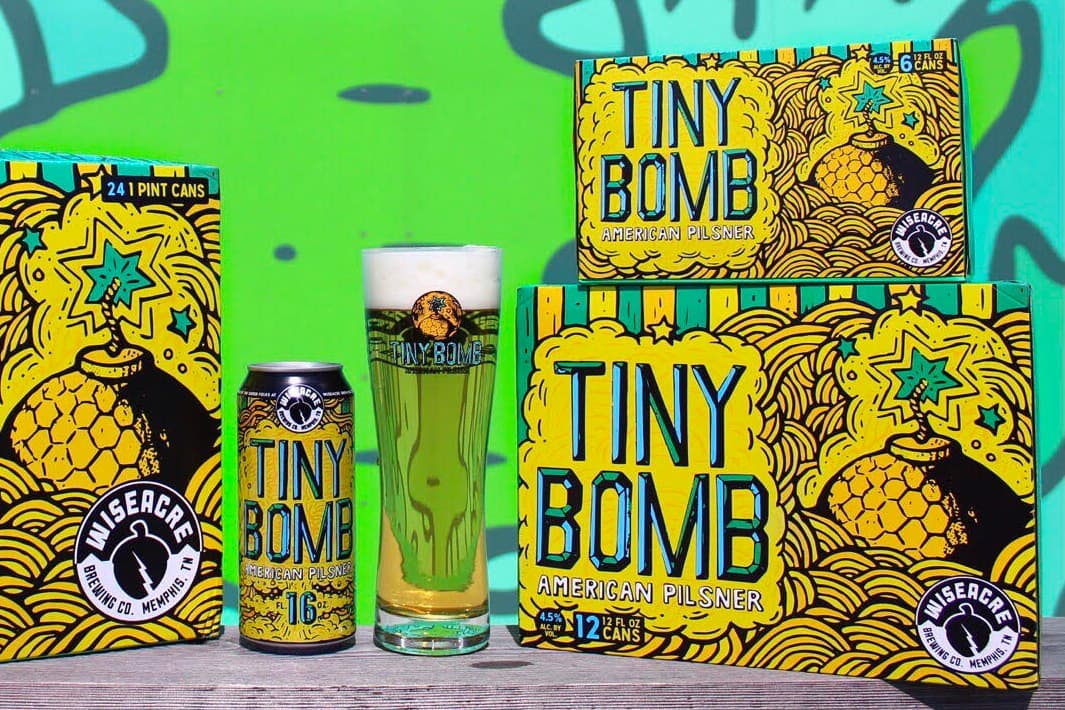
The flagship beer from Wiseacre in Memphis, Tennessee, Tiny Bomb is a svelte, session-strength American lager with the full flavor of a German pilsner.

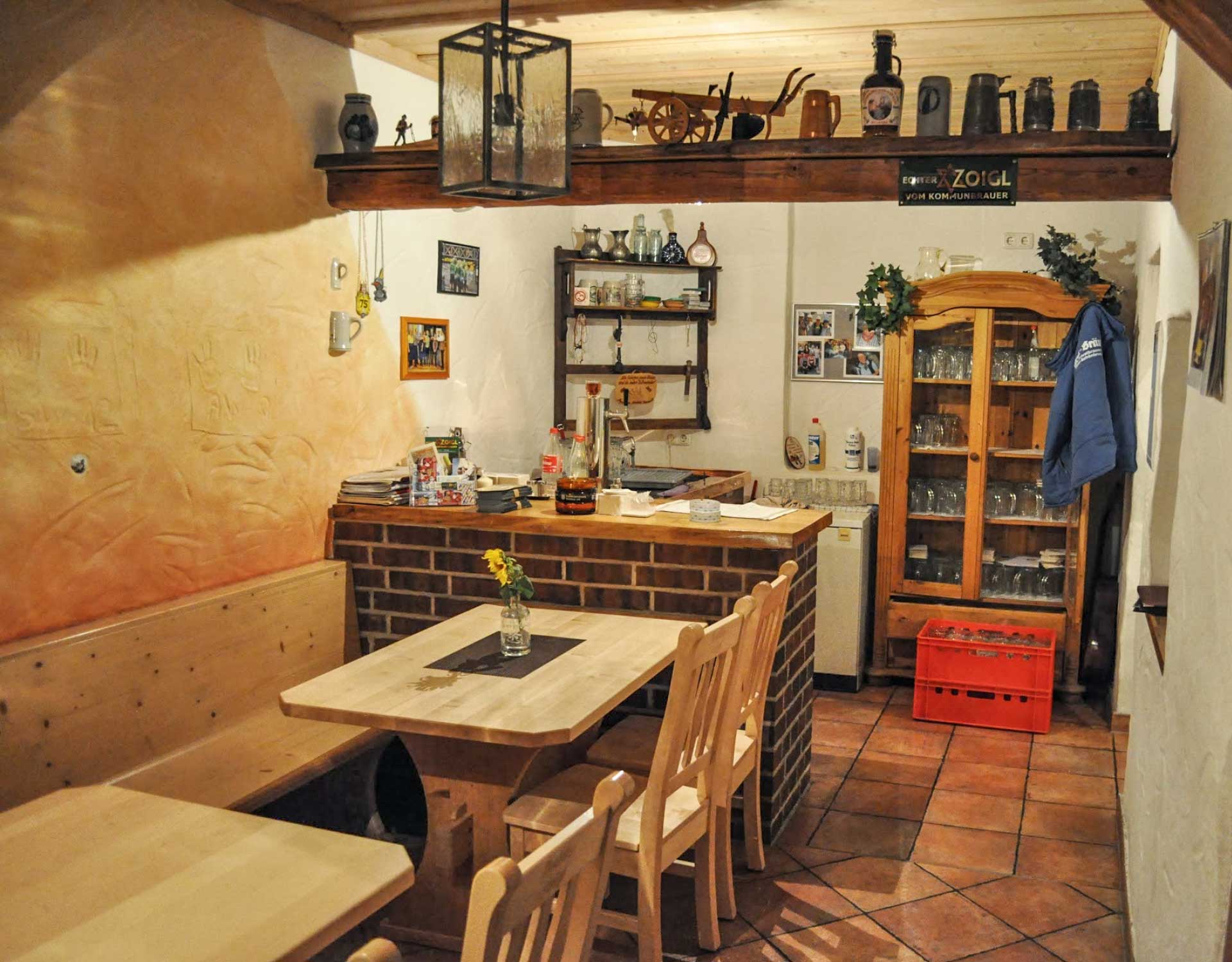
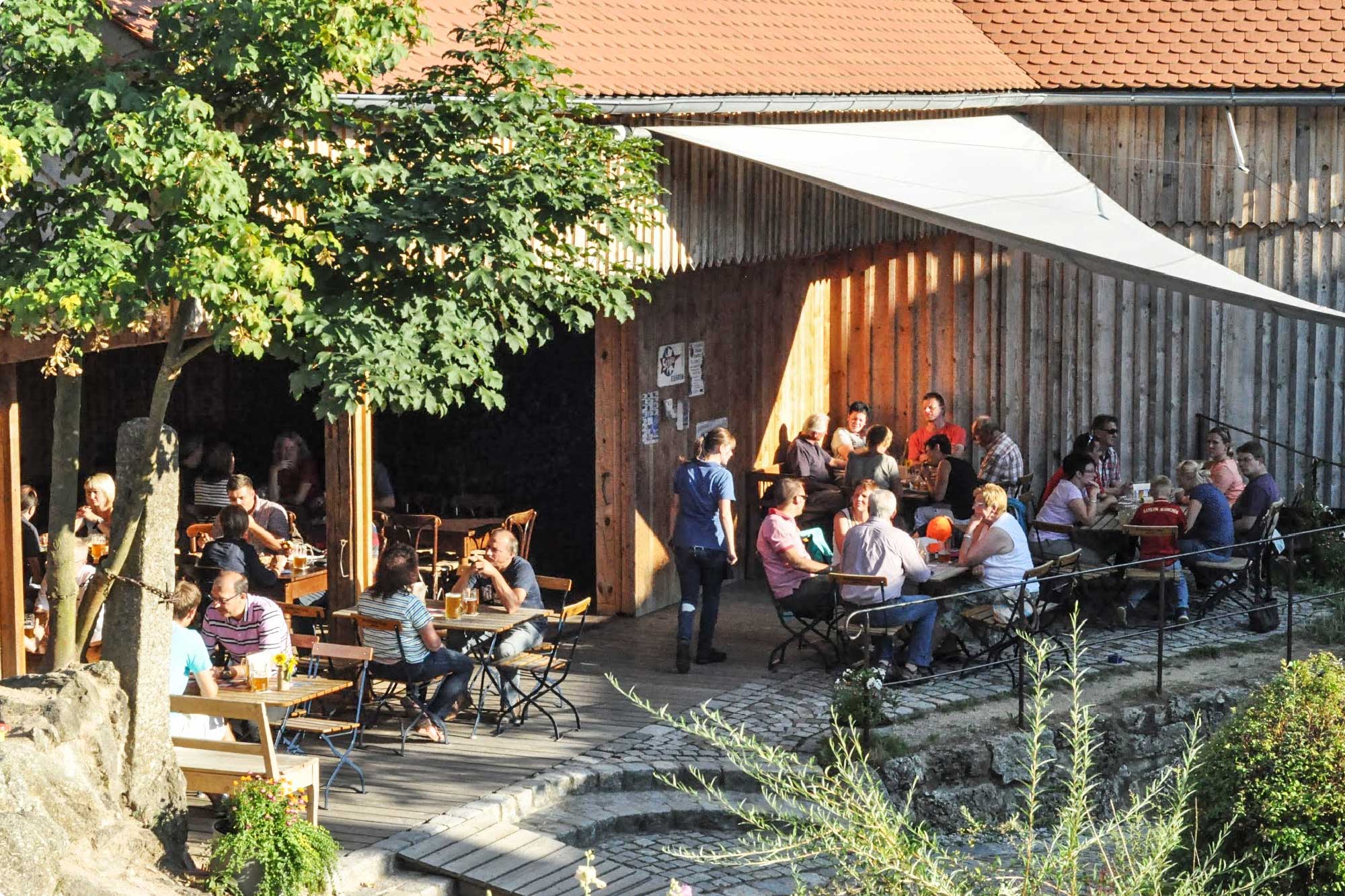
You can’t capture the essence of zoigl by brewing the beer. Franz D. Hofer, longtime zoigl enthusiast and author of the Tempest in a Tankard blog, shares insights into what makes the family-run zoiglstuben so special.

From shared breweries to shared tables, the zoigl tradition of northeast Bavaria is unlike anything else in modern brewing or hospitality.

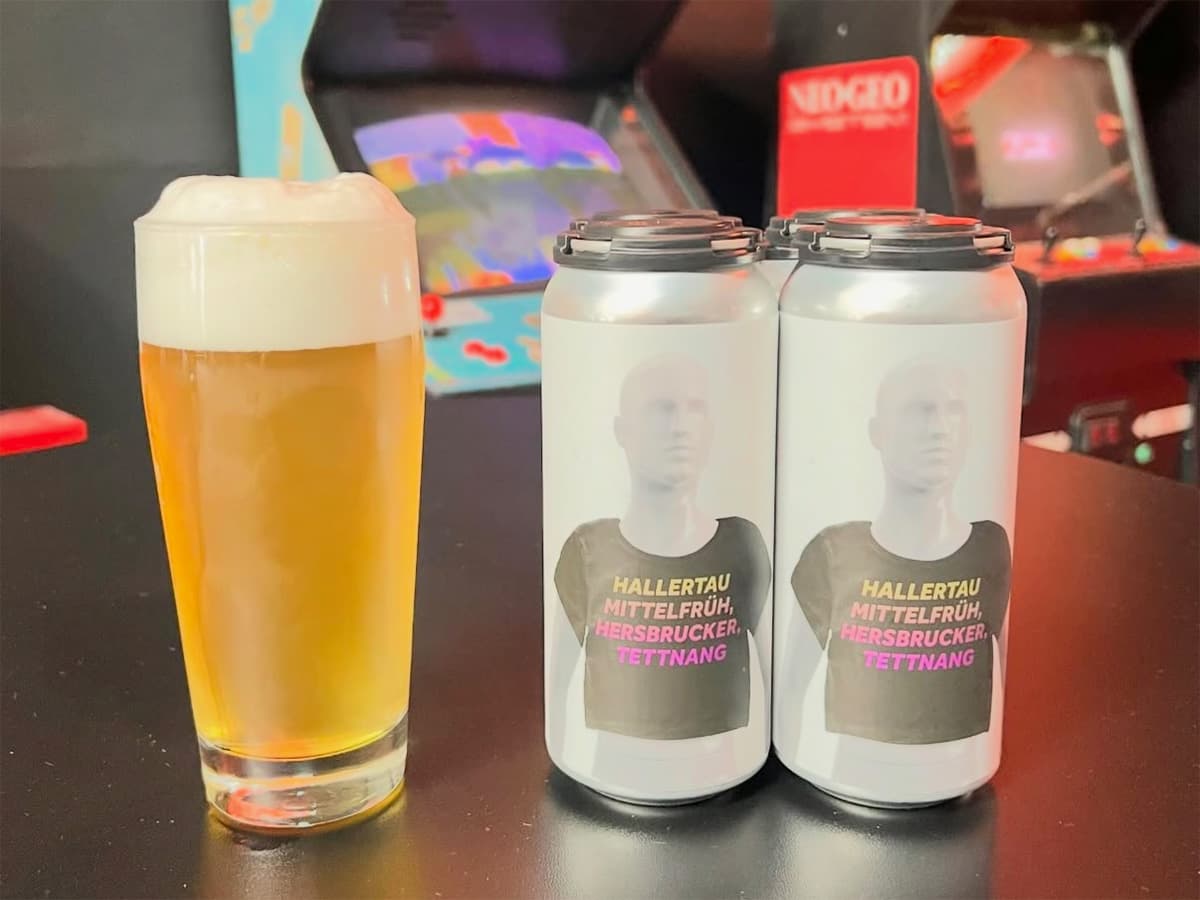
From Seattle’s Fast Fashion, here’s a recipe for the German-style pilsner that we named one of our Best 20 Beers in 2025.

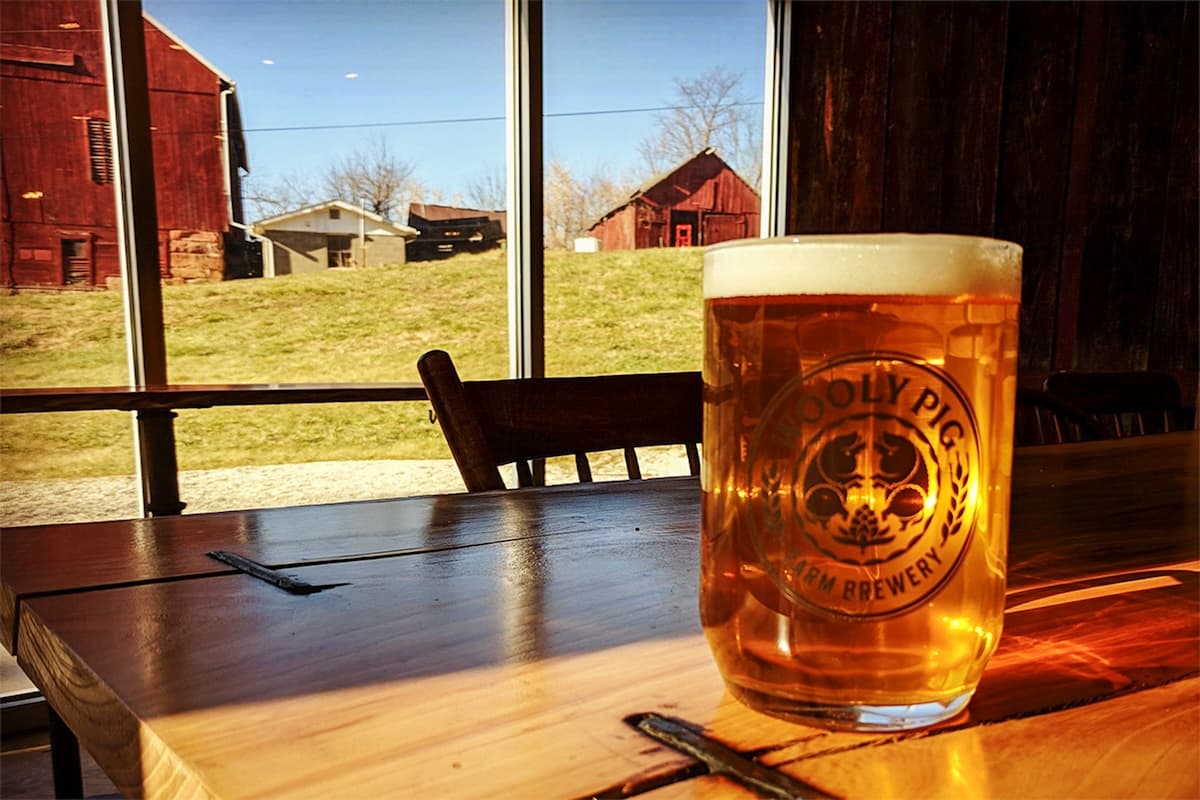
Kevin Ely, brewer and cofounder of the Wooly Pig Farm Brewery in Fresno, Ohio, shares this recipe for his unfiltered German-style pilsner—light, fresh, floral, and subtly malty, with a moderate bitterness. Plus: See the notes for why he prefers an unusually thin mash for this beer.

Kevin Templin, cofounder and head brewer at Templin Family in Salt Lake City, shares this recipe for their GABF medal-winner that also became one of our Best 20 Beers in 2023.

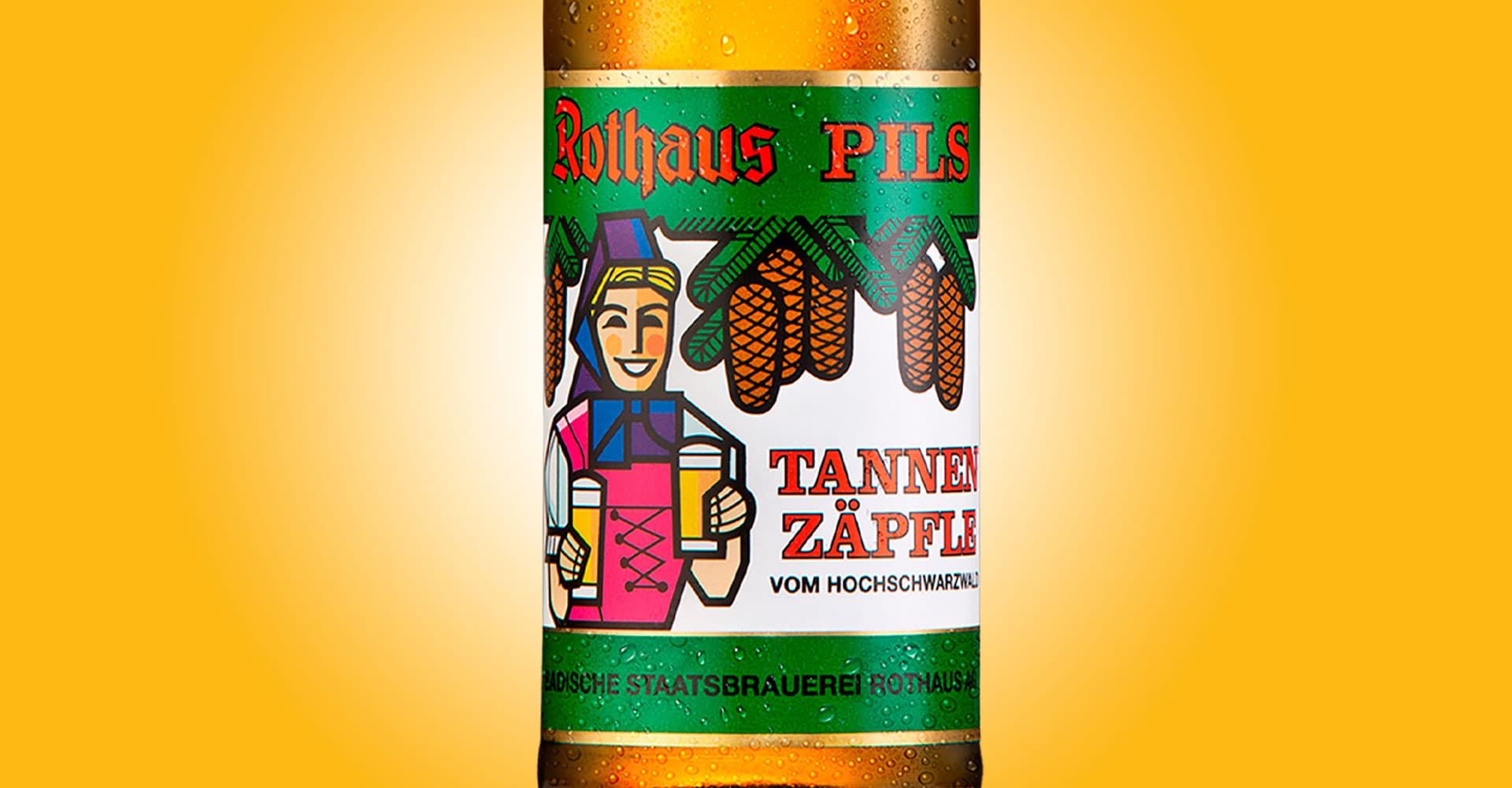
Based on conversations with Rothaus head brewer and production manager Mario Allendoerfer, here is a homebrew-scale recipe inspired by the modern classic German pilsner from the Black Forest.

With its loyal following in Germany and cult status elsewhere, what is it about Rothaus Tannenzäpfle that resonates with so many connoisseurs as well as casual lager drinkers? We went there to find out.

Crisp, dry, herbal-bitter, and clean, this is a lager you’ll want to have on tap all year long—but especially as the weather starts to warm.

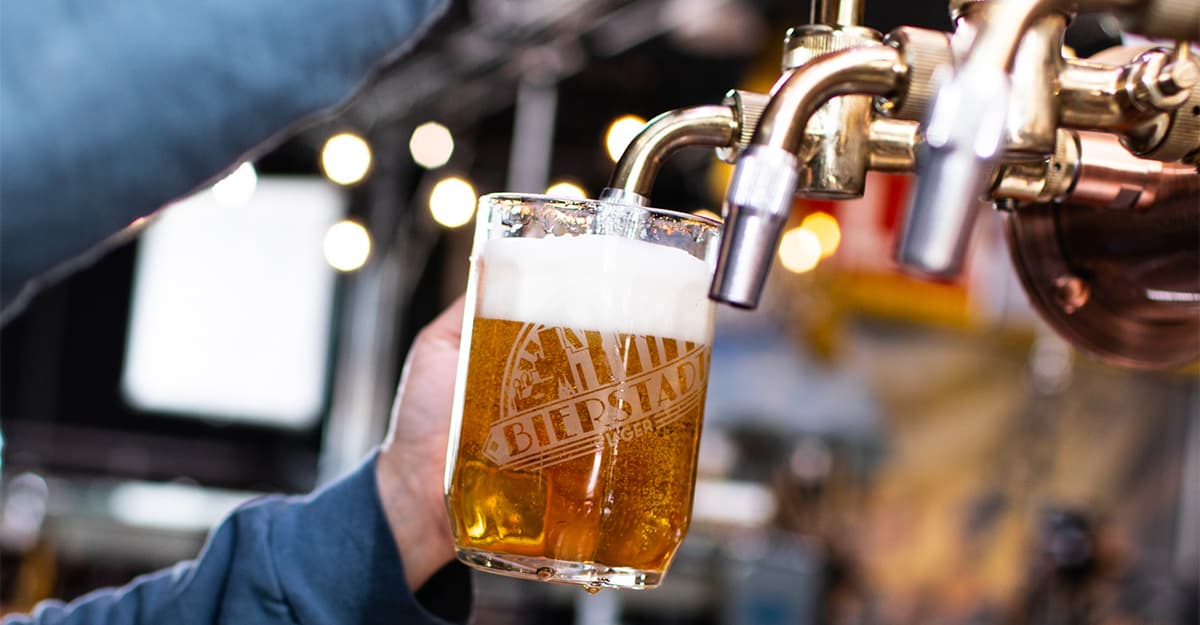
In this clip from their video course, Bierstadt cofounder Bill Eye explains the when and why of their “conservative” approach to hop additions in their pale lagers, aiming for fine bitterness while avoiding grassy flavors.

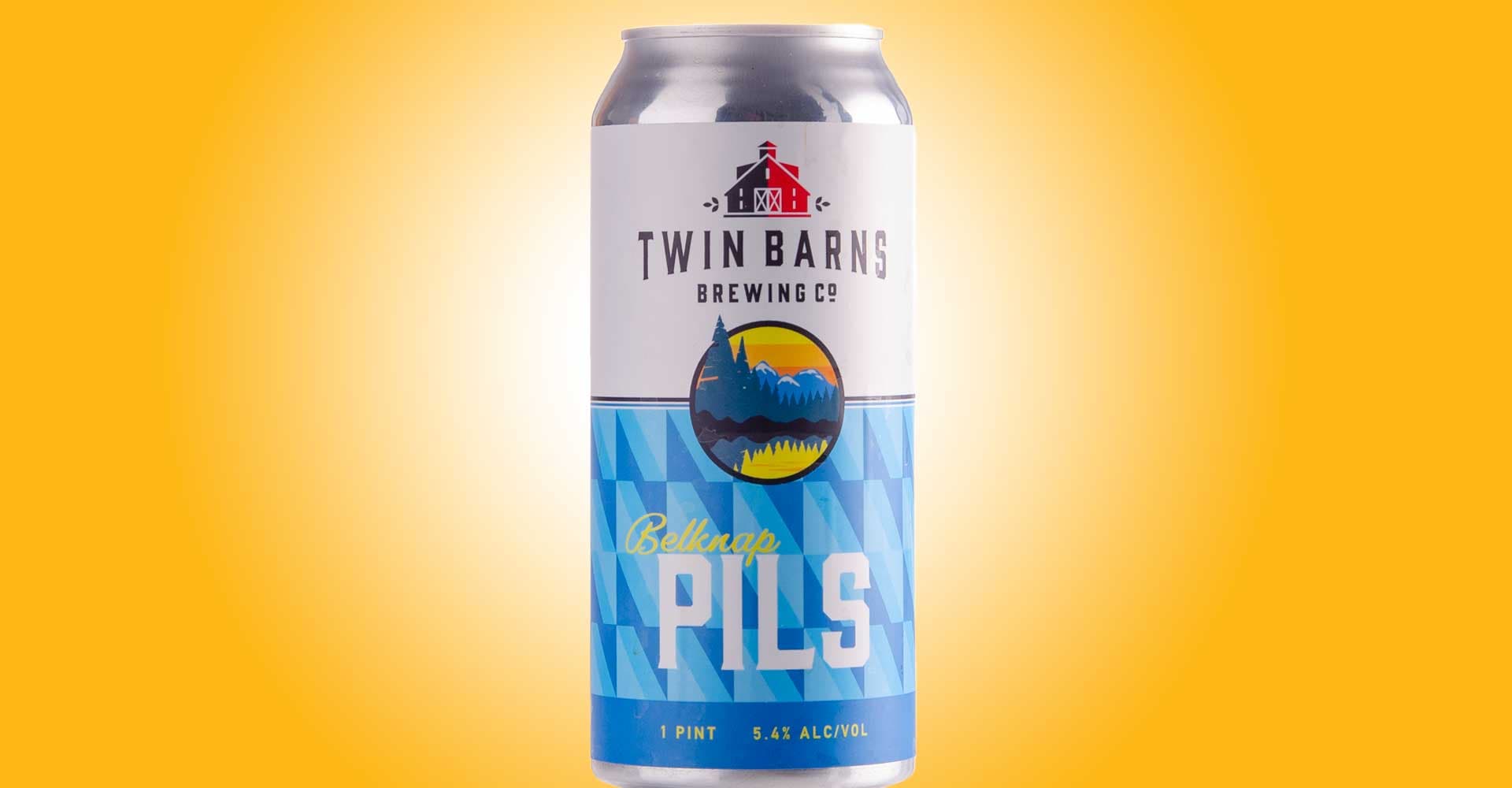
This pilsner from Twin Barns Brewing in Meredith, New Hampshire, near the shores of Lake Winnipesaukee, thrilled our blind judging panel and became one of our Best 20 Beers in 2022.

“I could buy conventional grain and save some thousands of bucks per year, but then I don’t have anything to tell,” Jan Kemker says. “I don’t know if we need to call it terroir. It’s liquid storytelling, I think.”

For Chris Lohring, founder of Notch Brewing in Massachusetts, there is real beauty to be found in beers that follow known traditions while offering character that makes them uniquely loveable.

The idea is simple: an IPA that relies on German ingredients—especially the country’s distinctive aroma hops. Does it exist? Yes. Is it rare? Also, yes. Josh Weikert digs into the German and U.S. beer scenes to find out why—and to get the blueprints.

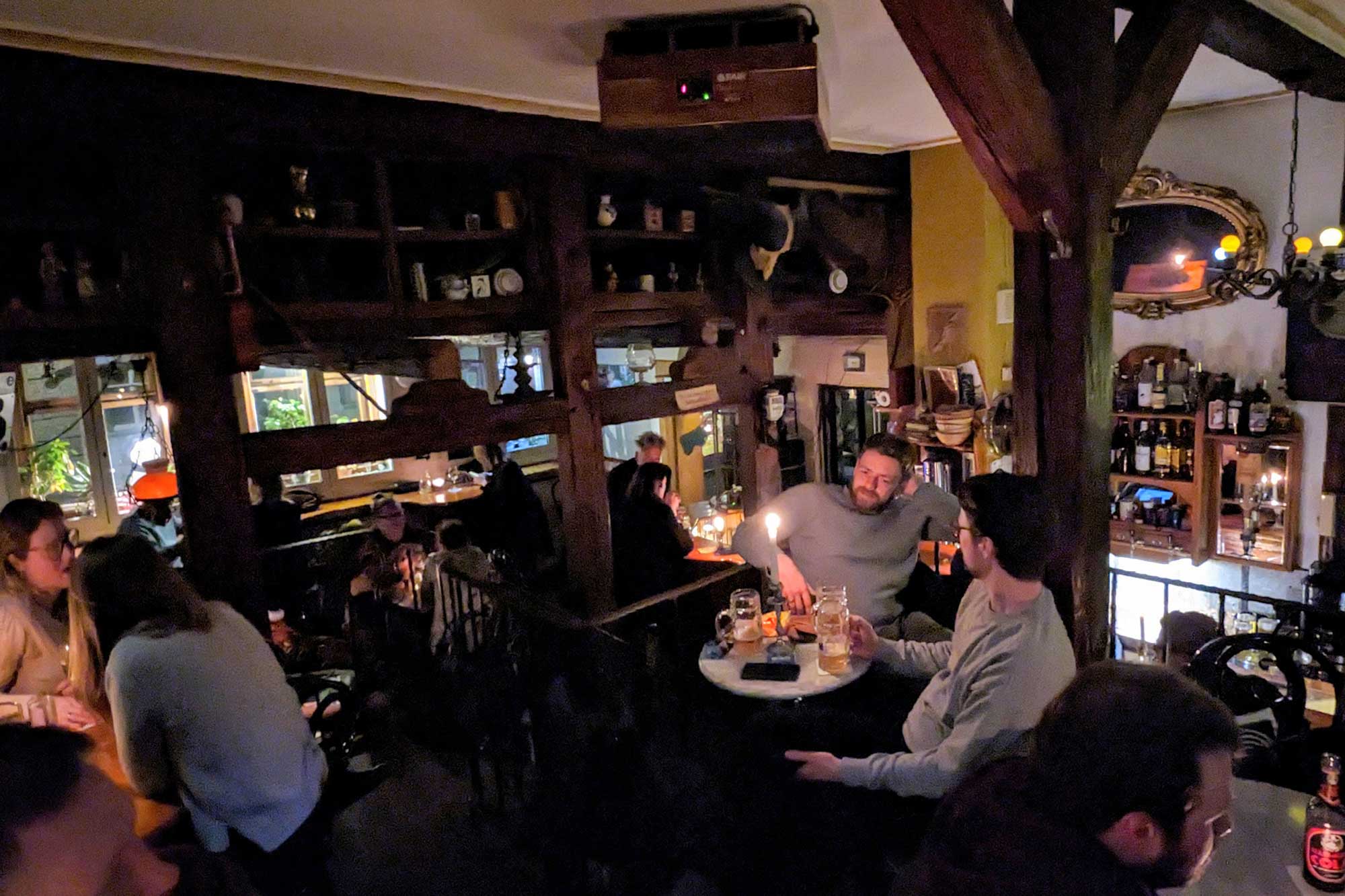
Tired of IPAs? This atypical Portland pub—featured in our Love Handles department for beer bars we love—embraces imported German beers, bratwurst, and crusty Bavarian-style pretzels.

This elegant but cozy neighborhood bar's star-studded beer selection has made it a destination for European geeks and wayfarers.

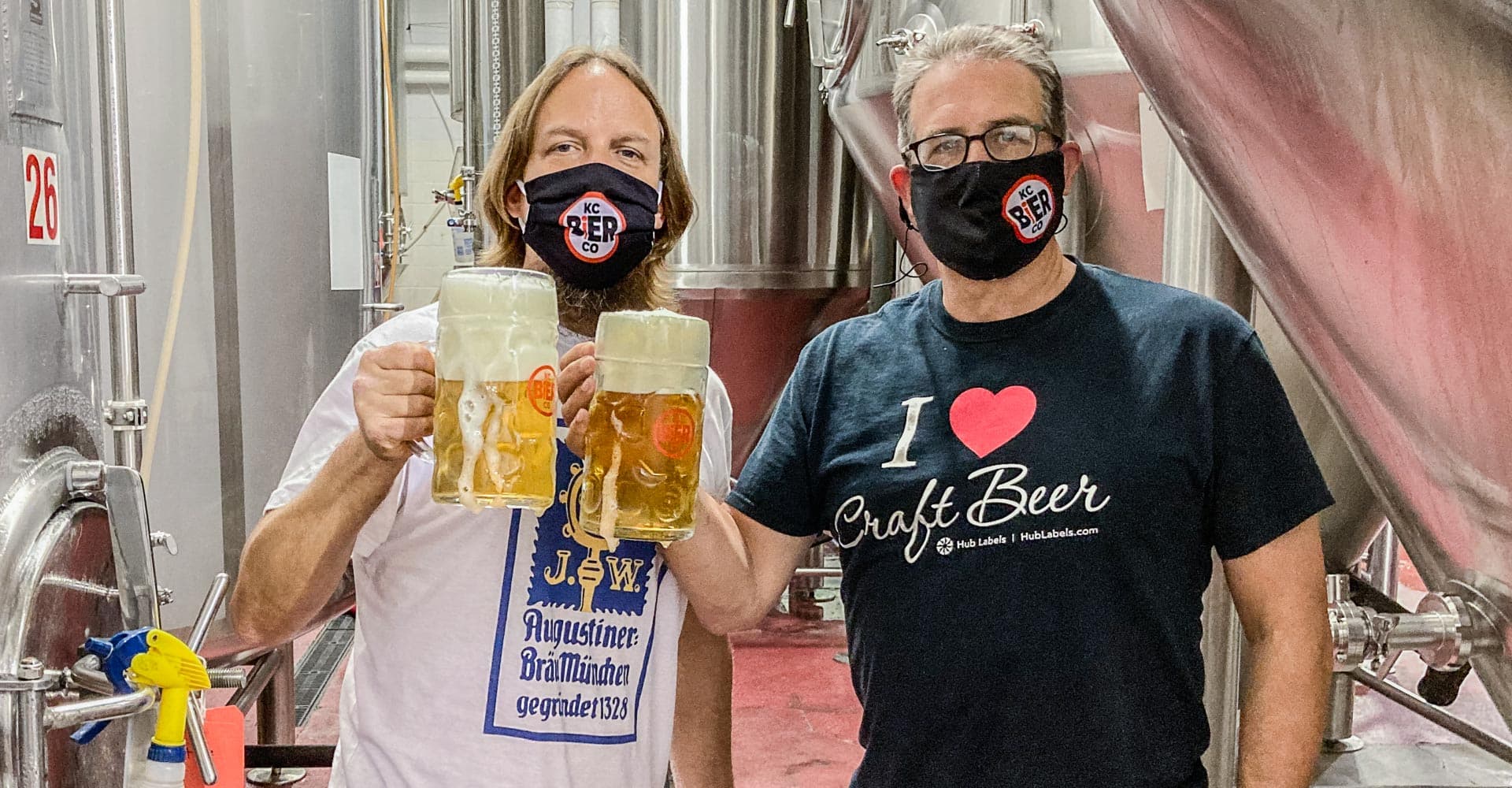
Steve Holle, founder and managing partner of the KC Bier Company in Kansas City, Missouri, describes their deliberate, details-oriented approach to brewing traditional German-style lagers.

“We think pilsners can be as different from each other as the four or five IPAs we have on tap,” says Kurt Smith, cofounder and head brewer at Smith & Lentz Brewing in Nashville, Tennessee.

Sticking stubbornly to classical German ingredients and methods—from decoction to spunding—the brewers at KC Bier are growing their business on full-flavored, bang-on lagers and weissbier.