Dedication & the Gear of Decoction
It doesn’t take a bespoke lager brewery to bring the subtle complexities of decoction to craft lager—but it does take some ingenuity.
24 articles in this category

It doesn’t take a bespoke lager brewery to bring the subtle complexities of decoction to craft lager—but it does take some ingenuity.

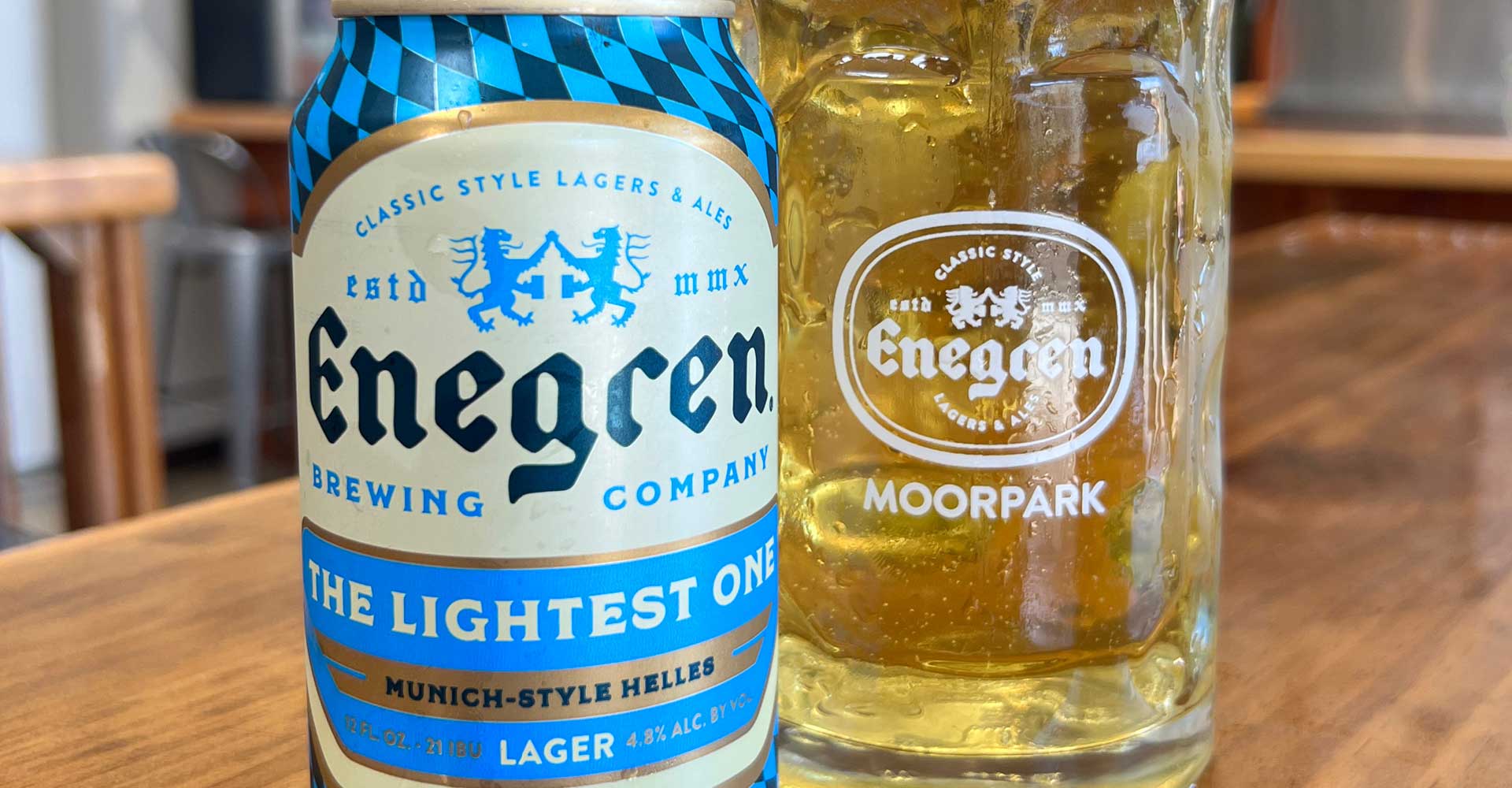
At Enegren in Moorpark, California, the team’s favorite beer is the (Lightest) one they keep working to perfect—and if you don’t want to order a second liter, they’ve done something wrong.

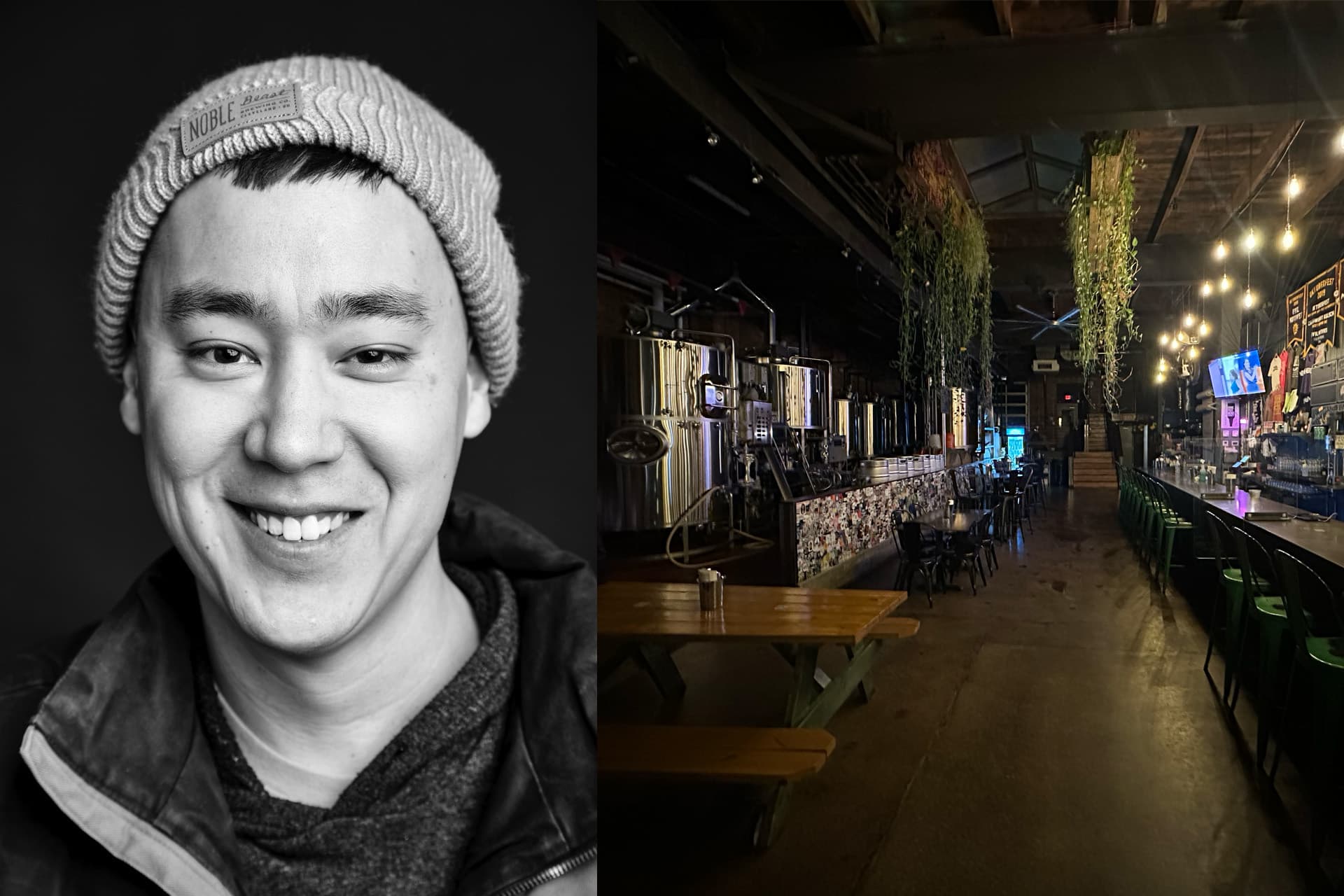
This Cleveland brewery takes an intentionally small and sustainable approach to making creatively fulfilling beers, and it all starts with the flexibility of their 10-barrel brewhouse.

What’s old is new again for Chicago’s Dovetail—direct-fire decoction, open fermentation, and coolshipping hoppy lager with whole-cone hops are just a few of the ways this classically focused brewery finds ways to build character in their lagers.

Whether you want to brew a more convincing Czech-style lager, or you simply want to borrow a few tricks to shape the kind of beer that seems impossible to stop drinking, here are some elements to consider.

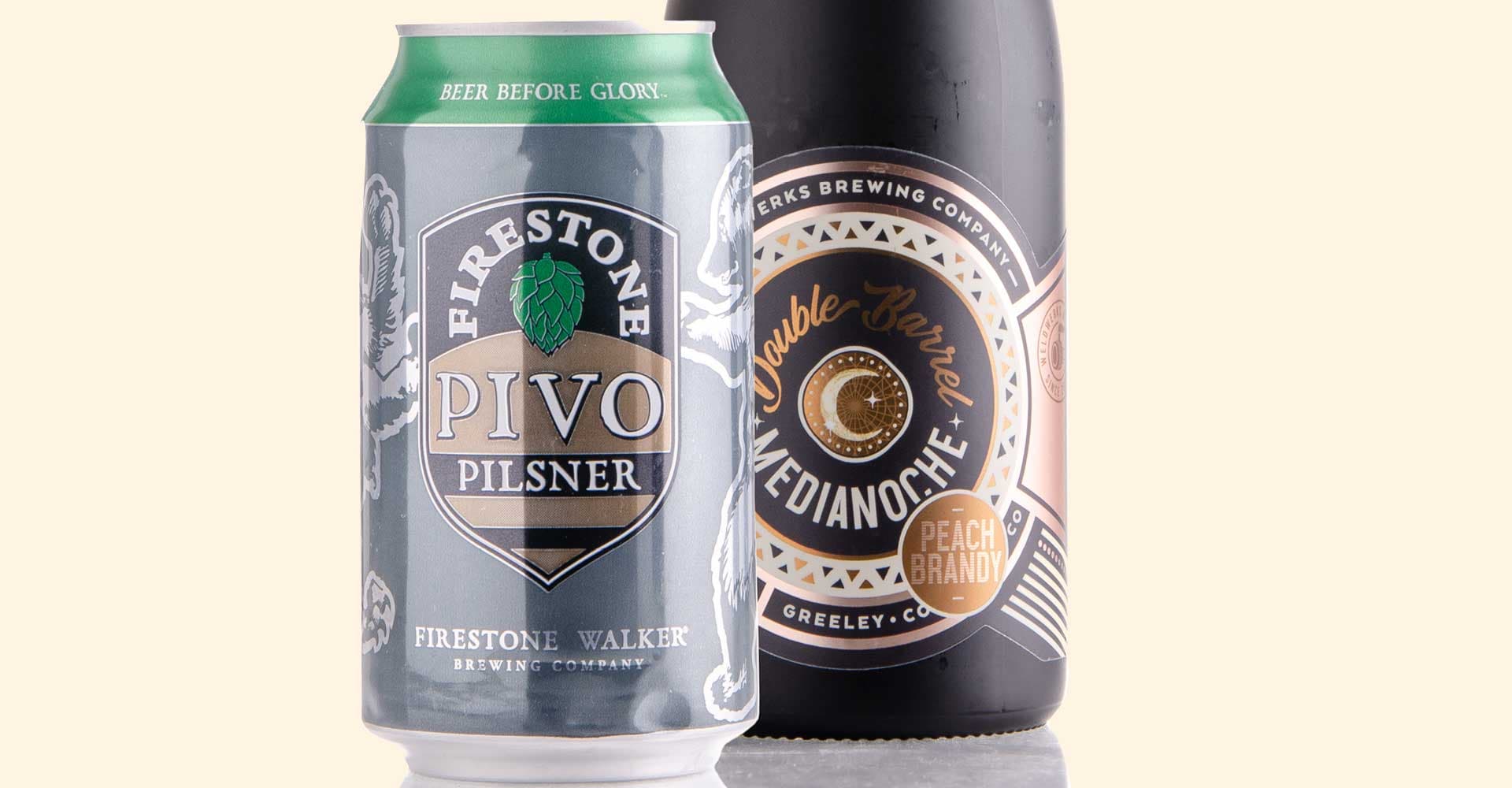
In these excerpts from our special Direct Fire podcast episodes, Firestone Walker brewmaster Matt Brynildson and WeldWerks cofounder and head brewer Neil Fisher tackle your questions about lager-mashing regimes and which adjuncts can pump up the mouthfeel of stouts.

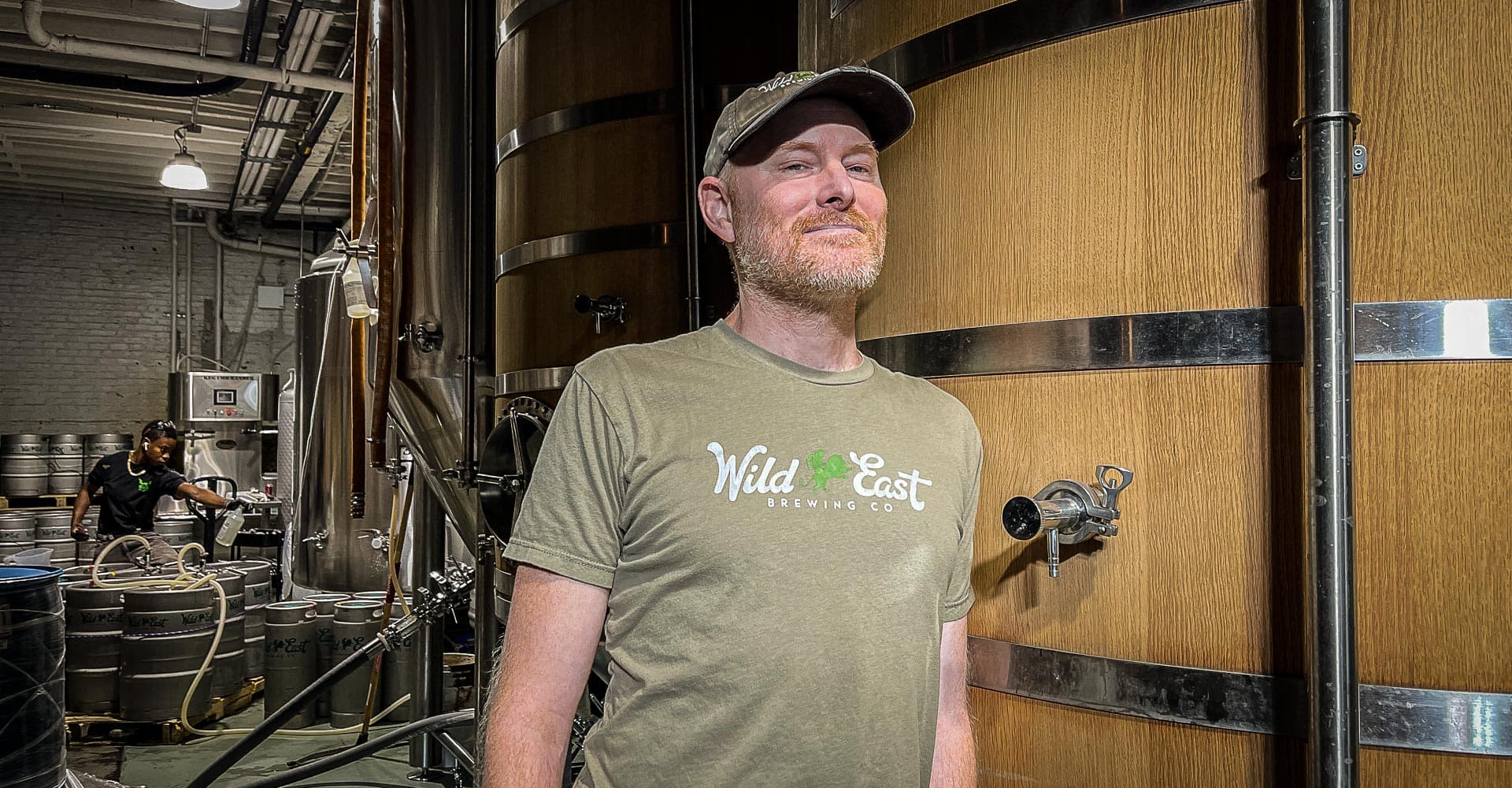
Opening at the start of the pandemic took Wild East in a different direction than they’d originally planned. Yet focusing on decocted Czech-style lagers and accessible mixed-fermentation beers—along with West coast–style IPA—has earned them loyal fans.

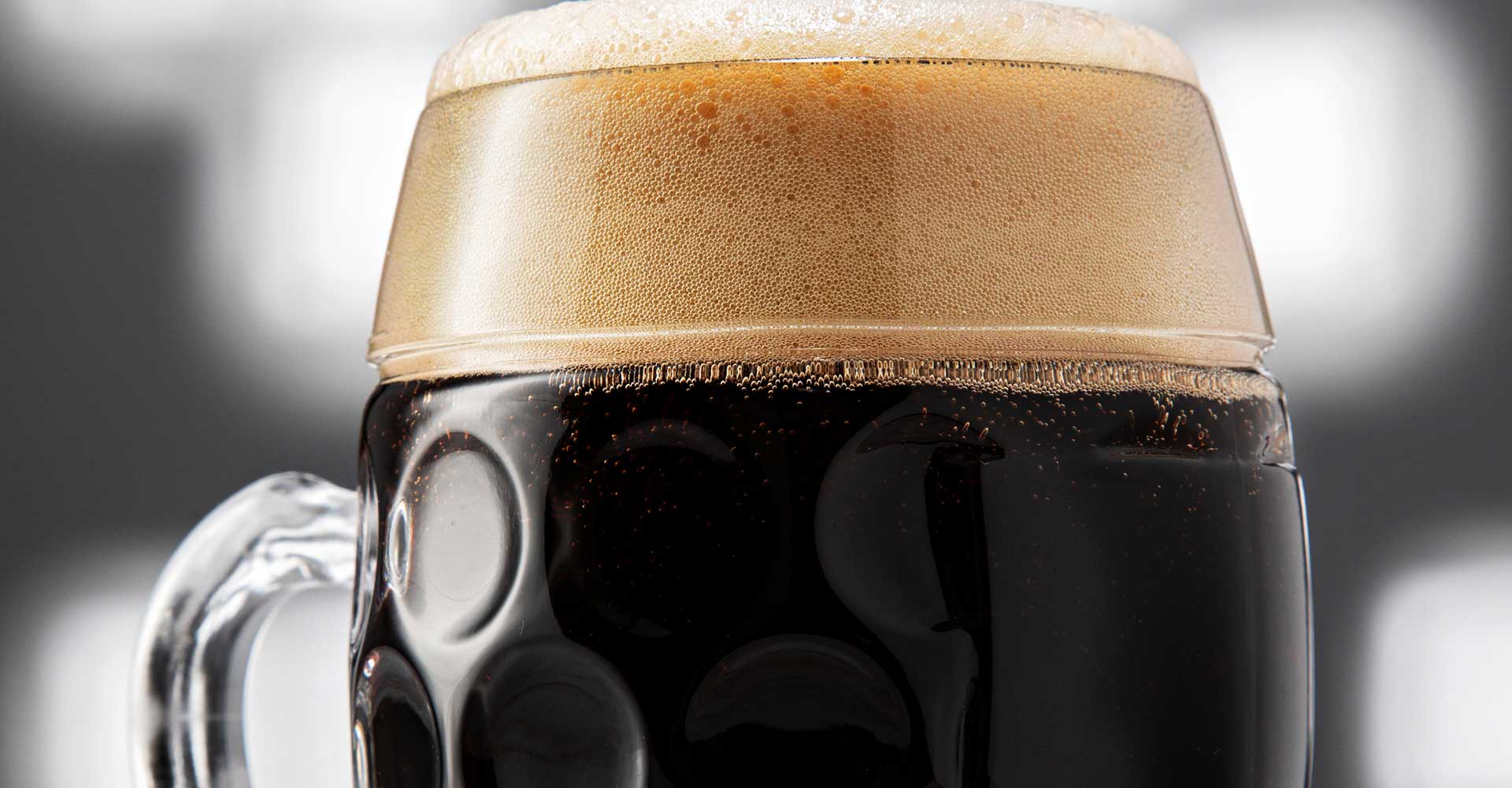
Beautiful in the mug, rich on the palate, yet—when properly brewed—so easy to drink in quantity, Czech dark lager is a niche even in its home country. Writing from Prague, Evan Rail talks to the pros to understand the elements and methods that go into a great one.

Why bother with decoction? In this clip, Hagen Dost of Dovetail in Chicago explains the mash process for their Franconian-inspired Lager—as well as how to adjust a decoction regime to get the Maillard reactions and intensity of malt flavor you want in your own lagers.

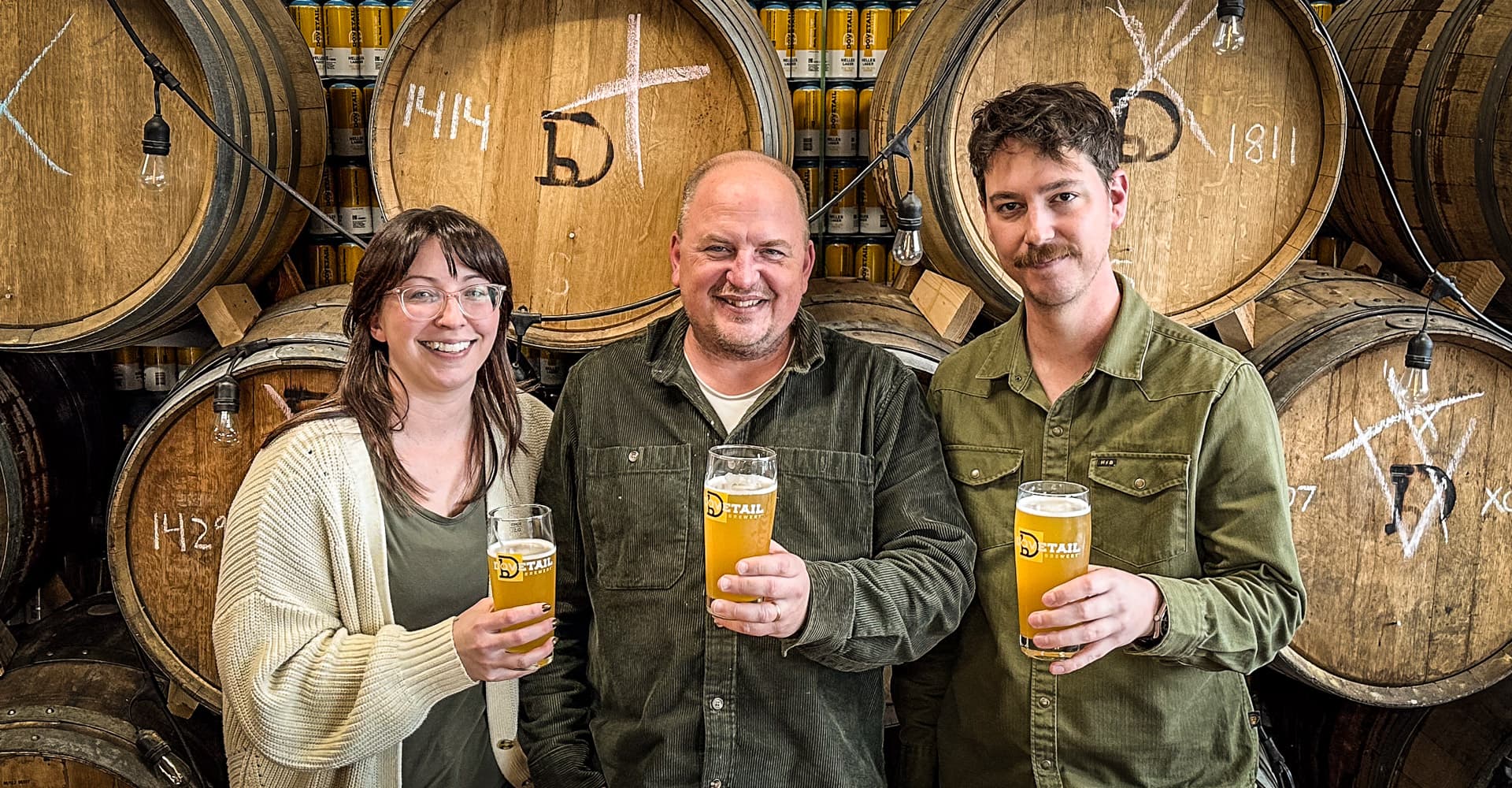
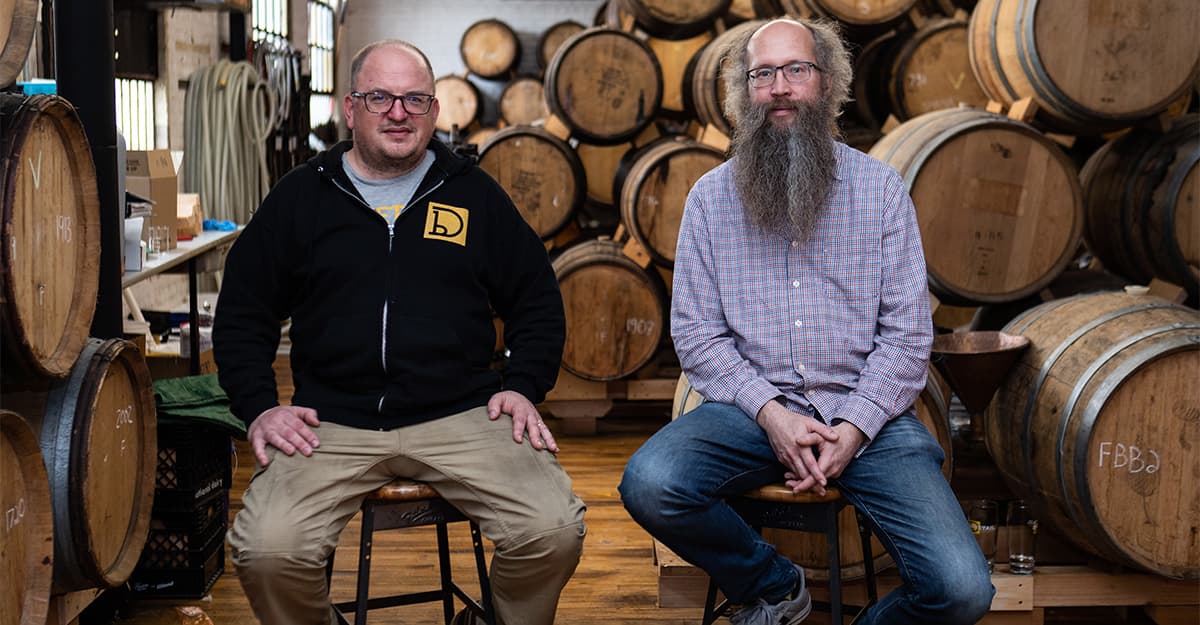
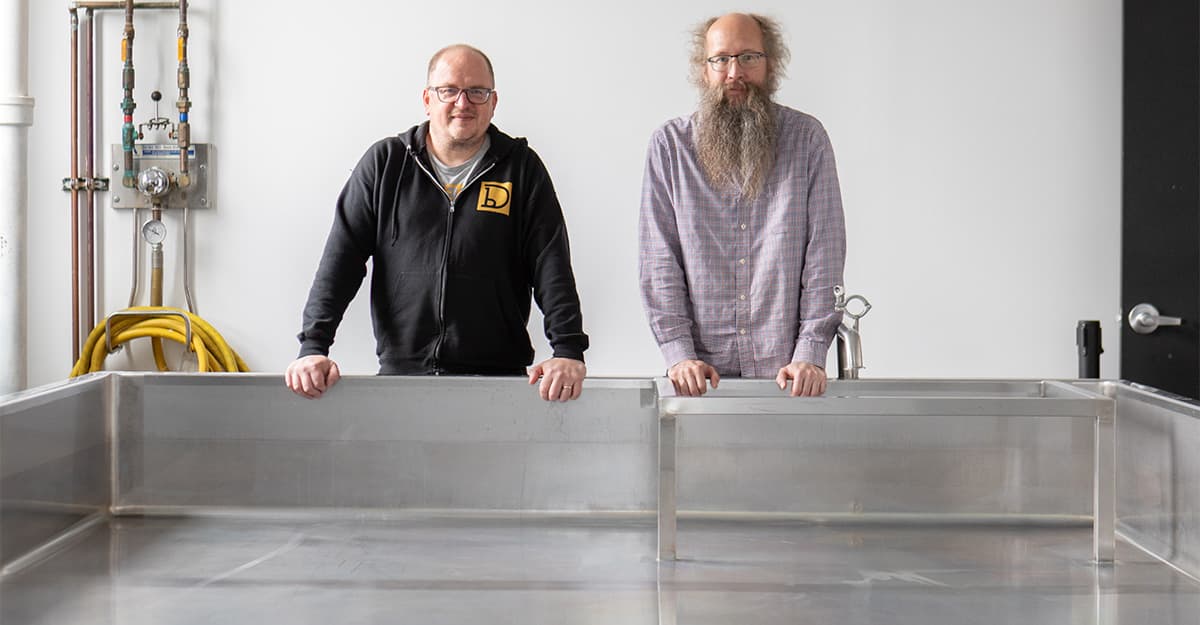
From design to decoction to coolship to cellar, Dovetail owners and master brewers Hagen Dost and Bill Wesselink dig into the details of how they produce their acclaimed lager, Kölsch, and weissbier.

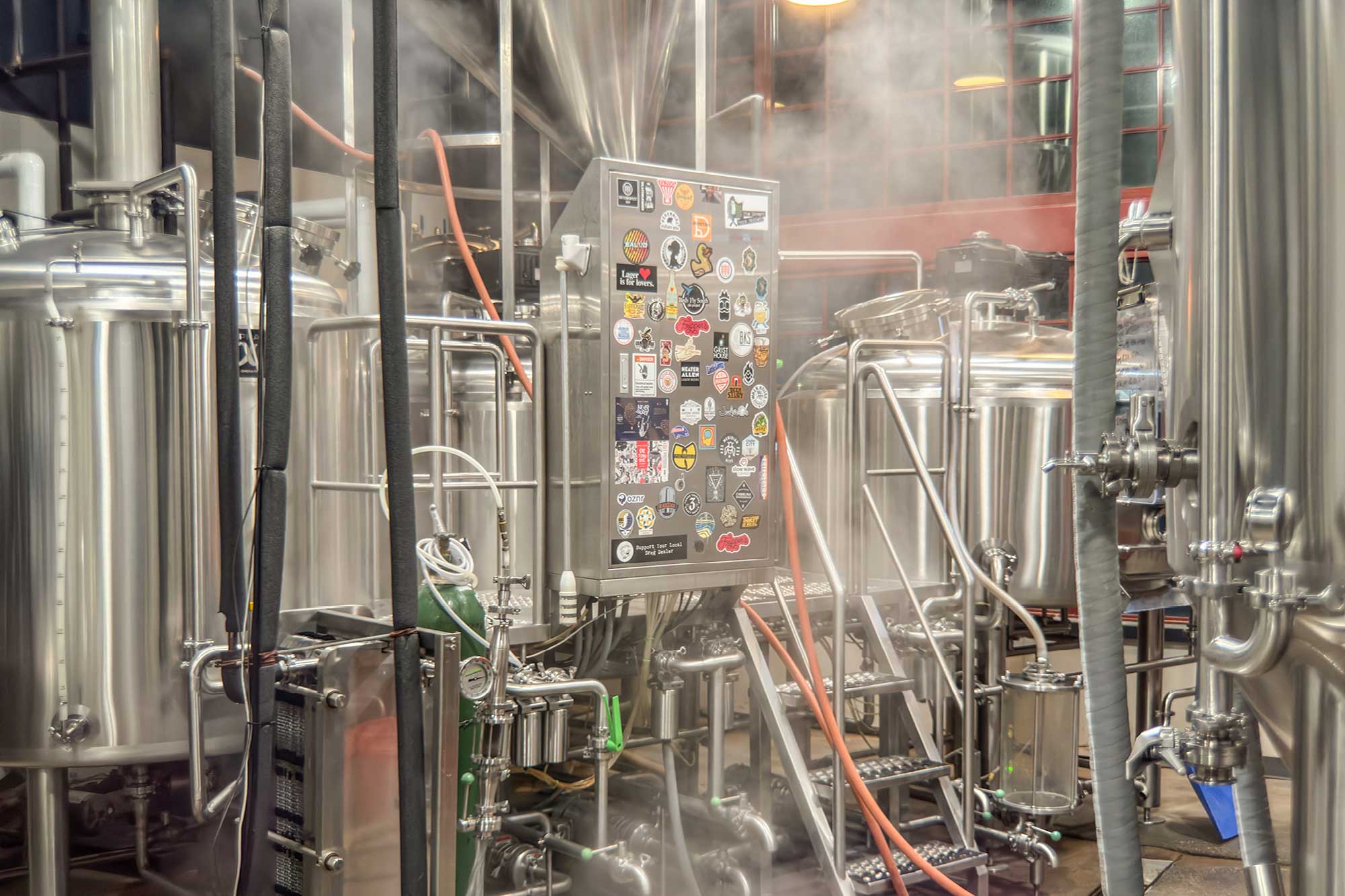
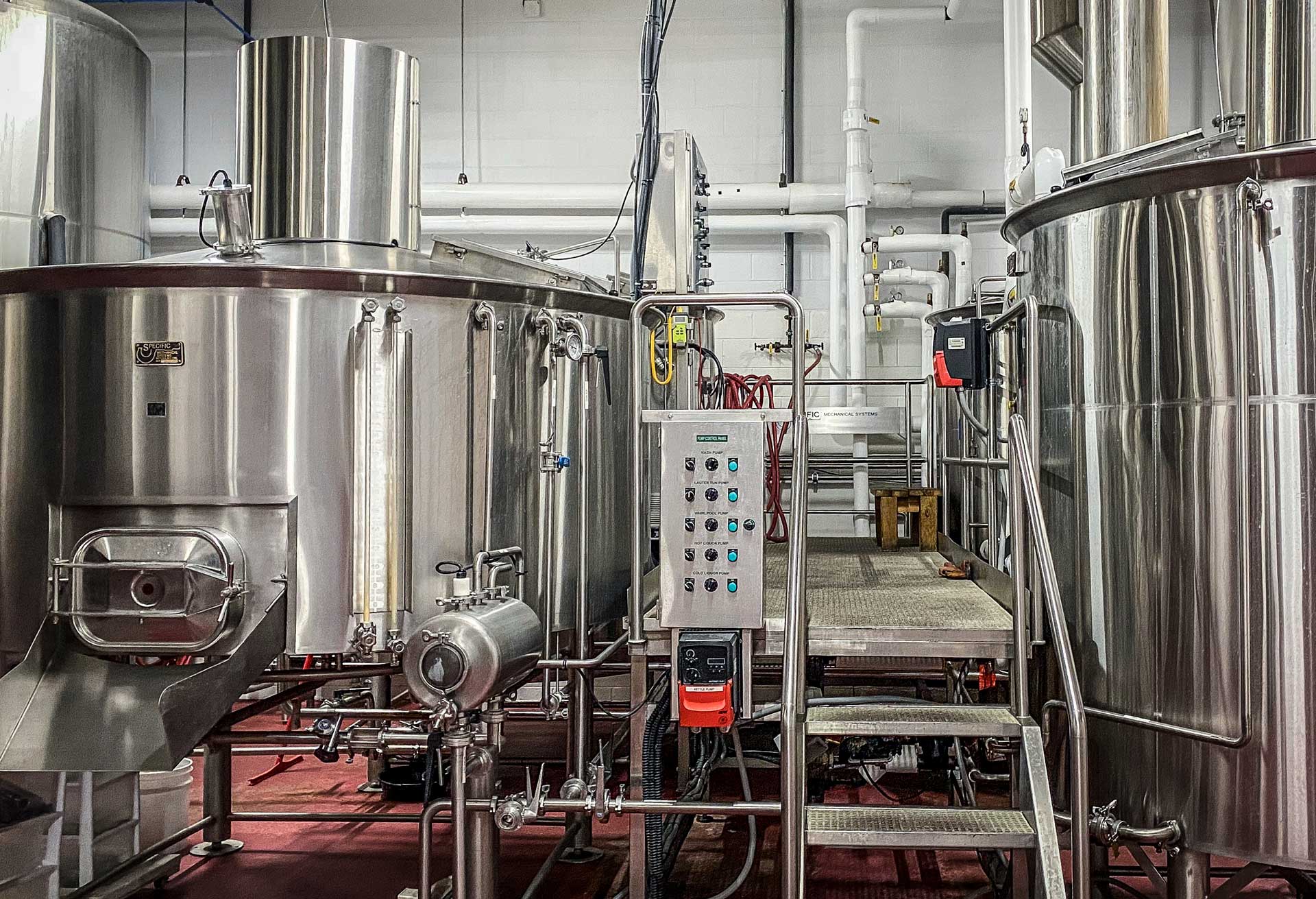
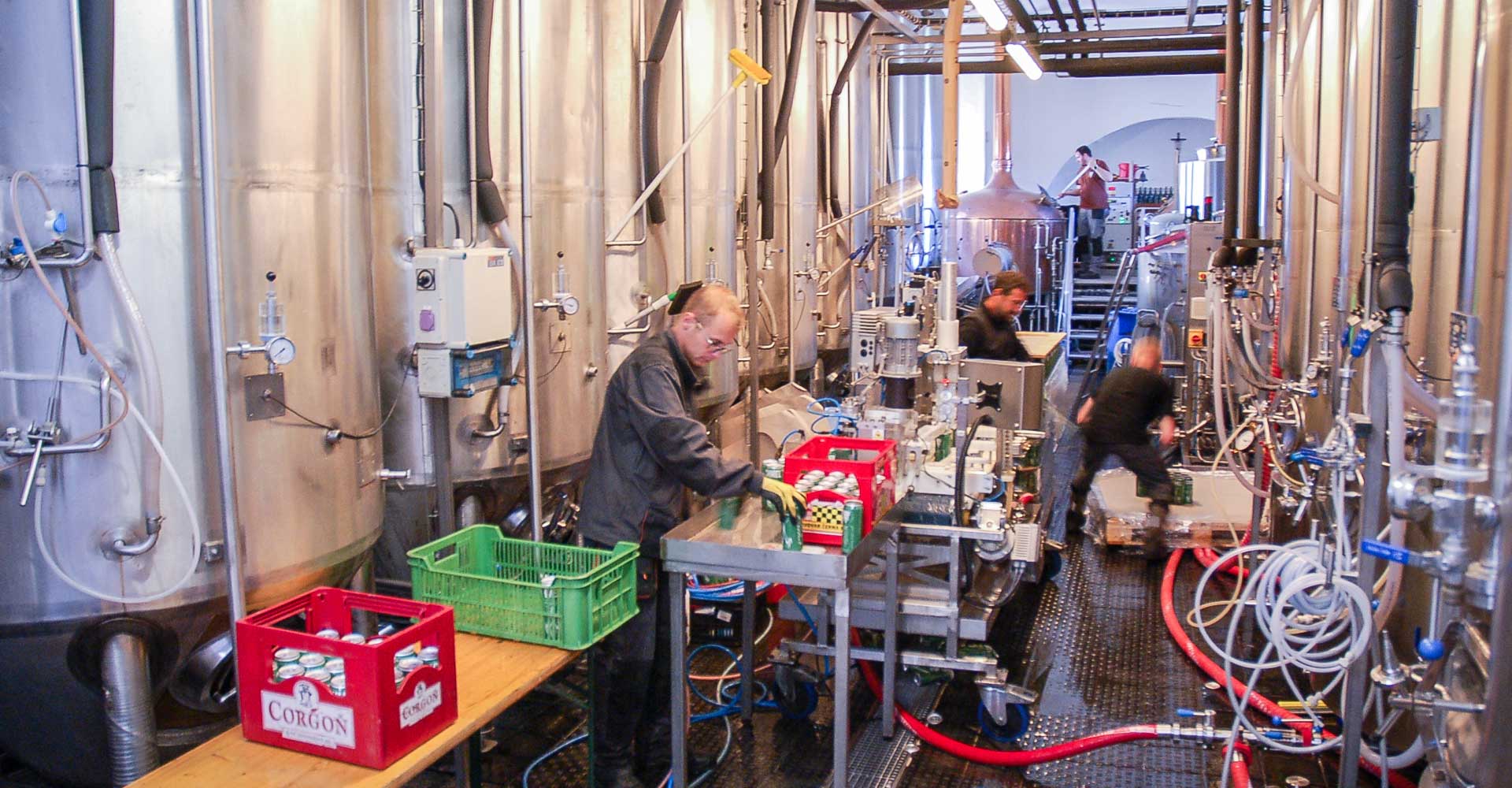
Great lager depends upon exacting attention to details—and not only when it comes to fermentation, and conditioning. Here, we climb the decks of brewhouses specifically designed with lager in mind to better appreciate what makes them different.

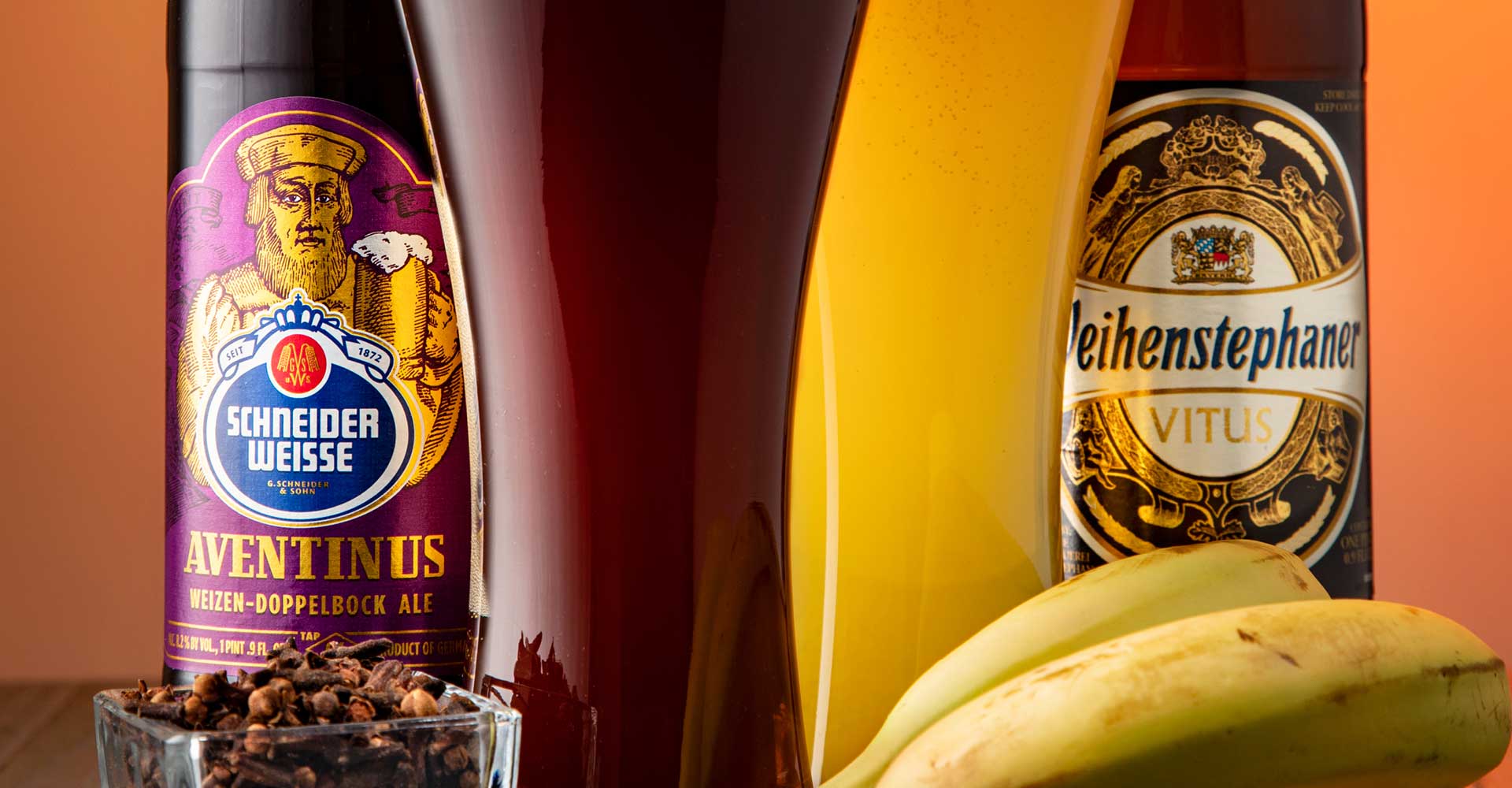
Weizenbock is so dangerously easy to drink, but the brewing process behind a great weizenbock is surprisingly complicated. It may be worth the trouble, since its potential for easygoing mass appeal remains largely untapped.

Through his career, Cohesion’s Eric Larkin has always gravitated to breweries with narrower style focuses. Now, with the Czech-style lager focus of his new endeavor, he’s exploring the creativity possible within the bounds of style expectations.

Before her @ratmagnet Instagram stories and the industry reckoning that followed, Brienne Allan was, and remains, very much a brewer. Her chosen six-pack—all lagers, all decocted—are all beers that have played pivotal roles in her professional journey.

Green Bench’s Postcard Pils takes a unique approach, atypical of any singular pilsner tradition. We asked cofounder and head brewer Khris Johnson to explain the thought and schematics behind one of our Best 20 Beers in 2021.

In Prague, Evan Rail visits the Břevnovský Klášterní Pivovar Sv. Vojtěcha—aka the Břevnov Monastery Brewery, home of Benedict—to learn the secrets of “pitelnost,” essential to a great Czech pale lager.

For advice on brewing a great doppelbock, we turned to an experienced Bavarian brewer: Florian Kuplent, cofounder and brewmaster of Urban Chestnut in St. Louis and the Hallertau.

Swifty Peters and Amos Lowe collectively spent decades honing great craft lagers, long before they were trendy. In this episode, they discuss their unwavering commitment to making award-winning lager exactly the way they want it.

Steve Holle, founder and managing partner of the KC Bier Company in Kansas City, Missouri, describes their deliberate, details-oriented approach to brewing traditional German-style lagers.

Decoction is not an obsolete brewing technique. It’s one that can take you to other (richer) destinations… even a few you might not expect.