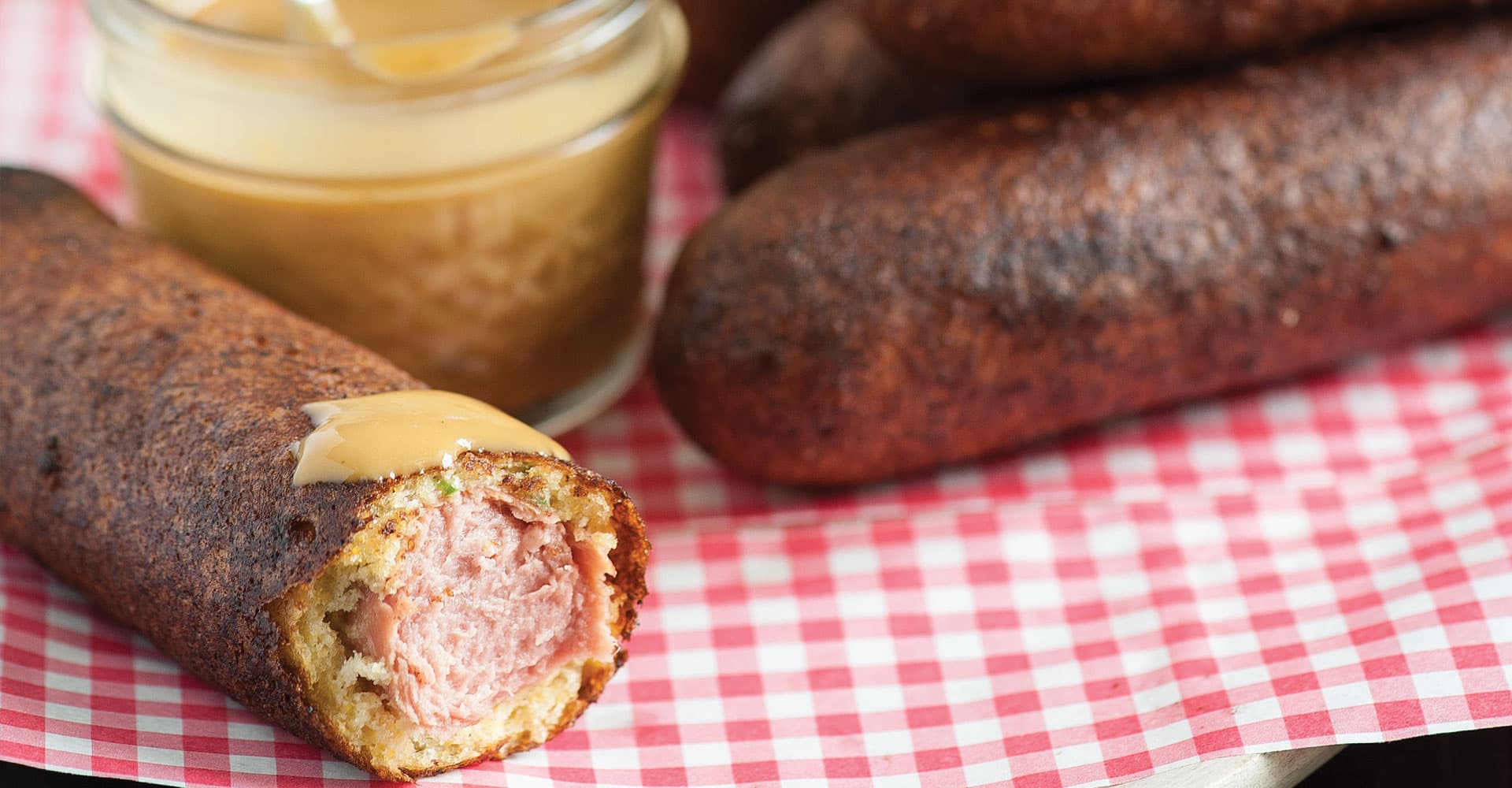
Cooking with Beer: Jalapeño-IPA Corn Dogs
Bring a spicy dimension to summertime festivities with your favorite dogs fried golden-brown in a jalapeño-IPA batter.

82 articles in this category
Bring a spicy dimension to summertime festivities with your favorite dogs fried golden-brown in a jalapeño-IPA batter.
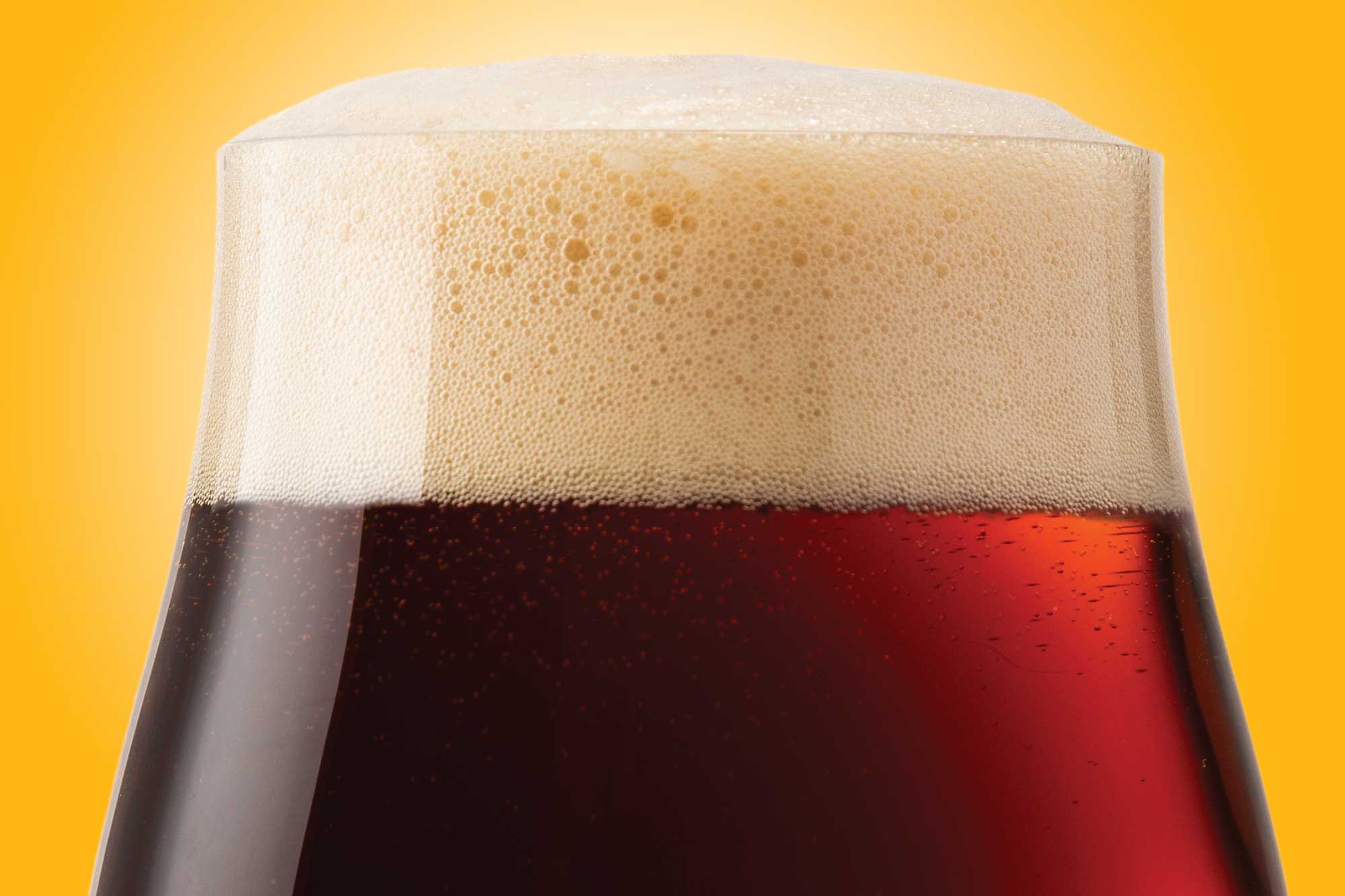
From Northbound Smokehouse & Brewpub in Minneapolis, here’s a recipe for their Doppelbock that won gold at the 2024 World Beer Cup—and that beer also was the basis for their Eisbock, which won gold at the Great American Beer Festival in 2024 and 2025.
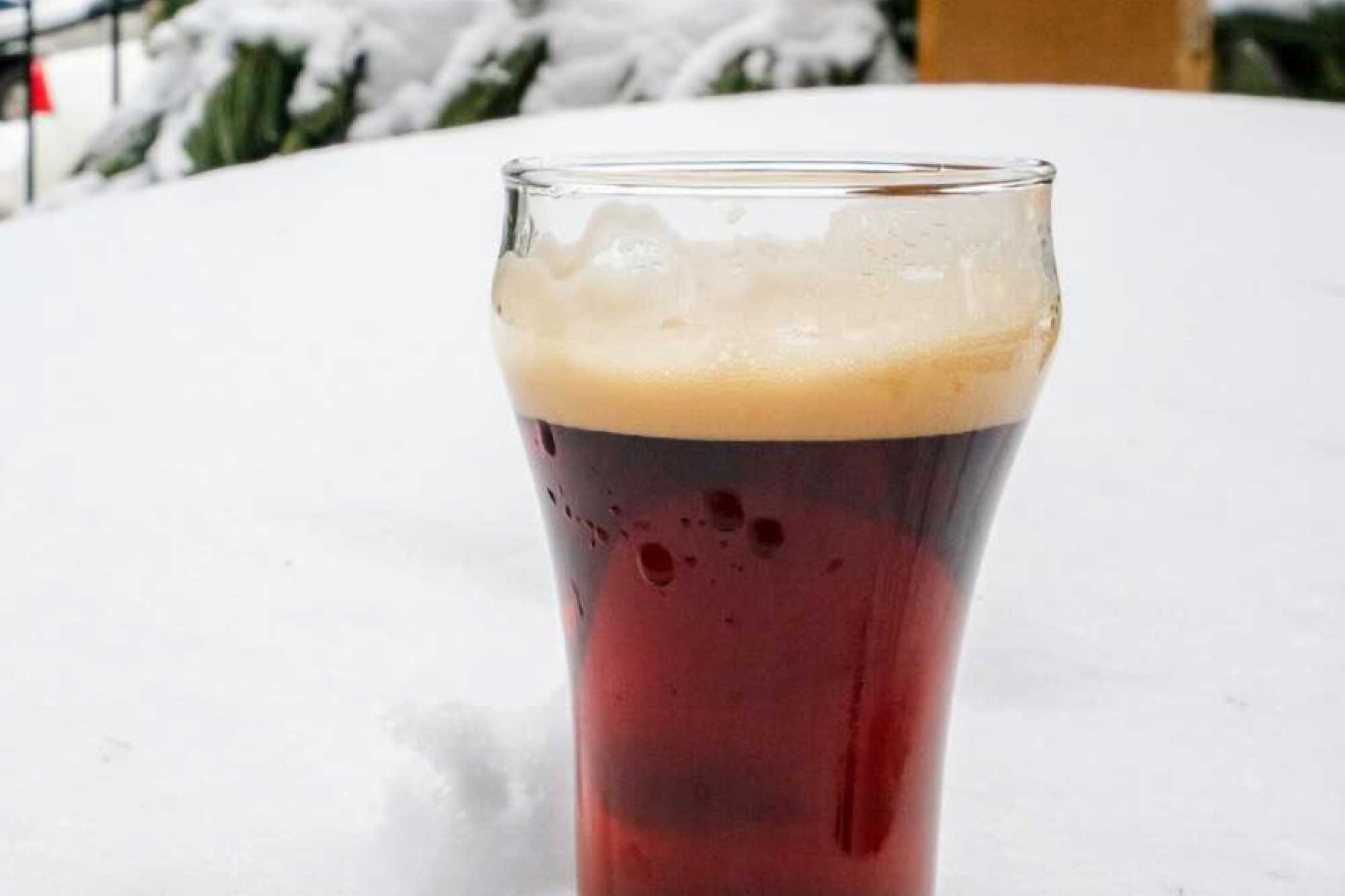
Northbound Smokehouse & Brewpub founder and brewer Jamie Robinson shares tips on how to brew the kind of eisbock that can win a gold medal—as Northbound Eisbock has done two years in a row at the Great American Beer Festival.
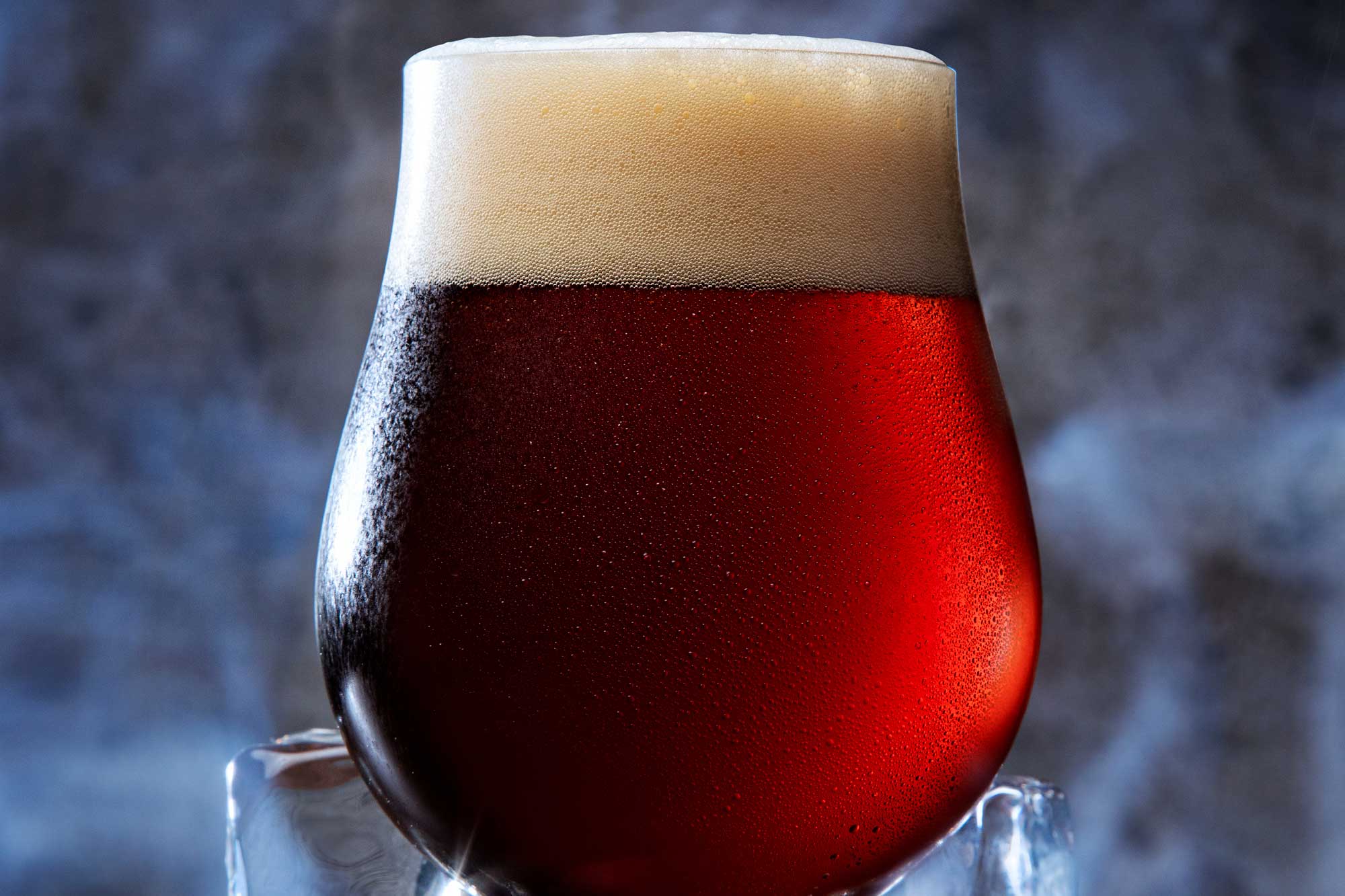
Want to brew an eisbock? The first times you try fractional freezing on a bock or other beer, you simply can’t know exactly what you’re going to get—but there are ways to maximize your chances of success.
This lush, Riwaka-heavy IPA was a collab that linked the American East Coast with New Zealand’s South Island.
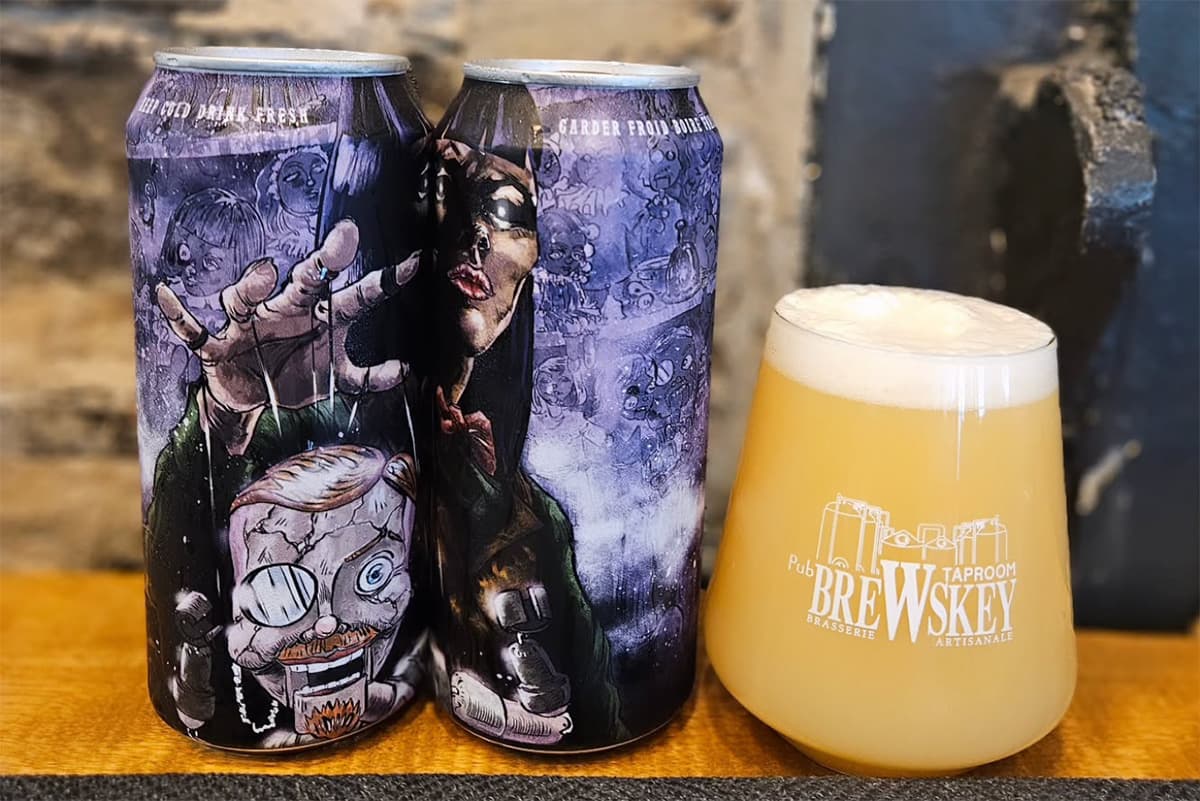
From BreWskey in Montreal, this hazy double IPA leans into lushly fruit-forward Rakau and Riwaka hops, with a varied grist meant to promote haze with the lightest possible color.
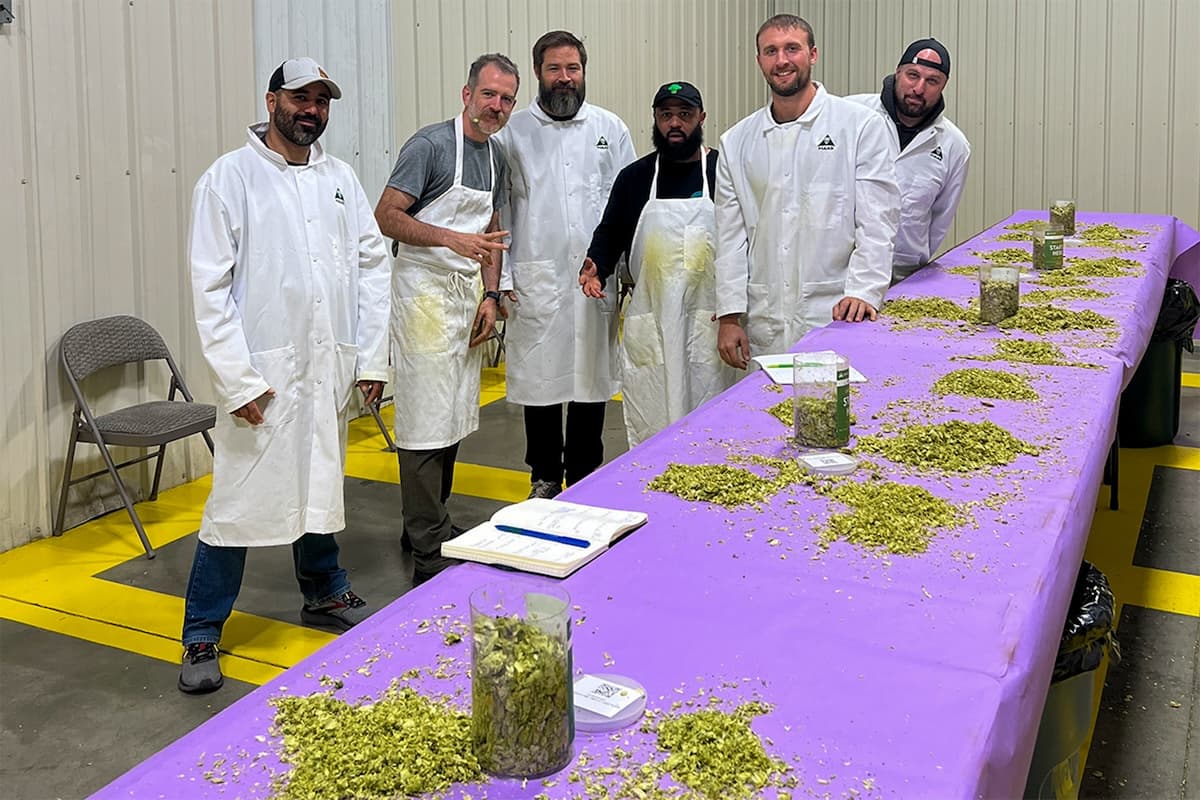
From hop selection to dry hops, finishing gravity, and mouthfeel, Other Half cofounder and brewmaster Sam Richardson isolates the key elements of their popular, year-round imperial hazy IPA.
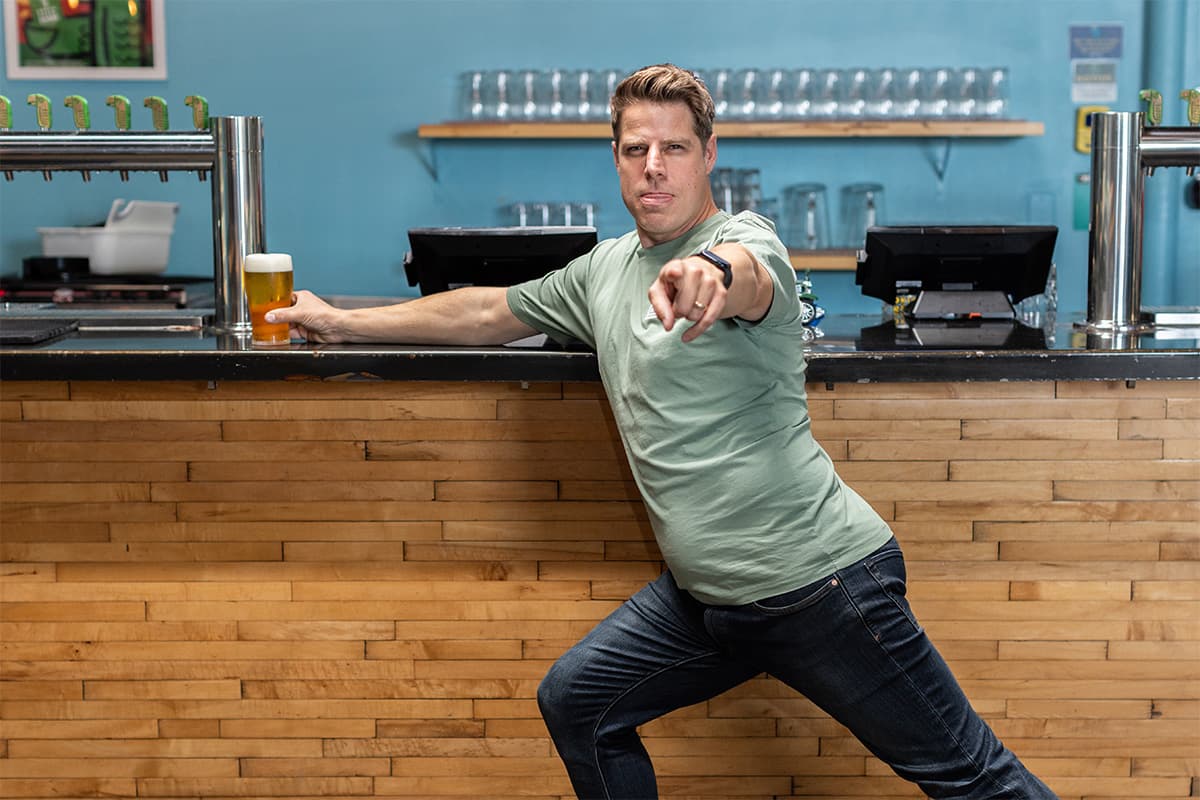
Evan Price, cofounder and head brewer of Green Cheek in Orange, California, lays out the thinking and process behind their bright, bitter, and highly drinkable West Coast pils, IPA, and double IPA.

The Manchester, England–based beer writer and founder of Pellicle Magazine shares his favorite beers from the past 12 months.
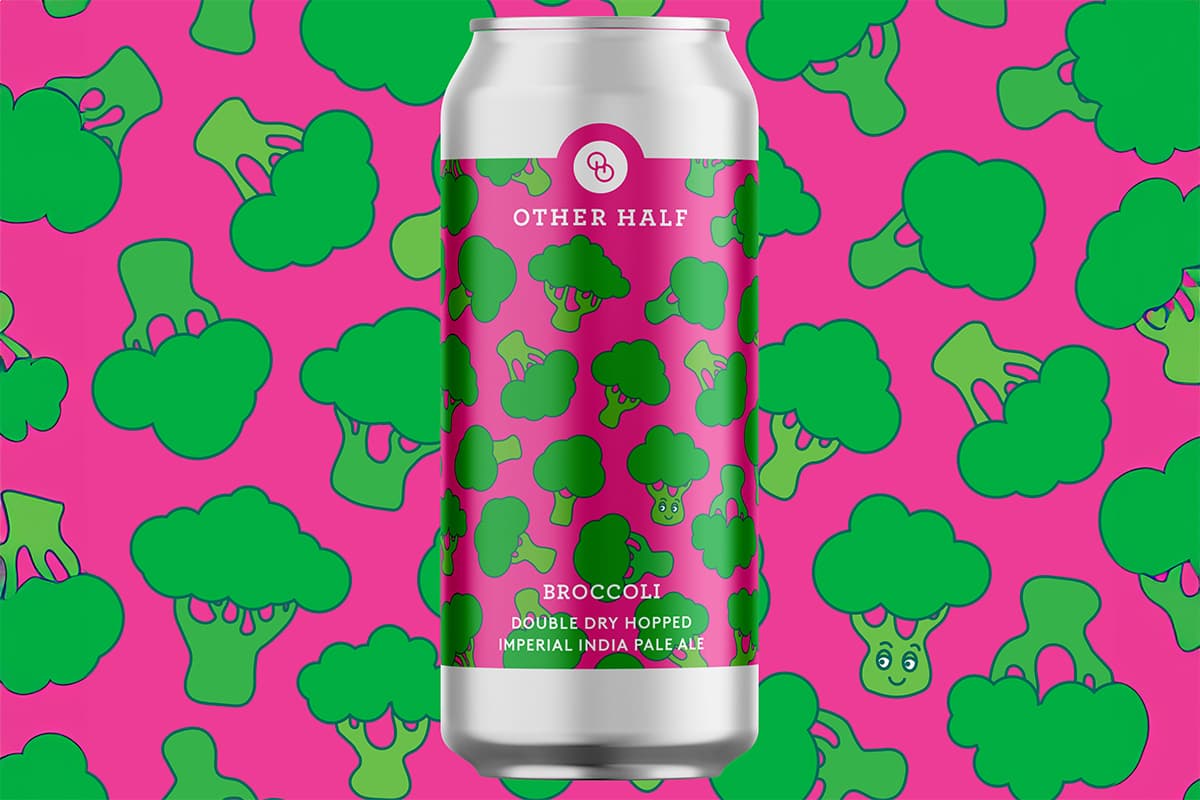
No broccoli was harmed in the making of this popular hazy imperial IPA from Other Half Brewing, based in Brooklyn, New York.
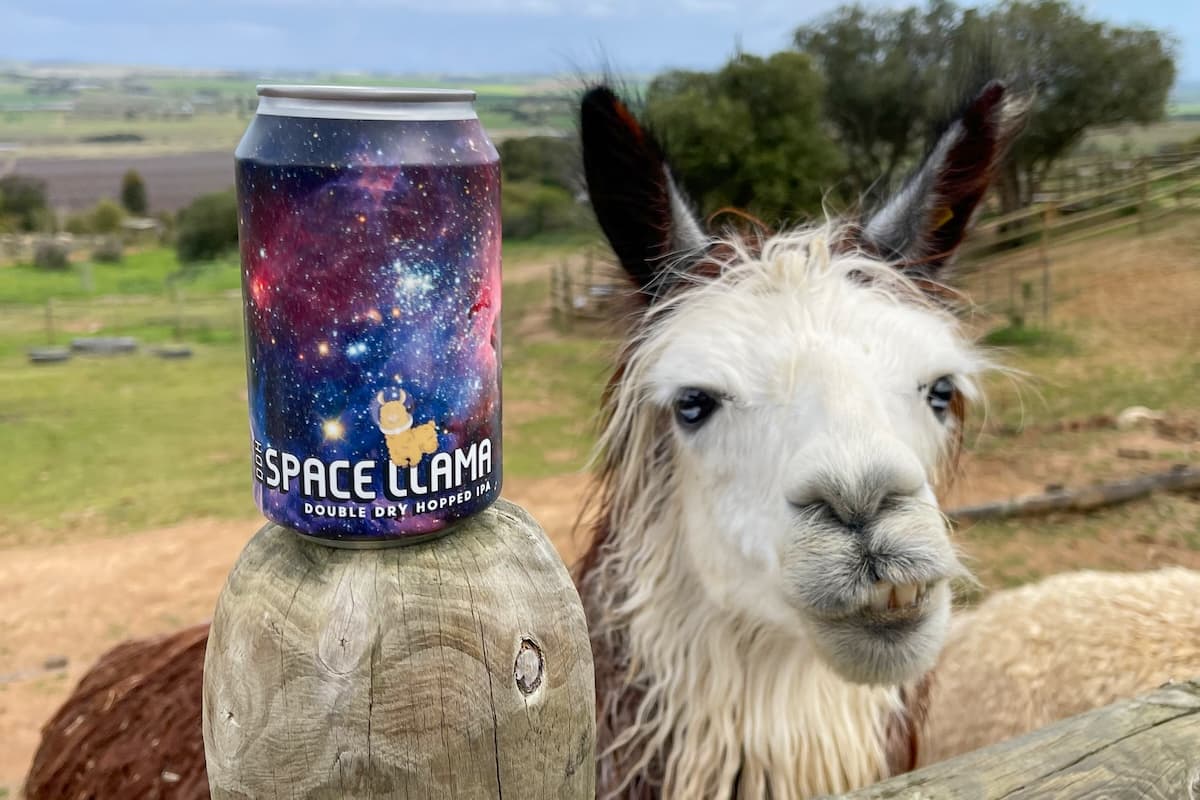
Brewed with American hops and swagger but hailing from Cape Town, here’s a recipe for the lush hazy IPA that won Best Beer in Africa at the 2021 African Beer Cup.
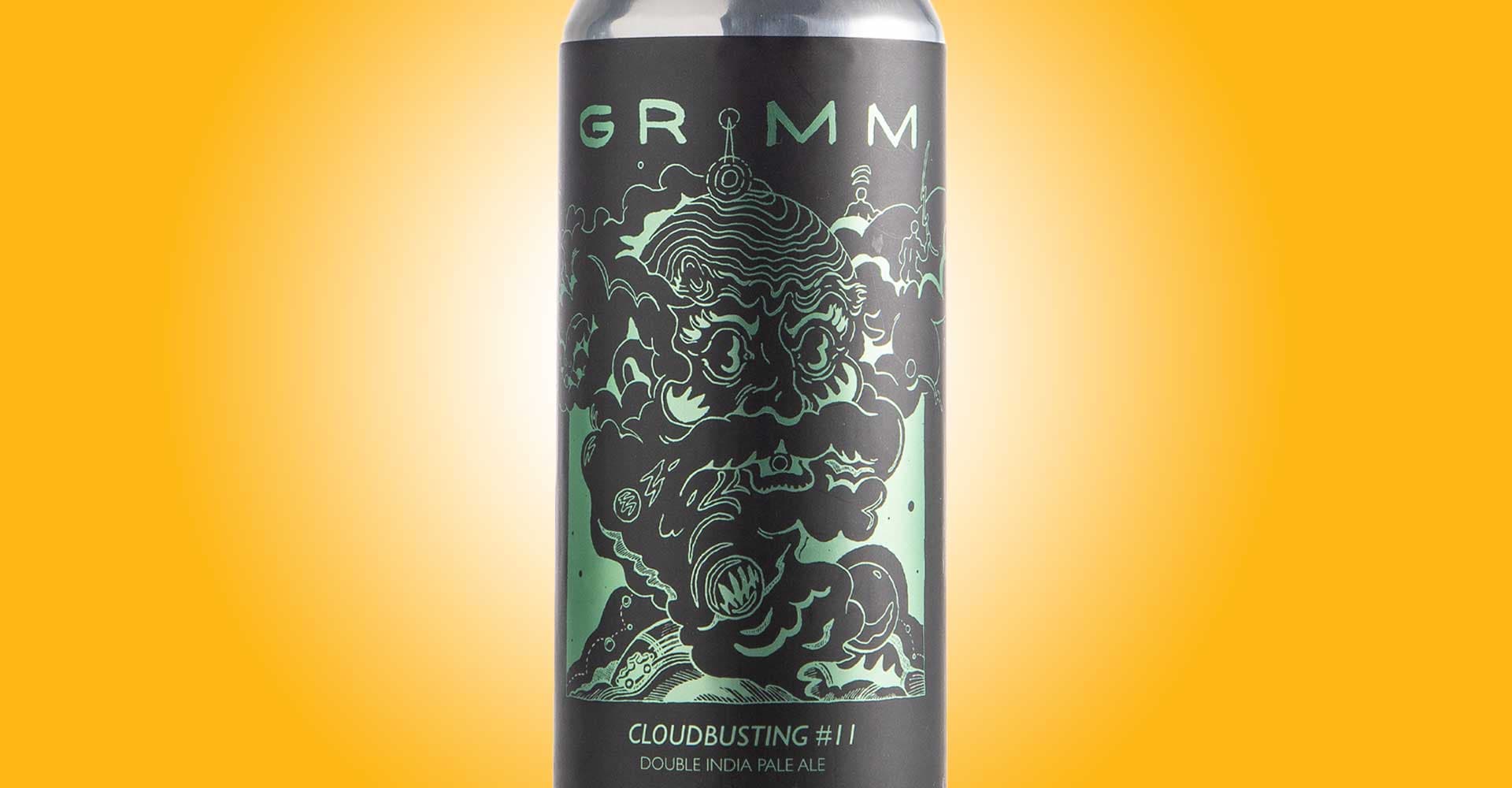
At Grimm Artisanal Ales in Brooklyn, New York, Cloudbusting is always a hazy double IPA made with 100 percent New Zealand hops—however, the hop blend varies from batch to batch. This is a recipe for Cloudbusting #11, but feel free to make your own custom blend.
The style parameters here are actually pretty simple: high bitterness, intense hop aroma and flavor, and just enough malt character to provide some background.
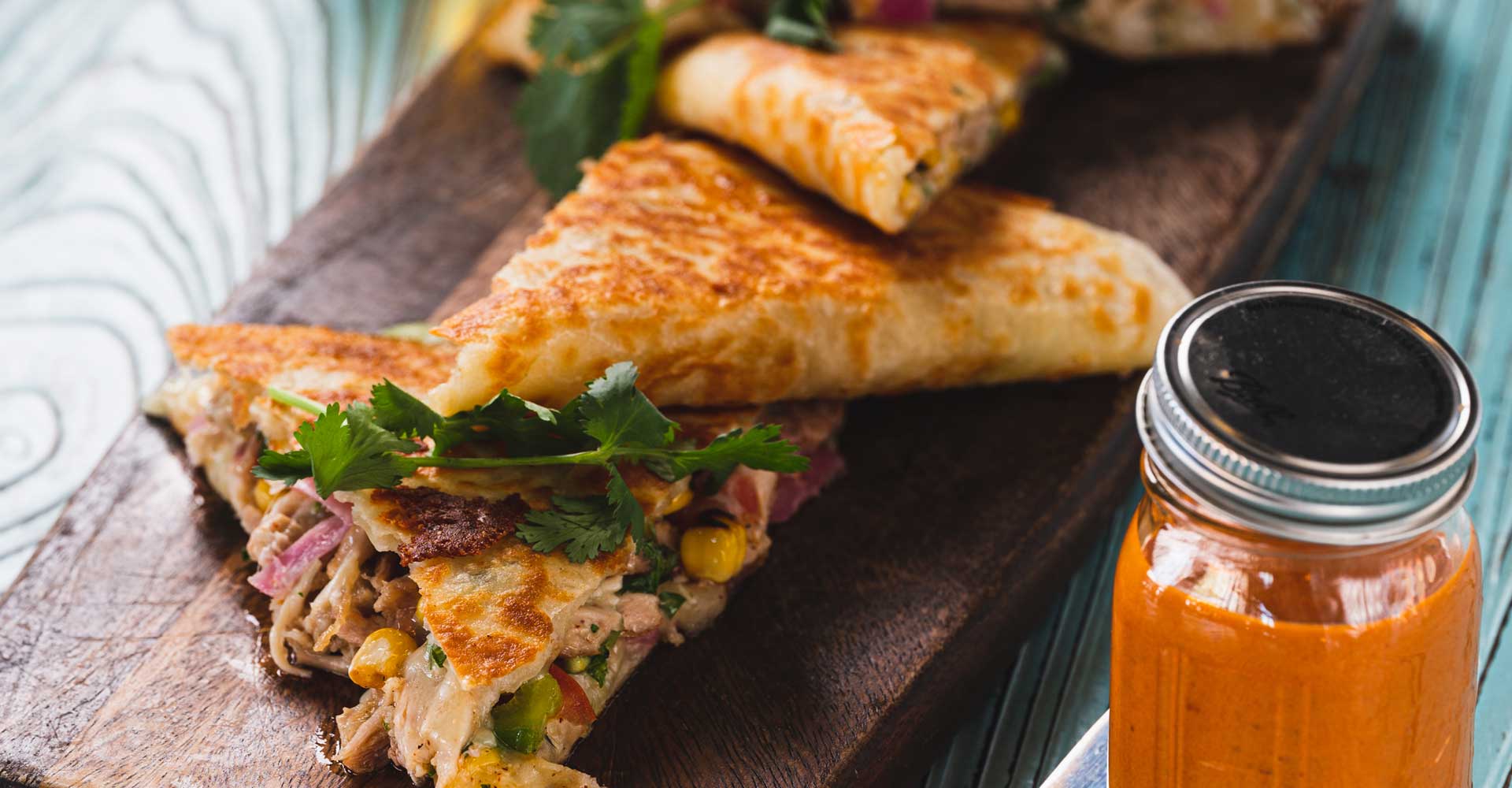
These crispy, moderately spicy quesadillas are delicious and easy to make, while a splash of Mexican-style lager adds subtle sweetness to the adobo dipping sauce.
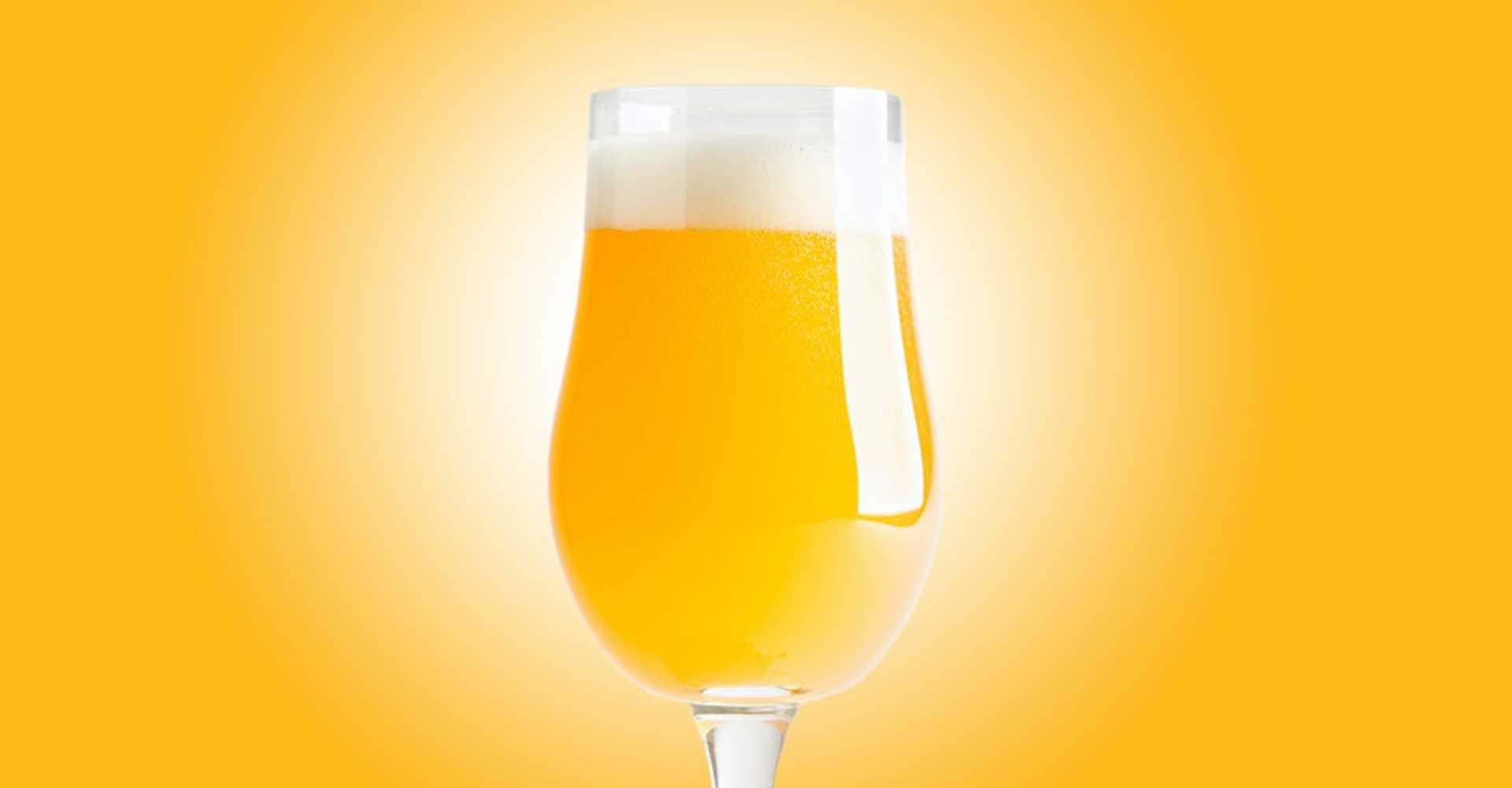
From Sapwood Cellars in Columbia, Maryland, here’s a homebrew-scale iteration of their ever-evolving, Azacca-and-Citra-powered hazy double IPA, Pillowfort. Note the mash hops and cold dry hopping—two signatures of the Sapwood Cellars method.
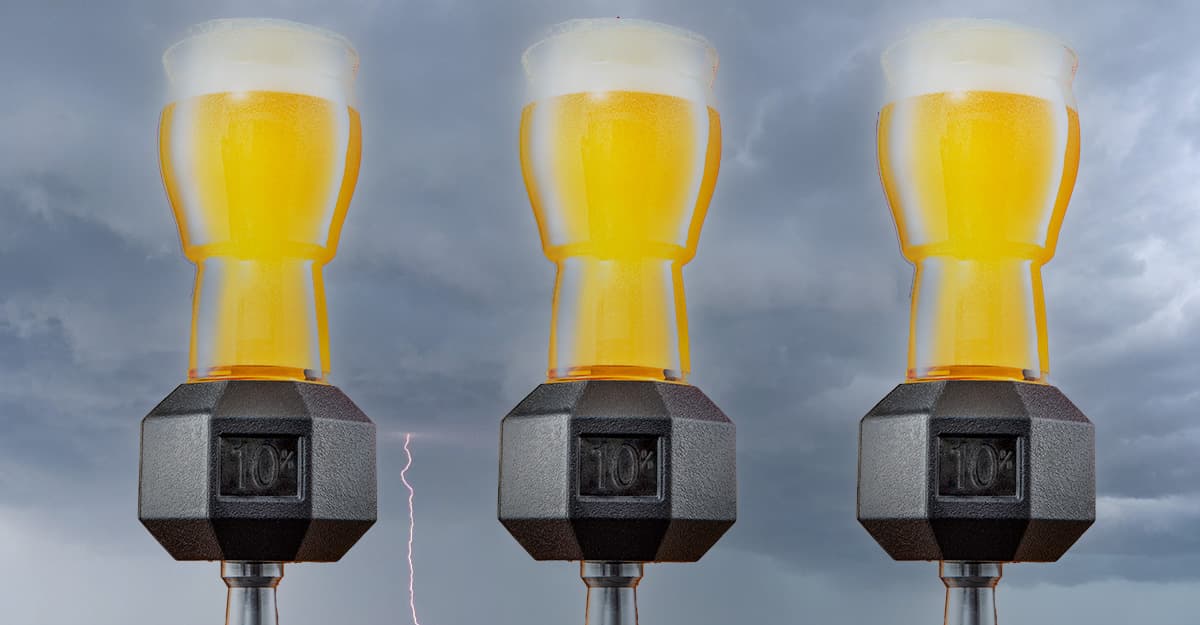
Whether aiming for soft and hazy or lean and bitter, successful brewers rely on some bedrock strategies for building higher-strength IPAs with sneaky drinkability.
![Recipe: Southern Grist [Insert Juicy Pun]](/_next/image?url=https%3A%2F%2Fwww.datocms-assets.com%2F75079%2F1684446082-southern-grist-insert-juicy-pun.jpg&w=3840&q=75&dpl=dpl_FRPmGr21EoV3WBrhyLkiU8uxK4UL)
Southern Grist first brewed Insert Juicy Pun as a “jacked up” version of its Mixed Greens hazy IPA, “with an irresponsible amount of Galaxy, Mosaic, and Citra hops,” the brewery says. “We taste strong notes of orange pulp, papaya, pineapple, and peach.”
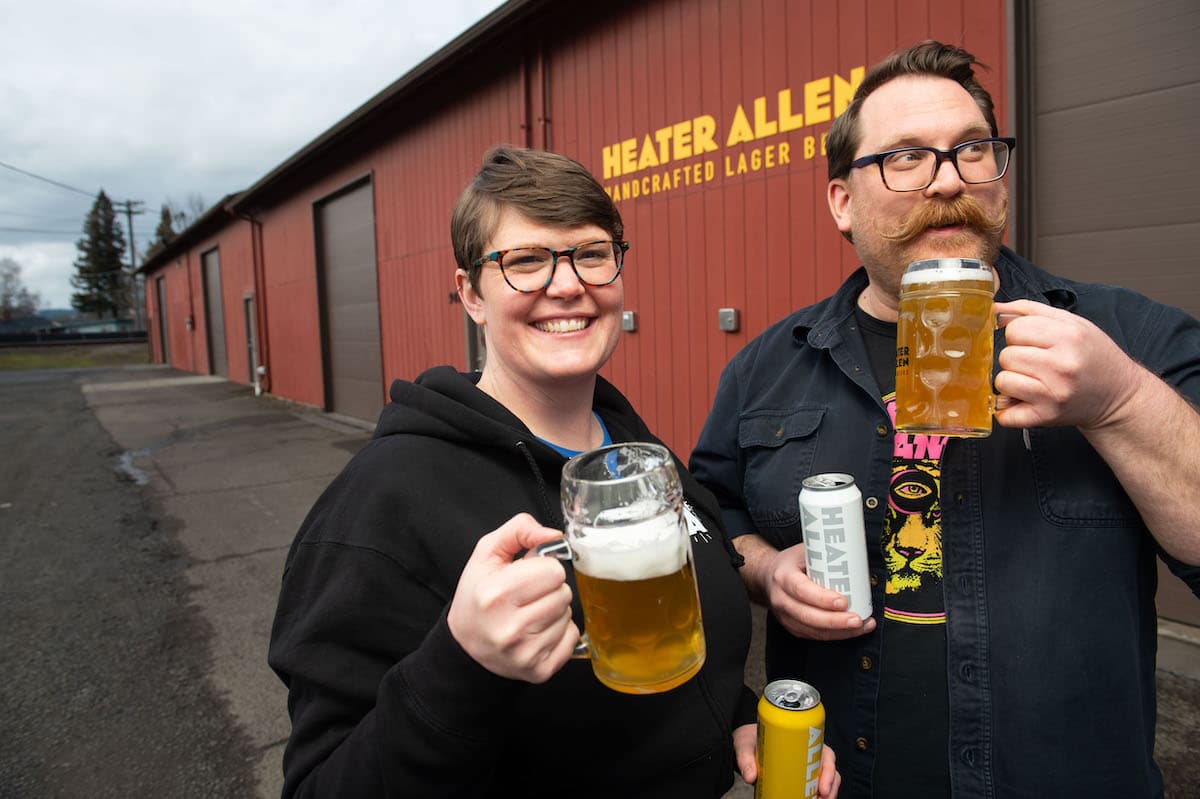
Heater Allen’s head brewer and the inventor of cold IPA are joining forces to launch lager-centric Gold Dot Beer in McMinnville, Oregon.
This recipe from Josh Weikert’s Make Your Best series leans into Munich malt for a rich yet smooth foundation, for a doppelbock that drinks much more easily than its strength.
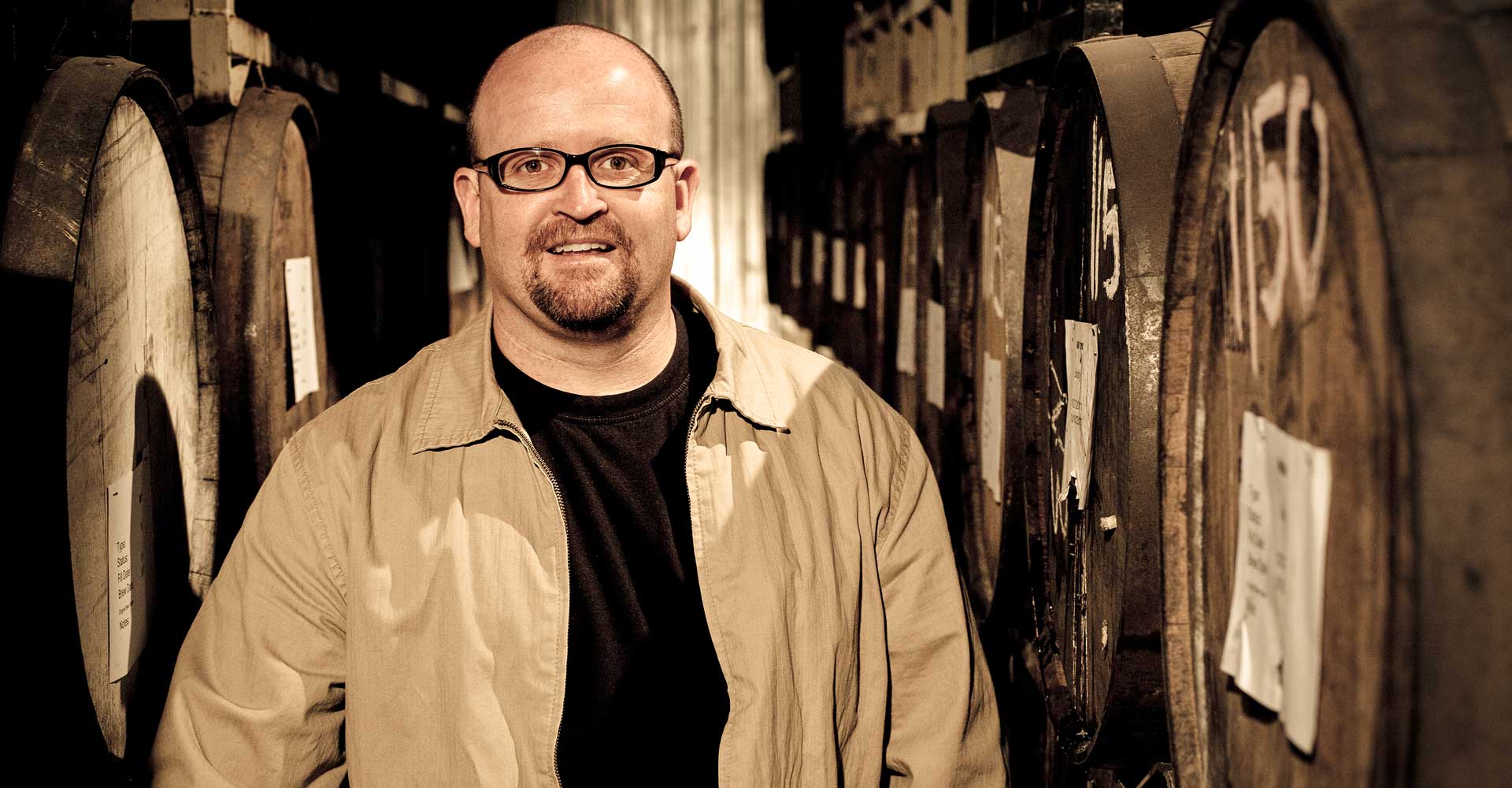
The Lost Abbey and Port Brewing cofounder Tomme Arthur recently got the industry’s attention when he announced that they would take brewing operations to smaller, more sustainable scale. In this episode of the podcast, he reveals much more about thinking behind that decision.