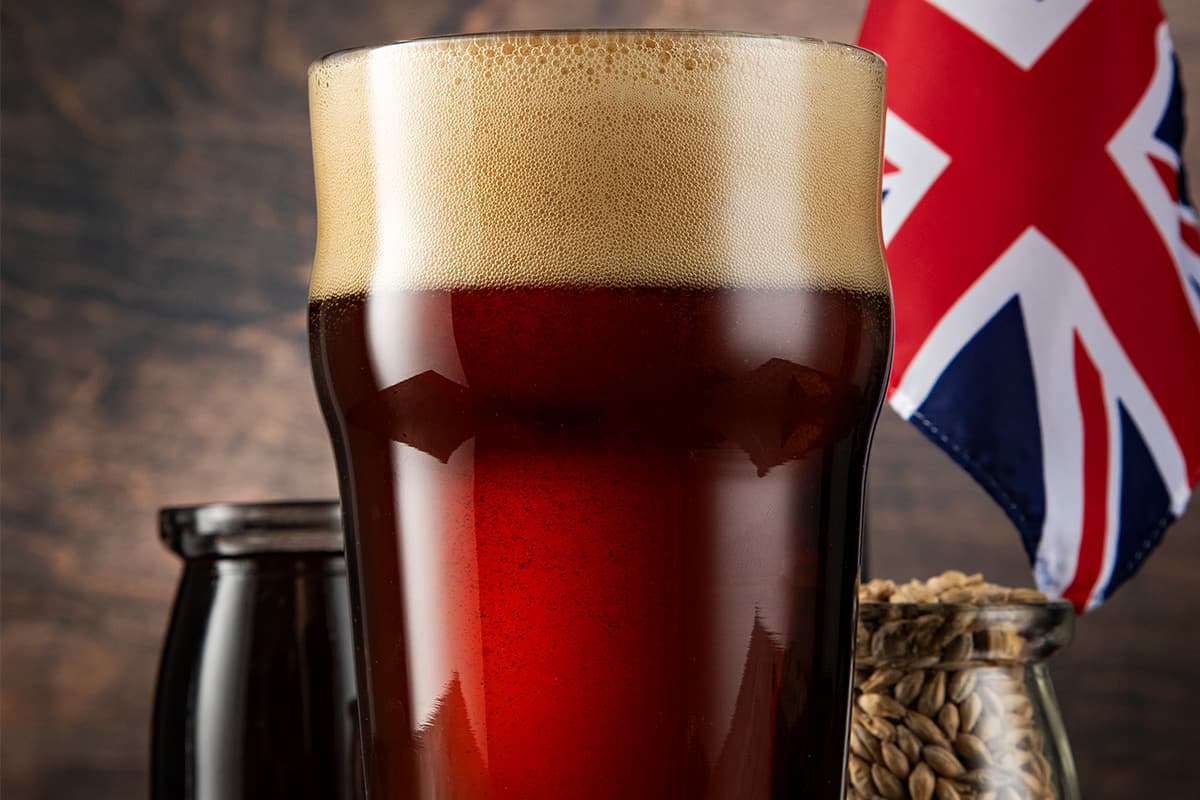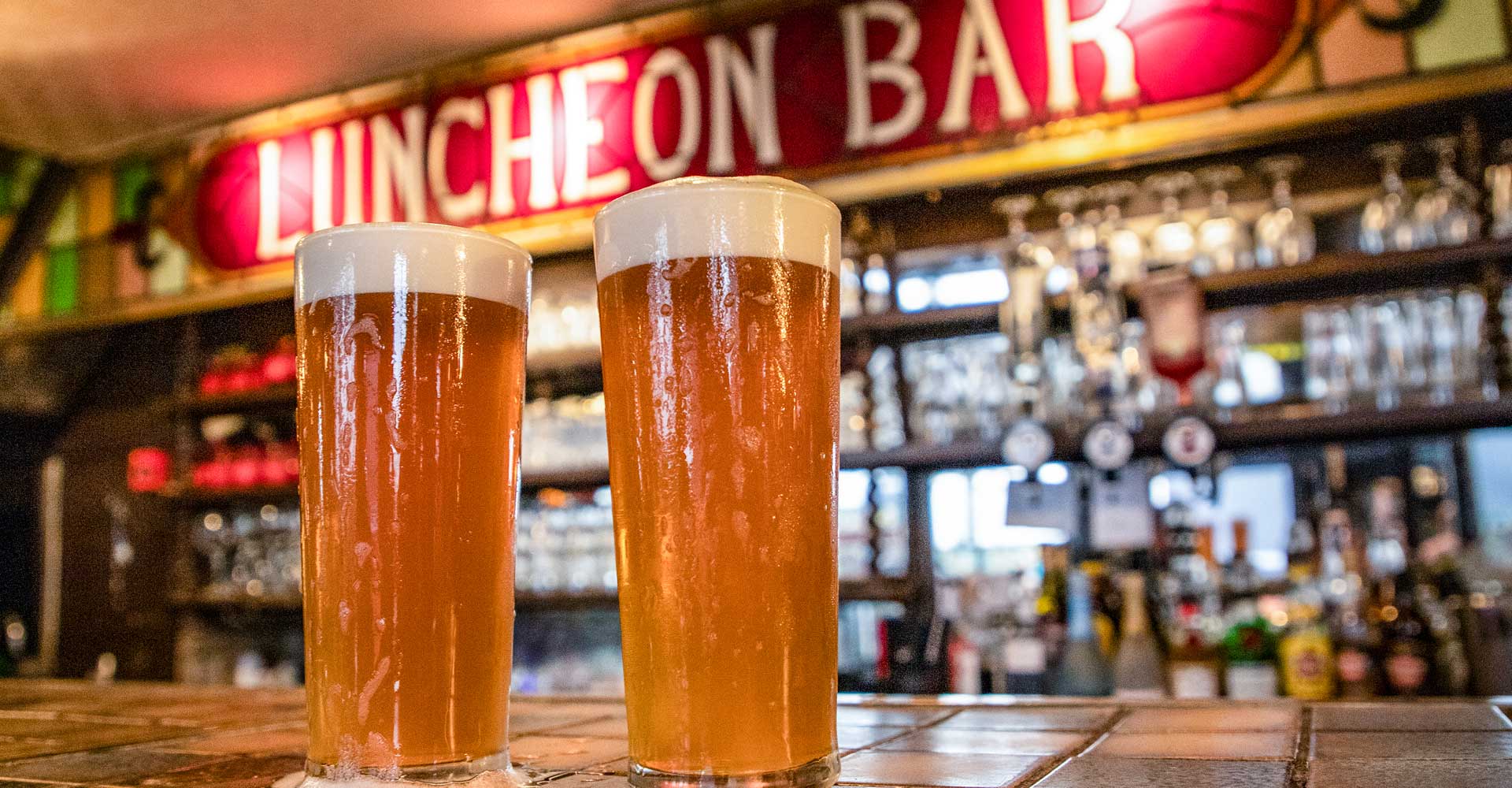
Cask Bitter, Refreshed for the 21st Century
Today’s British brewers are melding traditional cask bitter with brighter, modern hopping for a crushable alchemy greater than the sum of its parts. Will the rest of us ever catch on?
17 articles in this category

Today’s British brewers are melding traditional cask bitter with brighter, modern hopping for a crushable alchemy greater than the sum of its parts. Will the rest of us ever catch on?

The Manchester, England–based beer writer and founder of Pellicle Magazine shares his favorite beers from the past 12 months.

At Zebulon Artisan Ales in Weaverville, North Carolina, cofounder and brewer Mike Karnowski nurtures a special interest in historically rooted beers. Here, he turns back the clock on a key ingredient used in many traditional British ales—and he shares an elegant way to make your own invert sugar in the brewhouse.

Mild wasn’t always dark, smooth, and low in strength, but that modern incarnation is one well worth brewing and appreciating. Rich in flavor yet drinkable in quantity, mild is a tradition waiting for its next evolution.

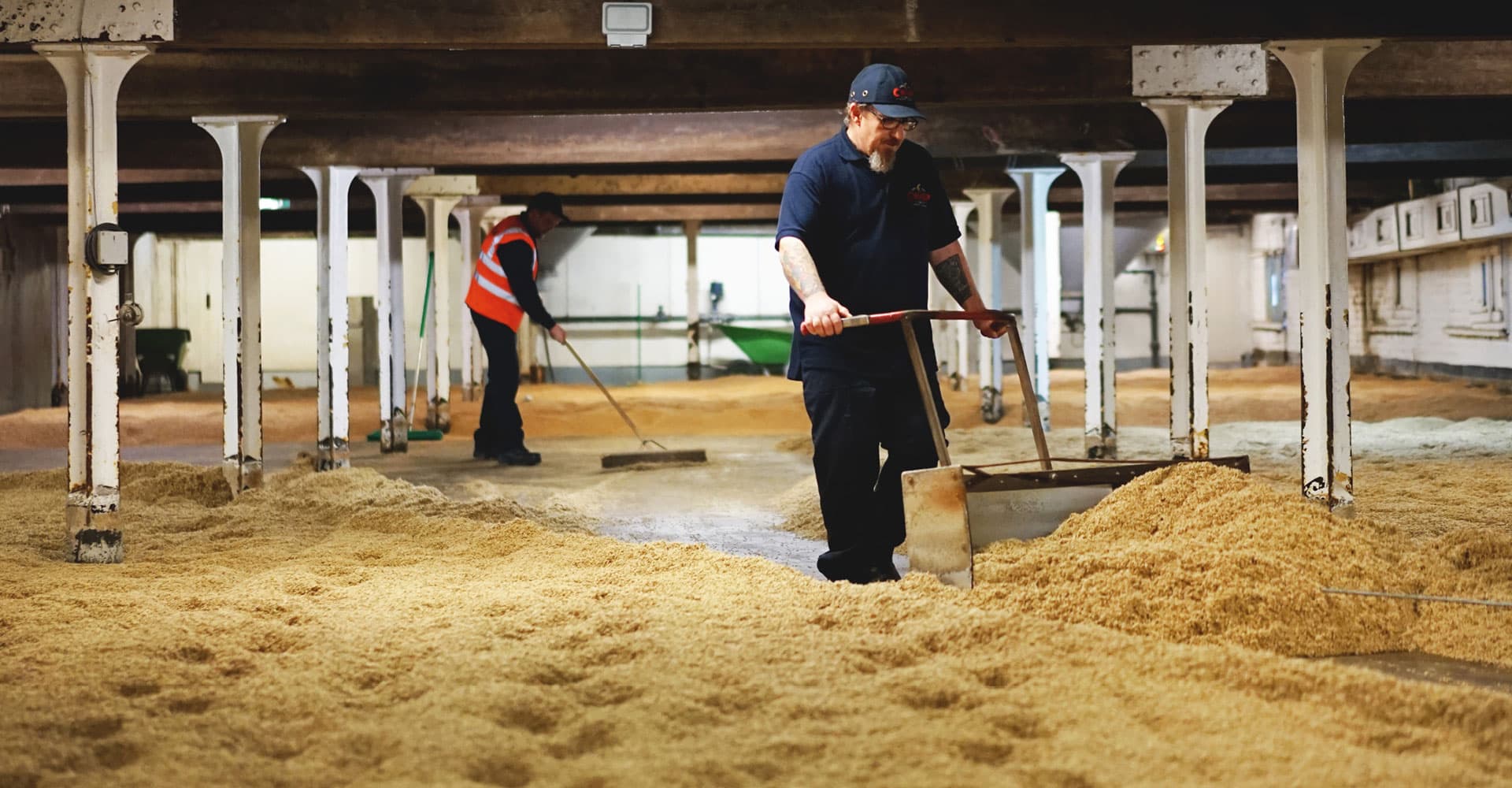
In the noble quest for variety and character, British maltsters and brewers have been resurrecting and experimenting with previously vanished yet intensely flavorful heritage barley malts—and they are increasingly available to brewers everywhere.

Fresh and malty with plenty of English hop character, this is a great one to enjoy on those long winter evenings to come.

This light, easygoing ale is ideal as a spring or summer beer or simply for brightening up your fall or winter.

This is a simple yet remarkably enjoyable style that novice brewers can get right the first time—yet experienced brewers can appreciate it the 100th time and beyond.

Pale ale makes an ideal base for trying out the split-batch method and experimenting with the different flavors you can get from one kettle of wort and a single brew day. Following this recipe, you’ll get an American-style pale ale, a Belgian-style pale ale, and a British-style strong bitter—but it’s easy to imagine more variations.

From our Love Handles files on beer bars we love: The two-centuries-old Whitelock’s Ale House is the jewel in the beer crown of Leeds, England.

Brewing up something big and ponderous, and looking for inspiration? The British barleywine tradition offers more quirks than you might think, including more funk, more hops, and more time.

Moor Beer’s Old Freddy Walker is among the most acclaimed strong ales in the United Kingdom, often medaling among the barleywines and old ales that compete for Champion Beer of Britain. Its brewer, however, hails from California. Here, Moor owner and head brewer Justin Hawke explains how Moor and Freddy came to be—and he offers advice on brewing a great old ale.

From our Love Handles files on beer bars we love: This long-running nerve center of British Columbian craft remains a house of hospitality dedicated to lesser-known breweries.

The arts of brewing, cellaring, and serving cask ales can elevate subtle, elegant recipes into brilliant showcases of great character and drinkability. Here, five pros share their top picks.

You don’t need tall tales or fancy firkins to brew, serve, and enjoy great cask ale at home. Josh Weikert lays out some simple, low-cost methods involving gear you probably already have.

It’s hard work to keep things simple, and this New York brewery proves that maxim with complex fermentations for their core beers and an ongoing focus on ales served on cask.

The fifth-generation leader of this family-owned British malthouse discusses the ins and outs of barley, malting, heritage varieties like Golden Promise and Maris Otter, crop year challenges, crystallization and roasting, batch blending, and more.