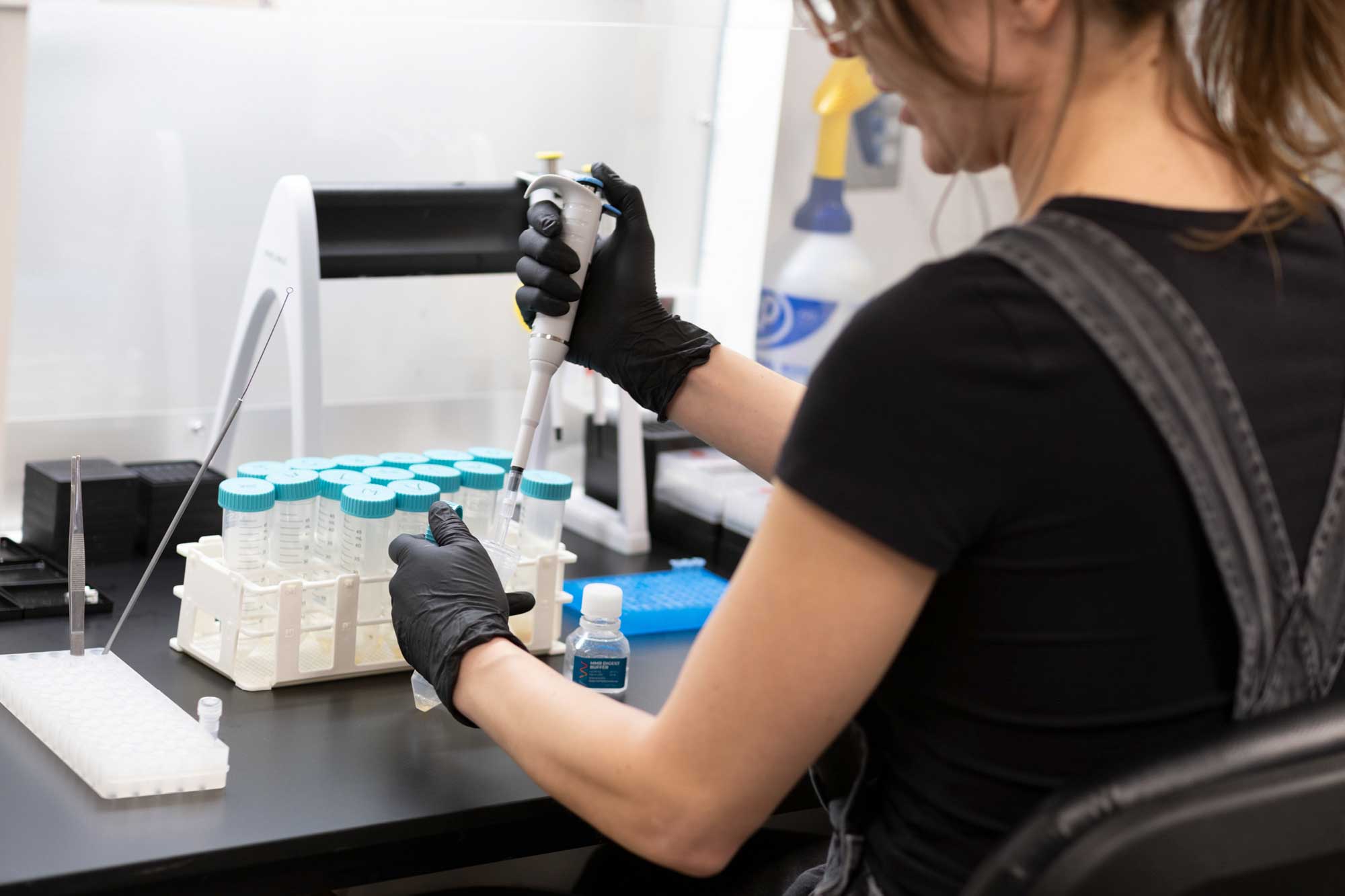
The Brewery Lab Is a Modern Shrine to the Brewing Gods
In the never-ending quest for quality, brewers turn to specialized instruments to build a better understanding of their raw materials, their processes, and their beer.

40 articles in this category
In the never-ending quest for quality, brewers turn to specialized instruments to build a better understanding of their raw materials, their processes, and their beer.
Growth in 2025 doesn’t look like it used to. In this webinar, we’ll explore what it takes—from SKU discipline to data visibility—to expand with confidence in today’s market.
The lean and agile brewery relies on data to make growth-based decisions. Given today’s market trends and consumer preferences, that operational data could reveal that the smart path of growth is investing in copacking and venturing into popular beverage categories.
In today’s changing consumer and economic market, breweries need to optimize the performance of their assets and processes. The key to becoming a lean brewery is to use real-time data to streamline operations, cut costs, and grow smart. If your spreadsheets and system can’t keep up with the shelf, it’s time to rethink how your brewery runs—do more with less.
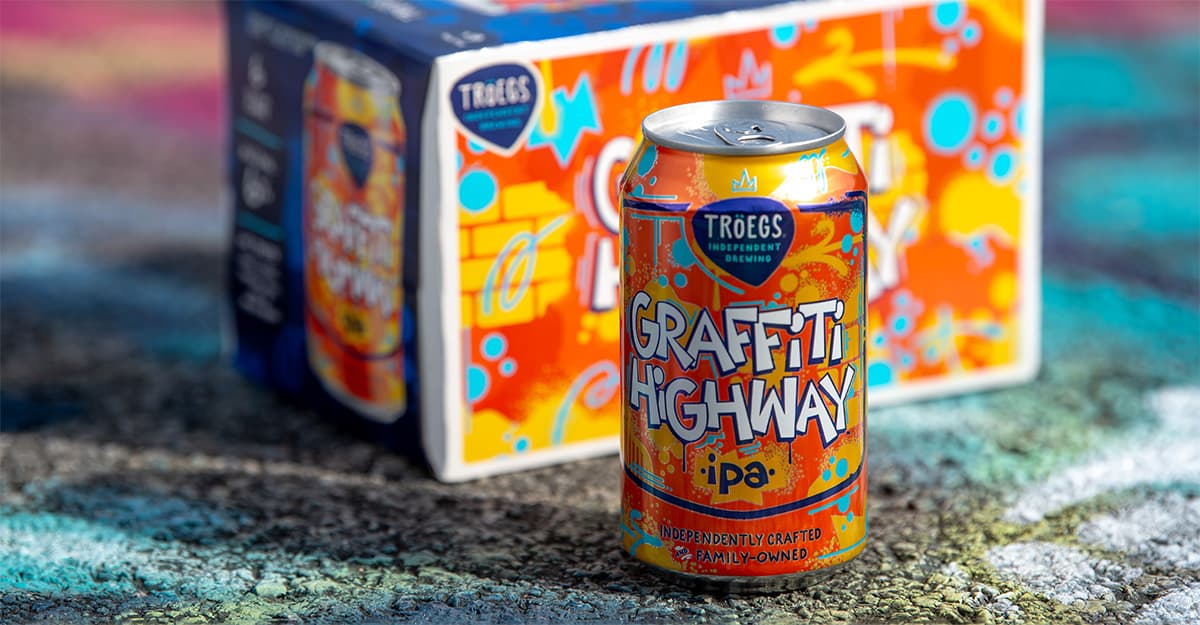
Brewers share strategies for reducing costs on craft beer’s most competitive style.
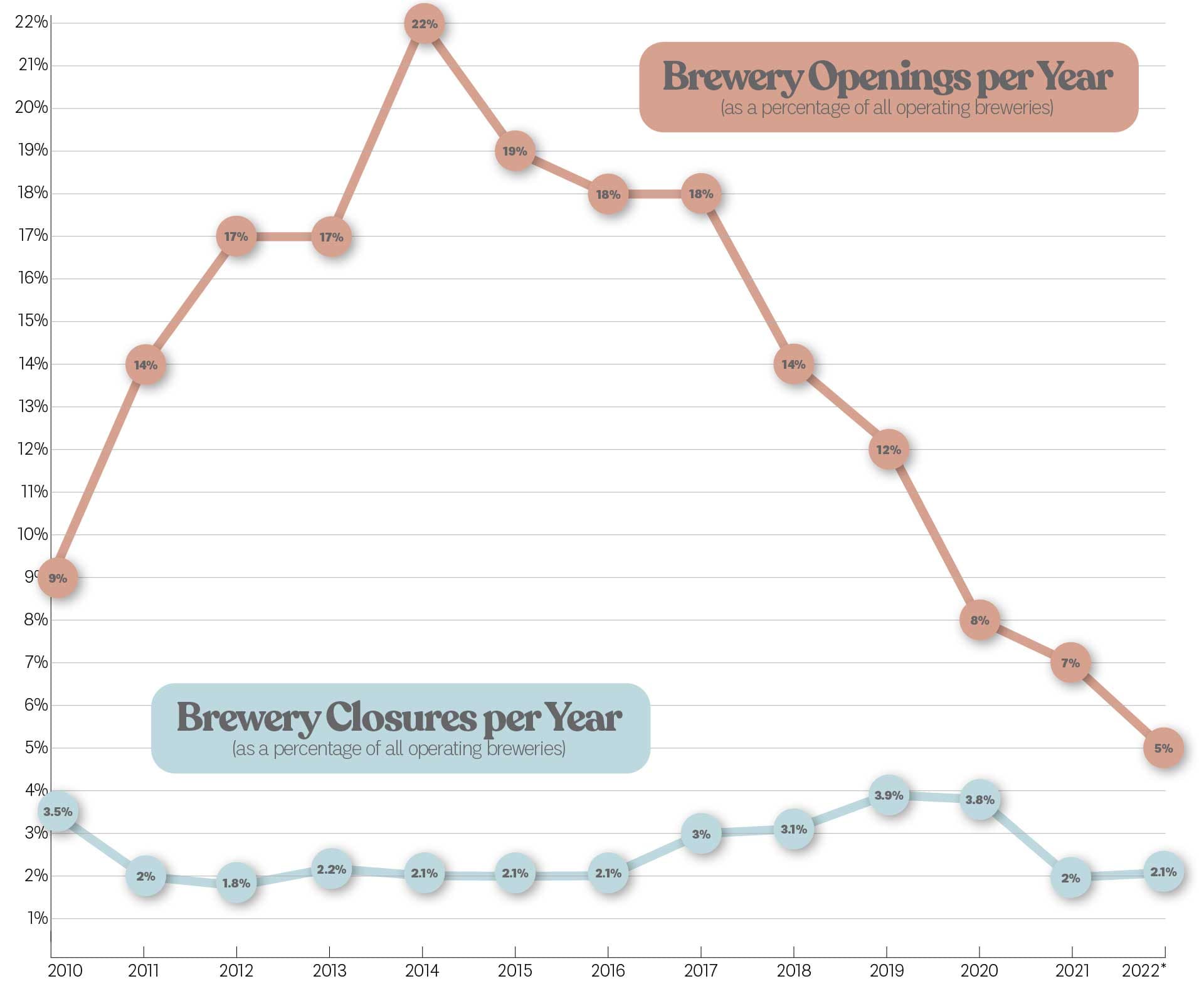
The data suggest that while brewery closings have stayed fairly steady as a percentage of overall operating breweries, the rate of new openings in recent years has been declining at a relatively consistent pace.
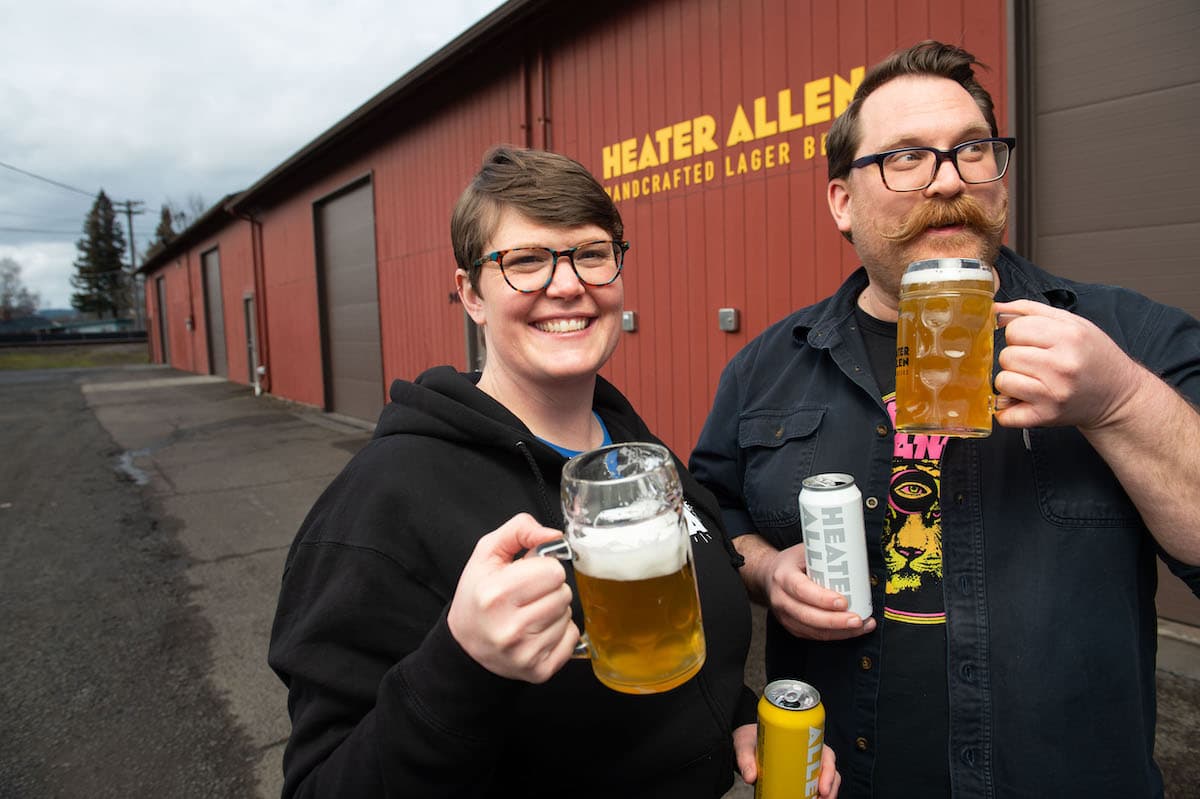
Heater Allen’s head brewer and the inventor of cold IPA are joining forces to launch lager-centric Gold Dot Beer in McMinnville, Oregon.
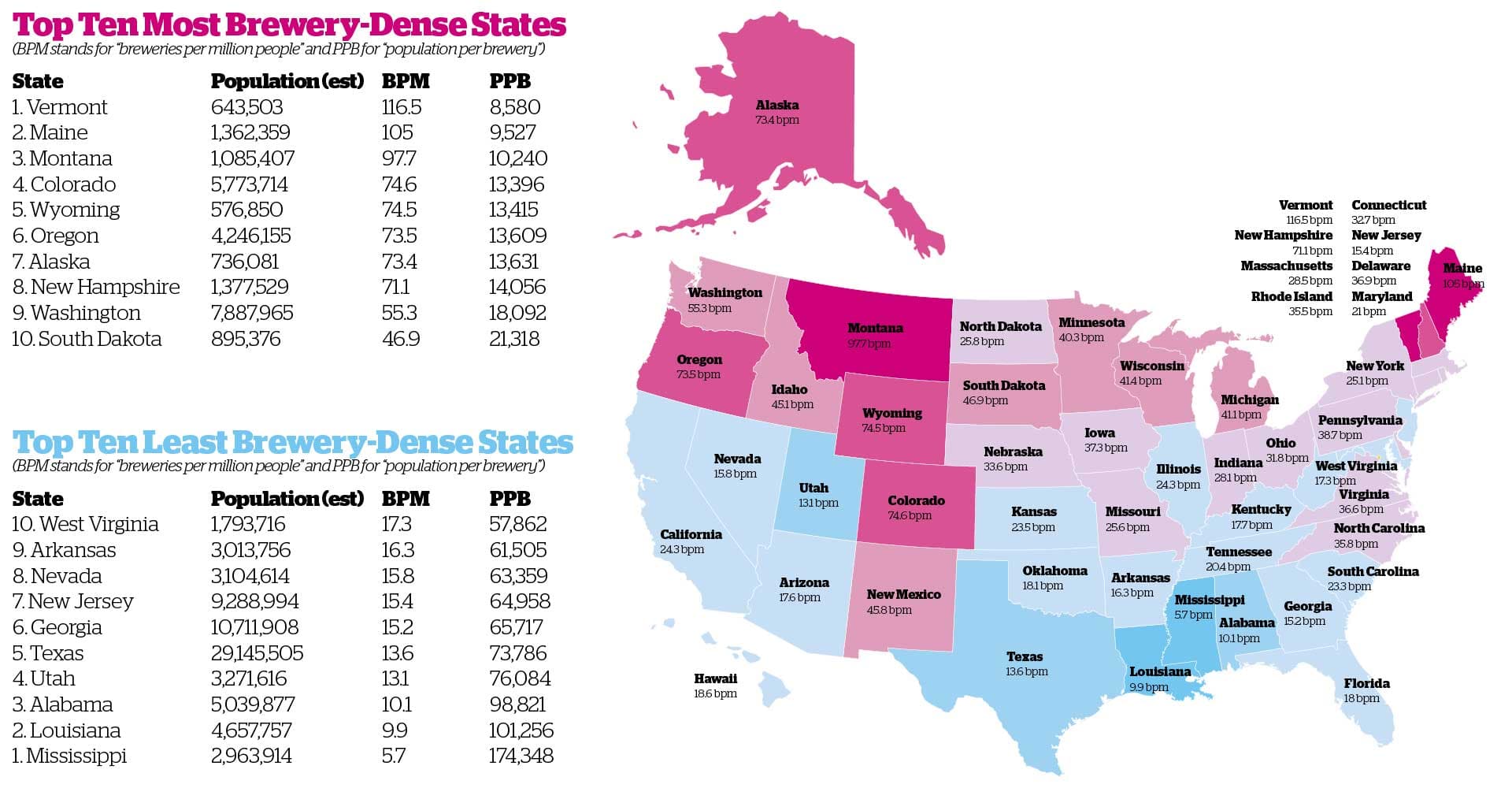
Here, we plot state populations against the number of breweries in each state, to get insight into which have the most and fewest breweries per capita.
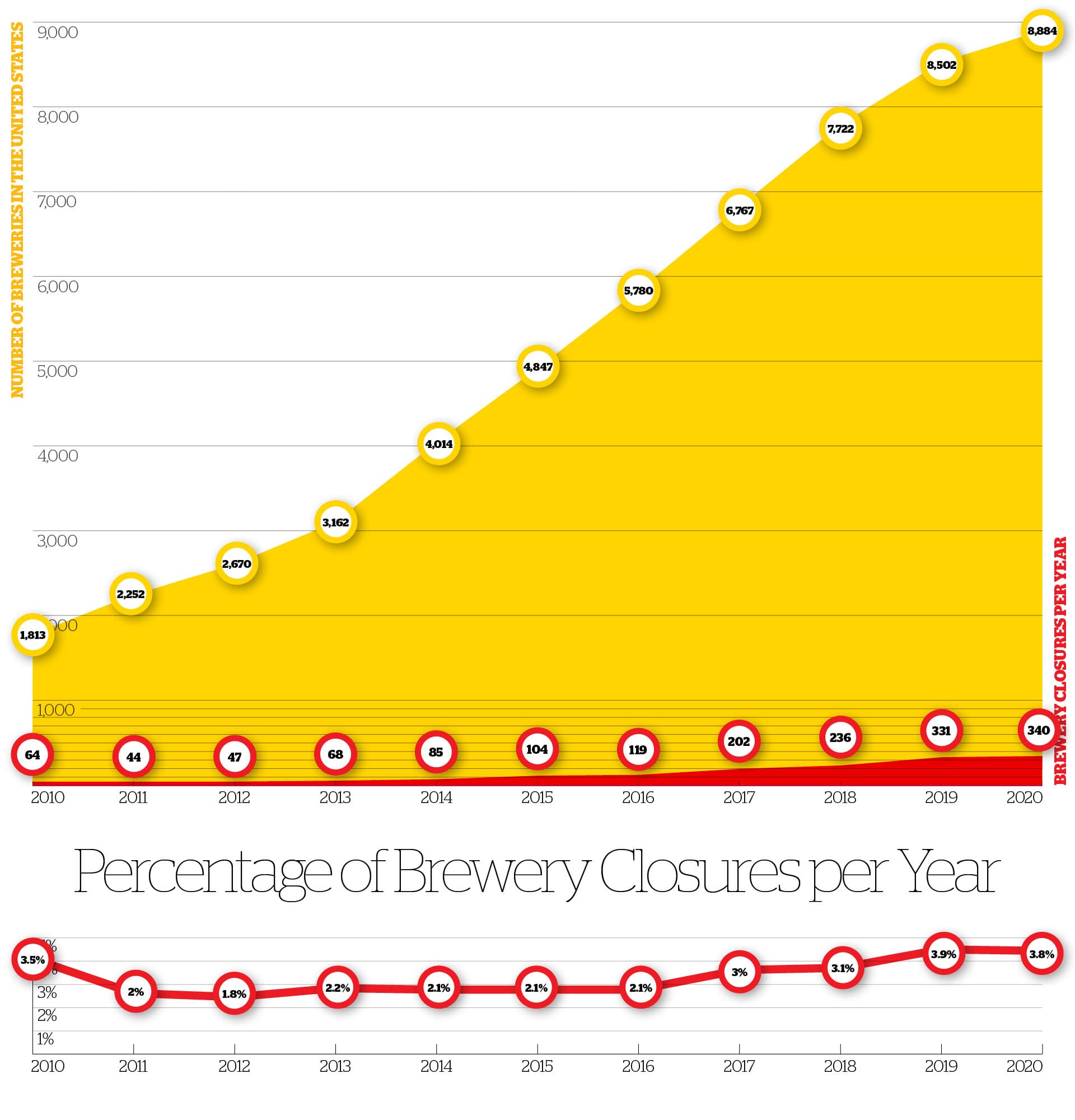
Recent numbers from the Brewers Association paint an interesting picture about the impact of a year of COVID-19 on brewery openings and closings.
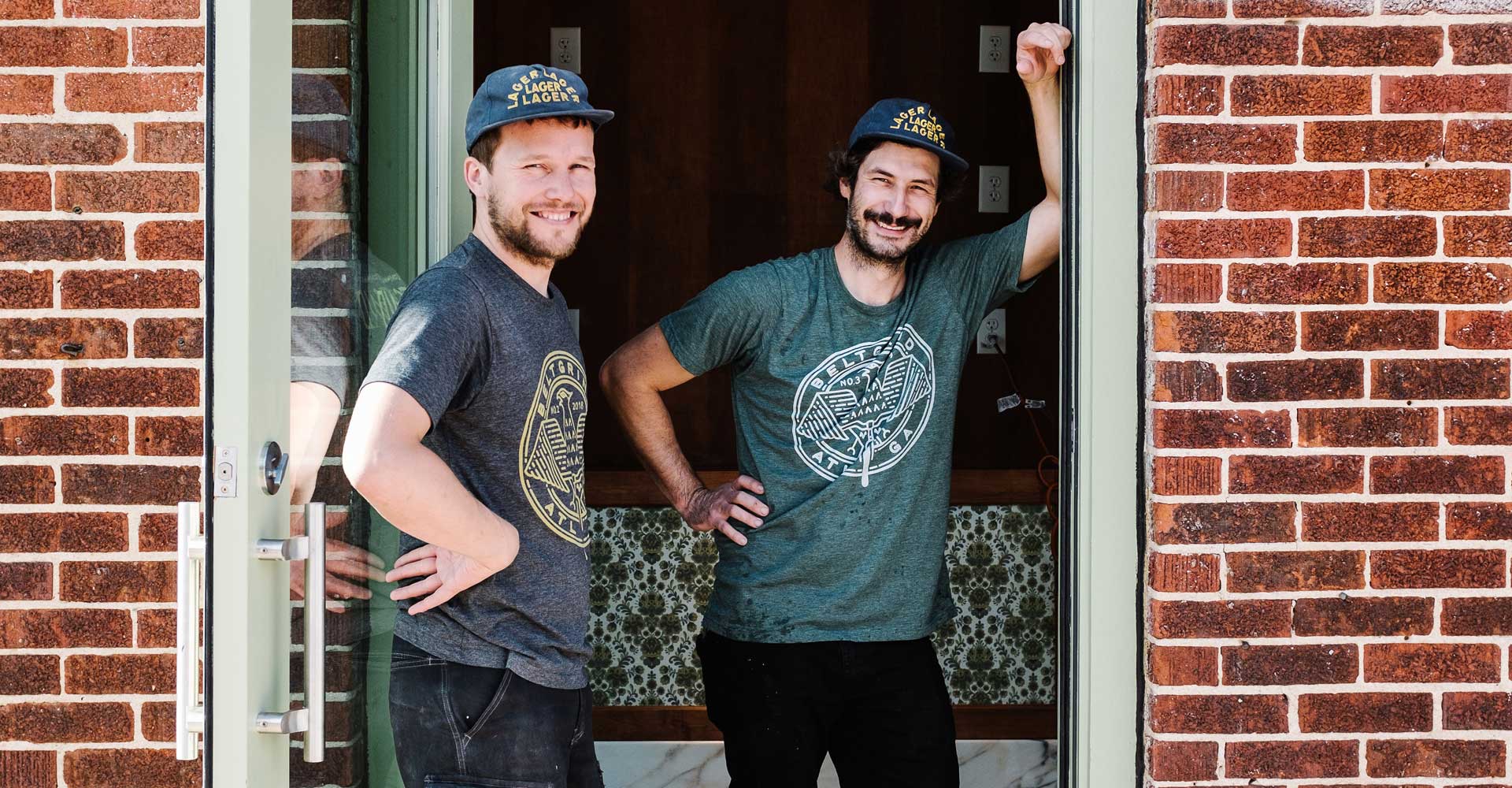
With dogged attention to detail, Halfway Crooks in Atlanta are surviving and thriving by playing the long game: “You have a beer at night and then wake up the next morning and go full force again.”
Small Brewery Sunday is November 29. The annual campaign to support smaller, independent breweries means more than usual this year, with a dire winter ahead for the hospitality trade.
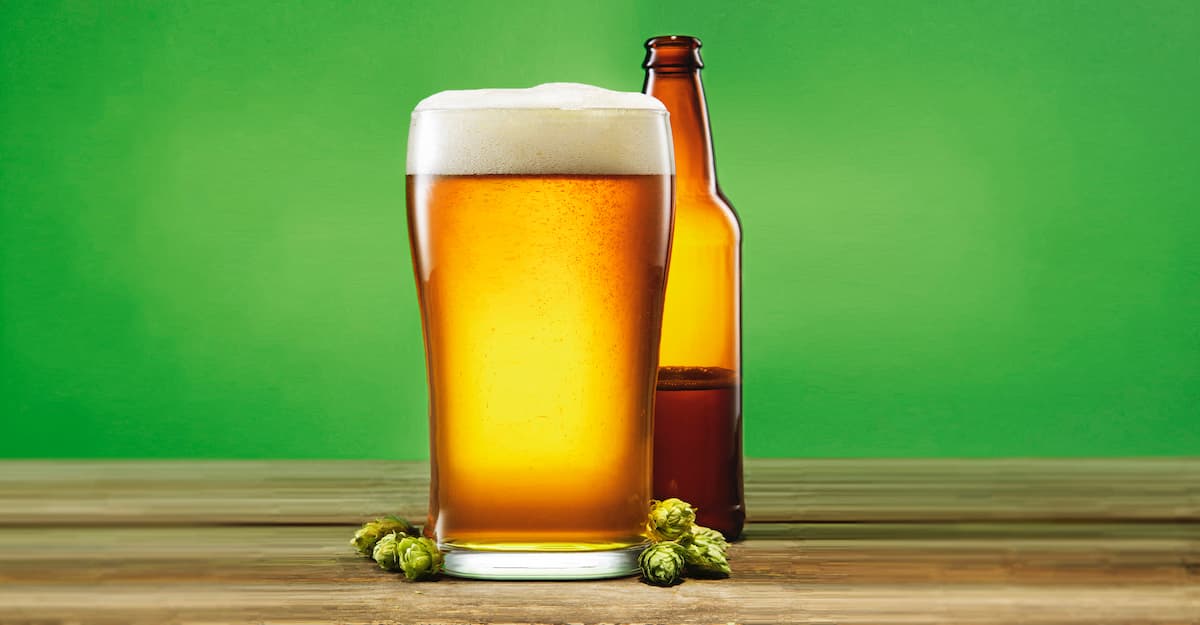
Our country’s signature flavor profile was not born in Burton, but in the hop fields of Oregon.
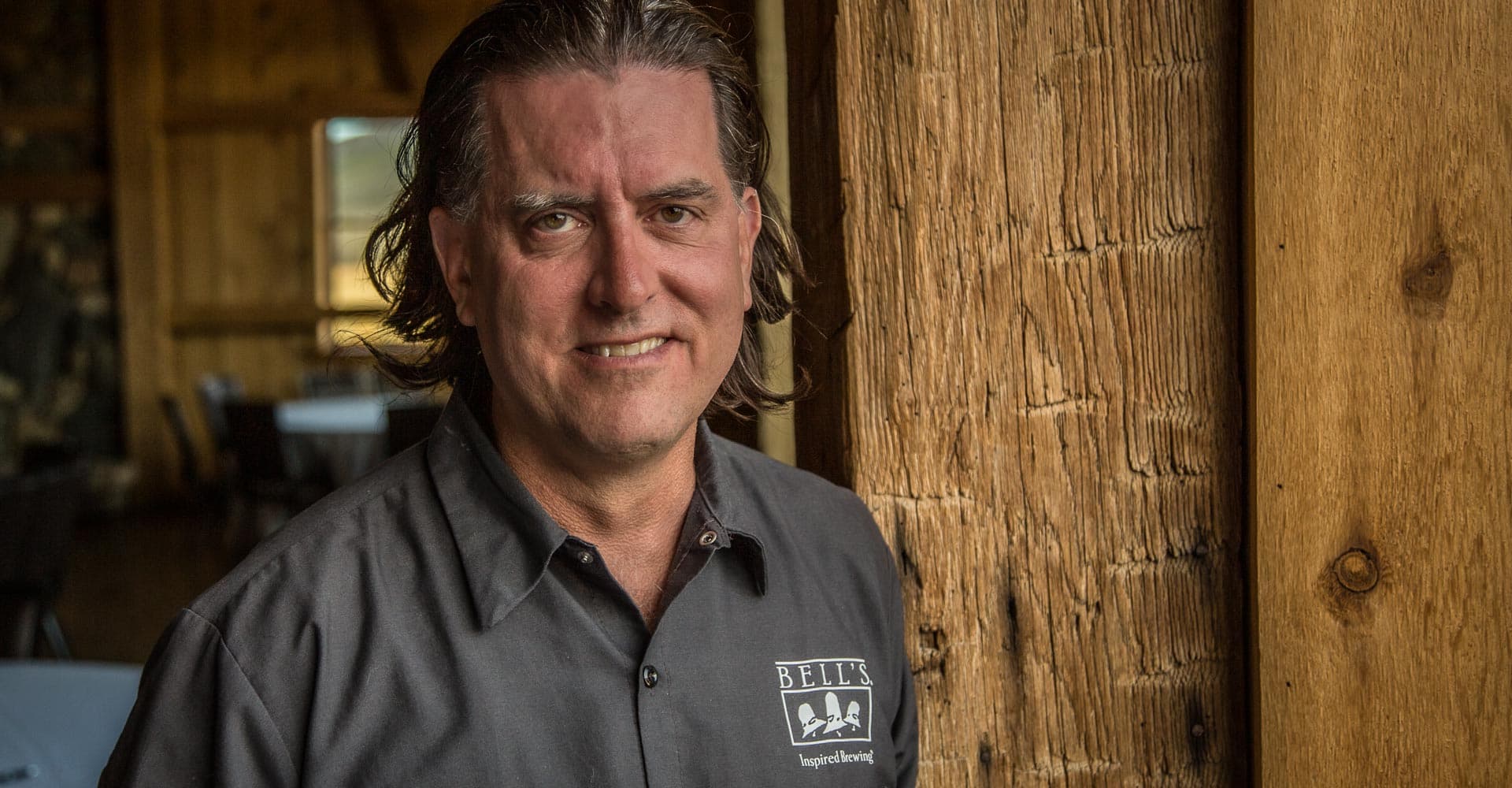
John Mallett, VP of operations for Bell's, is one of the most respected technical brewers in the industry. Here, he discusses everything from sourcing and evaluating ingredients to maintaining haze in beer and engineering a brewhouse workflow.
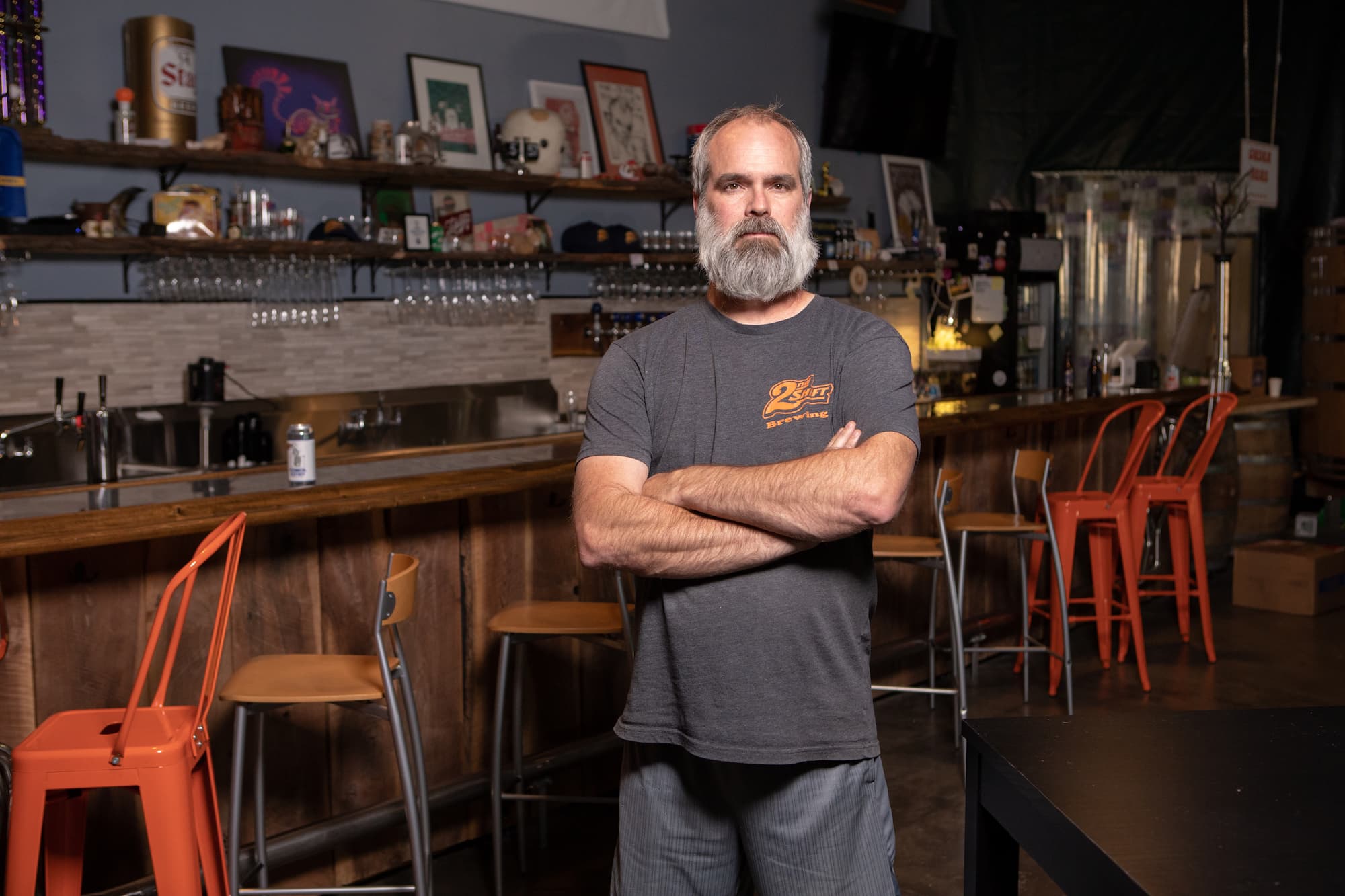
Steve Crider, founder-brewer-handyman at 2nd Shift Brewing in St. Louis, shares his know-how on keeping a brewery running—and what to do when things break down.
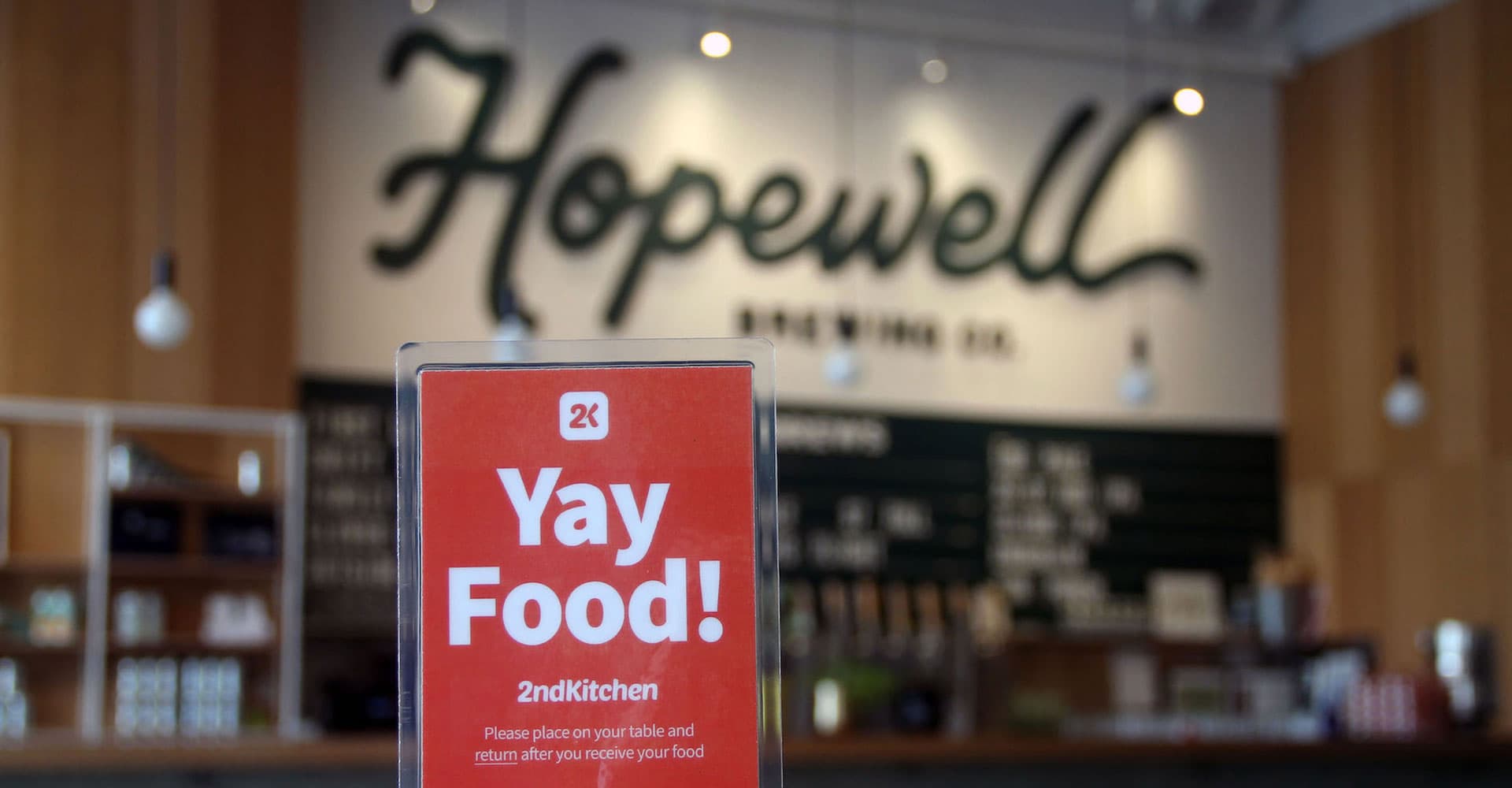
A brewery could open its own kitchen. However, when you factor in the costs—hiring a chef, obtaining the right licenses, rent, ingredients, equipment, construction, and so much more—it’s a big hassle.
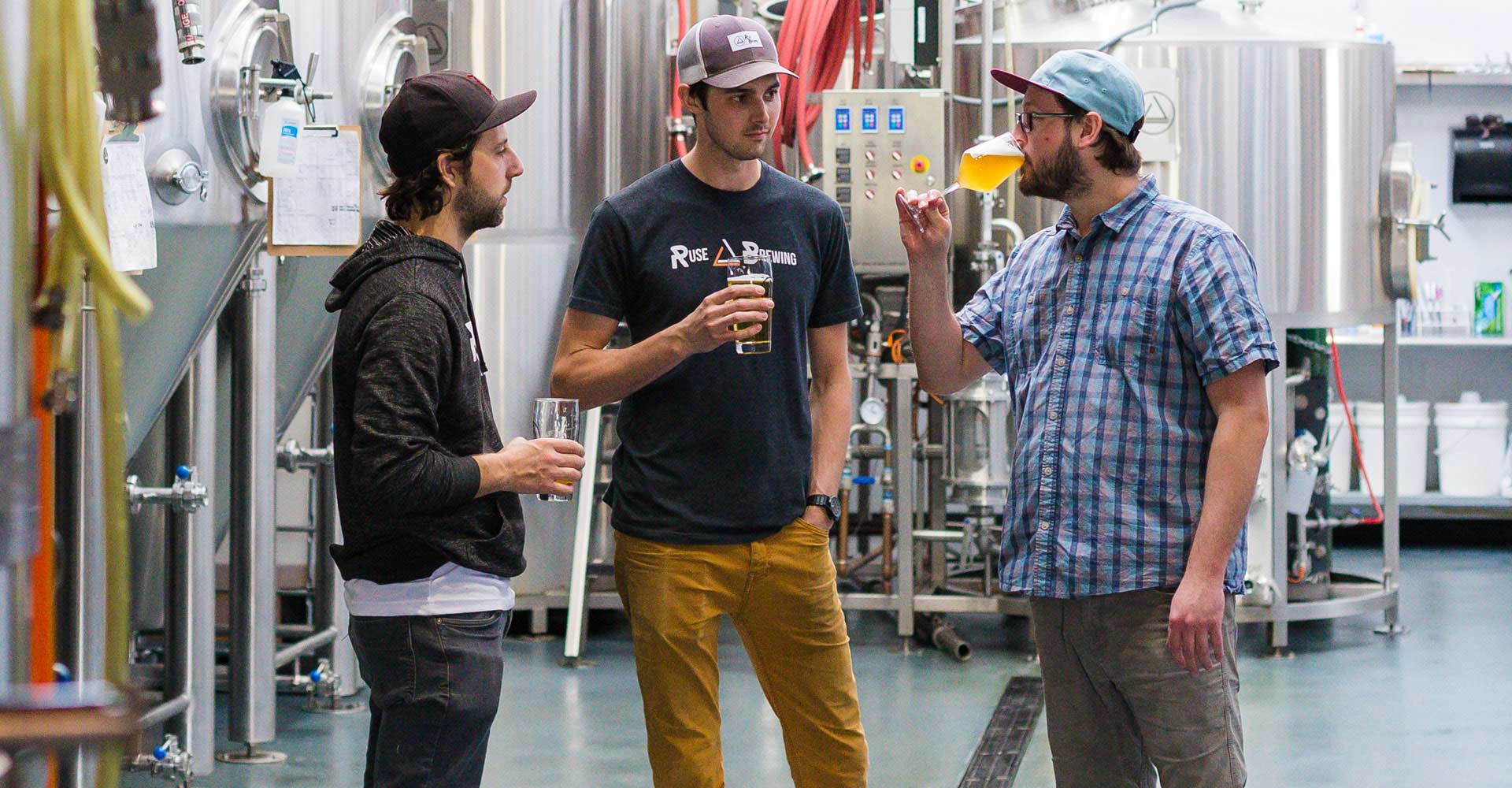
The founders and brewers of Ruse Brewing in Portland, Oregon, are meticulous about ingredients and trust their collective gut like a compass to steer them through turbulent times.
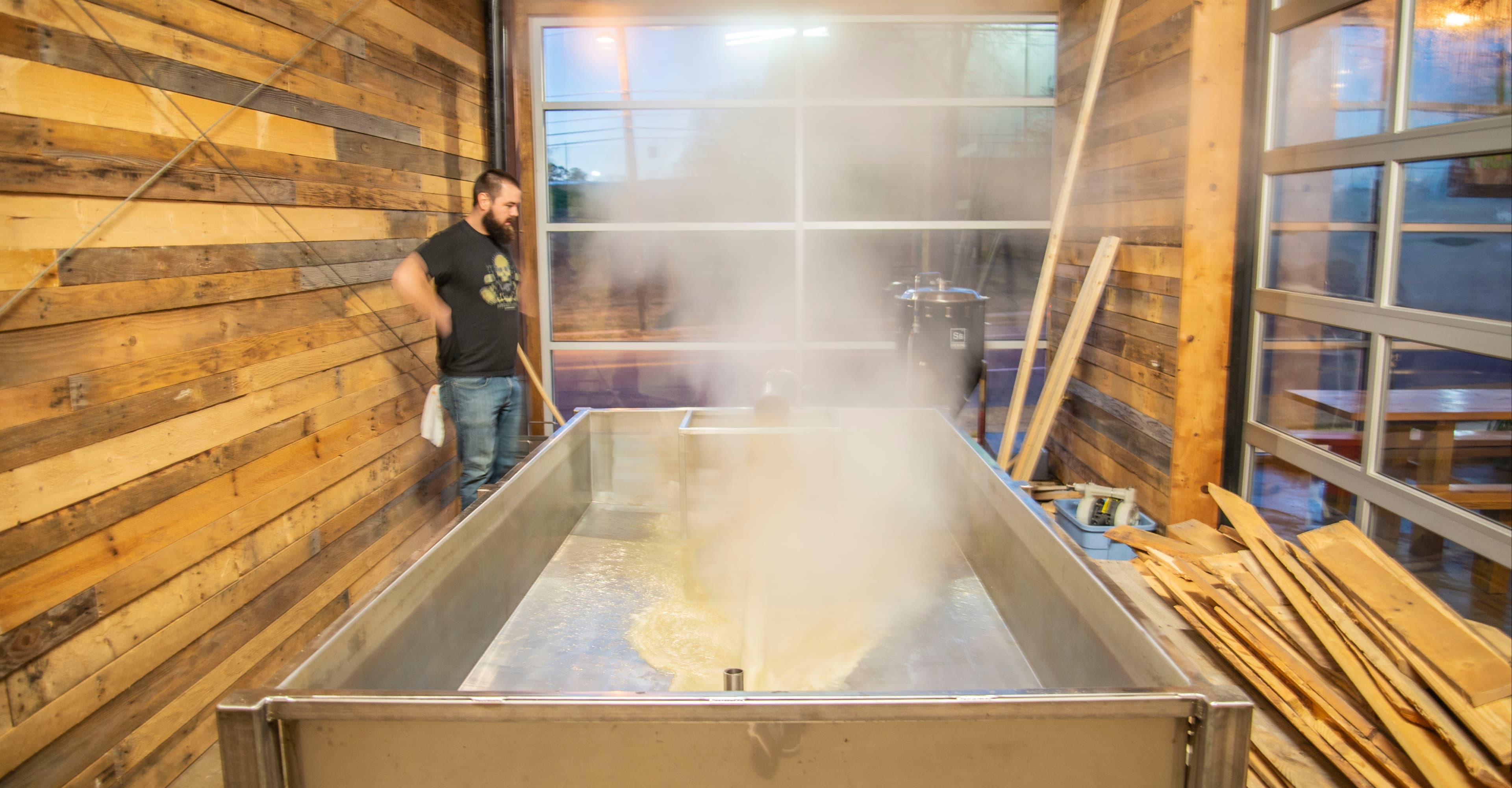
Although the brewery is not yet 2 years old and brews its share of hazy IPAs, the owners of Resident Culture have already traveled widely to foster friendships and spread their love of lager.
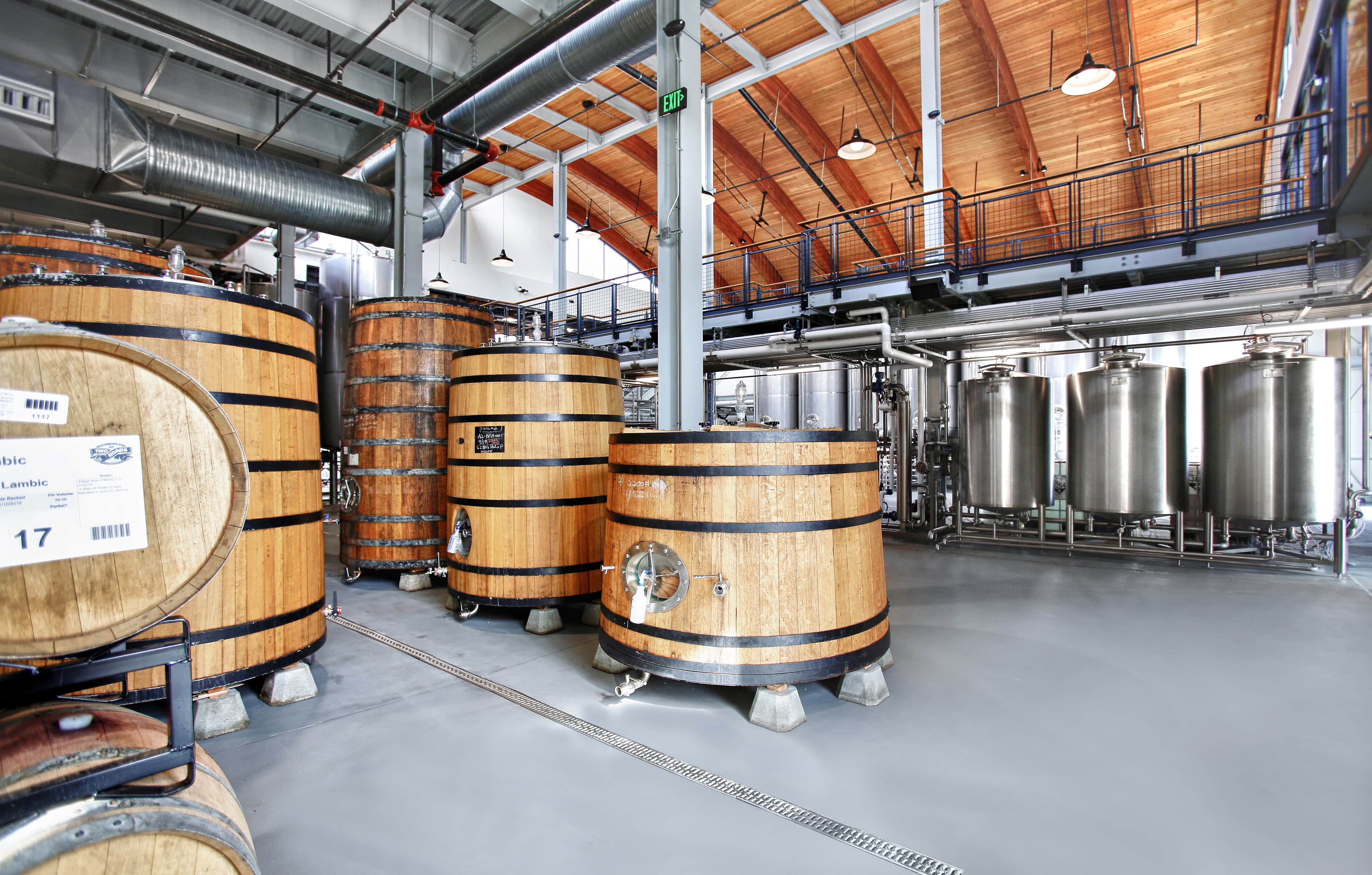
When your master brewer is one of the most respected sour and wild beer makers in the United States, it’s natural to give them room to play.
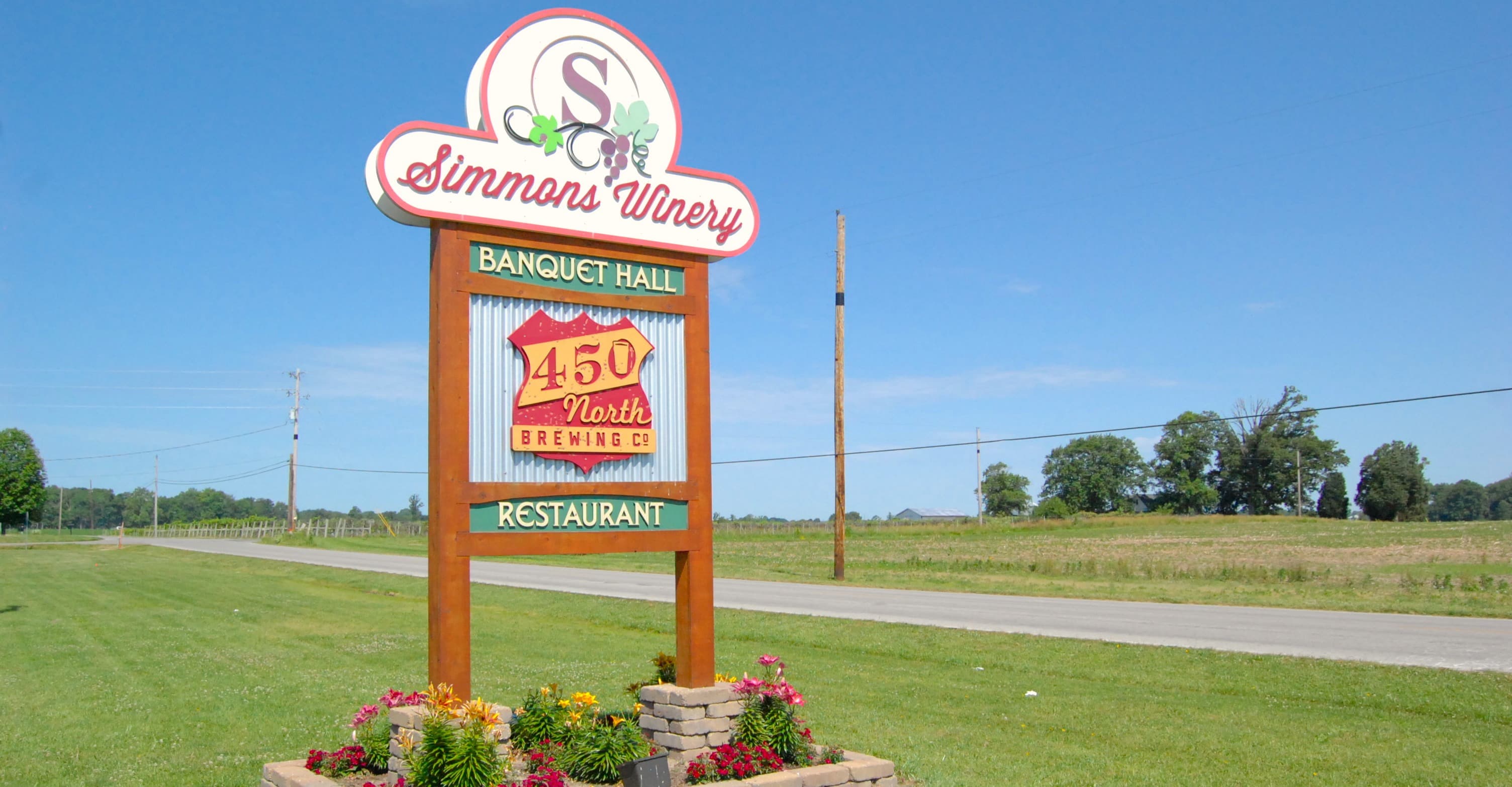
After 450 North Brewing Company changed their focus to embrace New England–style IPAs and revamped their look, traders across the country have sought them out, and their can releases have become day-long events.
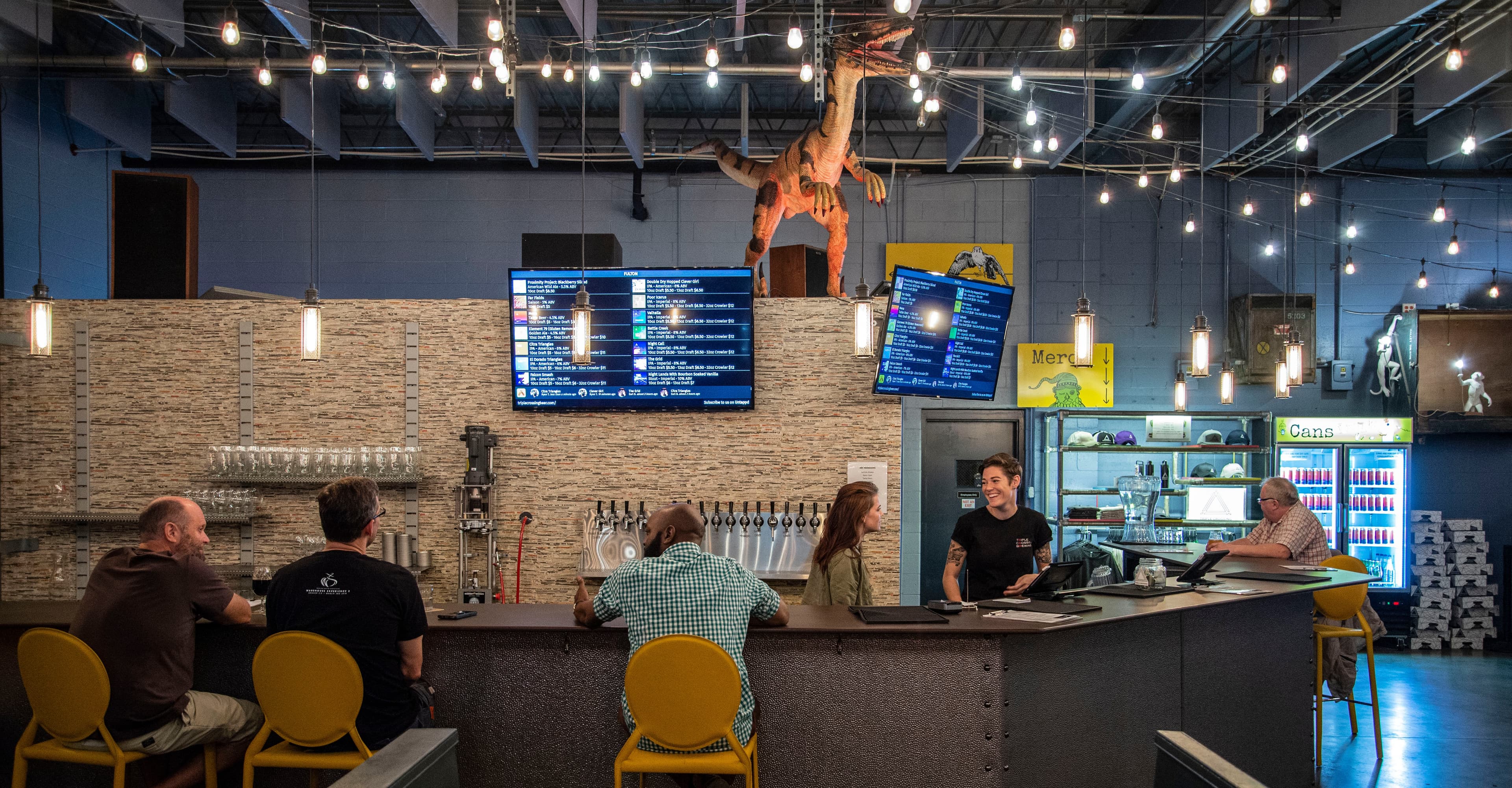
Triple Crossing Brewing Company has made a name for themselves with progressively hoppy and hazy beers, but for these central Virginia stalwarts, it’s less about fitting into a “scene” and more about finding an honest yeast expression.