More than a Feeling: Grasp the Intangibles of Beer Flavor
In the world of brewing, we can precisely measure and define certain things—and those things don’t have a whole lot to do with how we smell, taste, and feel about beer.
22 articles in this category

In the world of brewing, we can precisely measure and define certain things—and those things don’t have a whole lot to do with how we smell, taste, and feel about beer.

In recent years, the brewing world has learned a lot about terpenes, thiols, biotransformation, survivables, and more. Now, let’s zoom out to consider the essence of hop aroma—the oils that contain all those compounds—and make sense of them in a way that any brewer can use.

For many of us, hop aromas are just about the most impenetrable of all smells. Yet understanding more about how the brain works with aromas can help us to make and enjoy really delicious beers.

In these excerpts from one of our most popular podcast episodes, a few of the best IPA brewers in the business talk about adjusting the mash for dryness, evolving their recipes to keep drinkers (and themselves) happy, defeating the hop creep, maximizing aroma, and more.

Modified yeast strains and products such as Phantasm have unlocked the massive aromatic and flavor potential of thiols. Now, brewers are learning how best to tame that power in service of balance and nuance.

Our growing awareness of thiols and other hop compounds are just scratching the surface of beer’s aromatic complexity. Inspired by some recent research into wine, Randy Mosher outlines a new model—aroma pools—that might help us think differently about how and what we smell in beer.

You don’t need fruit to brew a fruit-flavored beer—malt, sugar, hops, and yeast can all be used to mimic the character of various fruits. Yet, once mastered, there is another use for this power of deception: boosting the flavors of real fruit.

The hops you select don’t always bring what you loved about them to the finished beer. Hop Butcher for the World cofounders and brewers Jude La Rose and Jeremiah Zimmer explain how Cryo hops, blends, and process tweaks can help you nail that target.

The sensory experience of beers rich in thiols suggests that much more could be done with them, even with simpler recipes and basic ingredients. Laura Burns, R&D director of Omega Yeast, explains the potential.

Laura Burns, R&D director of Omega Yeast, explains how mash-hopping makes more thiol precursors available to biotransformation—and how malt itself can be a rich source of those precursors—so that even very simple beers can have exotic aromas.

The idea is simple: an IPA that relies on German ingredients—especially the country’s distinctive aroma hops. Does it exist? Yes. Is it rare? Also, yes. Josh Weikert digs into the German and U.S. beer scenes to find out why—and to get the blueprints.

Randy Mosher dissects the intricate workings of IPAs—from the malt to the hop compounds that make them special and compelling—so we can approach our brews and our sensory vocabulary with deeper thought.

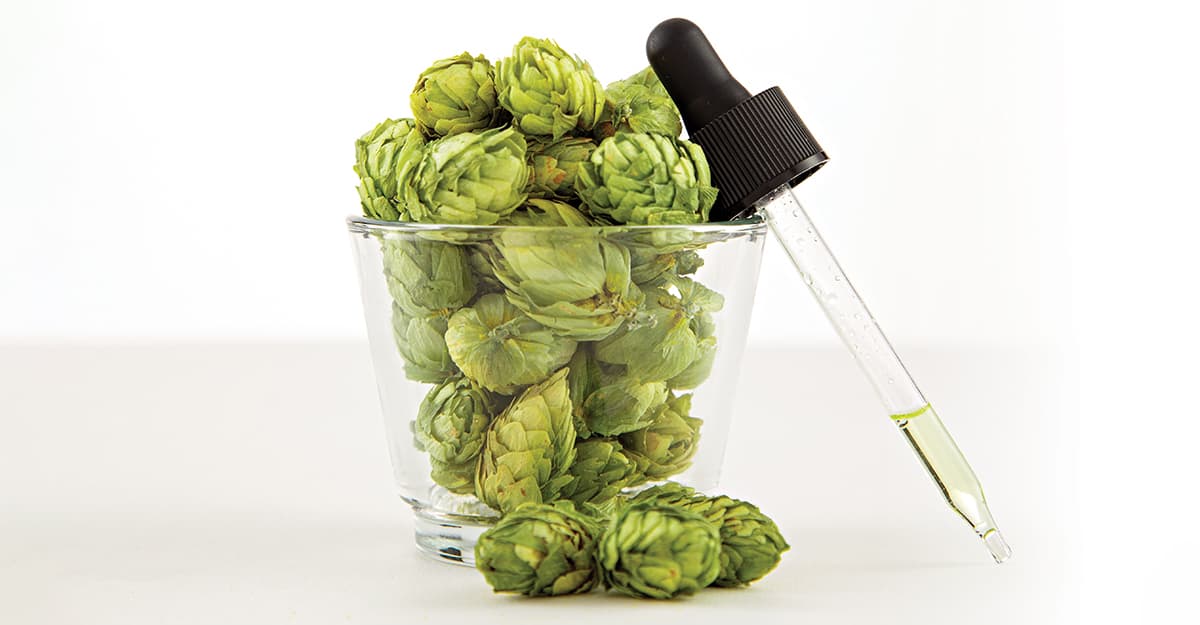
Brewers are in the early days of experimenting with liquid hop terpenes—incredibly potent isolates of aromatic compounds that can deliver a big boost to the IPA bouquet.

Hops can smell like other foods because they share many of the same aroma compounds. Here is Randy Mosher on how to boost your IPAs with ingredients that have those sought-after traits.

Aslin Beer cofounder Andrew Kelley walks us step-by-step through the brewery's kettle-souring process, from grist composition to adjusting the pH depending on fruit or other ingredients.

Pull levers, turn knobs, spin wort—from whirlpools to “dip hopping,” here is a detailed look at some specific hot-side techniques and gear for dialing in substantial hop flavor and aroma.

Aslin Beer cofounder Andrew Kelley shares a detailed example of building a beer recipe to mimic the flavors and evoke a specific culinary experience—including specifics on how and when to add coffee.

Andrew Kelly, cofounder of Aslin Beer in Alexandria, Virginia, breaks down the elements of flavor and reminds us to think about what different brewing ingredients bring to the table when trying to mimic the flavors of favorite foods.

Greg Engert, beer director for the Neighborhood Restaurant Group, explains the components of flavor and how we perceive them, and thus how we enjoy our beers as well as our food.

Foam is important not just for appearance, but also for aroma and how we experience a beer. In this video tip, Greg Engert explains why we go for foam when we pour (and when we brew).