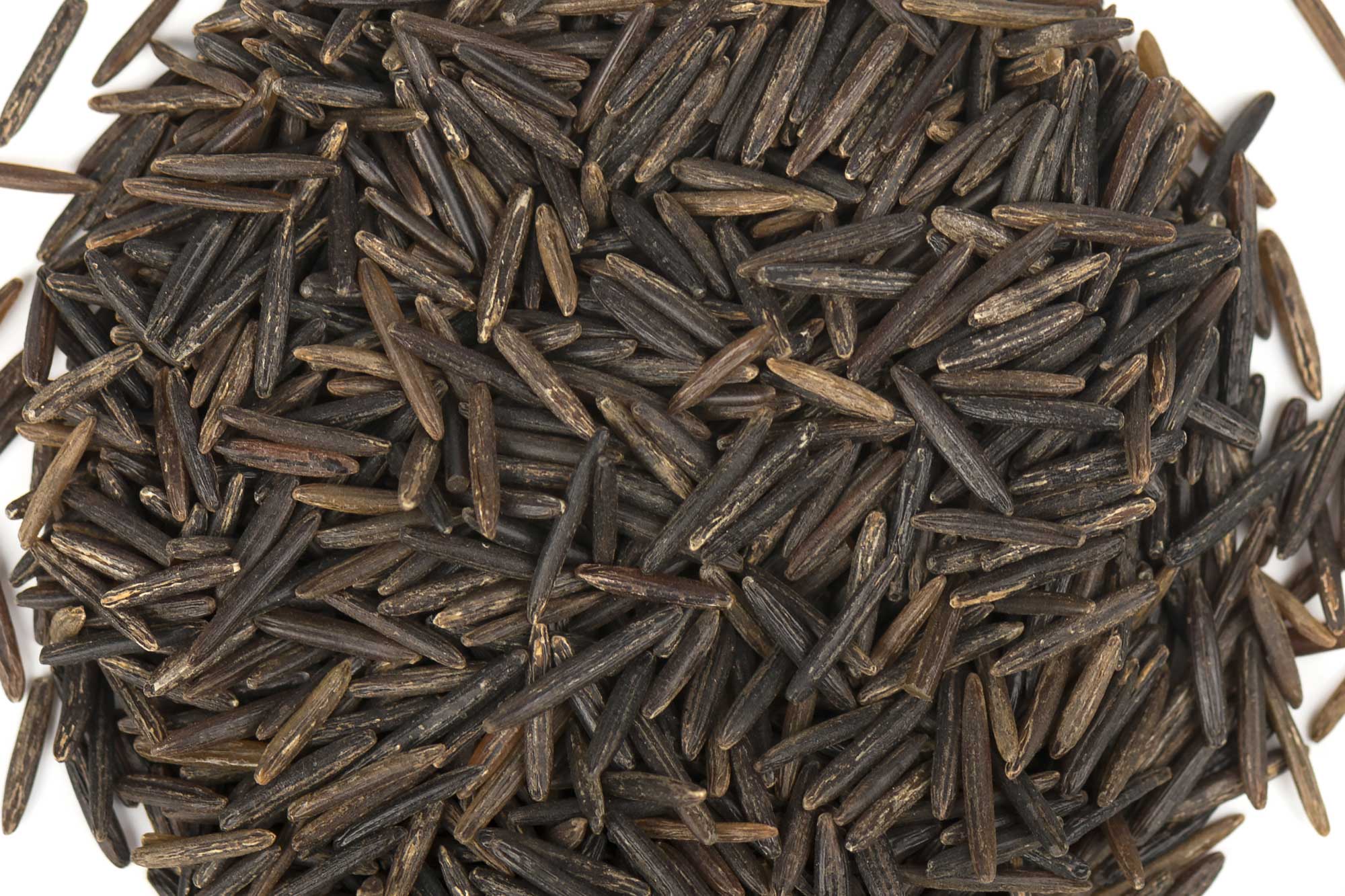
Brewing with Wild Rice, an American Grain
This truly indigenous, widely available American grain offers nutty, earthy flavors that would seem to be compatible with malt-forward beer. Yet relatively few breweries have tried it.

44 articles in this category
This truly indigenous, widely available American grain offers nutty, earthy flavors that would seem to be compatible with malt-forward beer. Yet relatively few breweries have tried it.
Horus Aged Ales founder Kyle Harrop doesn’t drink coffee, but he loves to add it as a flavor component in his big barrel-aged stouts. In this clip from his video course, he explains his “tea bag” method to dial in contact time to get the flavor he wants.
Among brewers who use it, coconut is notorious for soaking up liquid, destroying yield, and leaving behind an oily sheen... but people sure do seem to love the flavor. In this clip from his video course, Horus Aged Ales founder Kyle Harrop describes how he deploys this wonderfully flavorful but expensive and inefficient adjunct.
It takes a lot of house-toasted hazelnuts to get the flavor that Horus Aged Ales founder Kyle Harrop wants in a special subset of his barrel-aged beers. “It gets real expensive, real quick,” he says. In this clip from his video course, he explains the process in detail.
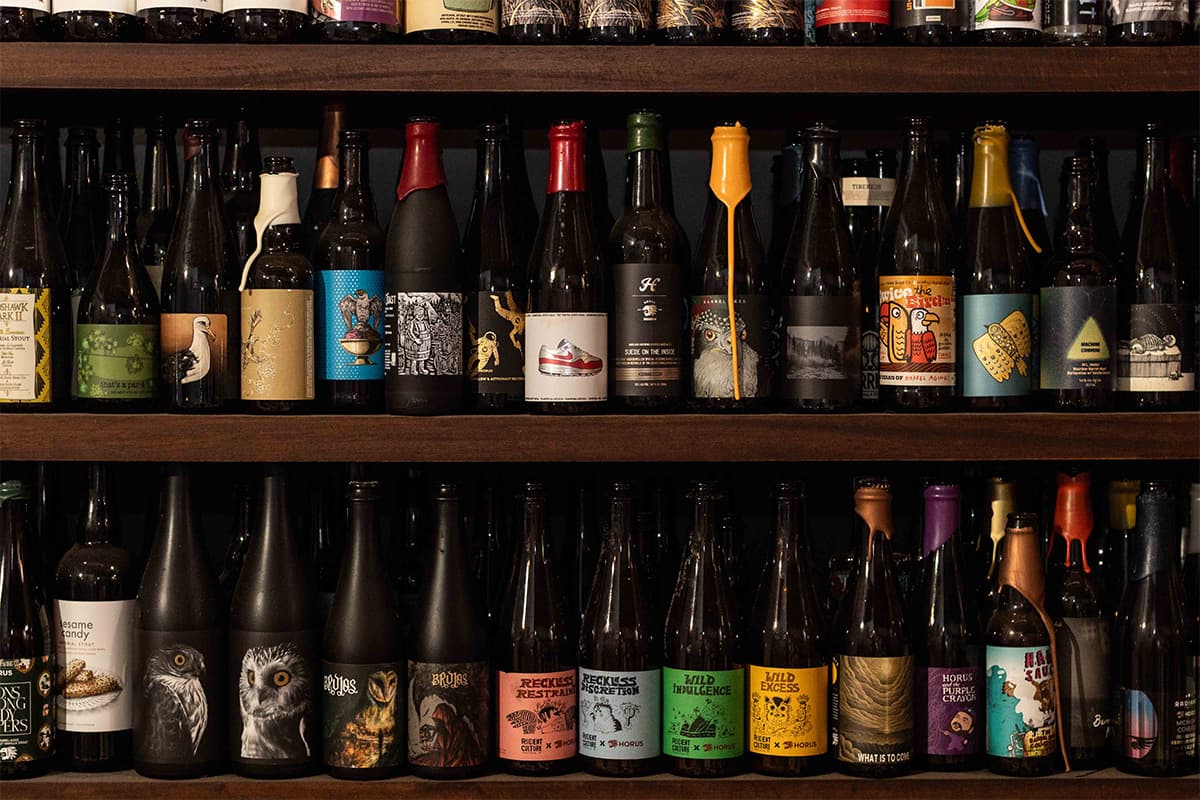
The realm of vanilla and its flavor potential extends far beyond Madagascar and Tahiti. In this clip from his video course, Horus Aged Ales founder Kyle Harrop talks about some of his favorite origin vanillas for barrel-aged beers—and about how the bean can overshadow the barrel.
Kyle Harrop, founder of Horus Aged Ales, shares his approach to brewing, aging, and blending higher-gravity barleywines and stouts—and to selecting and using the flavor components that can take those beers to the next level.
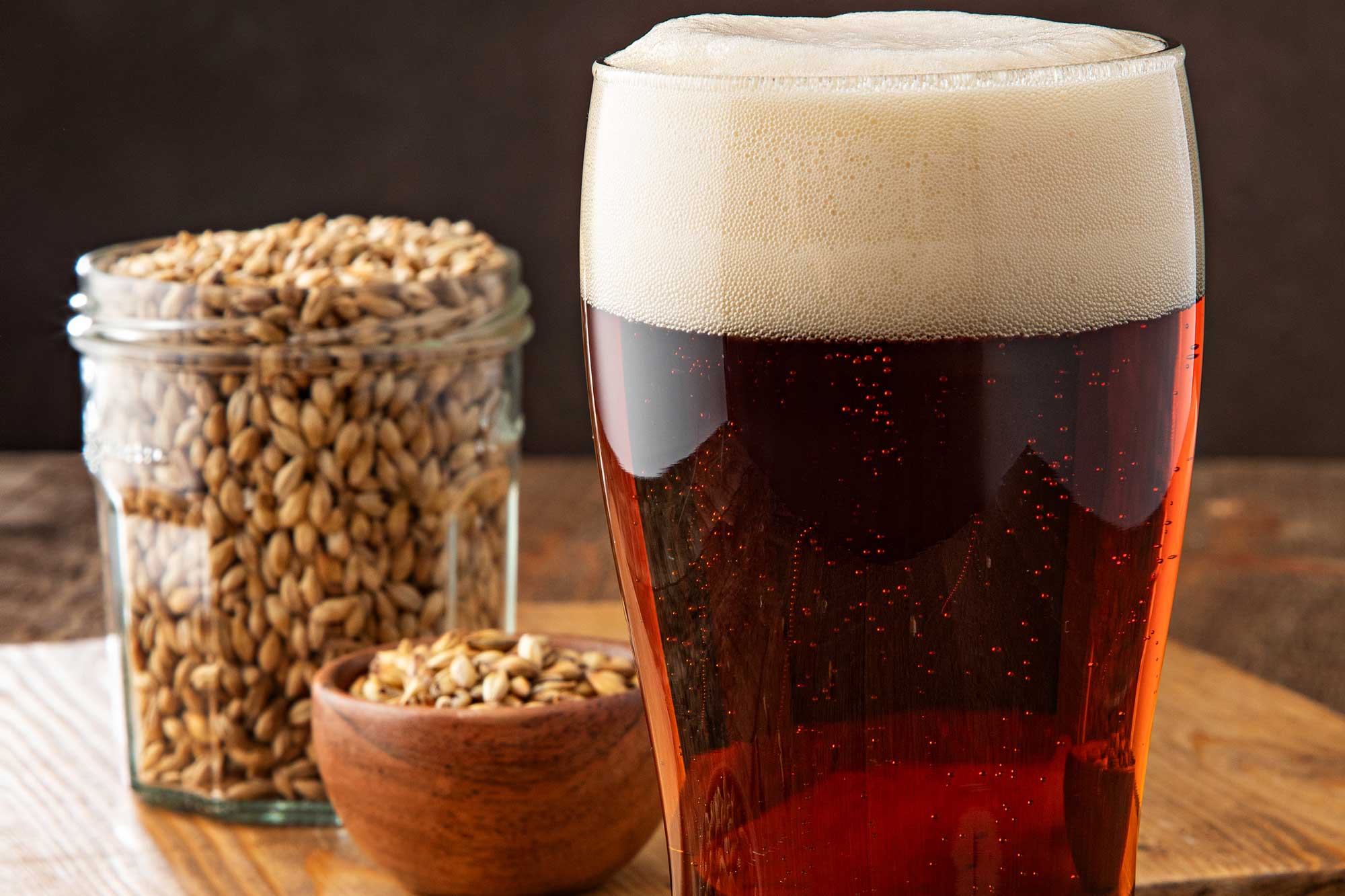
American brewers have been producing an industrial riff on bock for more than 150 years—light in strength but dark in color, usually made with corn as well as dark syrups. How might craft brewers reinterpret this tradition, based on the ingredients they have today?
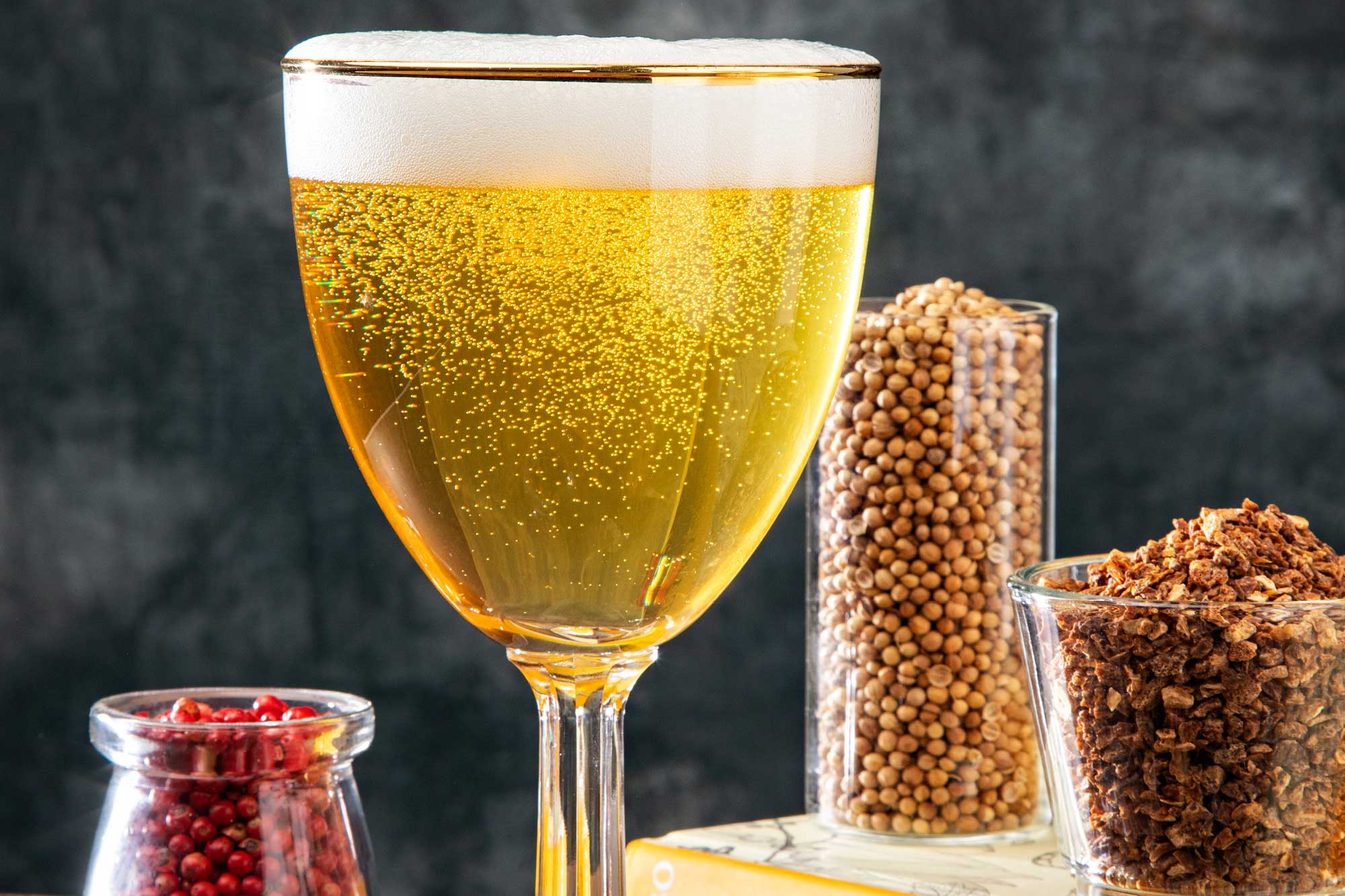
Looking for some new creative avenues to explore, or want to try something special for your next holiday seasonal? Randy Mosher shares some insights into why botanicals have always been important to beer—plus, strategies to help you use them successfully, today.
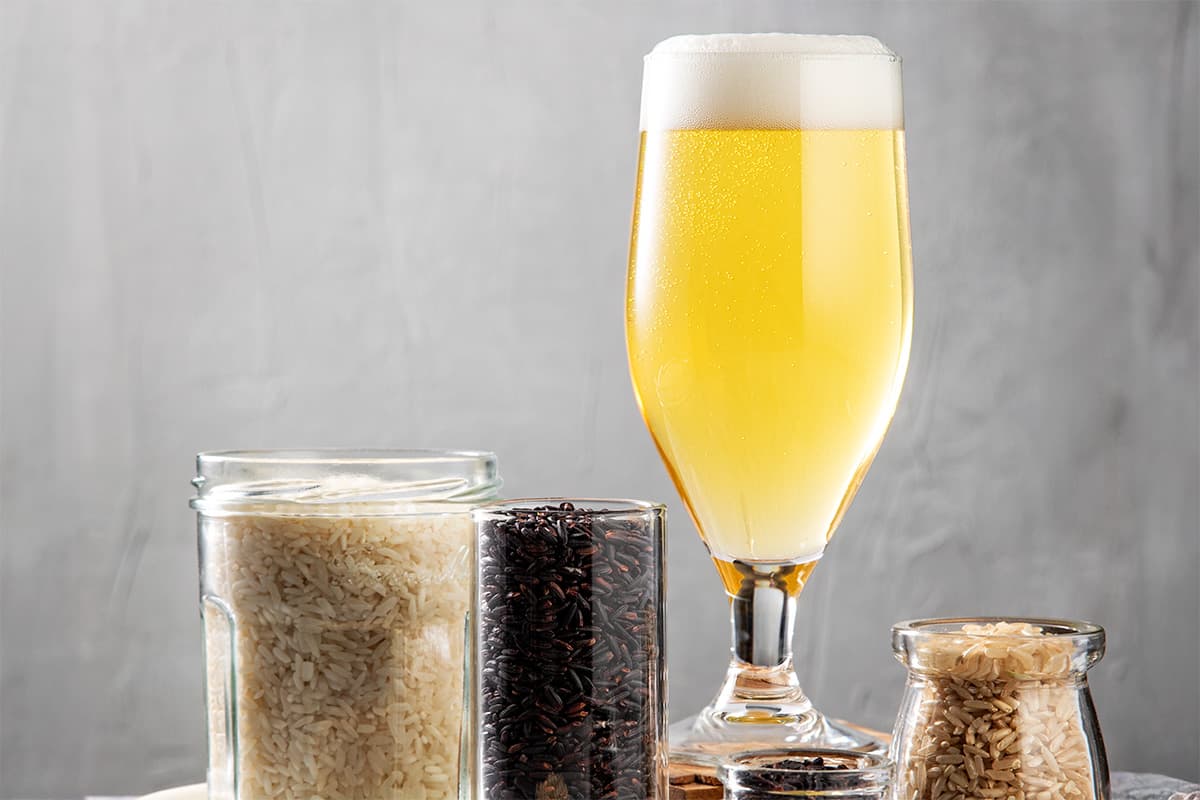
New research points toward much greater potential for rice malt in brewing—with varieties that provide color, character, and brewing specs that aren’t so different from barley.
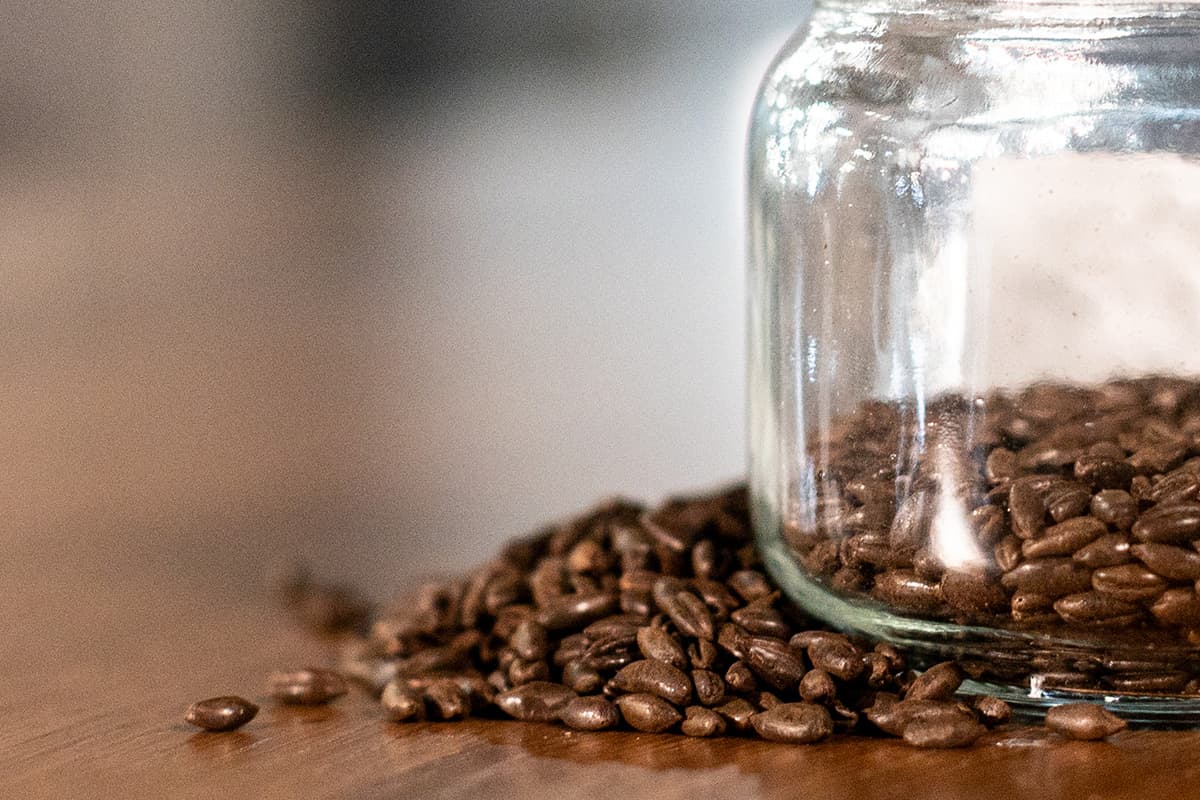
Third Eye co-owner and head brewer Kelly Montgomery makes the case for freshly roasted cacao nibs and using real vanilla extract in combination with vanilla beans to capture a rich chocolate flavor in stouts.
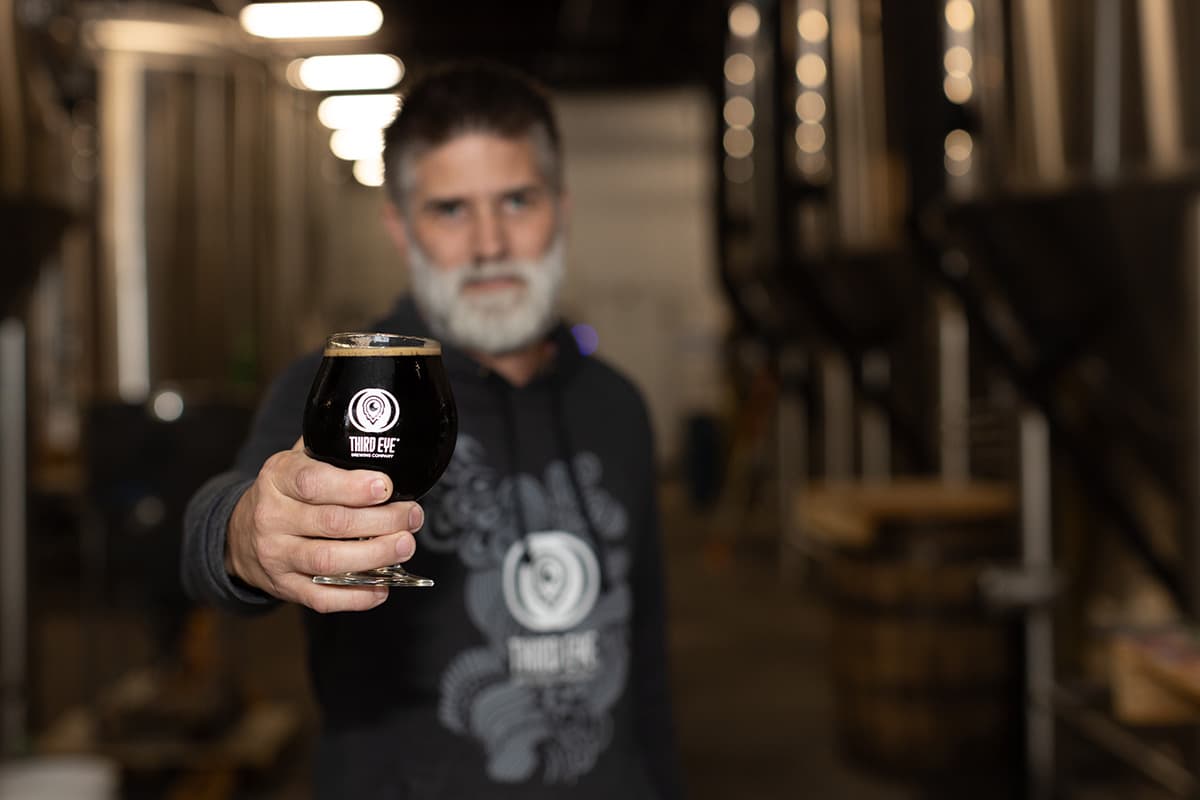
From layering malts to selecting and infusing adjuncts, Third Eye co-owner and head brewer Kelly Montgomery lays out their medal-winning approach to planning and brewing rich, flavorful stouts.
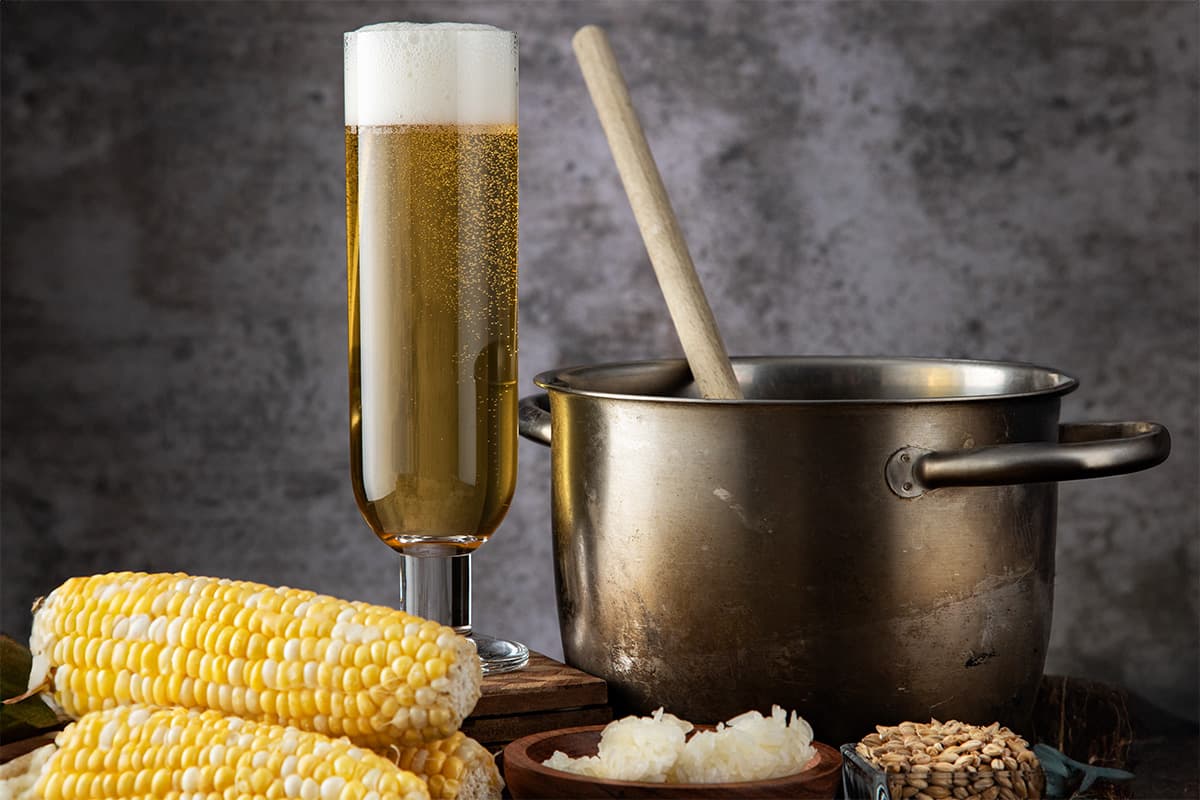
Craft brewers have gone from shunning adjuncts to embracing them with alacrity amid our ongoing love affair with lager. Here, we put the American and international lager traditions into context—and then we ponder which adjuncts might be the next to conquer the world.
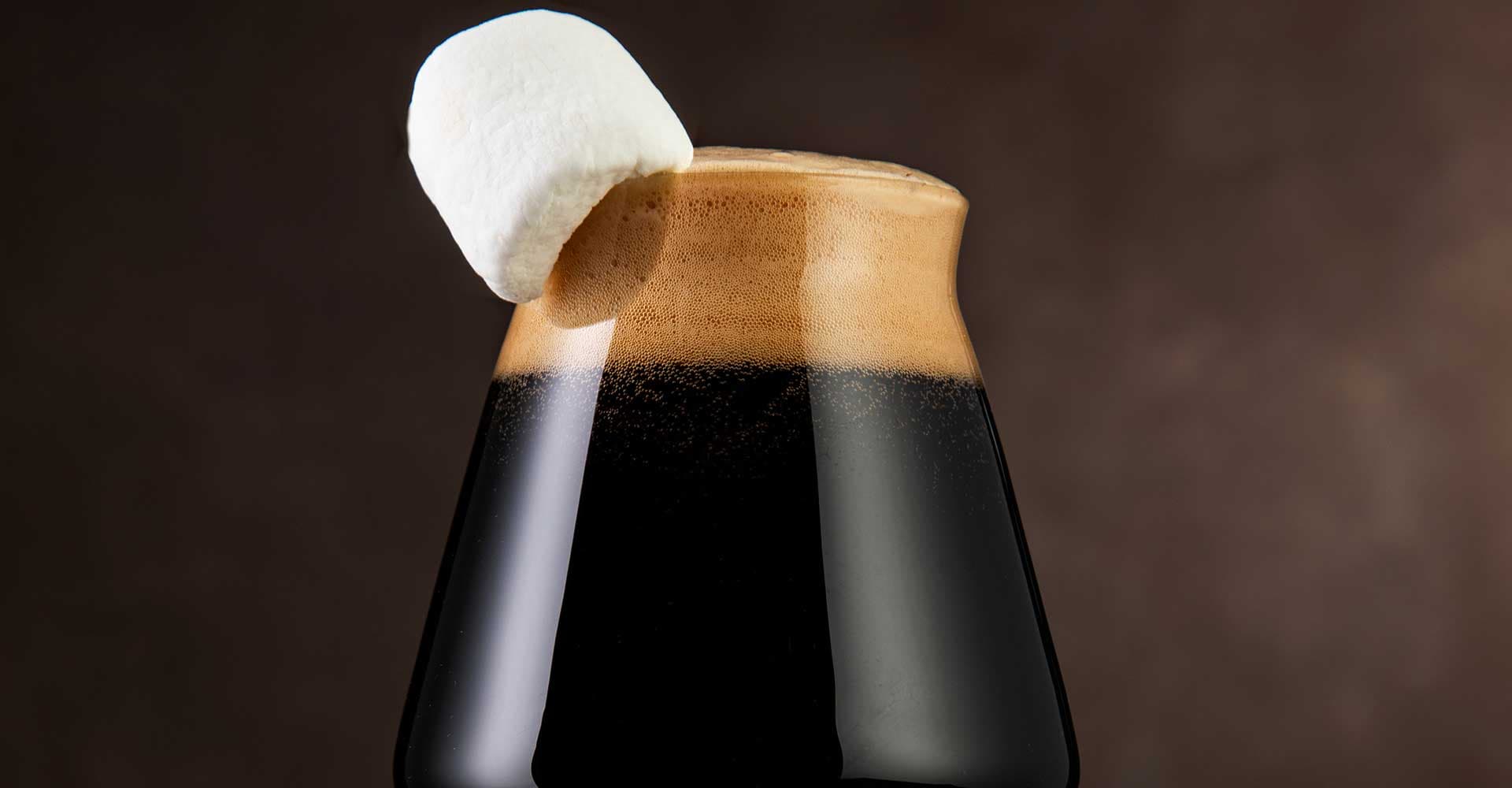
From cocoa to coconuts via lactose and long boils, brewers are shaping today’s dessert stouts for easy appeal. Just don’t say they’re easy to make.

Great Notion lead brewer Lara Hargrave offers some useful advice for using flavor extracts, graham crackers, almonds, and more in your pastry- and dessert-inspired beers.
Lara Hargrave, lead brewer at Great Notion in Portland, Oregon, runs through several of the adjuncts they add to their pastry stouts, including some useful tips for flavor and practicality.
Lara Hargrave, lead brewer at Great Notion in Portland, Oregon, takes us on a journey through the production of big, whimsical, indulgent, nostalgia-inducing dessert-inspired stouts.
Since adjunct lagers are cool again, it may be time to give American malt liquor a fresh look. Lean and strong, this adjunct-laden product of the post-Prohibition era has the power to evoke simpler times.
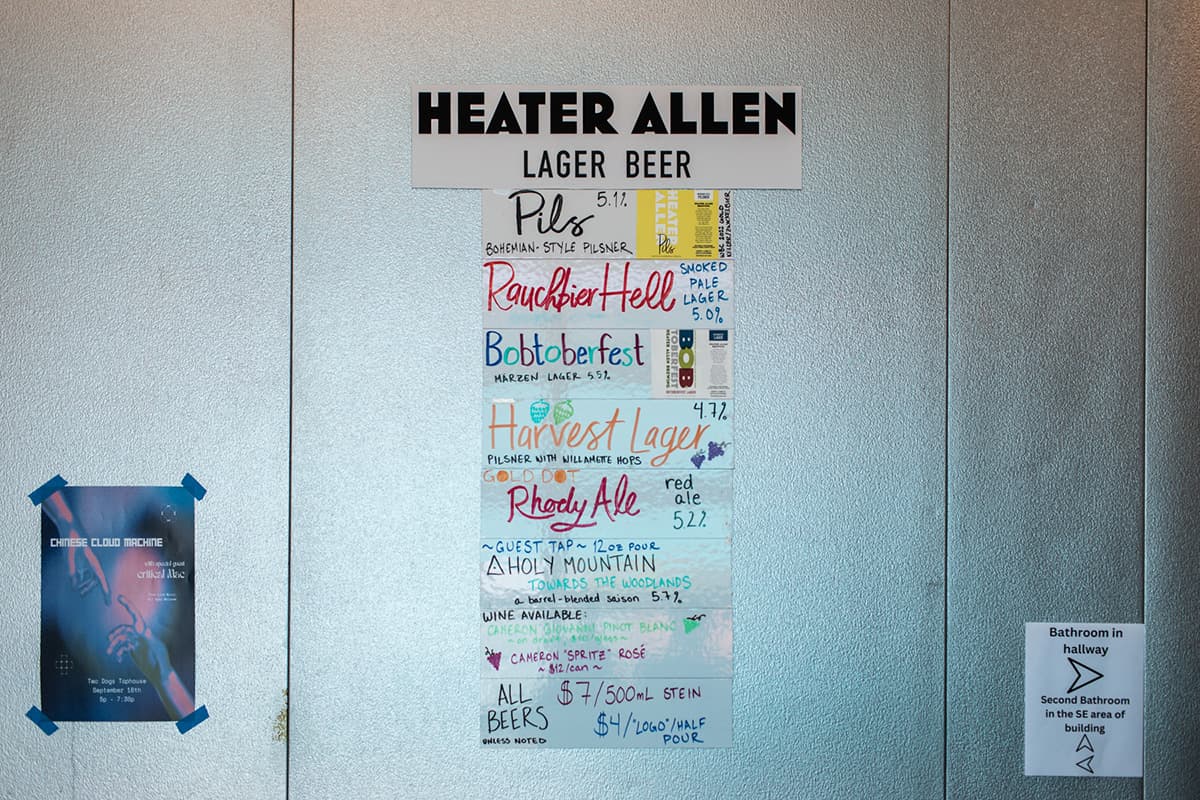
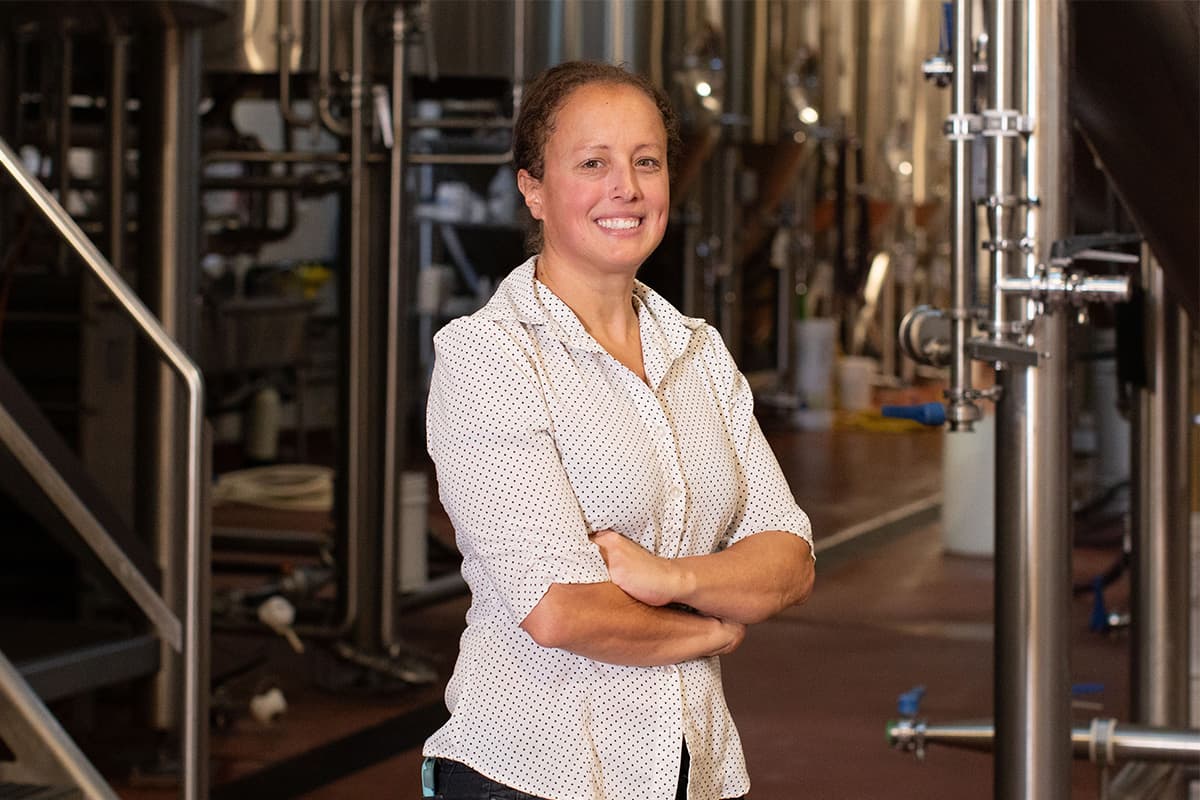
Kevin Davey, co-owner of Heater Allen Brewing and Gold Dot Beer, explains why domestic two-row is the base malt of choice for cold IPA, combining with adjuncts such as rice or corn for lighter body and longer shelf life.
From ball bearings to infusion tanks, Maplewood founder Adam Cieslak and special projects lead Adam Smith offer technical advice on how to best extract the flavors from ingredients such as coconut and coffee.
In this clip from his video course, Phase Three cofounder and head brewer Shaun Berns lays out how they use cinnamon in their big stouts and barrel-aged beers—including a very unscientific way to measure it.