

One of my favorite things about summer—besides all that glorious sunshine—is the seasonal fruit. Nectarines, peaches, cherries, plums... From the start of summer through its dog days, the fruit just keeps on fruiting straight into the fall.
Now, I love a great fruit beer as much as I love any beer—but I’m not always keen on brewing and drinking gallons and gallons of one type. Your cherry beer might be delicious, but are you really going to drink as many pints in a session as you would a nice helles? I can put one style on draft at a time, and we all know it can take longer to get through certain kegs before moving on to the next, even when we’re proud of the beer.
Enter the radler. Say what?
The radler has become somewhat better-known in North America in recent years, but if you don’t know: Radler is a modern German tradition practiced by mixing lager or wheat beer with limonade—not lemonade, as we know it, but a sparkling soft drink that’s often lemon-flavored. Popular with thirsty people who don’t want too much alcohol, a radler is something you can order at virtually any German bar or restaurant.
Radler means “cyclist” in German, and it may have gotten its name from Franz Kugler, a cycling enthusiast and innkeeper north of Munich in the 1920s. Cycling was increasingly popular then, and hordes of cyclists would pass by the inn—not necessarily looking to consume a lot of beer before riding home. So, Kugler would welcome them with liters of lager mixed with lemon soda—a satisfying yet lower-alcohol quencher. He called it a Radlermaß, meaning “cyclist’s liter.”
We have an English word for that kind of beer-and-soda mix—shandy—so use that if you prefer it. But I like the radler story and how well the mix works with a Bavarian-style helles or other easygoing pale lager.
Here’s Where Things Get Fuzzy
I love Kugler’s “when life hands you lemons” tale, but I also can’t help thinking about all those seasonal fruits. Where else can we ride the radler, besides lemon or grapefruit?
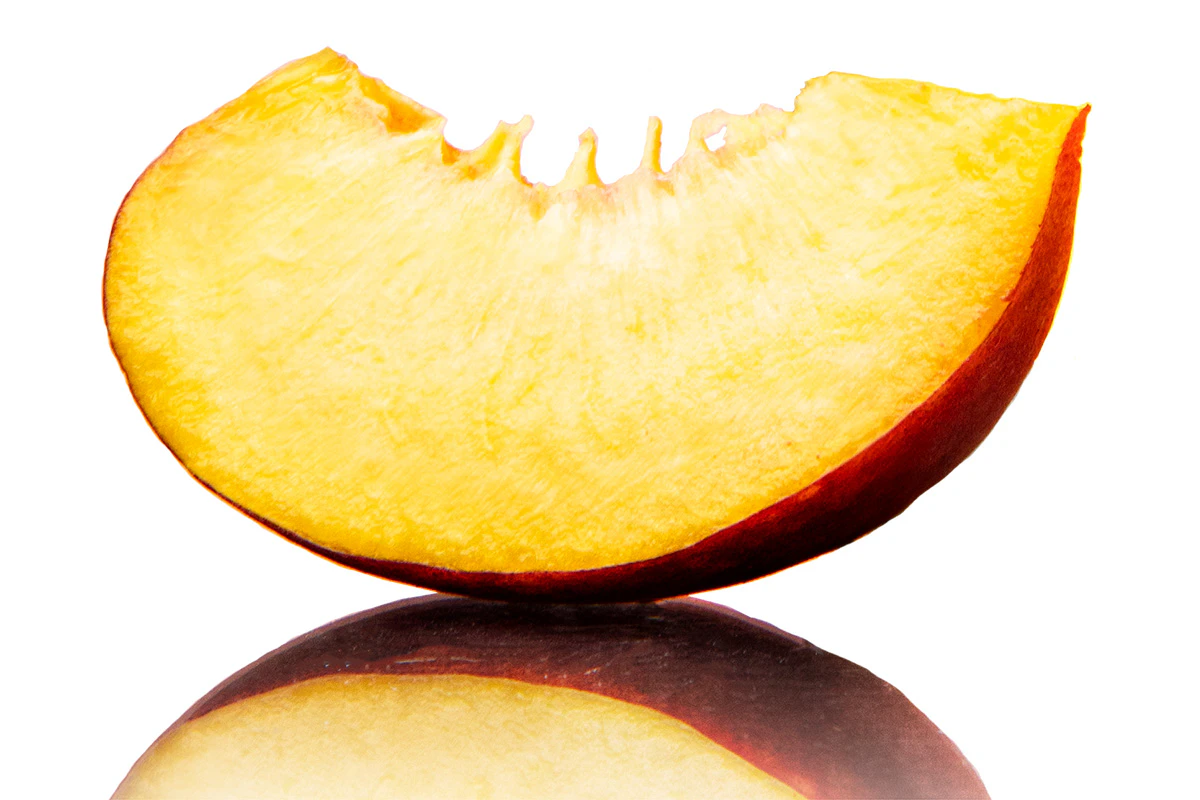
What’s seasonal for you depends on where you live and when, but one of my favorite fruits in the late warm season is the peach. Beautiful California white or yellow peaches, with their tender skin, creamy flesh, sweet taste—especially the white-fleshed varieties—and juicy texture… I always buy too many, hoarding them from every farm and fruit stand I see.
And with that surplus, I’ve taken to making peach sodas. Sometimes it’s straight soda, and sometimes it’s a concentrate of the juice mixed with soda water. Building on that success, I’ve triumphantly made other sodas from plums, blackberries, raspberries, figs, and cherries. Whatever fresh fruit you love and can get, you can make it a soda, too.
Being able to add these varieties of fruit to beer makes for fun and flavorful drinking. The packaged, commercially available radlers—usually flavored with lemon or grapefruit—can be fine, but a true radler is mixed at the bar. Even in Germany, however, that’s going to involve a fairly cheap commercial fountain soda that’s sweet and somewhat lemony.
Now, if we make our own soda, we multiply the possibilities by being able to decide which fruit, how fruity, how spritzy, how sweet, and how tart. Best of all, brewers already have the equipment and know-how to do it.
Consider the Components
The key to a tasty radler or any shandy is matching the right fruit soda with the right base beer.
A typical German radler is sweet but refreshing, balancing the drier beer flavors with that of the soda. However, since we’re going for fresh fruit and making our own soda, we can make that fruit the star of the show—but it’s vital that both the beer and the fruit soda taste good on their own, before mixing.
The base beer is entirely up to you—have fun with it!—but my most successful radlers have featured easygoing pale lagers, such as a Bavarian-style helles or American-style light lager. American wheat and blond ale work well, too, because both are low in bitterness, well carbonated, and can complement fruit flavors. (For more ideas, see Style + Fruit: Let’s Play Matchmaker.)
Crafting both components, beer and soda, means you have a lot of control—over the flavors of each, the ABV of the beer, and how much to mix. Knowing the beer’s strength means you can control how much alcohol is in that diluted mix.
Finding Your Fruit
Sourcing fruit is a deep topic on its own, so here I’ll just reiterate what I’ve written before: Consider the variety of fruit in your local market and taste them.
Growing your own? Beautiful. If not, I highly recommend organically grown fruits or those you get from a roadside fruit stand. Shopping in rural areas benefits farmers while opening up all kinds of possibilities you won’t find in your nearest supermarket. For me, it’s fun to parlay a fruit-shopping trip into a visit to a brewery that happens to be located among some of California’s biggest peach orchards. The goal is to widen your sensory experience while finding unexpected recipe ideas.
Let the fruit ripen and remember: It does not have to look good; it only needs to taste good!
Prep the fruit before use by giving each piece a good wash in warm-to-hot water. (But don’t rinse raspberries or blackberries, for example, until you’re ready to use them—they can mold quickly.) And if you find yourself with too much fruit, you can always package, seal, and freeze it for a later brew.
Ready for Radler?
There are two recipes here—one for my homemade peach soda, and another for a simple helles that pairs perfectly with that peach (but also drinks well on its own).
The classic mix is 50/50 beer and soda, winding up at 2–3 percent ABV, but you can always blend to taste. Serve it sparkling and cold. Radler is perfect for parties, served by the pint or the pitcher—or just as an everyday thirst quencher, whether or not you’re cycling.
Plus, now you have a plan for what to do with all that delicious seasonal fruit—and something to serve to any hordes of thirsty cyclists who happen to stop by.
