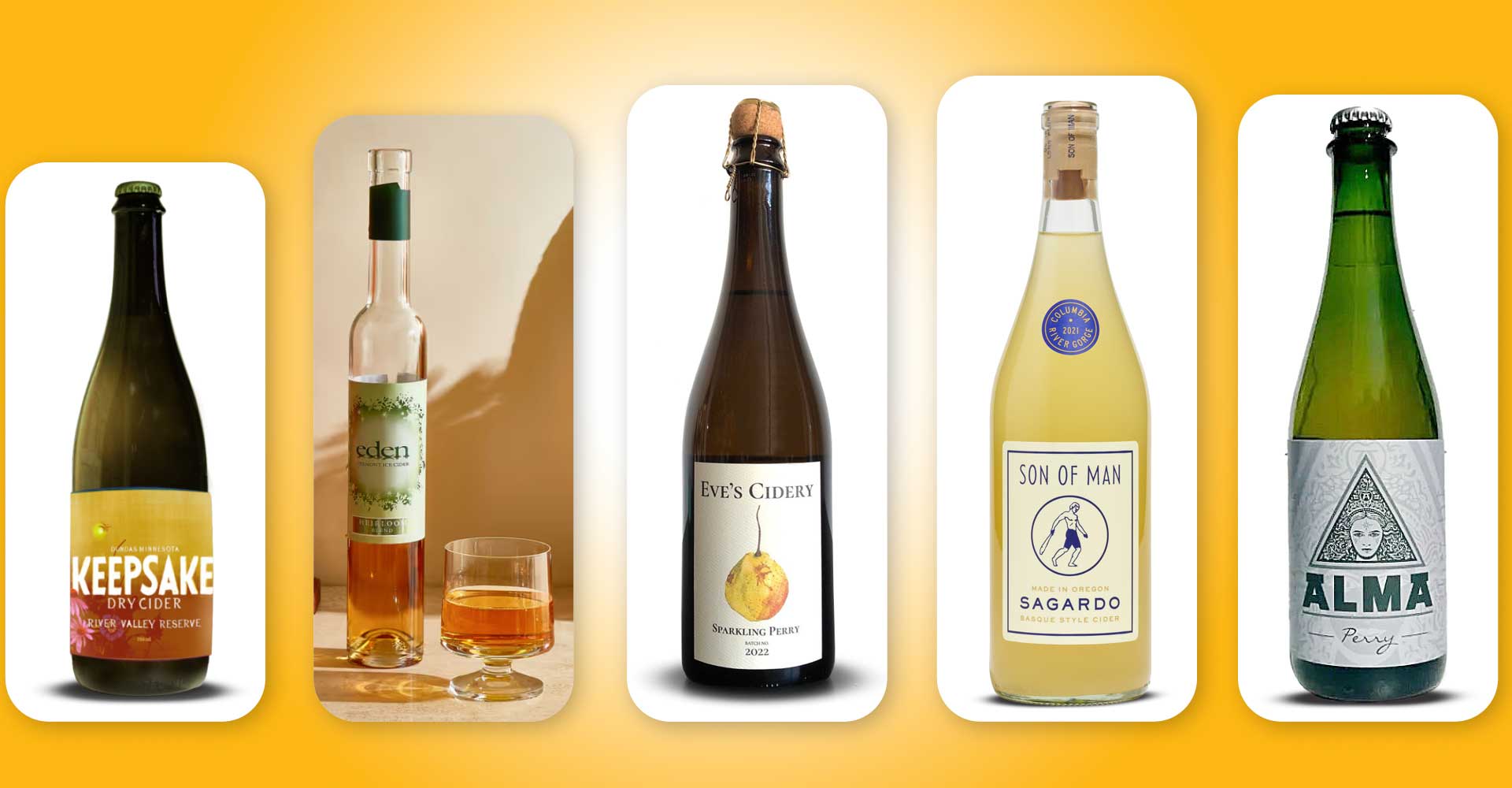
Five Great Ciders & Perries, Recommended by the Pros
With more than 1,000 cideries in North America—most quite small—it can be hard to know where to start. Here are five tips from the pros.

Showing 681-700 of 4723 articles
With more than 1,000 cideries in North America—most quite small—it can be hard to know where to start. Here are five tips from the pros.
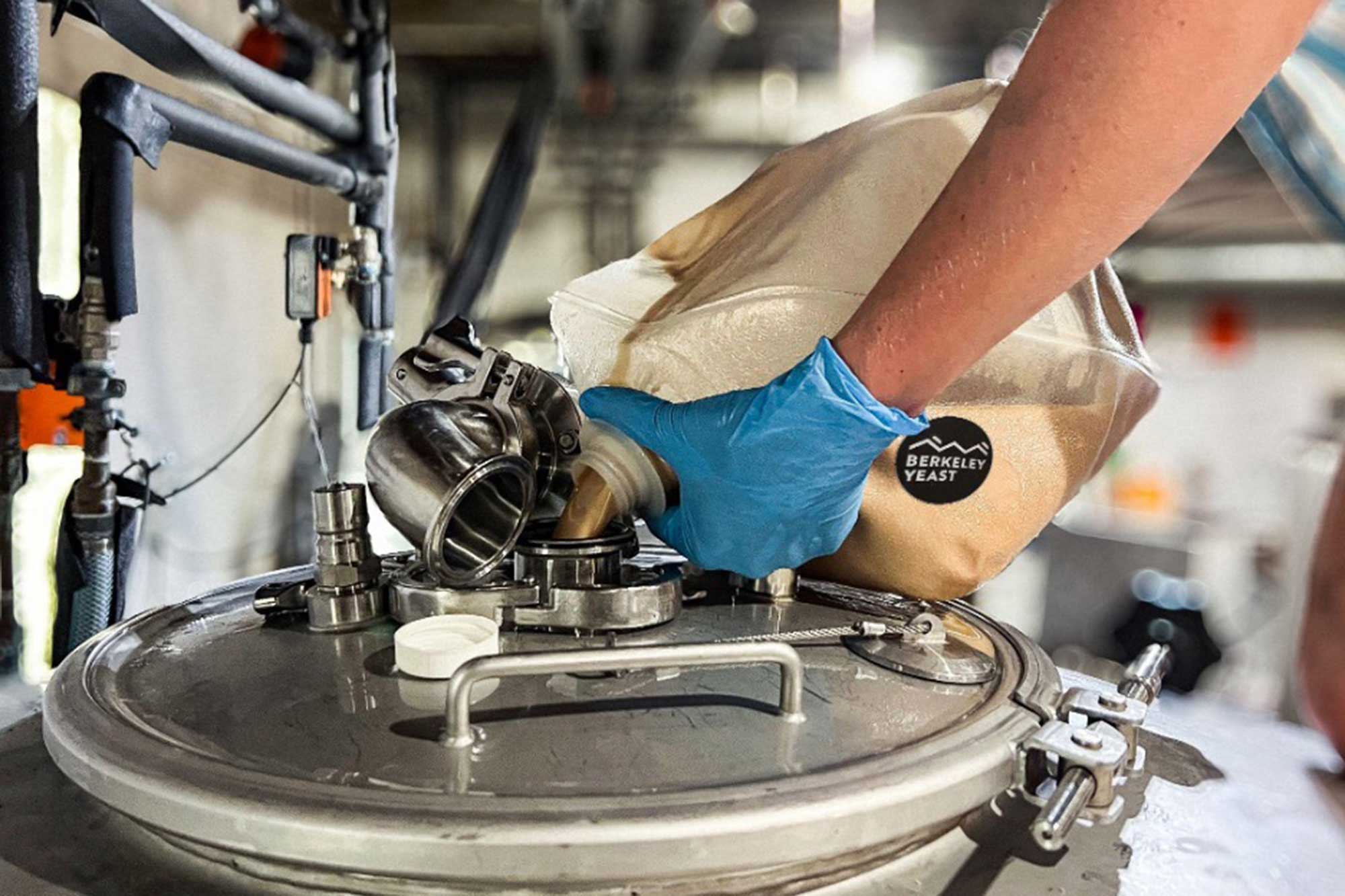
Temescal, Prison City, 1840 Brewing, and others share their stories about making clean sours with Berkeley Yeast’s Galactic strain.
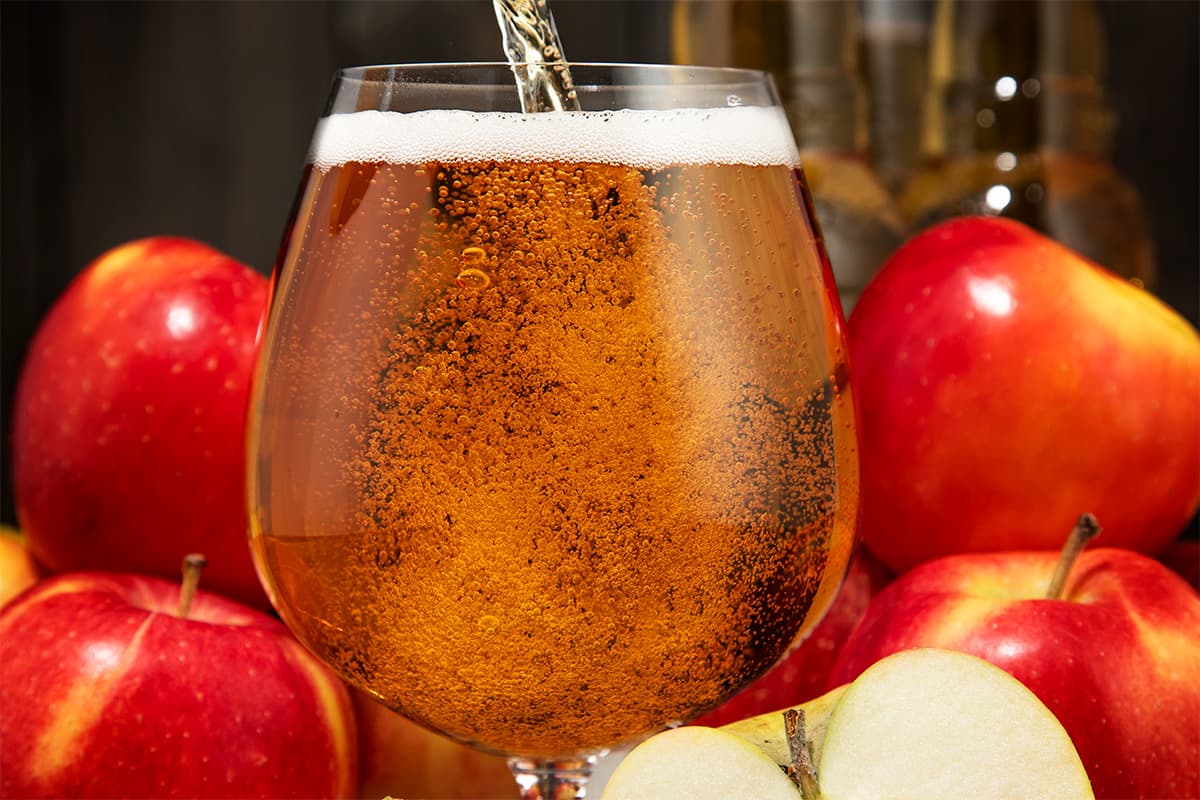
As with farmhouse ales, not every farmhouse cider is made on the farm. Yet the evocative word tends to accompany certain traits—and there’s plenty that should appeal to drinkers looking for old-fashioned flavors with a sense of place.
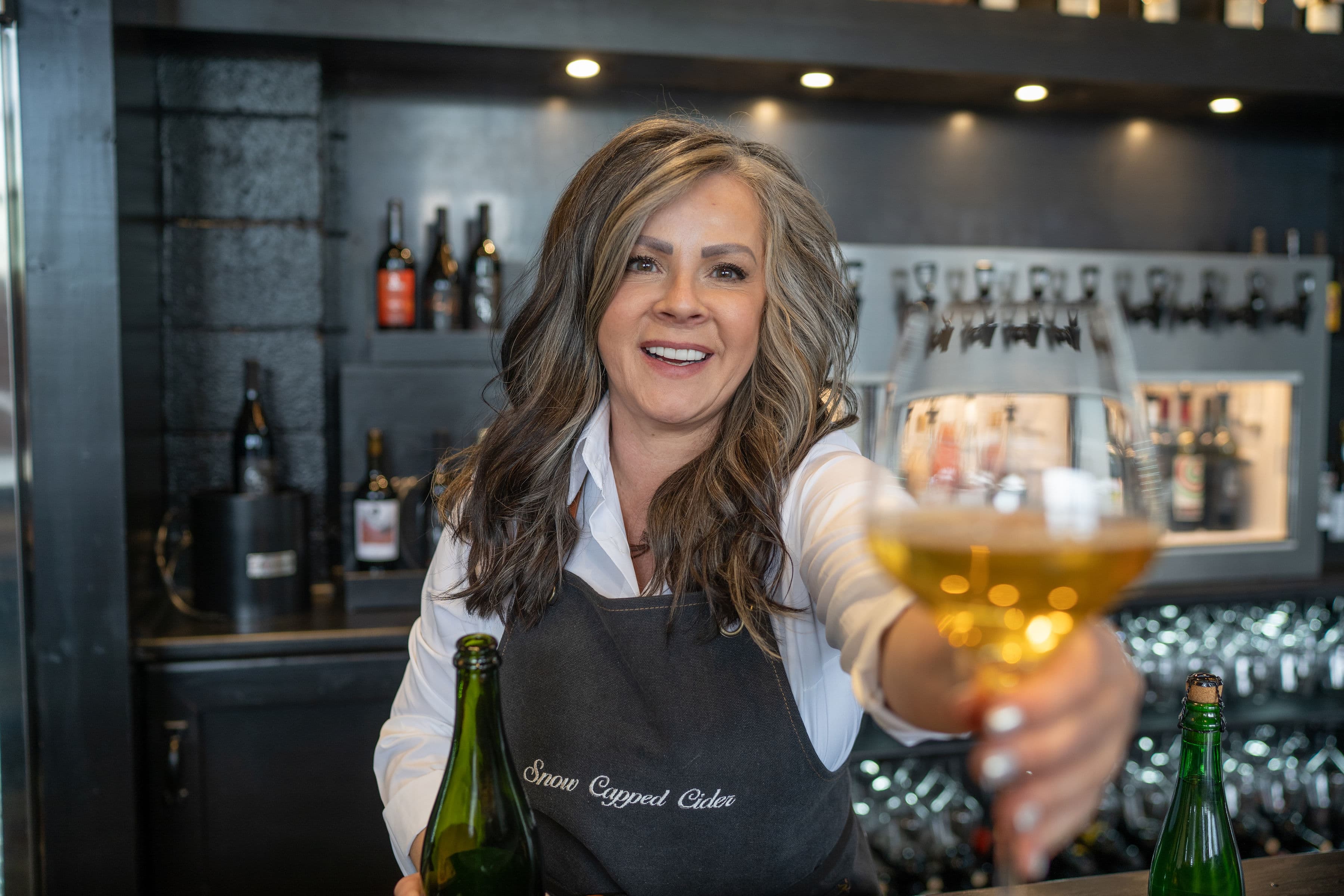
The secret to making consistently award-winning cider is, of course, great fruit married to thoughtful design and flawless execution, and for this multigenerational family of apple growers from Colorado’s Western slope, anything less than the best wouldn’t do justice to their beloved fruit.
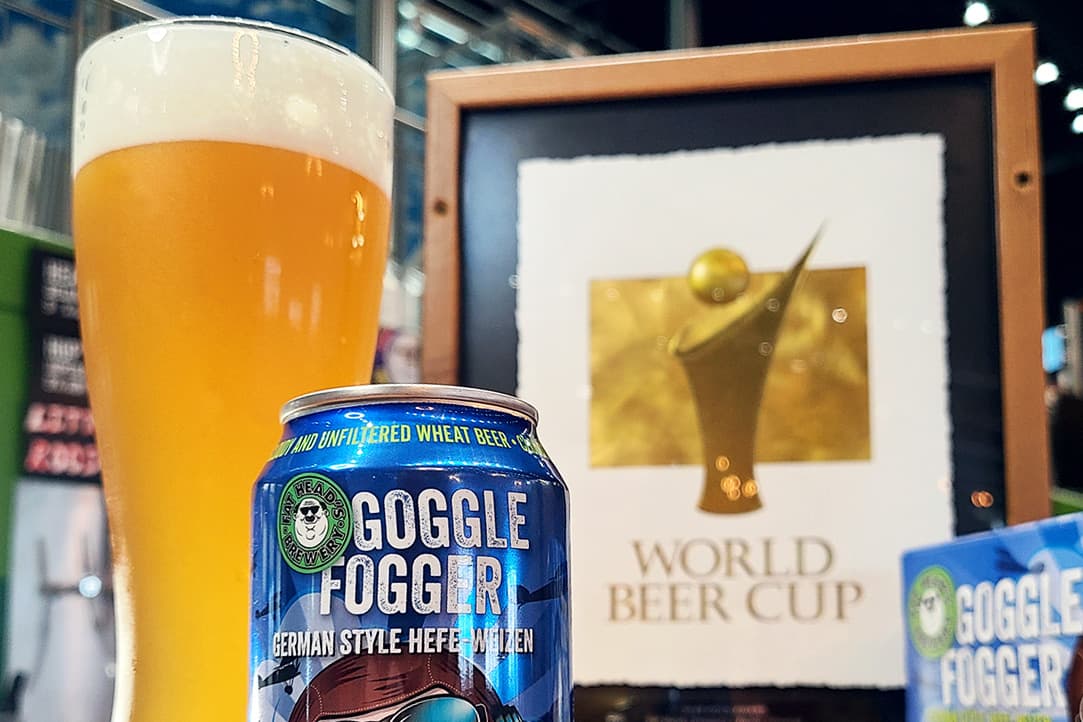
From cofounder and brewmaster Matt Cole and his team at Fat Head’s in Ohio, here’s a recipe for the Bavarian-style weissbier that’s won three gold medals in the past four years.

Take a revolutionary leap forward in brewing technology with hop-derived, variety-specific extracts that reflect the truest expression of hops.
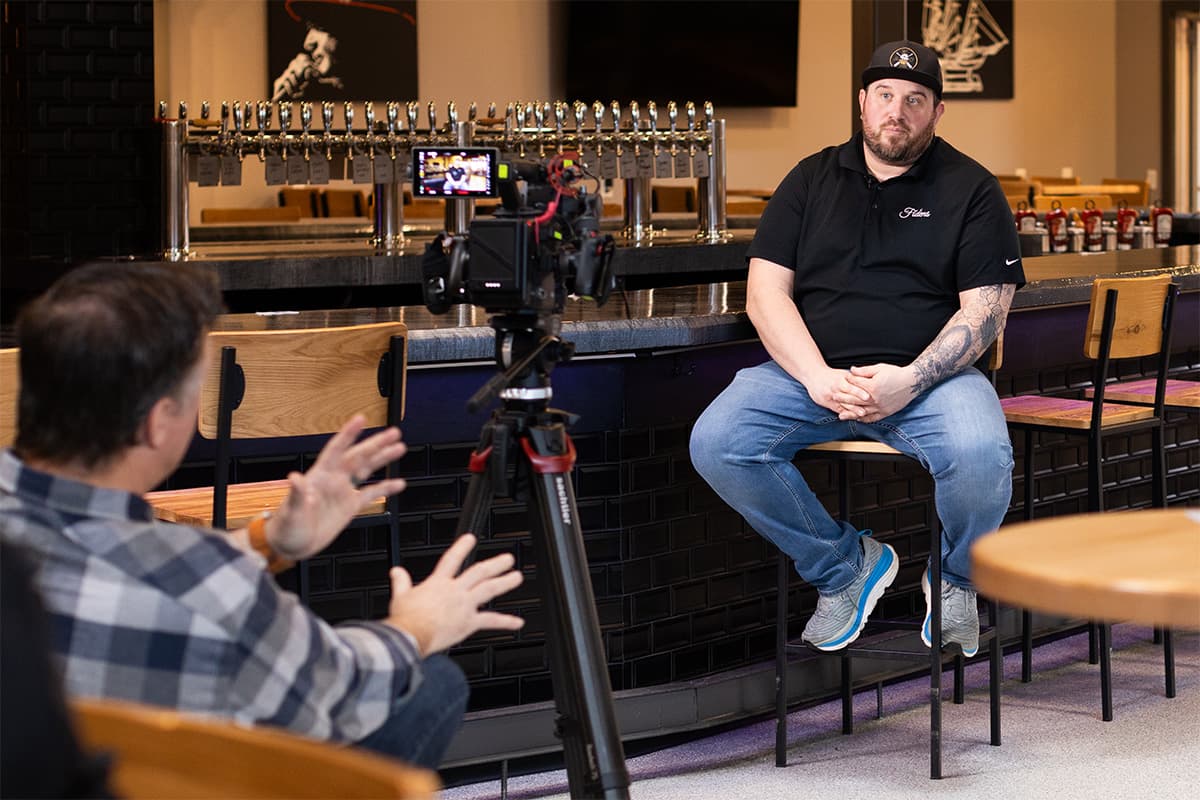
Steve Parker, cofounder and head brewer of Fidens in Albany, New York, lays out their approach to blending hops for hazy IPA, as well as what they look for when selecting varieties such as Citra, Simcoe, and Strata.
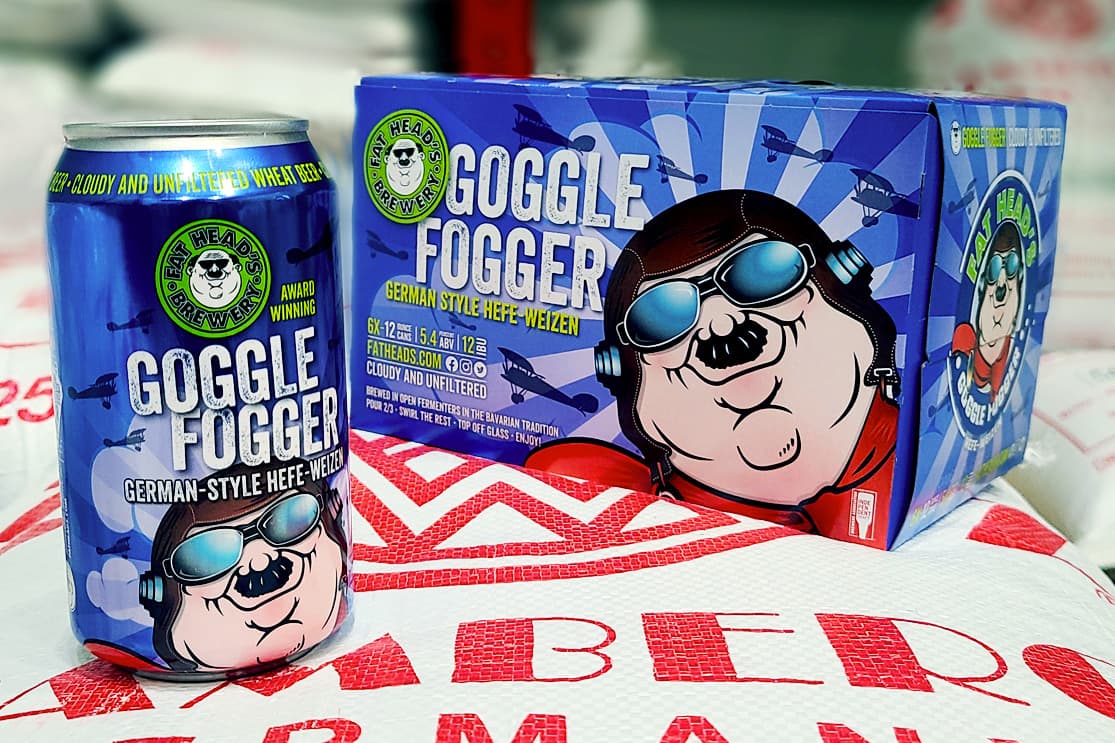
Fat Head’s Brewery in Middleburg Heights, Ohio, has won more than its share of medals over the years. One of its most decorated beers is Goggle Fogger, the Bavarian-inspired hefeweizen that’s won three major gold medals in the past four years. Here’s how its pieces fit together.
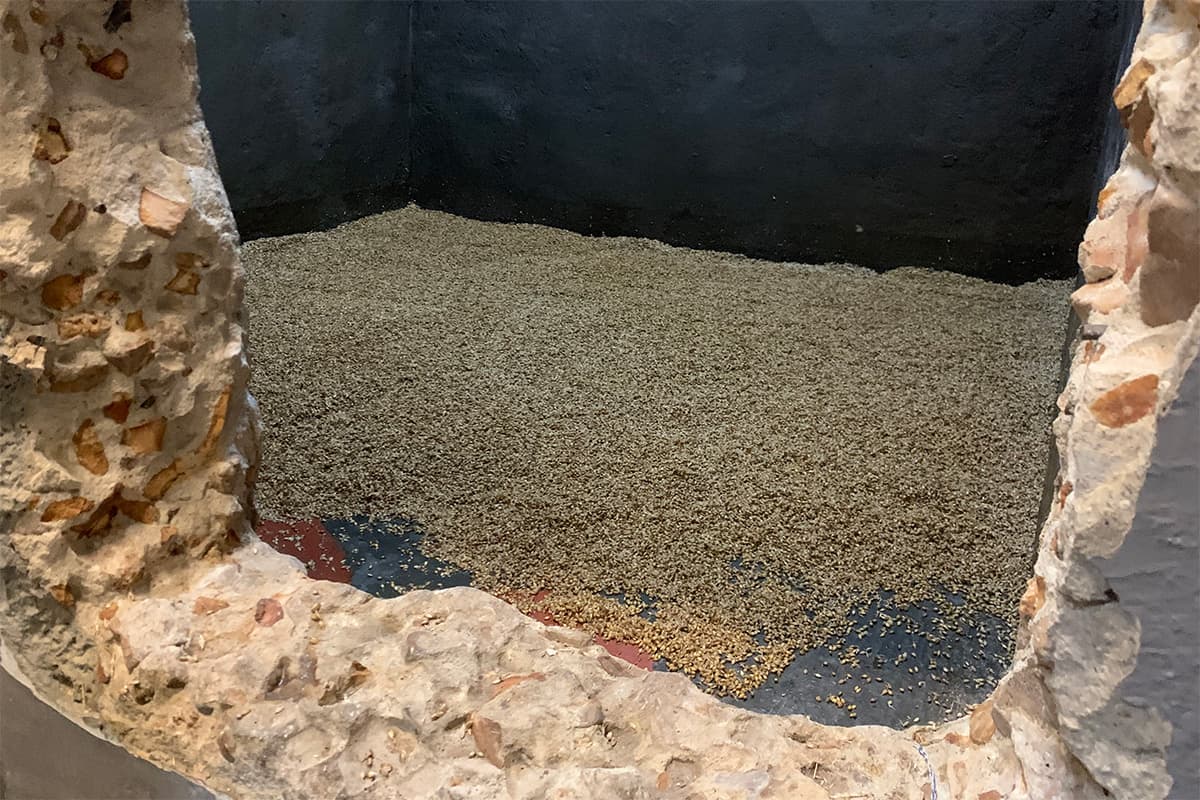
Perhaps the oldest way of preparing grain for brewing, drying malt in the open air was traditional for lambics, white beers, and various rustic ales scattered around Europe, Africa, and beyond. Today, brewers and maltsters interested in history, terroir, and old-fashioned methods are taking their malt back out into the sun.
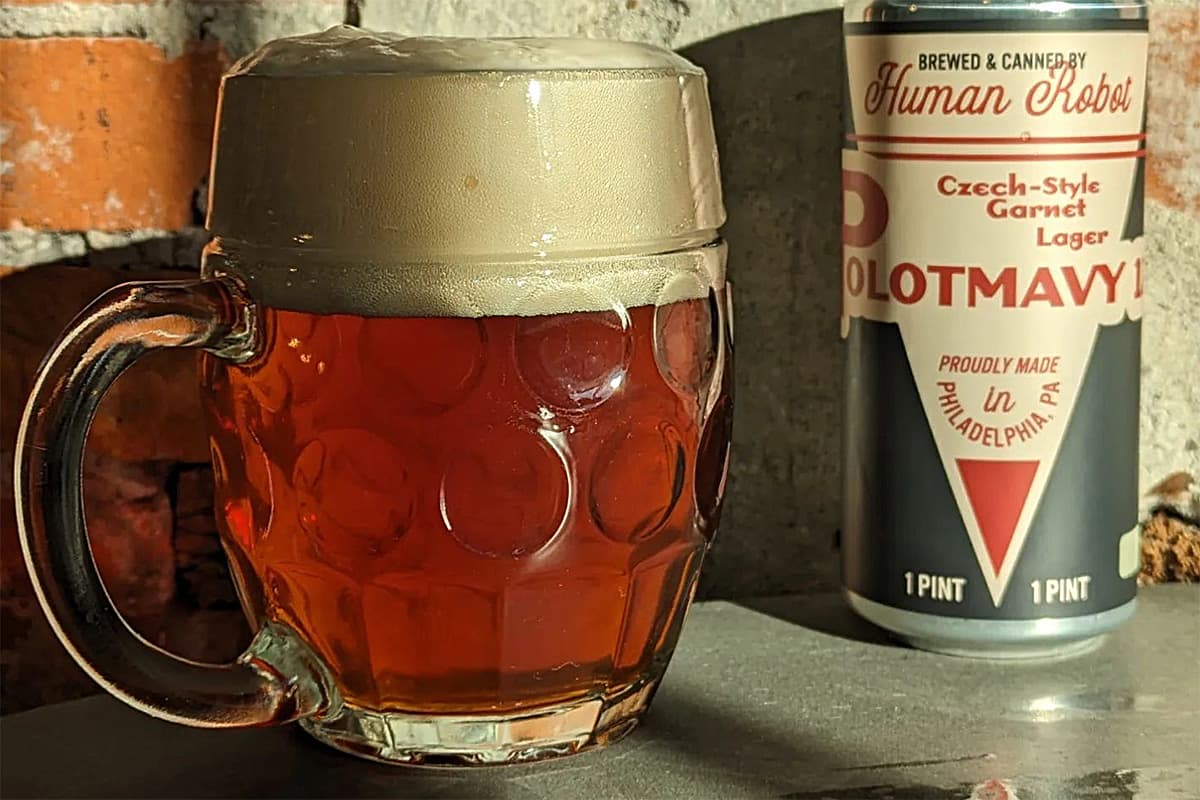
From Philadelphia’s lager-centric Human Robot, here’s a recipe for a Czech-style amber lager that came to life almost by accident—and one that uses a method they call “enhanced decoction.”
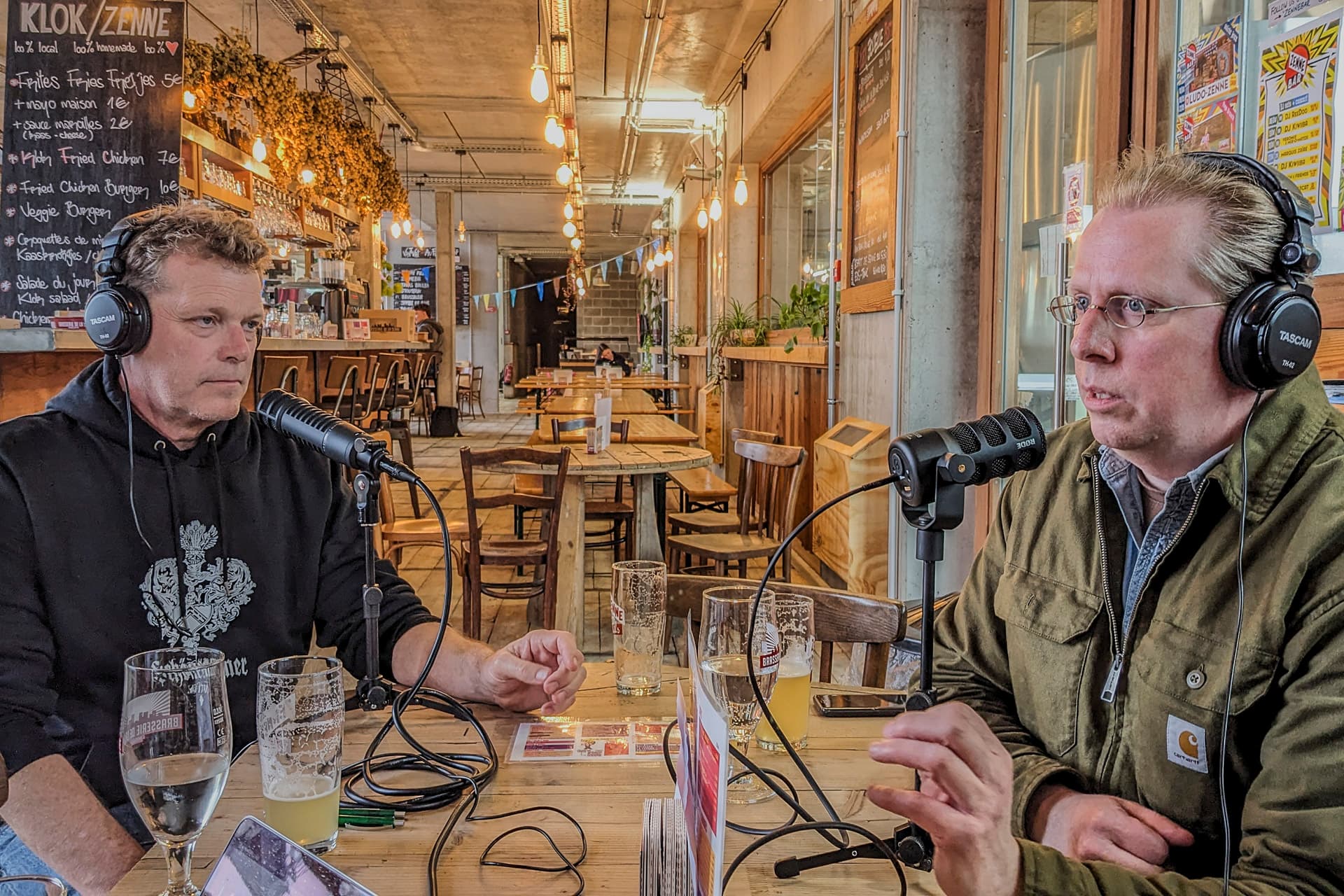
The past few years have been challenging for brewers who depend on European hops, with concerns that the frequency of bad harvests could be accelerating. So, we asked two brewers who know a thing or two about getting the most from Noble hops to share how they maintain quality, from working with growers to developing novel workflows.
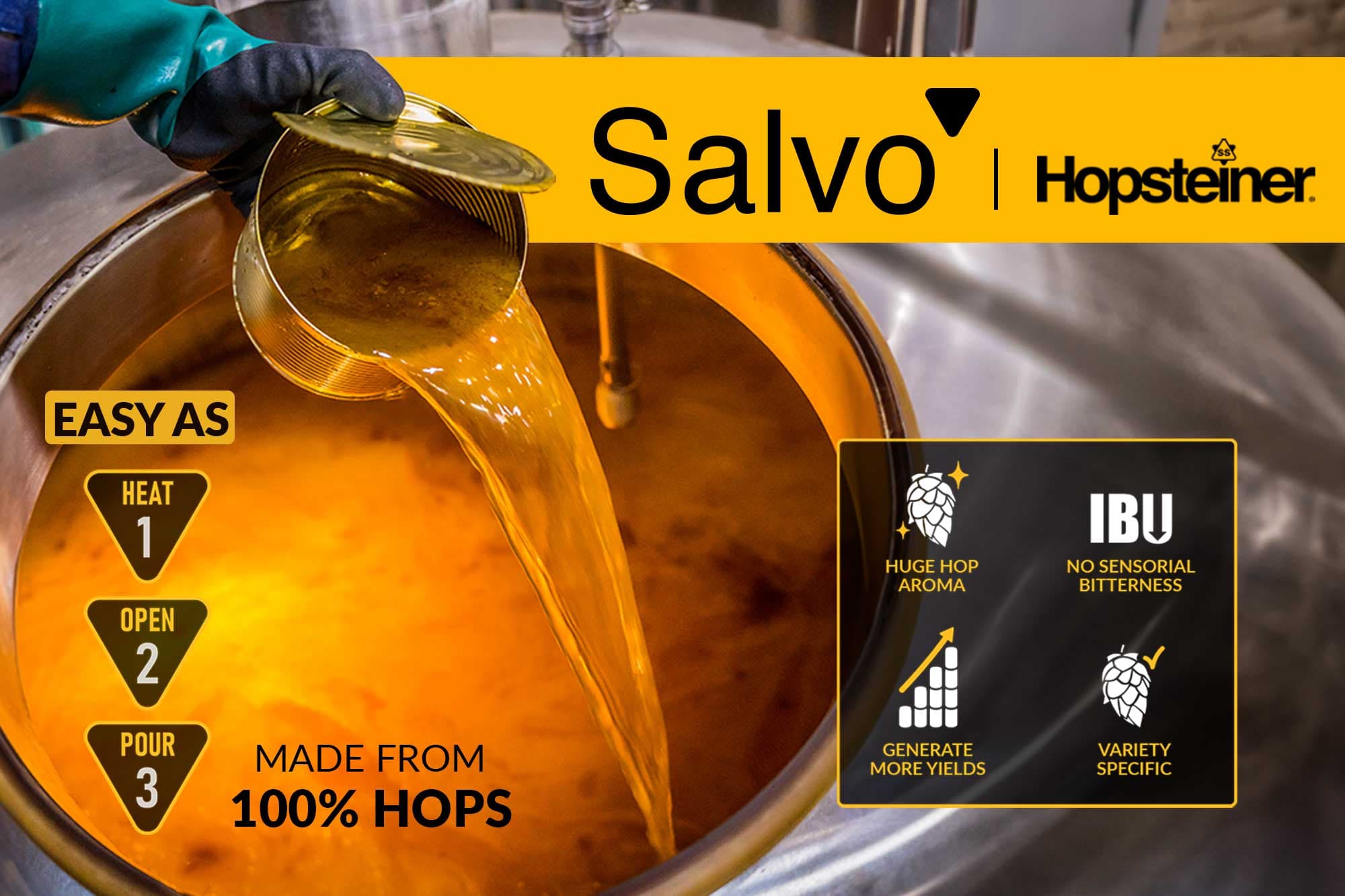
Meet Salvo™, a variety-specific, yield-maximizing aroma extract with no added bitterness, priced between $50 and $200 per kilo.
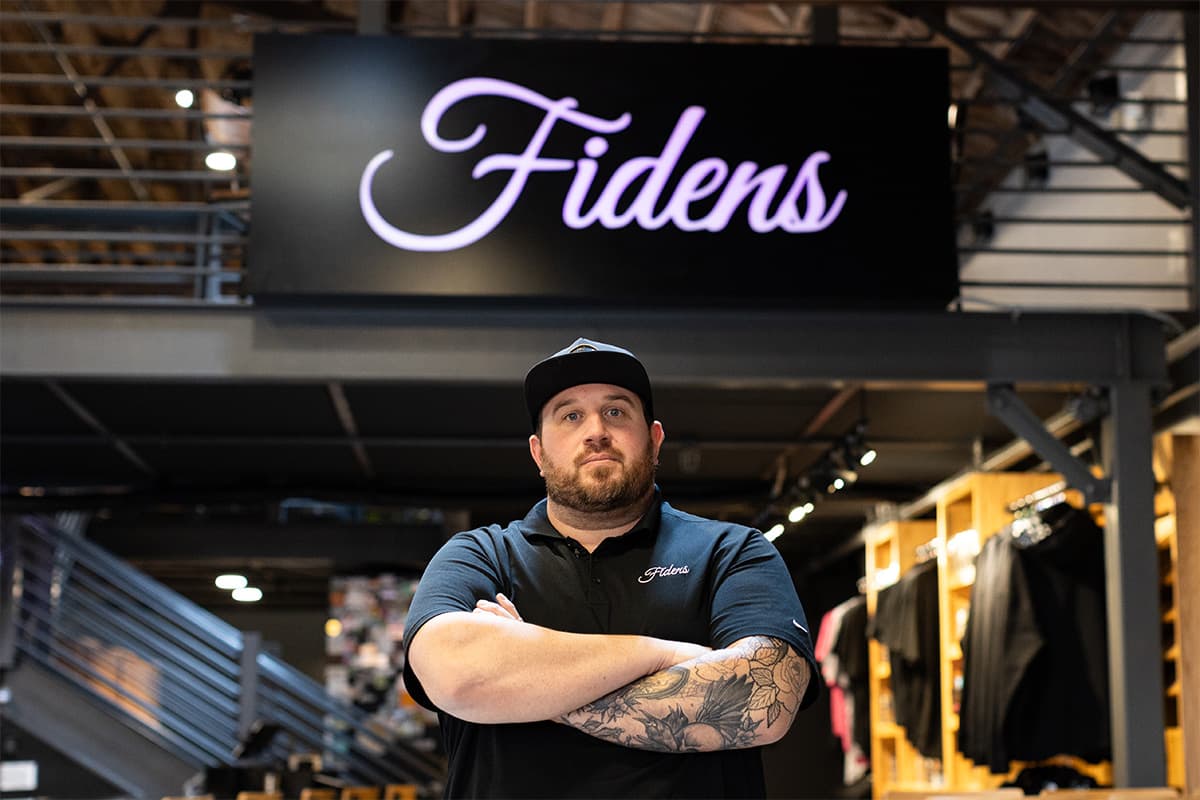
Steve Parker, cofounder and head brewer of Fidens in Albany, New York, reveals their preferred yeast strain and what it contributes to their IPAs—including the right balance of hop and yeast expression, a slight acidity, and a stable haze.
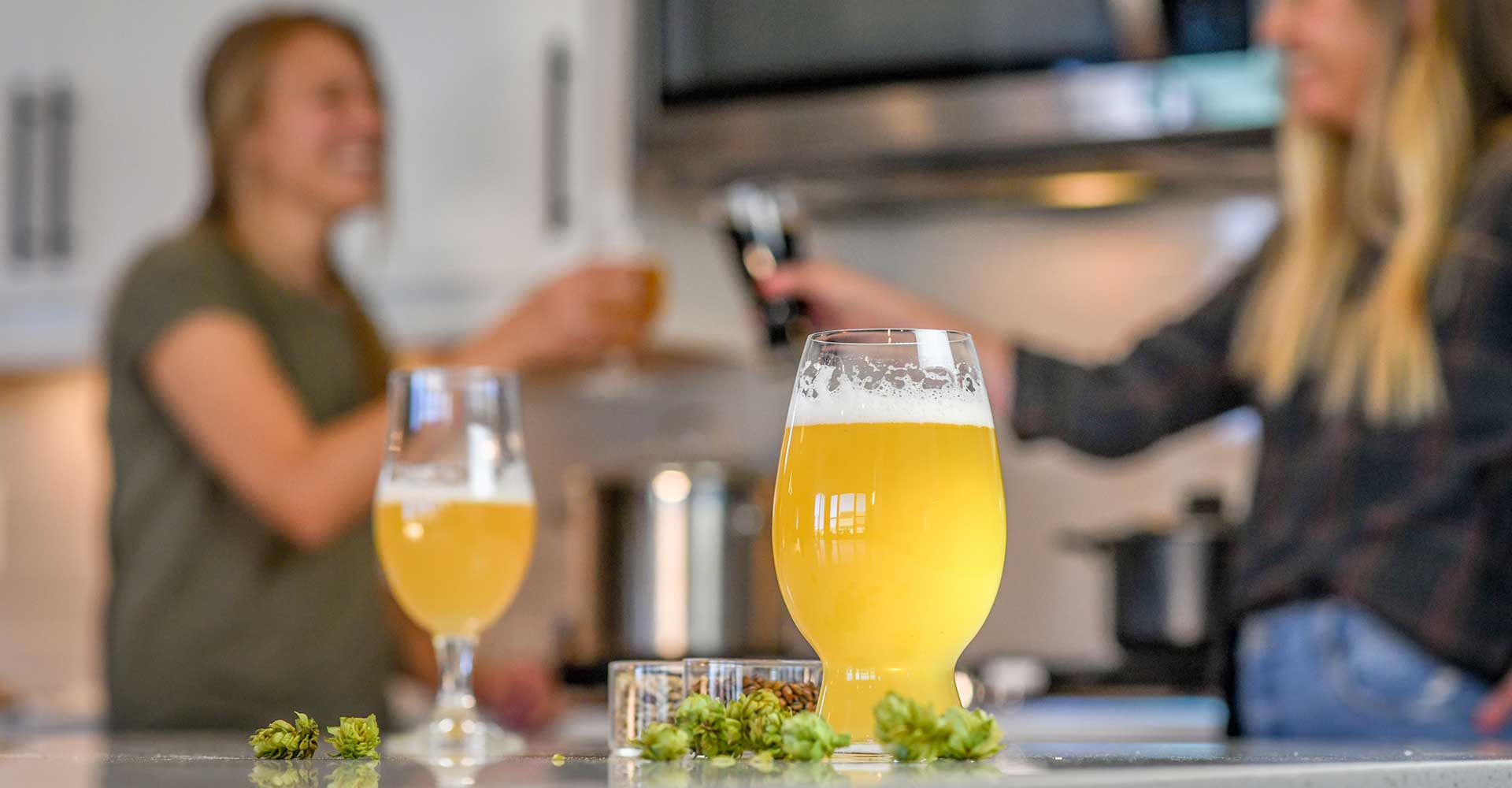
Go for the gold with these gold medal–winning recipes from the American Hombrewers Association.
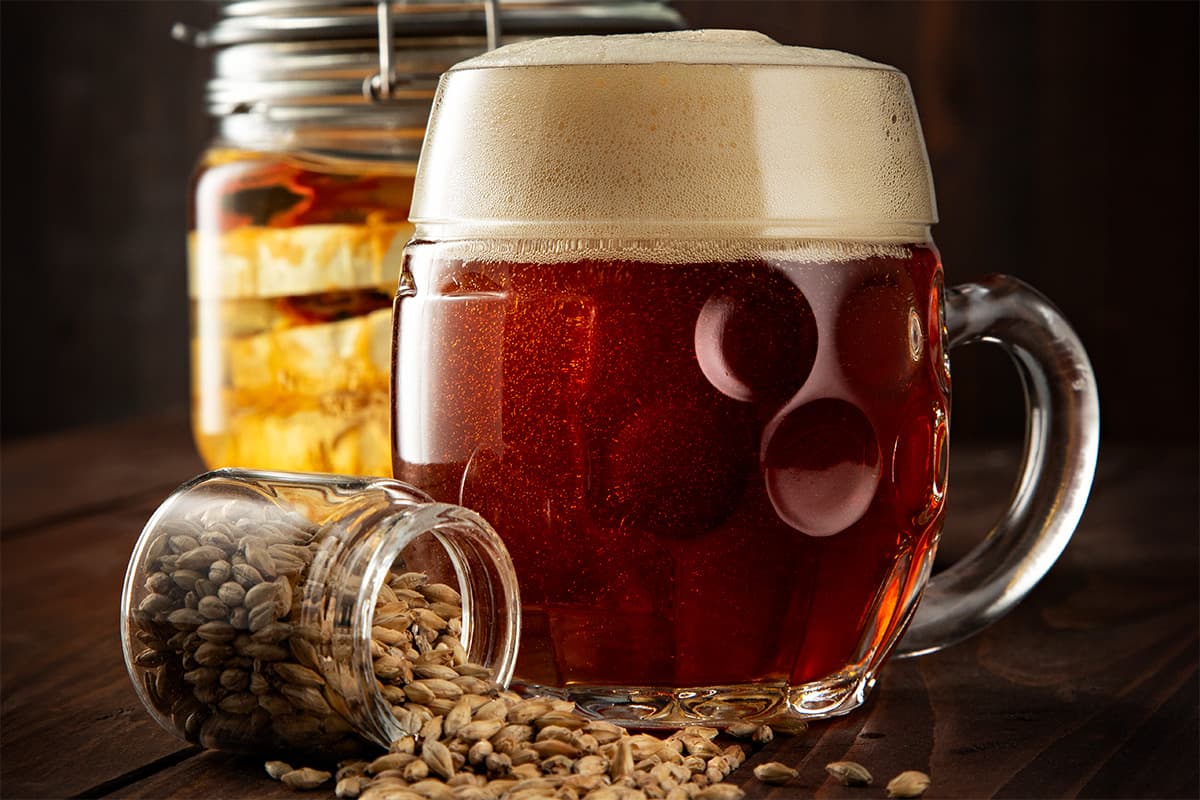
It’s Czech, it’s amber, and it’s a lager—but where did it come from? Nobody seems to know the origin story of polotmavý, or even whether it has one. Yet it’s here today, and the traditional Czech brewing process defines it every bit as much as that rich garnet color.
Jan Chodkowski, co-owner and head brewer at Our Mutual Friend in Denver, shares this recipe for their Polish-inspired grodziskie. Brewed with only in-state ingredients, it includes wheat malt from Colorado Malting Company—half of it oak-smoked—and Colorado-grown Tettnanger hops.
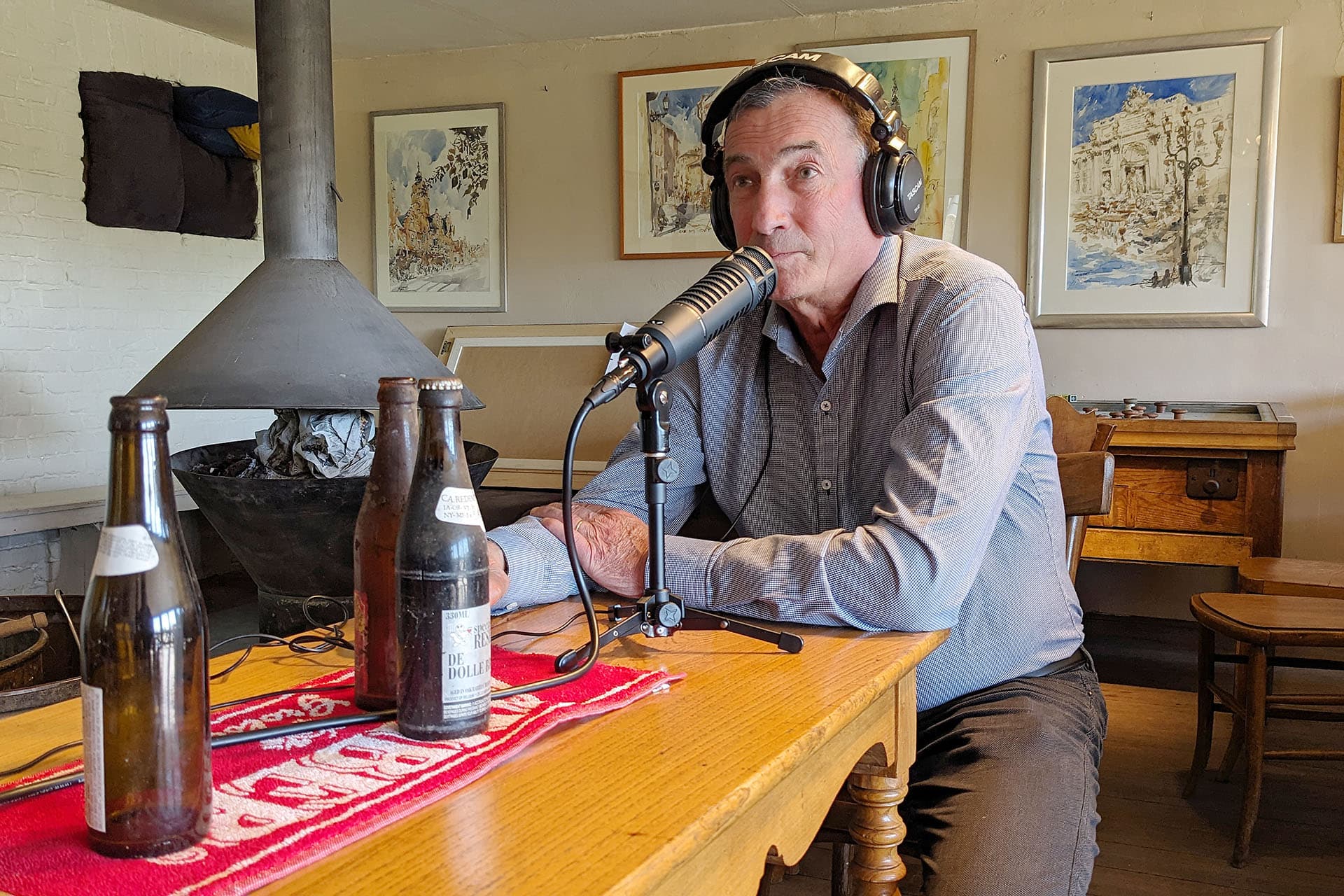
De Dolle Brouwers has a reputation for colorful branding and characterful, high-gravity beers that hold up beautifully in the cellar. Yet their process is intentionally laborious and layered, from the coolship and Baudelot cooler to the open copper fermentors and more in an old, classic Flemish brewhouse.
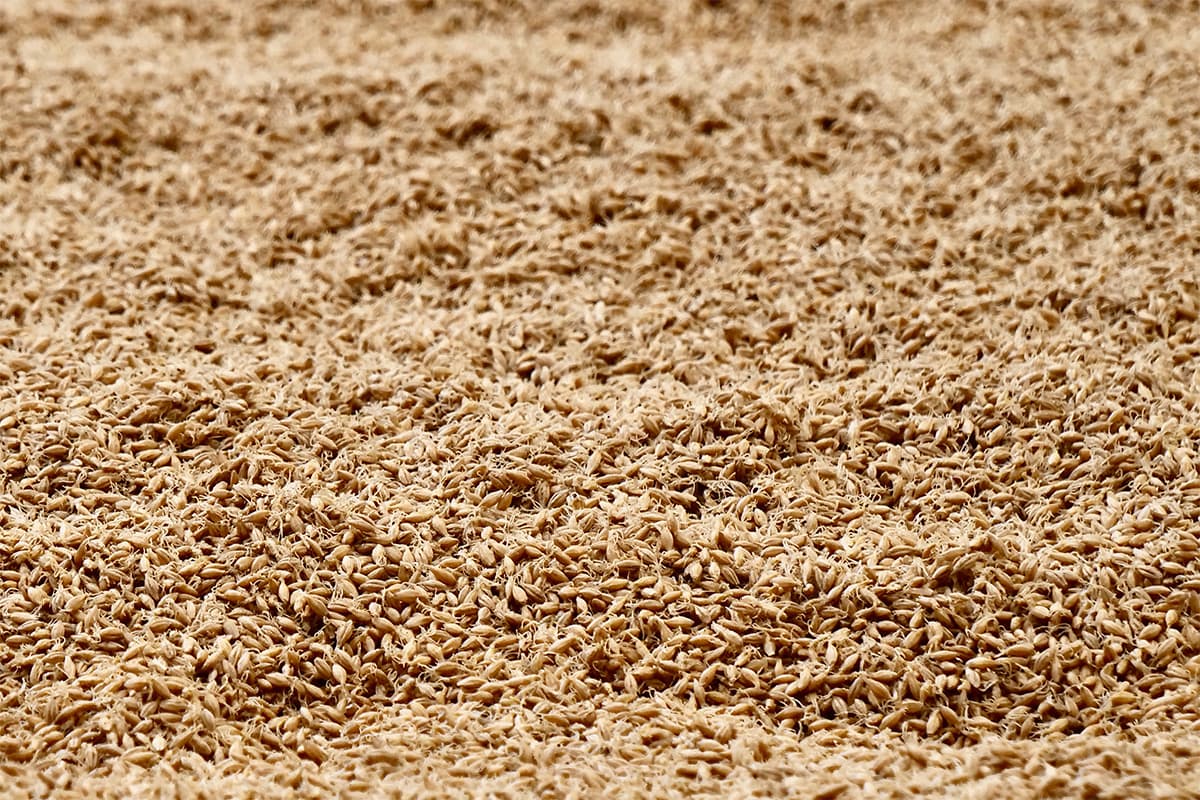
Between the farm and the brewery, much of beer’s flavor is born in the malthouse. Here we journey inside a traditional floor maltings—and inside a kernel of grain—to witness the daily toil and tools that turn a raw cereal into the soul of beer.
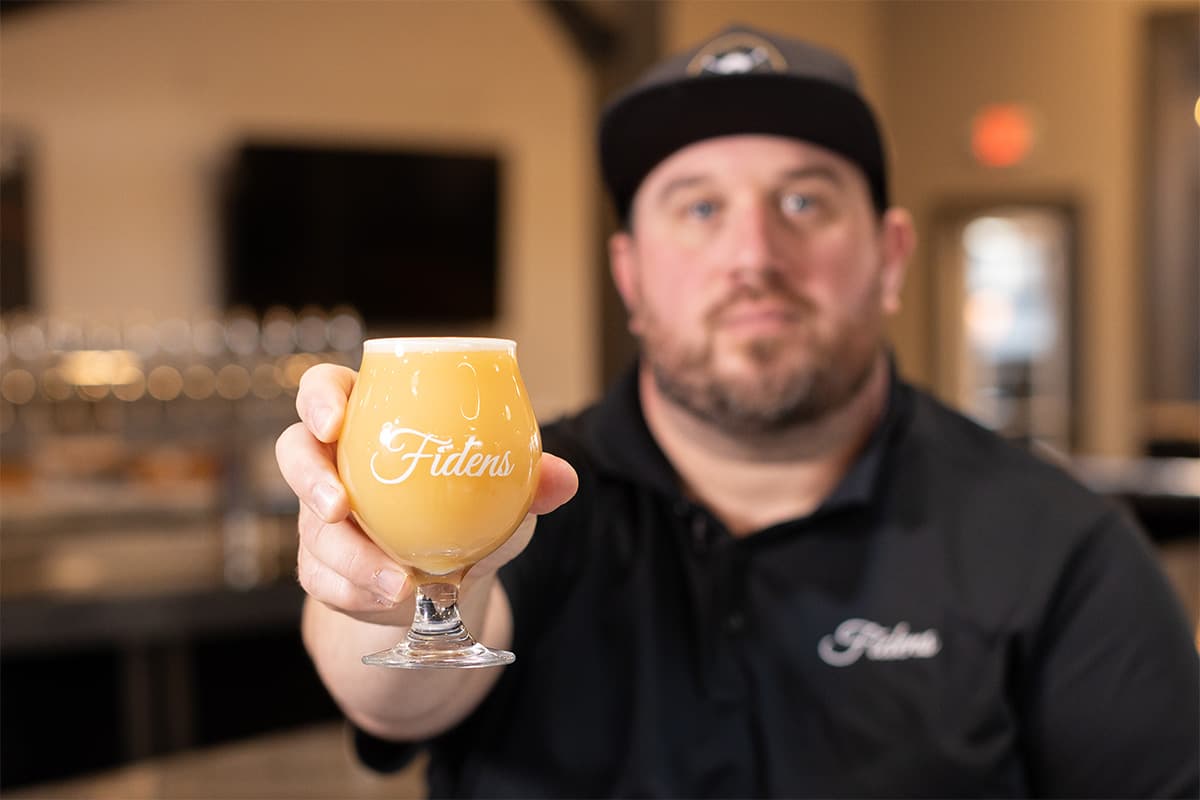
Steve Parker, cofounder and head brewer of Fidens in Albany, New York, explains the thinking behind their hot-side hopping, from kettle to whirlpool—and why he’s recently grown to love Strata.
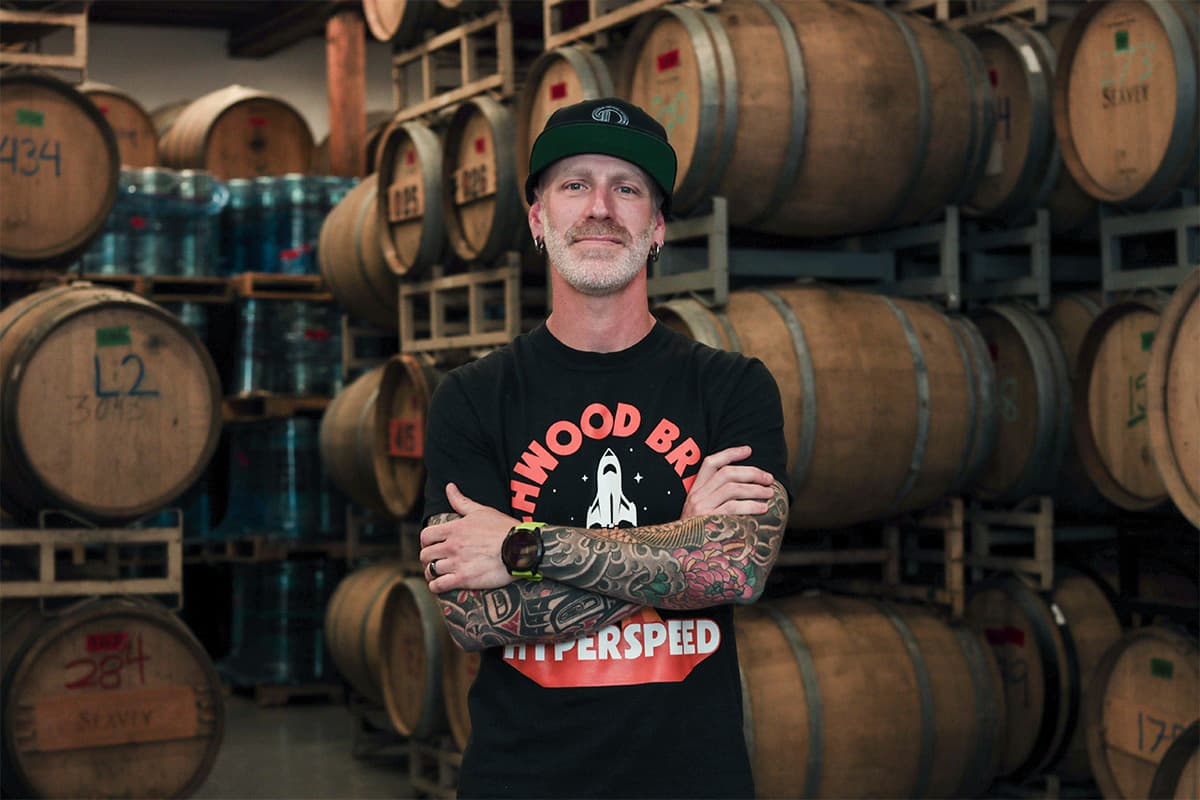
Meeting expectations with a great saison means making careful choices with grains, hops, yeast, and fermentation. Julian Shrago, co-owner and brewmaster at Beachwood Brewing in Los Angeles, explains how they’ve adjusted theirs based on their own goals and judges’ feedback.