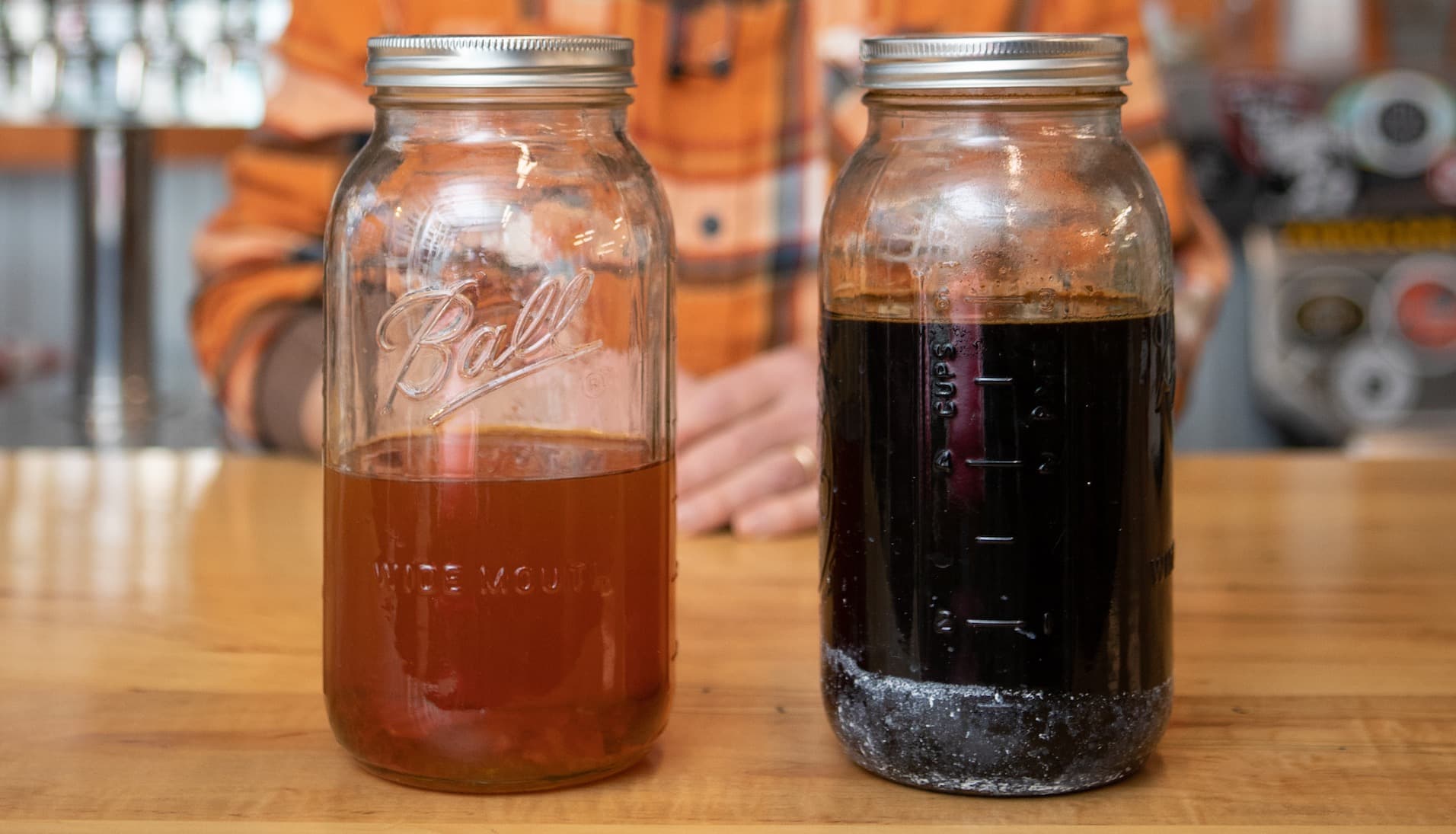
Homebrewing with Invert Sugar (Video Tip)
While it might be hard to find, Mike Karnowski of Zebulon Artisan Ales has some tips on brewing with invert sugar.

Showing 2641-2660 of 4727 articles
While it might be hard to find, Mike Karnowski of Zebulon Artisan Ales has some tips on brewing with invert sugar.
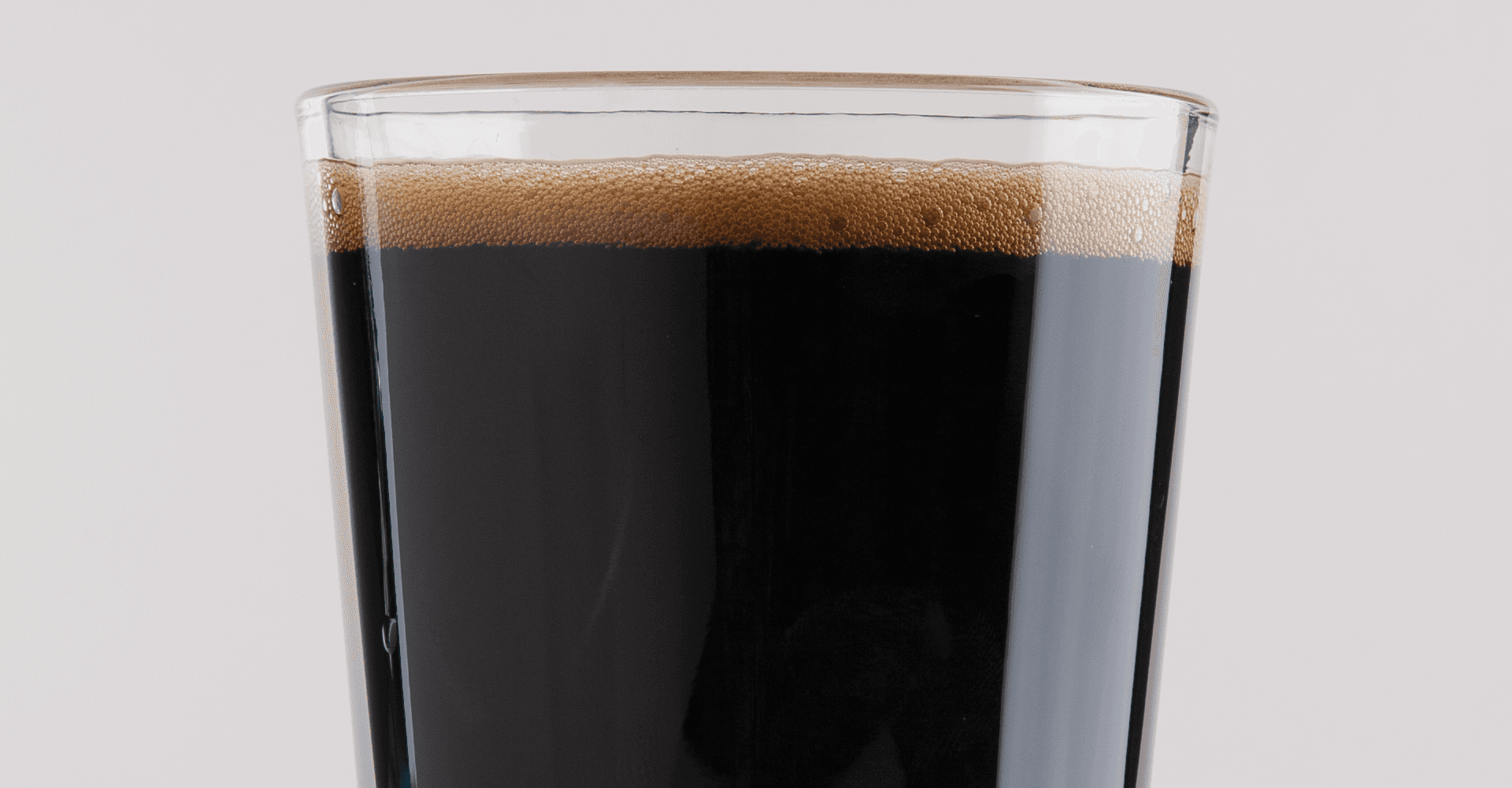
The key to making and drinking dark lagers is to remember that despite their color they should stay true to the lager hallmarks.
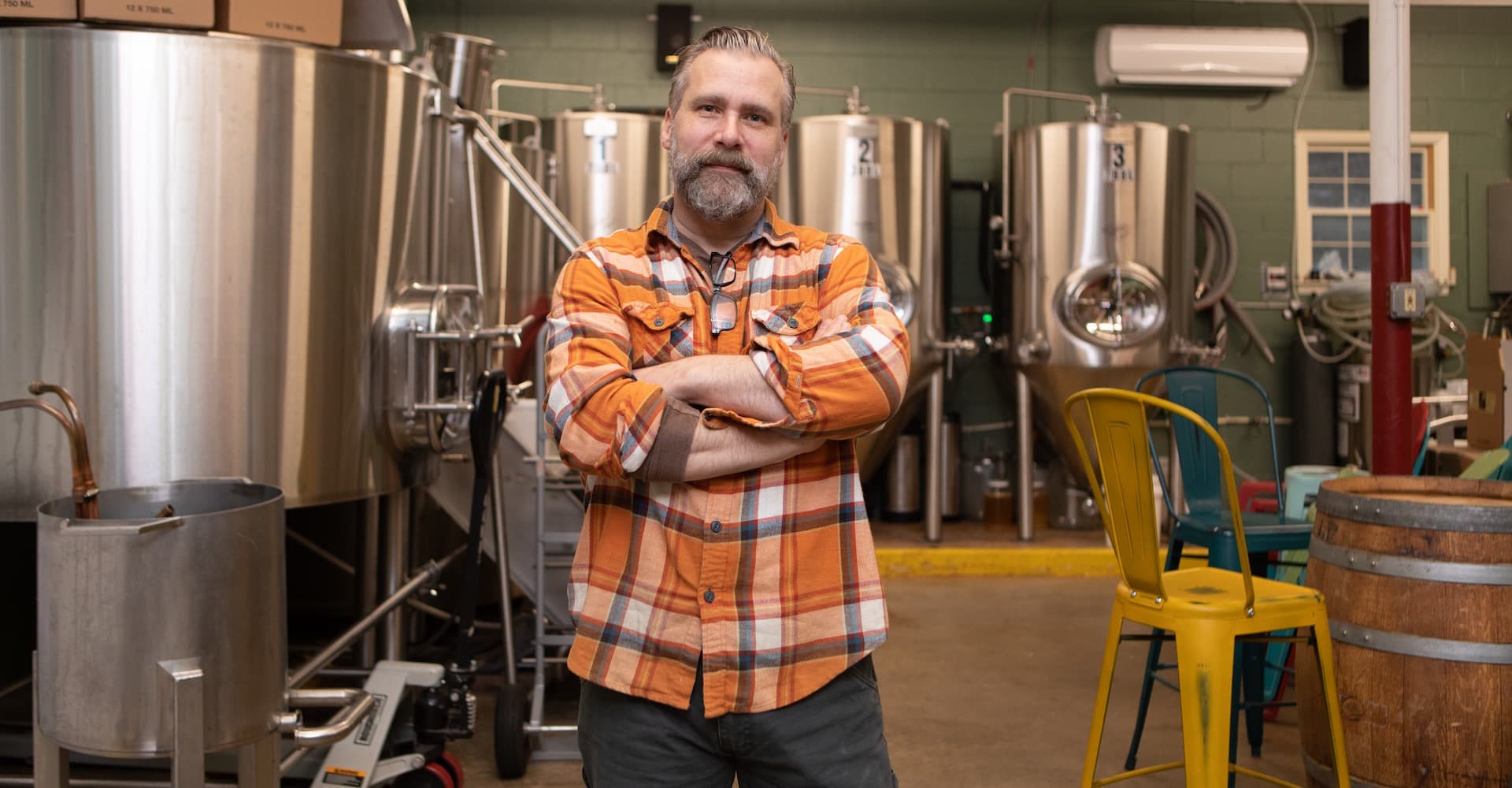
Zebulon Founder and lifelong brewer Mike Karnowski takes you through the history of 1700-1800's English brewing, followed by a demonstration of how to make your own brown malt, invert sugar, and brew a porter (circa 1880) using your new ingredients.
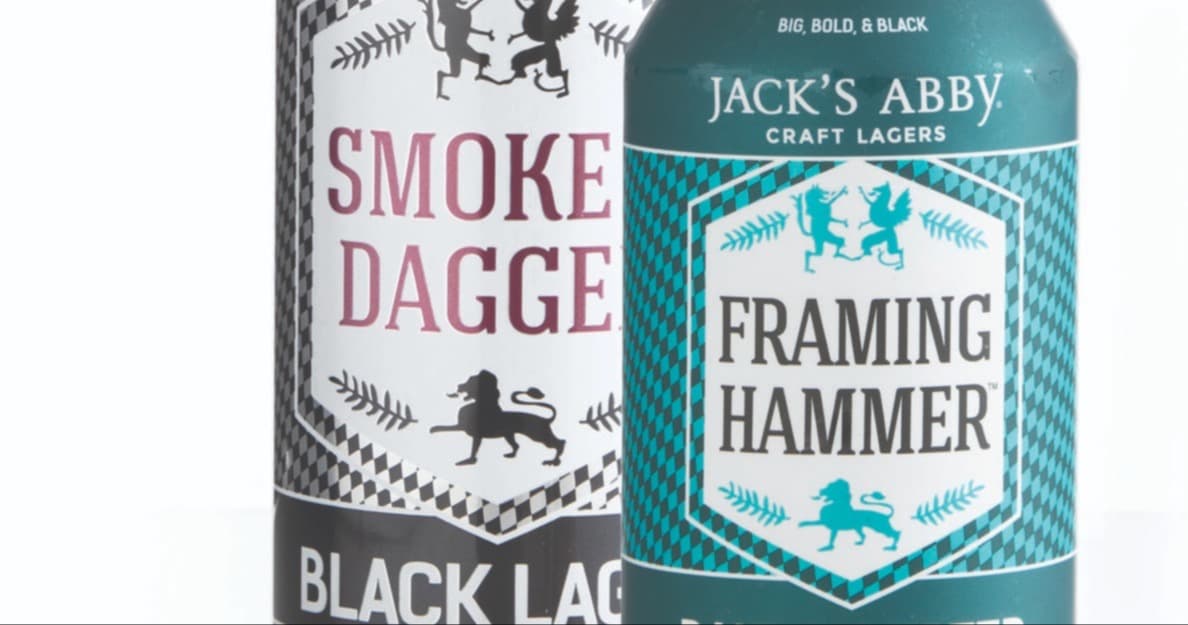
Before he and his two brothers founded Jack’s Abby Craft Lagers, Jack Hendler, the co-founder of Jack’s Abby Craft Lagers talks about his fondness for the darker side of the lager style, including schwarzbier and Baltic porter.
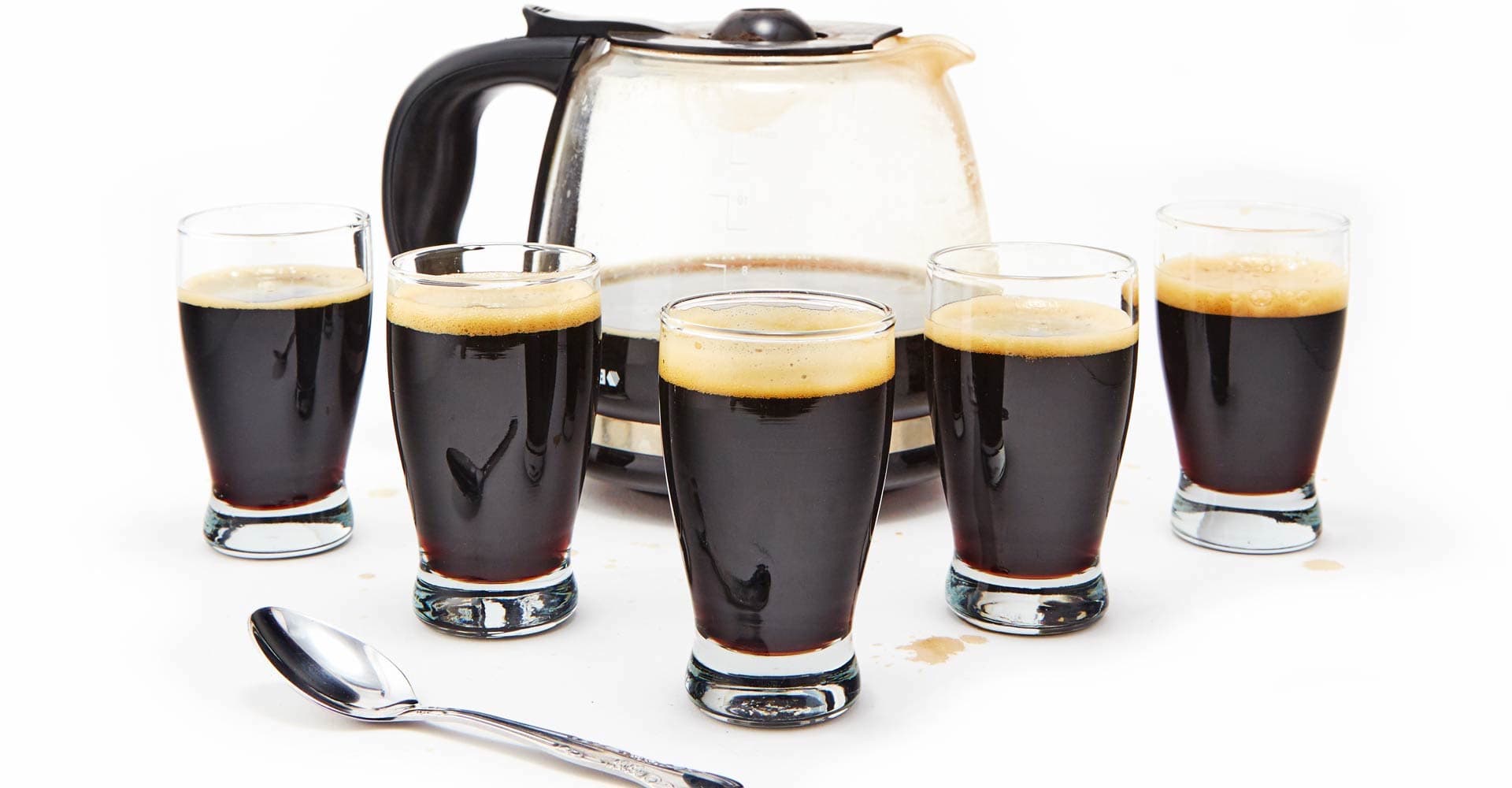
Brewing coffee beer isn’t hard—which isn’t to say that it’s as simple as throwing beans into the mash! Pick a good bean, incorporate it conscientiously, and you can turn almost any beer into a coffee beer. Here's a recipe for a coffee stout.
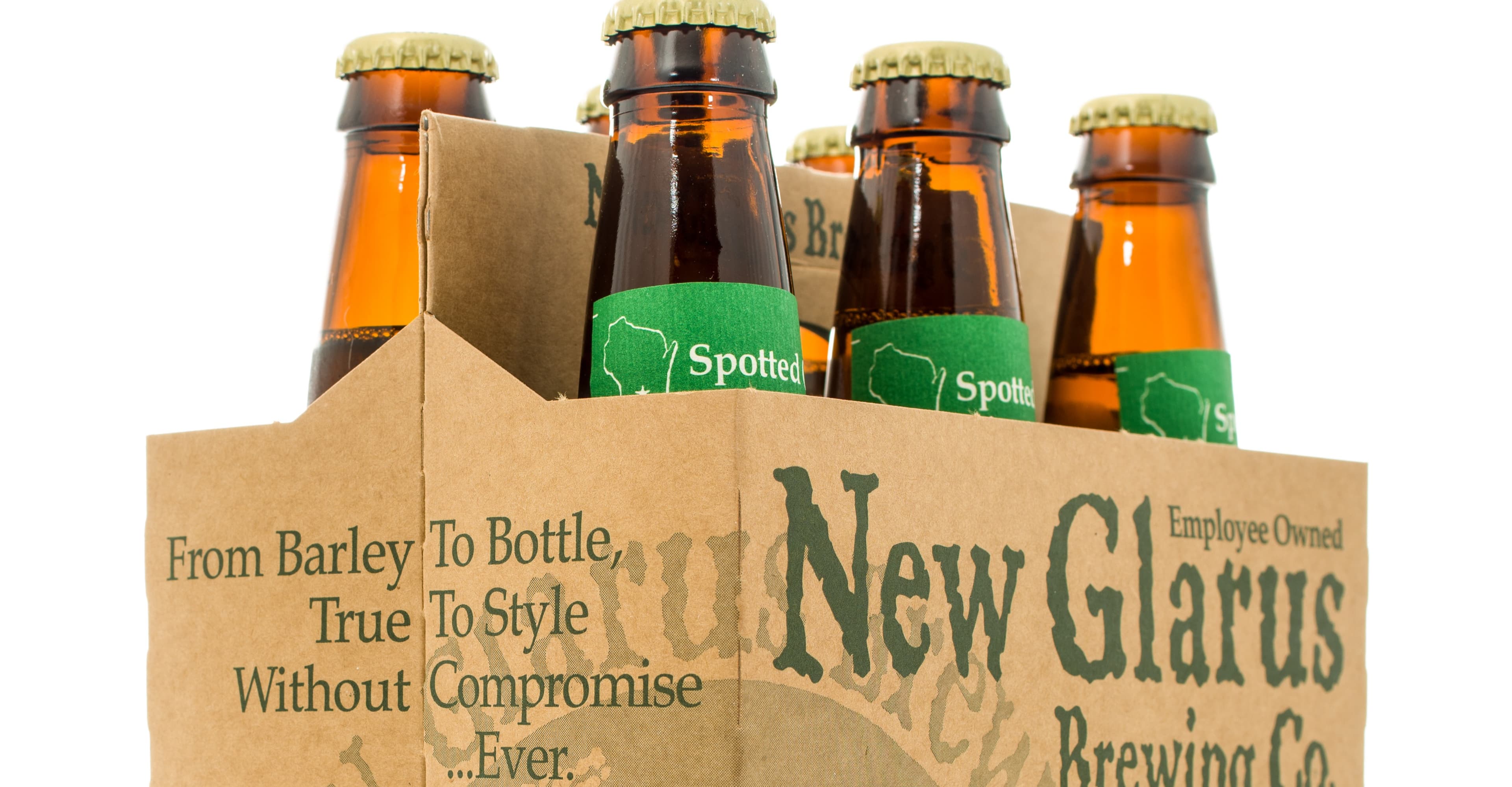
How a trip to a museum inspired a modern classic and the best-selling beer in Wisconsin.
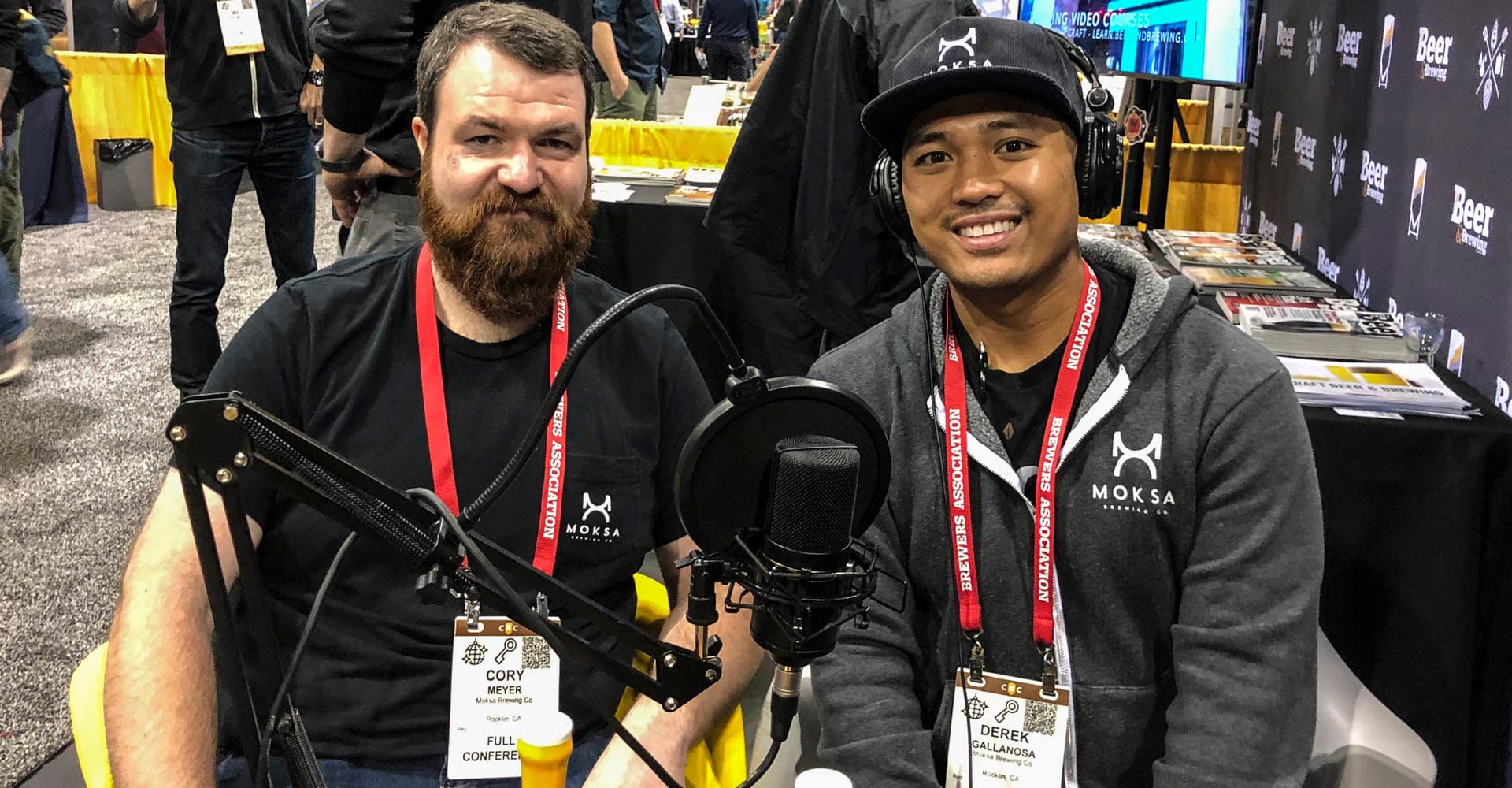
Derek Gallanosa doesn’t apologize for making ingredient-laden, flavor-forward beers that may send old school purists into fits—he’s focused on giving his customers rich experiences full of flavors they’re familiar with.
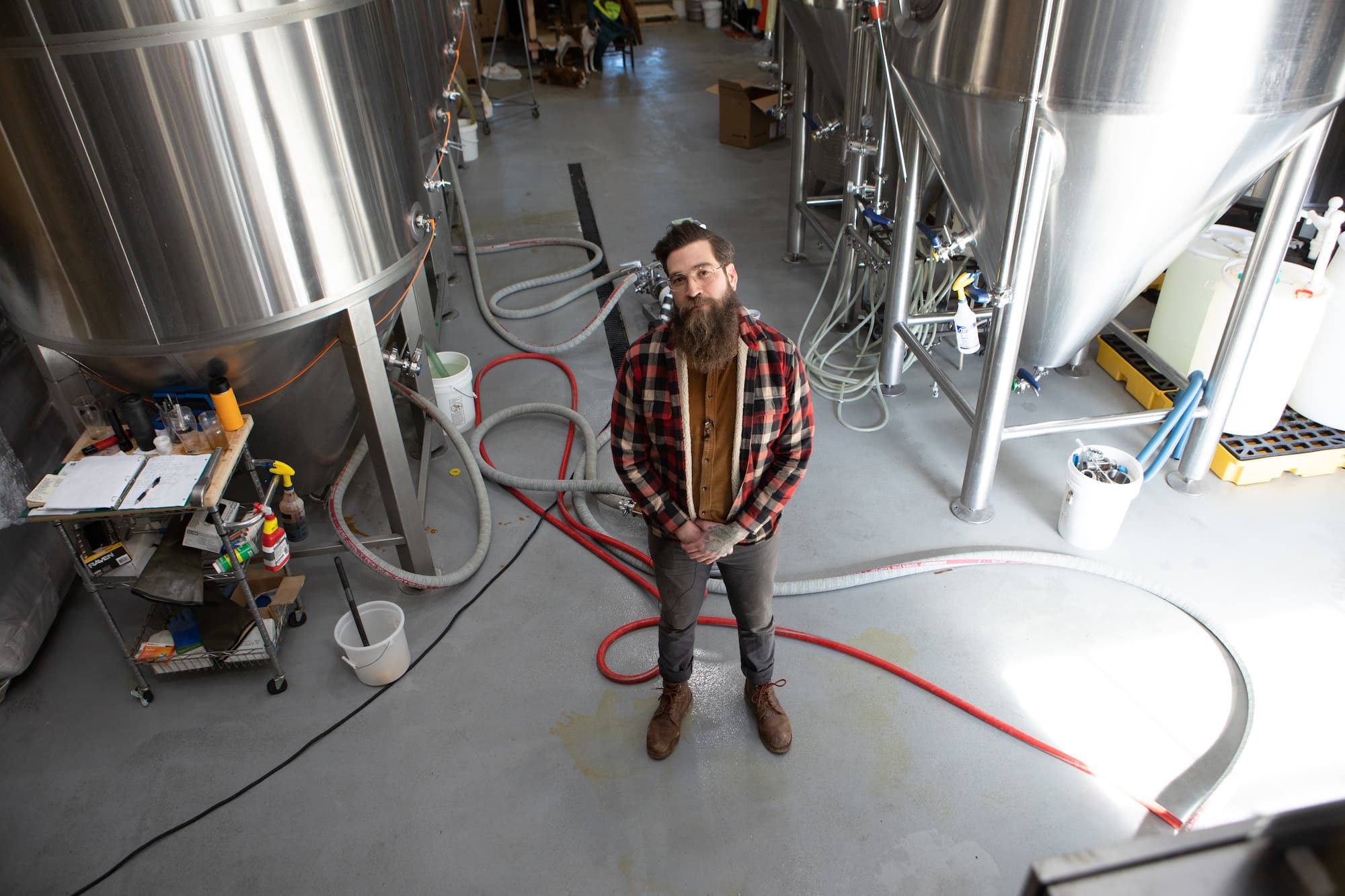
Before you add your wort to a coolship, Todd Boera has some suggestions for the boil.
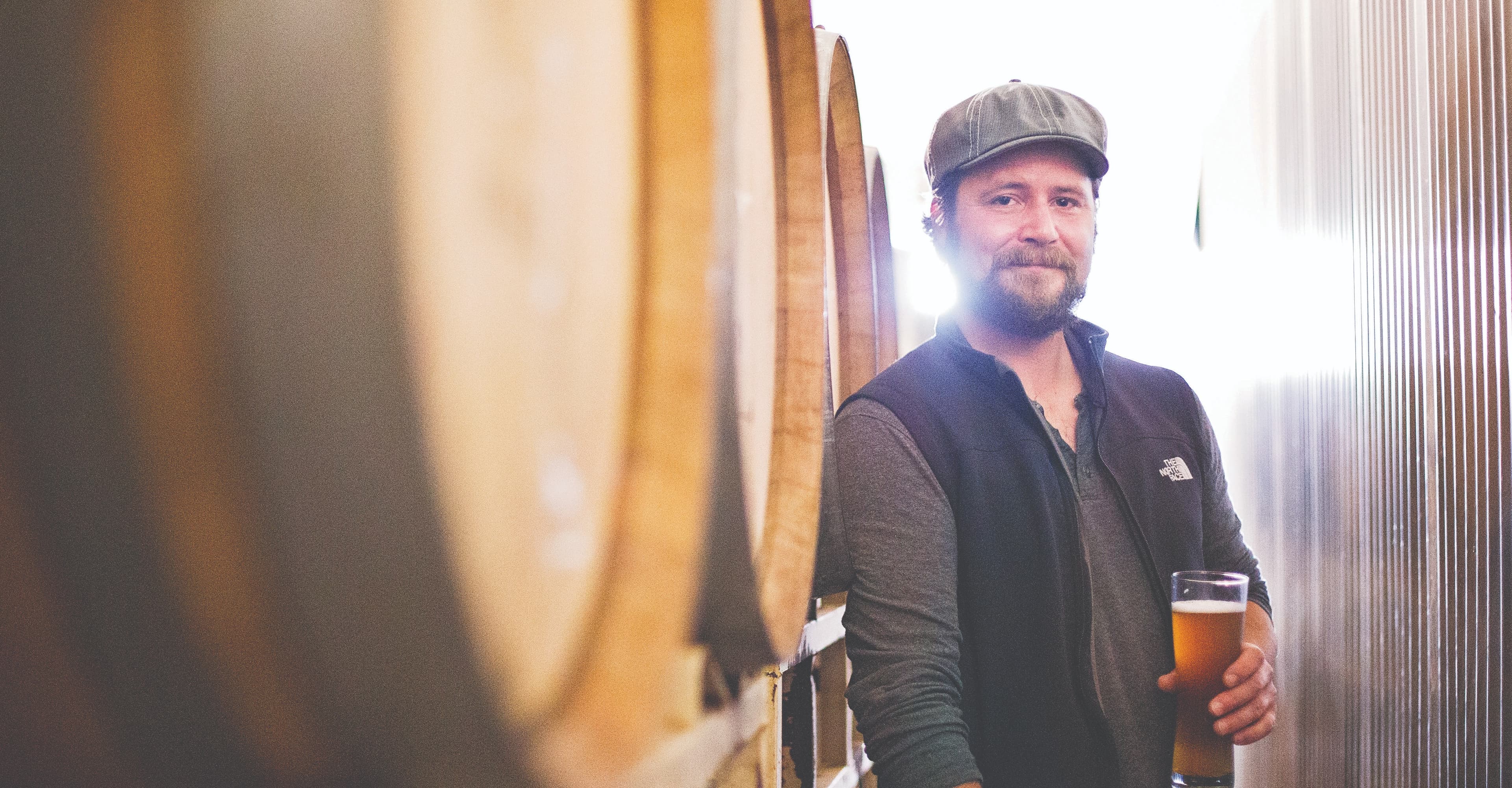
Looking to add a barrel or two to your homebrew setup? Trevor Rogers of de Garde Brewing in Tillamook, Oregon, has some suggestions on how to pick the right barrel and how to best take care of it afterward.
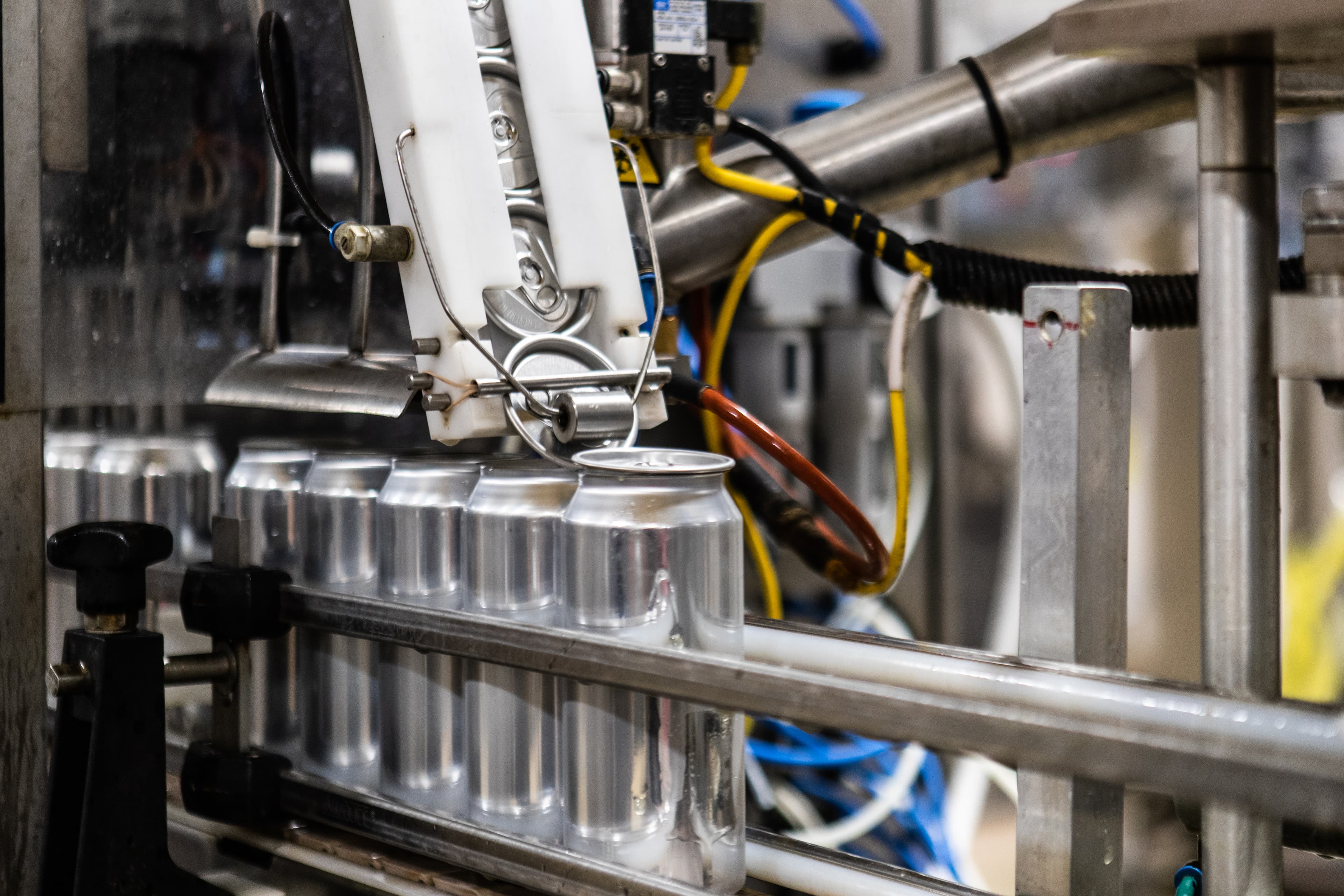
The brewers at Industrial Arts show off their canning line and talk about all the important steps that must be taken before packaging a hazy IPA.
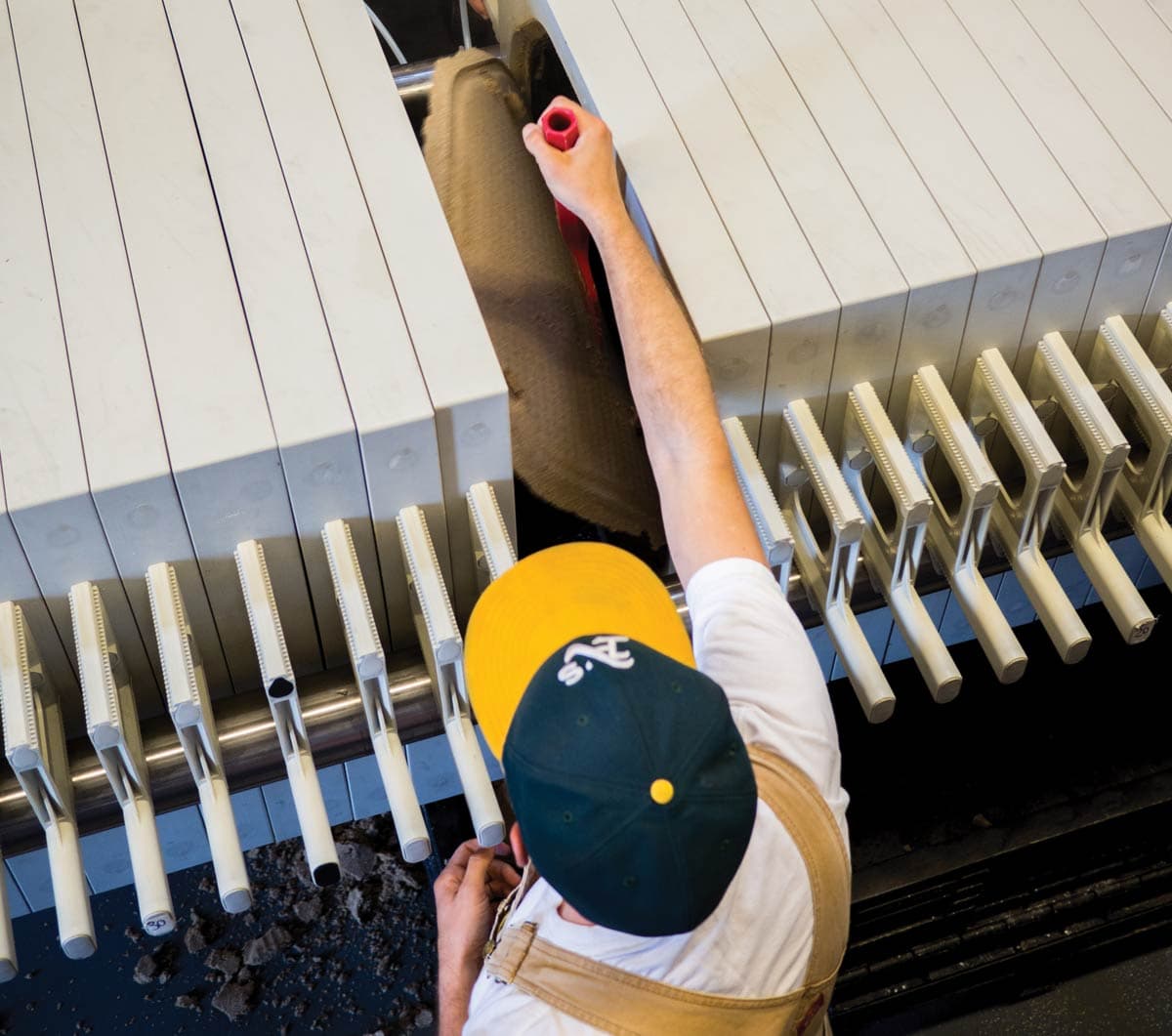
Homebrew expert Brad Smith, author of the Beersmith homebrewing software and the voice behind the Beersmith podcast, has the answer on filtration
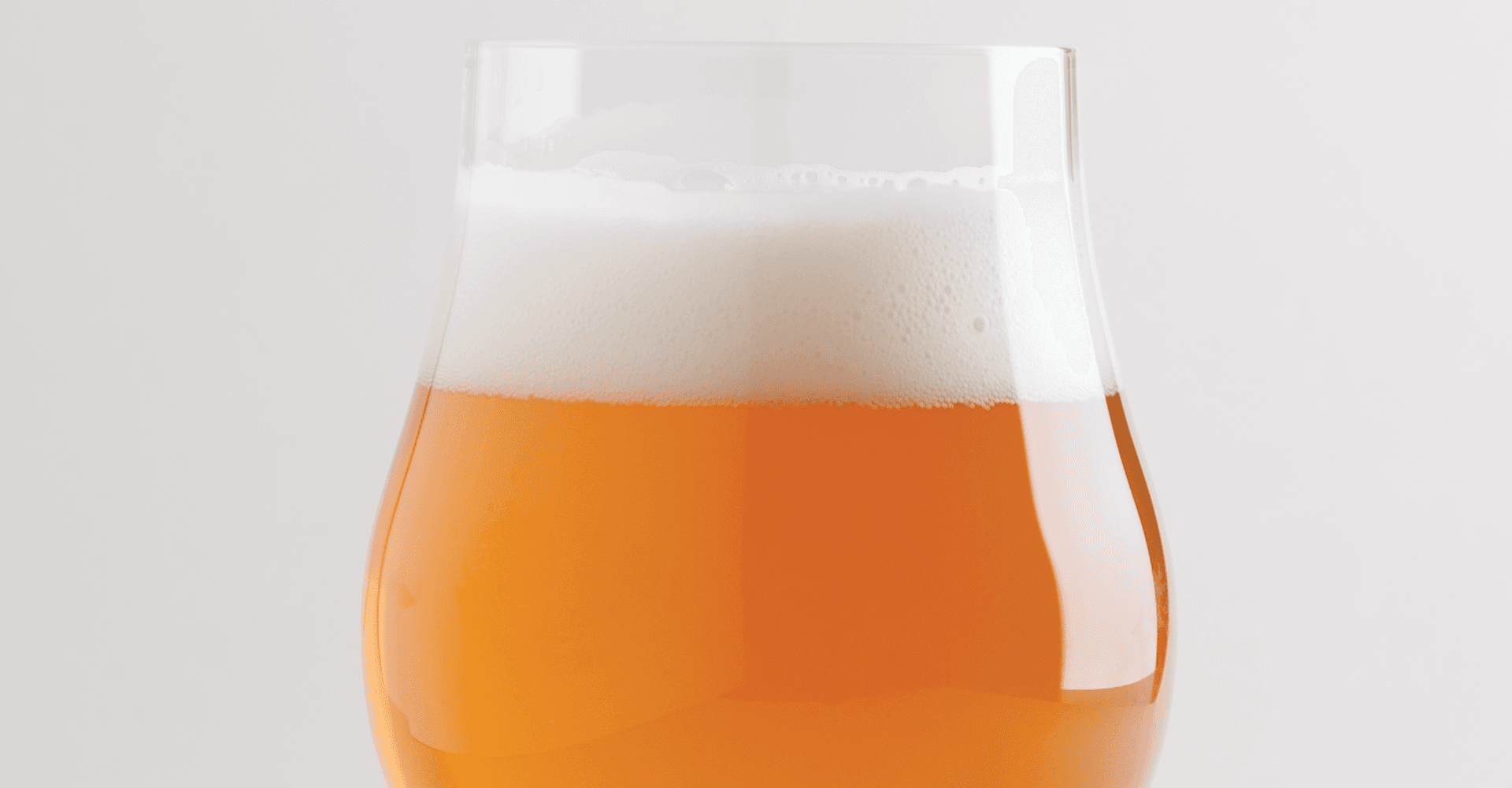
This beer is inspired by some of Fermentery Form’s favorite French farmhouse ales, but in their case, it is made with a mixed culture. The hopping rate is high for a mixed-fermentation beer, but this makes for a long, graceful maturation in the bottle.
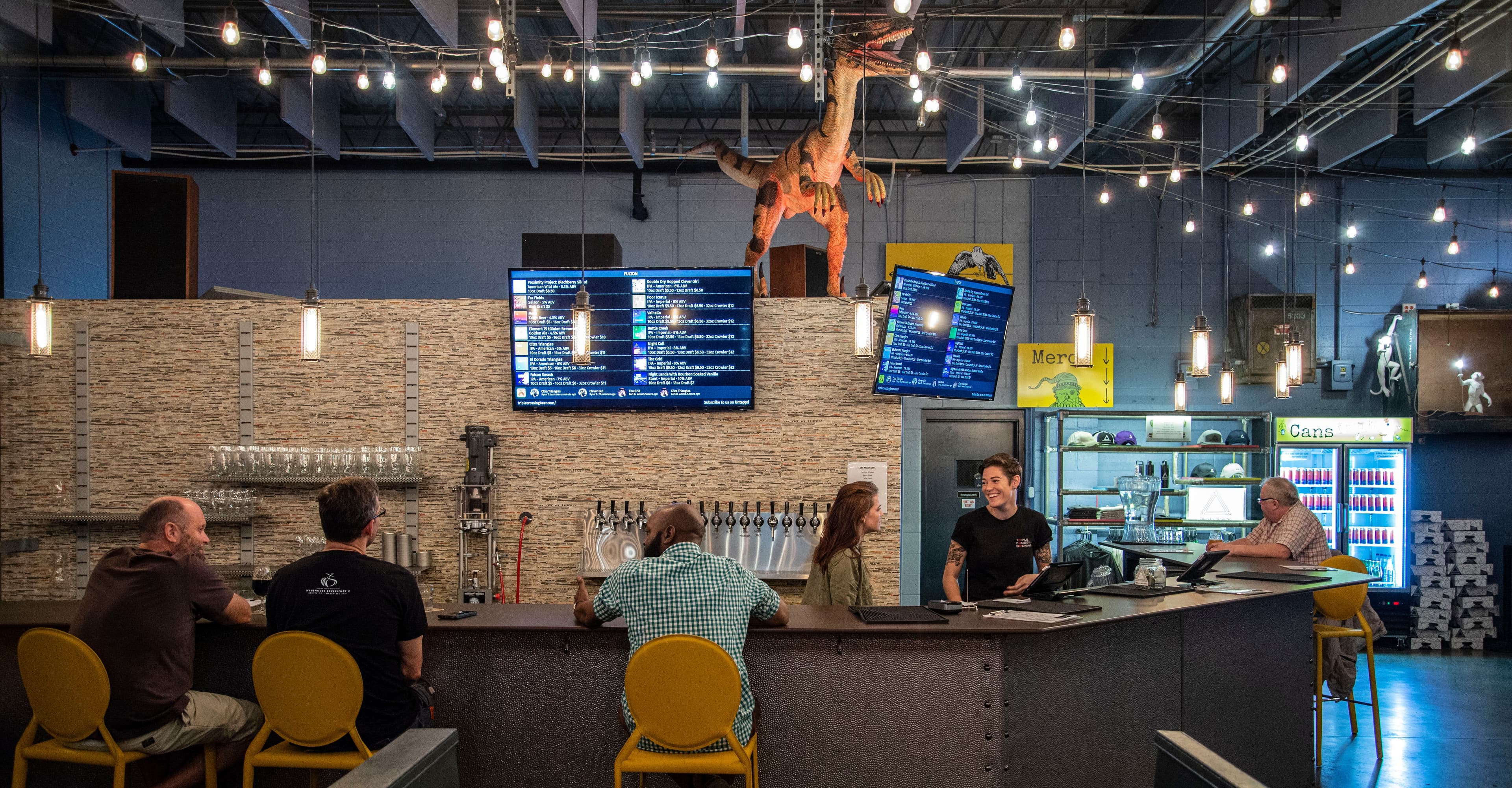
Triple Crossing Brewing Company has made a name for themselves with progressively hoppy and hazy beers, but for these central Virginia stalwarts, it’s less about fitting into a “scene” and more about finding an honest yeast expression.
Beers and brewery initiatives are frequently aimed at detecting, preventing, and curing cancers. There’s a new one in the mix.
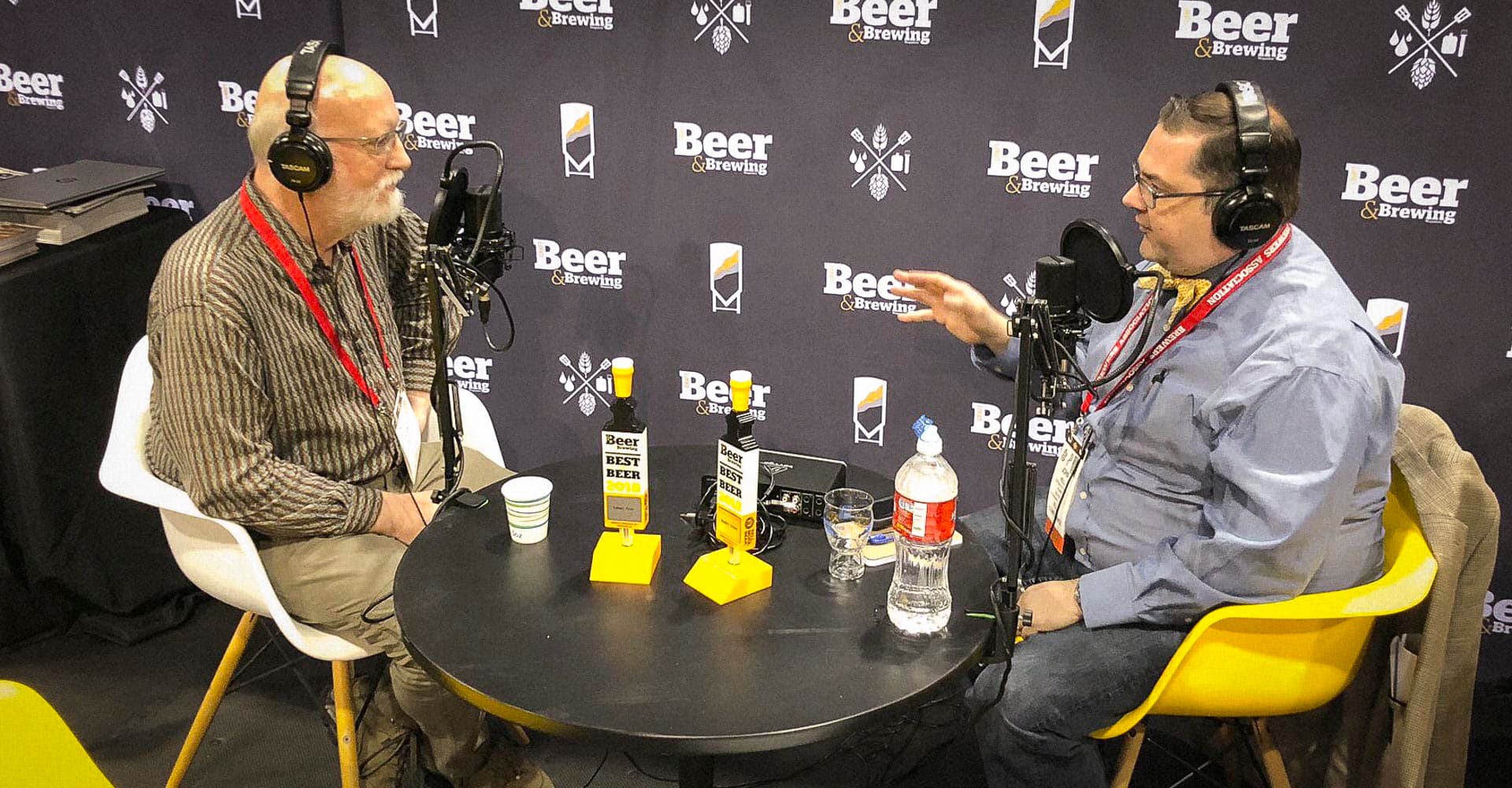
Randy Mosher is an authoritative voice in beer but he’s still a student at heart. As an author, brewer, and consultant, he’s continuously looking to work with new ingredients, reconsider off-flavors, and try new brewing methods.

If a commercial coolship isn't in your homebrewing budget, Todd Boera has some suggestions on how you can make spontaneous beer at home.
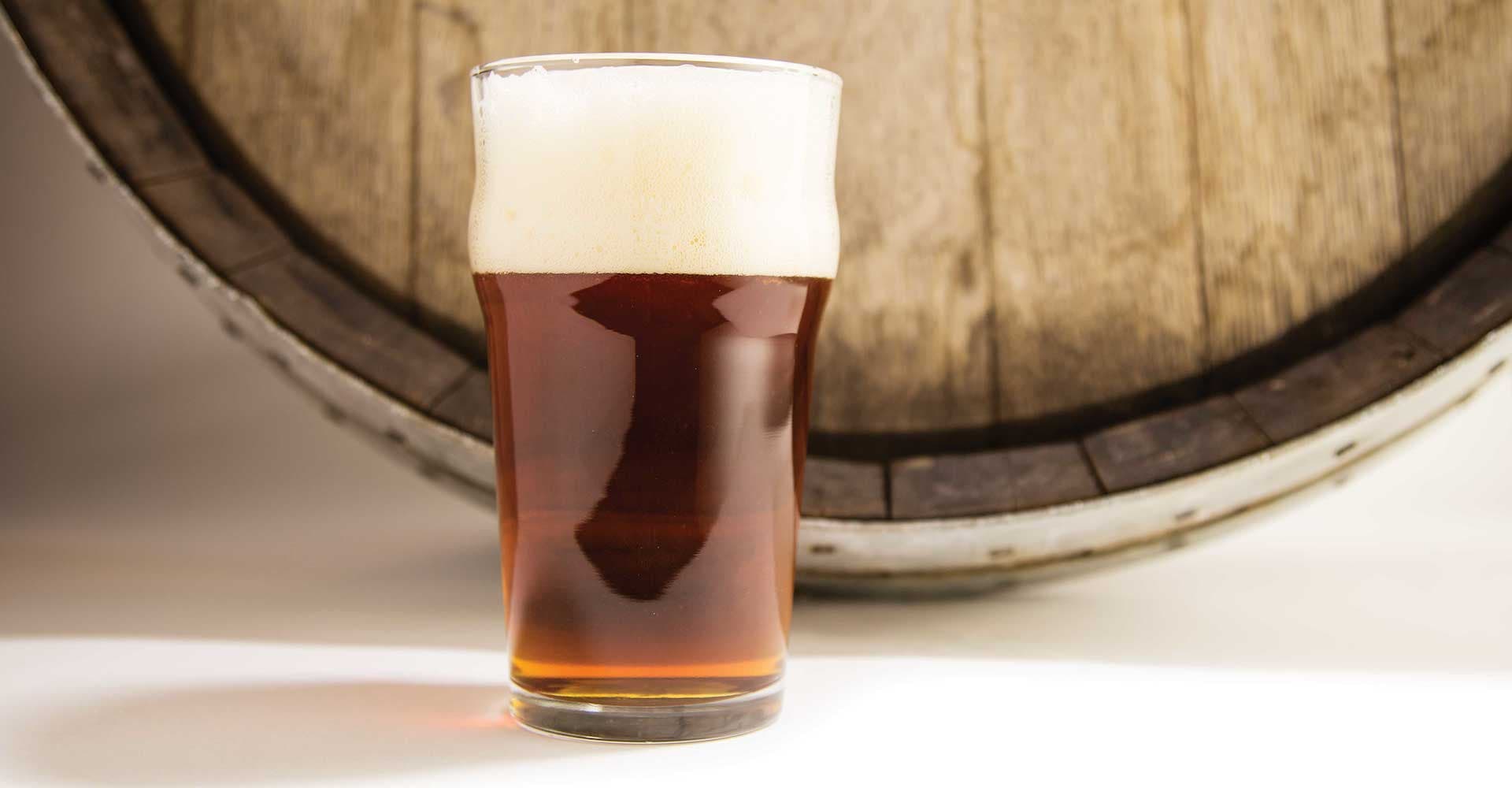
Foeders are becoming a more common sight in breweries these days, and while it’s true that the majority of the brewers are using the vessels for wild or mixed-fermentation beers, others are putting the wood to use for their clean programs.
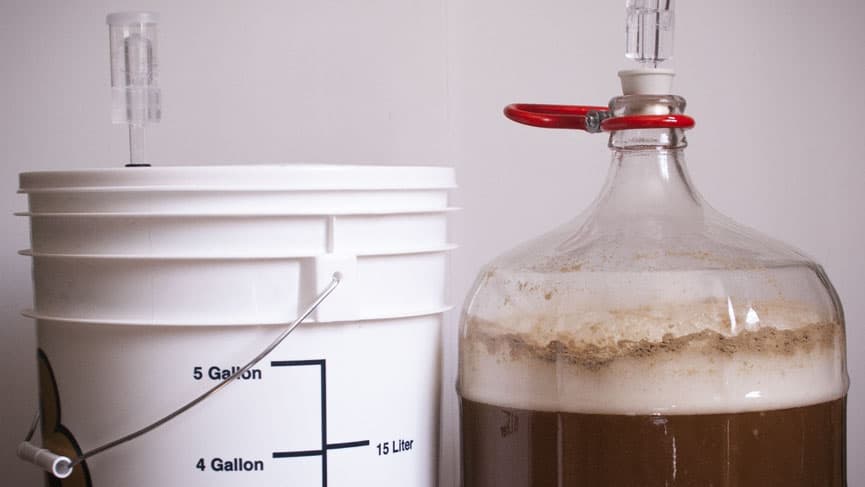
In this Video Tip Bill Eye, the brewmaster at Bierstadt Lagerhaus in Denver, talks about identifying diacetyl in lagers and possible causes.
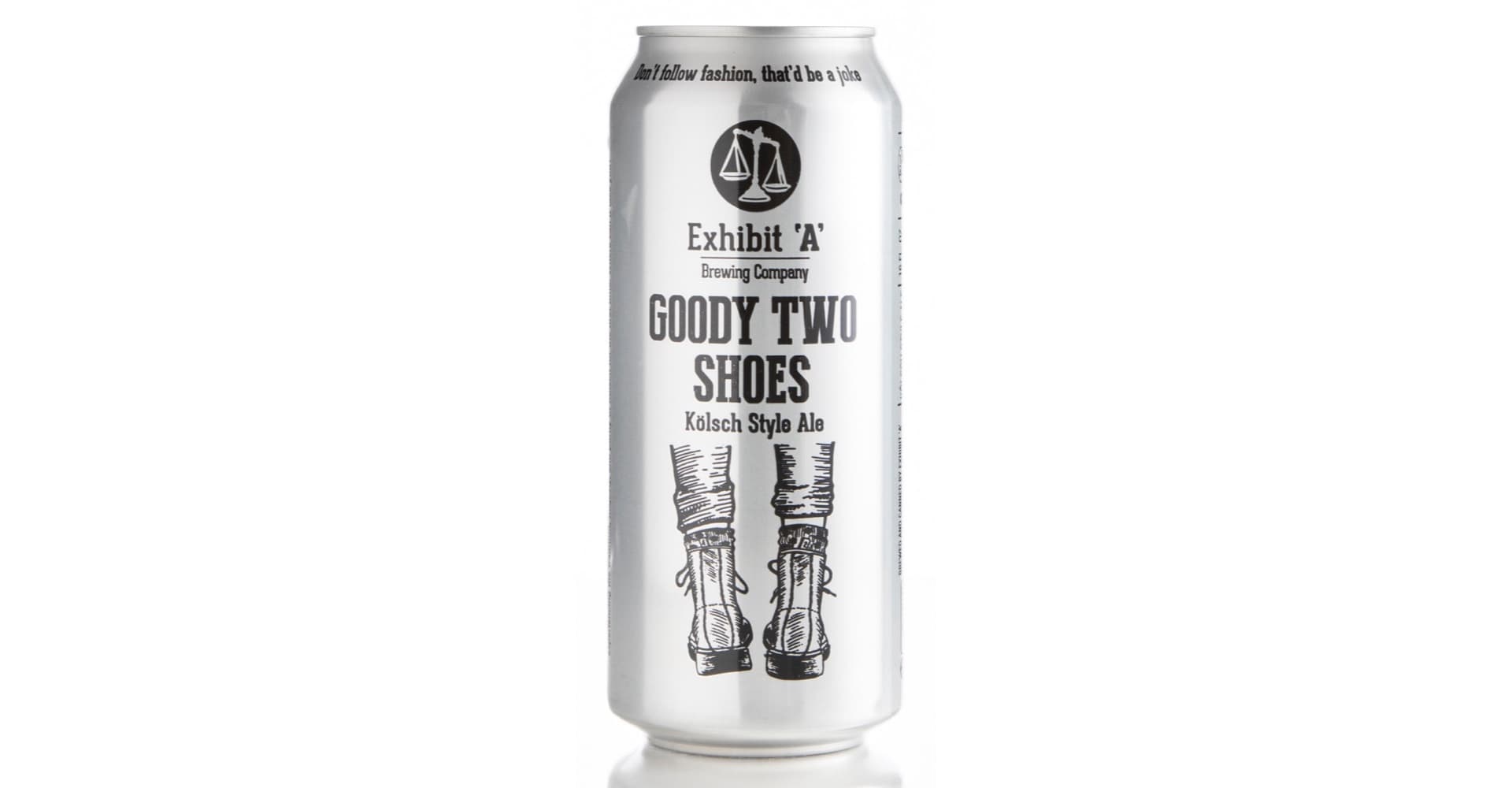
The biggest challenge in a Kölsch is building just enough malt body and character without going overboard.
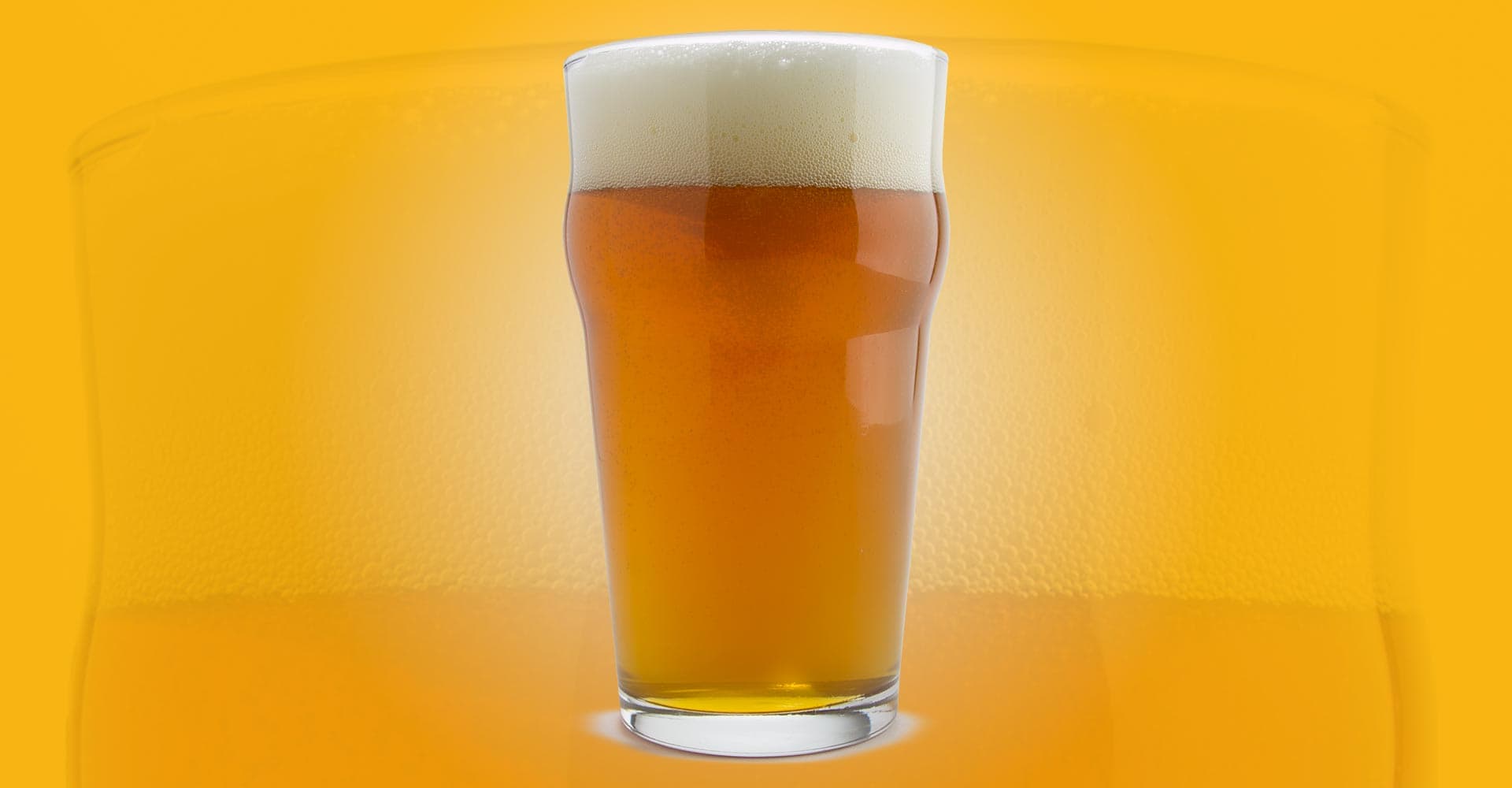
While some think of the Ordinary Bitter as nothing more than a bland, low-ABV, thin-bodied ale, at its best, it’s one of the better drinking beers around!