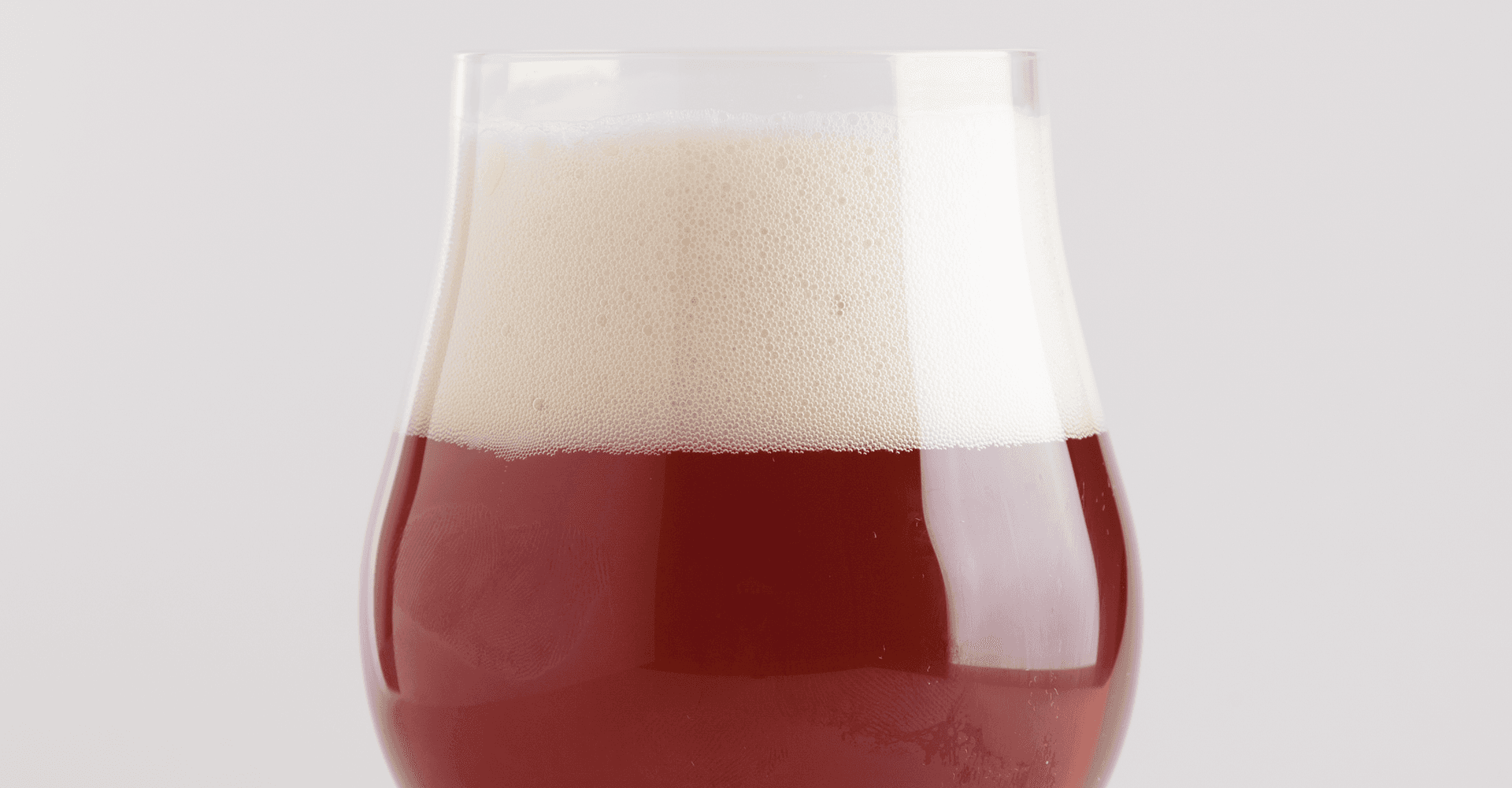
Recipe: Buckwheat Honey Bitter
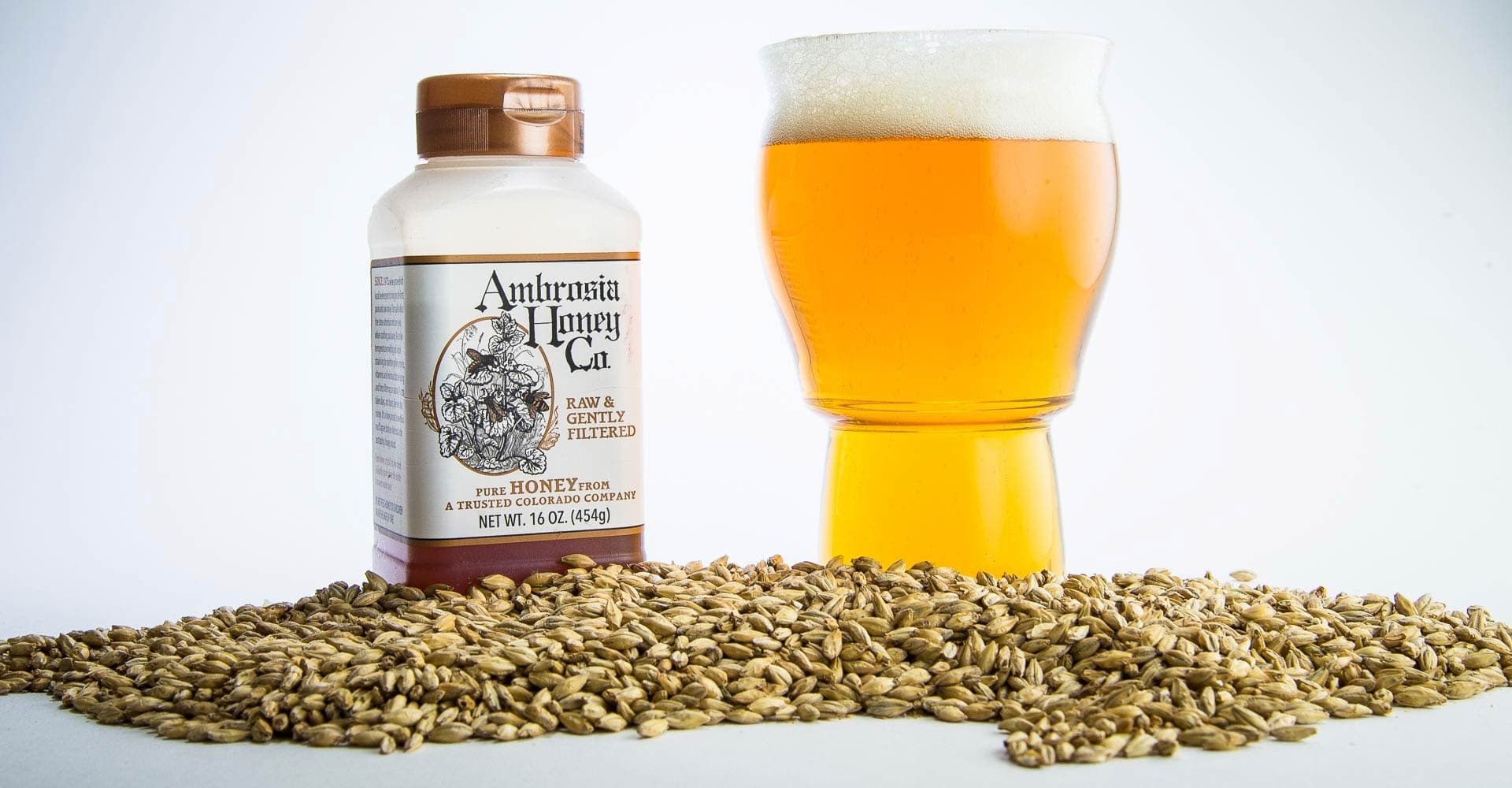
This honey ESB makes for a fun ride on the palate: Between the ample crystal malts, the honey flavors—buckwheat is rich and spicy—and yeast, you end up with a lot of candy, strawberry, earthy, spicy, and malty flavors.
6 articles in this category

This honey ESB makes for a fun ride on the palate: Between the ample crystal malts, the honey flavors—buckwheat is rich and spicy—and yeast, you end up with a lot of candy, strawberry, earthy, spicy, and malty flavors.

Highly fermentable yet often quite flavorful, with many types available, honey is the queen bee of alternative sugars in the brewhouse. So, let’s ponder how it can shine in conjunction with a particular base style—in this case, an ESB.

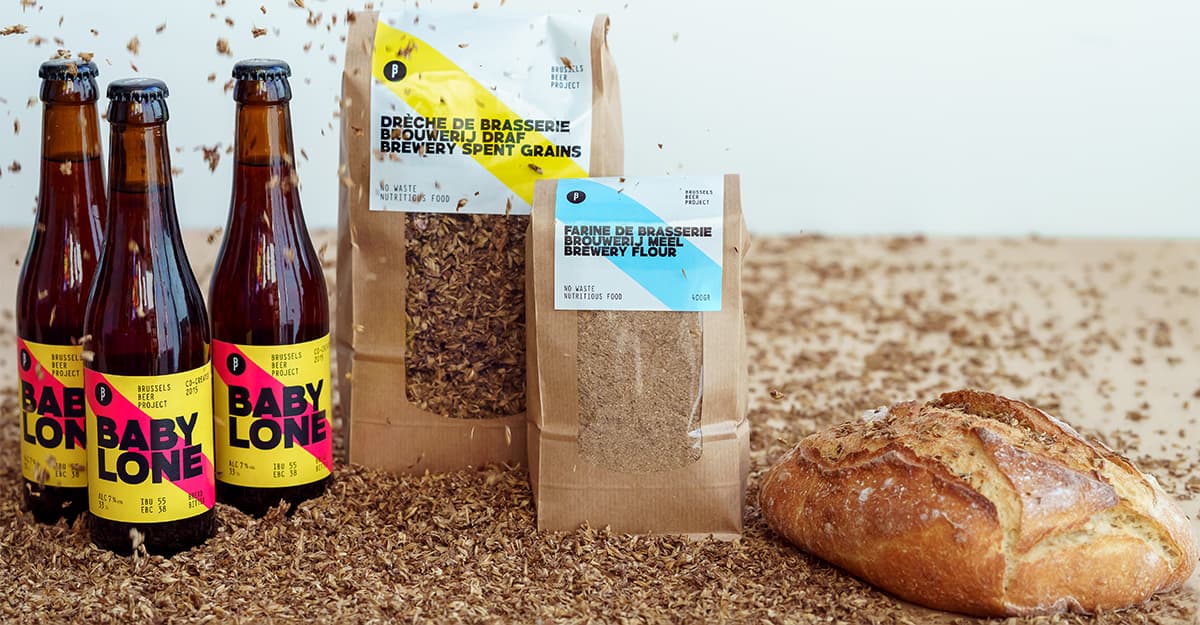
This “bread IPA,” with a profile like a big, bitter British ESB, gets extra character and body from the addition of crusty, unsold loaves from Brussels supermarkets—promoting a less wasteful economy while suggesting new avenues for flavor experimentation.

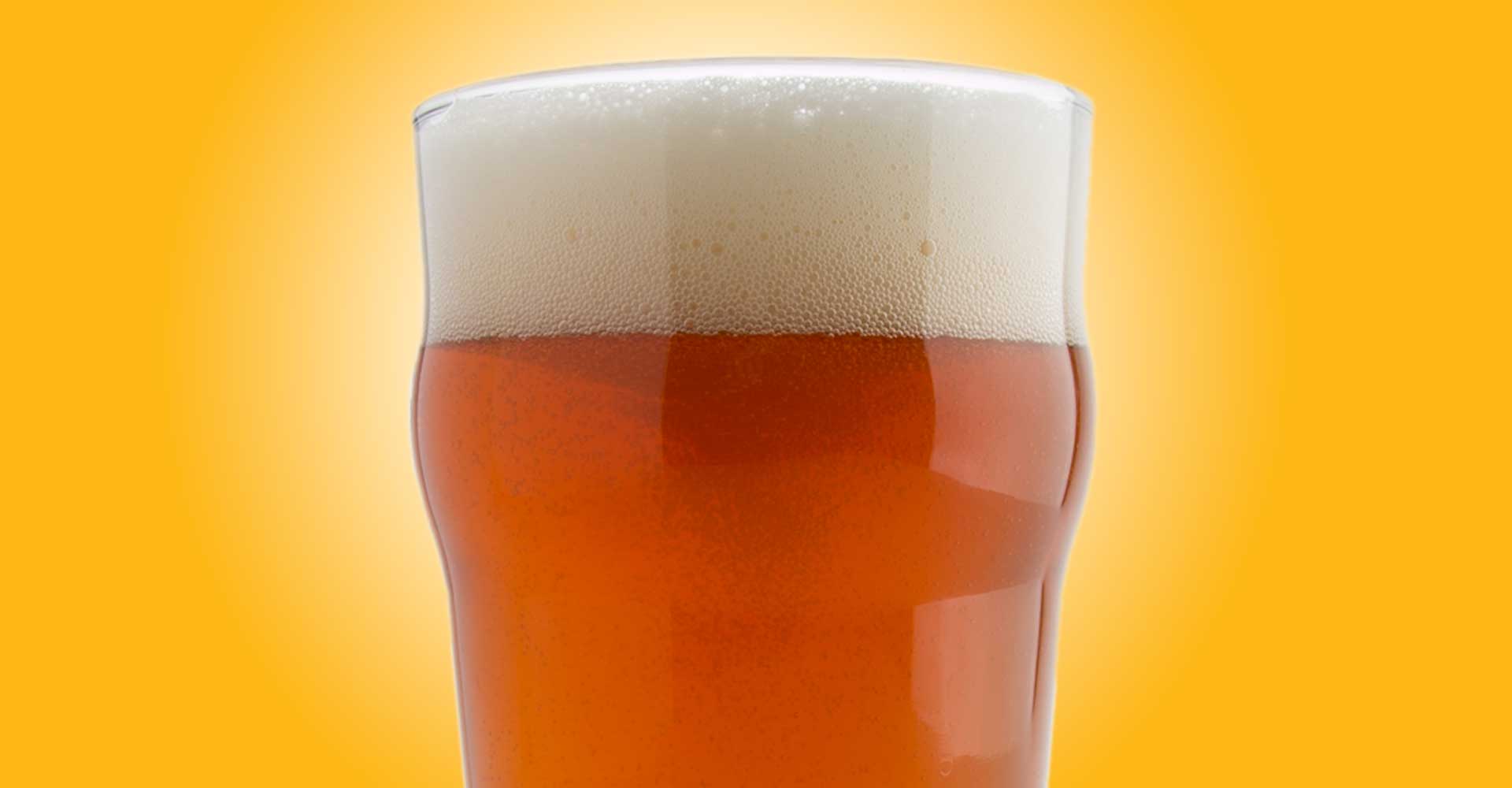
With the right ingredients, this recipe will re-create the kinds of flavors you’d find at pubs all over England on any given day—a showcase of English malt and hops, pouring a beautiful brilliant jewel-toned orange.

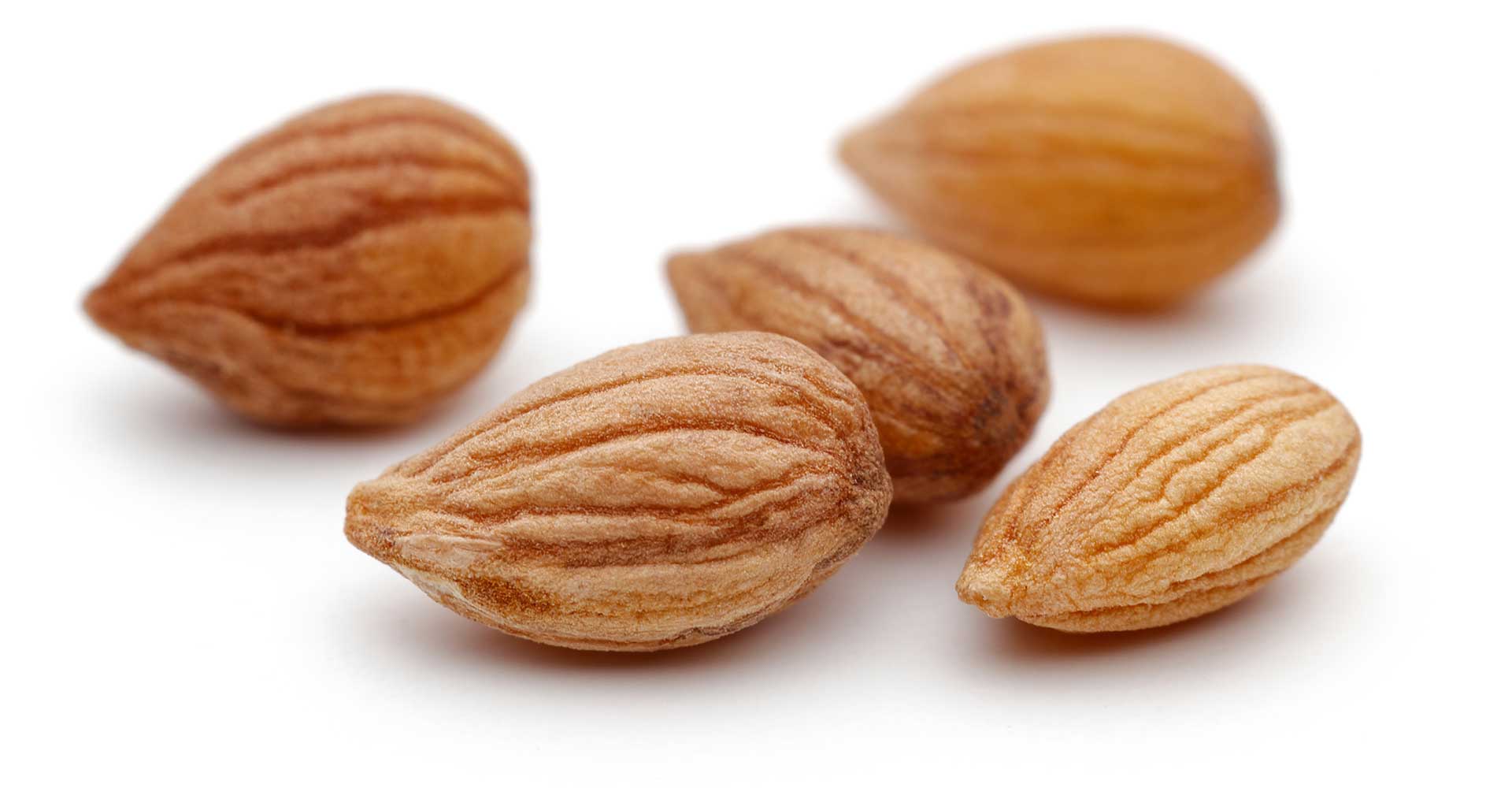
It’s a nutty spice, but it comes from a fruit. Popular as a baking ingredient in the Middle East, the dried seeds of St. Lucie cherries can also work really nicely, as it turns out, in beer.

In the strictest sense of the word, honey ales don’t have a “style.” In the 2015 BJCP Style Guidelines, they probably best fall into category 31B, Alternative Sugar Beer, assuming that honey is the only specialty ingredient used.
Browse every article filed under this tag.