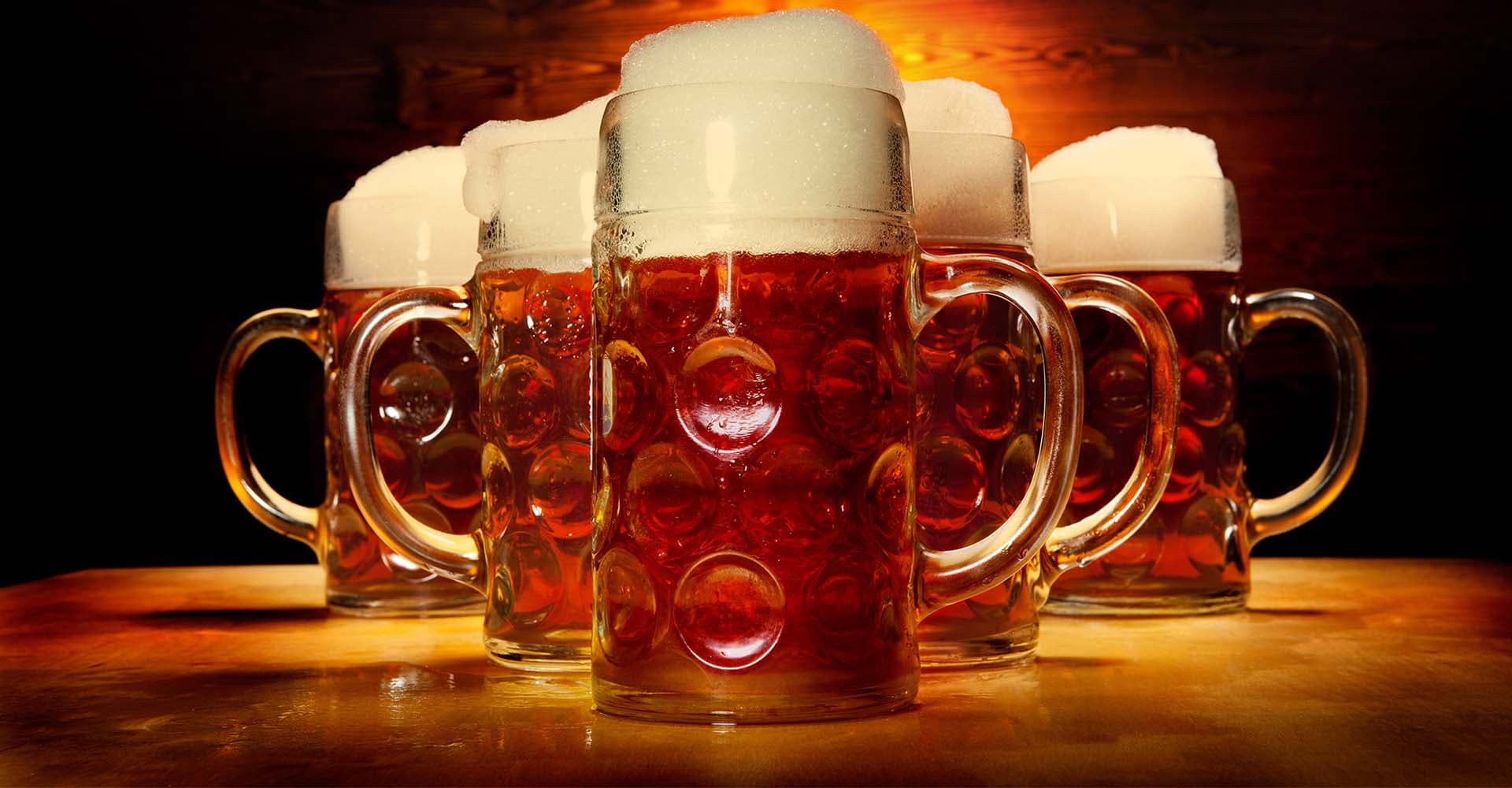
Make Your Best Oktoberfest
We know: It’s time to drink it, not brew it. Yet while you’re hoisting a few at the season’s festivities, it’s never too early to start thinking about your spring brewing schedule...

10 articles in this category
We know: It’s time to drink it, not brew it. Yet while you’re hoisting a few at the season’s festivities, it’s never too early to start thinking about your spring brewing schedule...
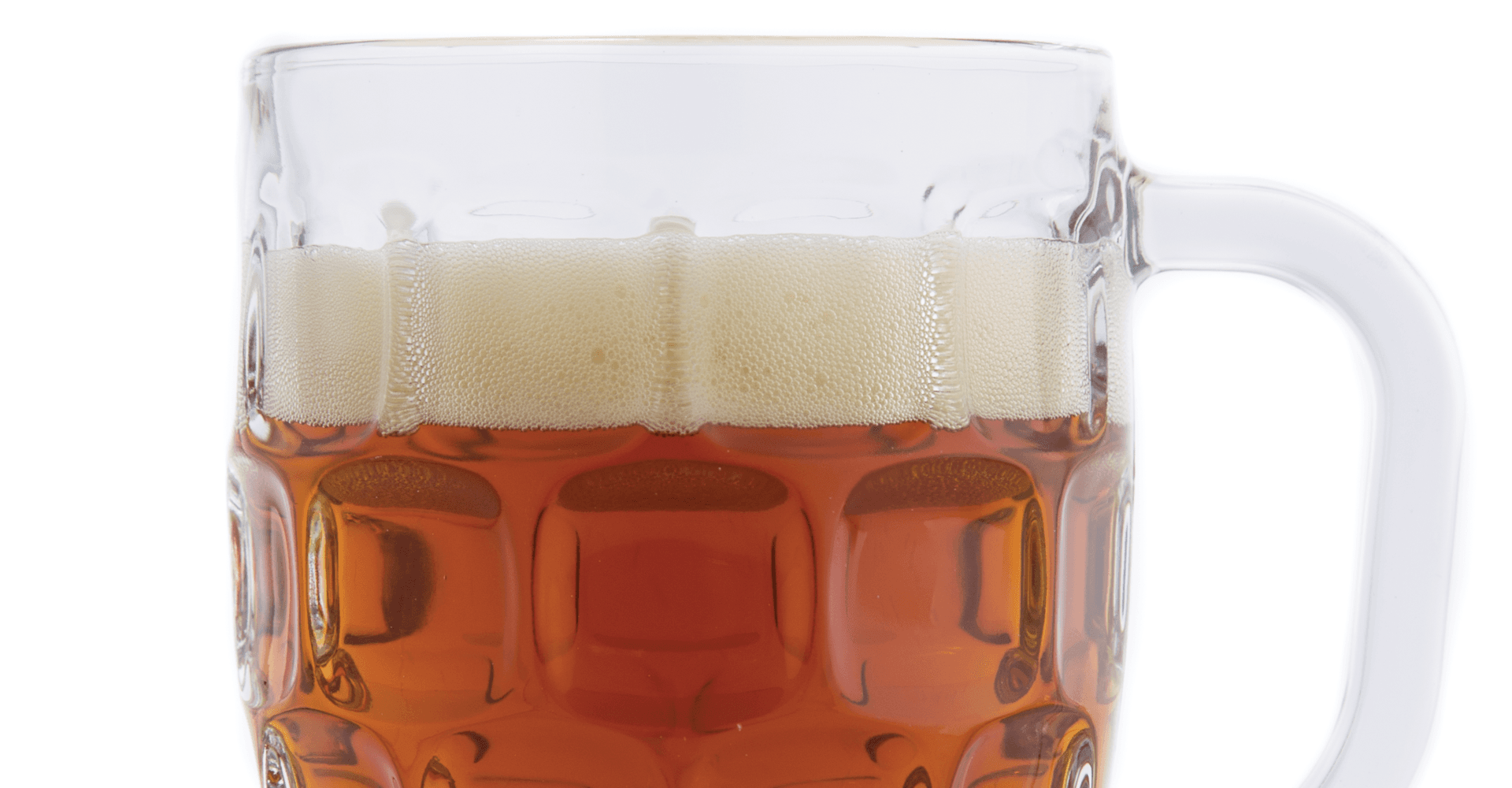
Oh, is it that time again? For those who want to take on the classic seasonal, this is a wonderful “first lager” if you’ve never brewed one. (And as for the British malt in a traditional German style … well, we won’t tell if you won’t.)
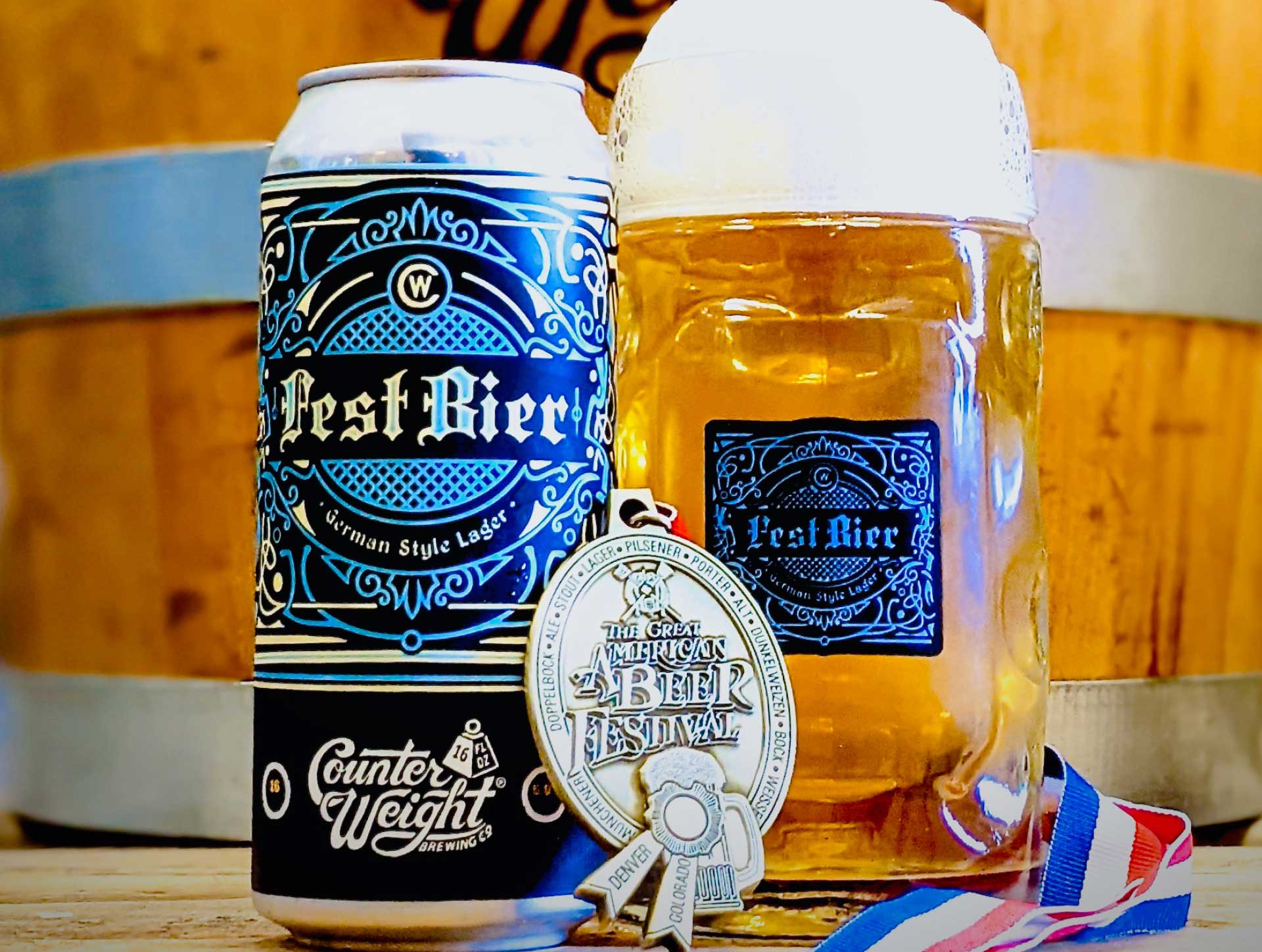
Following the golden path of modern festbier, this homebrew-scale recipe is closely based on Counter Weight’s GABF gold medal winner.
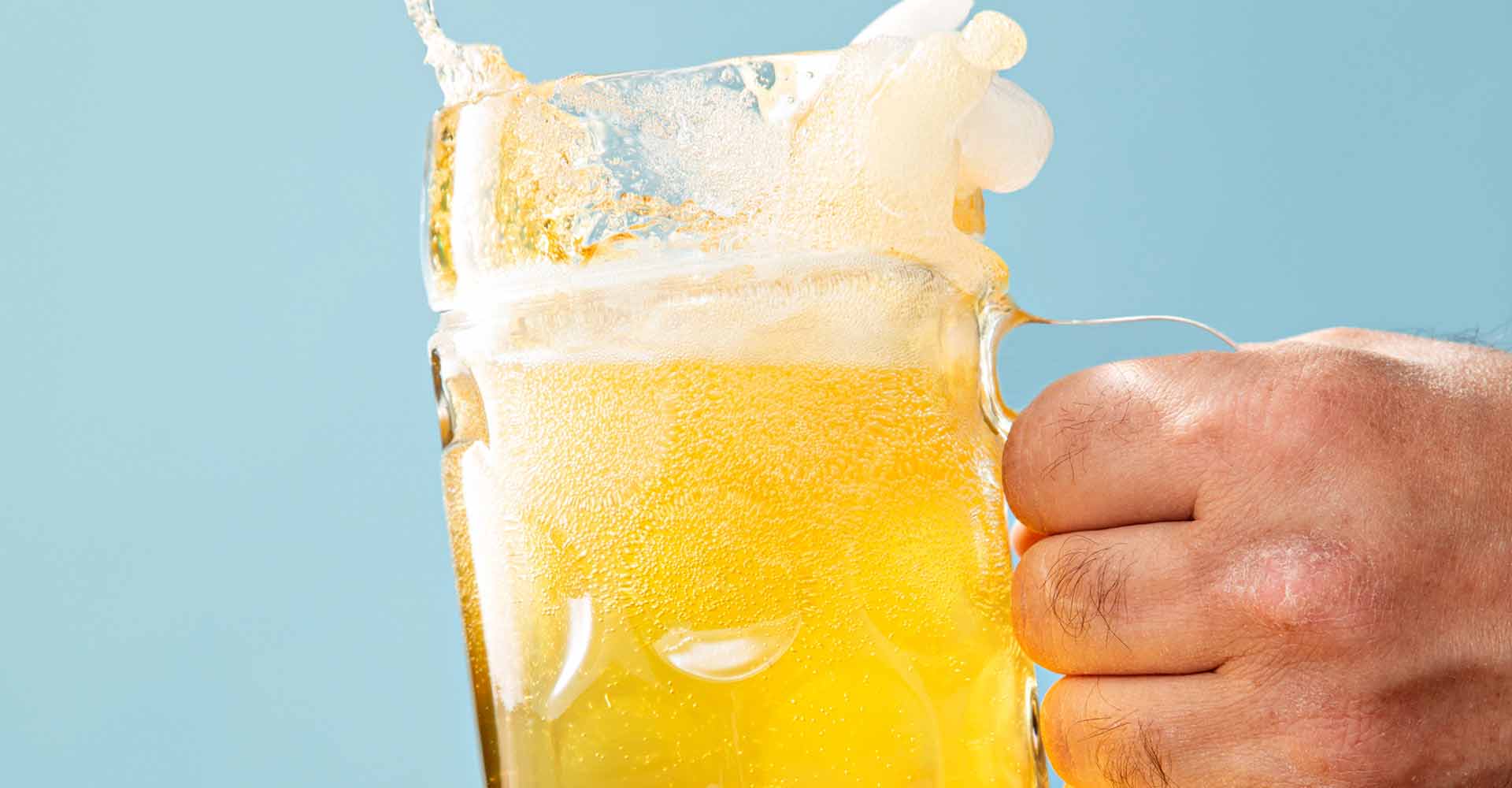
Whatever its strength, whatever its story, and whatever its color—amber or gold?—festbier ought to be drinkable in quantity. Here we dissect the diverging styles to find out what makes a great (Oktober)festbier tick.
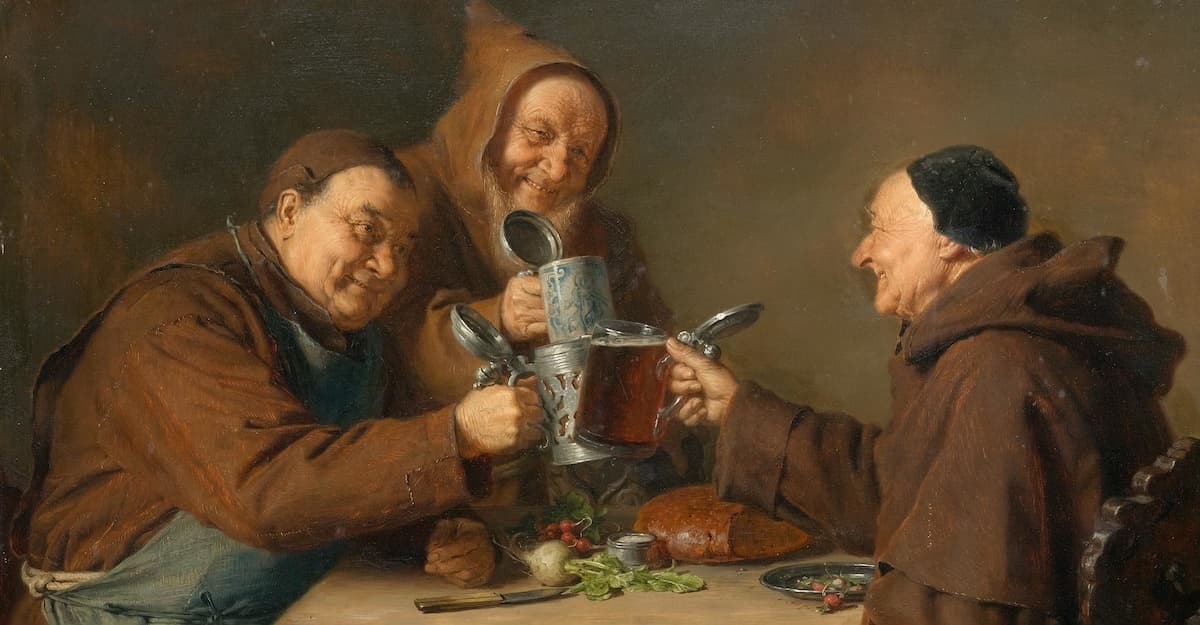
In Munich in 1872, the famous Schottenhamel tent needed more beer. Josef Sedlmayer had beer to sell ... but it was a stronger lager brewed in the Viennese style. Thanks to beer historian Andreas Krennmair, we have an educated guess about the recipe.
Maybe we can't do Oktoberfest this year, but we can still don our dirndls and drink lager. Plan ahead to have this one ready for autumn. The fresh, grassy, floral hop nose on this one is a perfect fit for the bready malts in the grist.
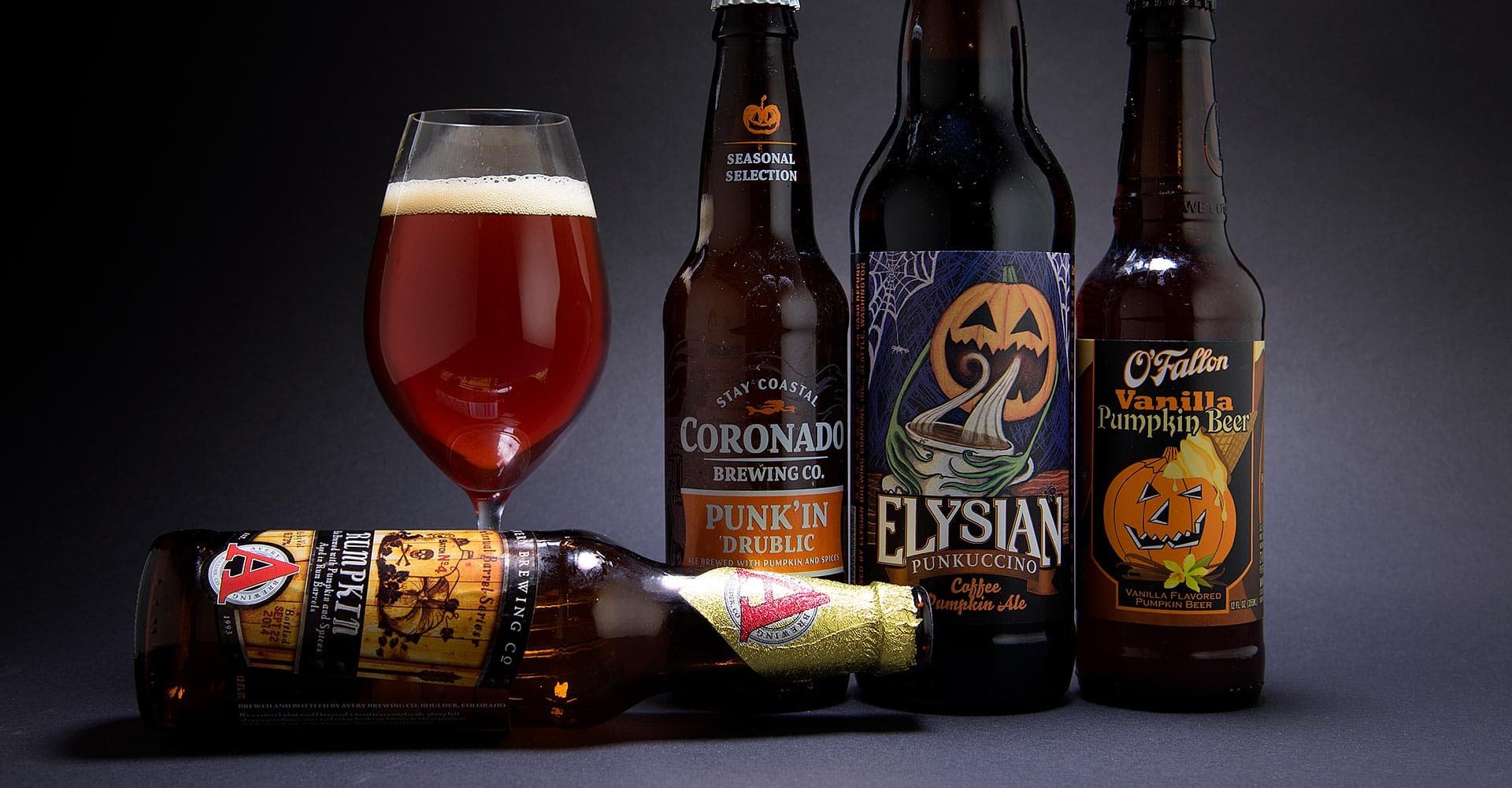
Once upon a time, beer led us through a cycle from winter warmers to spring ales to fruit beers before greeting us with Oktoberfest and, of course, pumpkin beers. Seasonal offerings kept beer moving. Times have changed.
This fake German lager derives its crisp, easy-drinking flavor from just two base malts: Munich and Pilsner.
A traditional beer, perfect for Oktoberfest celebrations.
Rich, malty, and packs a punch.