Know the Most Common Beer-Tasting Biases | Video Tip
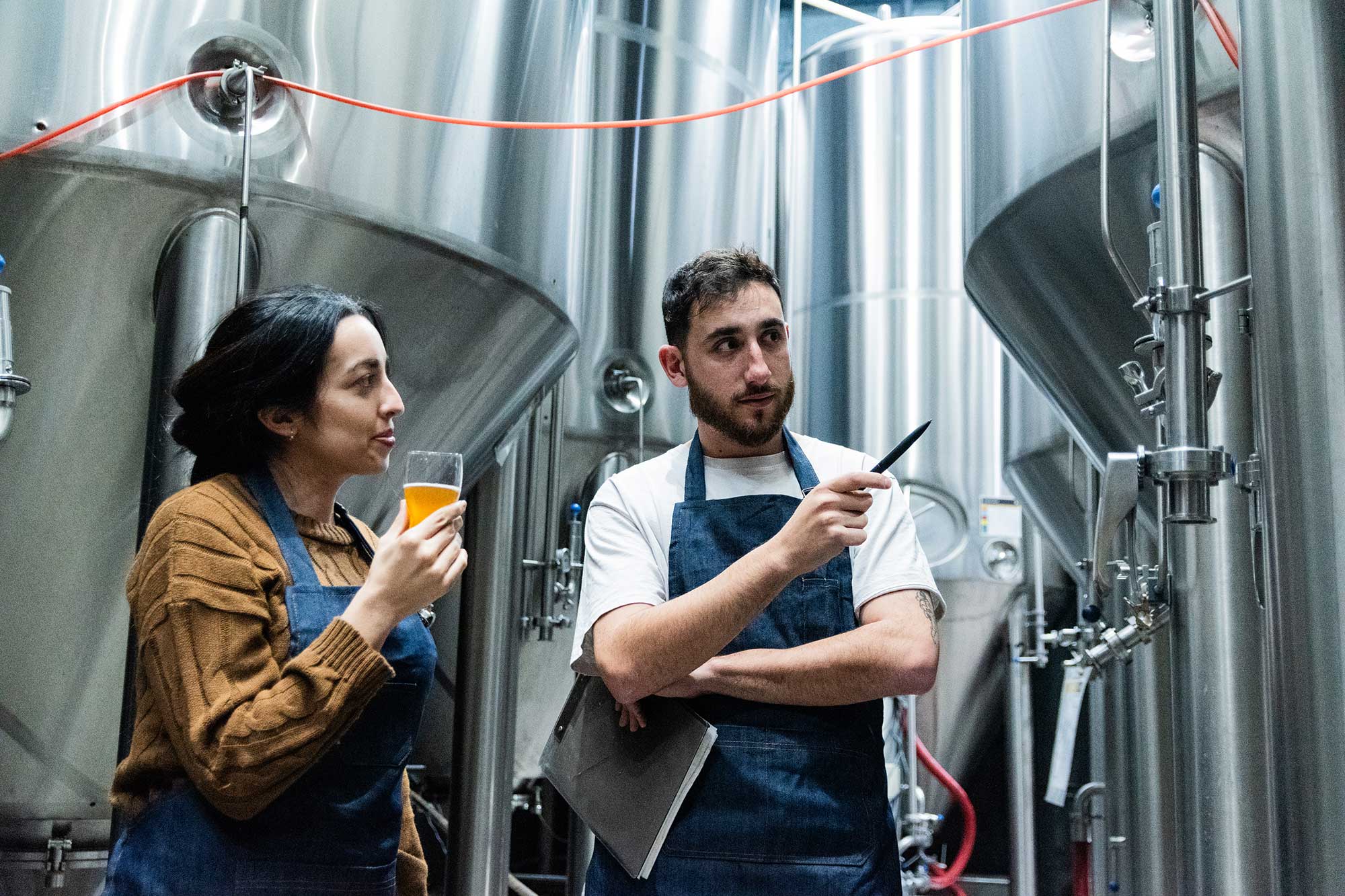
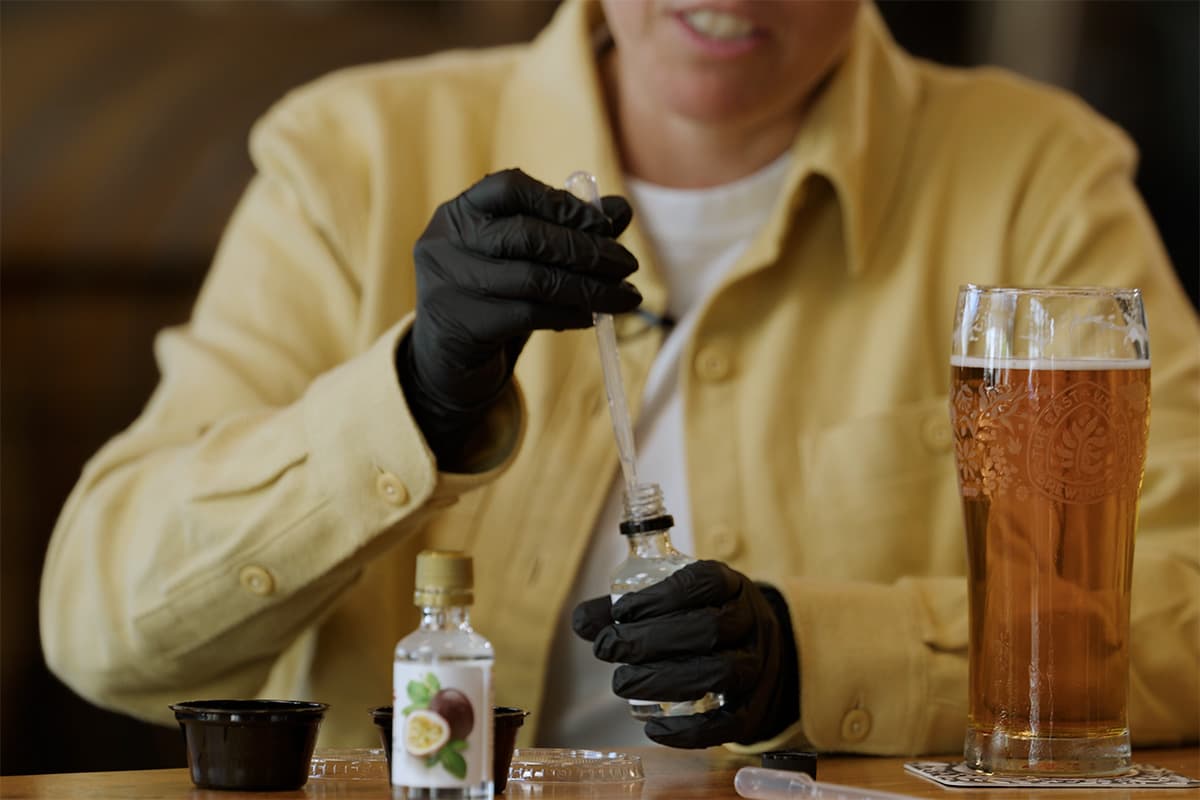
There are certain biases that often creep into beer sensory panels and judging tables. DraughtLab cofounder Lindsay Barr describes three of the most common types—and how to avoid them.
280 articles in this category

There are certain biases that often creep into beer sensory panels and judging tables. DraughtLab cofounder Lindsay Barr describes three of the most common types—and how to avoid them.

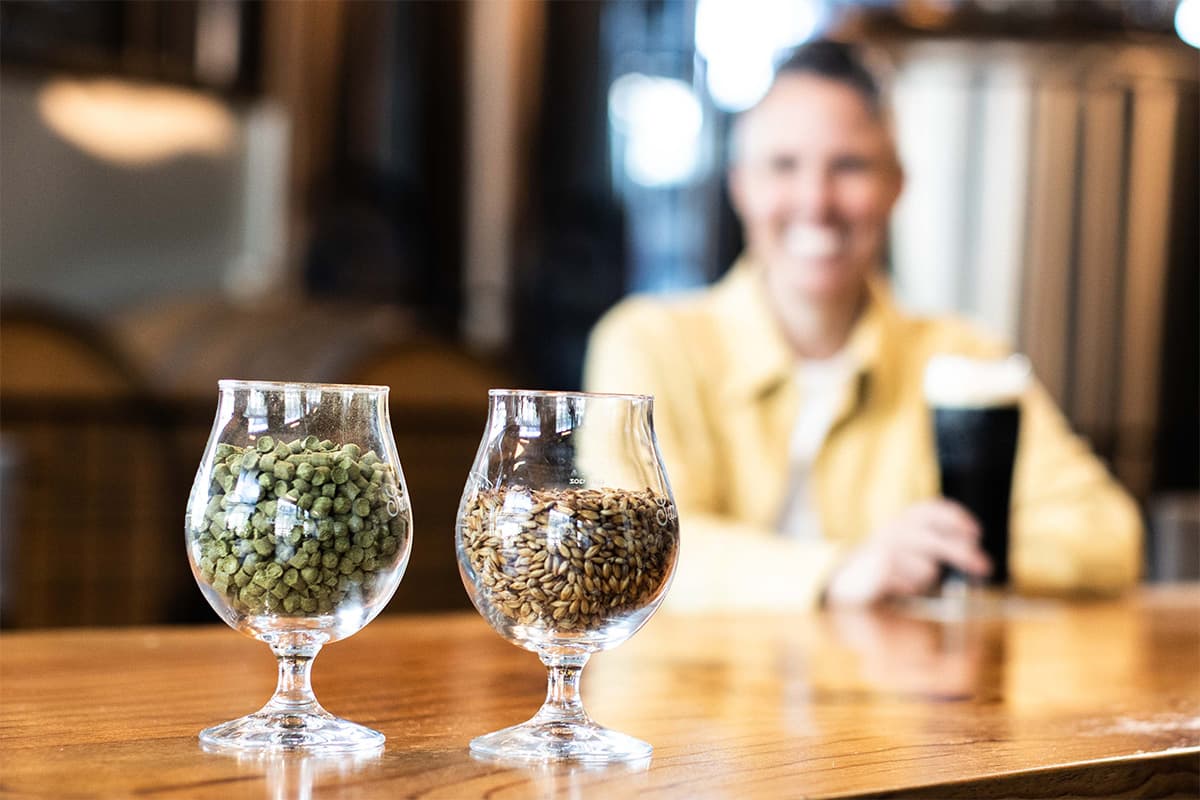
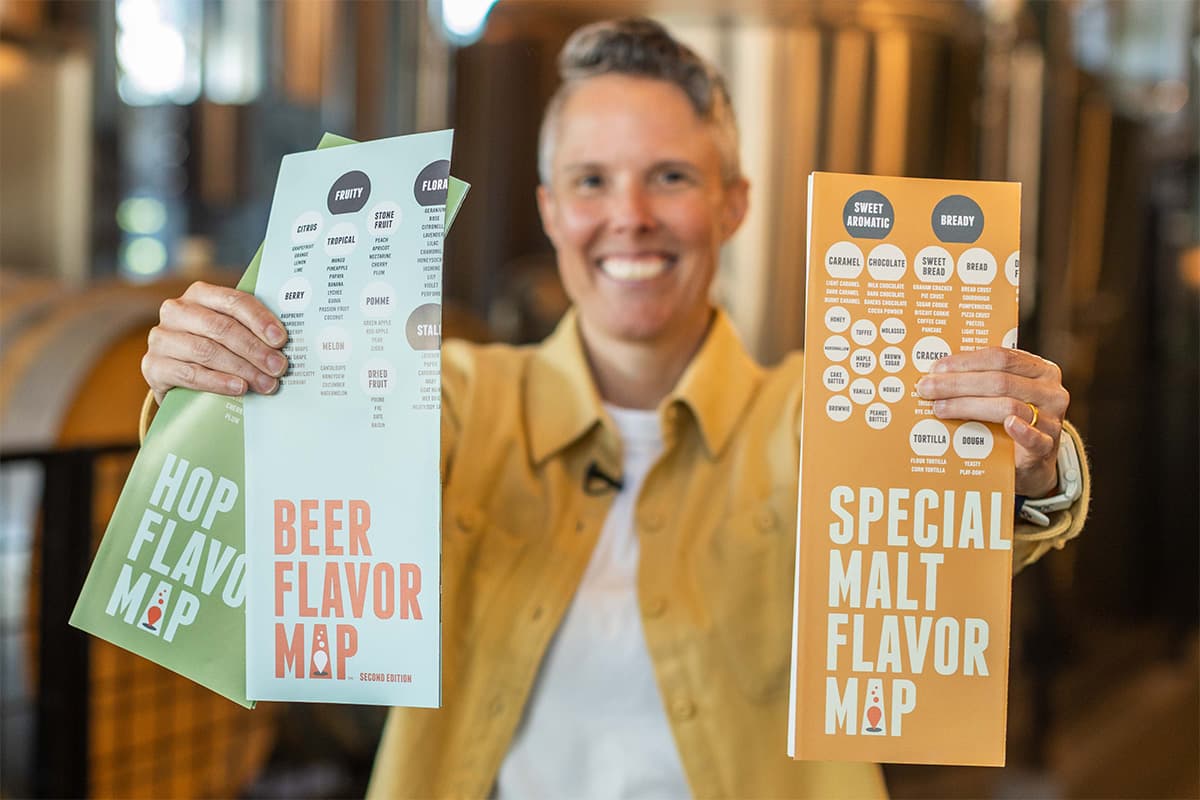
The power of sensory analysis isn’t only for finished beer—you can also apply it to raw materials, including hops and malt. In this clip from her video course, DraughtLab cofounder Lindsay Barr outlines two key methods: the hop grind and the hot steep.

Ensuring that popular beers maintain consistent flavor profiles—that they are true to brand—is important for any brewer who wants to keep customers happy. Here, DraughtLab cofounder Lindsay Barr explains how true-to-target and brand recognition testing can help you drill into your beer’s finer sensory traits.

There are many methods of sensory analysis that can be used in the brewery, but one of the most useful is the descripton test. DraughtLab cofounder Lindsay Barr explains how it works.

Besides having a nice red-amber hue and tasting great—earthy, malty, and spicy-bitter—this recipe shows how alternative base grains can make a significant difference in flavor.

Northbound Smokehouse & Brewpub founder and brewer Jamie Robinson shares tips on how to brew the kind of eisbock that can win a gold medal—as Northbound Eisbock has done two years in a row at the Great American Beer Festival.

Want to brew an eisbock? The first times you try fractional freezing on a bock or other beer, you simply can’t know exactly what you’re going to get—but there are ways to maximize your chances of success.

Lindsay Barr, founder and chief science officer at DraughtLab, explains specific methods and practical tips for how your brewery can collect sensory data and use that information to make better beer.

Quality control professionals and brewmasters know that consistency and safety are the backbone of exceptional beer. But what if the key to mastering both lies in understanding the unseen world inside your brewery?

Natalie Rose Baldwin, brewmaster of Wayfinder Beer in Portland, Oregon, shares this recipe for a French-inspired pilsner that features a kiss of spelt and plenty of floral, spicy Alsatian Strisselspalt hops to drive the flavor.

Join Craft Beer & Brewing and the experts at John I. Haas, along with Ryan Bruchey from TailGate Brewery and Jeremy Moynier from Sapporo-Stone Brewing, for a panel discussion on the evolving science of hops where sensory meets data, and innovation meets reliability.

This beer style works just fine on its own as a fall or winter party tap—but it also makes a great base for winter-themed fruited or spiced beers.

This international-style dark lager works well on its own as an easy-drinking crowd-pleaser—but it also works well as a relatively base for fruit or other flavor additions.

Join Craft Beer & Brewing and AisleAI for a deep dive into how independent brewers are using AI tools to successfully sell into C-stores. We’ll discuss real-world examples of how you can use data, automation, and “always-on intelligence” to compete in the market and grow your brand like never before.

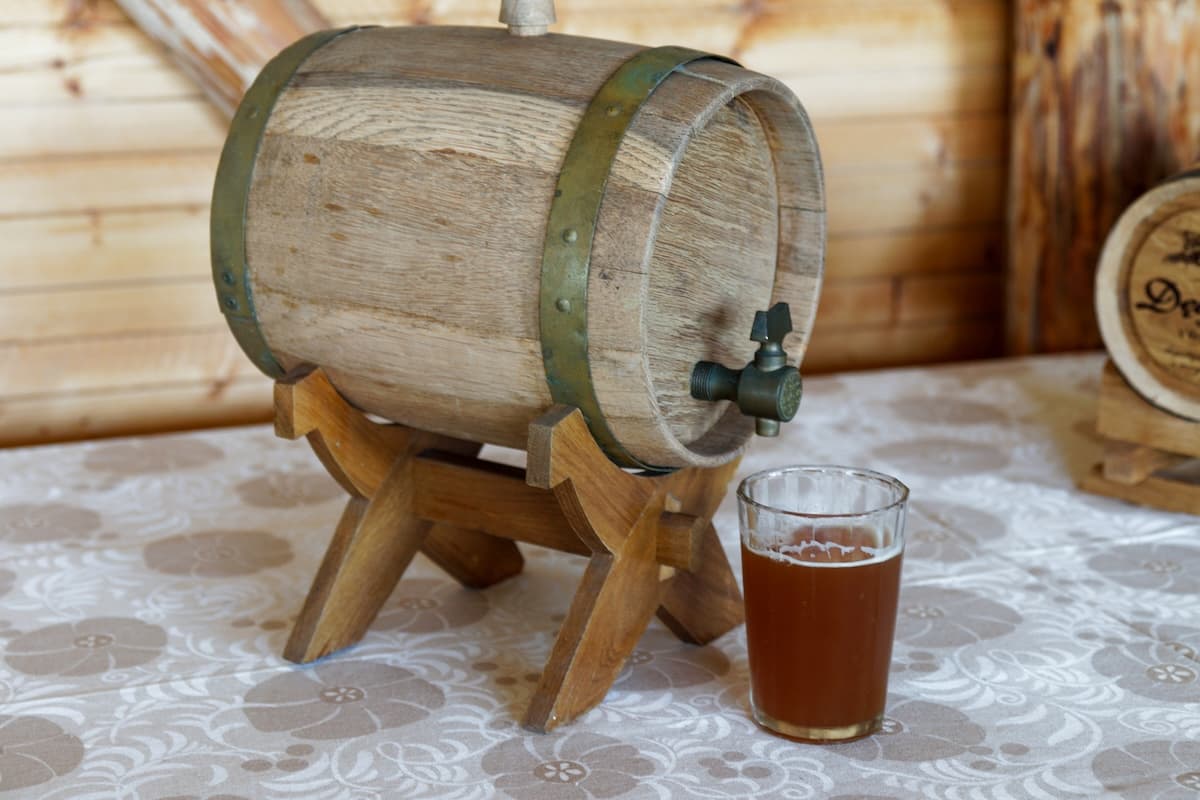
From Dundulis in Panevežys, Lithuania, this recipe is based on their interpretation of traditional keptinis beer brewed from an oven-baked mash.
Margins are tighter. Staff is leaner. Guest expectations? Higher than ever. This live webinar explored how modern breweries are rethinking taproom operations to protect profits while still delivering memorable guest experiences.

Whether you're brewing full-strength IPAs, non-alcoholic beers, or hop waters, you'll gain practical insights into how to apply terpene science in real-world production.

John Laffler, cofounder of Chicago’s Off Color Brewing, shares this recipe for their chicha-inspired ale brewed with purple corn and Schinus molle berries, aka pink peppercorns.

From Accra’s Heritage Brewing, Ghana’s first modern brewpub, comes this recipe for their flagship lager—technically an ale, but cleanly fermented—featuring local maize and cassava as the bulk of its fermentables.

It’s not always a simple process, but independent brewers in Ghana are favoring locally grown starches such as rice and cassava over imported malt, forging an identity for Ghanaian craft—oh, and they’re winning international medals for the beer.