Gearhead: This Ain’t Your Dad’s Near-Beer
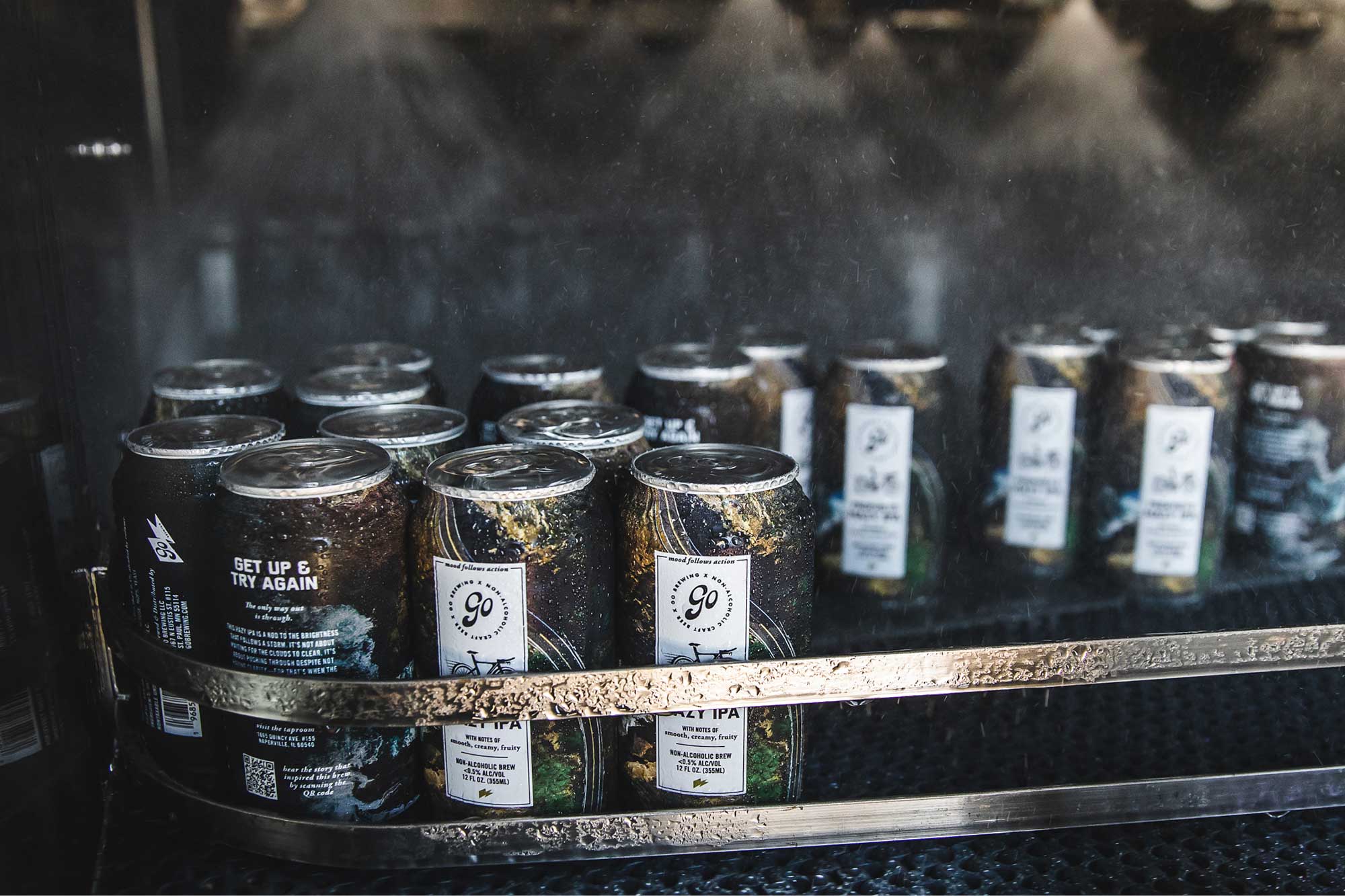
SUBSCRIBERAs demand grows for nonalcoholic craft beer, brewers and manufacturers are answering the call with a new wave of innovations—and the results have never tasted better.
37 articles in this category

As demand grows for nonalcoholic craft beer, brewers and manufacturers are answering the call with a new wave of innovations—and the results have never tasted better.

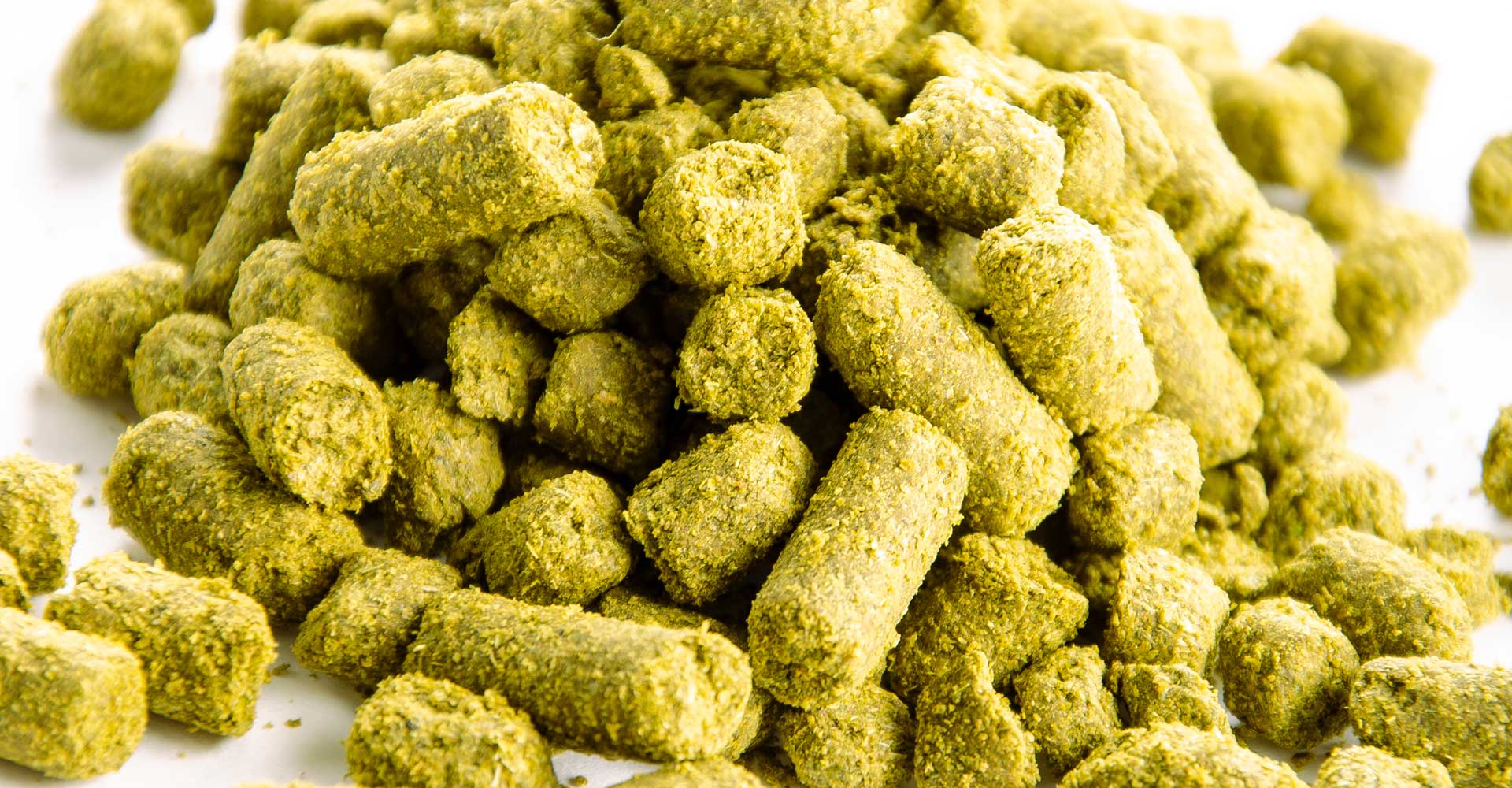
Harvest-hopped beers are a seasonal delight no longer limited to breweries near the hop fields—nor even to the harvest season. Here’s a look at the logistics and tech that are expanding the harvest in time and space.

Between the farm and the brewery, much of beer’s flavor is born in the malthouse. Here we journey inside a traditional floor maltings—and inside a kernel of grain—to witness the daily toil and tools that turn a raw cereal into the soul of beer.

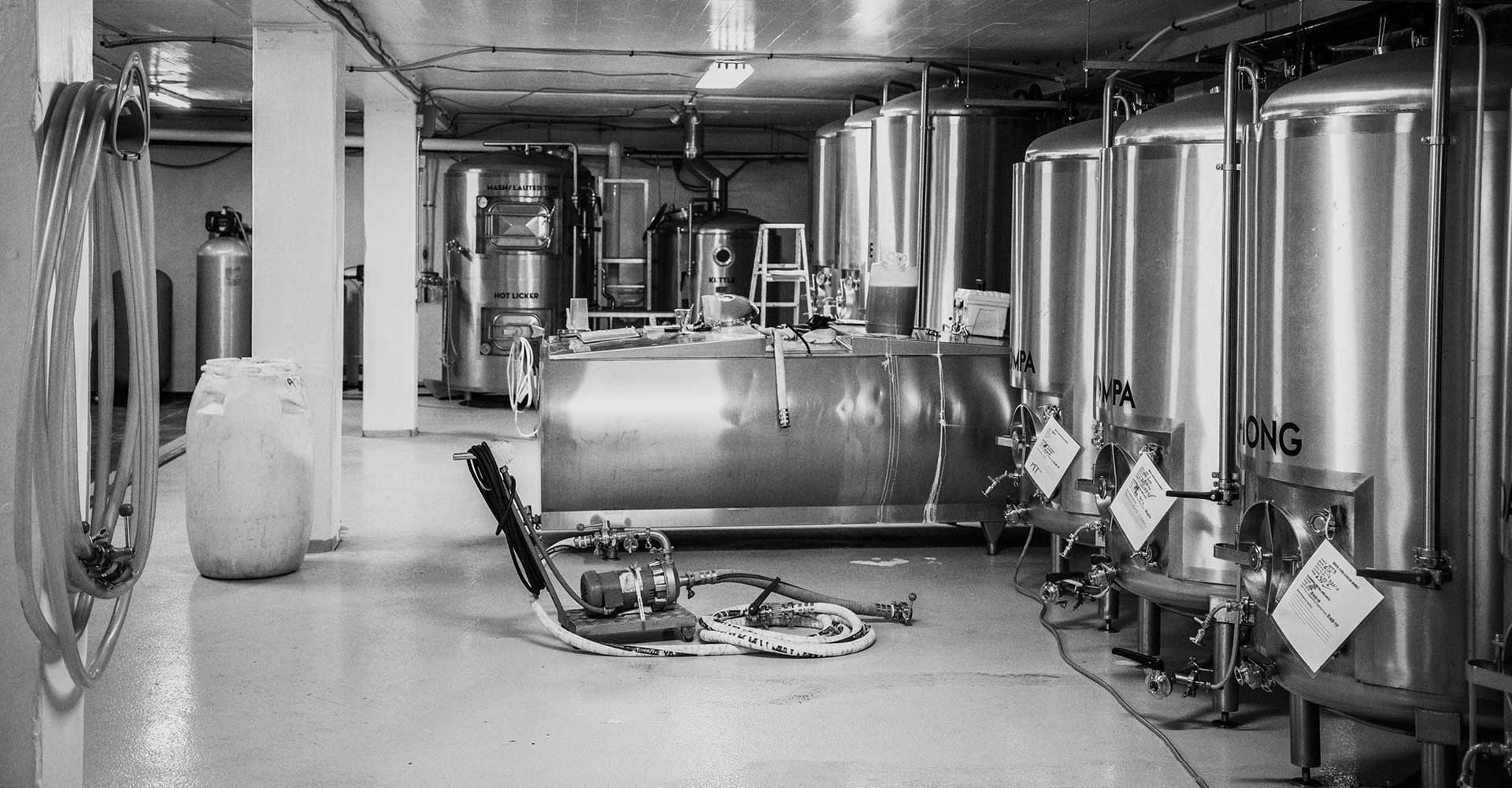
The beating hearts of a brewery aren’t glamorous and won’t impress casual visitors, but they can do a great deal to improve how brewers do their jobs. They can also make a lot of noise.

What does it mean to worship at the altar of crisp? For brewers, it means special attention to technique and to the cellar.

Brewers don’t make beer, yeast do—but they also make a lot more yeast. Here’s a look at some of the specialized gear that brewers use to propagate and ensure consistent pitches from batch to batch.

Some brewhouses are forever, even if they don’t stay put—and more than a few have traveled their way around the country and even around the world. At each location, that unique set of equipment and the brewers who use it must form a connection that inevitably affects what we drink.

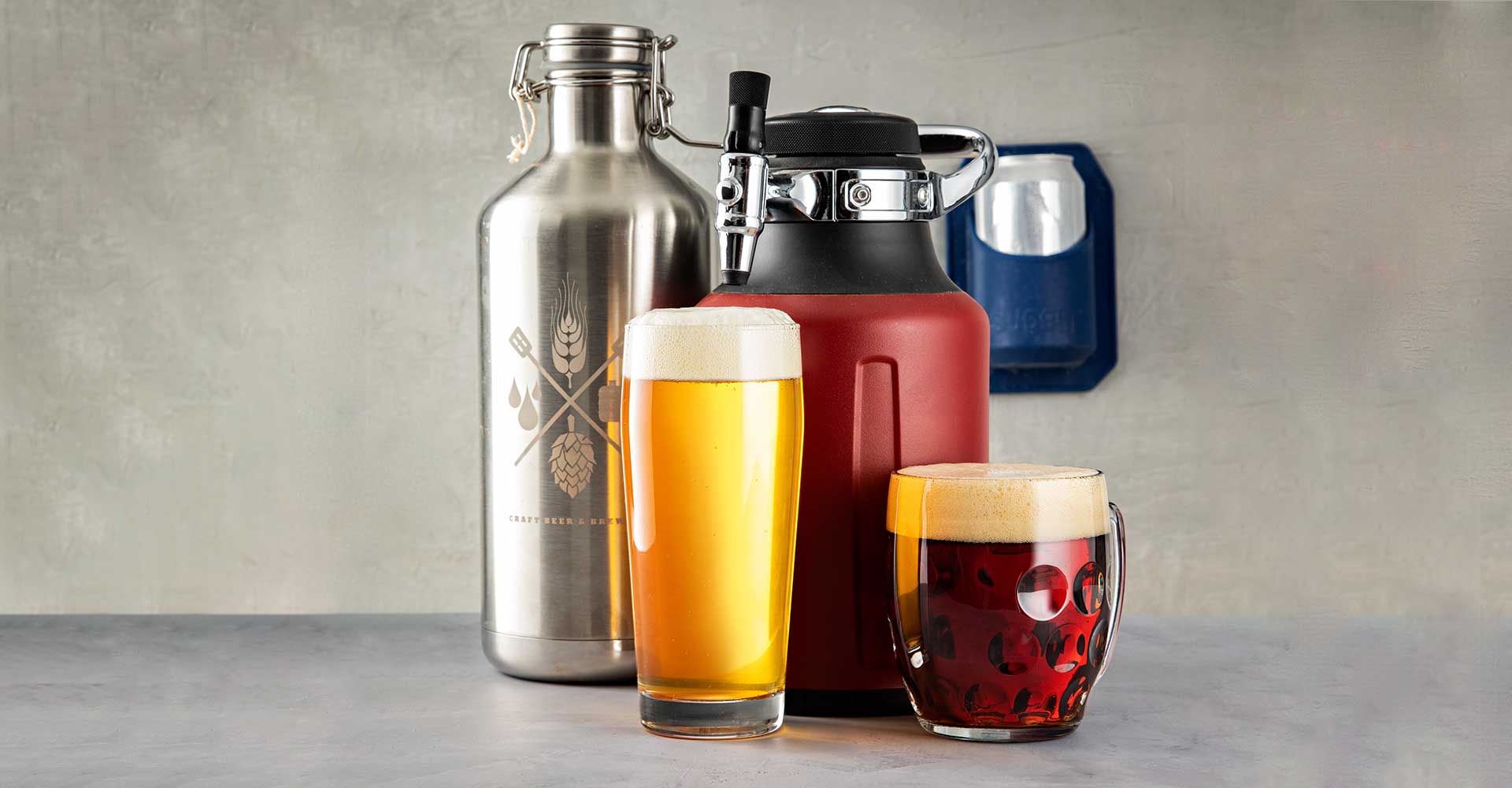
Among the many takeaways of the pandemic: Drinking beer at home can be a real pleasure. Here, our Gearhead considers some of the gadgets, equipment, and other improvements that can help make your beer-house a beer-home.

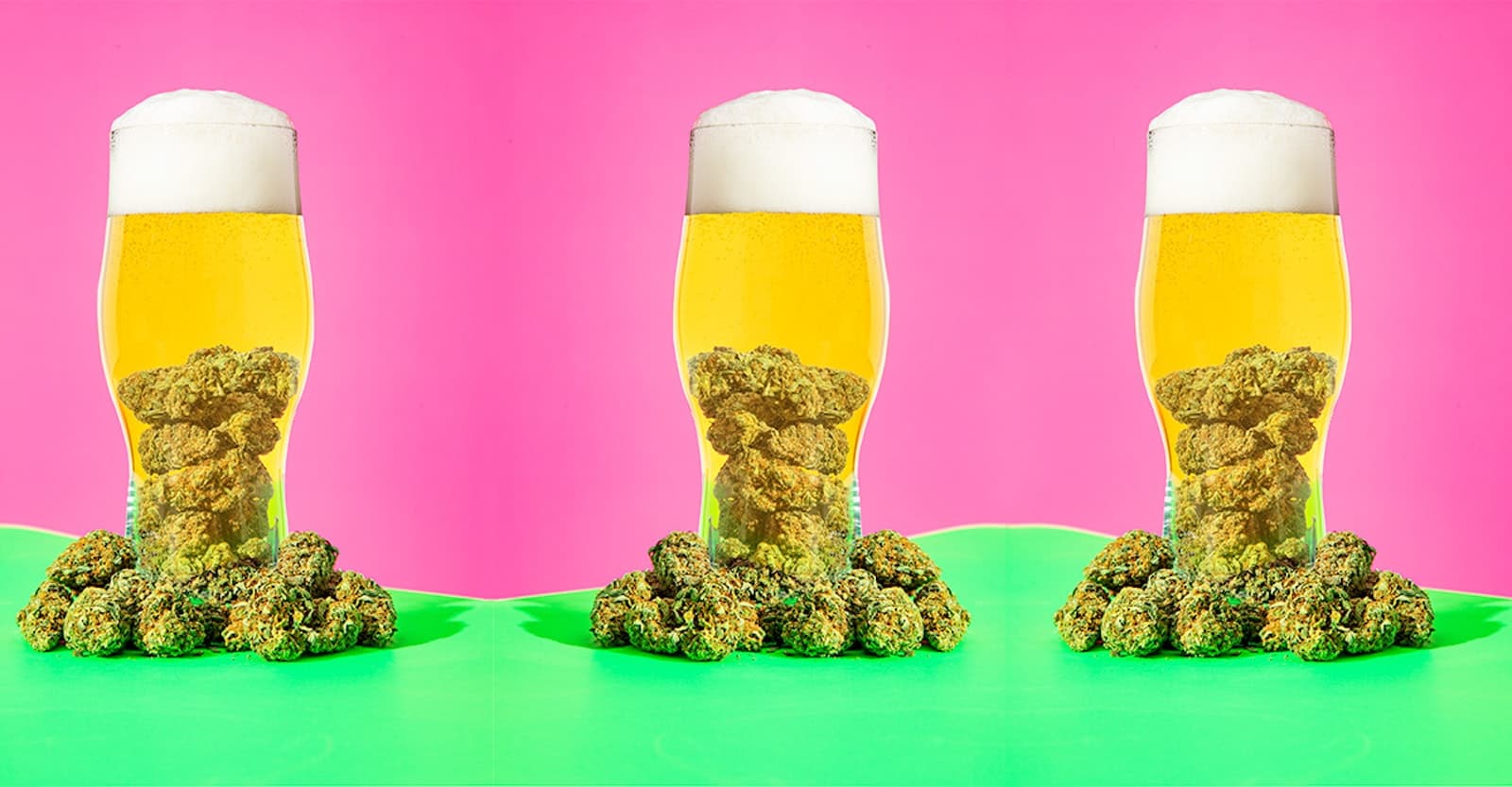
Legal hurdles aside, there are also technical obstacles to getting the main psychoactive component of cannabis into beverages in a stable, predictable way. John M. Verive explains the challenge, the science, the gear—and why it’s coming to a brewery near you.

The entrepreneurs outfitting classic hot rods and fire engines with draft lines and cold boxes say they’re in the business of spreading joy—and in the meantime, they’re winning new converts to craft beer.

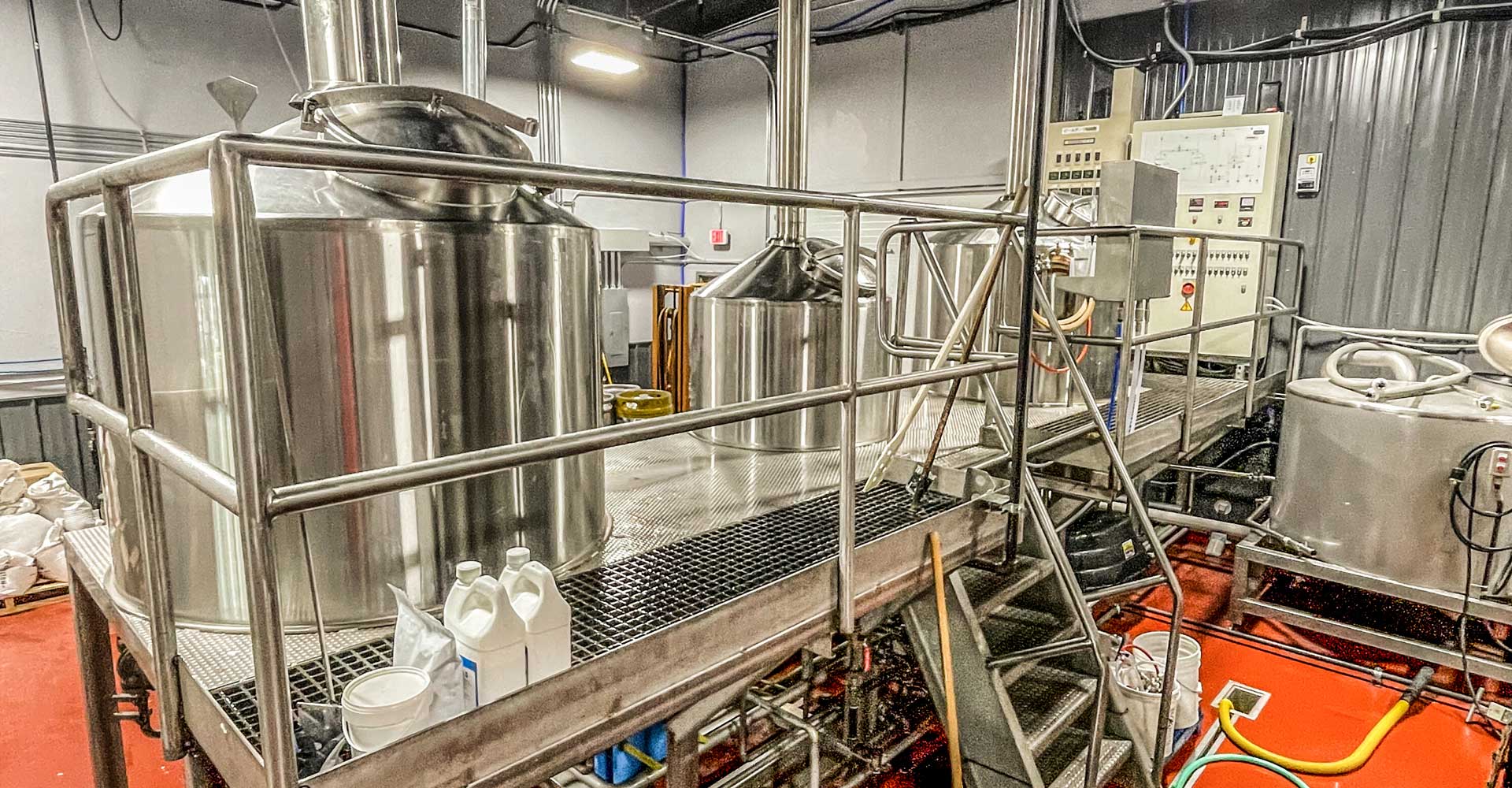
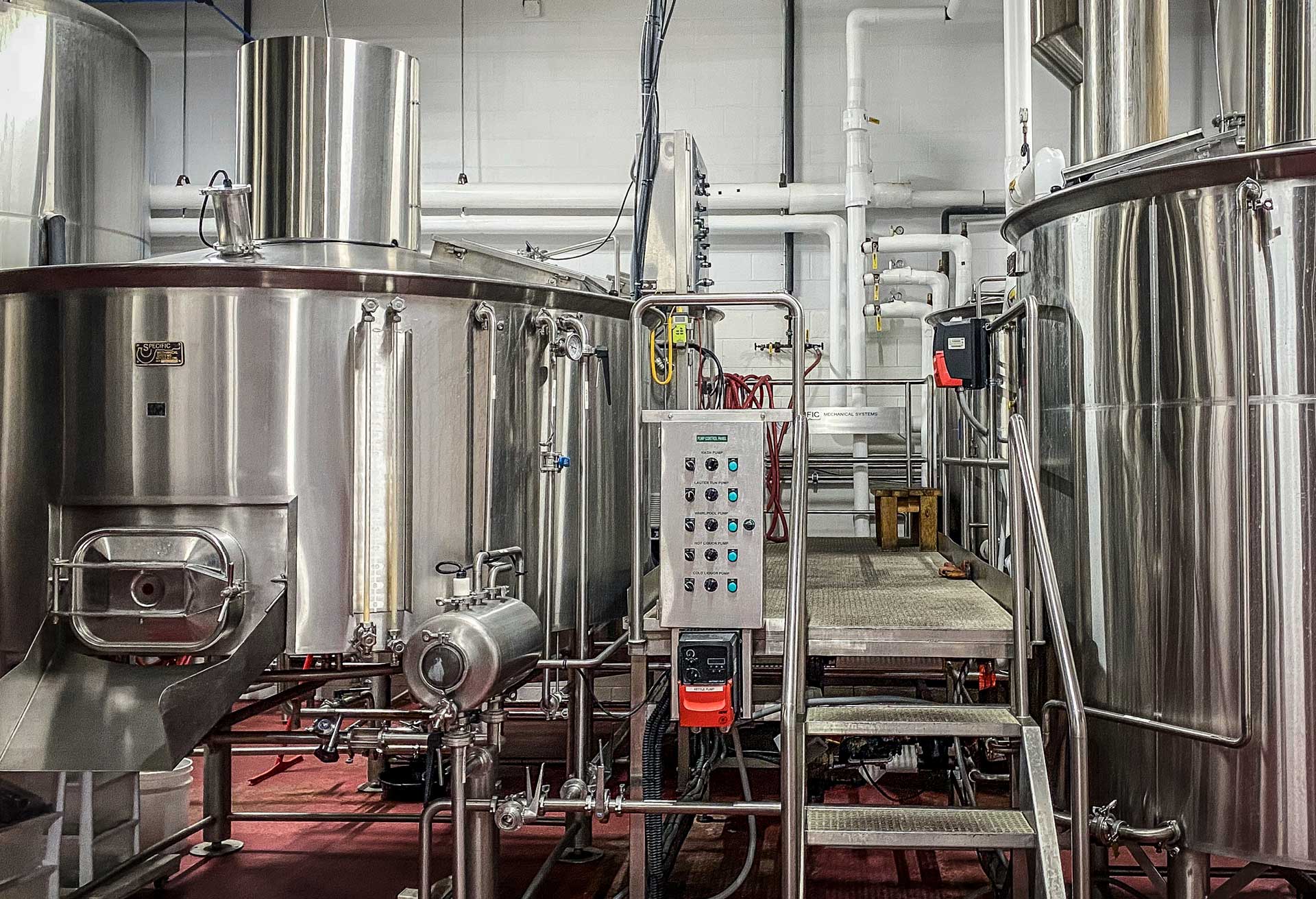
Great lager depends upon exacting attention to details—and not only when it comes to fermentation, and conditioning. Here, we climb the decks of brewhouses specifically designed with lager in mind to better appreciate what makes them different.

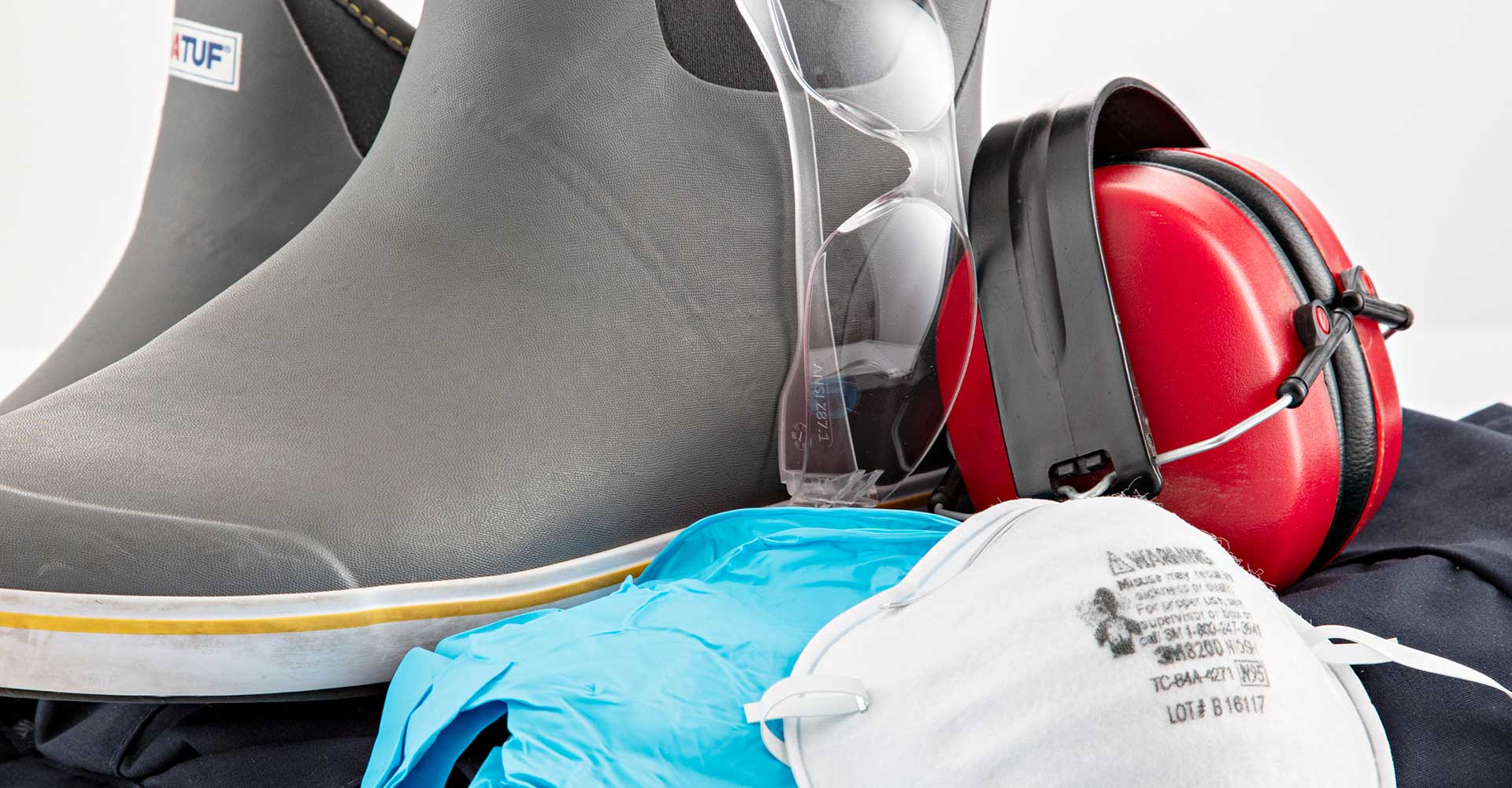
Arguably the most important gear in the brewhouse is what we wear ourselves: personal protective equipment, the armor that keeps us from harm amid the boiling-hot, corrosive, slippery dangers of manufacturing beer.

Brewers are dumping their blow-off buckets and reusing precious carbon dioxide rather than releasing it into the atmosphere. The benefits include cost savings, reducing greenhouse emissions—and, some say, better beer.

It’s not easy to prioritize the planet and its people alongside the product, but even small steps taken by small breweries can have a big impact. Water use is one area where breweries can make an outsized difference.

Does slow, subtle cask ale still have a place in today’s variety-driven, can-cluttered American scene? Along with a primer on the gear and vocabulary, here’s why this is an endangered tradition this side of the Atlantic—and why it refuses to die.

Some brew systems make beer for us to drink. Others just solve mysteries—providing an acceptable outlet for failure and serving as the lifeblood of craft beer. John M. Verive is on the case.

The rising interest in hard seltzer and other not-so-beery beverages has led to new looks at existing gear in the brewhouse—as well as investments in equipment or partnerships that could have wider benefits.

Cracking that barley kernel isn’t what it used to be. Today, brewers who want to dial in their grist and brew better, more efficient beer have a wide range of options. John M. Verive demystifies the increasingly complex options.

In this edition of Gearhead, John M. Verive zooms in on the arsenal of less specialized, more humdrum (and often more beloved) tools that brewers use every day.

As brewers pursue ever higher gravities for richer, stronger, thicker stouts, something immediately becomes clear: Most breweries weren’t made for this. Here’s a closer look at how breweries are adjusting for huge grists, long boils, and viscous beers.