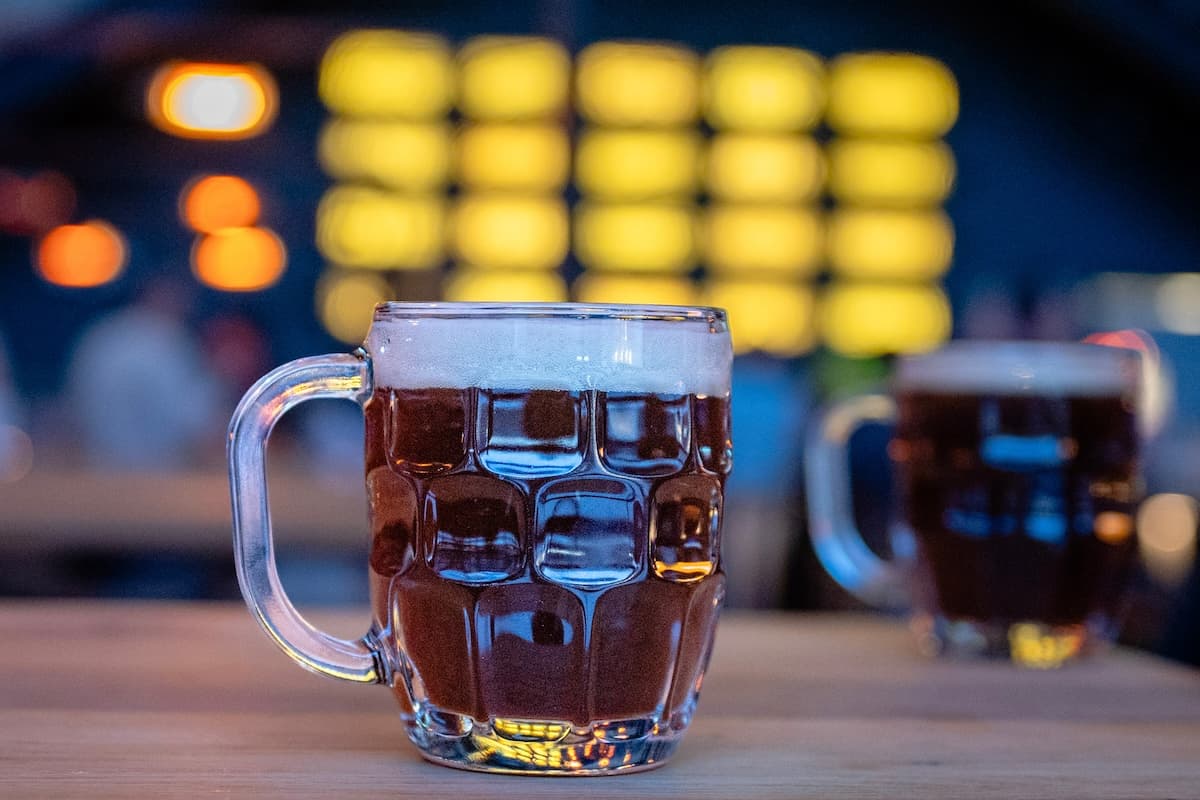
Recipe: Bluejacket Common People
All Access
This modern take on a Kentucky common comes from a collaboration between Bluejacket and DC Beer, a website that’s been covering the Washington, D.C., beer scene for more than a decade.

37 articles in this category
This modern take on a Kentucky common comes from a collaboration between Bluejacket and DC Beer, a website that’s been covering the Washington, D.C., beer scene for more than a decade.
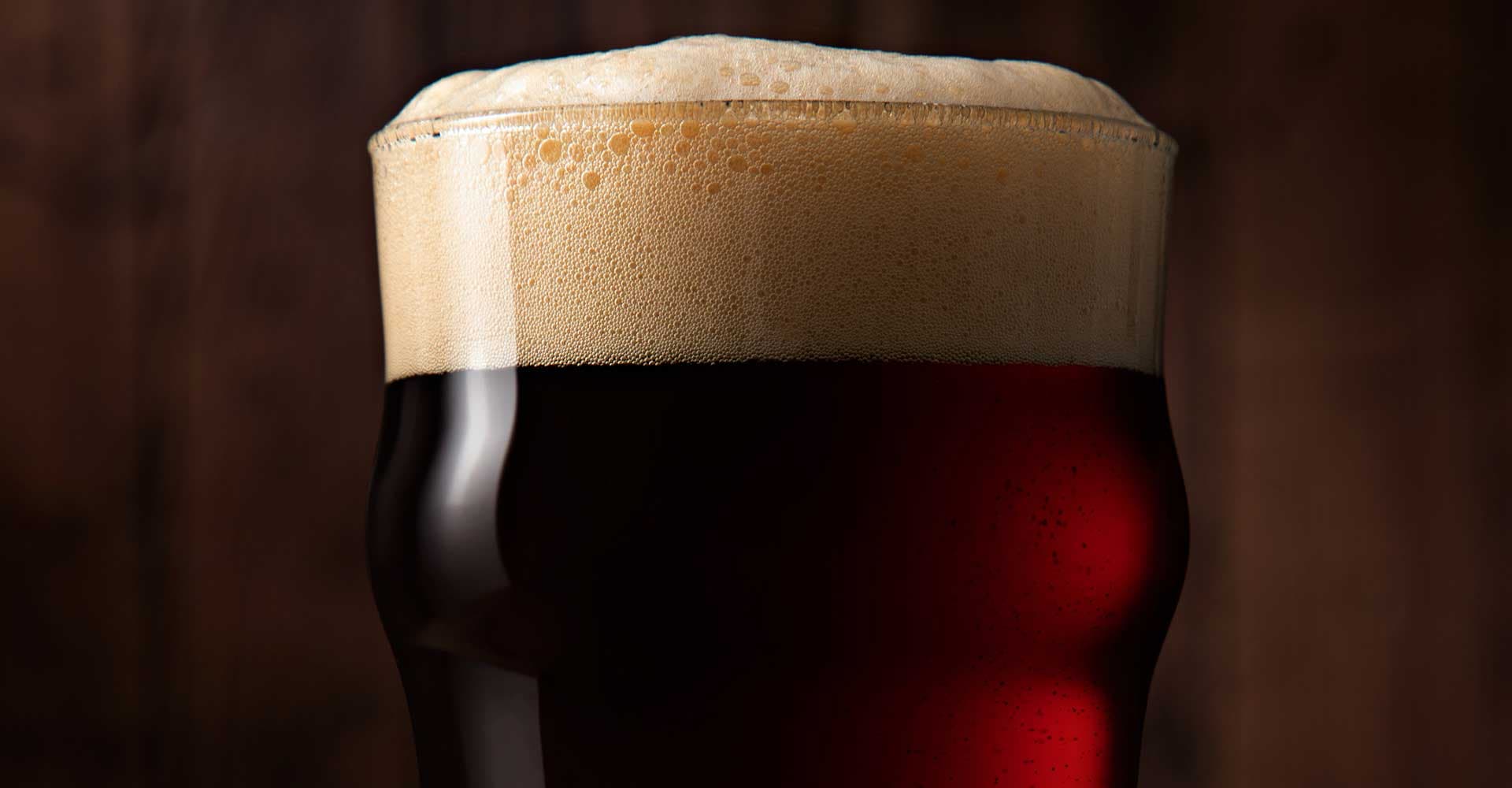
Over the years, this recipe has gotten a bit darker and a bit lighter in body, but the goal is the same: to shape an IPA that is distinct from stylistic “neighbors” such as American brown ale.
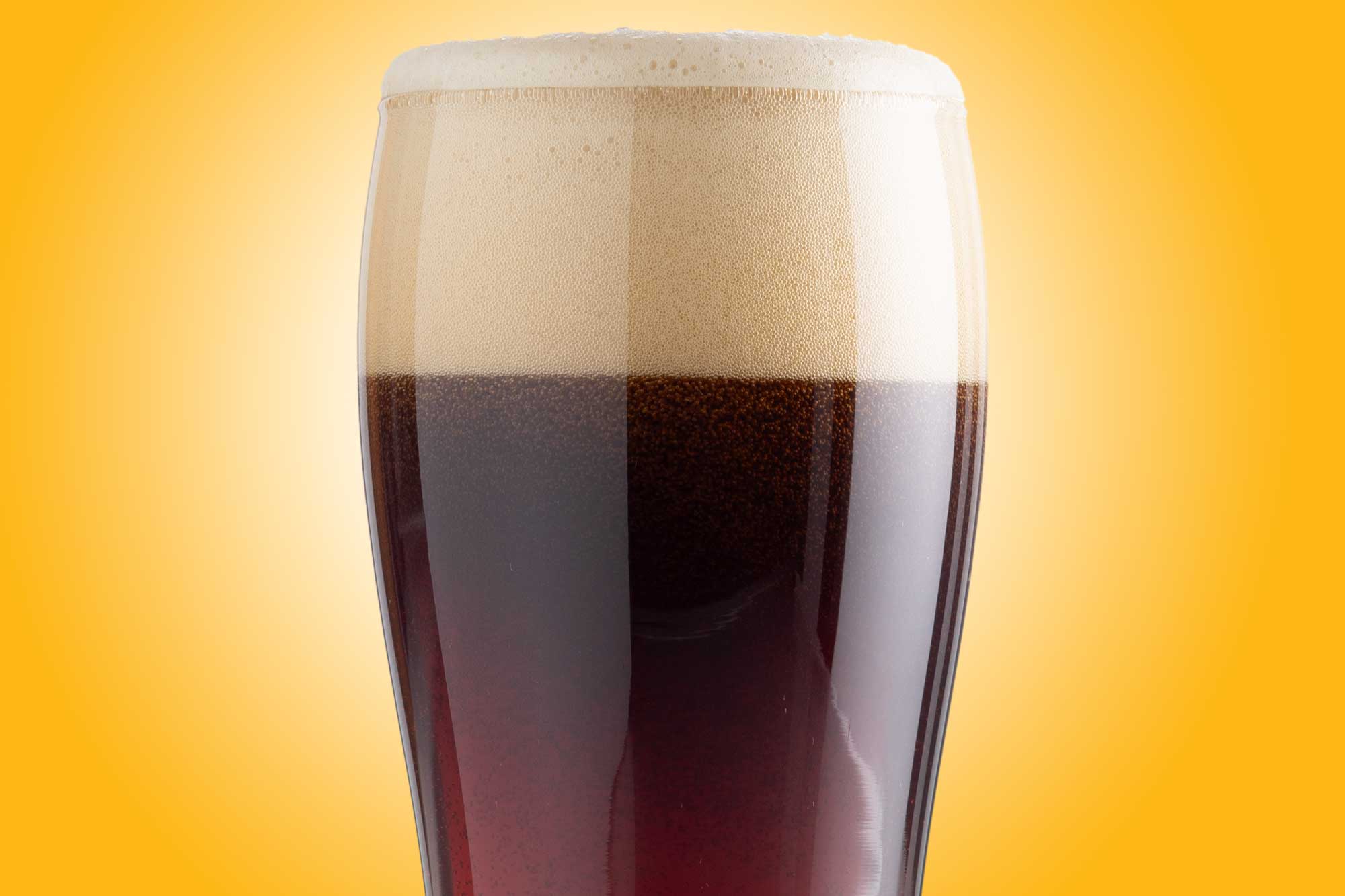
This hop-forward yet malt-backed niche IPA style has gone from rare to nearly extinct over the years—all the more reason to take a stab at its unusual balance while brewing something that the others aren’t.
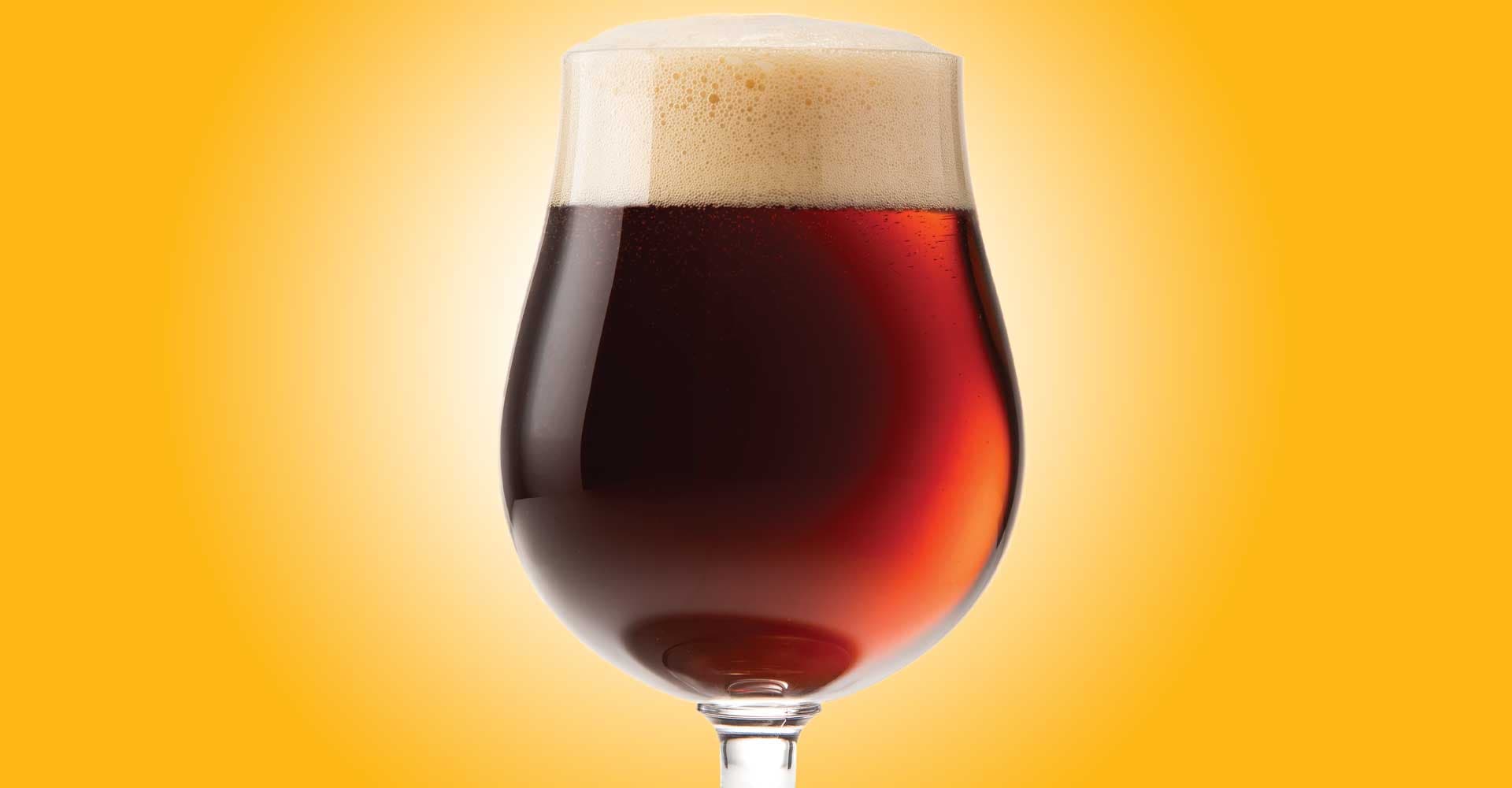
For brewers who want to get into tart, mixed-culture beers but don’t yet have a lot of confidence or experience, this is a great place to start. But it's also a style where advanced brewers can have a lot of fun dialing it in to their personal tastes.
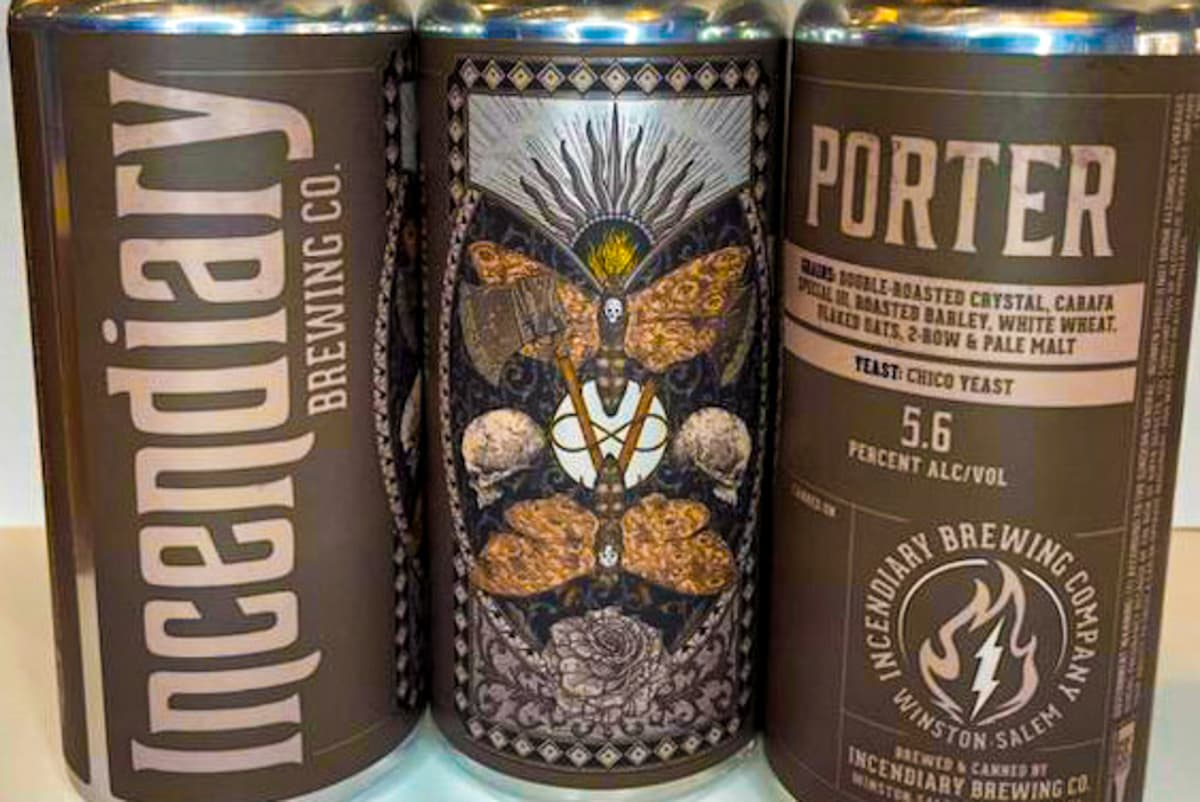
This is the recipe for one of several rotating porters that North Carolina’s Incendiary likes to make and keep on tap for its customers—but this is the one that took home gold from the 2023 World Beer Cup.
Last year was a great one for dark beers from Incendiary in Winston-Salem, North Carolina. While their Schwarzbier earned its spot on our list of Best 20 Beers in 2023, this porter also nabbed gold at the World Beer Cup. So, what makes it tick?
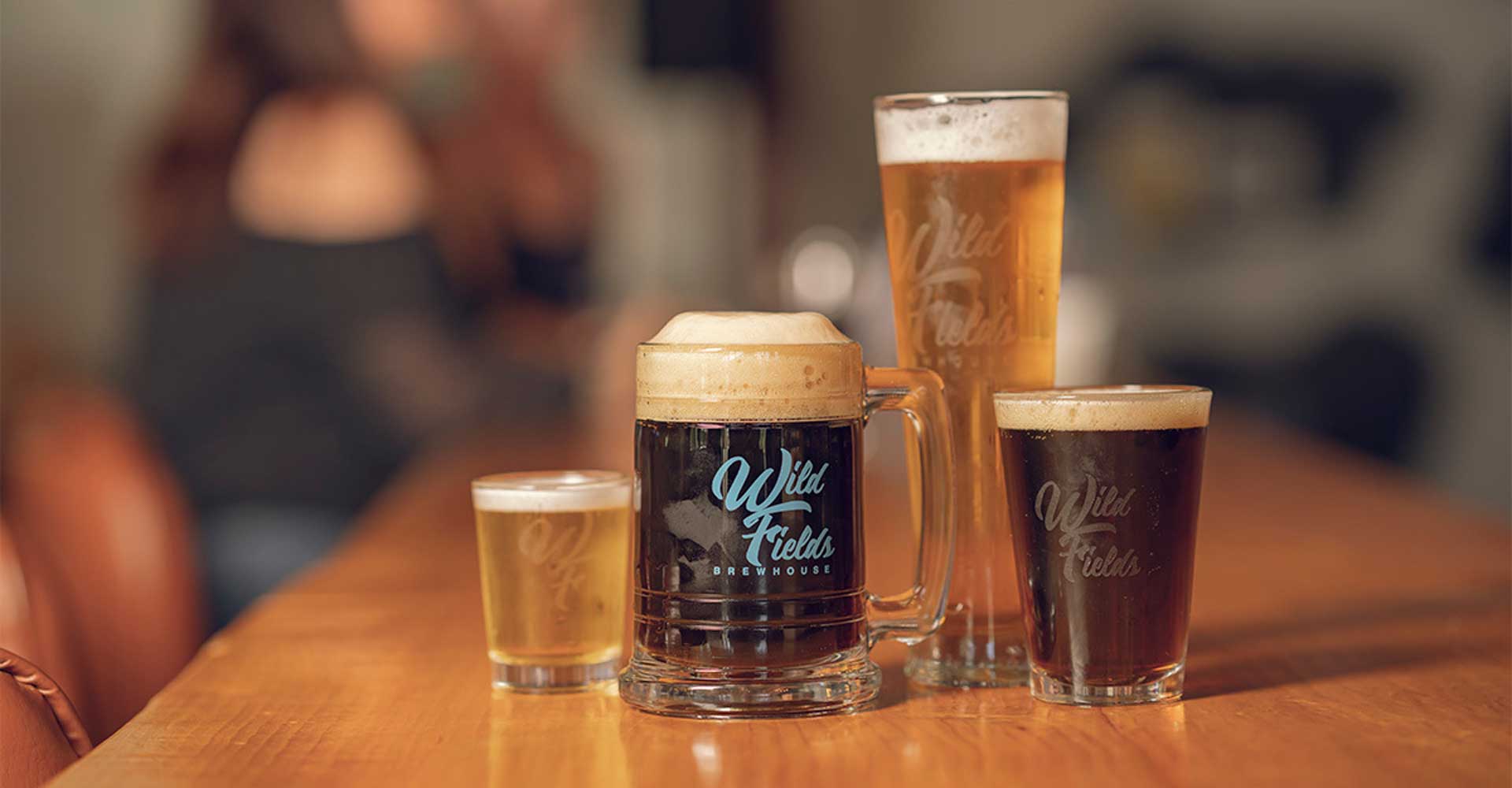
From Wild Fields in Atascadero, California, here’s a recipe for a brown ale that won gold medals at both the Great American Beer Festival and the World Beer Cup in 2022.
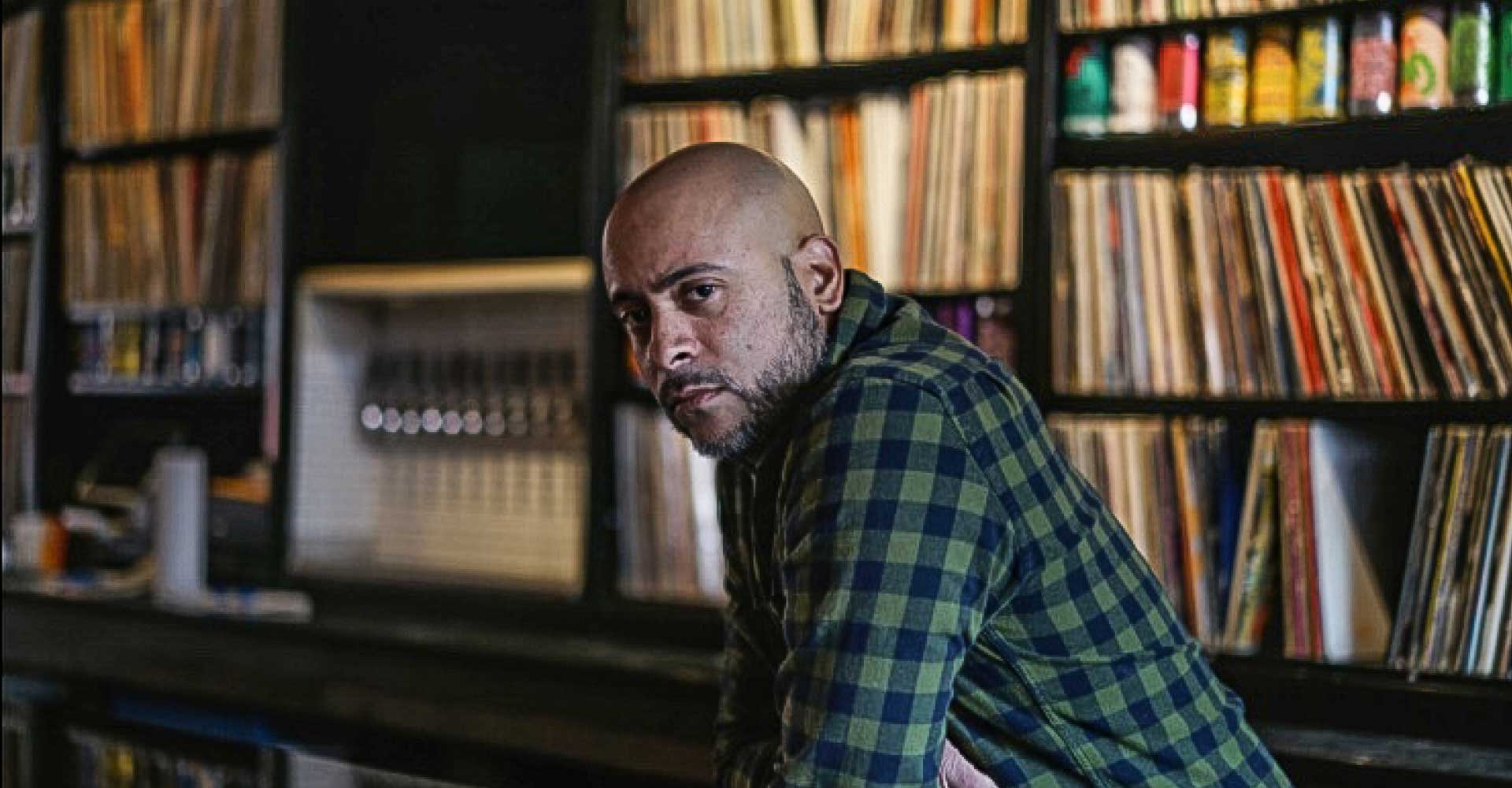
From our Love Handles files on beer bars we love: This community-minded, audiophile bar stacks the walls with vinyl and the taps with quality.
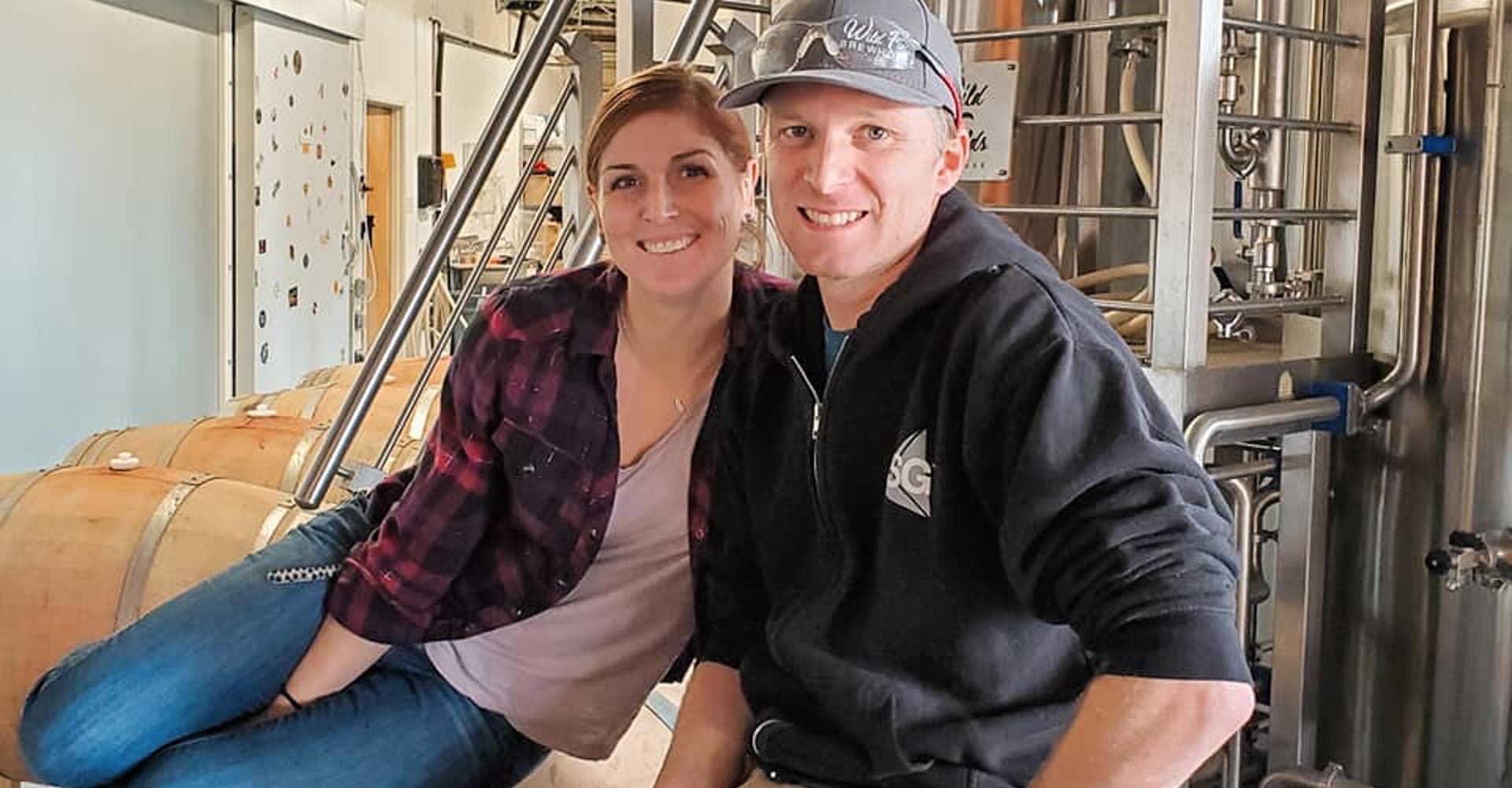
At the 2022 World Beer Cup, California’s Wild Fields won four gold medals—a feat no craft brewer had achieved. But those who’ve followed the career of Ryan Fields aren’t entirely surprised—his studious approach has been paying dividends for years.
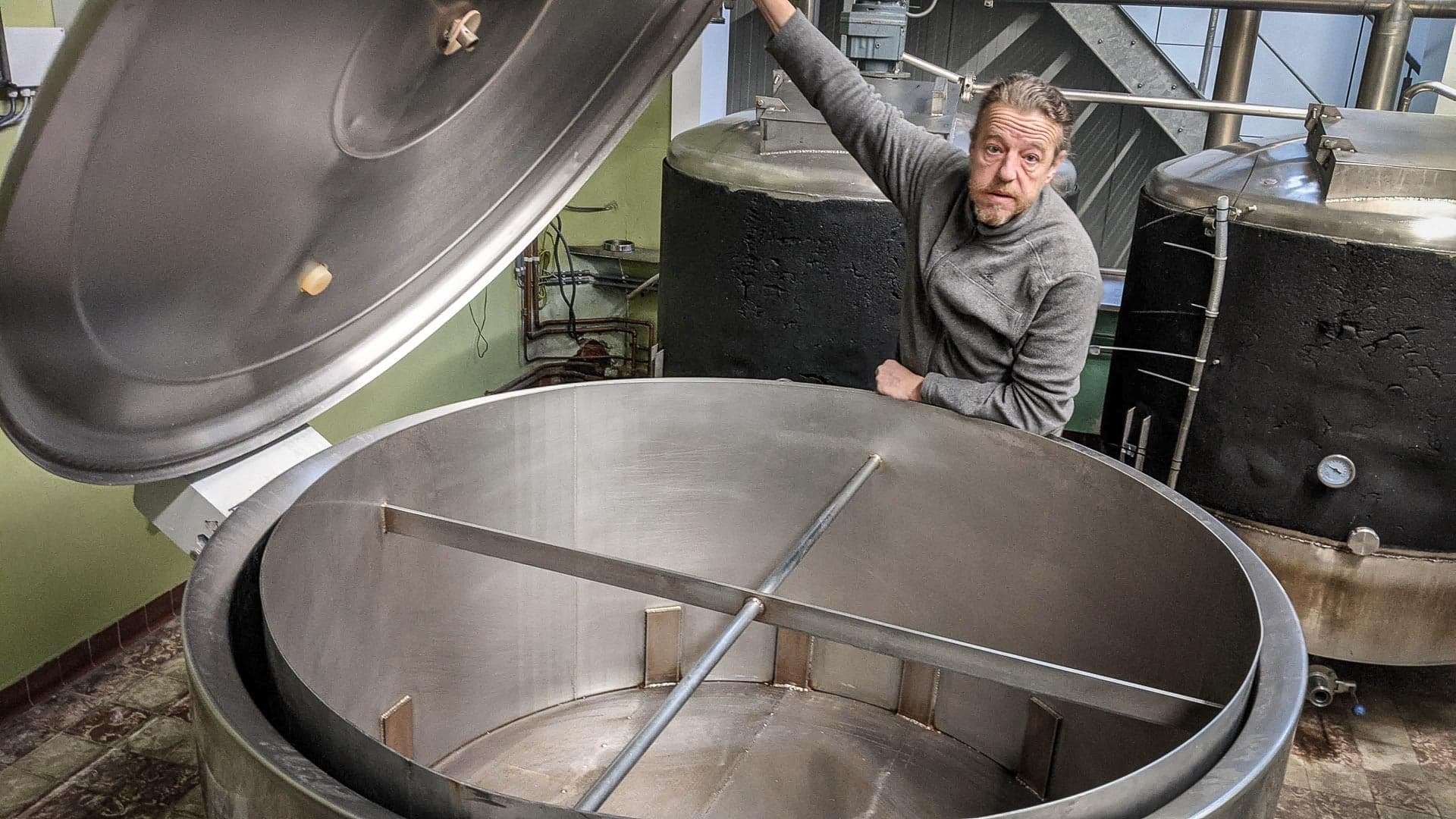
Known for their high-gravity beers and irreverent attitude, the Struise Brouwers have injected fresh energy into Belgian beer over the past two decades. Yet the systems they’ve built to brew these big beers are as creative as the beers themselves.
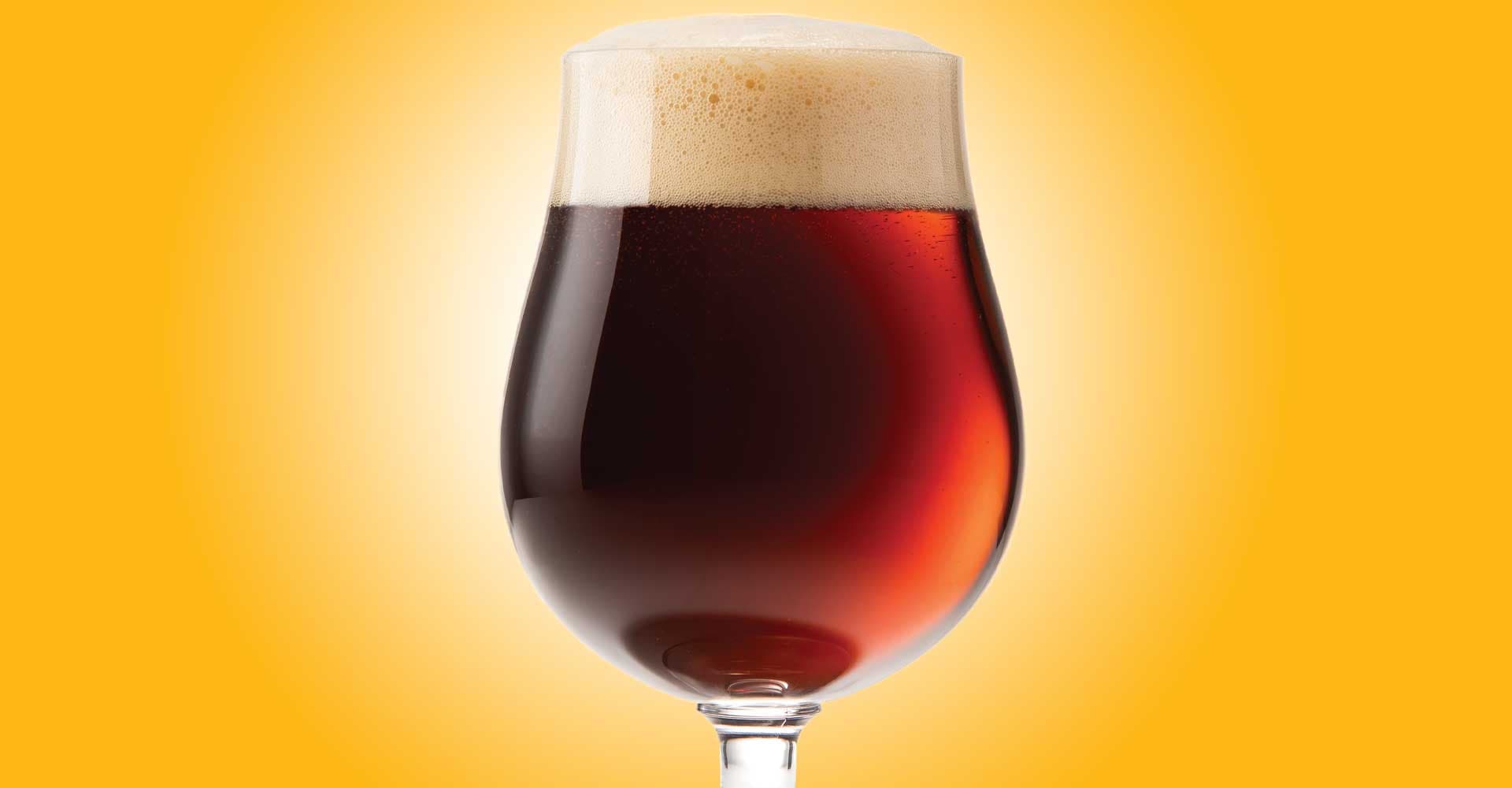
This recipe has some built-in guardrails, but even if you blow past them and get a brightly acidic beer with lots of oak and a dry finish despite lots of malt flavor, you’ll still have a beer that’s fun to serve and drink and talk about.
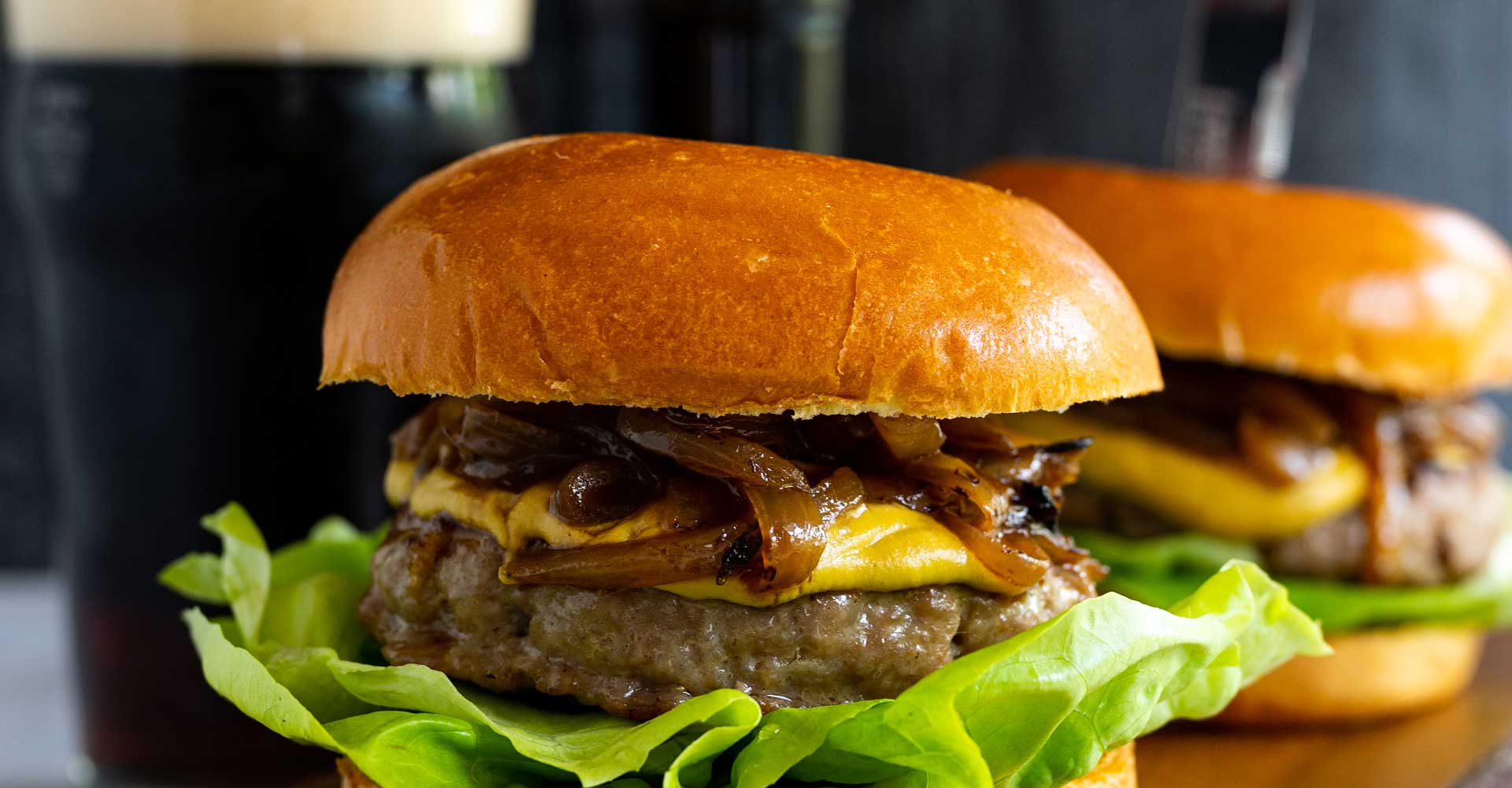
Why yes, we do fire up the grill in mid-winter. Here, brown ale adds layers of Maillard comfort to braised onions and a from-scratch (but simple to make) bratwurst burger.
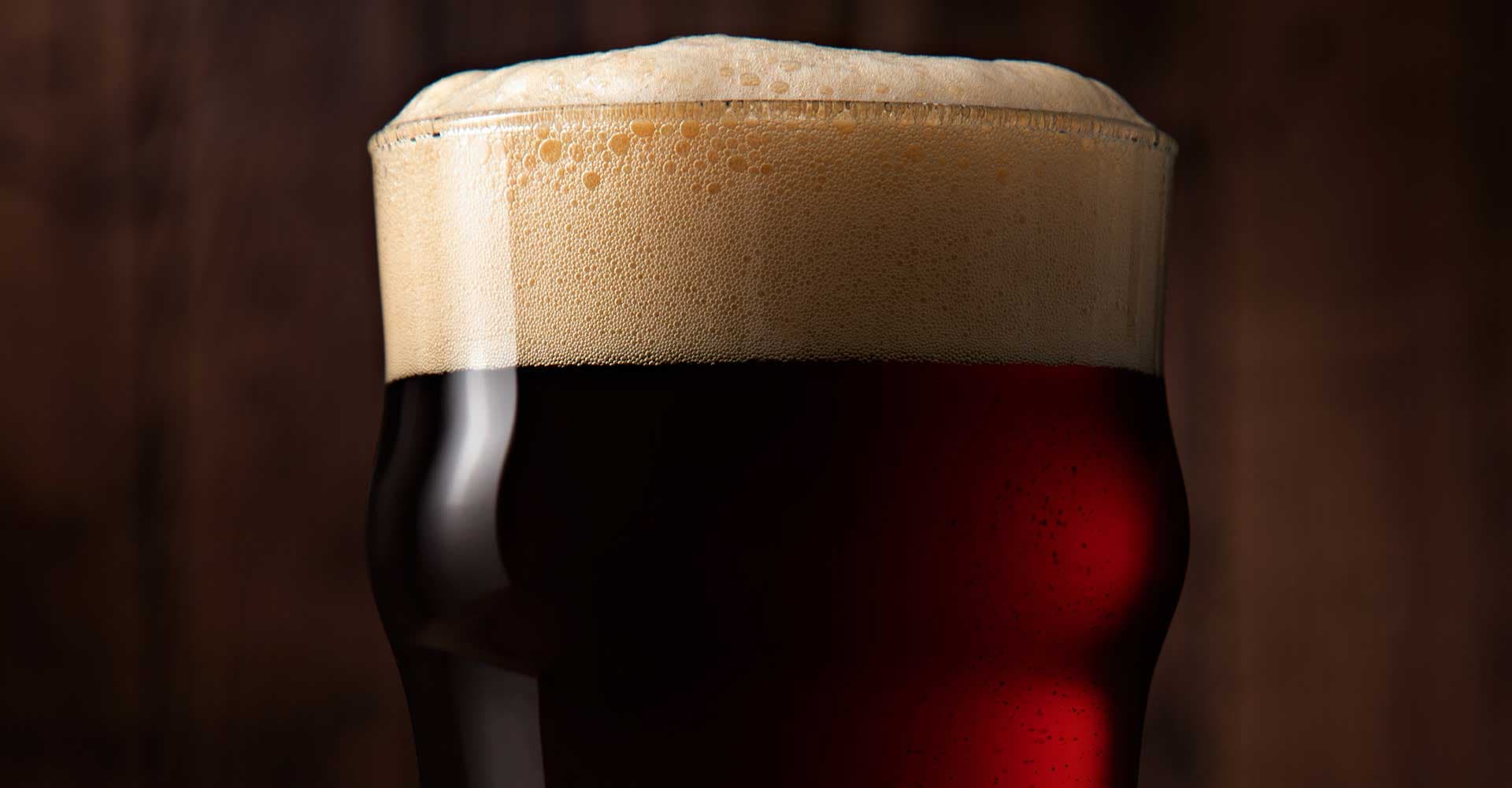
Courtesy of Russell Carpenter, head brewer at Rocket Frog Brewing Company in Sterling, Virginia, here is a homebrew-scale recipe for their flagship American brown ale that earned two GABF medals in the past three years.
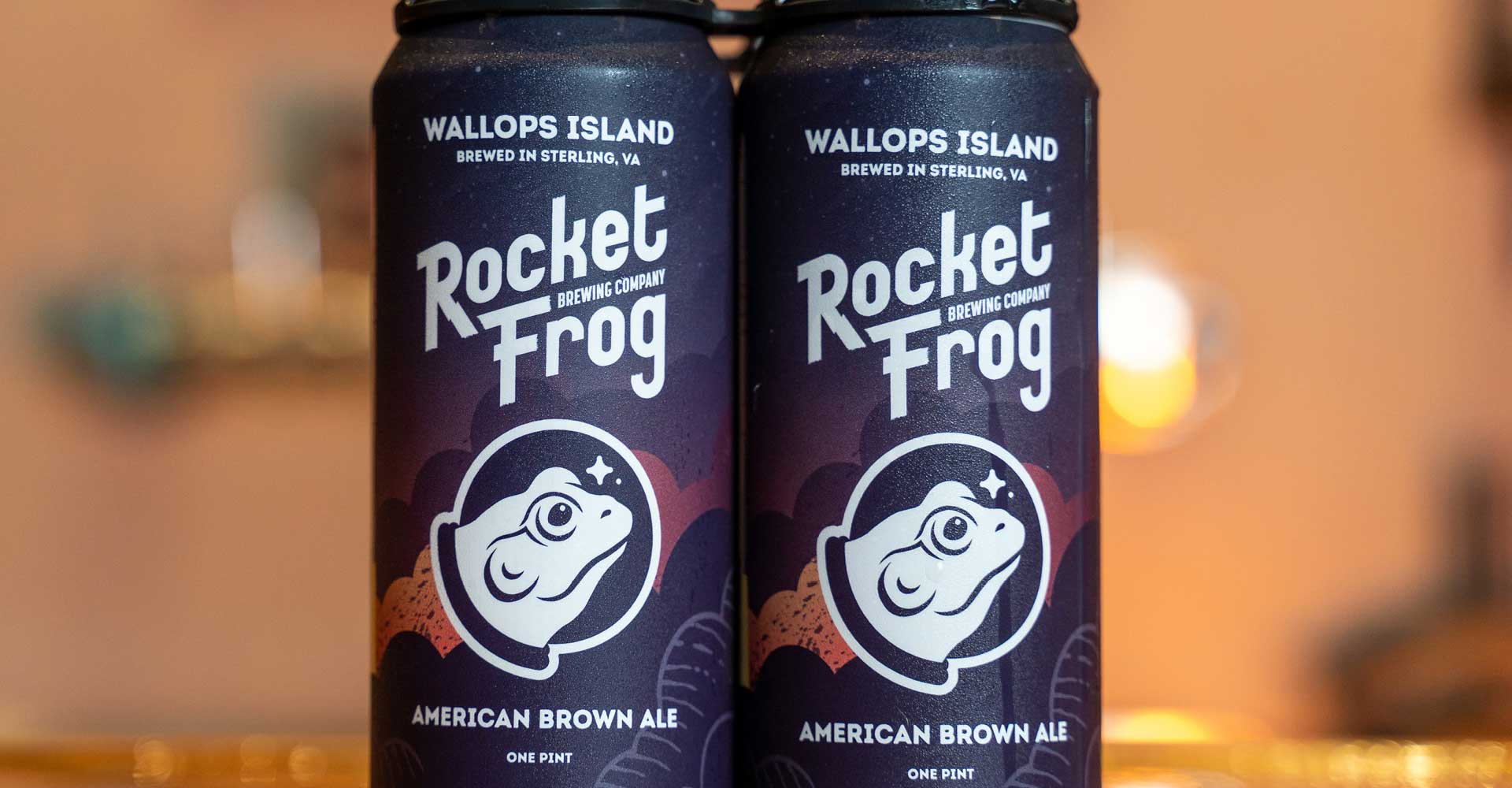
Rocket Frog Brewing in Sterling, Virginia, has taken home two Great American Beer Festival medals in the past three years for its flagship brown ale, Wallops Island. Head brewer Russell Carpenter takes us up to the brew deck and walks us through it.
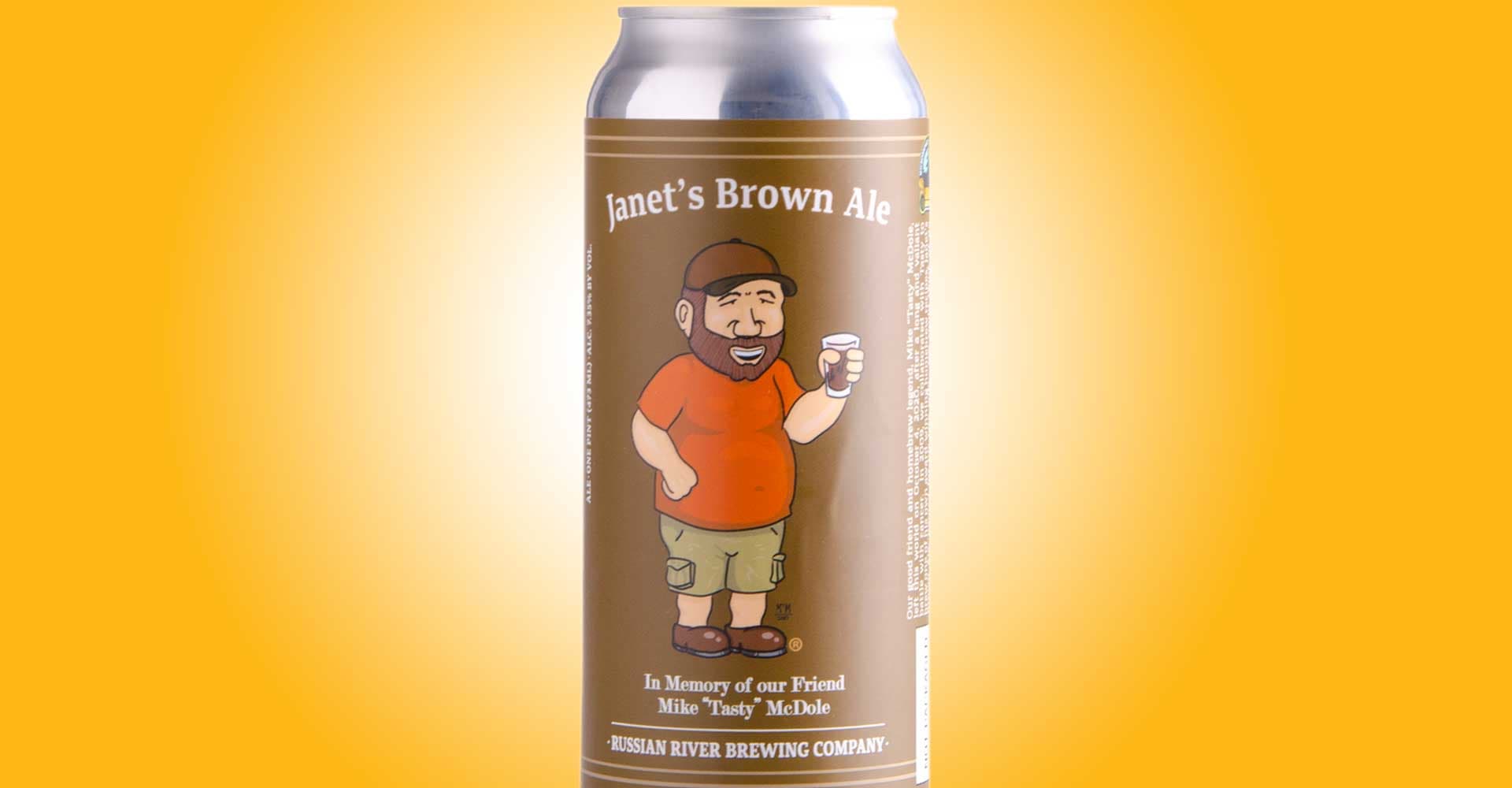
This recipe is based on notes from Russian River’s Vinnie Cilurzo, who shared details from his most recent commercial-scale iteration of the late Mike “Tasty” McDole’s famous homebrew recipe.
It began as a striking reaction to industrial beer before fading into near-obscurity. Drew Beechum tells the tale of brown ale and makes the case for brewing up a big, malty hug.
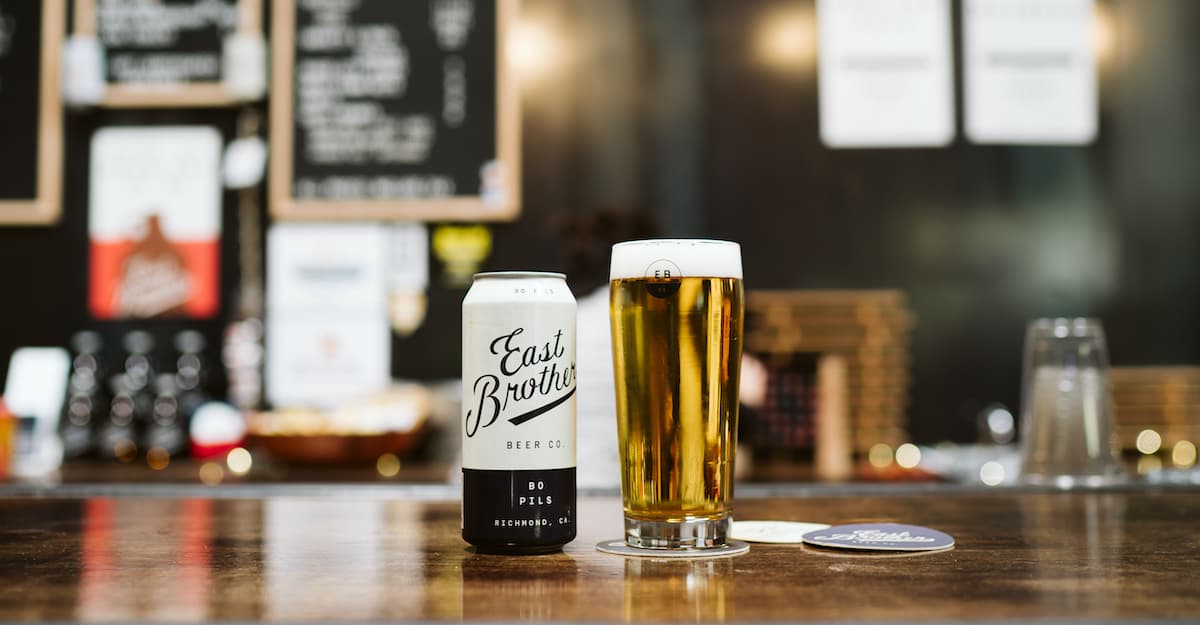
Paul Liszewski, head brewer of East Brother Beer in Richmond, California, maps out the schematic for their award-winning flagship pilsner—including the unusual hopping that helps to make it addictive.
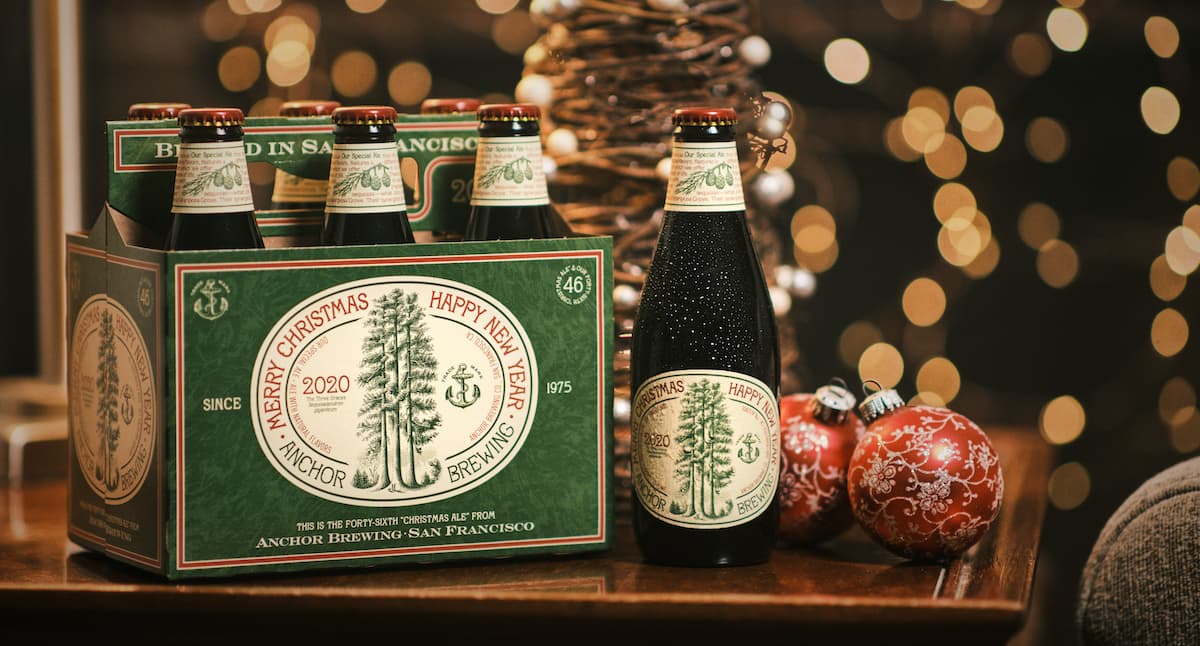
A stronger and darker Anchor Christmas Ale is here to help us try to forget about 2020. Here, Anchor’s brewmaster explains the thinking behind this year’s recipe and label.
Today’s brewing world is baroque in its embrace of excess, but for Bissell Brothers of Portland, Maine, the not-so-secret strategy is a deep desire to perfect their existing beers rather than create a stream of new ones.
The goal isn't sweet and spicy, but rather dry, dark, and deceptively drinkable. Take a stab at this Belgian-style dubbel.