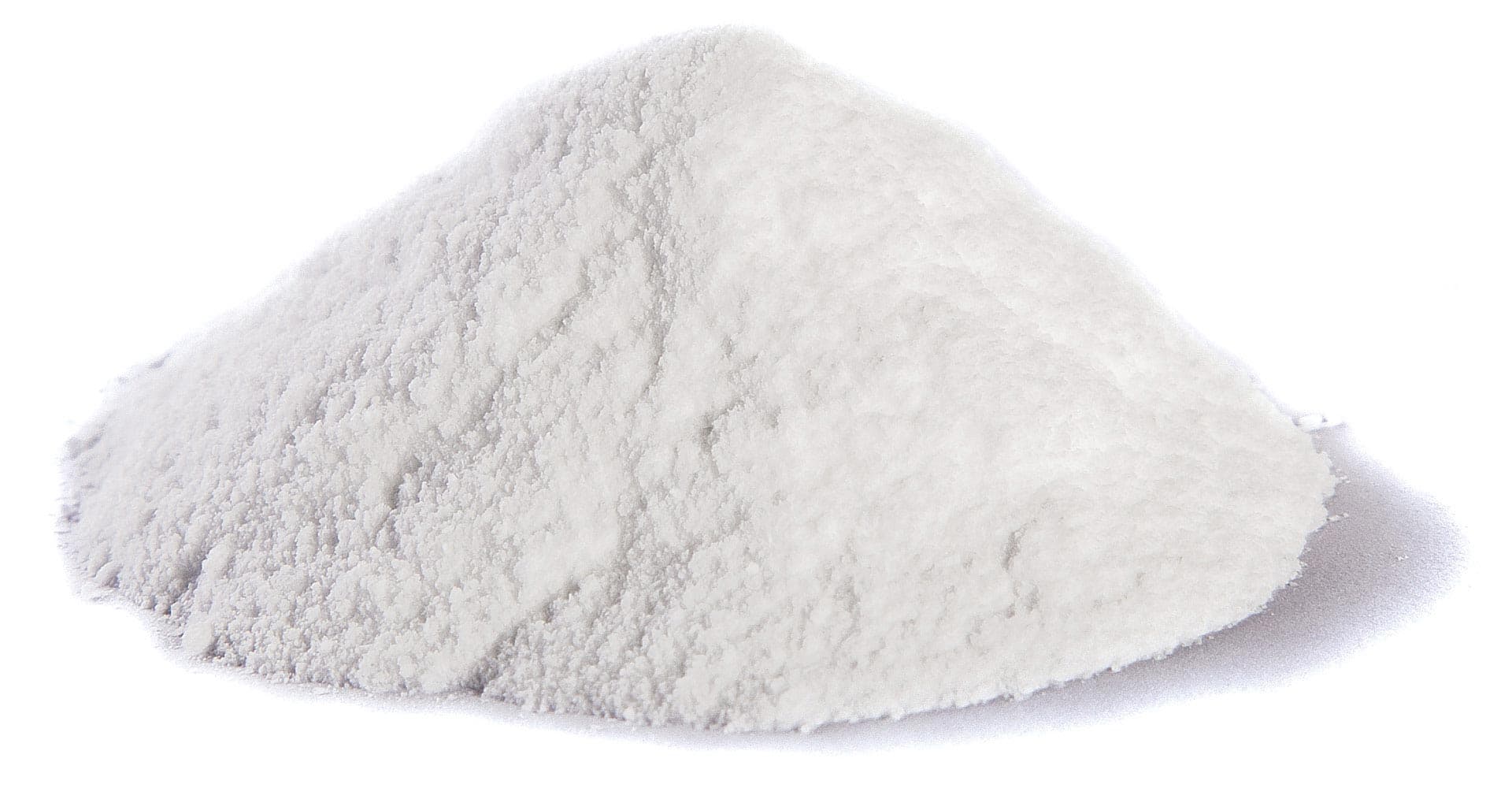
Brewer’s Perspective: Using Lactose for Sweetness (Without the Cloy)
Scott Vaccaro of Captain Lawrence in Elmsford, New York, shares his insight on why lactose works and what it brings to IPA.

19 articles in this category
Scott Vaccaro of Captain Lawrence in Elmsford, New York, shares his insight on why lactose works and what it brings to IPA.
When you’re turning out New England–style IPAs and pale ales, you need a workhorse of a yeast. The head brewer of Tin Roof Brewing Co. has found one, and the medals his beers rack up (including Great American Beer Festival gold) show that it’s working.
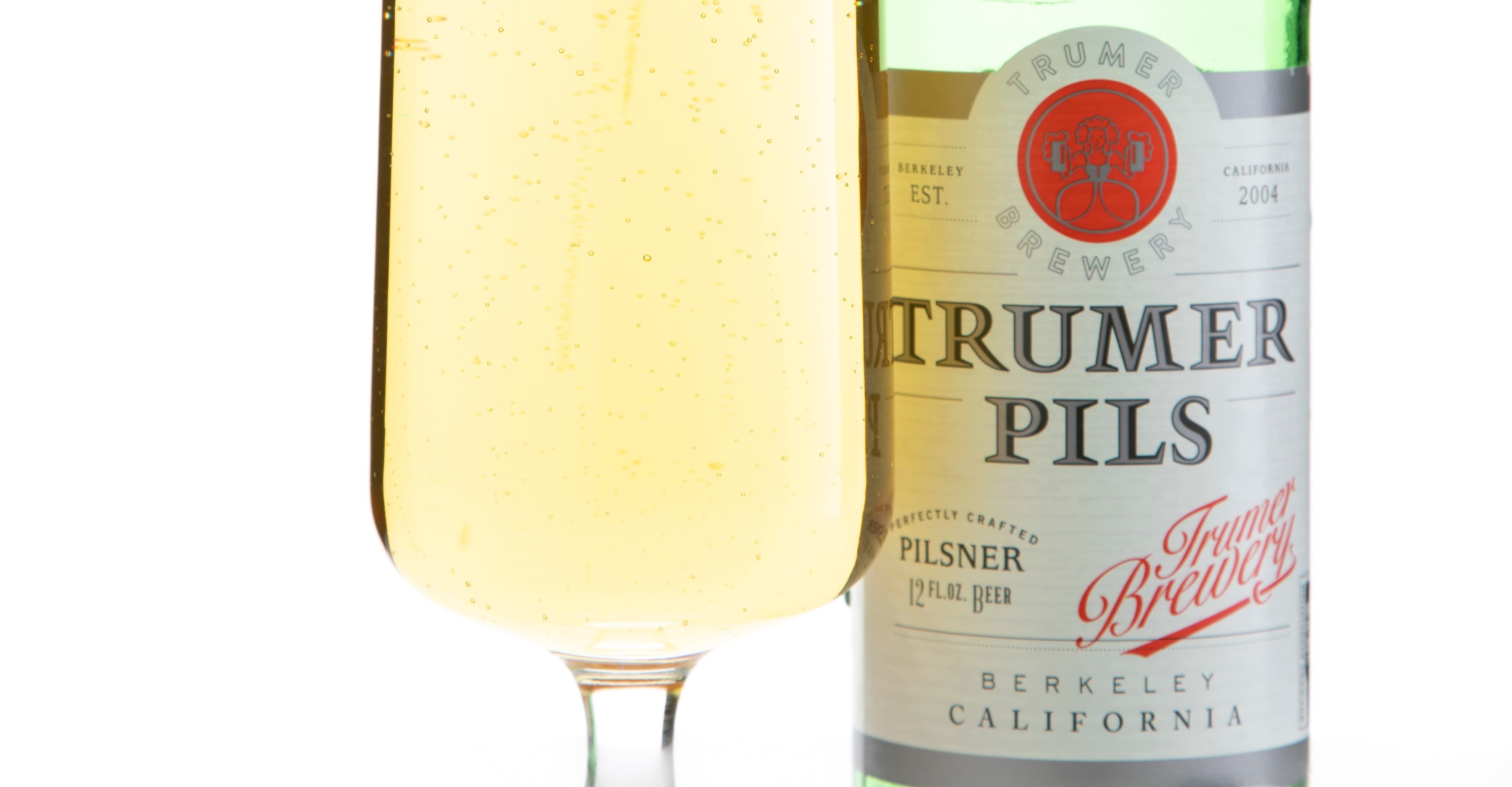
Consistency is key in making Pilsners, and that comes with continuously making adjustments to make sure you haven’t verged off the pre-determined path. Lars Larson, brewmaster at Trumer Brauerei shares his thoughts about being solely focused on Pilsner.
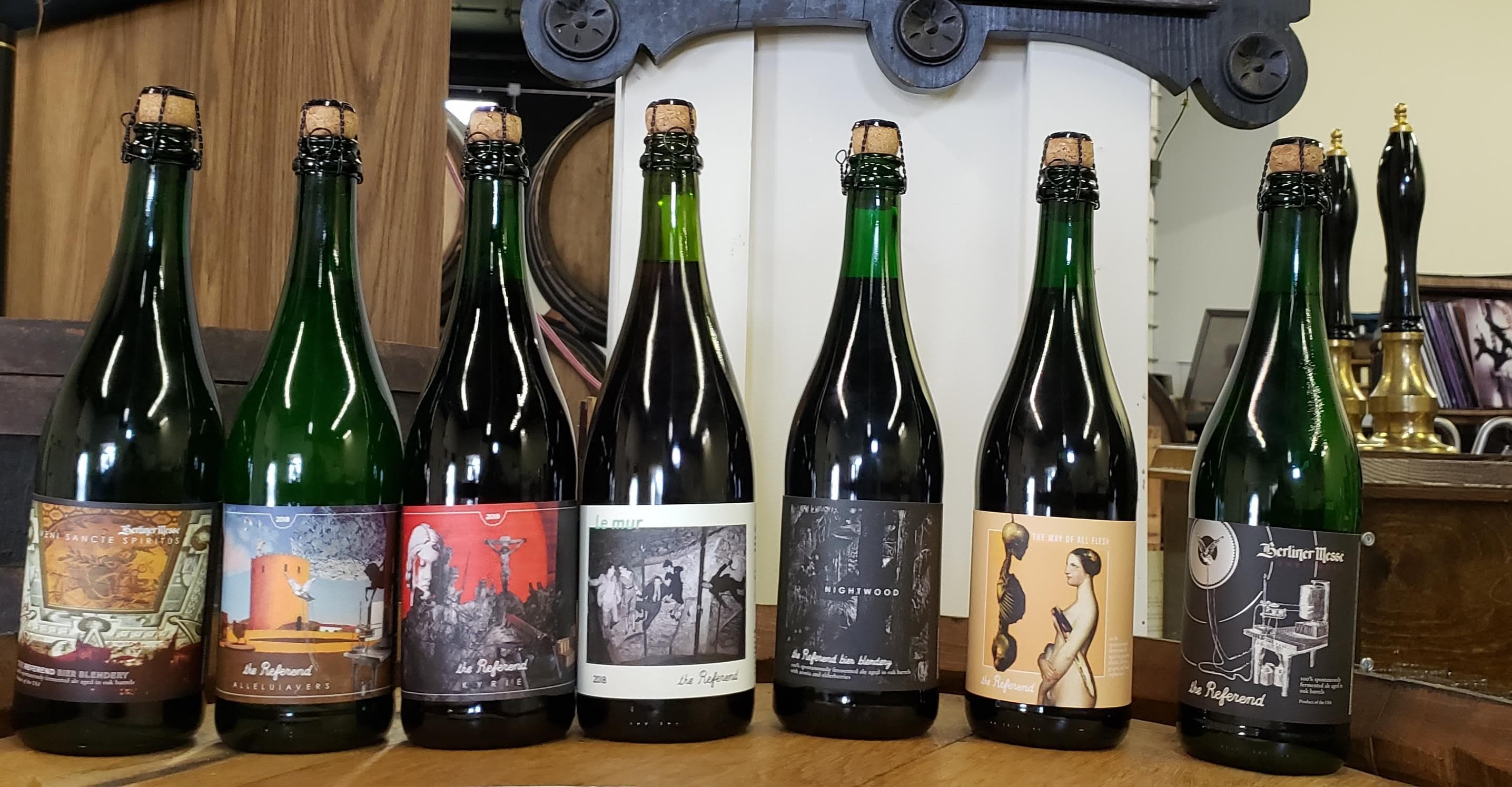
James Priest of The Referend Bier Blendery in Pennington, New Jersey, has thought a lot about pH and making sure it’s just right for his beers. Here he shares his insight on what he’s learned and put into practice.
It stands as an island in a sea of beer choice: helles as the Promised Land. But order one at any of the breweries throughout the United States that have it on offer, and you’re likely to find wildly different results. Here's how to do it right.
![The Current State of [American] Sours](/_next/image?url=https%3A%2F%2Fwww.datocms-assets.com%2F75079%2F1656631140-speciation.jpg&w=3840&q=75&dpl=dpl_5B7ikaZ58AKsUnKvabeJEjtvc4y6)
When thinking about what the modern era has brought to the wild and sour beer space, time isn’t the factor that it used to be, and there's hope the momentum that is gaining with local microflora won’t become stalled or merely a passing fad.
Brian “Swifty” Peters, the owner and brewer of The Austin Beer Garden Brewing Company, talks about being “Pilsner-obsessed” and what goes into making a great Pilsner.
There are choices you can make when it comes to picking the right wheat for your grain bill. But by going a little deeper and using artisanal varieties of wheat Nile Zacherle of Mad Fritz Brewing says you can really draw out new flavors in your beer.
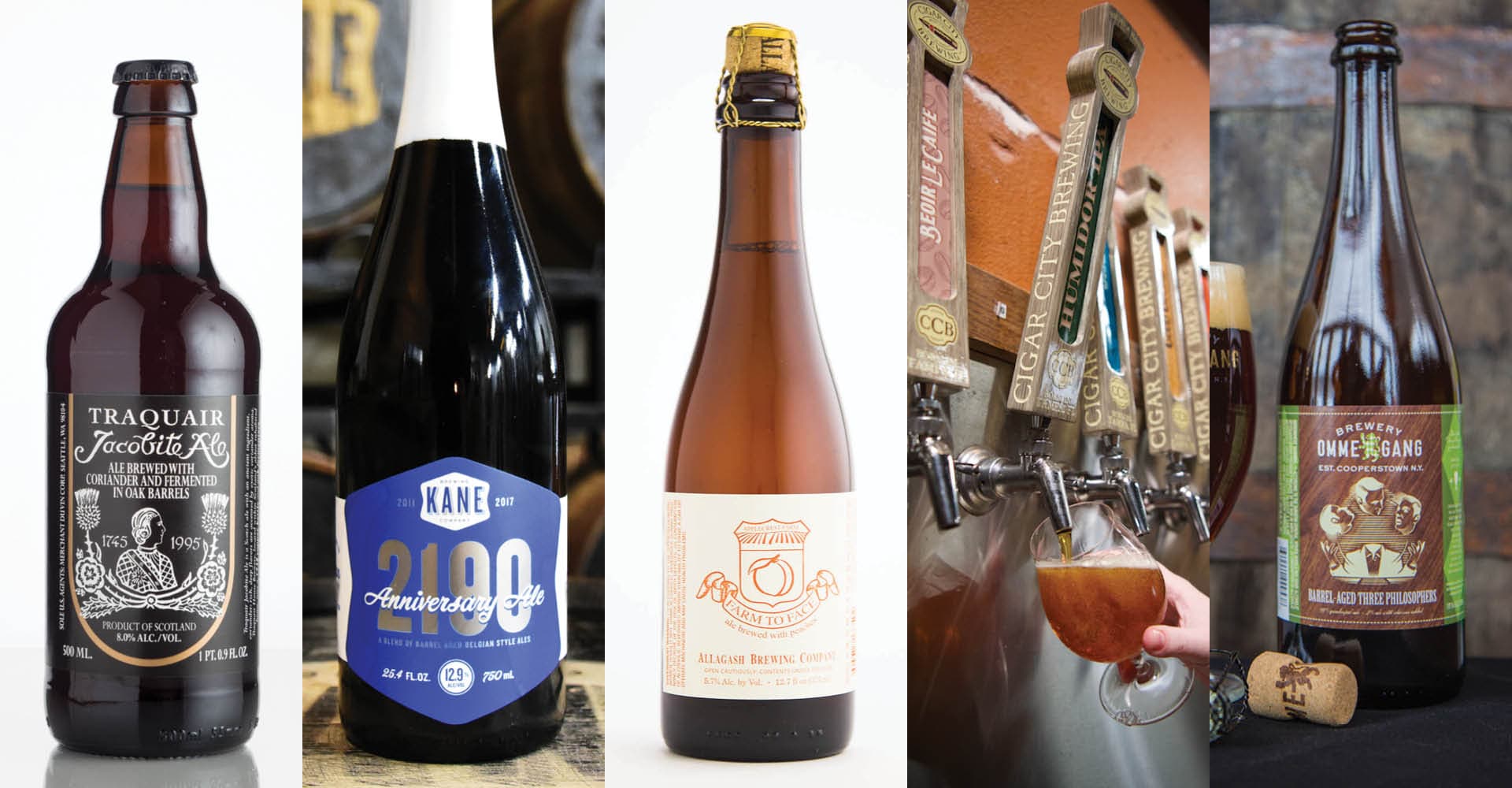
There’s a lot of beer in a lot of wood these days. How do you know what rises above the masses? Ask a brewer. We asked a few of our favorite brewers and brewing professionals to share their recommendations on wood-aged beers.
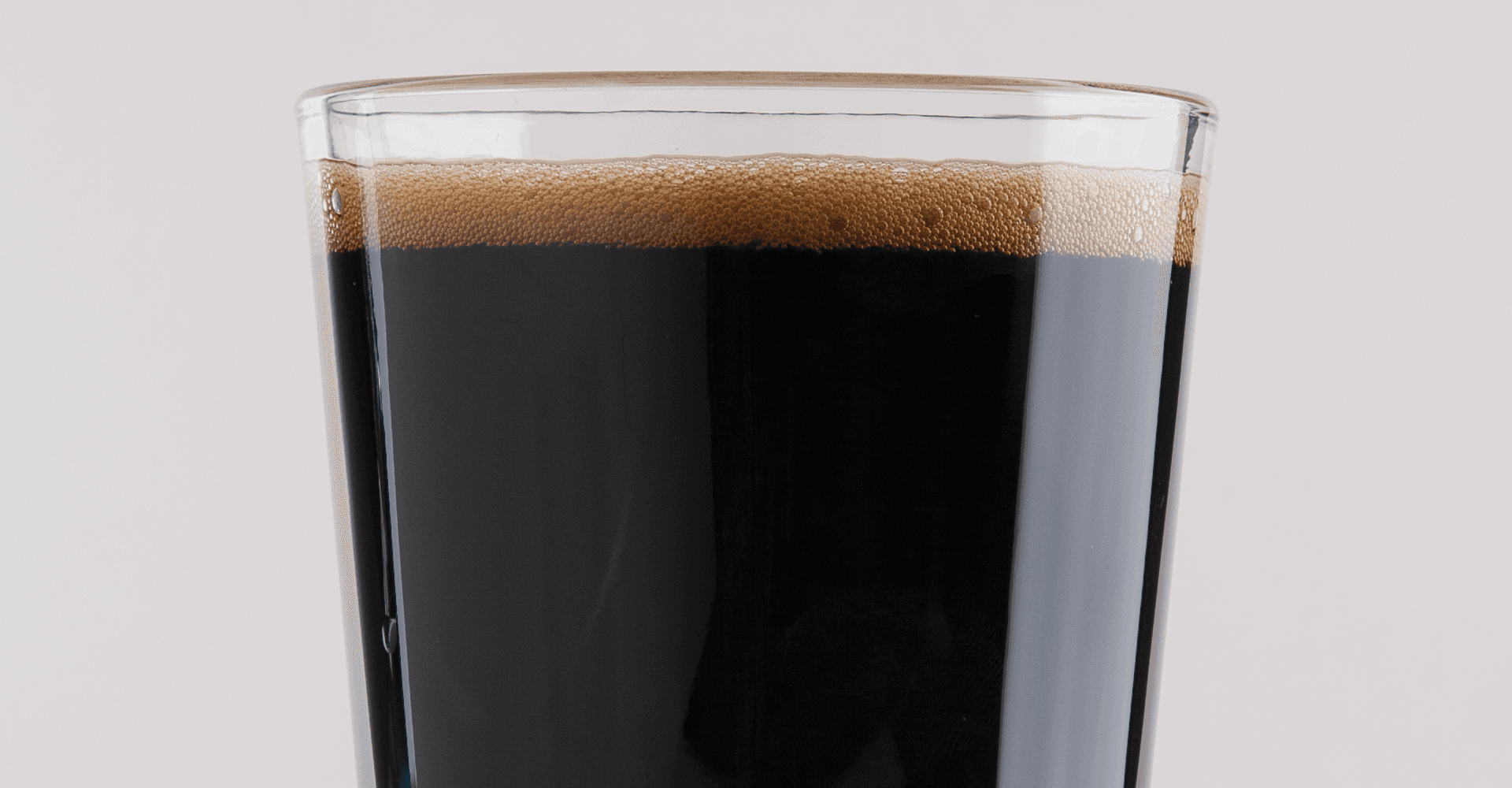
The key to making and drinking dark lagers is to remember that despite their color they should stay true to the lager hallmarks.
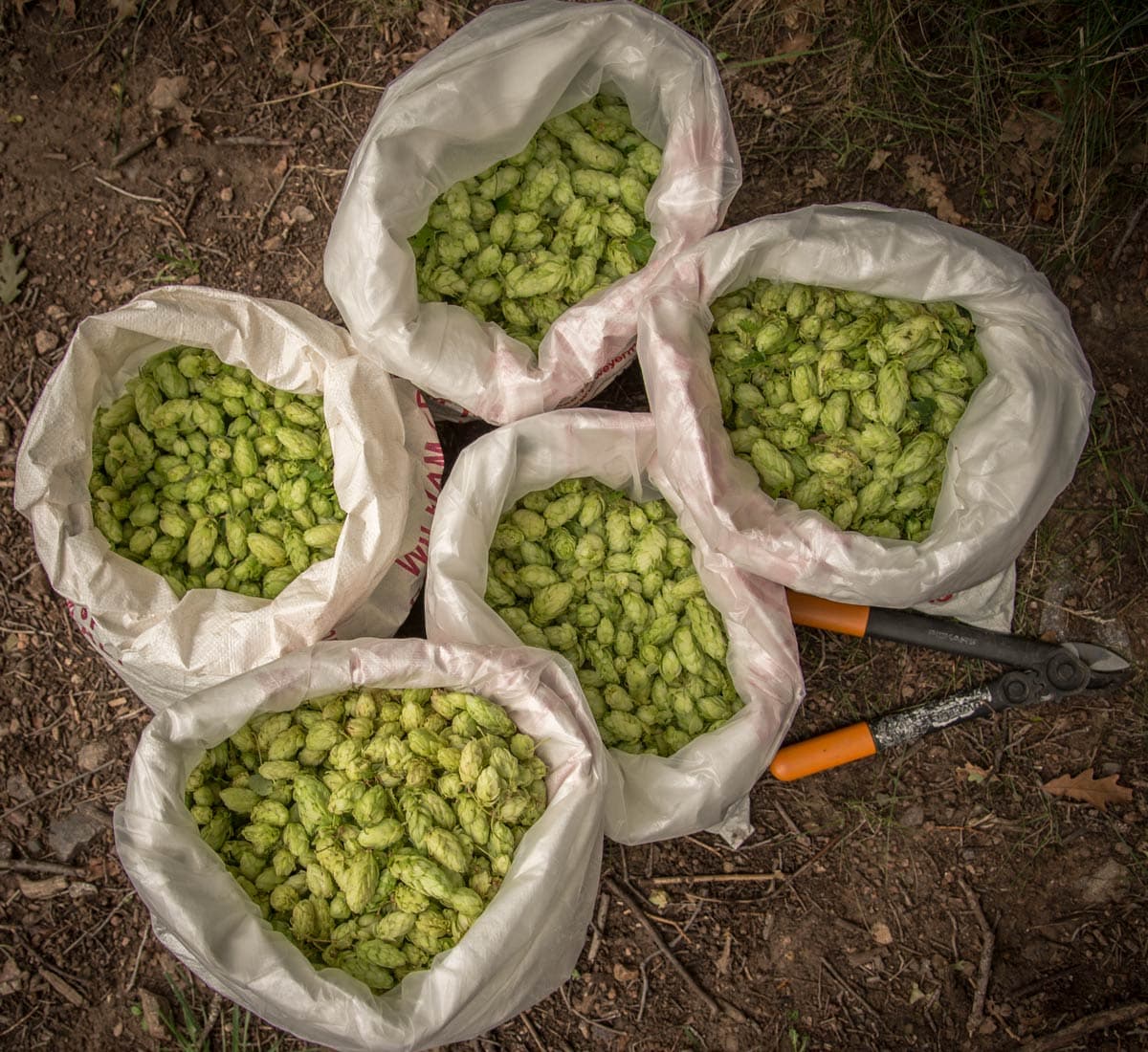
Certain hops play leading roles, but the supporting actors are just as important and often overlooked. Sean Buchan of Cerebral Brewing shares some of his favorites.
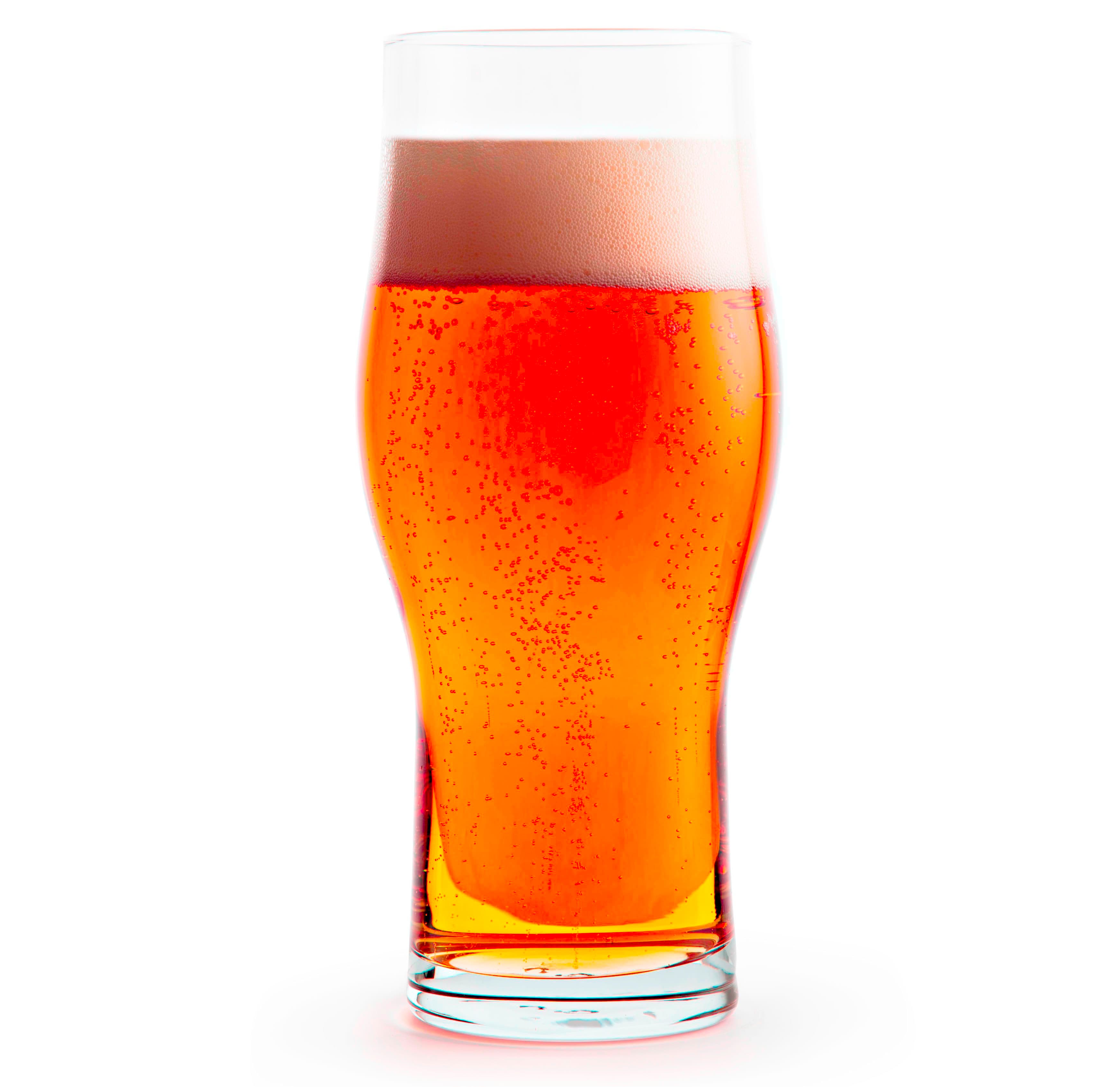
Ales have long been a brewer’s playground. Lagers, the time-matured, technically difficult, were the other side of the coin. Now, lagers are being played with like ales. Is this tinkering a good thing, or are we about to jump the shark?
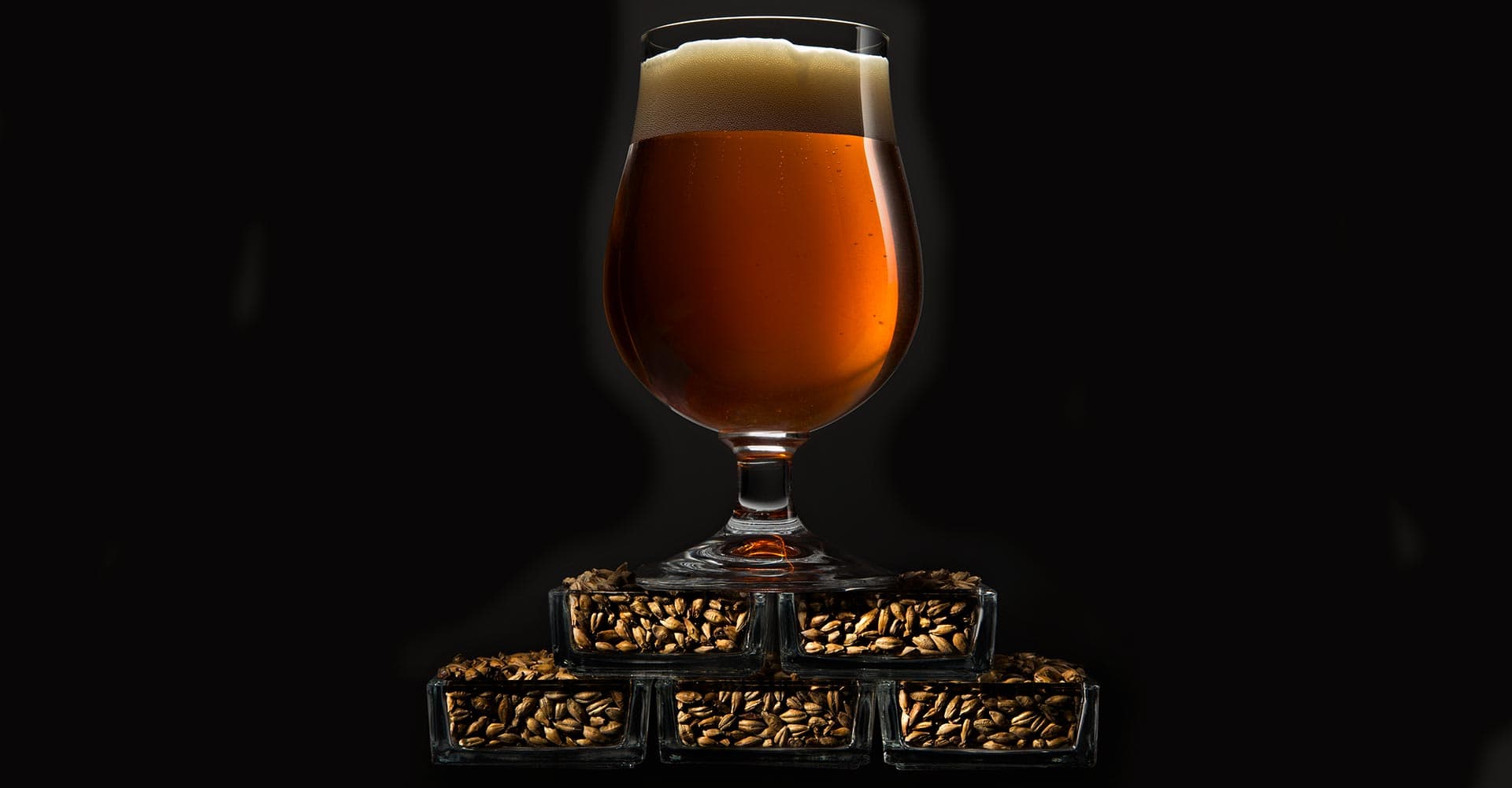
In a proper pale ale, the focus is, correctly, on the hops. However, no matter whether that pale ale is British in origin, or American, or Belgian, or is from the new hazy school, the malt that goes into the recipe matters.
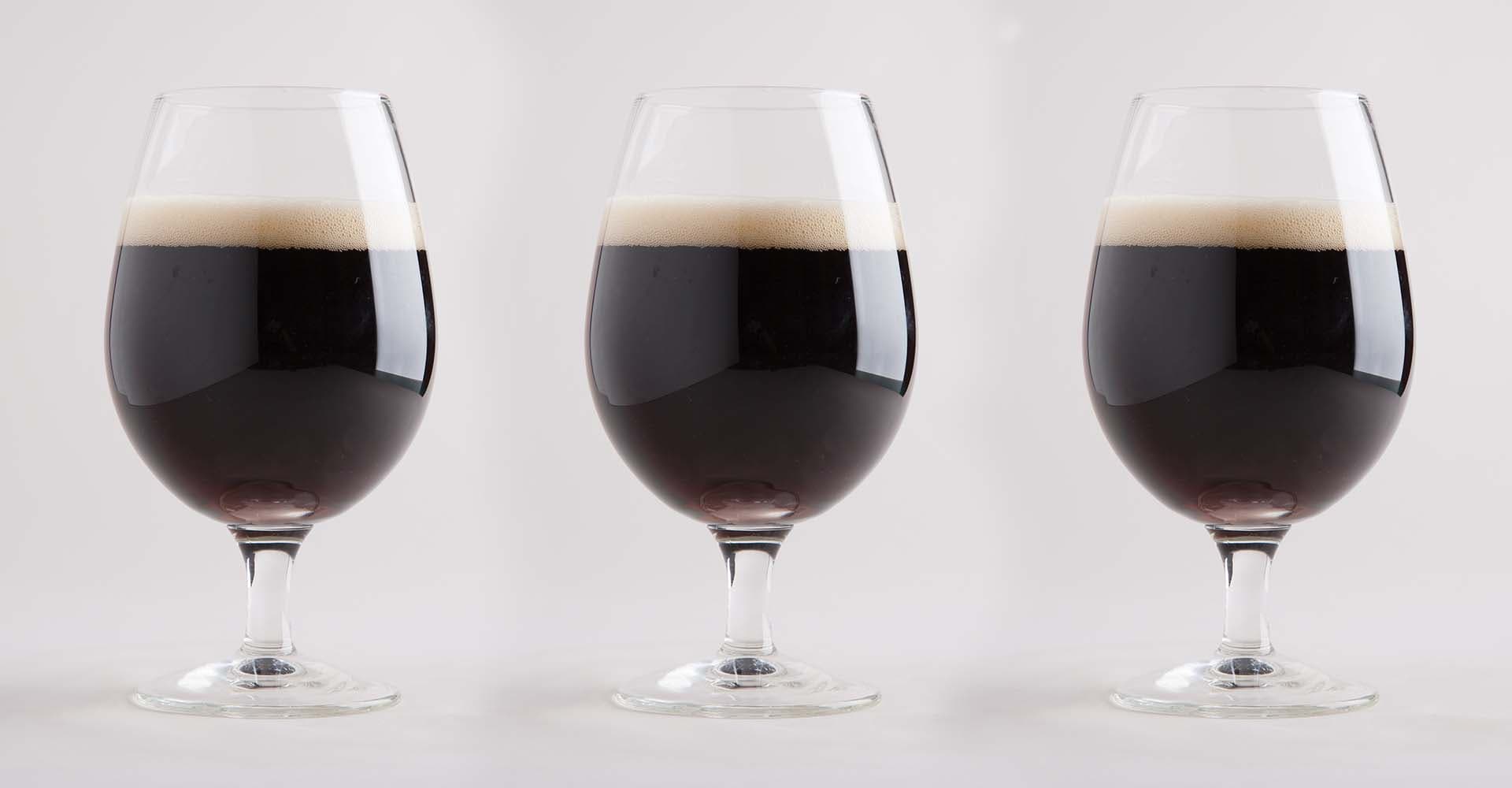
Three Four Beer Co. Co-owner and Head Brewer (and former Odell and Horse & Dragon brewer) Linsey Cornish offers five tips for brewing great stouts and porters.
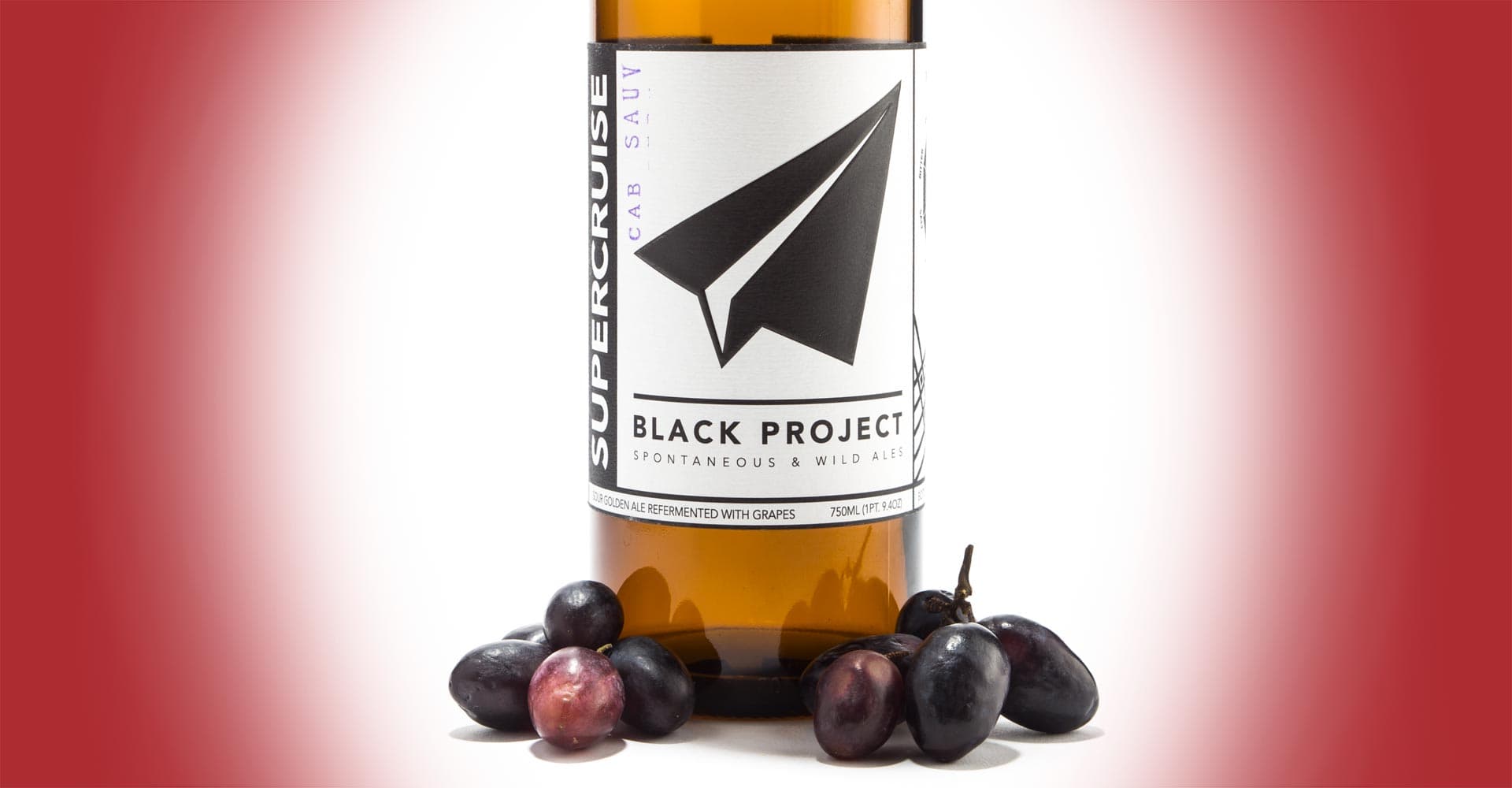
James and Sarah Howat of Denver, Colorado’s Black Project Spontaneous & Wild Ales love brewing with grapes, not just for the flavor contributions they provide, but also for the fermentation benefit.
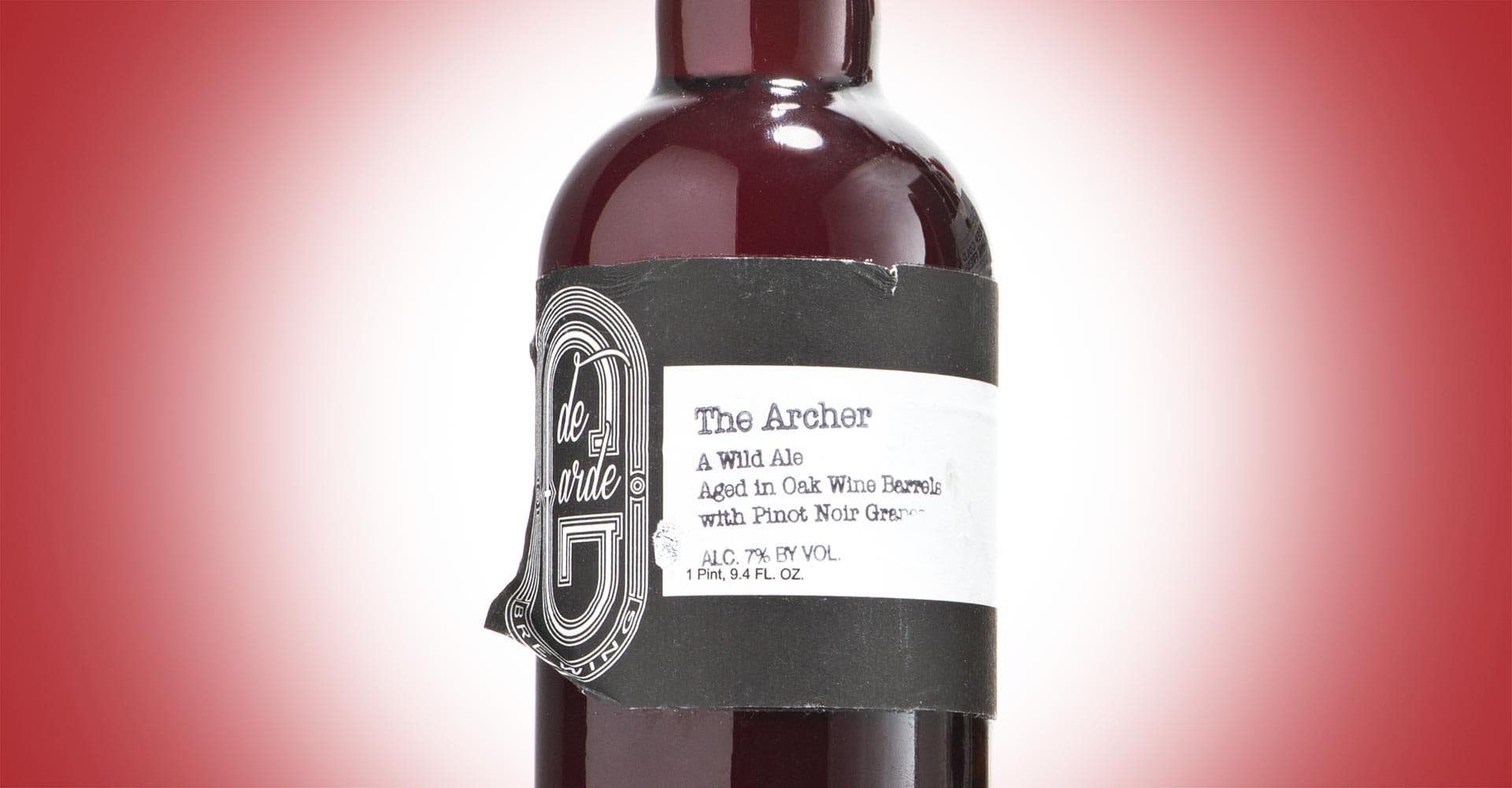
Trevor Rogers of de Garde Brewing on Quality Fruit, Contextual Process, and the Art of the Blend
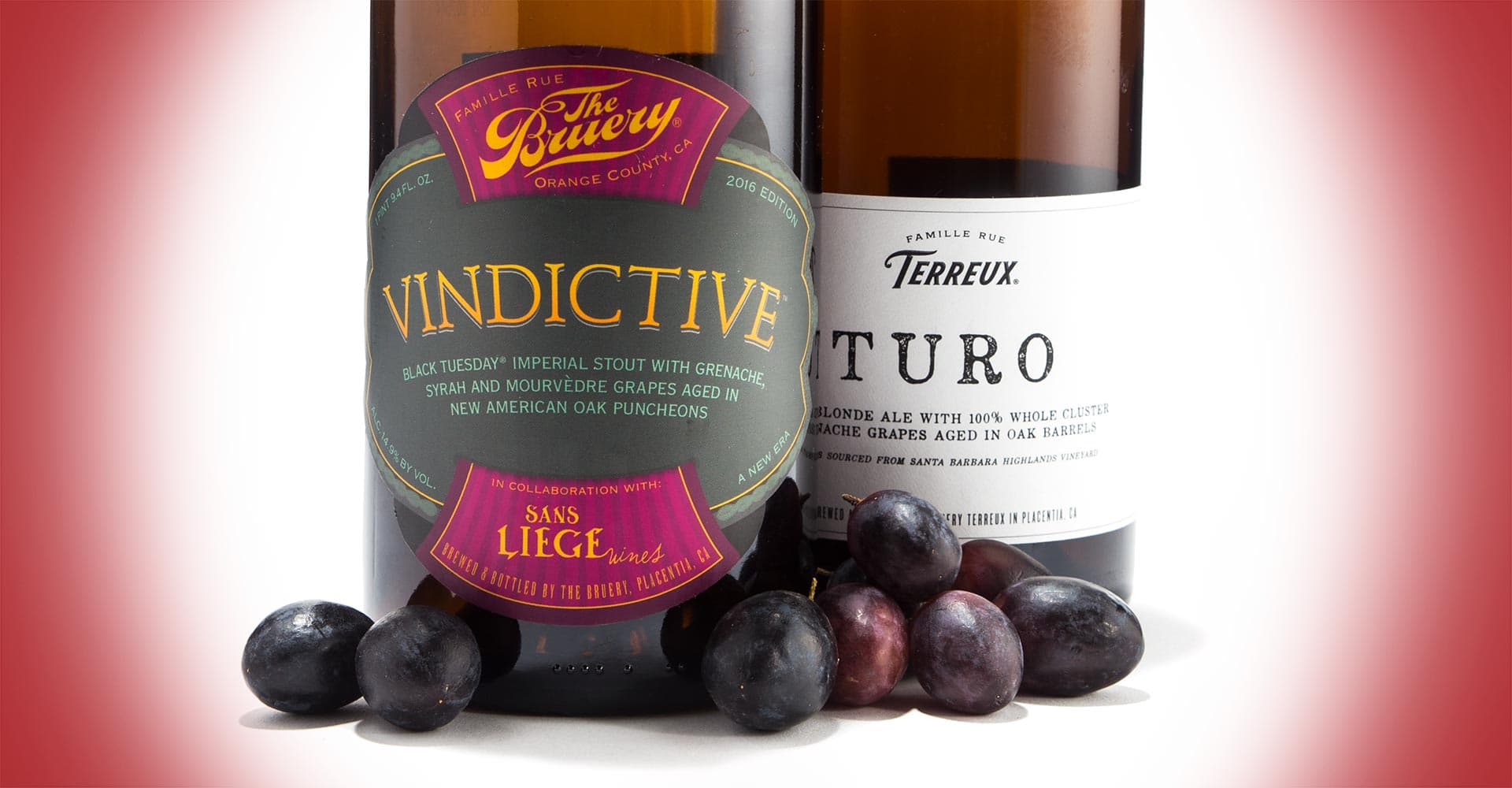
The Bruery Terreux sour-beer facility has accelerated and expanded various beer projects using wine grapes. It continues to break ground with everything from imperial stouts cofermented with grape must to whole-cluster refermentations in barrels.
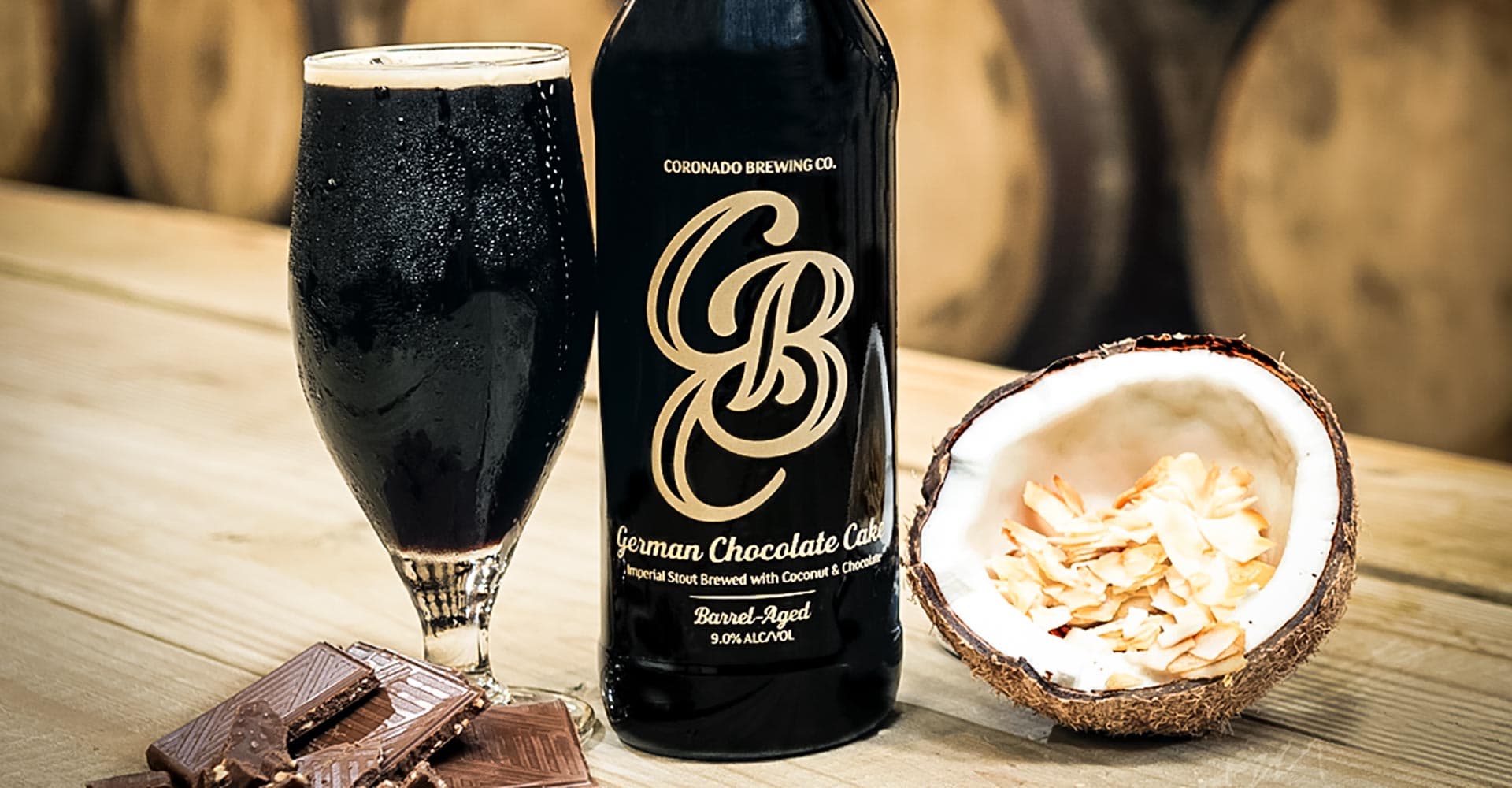
In beer circles these days, ask about a "pastry beer" and get ready to receive an earful. It's a style that's not actually a style and includes beers that either don't contain pastry ingredients or mimic pastry. Still, there's no denying the popularity.
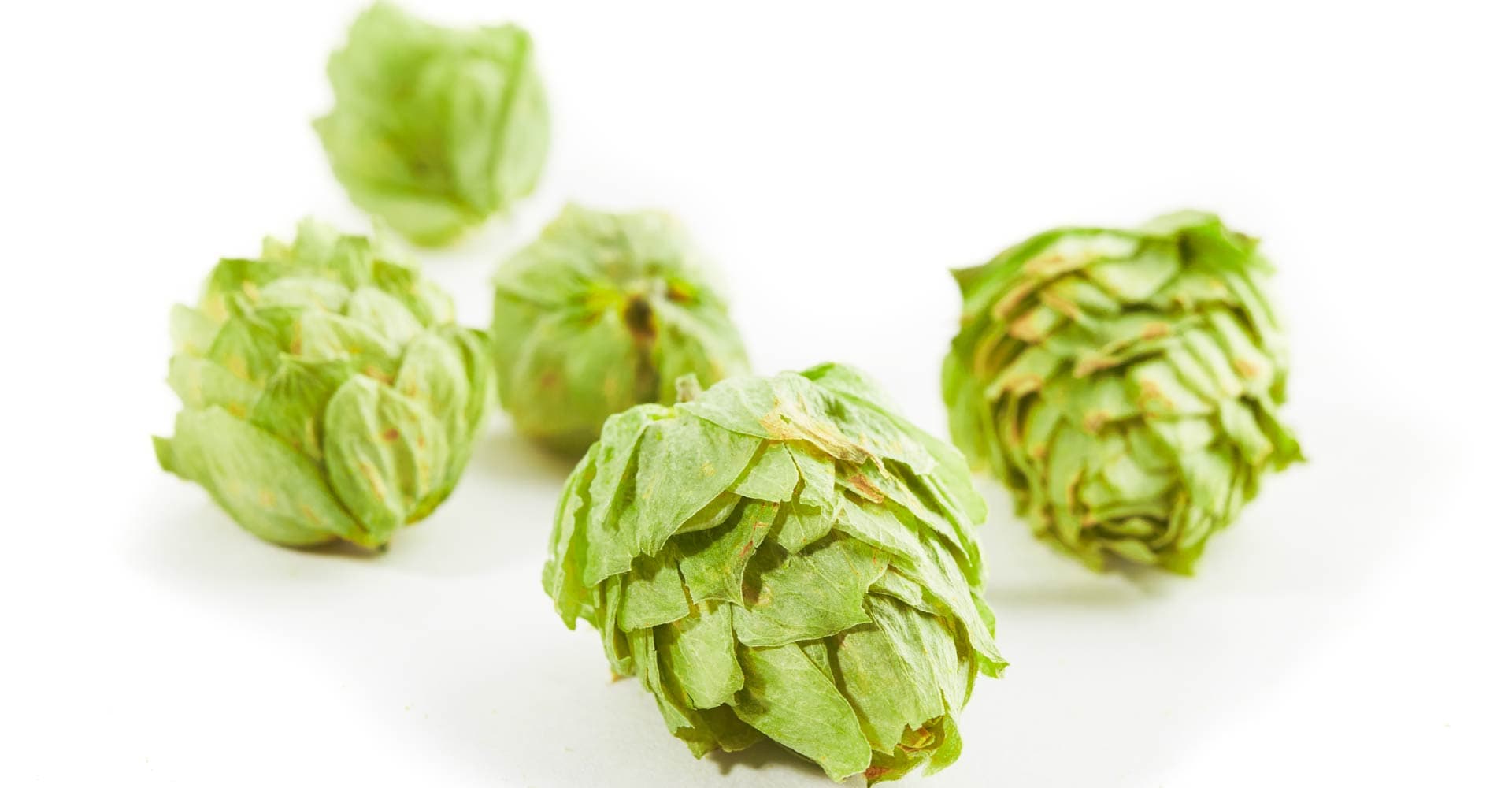
Tony Lawrence, the brewmaster and co-owner at Boneyard Beer in Bend, Oregon, walks you through building a recipe for a clean, crisp, and very dry IPA.