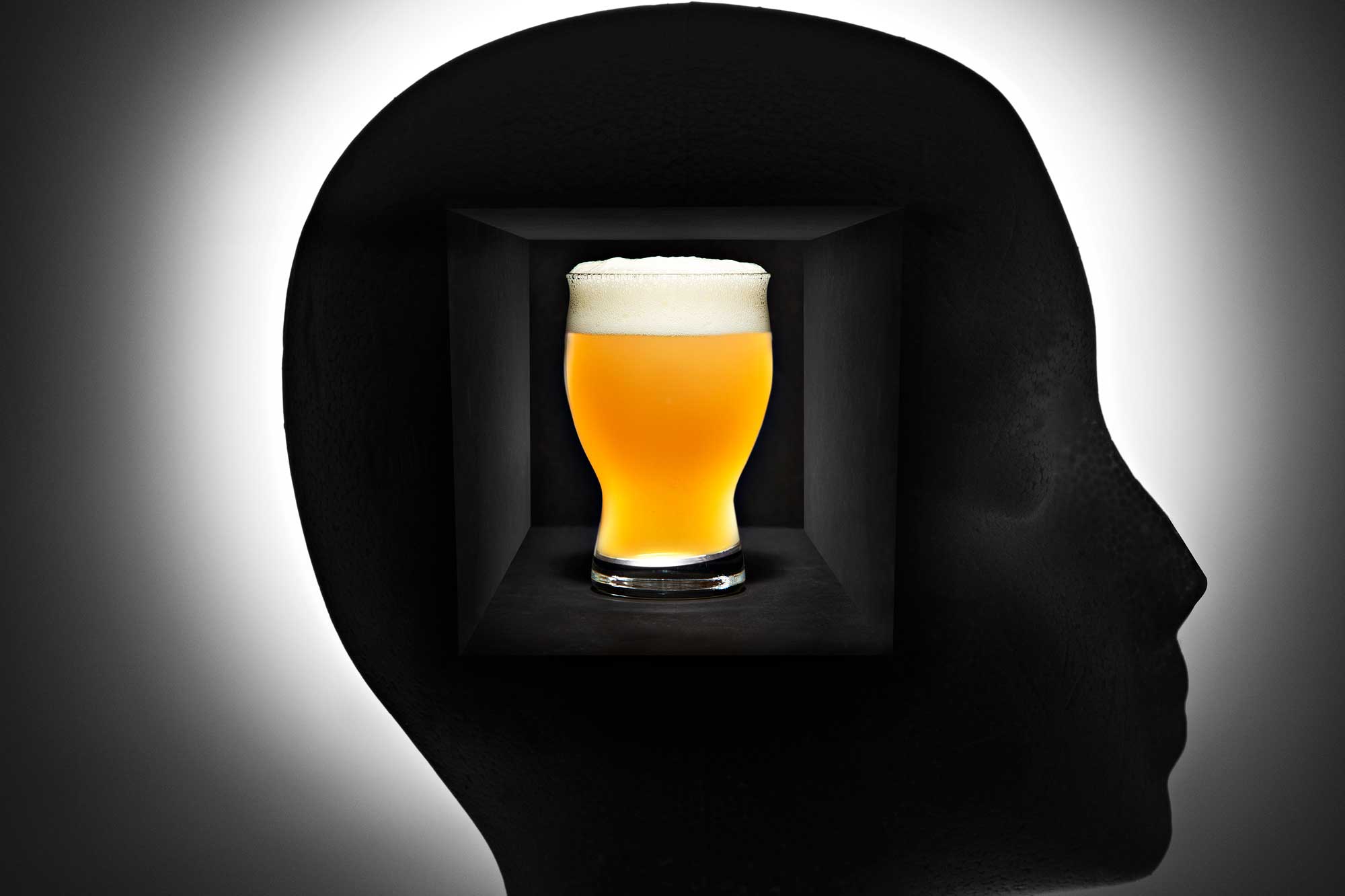
More than a Feeling: Grasp the Intangibles of Beer Flavor
In the world of brewing, we can precisely measure and define certain things—and those things don’t have a whole lot to do with how we smell, taste, and feel about beer.
By Randy Mosher

8 articles in this category
In the world of brewing, we can precisely measure and define certain things—and those things don’t have a whole lot to do with how we smell, taste, and feel about beer.
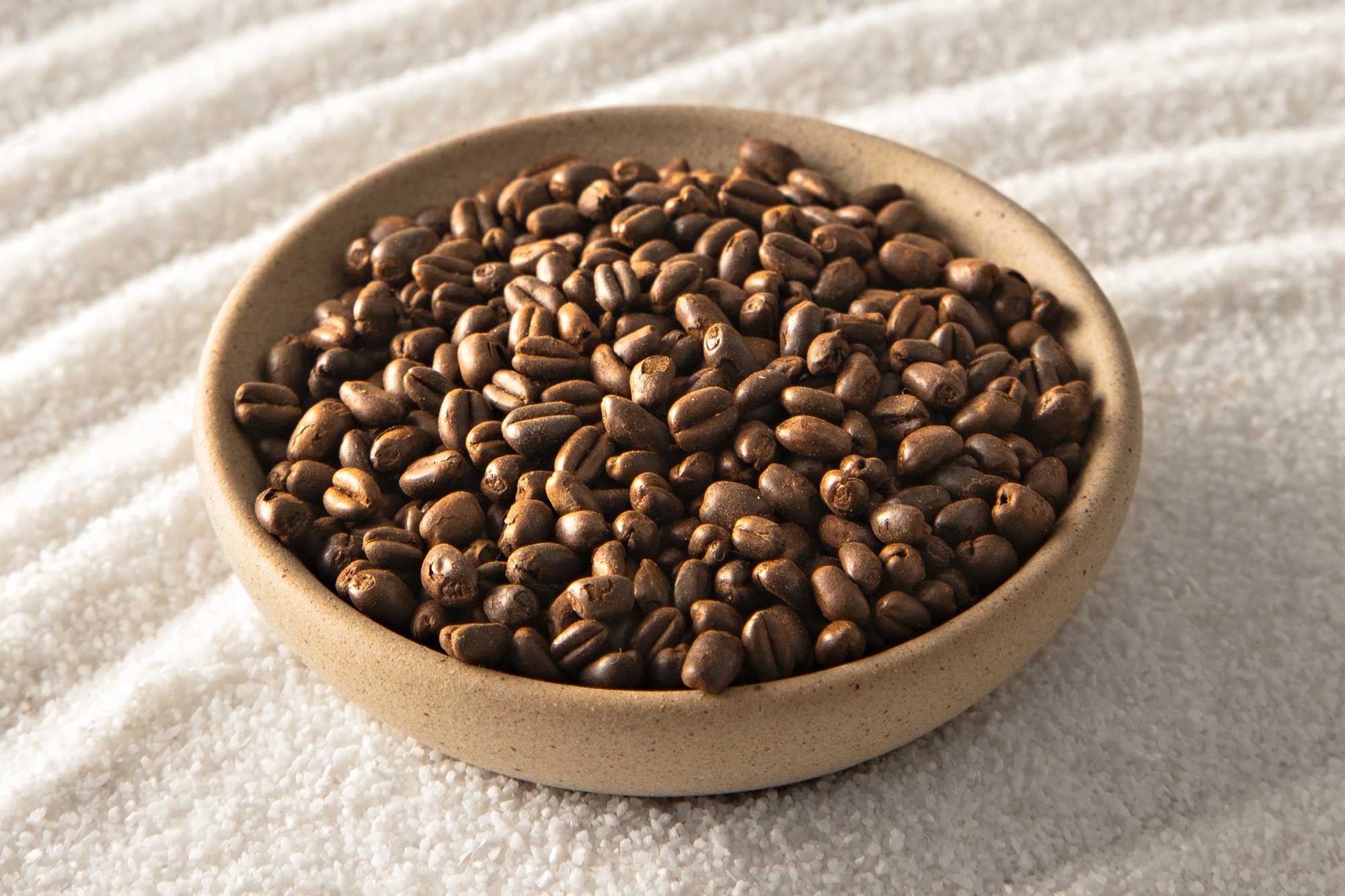
When it comes to building your malt bill, go smarter, not harder. Here are some key insights from two award-winning brewers on purposeful malt choices that can elevate beers, not muddle them.
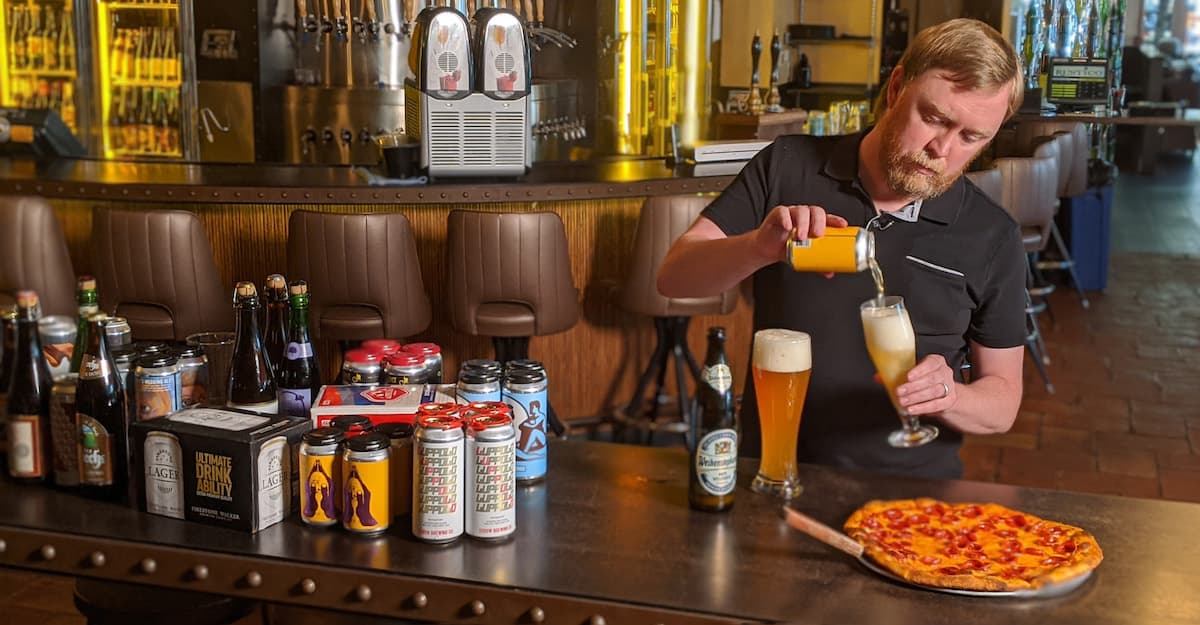
Once you adopt some basic rules of thumb about flavor compatibility and intensity, you can start drilling down into which beer styles tend to work best with specific dishes—making a sensory experience greater than the sum of its parts.
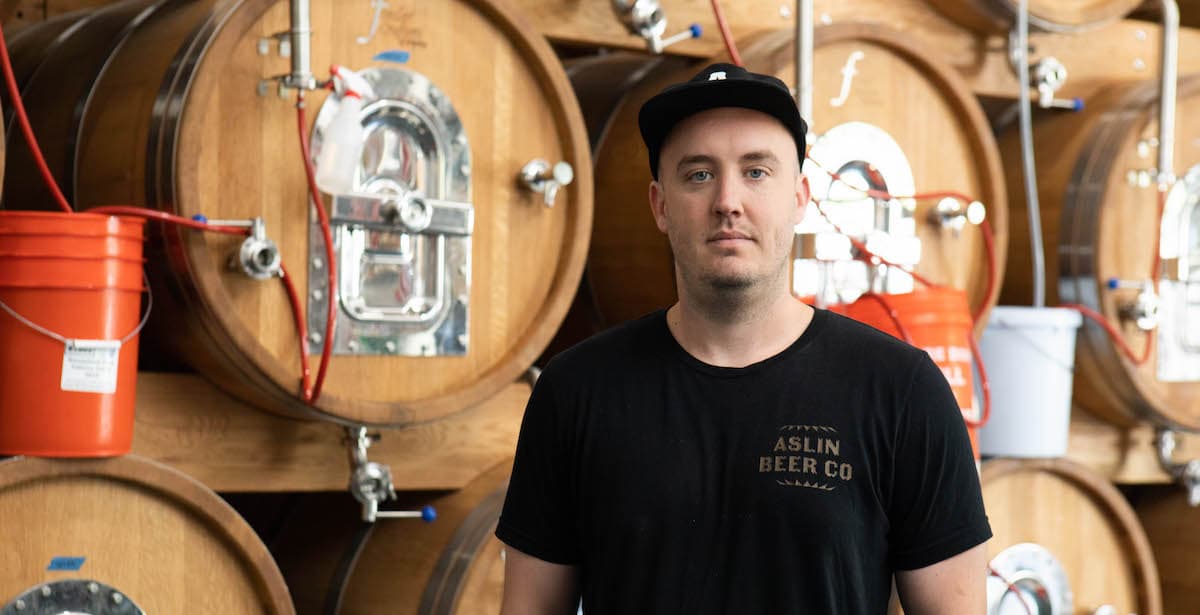
Aslin Beer cofounder Andrew Kelley walks us step-by-step through the brewery's kettle-souring process, from grist composition to adjusting the pH depending on fruit or other ingredients.
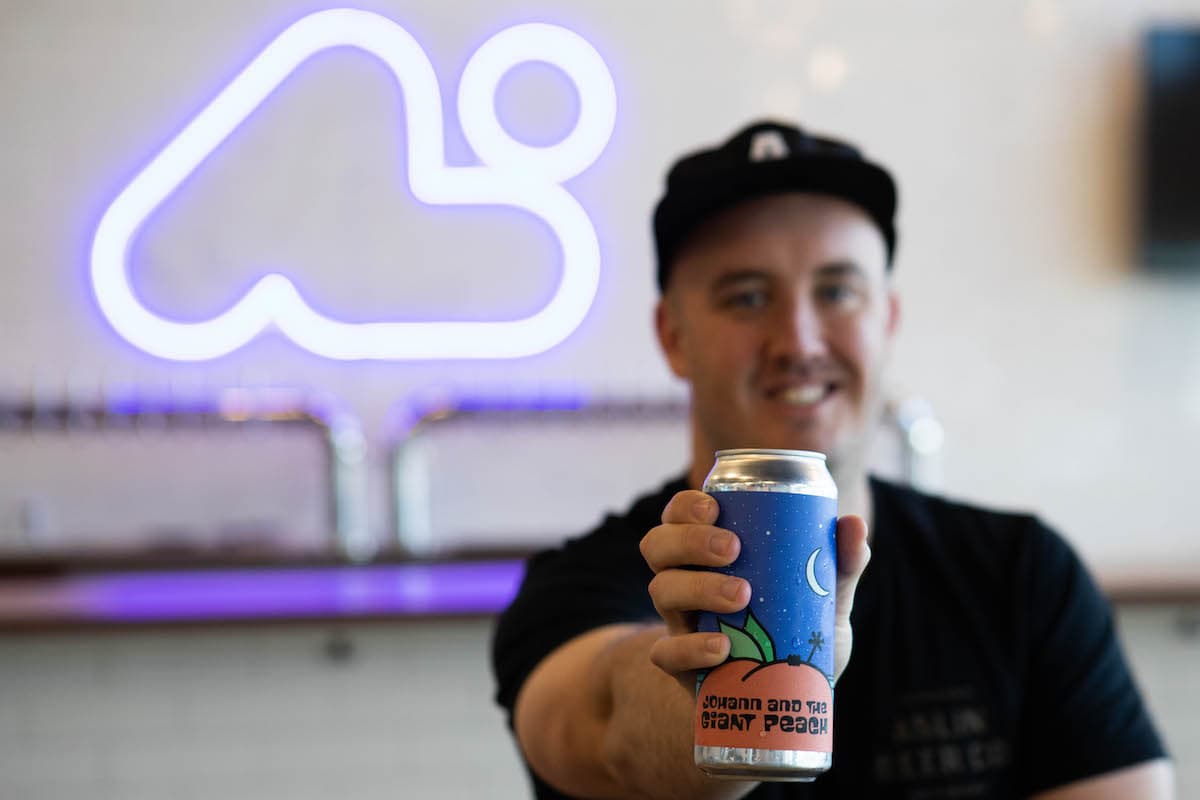
Aslin Beer cofounder Andrew Kelley shares a detailed example of building a beer recipe to mimic the flavors and evoke a specific culinary experience—including specifics on how and when to add coffee.
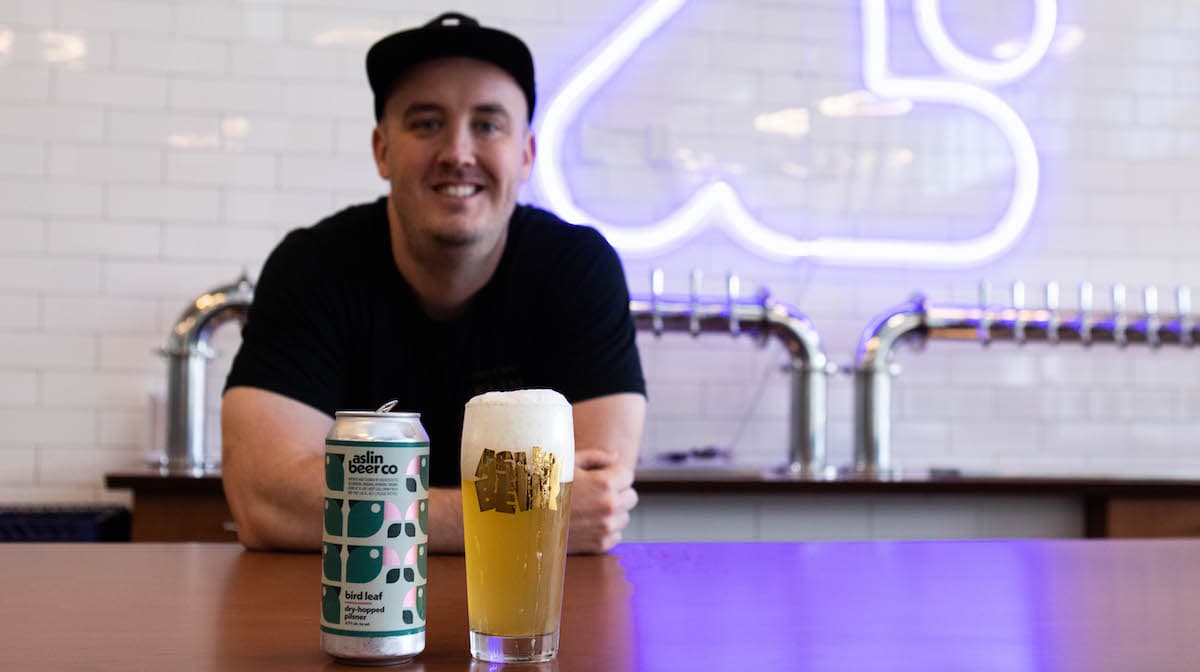
Andrew Kelly, cofounder of Aslin Beer in Alexandria, Virginia, breaks down the elements of flavor and reminds us to think about what different brewing ingredients bring to the table when trying to mimic the flavors of favorite foods.

Greg Engert, beer director for the Neighborhood Restaurant Group, explains the components of flavor and how we perceive them, and thus how we enjoy our beers as well as our food.
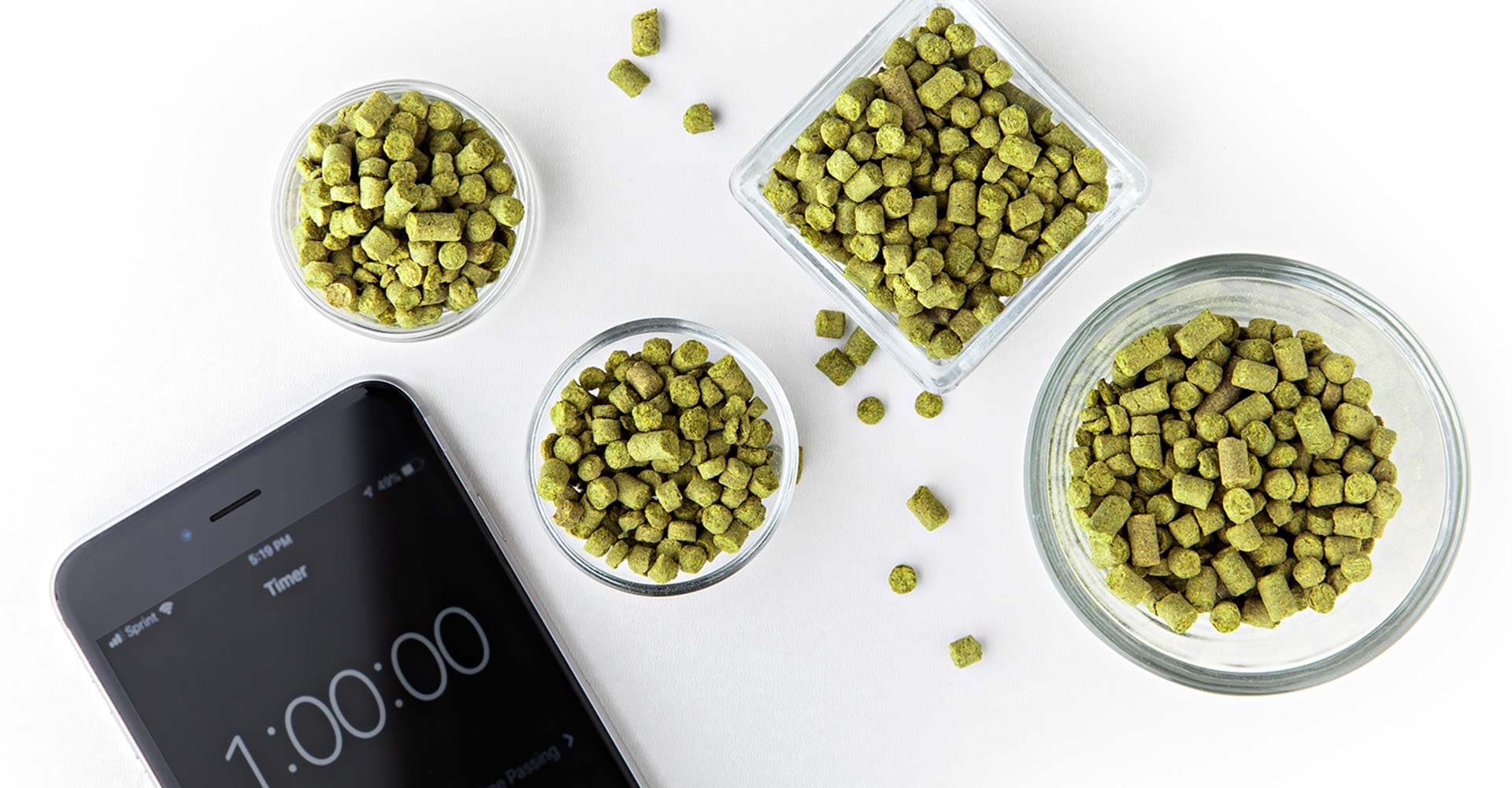
Hops for bitterness, flavor, and aroma... and, often, three corresponding additions to the boil. Using one-gallon test batches hopped differently, let's test our assumptions.
Browse every article filed under this tag.