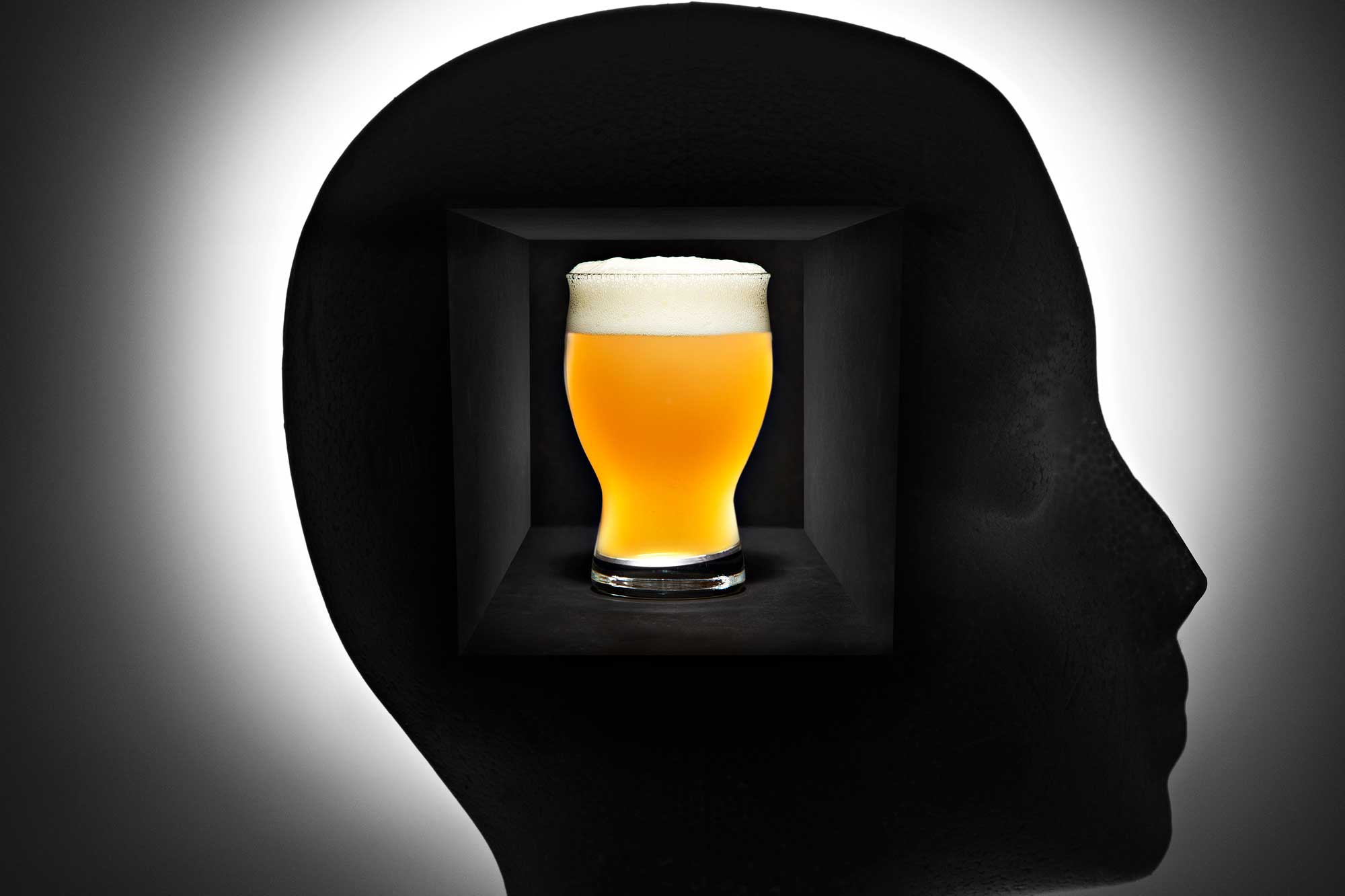
More than a Feeling: Grasp the Intangibles of Beer Flavor
In the world of brewing, we can precisely measure and define certain things—and those things don’t have a whole lot to do with how we smell, taste, and feel about beer.

16 articles in this category
In the world of brewing, we can precisely measure and define certain things—and those things don’t have a whole lot to do with how we smell, taste, and feel about beer.
Ope! Midwest IPA is just gonna sneak right past the two coastal substyles as a unique approach all its own, rooted in modern tradition while evolving for the future.
Evan Price, cofounder and head brewer of Green Cheek in Orange, California, details how pH, water chemistry, hop varieties, and grain choices are all among the knobs you can turn to shape your ideal perception of bitterness in West Coast–style, hop-forward beers.
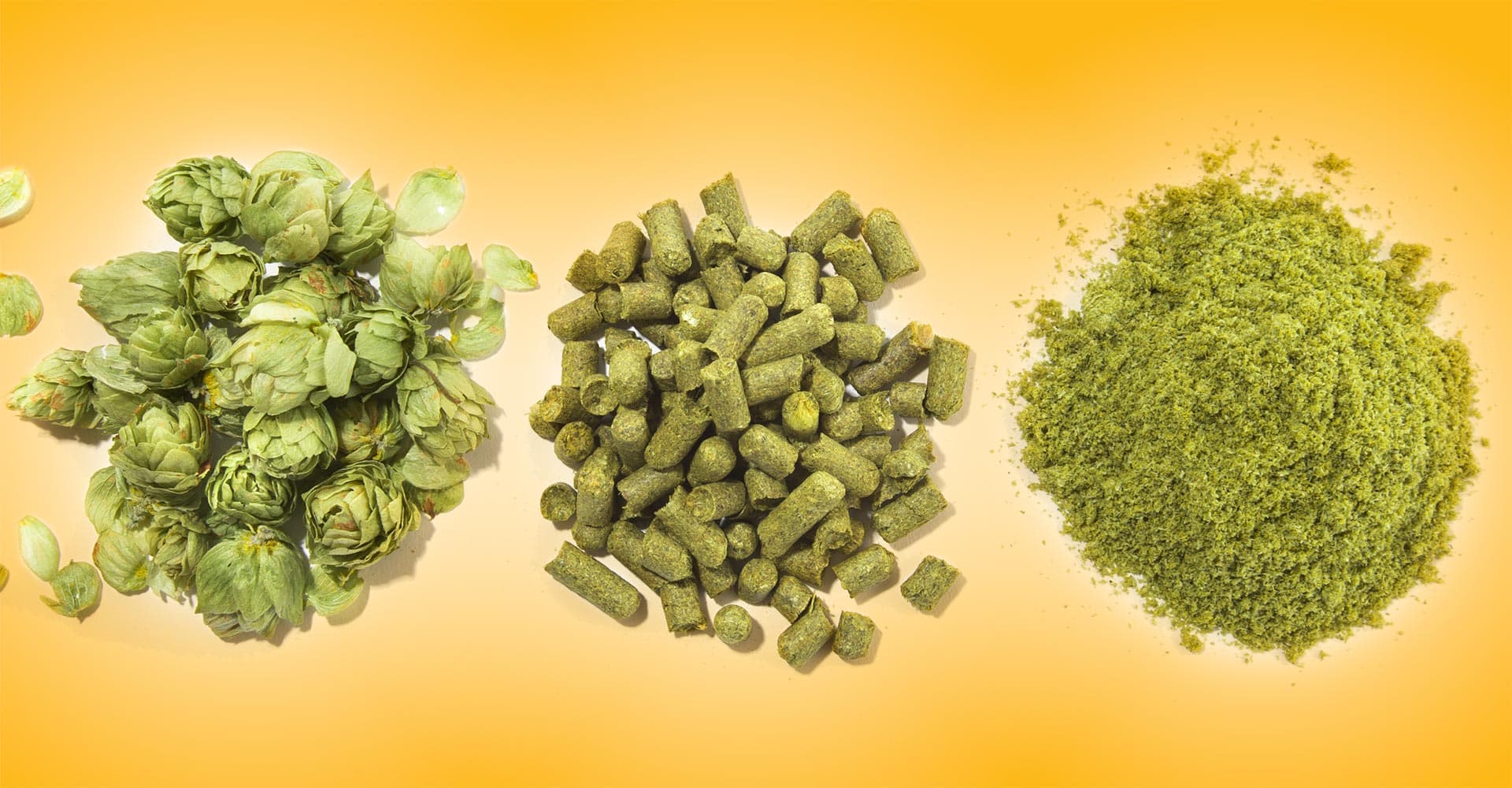
In today’s hop-forward beers, whirlpool additions contribute many of the IBUs—yet the results are less clear-cut than adding to the boil. Research—some new, some not-so-new—may provide direction.
Before there was hazy or even a defined West Coast style, there was an IPA that emerged as a brashly hopped counterpoint to British ale. It never went away—but it evolved. And today’s brewers are making it better than ever.
It used to seem so simple—know your hops and when you add them to the boil, and you’ll know how bitter your beer will be. Now, thanks to IPA’s evolution and lots of new research, bitterness is getting … complicated. Here are key takeaways to help you dial it in.
For De Ranke, looking back was looking forward. When the Belgian beer industry was minimizing bitterness, De Ranke embraced it instead, carving out a hop-forward niche that’s been influencing fellow brewers for nearly three decades.
Tim Sciascia, cofounder and head brewer at Cellarmaker, walks us through their typical boil and whirlpool hop additions for pale ales, as they aim for the desired level of bitterness while avoiding any vegetal off-flavors.
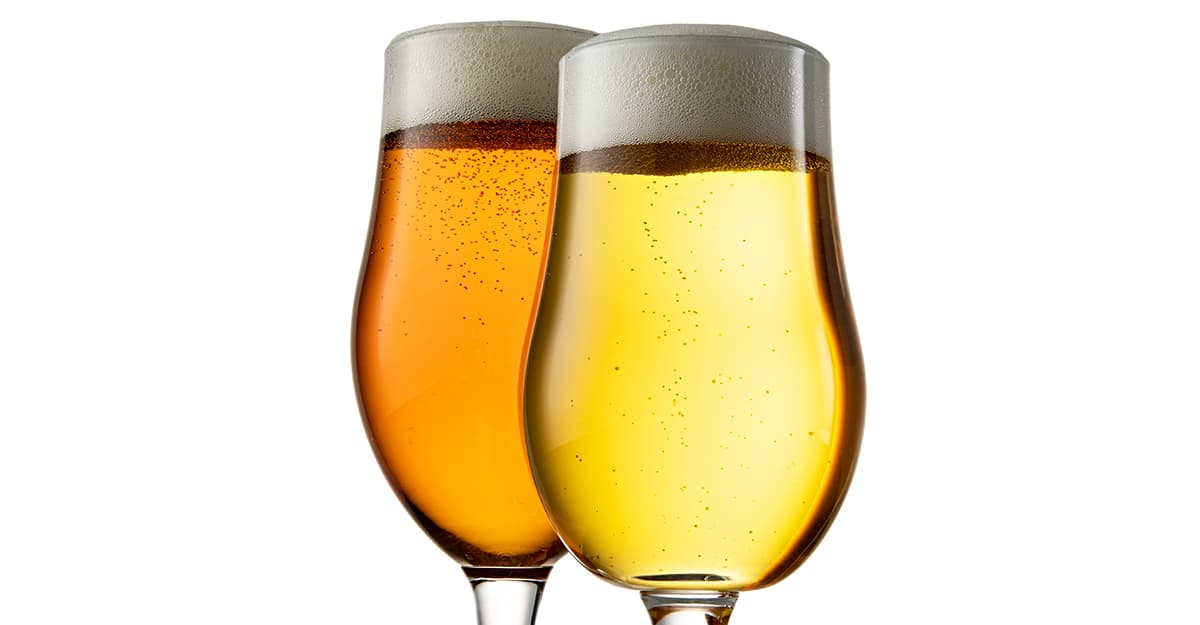
An American beer scene still dominated by IPA is enjoying a renaissance of small-scale lager brewing—the ground is fertile for combining the best of both. We don’t care what you call it—IPL, cold IPA, hoppy pilsner, whatever—as long as we get to drink it.
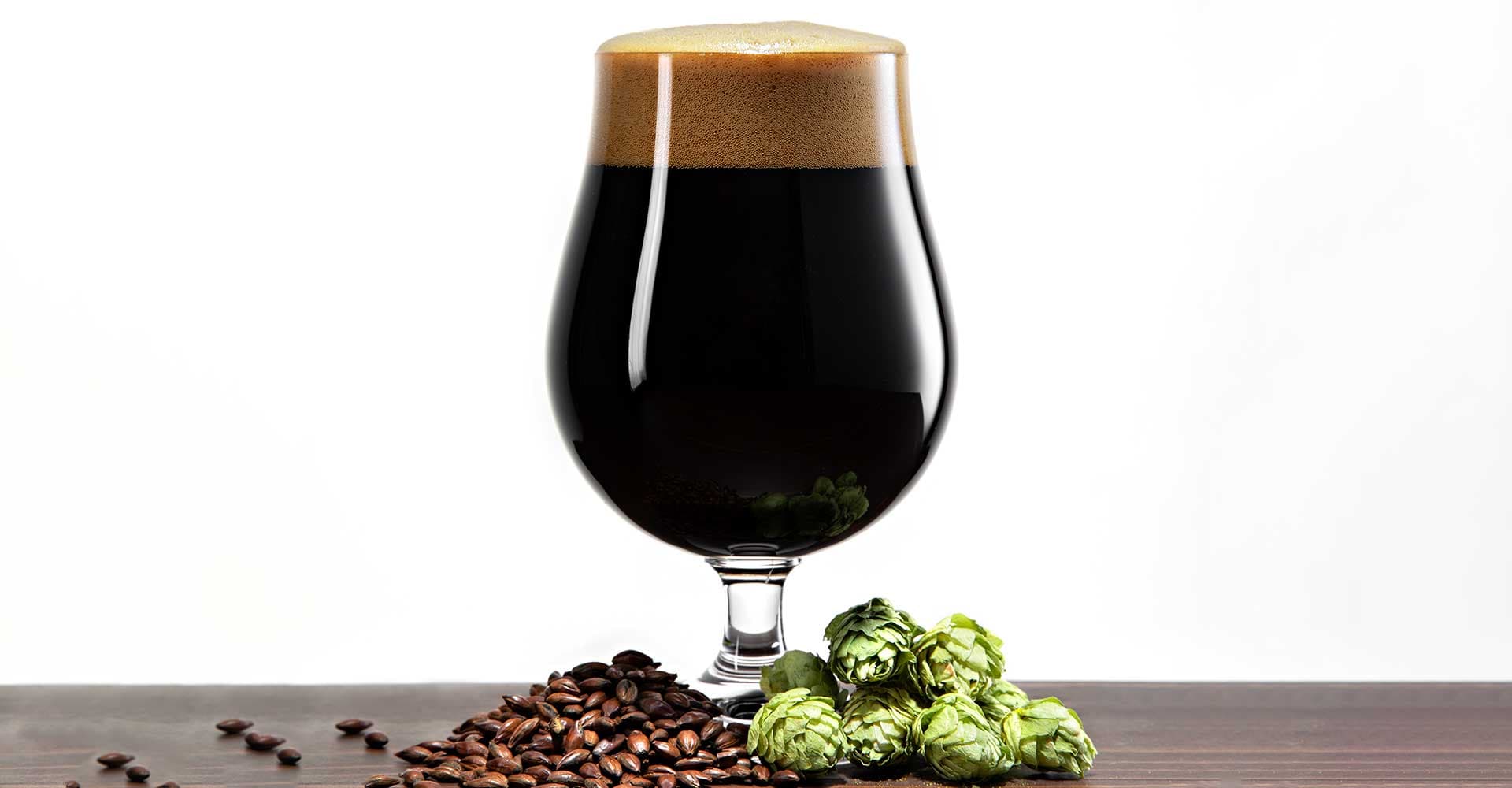
Dark malts and ample hops intersect at a risky but rewarding flavor zone where few brewers dare to tread with regularity. Here we dig into recipe choices for distinctive, hop-forward black beers that avoid the pitfalls.
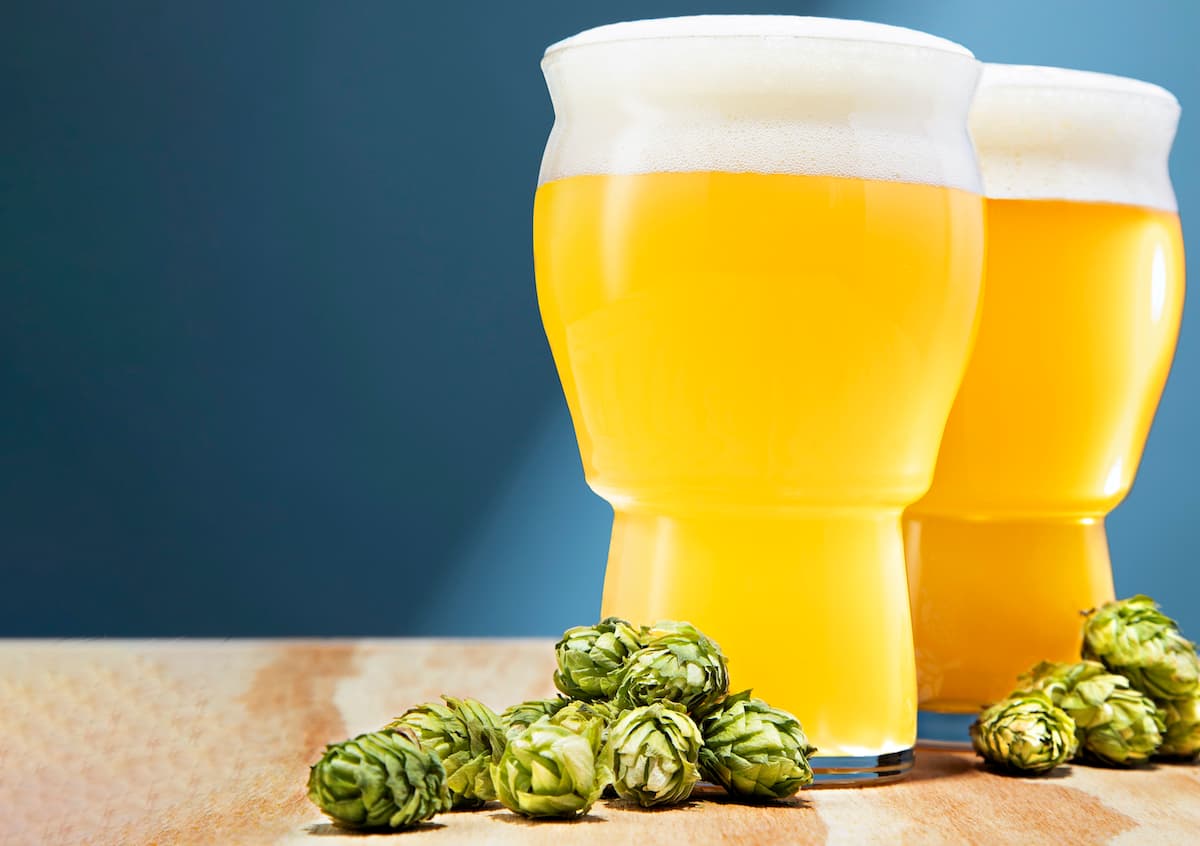
More juice, but with more bite—East Coast and West Coast are synthesizing, again, right before our eyes. How did we get here? And what’s next? Drew Beechum walks us through IPA’s battles and evolutions.
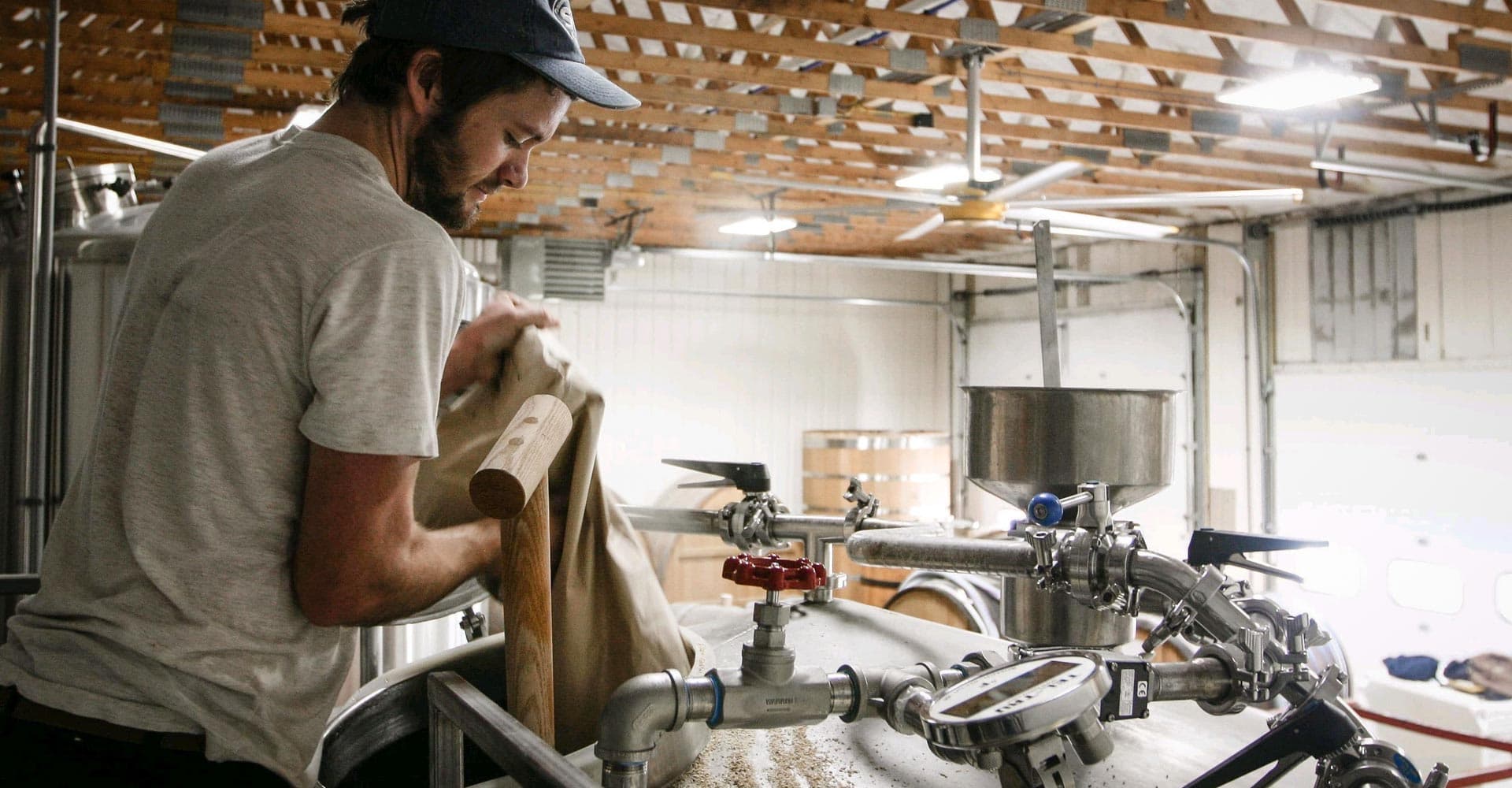
Today’s brewing world is baroque in its embrace of excess, but for Bissell Brothers of Portland, Maine, the not-so-secret strategy is a deep desire to perfect their existing beers rather than create a stream of new ones.
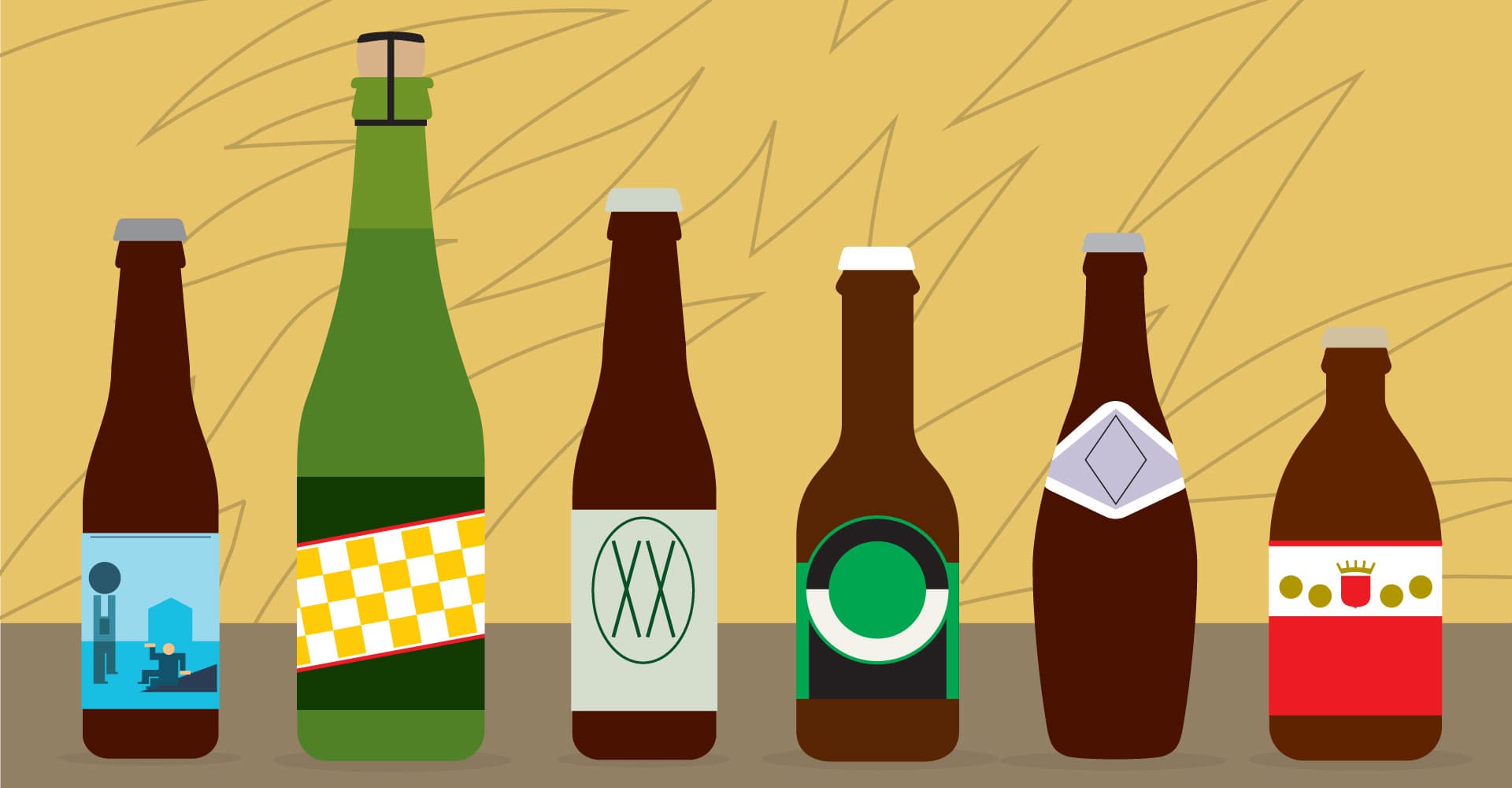
From the legendary Cantillon lambic brewery in Brussels, fourth-generation brewer Jean Van Roy chooses a six-pack of beers that have influenced him over the years. They feature the bitter, the dry, and a lifelong appreciation for good old-fashioned pils.
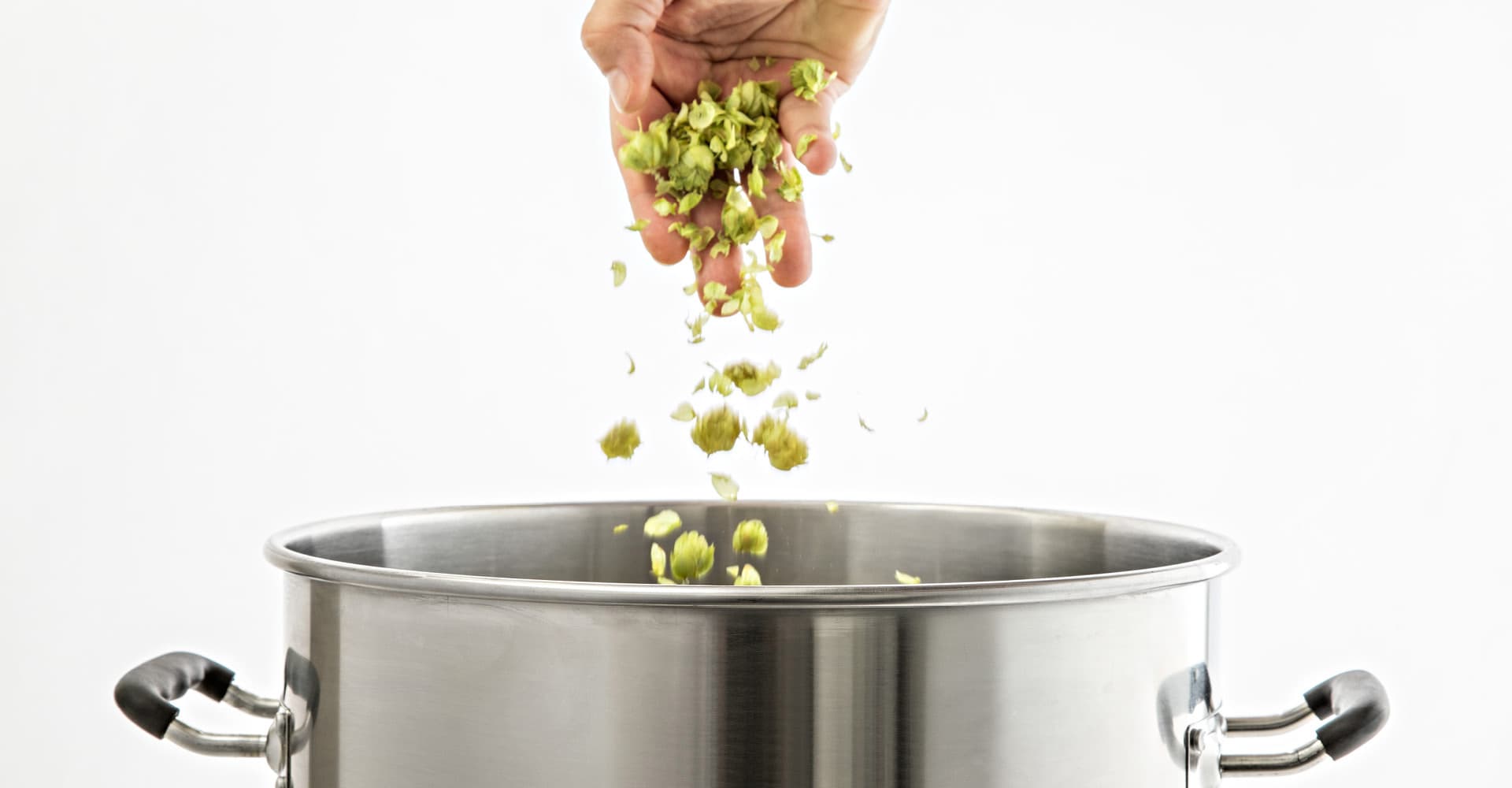
Go beyond the standard three-addition hopping schedule to test other techniques for injecting hop character into your beer.
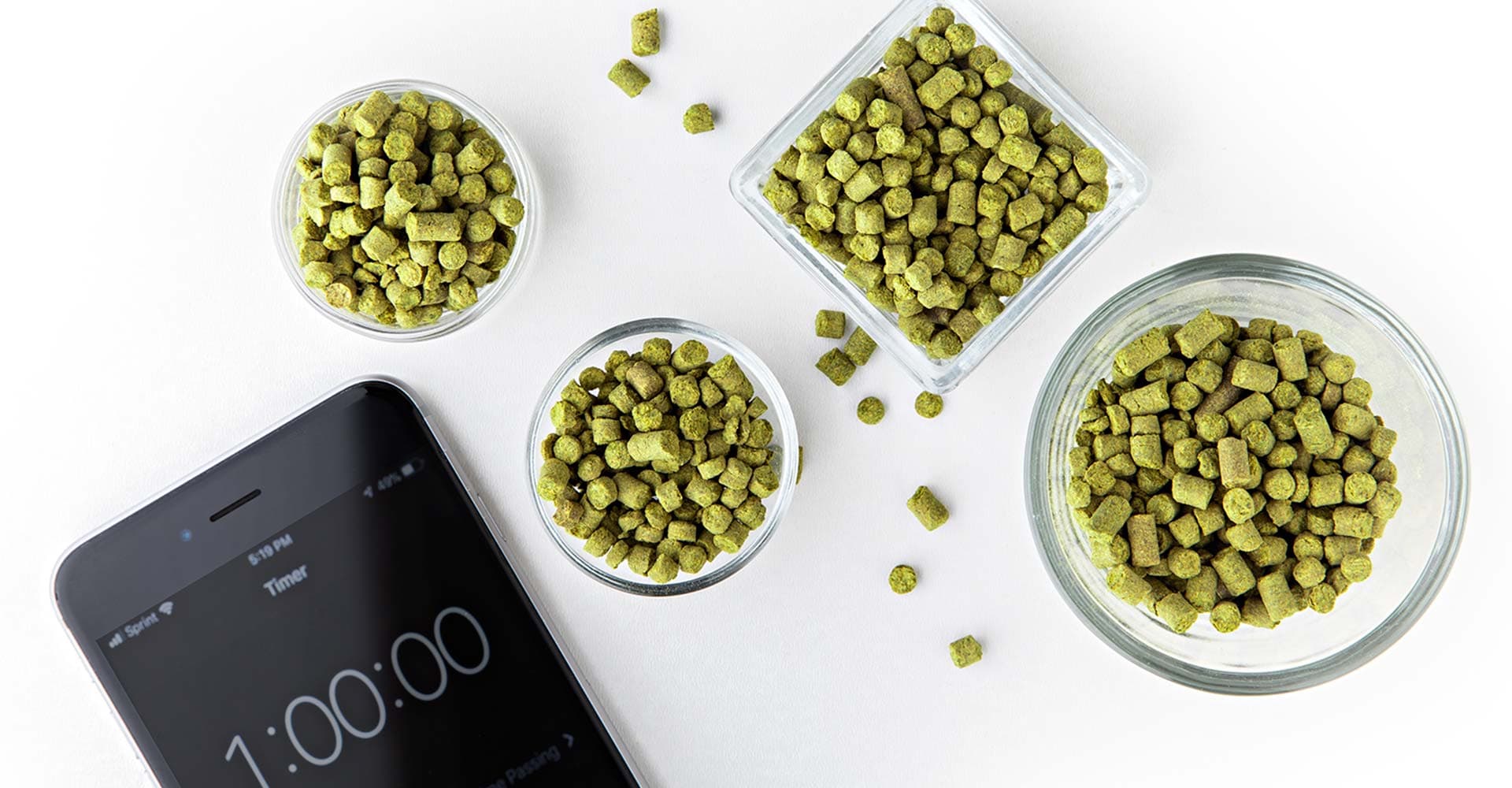
Hops for bitterness, flavor, and aroma... and, often, three corresponding additions to the boil. Using one-gallon test batches hopped differently, let's test our assumptions.
Brewers at The Boston Beer Company ran trials to determine how common spices changed perceived bitterness in various beers. They found that there’s more to bitterness than isomerized alpha acids and more to measuring IBU than those isomerized compounds.